When to Plant Lettuce in Connecticut for Sweet, Crisp Heads
Timing makes or breaks a lettuce crop in Connecticut. Plant too early and seedlings sit in cold mud. Wait too long and summer heat triggers bolting. Knowing when to plant lettuce in Connecticut is simple. It comes down to your frost dates, your region, and your target season.
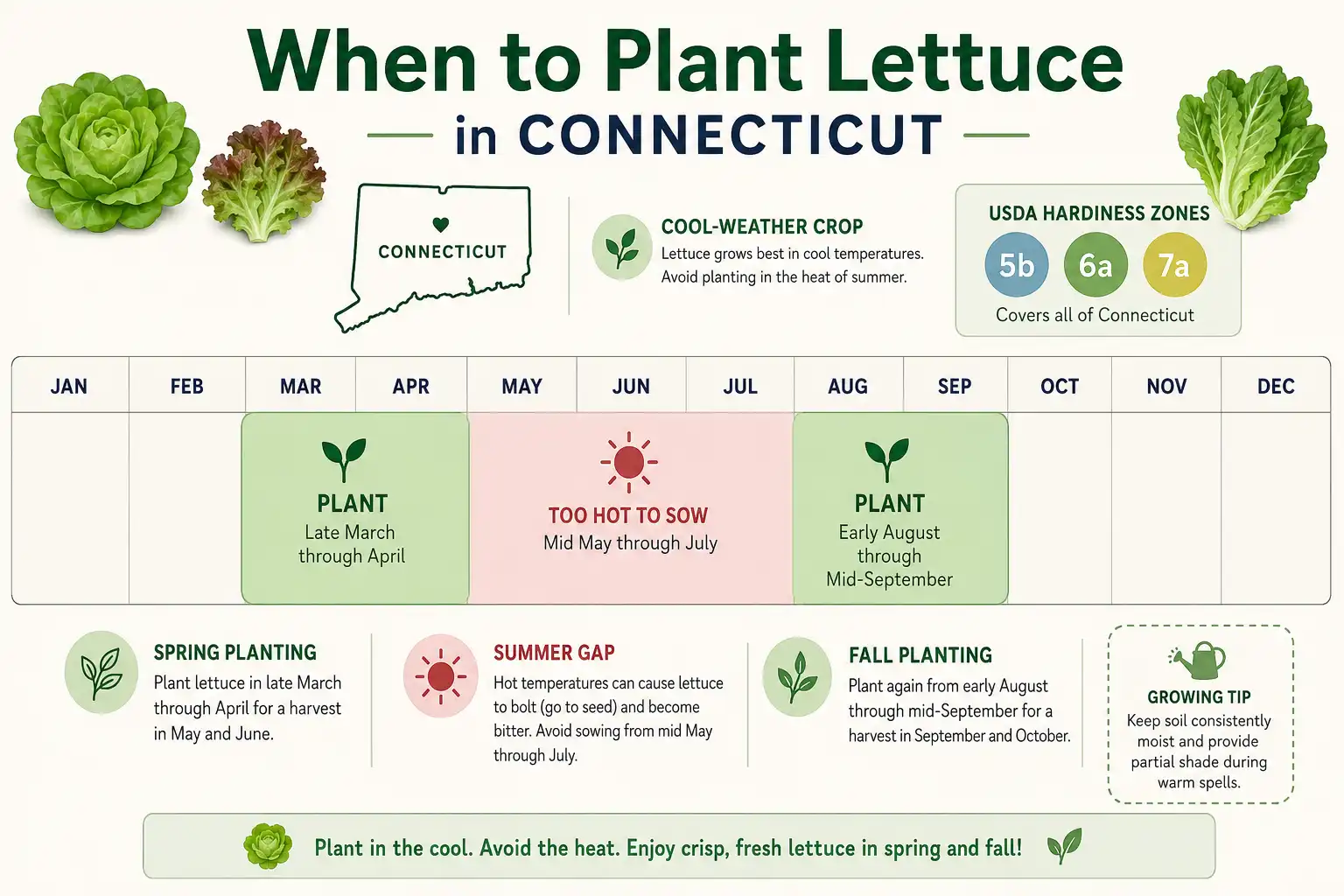
Plant lettuce in Connecticut in two windows: late March through April for spring, and August into mid-September for fall. Skip the hot mid-summer stretch. Coastal towns start earlier, the hills later.
When to Plant Lettuce in Connecticut for the Best Harvest
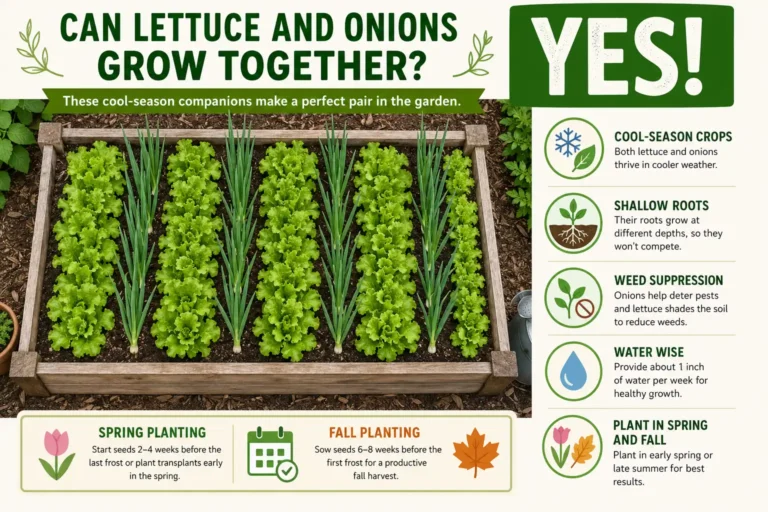
Plant lettuce in Connecticut in early spring and again in late summer. Lettuce is a cool-season crop. It grows fastest between 45°F and 70°F. Spring planting runs from late March into April. Fall planting runs from August into mid-September.
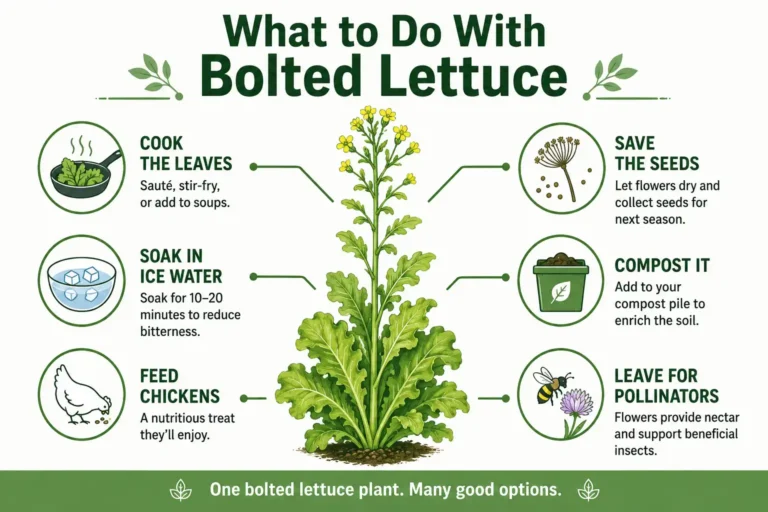
Summer is the weak spot. Once daytime highs push past the low 80s, lettuce turns bitter and bolts. So most Connecticut growers treat lettuce as a spring and fall crop. A few heat-tolerant types can go in shady spots during July.
Both windows reward small, repeated sowings. Instead of one big block, sow a short row every two weeks. That way you harvest steadily instead of all at once.
Connecticut Hardiness Zones and Frost Dates for Lettuce
Connecticut sits in USDA hardiness zones 5b through 7a. That spread shifts your lettuce calendar by two to three weeks across the state. The coast runs warmest. The northwest hills run coldest.
Long Island Sound moderates the shoreline. Towns like Bridgeport, New Haven, and Norwalk fall in zone 7a. There the last spring frost lands around mid-to-late April. The first fall frost holds off into late October or early November. Bridgeport often gets more than 220 frost-free days.
Central and eastern Connecticut sit mostly in zone 6b. That includes Hartford, Middletown, and Norwich. Here the last frost lands in late April or early May. According to NOAA averages, Hartford has about a 50% chance of a 32°F night by late October.
The northwest hills around Litchfield and Torrington drop to zone 5b or 6a. The last frost can hold off until mid-to-late May. The first fall frost arrives by late September or early October. Torrington’s frost-free season runs about 60 days shorter than Bridgeport’s.
Lettuce shrugs off light frost. So you do not need to wait for the official last frost date to start. Still, those dates tell you how long your spring and fall windows really are.
When to Start Lettuce Seeds Indoors in Connecticut
Start lettuce seeds indoors four to six weeks before you set transplants outside. For most of Connecticut, that means sowing flats from late February through March. Then you move seedlings out in April.
UConn Extension notes that Connecticut soil stays warm enough for active growth only four to five months a year. A head start indoors stretches that short season. You can start lettuce indoors in small batches a few weeks apart to keep transplants coming. It also helps with head types like romaine and butterhead, which need 55 to 70 days.
Use a sterile seed mix. Keep flats at 60°F to 68°F. Lettuce needs light to germinate, so press the seed onto the surface and barely cover it.
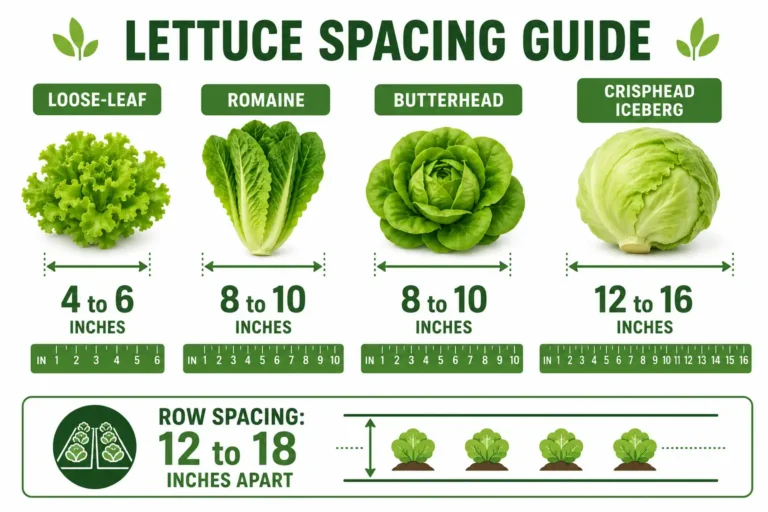
Harden off seedlings for about a week before transplanting. Set them out on a cloudy day or late afternoon. When moving lettuce seedlings outdoors, space leaf types 6 inches apart. Space head types 10 to 12 inches apart.
When to Direct Sow Lettuce Outdoors in Spring
Direct sow lettuce outdoors as soon as the soil is workable and hits about 40°F. That timing falls in late March for the coast and central valleys. The hills usually wait until mid-April. Lettuce seed sprouts in cool soil, so you can plant well before your last frost.
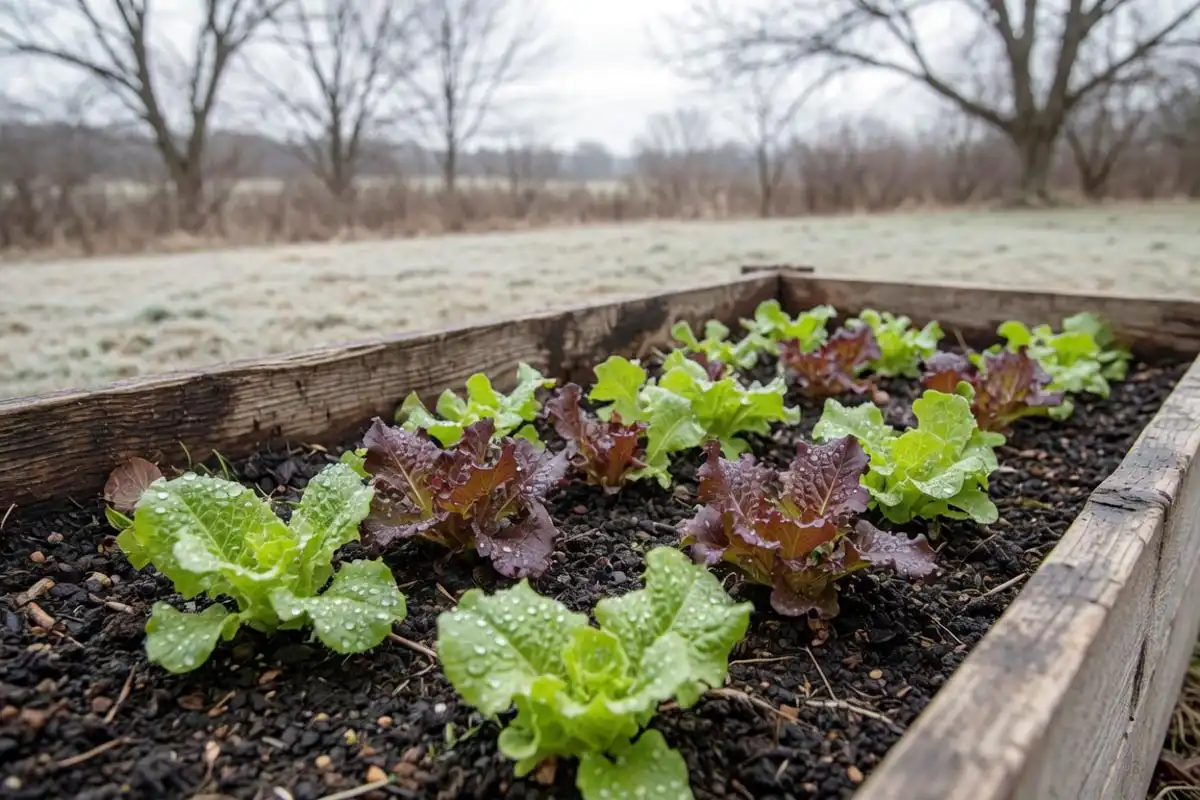
Sow seed about a quarter inch deep. Firm the soil lightly. Keep it moist until sprouts appear. Cold soil slows germination. A floating row cover warms the bed a few degrees and speeds things up.
Spring lettuce grows quickly as days lengthen. Leaf types reach cutting size in 30 to 45 days. To dodge the summer heat that ends the spring run, get your last spring sowing in early. Aim for late April on the coast and early May inland.
What Soil Temperature Does Lettuce Need to Germinate?
Lettuce germinates best when soil sits between 60°F and 68°F. At that range, seed sprouts in two to seven days. Below 40°F, germination crawls. Above 75°F, the seed often goes dormant and refuses to sprout. That problem explains many failed summer plantings.
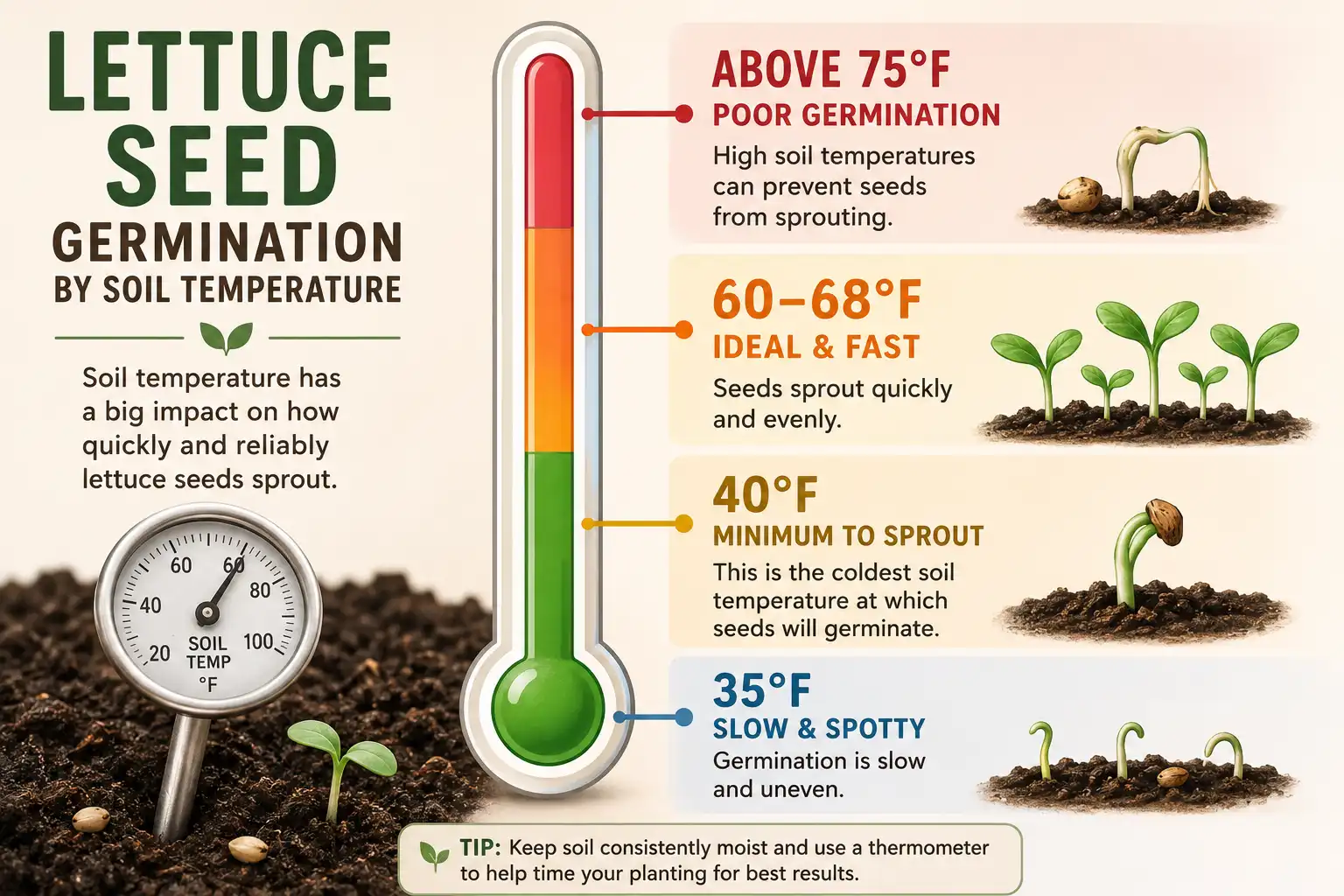
When soil runs warm in late summer, chill your seed for a few days in the fridge before sowing. You can also sow in trays kept somewhere cool. These tricks for germinating lettuce seed matter most for fall crops. After all, you plant those while the ground is still warm.
Can You Grow Lettuce Through a Connecticut Summer?
You can grow lettuce through a Connecticut summer, but only with the right varieties and some shade. Standard spring lettuce bolts once temperatures hold in the 80s. So plain June and July sowings usually fail.
Reach for heat-tolerant, slow-bolting varieties instead. Names like Jericho, Muir, Nevada, and Sierra hold longer in heat. Loose-leaf types beat crisphead types when it is hot. They mature fast, so you harvest before they turn.
Site summer lettuce where it gets afternoon shade. The east side of a taller crop works well, or use 30% to 40% shade cloth. Keep the soil evenly moist. Dry, hot roots push plants to bolt sooner.
Even then, lettuce stays touchy in midsummer. To keep lettuce from bolting, harvest young, water often, and lean on shade. Many growers simply pause and aim for the fall window instead.
When to Plant Fall Lettuce in Connecticut
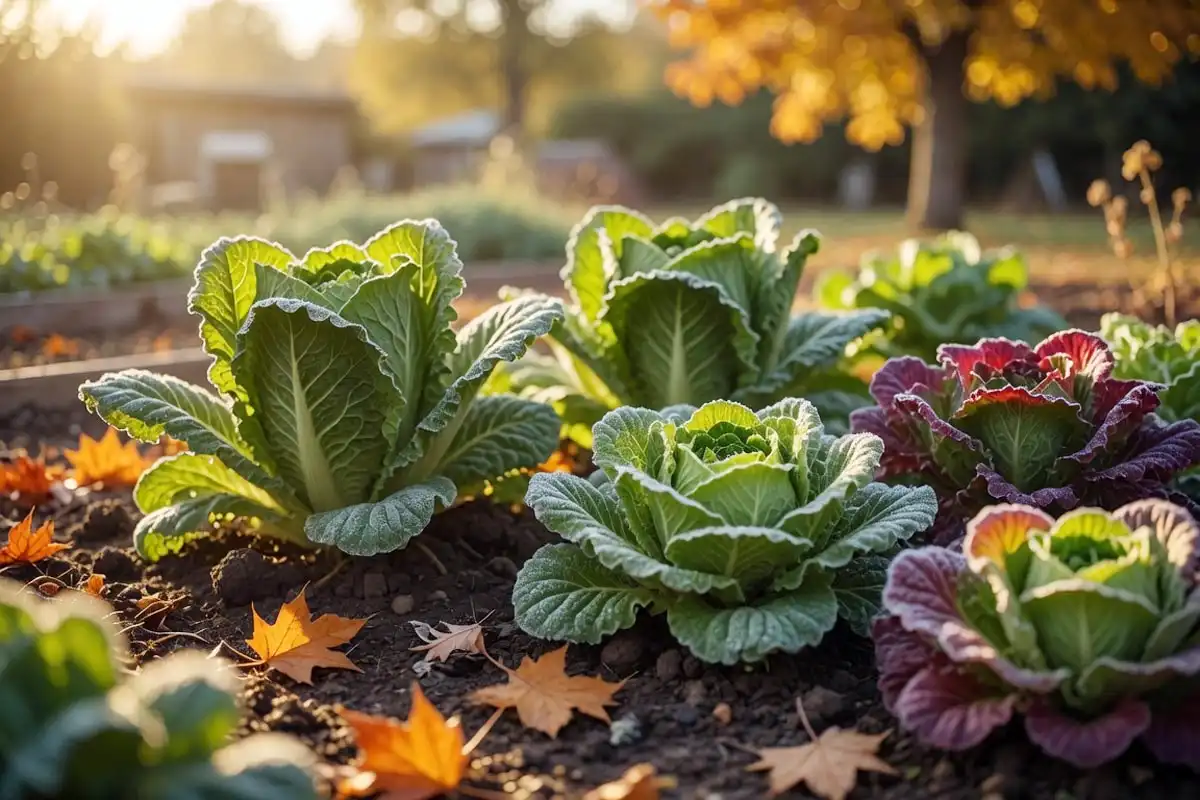
Plant fall lettuce in Connecticut from early August through mid-September. Time it so heads mature as the weather cools. Fall lettuce often tastes sweeter than spring lettuce, because cool nights cut the bitterness.
Count backward from your first fall frost to set the date. Add the variety’s days to maturity. Then add about two weeks for slower fall growth. In the northwest hills, that pushes the main fall sowing to mid-to-late July. On the coast, you can sow into mid-September.
Start fall seed in trays if August soil is still hot. Then transplant once the worst heat breaks. Good timing for your fall lettuce crop gives you crisp heads through October. Under cover, you can stretch that even longer.
Connecticut Lettuce Planting Calendar by Region
This calendar shows the main spring and fall windows by region. Adjust a few days for your exact frost dates and the weather in any given year.
|
Region (zone) |
Start indoors |
Direct sow spring |
Fall sow |
Approx. frost window |
|---|---|---|---|---|
|
Coast / shoreline (7a) |
Mid-Feb to mid-Mar |
Mid-Mar to mid-Apr |
Early Aug to mid-Sep |
Last ~Apr 20, first ~Nov 1 |
|
Central & eastern (6a to 6b) |
Late Feb to late Mar |
Late Mar to late Apr |
Late Jul to early Sep |
Last ~May 1, first ~Oct 20 |
|
Northwest hills (5b to 6a) |
Mid-Mar to mid-Apr |
Mid-Apr to early May |
Mid-Jul to mid-Aug |
Last ~May 18, first ~Oct 1 |
Use the spring rows for cool-season leaf and head lettuce. Use the fall rows for your sweetest crop of the year. The summer gap is for heat-tolerant types only.
How Cold Can Lettuce Handle in Connecticut?
Lettuce handles light frost down to about 28°F, and leaf types take cold better than crisphead types. That cold tolerance is why lettuce fits Connecticut spring and fall so well. Frosty nights are common in both seasons.
Mature plants survive short dips into the upper 20s with little damage. A hard freeze below 25°F burns the outer leaves. Even then, the crown often pushes new growth once it warms. Young seedlings need more protection than mature heads.
Season extension stretches both ends of the year. A floating row cover buys you 4°F to 6°F. A low tunnel or cold frame buys more. Many Connecticut growers cut lettuce into December. Some even harvest overwintered plants in early spring. So if you want salads past the first frost, cover your fall crop.
What to Tell a First-Year Connecticut Grower
Lettuce is forgiving once you respect the heat. Start your spring crop in late March or April, depending on your region. Start a few seeds indoors to get ahead. Then pause through the worst of summer. Come back strong in August for a fall crop that usually tastes best.
Watch your own frost dates more than the calendar. Sow small amounts every couple weeks. Cover plants when frost threatens. Do that, and you will pull fresh lettuce from your Connecticut garden for most of the year.