How to Grow Grapes From Seed (and What to Expect in 2026)
Growing grapes from seed is slow and uncertain. It is nothing like starting a vineyard from cuttings. Still, it works if you follow the steps. This guide shows you how to grow grapes from seed and what the vines will actually give you.
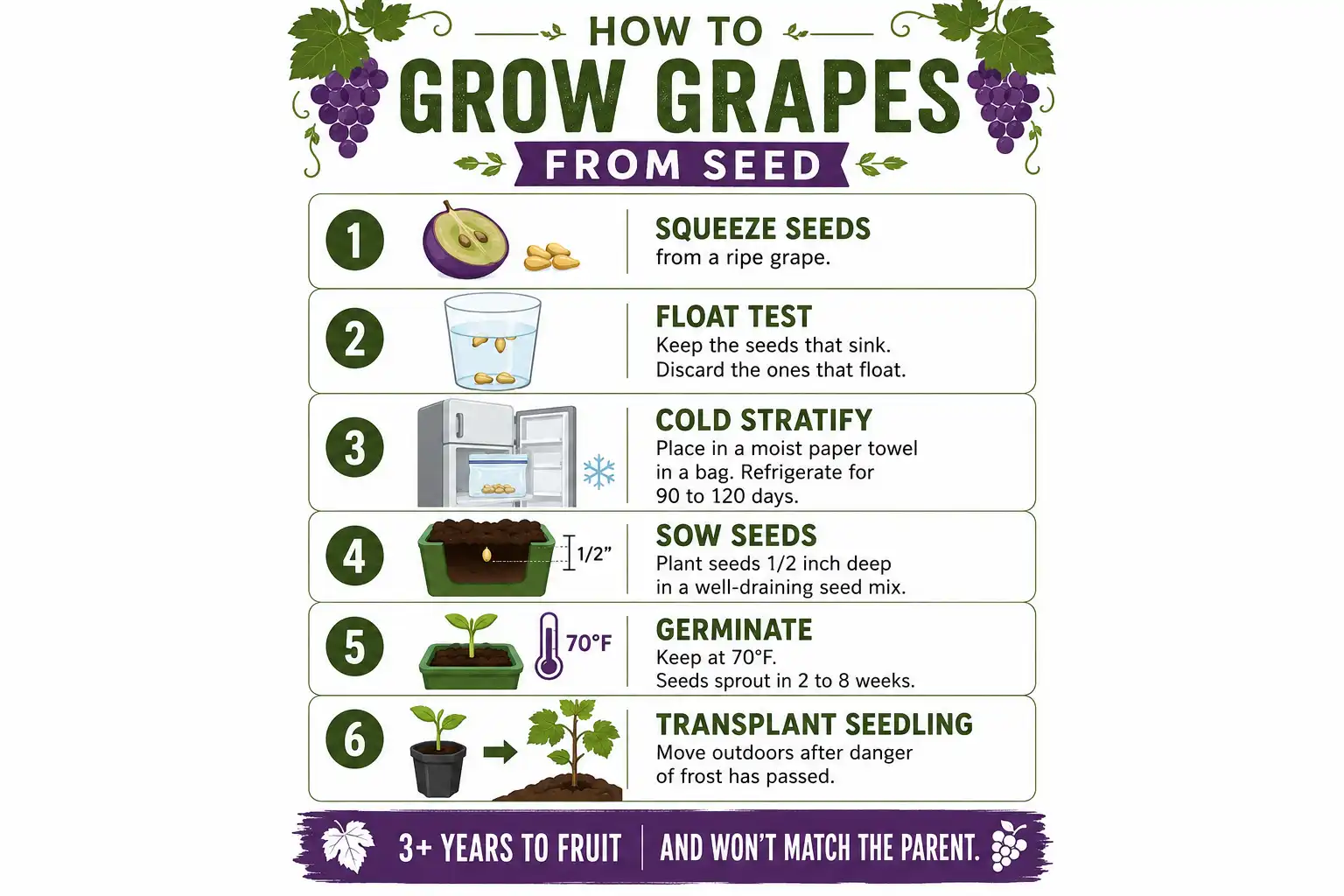
You grow grapes from seed in a few steps. Cold-stratify the seeds for 90 to 120 days. Sow them half an inch deep and keep them warm. Germination takes two to eight weeks. Fruit takes three or more years.
Can You Grow Grapes From Seed?
Yes, you can grow grapes from seed, but the vine you get will not match the grape you started with. Grape seeds carry a scrambled mix of genetics, so each seedling grows into its own one-off plant.
That is why no vineyard starts this way. Commercial growers and serious home gardeners use cuttings or grafting instead, because those methods copy a known variety exactly. Seed-growing fits three jobs: a fun experiment, breeding brand-new varieties, and raising seedlings for rootstock. Extension programs from Oklahoma State to the University of Minnesota all say the same thing. For any vine meant to produce a specific grape, use cuttings.
So treat seed-growing as a project, not a shortcut to a producing vineyard.
Learn more: Best Time to Plant Grapes
Will Seed-Grown Grapes Match the Parent Plant?
No. Seed-grown grapes almost never match the parent, because each seed holds genes from two parent vines and reshuffles them. The fruit can land anywhere on the map for size, color, sweetness, and vigor.
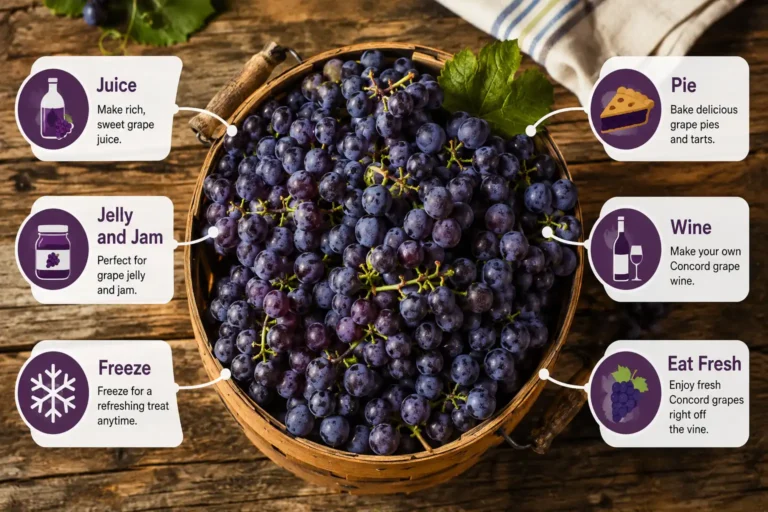
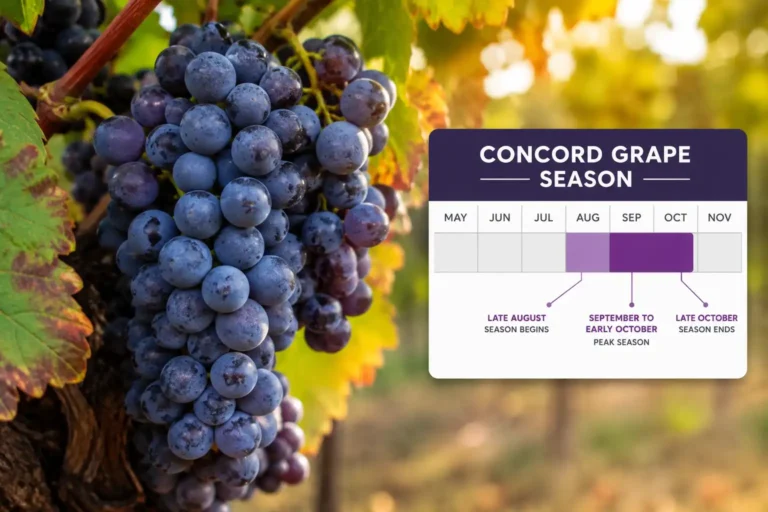
The classic example is the Concord grape. Ephraim Bull grew out roughly 22,000 seedlings before one earned the Concord name. That is the kind of variation hiding inside a single packet of grape seeds. The same rule explains why a Cabernet Sauvignon seed will not grow a Cabernet Sauvignon vine.
Want to know why some seed comes true and some does not? The way hybrid and heirloom seeds behave covers the same genetics in simple terms. With grapes, plan for a surprise every time.
How Do You Get Seeds From Grapes?
Pull seeds from fully ripe, seeded grapes, then rinse off every trace of pulp. The pulp holds germination inhibitors, so clean seeds sprout far better than dirty ones.

Here is the routine:
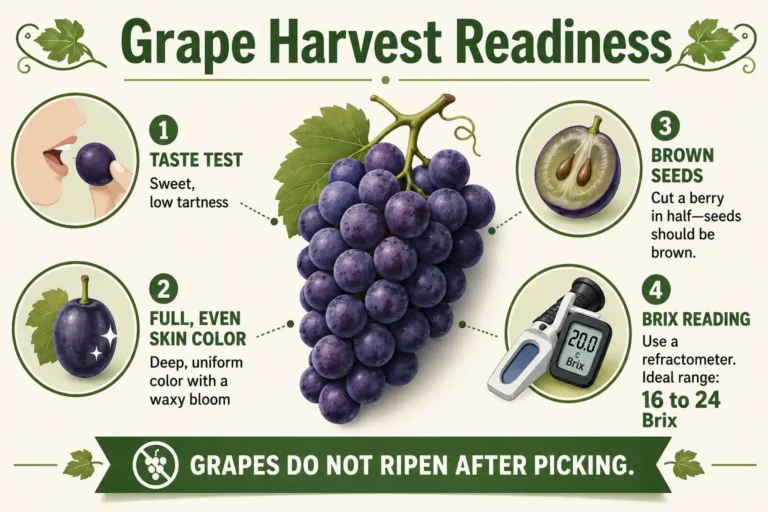
- Pick fully colored, ripe grapes. Green or underripe fruit gives weak seeds.
- Squeeze the seeds out and rub them clean under running water.
- Drop them in a glass of water for a float test. Seeds that sink are usually viable. Toss the floaters.
- Soak the keepers for about 24 hours before the next step.
Why Do Grape Seeds Need Cold Stratification?
Grape seeds need cold stratification to break dormancy. A built-in dormancy keeps them from sprouting until they live through a cold stretch. In the wild, that cold stretch is winter.
Stratification just copies winter on purpose. Cool, damp conditions trigger the chemical changes inside the seed that switch off dormancy. Skip this step and germination drops to almost nothing, as Oregon State University’s horticulture work has shown. So cold treatment is not optional with grapes.
How Long Do You Stratify Grape Seeds?
Stratify grape seeds for 90 to 120 days at 34 to 40°F. University of Minnesota Extension research found the full 120 days gives the highest germination. Lean toward the longer end.
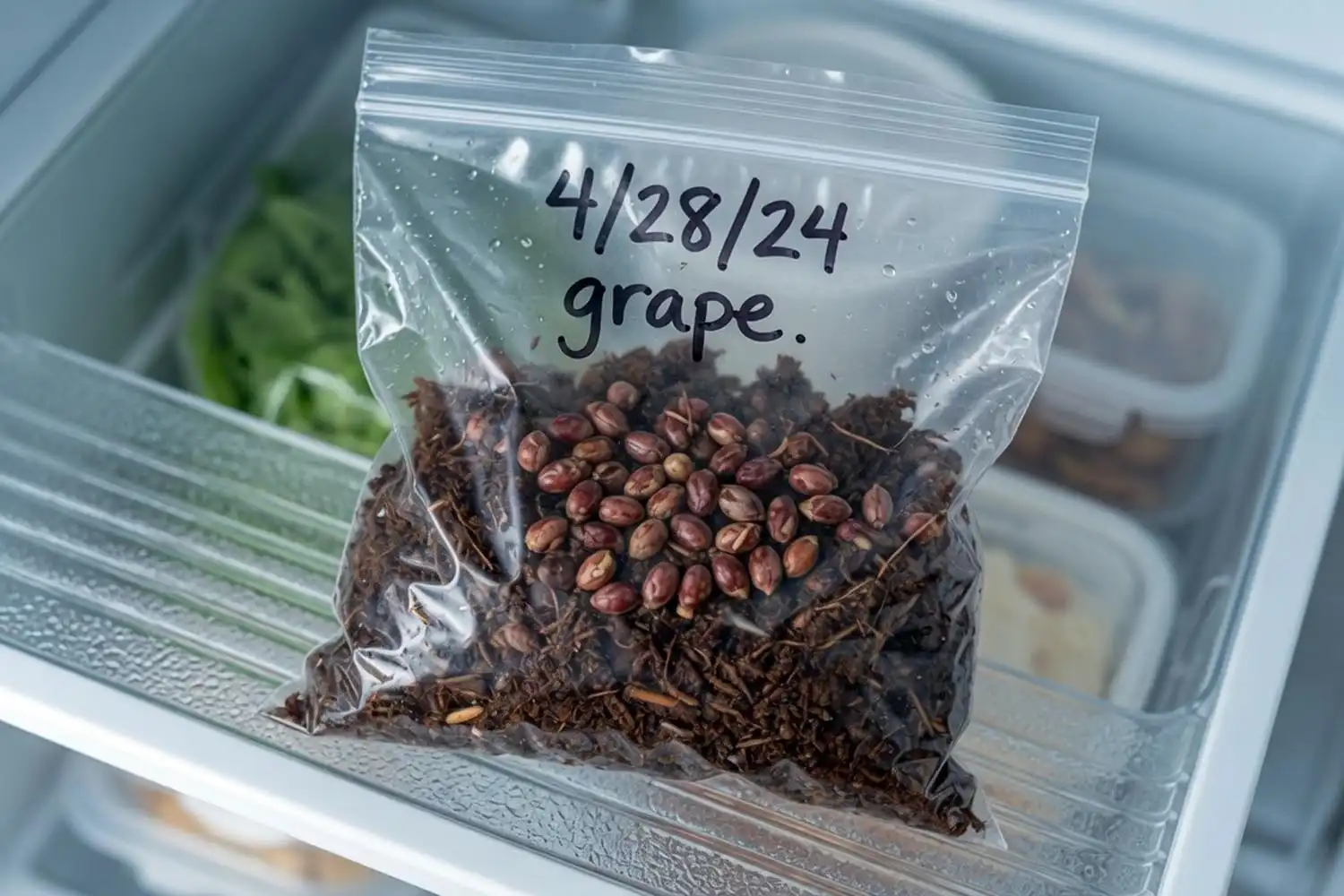
The method is simple:
- Mix the soaked seeds into damp peat moss or wrap them in a damp paper towel. Peat moss helps because it fights mold.
- Seal the lot in a labeled plastic bag with the variety and date.
- Set it in the refrigerator, never the freezer. Freezing can kill the seeds.
- Check weekly. If you spot mold, rinse the seeds and replace the medium.
Start this in late fall or early winter so seedlings are ready by spring.
How Do You Plant Grape Seeds After Stratification?
After stratification, sow the seeds half an inch deep in a damp, well-draining seed-starting mix. A blend with about 30 percent perlite drains well and keeps young roots from sitting wet.
Use 4-inch pots or a flat with drainage holes, and space seeds about 1.5 inches apart. Keep the mix moist like a wrung-out sponge, never soggy. Grape seeds germinate best when it is warm. Aim for 70 to 75°F during the day, a few degrees cooler at night. A grow light running about 16 hours a day helps, because grape seeds respond to long days.
Maybe you are weighing whether to start these indoors or sow them straight outside. The trade-offs in starting seeds indoors versus sowing in place apply here too. For grapes, indoors wins, since you control the warmth and light.
How Long Do Grape Seeds Take to Germinate?
Grape seeds usually sprout in two to eight weeks, though stragglers can take longer. Do not dump the flat early. Some seeds in the same batch sit quiet for a month or more before they break the surface.
Germination rates run low, often 30 to 50 percent even with good stratification. So sow more seeds than the number of vines you want. Plant 20 seeds and a dozen sprouting is a solid result.
How Do You Care for Grape Seedlings?
Give grape seedlings strong light, steady moisture, and good airflow. Crowded, damp, dim conditions invite trouble fast.
The biggest early threat is damping off, a fungal collapse that drops healthy-looking seedlings overnight. Water from the bottom, keep airflow moving, and avoid overwatering. The full notes on how to keep seedlings safe from damping off walk through prevention step by step. Once seedlings crowd their cells, pot them up into larger containers so the roots keep moving.
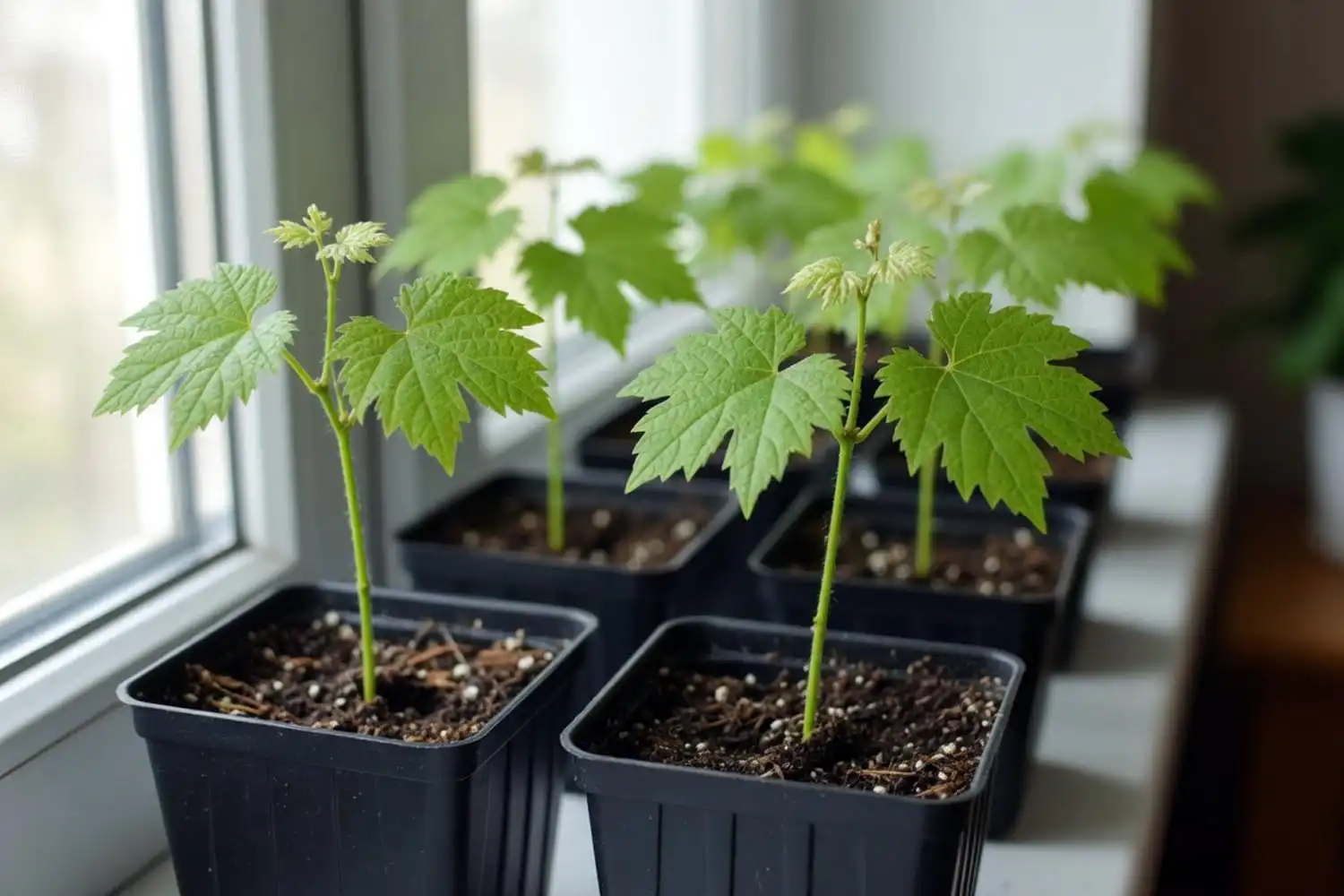
Before they go outside, harden them off over 7 to 10 days. Set them out for a few hours, then bring them back. Add more time each day so they adjust to sun and wind.
When Can You Move Grape Seedlings Outside?
Move grape seedlings outside after the last spring frost. Wait until they have their second set of true leaves and stand a few inches tall. Rushing tender seedlings into a cold snap sets them back hard.
Pick a spot with full sun, meaning at least six hours a day. Grapes want well-drained soil with a pH between 5.5 and 7.0. It pays to run a soil test before planting and adjust if needed. Work in compost first, since steady fertility supports the long climb to a fruiting vine. approach to building soil fertility the natural way suits a young vine well.
Space the seedlings 6 to 8 feet apart and give each one a stake or trellis early. In Kansas, USDA hardiness zone 6a, vines are typically set out after mid-spring. That lets them settle before summer heat hits.
How Long Until Seed-Grown Grapes Produce Fruit?
Seed-grown grapes usually take three to seven years to fruit, and some never give a crop worth picking. That long wait is the real cost of starting from seed.
There is another catch. A share of your seedlings may turn out to be vigorous but fruitless males. UNH Extension has flagged the same thing in wild grapevines. Others fruit, but the grapes come out small or sour. So train each vine onto its trellis and prune it through the early years. Judge the fruit only once the vine matures. Treat the first vine that gives good grapes as a small win, not the expected outcome.
Can You Grow Seedless Grapes From Seed?
No, you cannot grow seedless grapes from seed, because seedless varieties never form mature, viable seeds. The tiny seed traces inside them stop developing, which is exactly what makes the grape seedless.
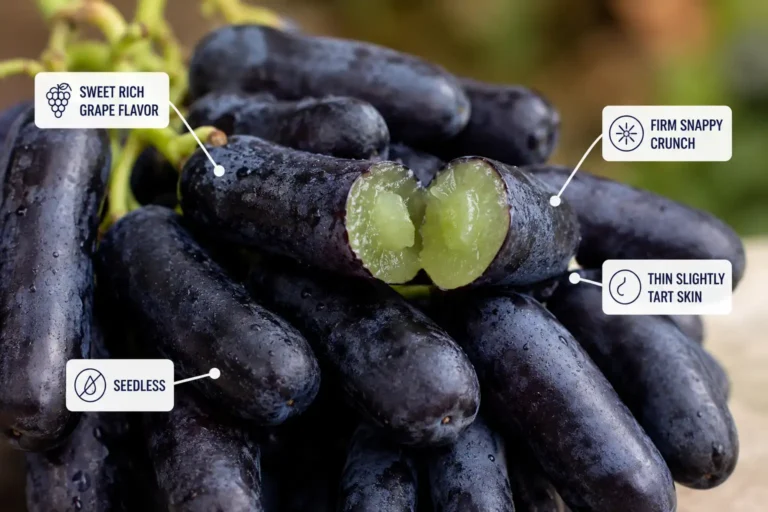
That covers popular types like Thompson Seedless and the newer snack grapes. Maybe you have wondered why cotton candy grapes have no seeds. The same biology applies: no real seed means no seed to plant. Growers multiply those varieties through cuttings and tissue culture instead.
Is It Better to Grow Grapes From Seed or Cuttings?
For a vine that matches a grape you already like, cuttings beat seed every time. A cutting copies the parent exactly, fruits in about two to three years, and skips the genetic lottery entirely.
Seed has its place. Breeders use it to create new varieties. A strong seedling can also serve as rootstock for grafting a known variety on top. But for table grapes or wine grapes you want to count on, take cuttings from a vine you trust.
Final Thoughts
Grow grapes from seed if you enjoy the process and want to see what shows up. Stratify the seeds 90 to 120 days. Sow them warm and shallow. Baby the seedlings past damping off, then harden them off before they go outside. Then settle in for a three-to-seven-year wait, knowing the fruit will be a one-of-a-kind surprise. If you want a specific grape on a dependable timeline, root a cutting instead.