What to Do With Muscadine Grapes: 8 Uses From Jelly to Wine
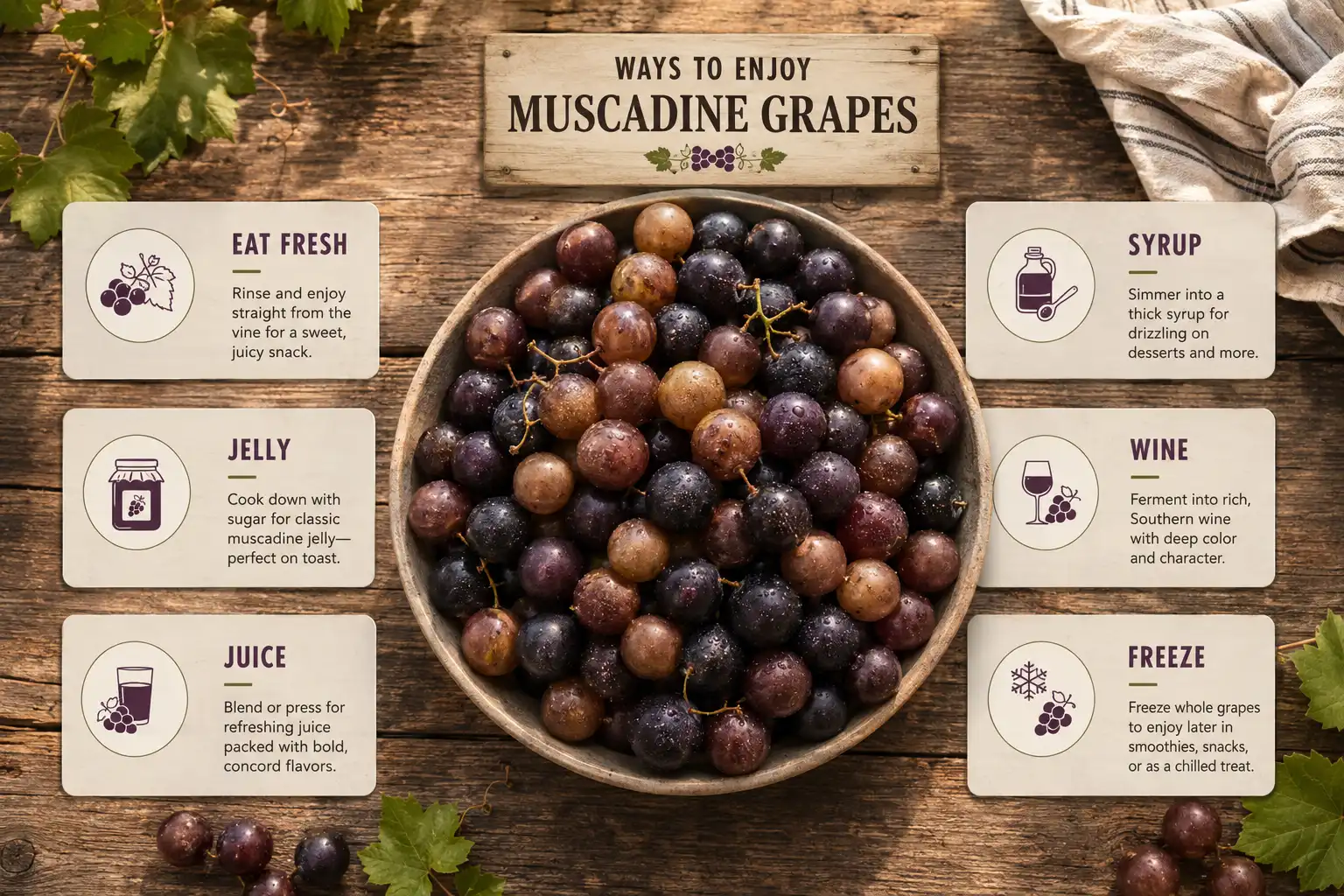
Muscadine grapes ripen by the bucketful in late summer, and a full haul can feel overwhelming. Knowing what to do with muscadine grapes turns that load into jelly, juice, wine, pie, and frozen fruit.
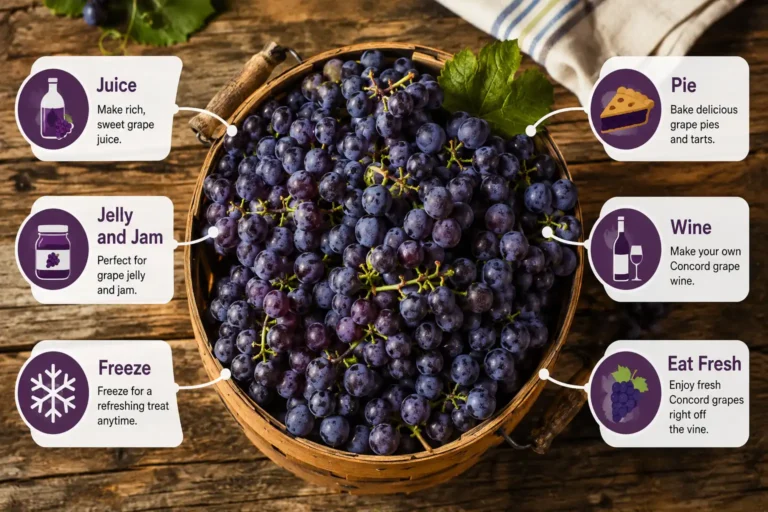
The easiest thing to do with muscadine grapes is eat them fresh. You can also make jelly, hull preserves, juice, syrup, or wine, then freeze the rest. The skins and seeds hold most of the antioxidants.
What Can You Do With Muscadine Grapes?
You can eat muscadine grapes fresh or turn them into jelly, hull preserves, juice, syrup, wine, pies, and frozen fruit. Muscadines are a Southern grape (Vitis rotundifolia), native to the southeastern United States. They grow thick skins, large seeds, and a sweet, musky pulp. That structure makes them better for cooking and preserving than most table grapes. The bronze types, often called Scuppernong, and the dark purple types both work for every use here.
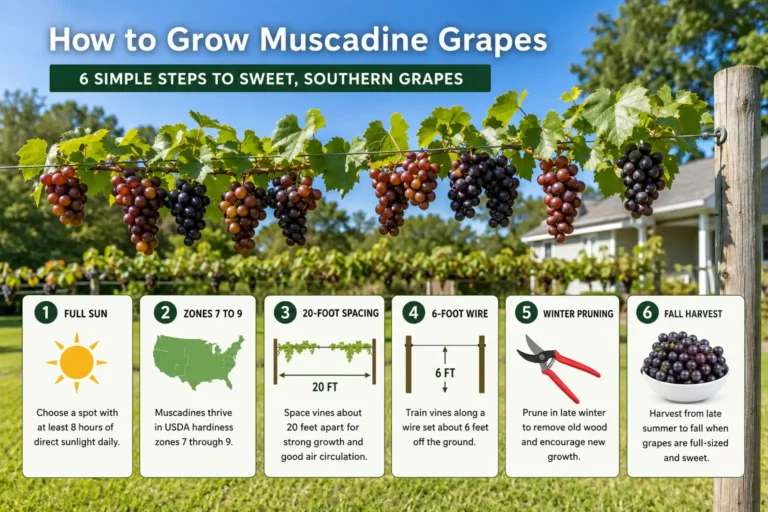
Most cultivated muscadines want USDA zone 7 or warmer, and the Kansas winters run too cold. Still, the crop ripens by the truckload across the South each fall. The uses are the same wherever you pick them. They peak in late summer, so plan your projects for when muscadines come into season.
Learn more: Moon Drop Grapes Taste Like
How Do You Eat Muscadine Grapes Fresh?
To eat a muscadine fresh, put the stem-scar end to your lips and squeeze. The sweet pulp pops right into your mouth. Muscadines are slipskin grapes, which means the juicy center separates from the skin with a light pinch. Most folks spit out the thick skin and the seeds. Some people chew the whole grape, skin and all. There is no wrong way to do it.
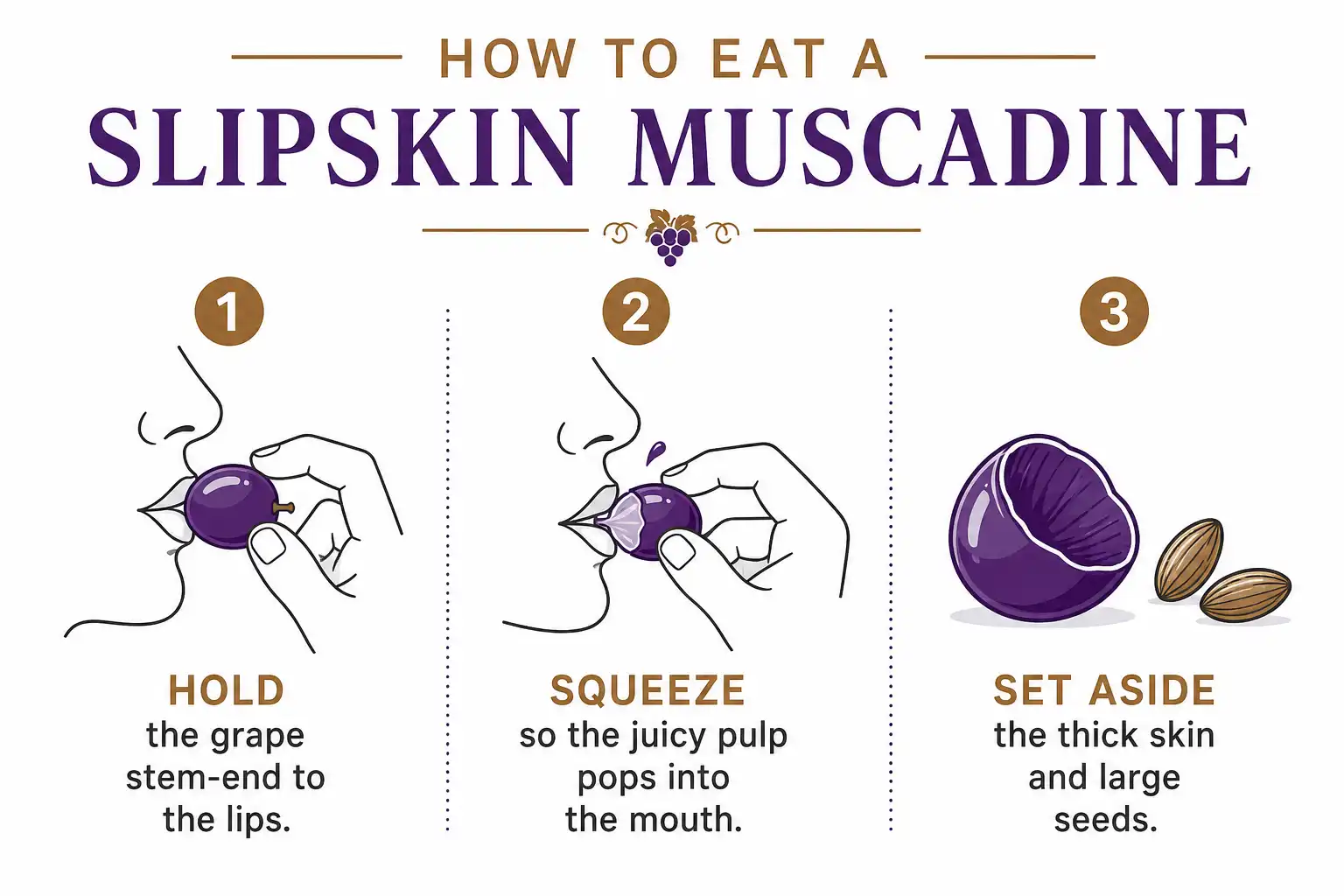
Each grape holds four or five large seeds, so go slow if you’re swallowing the pulp whole. Pick them when they’re fully colored and they give a little under your fingers. Green or hard berries never catch up, because grapes don’t sweeten once they leave the vine. That’s why ripeness at picking matters so much.
Should You Eat the Skins and Seeds?
Yes, eat the skins and seeds if you can, because they hold most of the fruit’s antioxidants. According to N.C. Cooperative Extension, the skins and seeds carry the highest concentration of polyphenols in a muscadine. That includes ellagic acid, anthocyanins, tannins, and some resveratrol. The pulp has the least.
The skins are tough but edible, and they bring fiber. The seeds are gritty and bitter, so they take some getting used to. You have to chew them to release the benefit, which most people skip. If raw seeds aren’t your thing, cook the skins into preserves or blend frozen whole grapes into a smoothie. Either way, you keep the nutrition that lives in the skin.
How to Make Muscadine Jelly
Muscadine jelly starts with juice, pectin, and sugar. First, wash and stem your grapes. Then put them in a pot with a splash of water and simmer until the skins go soft. Crush them as they cook to free the juice. Strain the mash through a jelly bag or a double layer of cheesecloth. Let the juice sit in the fridge overnight, so the cloudy tartrate settles out.
Pour off the clear juice the next day. Mix it with powdered pectin, bring it to a hard boil, then stir in the sugar. Boil it hard for about a minute, skim the foam, and pour it into sterilized jars. Process the jars in a boiling water bath for 10 minutes for shelf storage. Muscadines carry natural tartness and pectin, but added pectin gives you a reliable set.
How to Make Muscadine Hull Preserves
Hull preserves use the whole grape by cooking the skins and pulp separately, then joining them. This is the old Southern way. Start by pressing each grape between your fingers. The pulp pops out, and you’re left with the hulls, which are the skins. Save both.
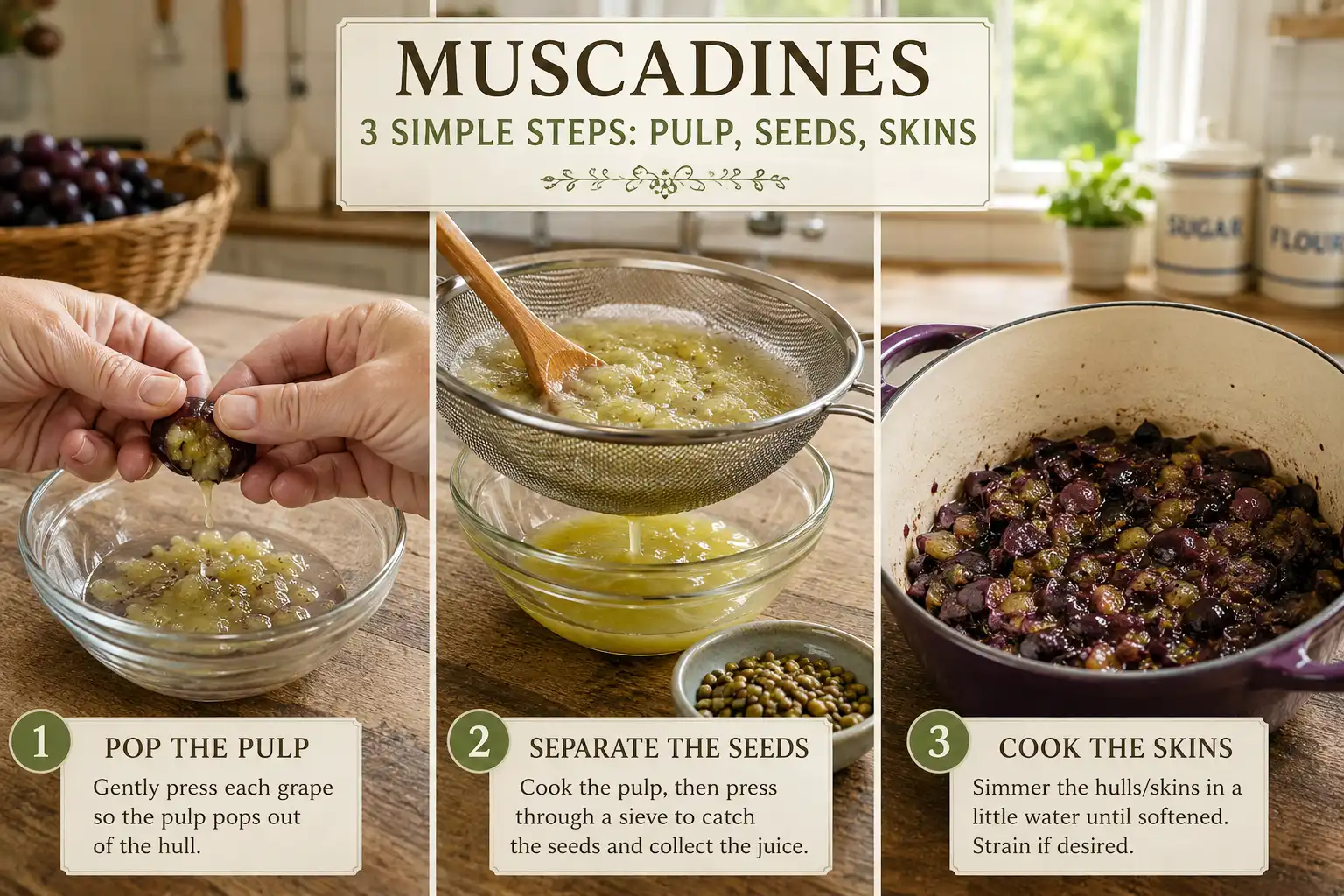
Heat the pulp to a boil to loosen the seeds. Then press the cooked pulp through a sieve or food mill to catch every seed. Chop the hulls so they break down finer. Then simmer them in a little water and pulp juice for 15 to 20 minutes, until tender. Combine the seedless pulp with the softened hulls. Add about one part sugar to six parts grapes for a freezer batch, or follow a tested recipe for canning. The National Center for Home Food Preservation lists safe ratios and times worth following.
How Do You Make Muscadine Juice and Syrup?
To make muscadine juice, simmer washed grapes with a little water, then strain out the solids. Use about one cup of water per gallon of crushed grapes. Simmer for 10 minutes, mashing as you go. Pour the mash through a jelly bag. Let the juice rest overnight in the fridge, then pour off the clear liquid above the sediment. You can drink it fresh, can it, or freeze it.
For syrup, reduce that juice with sugar over low heat until it thickens. Muscadine syrup is great over pancakes, biscuits, or vanilla ice cream. To save the unsweetened juice if you plan to make jelly later, since it sets better without sugar added early. If you’re freezing the juice, handle the fruit gently after harvest. That way you start with clean, sound grapes.
Can You Make Wine From Muscadine Grapes?
Yes, muscadines make a classic Southern wine, and Scuppernong wine has a long history in the region. The process is the same as other country wines. Crush the grapes, add wine yeast, and let the must ferment. Muscadines often run lower in sugar than wine grapes, so many home winemakers add sugar to hit the target alcohol.
Before you ferment, check the sugar (Brix) with a refractometer so you know your starting point. Press off the wine after primary fermentation, then rack it as it clears. Muscadine wine usually finishes sweet and bold. If you’ve never made it, start with a small batch and a tested recipe.
Baking With Muscadines: Pie and Cobbler
Muscadine pie and cobbler use the same de-seeded pulp and softened hulls you’d prep for preserves. Grape hull pie is a Lowcountry and Deep South classic. Pop the pulp from the skins, cook the pulp, and press out the seeds. Cook the hulls until tender, then combine them with the pulp. Sweeten with sugar, thicken with a little flour, and brighten it with lemon. Pour the filling into a crust and bake until it bubbles. Cobbler skips the top crust and goes faster. Both freeze well before or after baking, so you can keep that fall flavor into winter.
How to Freeze Muscadine Grapes
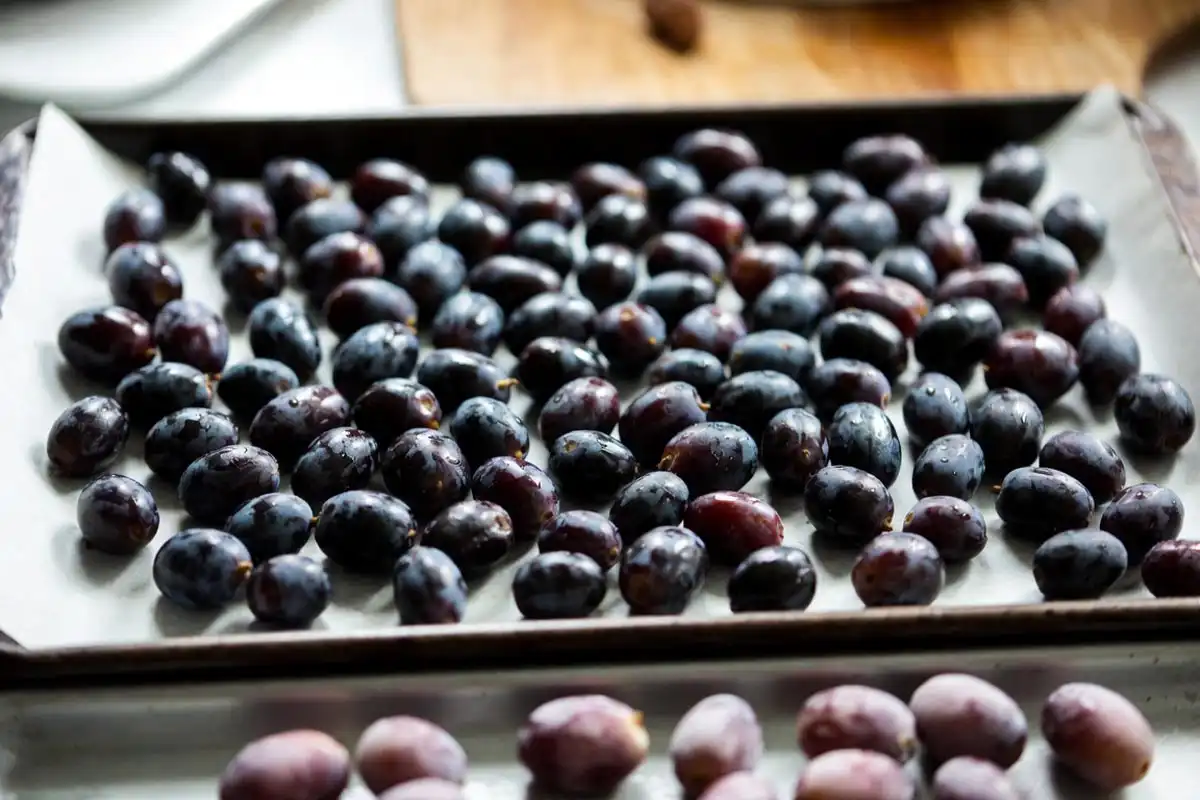
Freezing is the easiest way to keep muscadines for months. Wash them, then dry them well so they don’t clump. Spread the whole grapes in a single layer on a parchment-lined tray. Freeze them solid, then pour them into freezer bags. They’ll hold for several months. Frozen muscadines are great straight from the bag as a cold snack, or blended into smoothies. You can also freeze the de-seeded preserve mix with a little sugar, following the same one-to-six ratio.
Drying them into raisins isn’t worth the trouble, since the large seeds and thick skins get in the way. If you want dried grapes, you’d make raisins from thin-skinned seedless types instead. For muscadines, fruit leather from the strained pulp works better.
How Long Do Fresh Muscadines Keep?
Fresh muscadines keep about a week in the refrigerator. They can last up to two weeks if your fridge runs cold and humid. Store them unwashed in a shallow, breathable container or a perforated bag. Don’t rinse them until you’re ready to eat, because surface moisture speeds up decay. Check the container every couple of days and pull any soft or moldy berries. Eat them within a few days for the best flavor.
Since muscadines won’t improve after harvest, start with fruit picked at peak. It helps to know when your grapes are ready to pick. For anything longer than a couple of weeks, freezing is your best move.
Making the Most of Your Muscadine Haul
The honest answer to what to do with muscadine grapes is simple: use the whole fruit. Eat the fresh ones now, cook the rest into jelly, preserves, juice, or wine, and freeze whatever’s left. Keep the skins and seeds in play, because that’s where the antioxidants hide. Pick ripe, handle the fruit gently, and you’ll stretch one good harvest deep into winter. That’s how to work through a full bucket if those vines were growing.