How to Protect Grapes from Birds: Netting and Smart Timing
Birds can strip a grape cluster in a single morning, right when the fruit turns sweet. Knowing how to protect grapes from birds comes down to two things: good timing and a solid barrier. Net early, net well, and you keep your harvest.
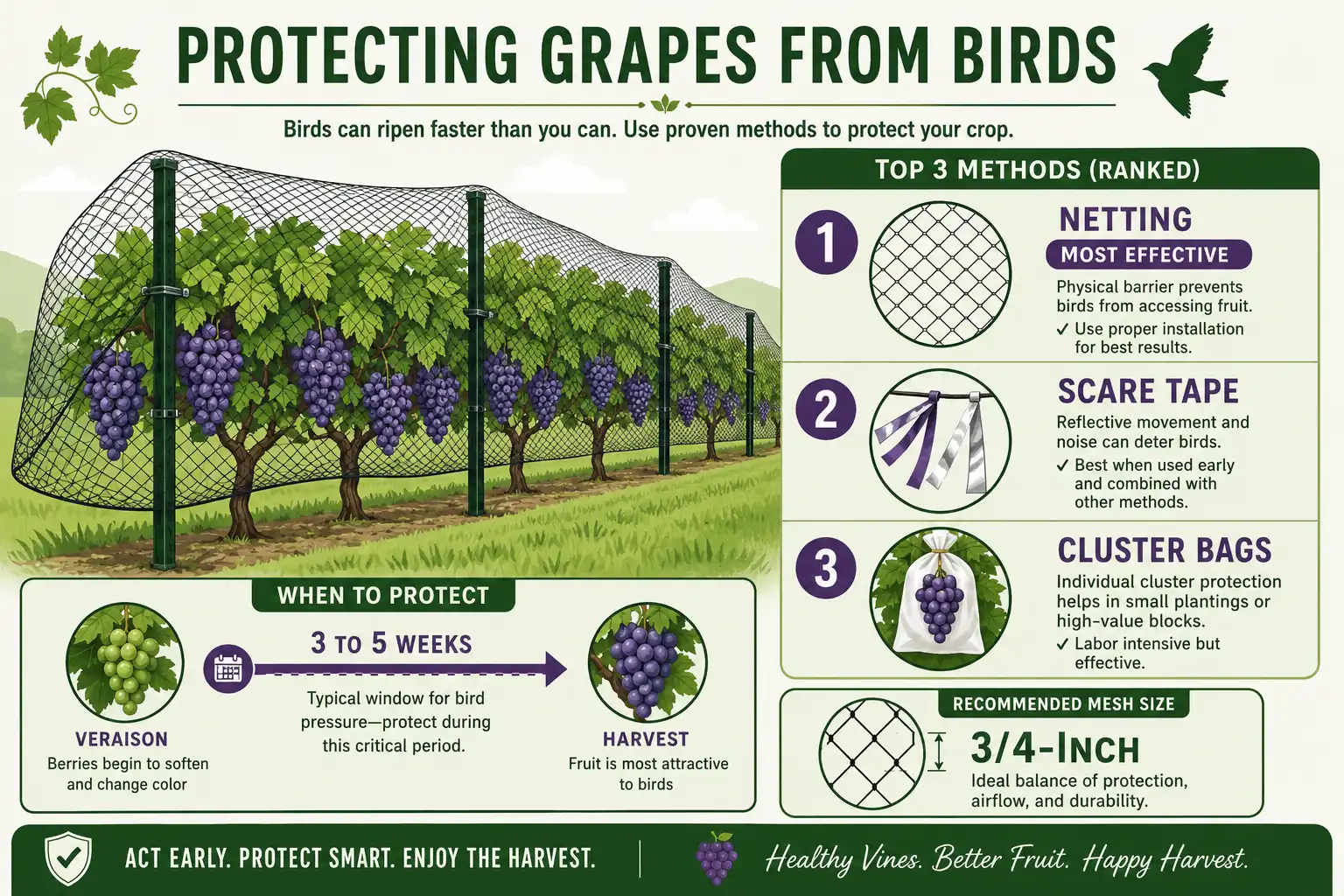
The most reliable way to protect grapes from birds is netting. Put it up right at veraison, when berries start to color. Use 3/4-inch mesh, secure the bottom edges, and add flash tape for heavy bird pressure.
Why Do Birds Target Ripening Grapes?
Birds go after grapes because the fruit turns into a high-energy meal as it ripens. They want the sugar and water, and a ripe cluster delivers both.
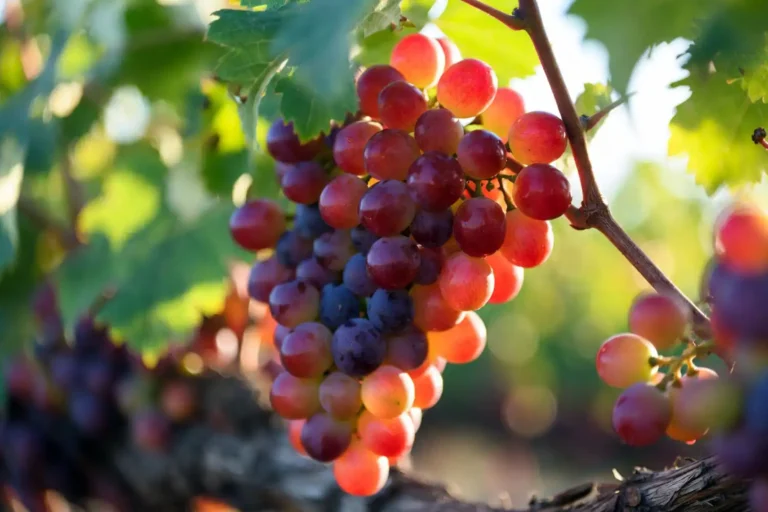
The trigger is veraison. That’s when green berries soften and change color, either to purple, red, or gold. At that point sugar (Brix) climbs fast and acidity drops. Birds have sharp color vision, so they spot those bright clusters from across a field. Once one bird finds the fruit, the rest follow within hours.
Late summer makes it worse. Wild berries get scarce, and many birds start fattening up for migration. So your ripe grapes become the easiest calories around. Inside USDA hardiness zone 6a, watch pressure build from August into September. That is accurate as vines move through the final weeks it takes grapes to ripen.
Which Birds Damage Grapes the Most?
European starlings cause the most damage across most of the country. They move in large flocks and swallow whole berries, so even a small group clears clusters quickly.
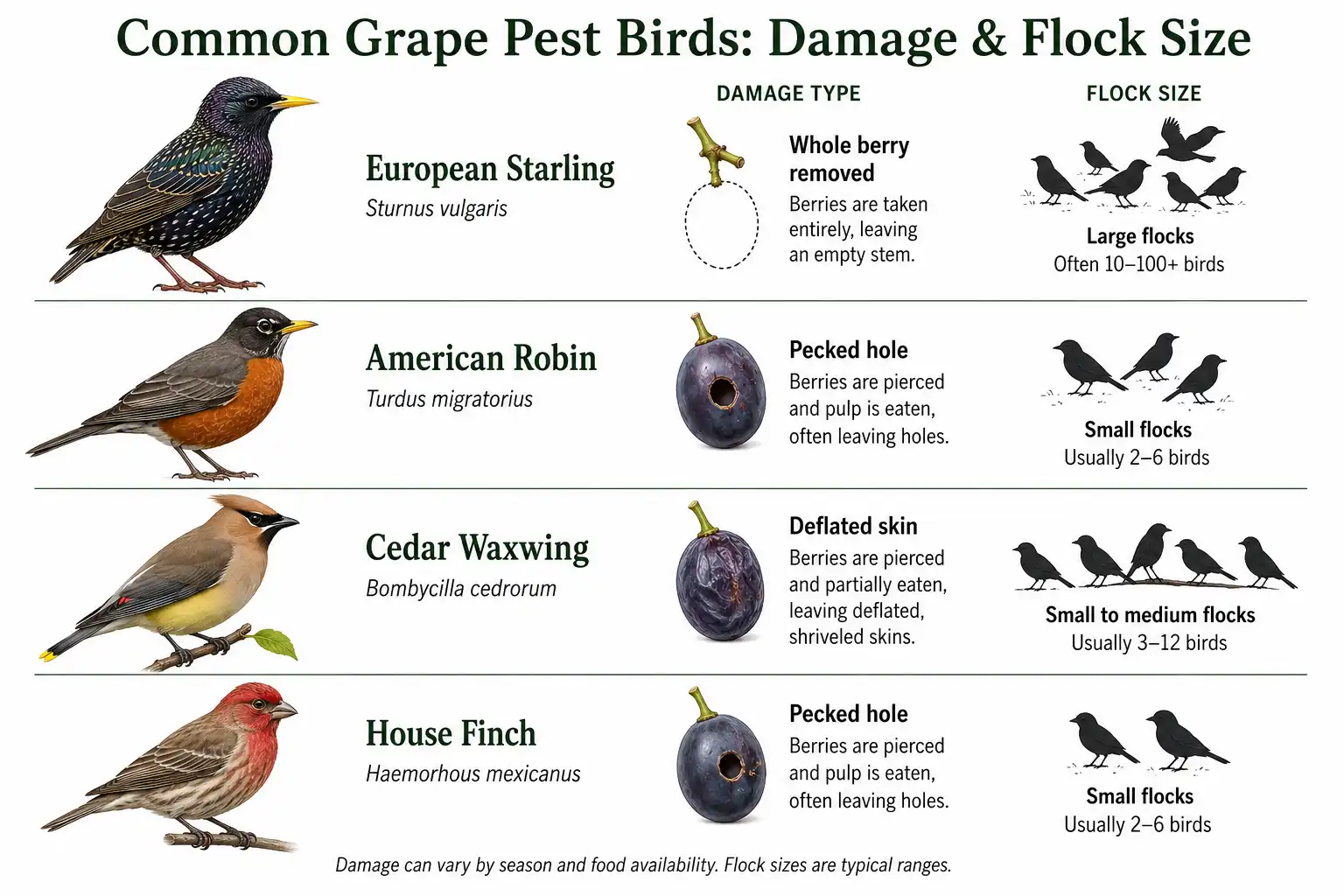
American robins rank close behind. They often feed alone or in small groups, picking berries off the lowest clusters or reaching up from the ground.
Cedar waxwings travel in tight flocks of five to ten birds. They strip fruit in short, fast visits all through the ripening stretch.
House finches and house sparrows do a different kind of damage. Instead of taking whole berries, they peck holes to taste the sugar and eat the seed inside. A deflated, sad-looking skin left on the cluster usually points to finches or sparrows.
A few other species show up too. Mockingbirds, orioles, catbirds, grackles, and blackbirds all feed on grapes when fruit is handy. Crows act a little differently, though. They prefer insects over fruit, so they do less harm and sometimes even help.
When Should You Protect Grapes from Birds?
Start protecting grapes the moment veraison begins, not after you spot damage. Waiting costs you the crop.
Veraison to harvest is a 3 to 5 week window, and that’s your peak risk. By the time you notice missing berries, a flock has already learned your rows, and they return daily. Scout in late summer as the berries soften. Once color sets in, protection should go up within a few days.
Timing within the day matters too. Birds feed hardest in early morning and late afternoon. That means your barrier needs to be ready before dawn, not at noon. New plantings and isolated vines also take extra heat, since they stand out as a concentrated food source. If you’re laying out a new block, factor bird pressure in while you plan a new planting.
How Do You Net Grapes to Keep Birds Out?
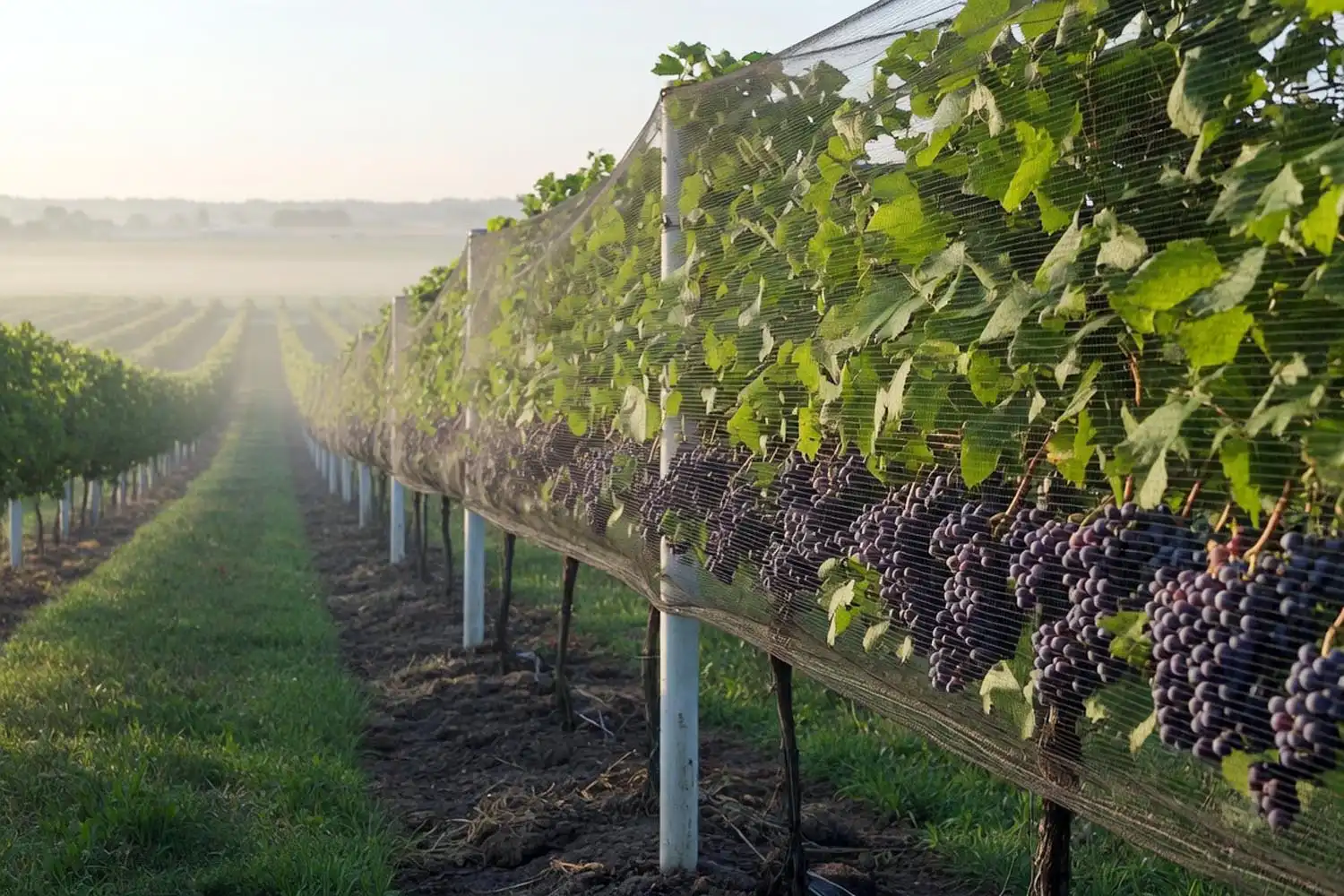
Netting is the most effective and reliable method, full stop. It physically blocks birds while still letting in light and air. Done right, it gives you near-complete protection straight through harvest.
What Mesh Size Stops Birds?
Use 3/4-inch mesh to stop most grape-eating birds. For smaller peckers like finches and sparrows, drop down to 1/2-inch mesh for a tighter block.
Knotless polyethylene or nylon netting works best because it resists snagging. UV-resistant netting holds up for 5 to 10 seasons if you store it dry and check it for tears each year.
Drape, Side, or Full Netting?
Pick the netting style that matches your trellis and your labor. Each one trades cost against effort.
Drape-over netting lays across the top of a row or several rows at once. It’s simple, but it tangles in the vines if it touches them. Side netting runs along both sides of the row and fastens above and below the fruit zone. It saves real labor, around 25 to 30 percent over draping, and it can stay on longer. Full-enclosure netting wraps the whole planting and gives the tightest exclusion of all.
How Do You Install Netting So Birds Can’t Get Under?
Secure the bottom edges so birds can’t slip underneath. That’s the step most folks skip, and it’s the one that matters.
Birds are clever. Drape a net loosely, and they will find the gap at the ground and feed from the inside. So pin or clip the edges closed beneath the vines. For drape netting, set PVC pipe or 2×2 wood “T” posts that stand above the canopy. Then lay the net over those Ts so it rides off the clusters instead of catching the shoots. Omega clips and bread-clip style net clips hold the seams and edges tight.
Watch for holes. Any tear lets birds in, and a trapped bird will struggle and die in the mesh. So inspect the netting often and patch gaps fast.
When Should You Take the Netting Off?
Remove the netting right after you finish picking. Don’t leave it hanging on the vines.
Leaves and tendrils grow into the mesh within a week or ten days. Wait too long, and pulling the net turns into a miserable, slow job. So strip it as soon as the fruit is in the bin.
How Do You Protect Grapes on an Arbor or Pergola?
Bag the clusters when your grapes grow on an arbor, pergola, or patio cover. Row netting rarely fits those structures, so bagging is the practical fix.
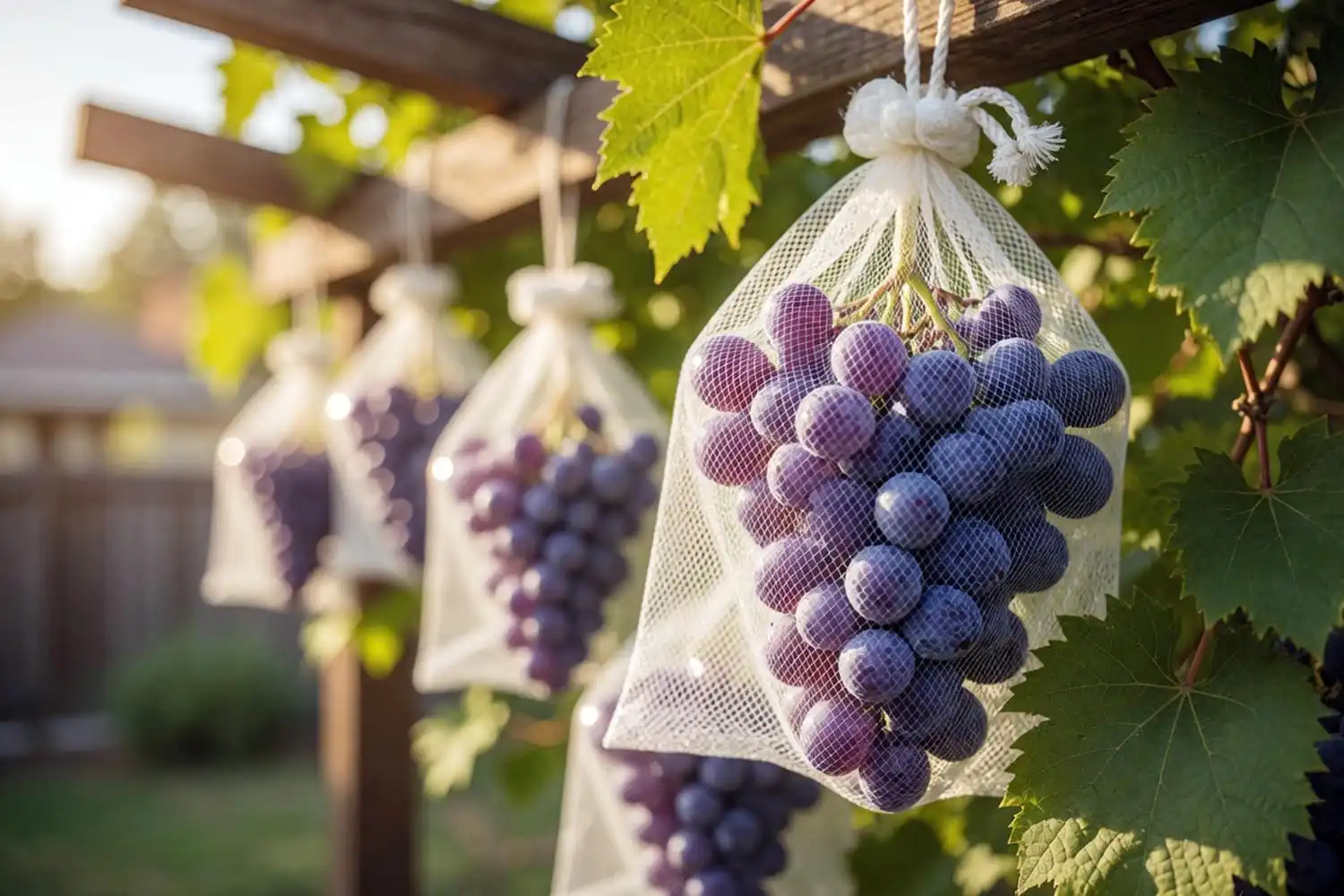
Slip a mesh, tulle, or organza bag over each cluster, then tie or staple the top closed. Paper bags work too. Just skip plastic bags, because trapped moisture rots the fruit fast. Cluster bagging takes more time per vine, but it’s cheap and precise for a handful of prized bunches.
The same trick covers container-grown grapes on a deck or small patio. A couple of vines and a box of bags will carry you through harvest without a single net.
Do Bird Scare Devices Actually Work?
Scare devices help, but they rarely work alone, and birds get used to them fast. Treat them as backup to netting, not a replacement.
Visual deterrents include reflective flash tape, Mylar strips, old CDs, scare-eye balloons, and predator decoys like plastic owls or hawks. Flash tape spins in the wind and throws off light and noise. It can buy you time, though plenty of growers see little drop in pecking from tape on its own.
Sound deterrents include propane cannons, ultrasonic units, and distress-call broadcasters. Distress calls tend to beat random noise. In one vineyard study, distress calls paired with tape and cannons cut damage from 13 percent to under 6 percent. Netting alone, though, dropped it to about 2 percent.
Here’s the catch: habituation. Eye-spot balloons scared starlings well at first, but the birds ignored them within a few weeks. So move your devices around, switch types, and run them only during peak feeding hours. Sweeping green laser units are a newer option that some larger vineyards now use.
Methyl anthranilate, a grape-derived repellent spray, is another tool worth knowing. It’s weak by itself, so use it as a supplement, never as your main defense.
How Can You Lower Bird Pressure Around the Vineyard?
Cut the things that draw and shelter birds near your rows. Less habitat means fewer hungry visitors.
Bird pressure climbs near forest edges, tree lines, power lines, and harvested grain fields. Birds perch in those spots, then drop into the fruit. So remove dead perch trees where you can, and mow tall cover that hides ground feeders.
Raptors help too. Some growers mount kestrel boxes or raptor poles, and a few hire falconers during the ripening weeks. A resident hawk keeps small birds nervous and on the move.
Fold bird control into your wider plan. An integrated pest management approach treats birds like any other pest: monitor first, act early, and stack tactics instead of leaning on one. No grape variety is bird-proof, by the way. Thicker-skinned or tart cultivars draw a bit less interest, but color still pulls birds in, so don’t count on variety alone.
Is It Legal to Kill Birds Eating Your Grapes?
No, not for most species. The Migratory Bird Treaty Act protects nearly all native birds, including robins, cedar waxwings, finches, and grackles.
You can harass protected birds without a permit. That covers netting, noise, flash tape, and decoys. Lethal control of protected species, though, needs a federal depredation permit first.
Three birds are the exceptions. European starlings, house sparrows, and rock pigeons are non-native, so federal law doesn’t shield them. The Act also allows control of crows and grackles when they’re actively damaging a crop. Still, check your state rules before you act, because they stack on top of the federal law.
In practice, exclusion beats shooting anyway. A flock just gets replaced by the next one, so netting protects the fruit far better than thinning birds ever will.
What Growers Do Around Kansas Vines
Netting carries the load. Watch for veraison in late summer, then get 3/4-inch net over the rows within a few days, with the edges pinned tight at the ground. Flash tape can be hung as backup and moved every few days so the birds stay honest. After the last pick, the net comes off that same week. That simple routine keeps clusters whole and the harvest in the crate, not in a starling’s belly.