How to Plant Grapes: Site, Variety, Spacing, and First Year Care
Grape vines live 30 years or more, so the choices you make on planting day follow you for decades. Poor drainage, the wrong variety, or a buried graft union shows up later as weak growth and small crops. Learning how to plant grapes properly prevents most of that.
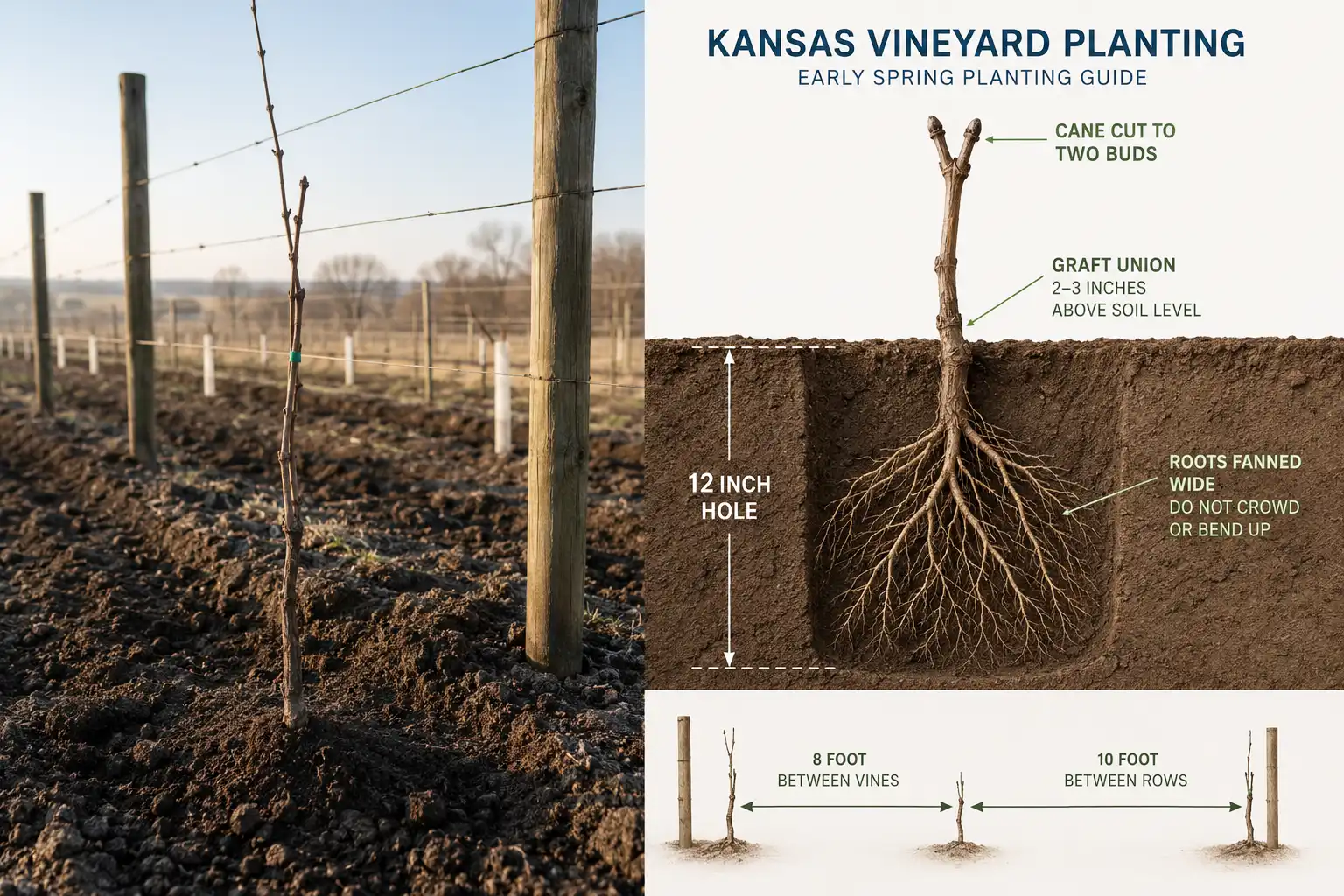
Plant grapes in early spring on a sunny, well drained site, 8 feet apart in 10 foot rows. How to plant grapes well comes down to matching variety to winter lows and cutting each vine to two buds.
Where to Plant Grapes on Your Property
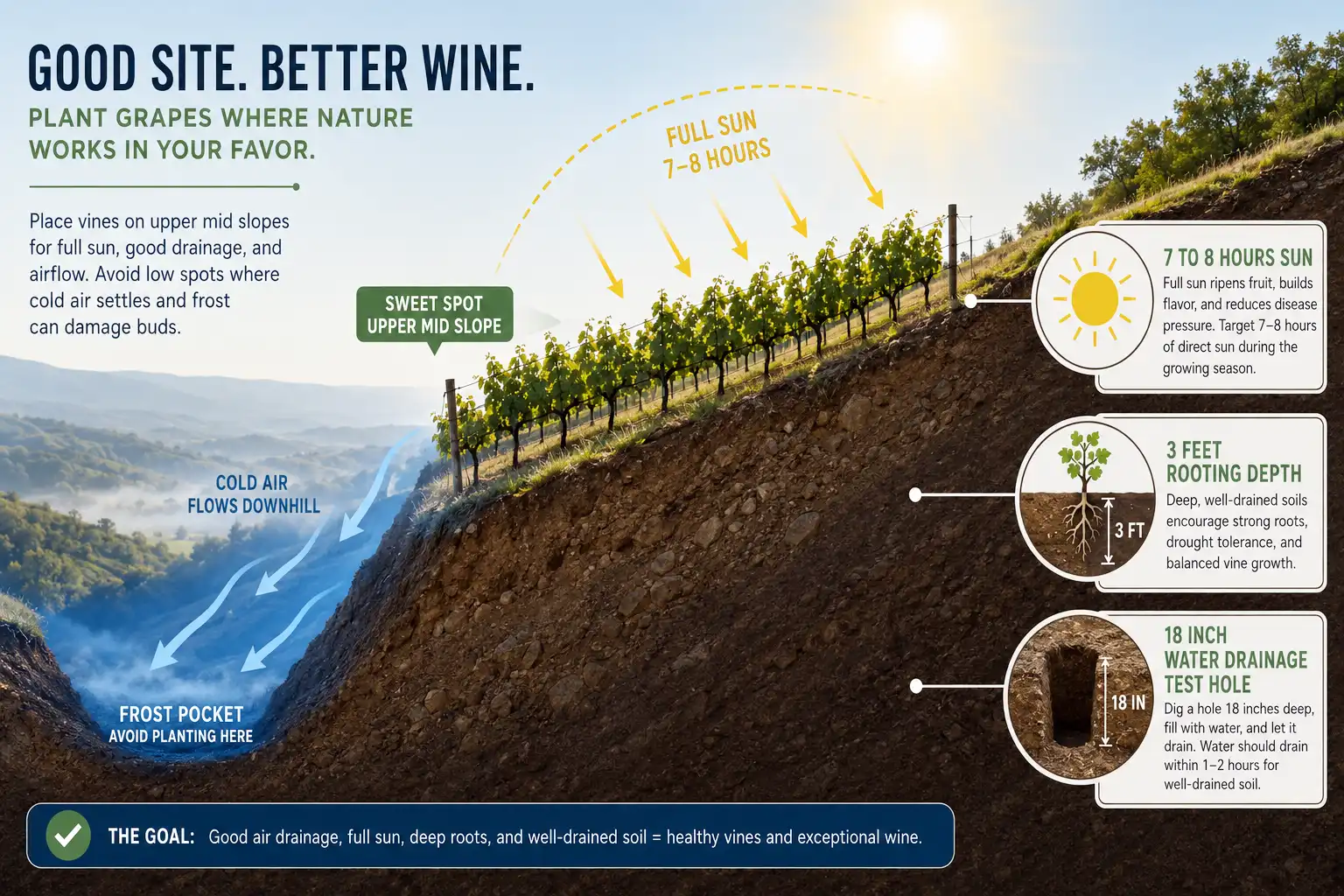
Put grapes on the sunniest, best drained ground you own, ideally on a gentle slope. Roots push 3 feet down or deeper. The site controls your yield more than planting day does. Once the posts and vines go in, moving them is not practical.
Sunlight and Row Direction
Grape vines need 7 to 8 hours of direct sun to ripen fruit and harden wood before winter. Morning sun matters most, because it dries dew off the leaves early. That single factor cuts pressure from black rot, downy mildew, and powdery mildew. Rows should be run north to south so both sides of the canopy catch light through the day.
Slope and Air Drainage
Cold air sinks, so plant on a rise rather than in the low spot. Bottom ground collects that cold air and becomes a frost pocket. In Kansas the area gets freezes into the third week of April, when new shoots are tender and exposed. At bud burst, wet Concord buds start dying near 27 degrees F. Dry buds hold to about 21 degrees F.
South and southwest slopes warm faster and ripen fruit earlier in the fall. Worried more about late spring frost? A north facing slope delays bud break by several days.
Test the Drainage Before You Buy Anything
Grapes will not tolerate standing water, even briefly. Dig an 18 inch hole and fill it with water. Let it drain, then fill it a second time. If water still sits in that hole 24 hours later, the site will drown your vines.
You also need real rooting depth. Look for at least 3 feet of open soil, with no plow pan or claypan in the top 40 inches. A subsoiler pulled down the row before planting breaks those compacted layers. The NRCS Web Soil Survey is free to use. Check soil depth and drainage class there before you commit.
What to Keep Your Vines Away From
Grapes are among the most herbicide sensitive crops grown. A neighbor’s 2,4-D application can drift half a mile to a mile and injure your vines badly. Damage shows as narrow, fan shaped leaves with sawtooth edges, and clusters that ripen unevenly or not at all. Symptoms appear one to three weeks after exposure. Before you set a row, ask what your neighbors spray. Note which way the wind runs in May and June.
Match the Grape Type to Your Winter Lows
Pick the grape species before you pick the site layout, because winter minimums decide what survives. Look up your average annual low on the USDA Plant Hardiness Zone Map. Then compare it against the critical bud temperatures below. These figures come from Texas A&M AgriLife Extension and represent the point where roughly half the dormant primary buds die.
| Hardiness class | Critical temperature | Species | Example varieties |
|---|---|---|---|
| Very tender | 5 to -5 F | Most Vitis vinifera | Merlot, Syrah, Zinfandel, Sauvignon blanc |
| Tender | 0 to -8 F | Most Vitis vinifera | Chardonnay, Cabernet Sauvignon, Pinot noir |
| Moderately tender | -5 to -15 F | Some vinifera and hybrids | Riesling, Cabernet Franc, Chambourcin |
| Moderately hardy | -10 to -15 F | Most French American hybrids | Norton, Traminette, Chardonel, Vignoles |
| Hardy | -15 to -20 F | Most Vitis labrusca | Concord, Niagara, Catawba |
| Very hardy | -20 to -30 F | Cold climate hybrids | Frontenac, Marechal Foch, La Crescent |
Virginia freezing trials set minus 8 degrees F as the point where serious injury begins on Vitis vinifera. NC State Extension turned that into a practical rule. If your site hits minus 8 degrees F three or more times per decade, skip vinifera. Topeka sits in USDA hardiness zone 6a, averaging minus 10 to minus 5. Stay with hybrids and labrusca here.
Two regional limits matter just as much:
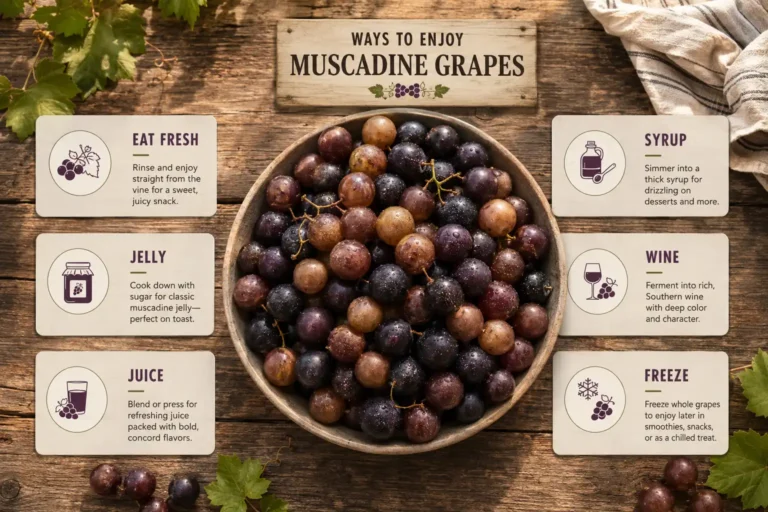
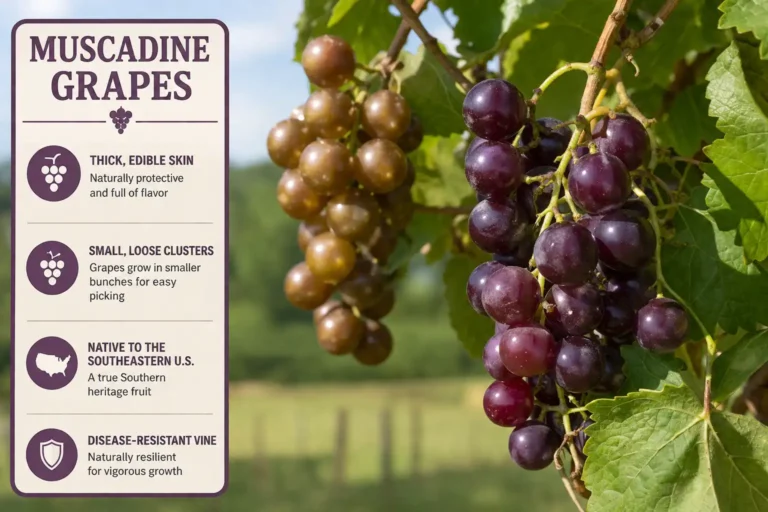
- Muscadines need zone 7 or warmer. Vitis rotundifolia dies back when winter temperatures drop below about 10 degrees F. That rules it out across most of the Midwest and Great Plains.
- Pierce’s disease rules the Gulf South. The bacterium Xylella fastidiosa kills vinifera and many hybrids across the lower South. Researchers have confirmed it as far north as Oklahoma and Missouri. In that band, plant muscadines or proven tolerant varieties.
Prepare the Soil a Full Season Ahead
Pull a soil test at least one year before planting, because lime moves through soil slowly. Ground limestone needs three to six months to shift pH. Once vines and posts go in, you cannot till anything under. This is the only window you get.
Target a pH of 6.0 to 6.5 for American and hybrid grapes, and 5.8 to 6.5 for muscadines. Most grape types tolerate a range of 5.5 to 7.0. Let the report set your lime rate, not a rule of thumb. Use dolomitic limestone if the test also shows low magnesium, and work it in 8 to 12 inches deep. Want your own numbers before the lab report comes back? Home soil test kits read pH and nutrients across several spots in the block. That catches variation a single lab sample averages out.
Grapes pull heavy potassium, so correct low K and low phosphorus now while you can still incorporate them. Then go light on nitrogen. Excess N produces long, soft, disease prone shoots and poor fruit set. Kill perennial weeds the season before as well, especially field bindweed, bermudagrass, and johnsongrass. Replanting an old vineyard site? Fallow it to oats or grass for two years first, which knocks back root pests and any leftover herbicide residue.
Planting Grapes in Heavy Clay
Build a raised berm if your soil is a tight clay or sits over a claypan. Shape a ridge 8 to 12 inches high and 3 to 4 feet wide down the row. Plant into the top of it. The berm lifts the crown above the saturated zone and gives roots somewhere to go after a wet spring. Do not amend the individual planting hole with organic matter. In clay, that amended hole holds water like a bucket.
Choose and Handle Your Vines
Buy one year old, certified virus tested vines from a reputable grapevine nursery. Older or larger stock costs more and establishes slower, so there is no advantage in sizing up. Order early, because good varieties on the right rootstock sell out months ahead.
Bare Root or Potted
Dormant bare root vines cost less and ship in early spring, which suits most growers. Potted vines in one gallon containers cost more, but they go in later and handle a delayed planting date better. Harden potted vines outdoors in a protected spot for several days before they go in the ground.
Own Rooted or Grafted
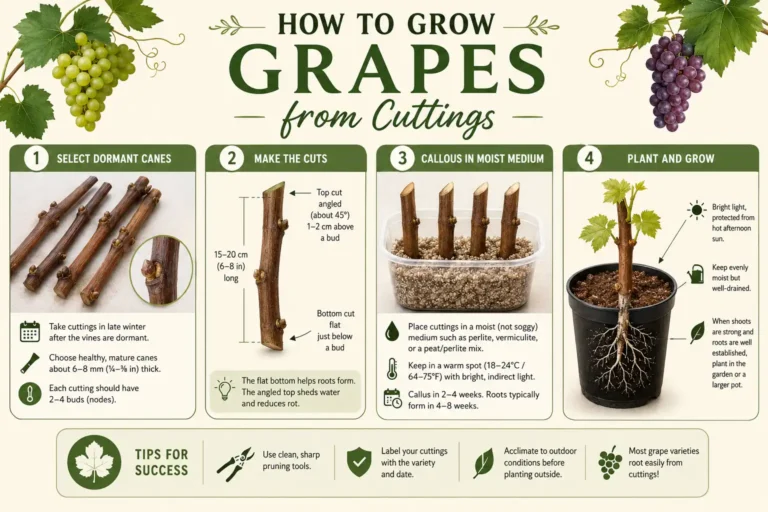
American varieties such as Concord, Catawba, and Mars grow well on their own roots, as do most French American hybrids. European varieties in the Vitis vinifera group need grafting onto phylloxera resistant rootstock. Phylloxera feeding kills an own rooted vinifera vine. Already have a producing vine you like? Then growing grape vines from cuttings costs nothing but a season of patience.
What to Do the Day Your Vines Arrive
Unpack the box immediately and check that the roots are moist and flexible. Trellis or soil prep not finished? Heel the vines in rather than leaving them in the box. Dig a shallow trench in the shade and lay the vines at an angle. Cover the roots completely with loose soil. Vines hold in a heel bed for up to four months. Water it enough to keep roots moist but never soggy. Do not park bare root vines in a bucket of water for weeks. A household refrigerator ruins them too.
When to Plant Grape Vines
Plant dormant bare root grapes in early spring, as soon as the ground works and before the buds swell. In zone 6a near Topeka, that means late March into mid April. Wait until soil temperature at 4 inches holds in the mid 40s F. Spring planting gives the roots a full season to establish before their first winter.
Fall planting works in zone 7 and warmer. Set those vines at least six weeks before the ground freezes. In zone 6 and colder, skip fall entirely. Freeze and thaw cycles heave young vines right out of the ground. For a closer look at regional windows, see the best time to plant grape vines by climate.
How to Plant Grapes Step by Step
So how do you plant grapes once you have settled the site, variety, and trellis? Work through these steps in order, and keep the roots covered and damp the whole time. A bare root vine dries out fast in Kansas wind.
- Store the vines cold until planting. Hold them at 33 to 40 degrees F with damp packing material around the roots. Do not let them start pushing buds in a warm shed.
- Soak the roots. Set the roots in clean water for 3 to 4 hours before planting. Never soak longer than 24 hours, or you suffocate the root tissue.
- Trim the roots. Cut off broken, dried, or overly long roots with clean pruners. Leave 6 to 8 inches of healthy root. It should spread flat in the hole instead of curling around the sides.
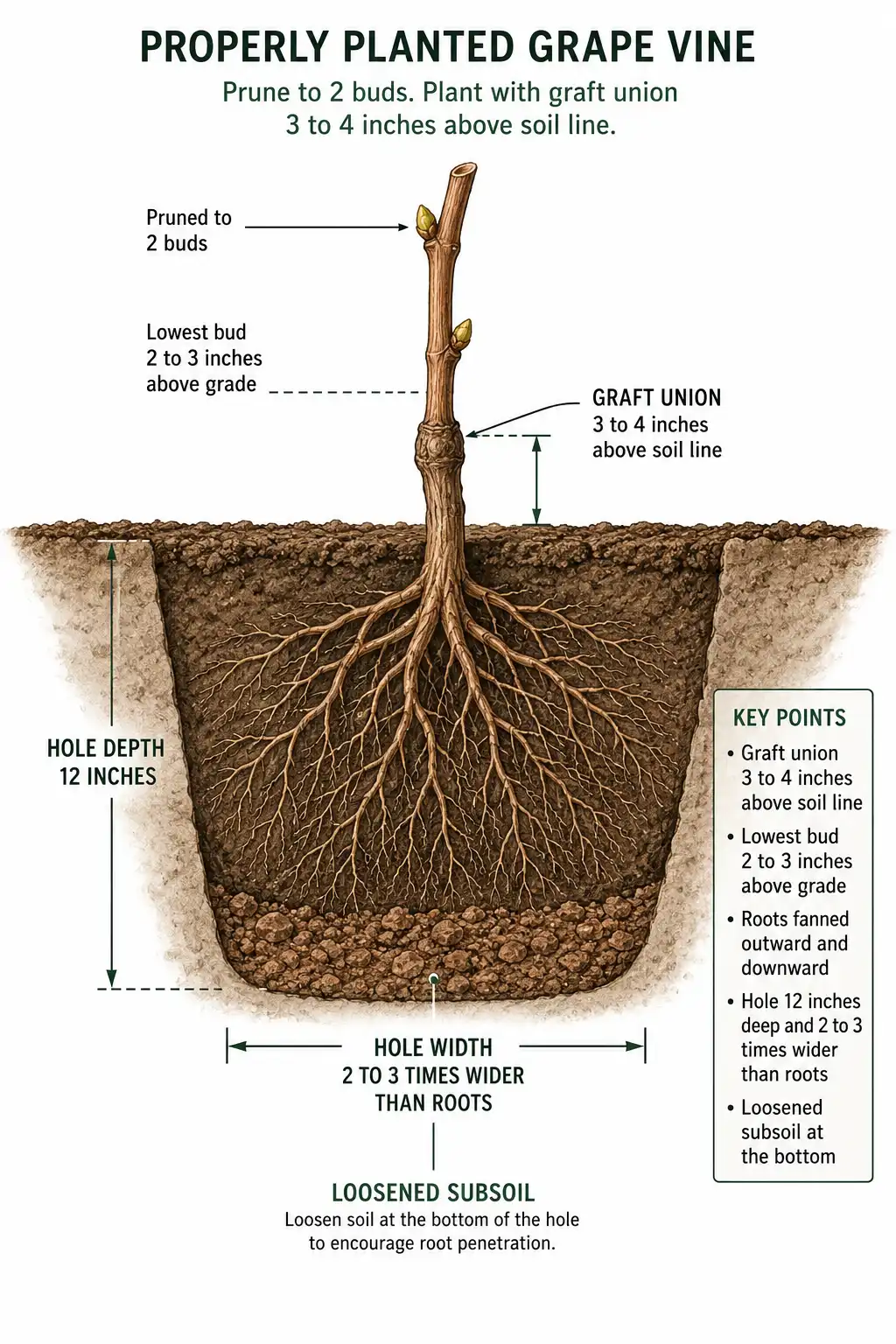
- Dig wide, not deep. Make the hole two to three times wider than the root spread and at least 12 inches deep. Loosen the bottom with a fork, since compacted subsoil traps water and stalls root growth.
- Set the vine at nursery depth. Find the soil line stain on the trunk and match it. On grafted vines, keep the graft union 3 to 4 inches above the finished soil surface. Bury that union and the scion will root into your own soil, which cancels out the rootstock entirely.
- Spread the roots and backfill. Fan the roots outward and downward, then backfill with native topsoil in layers. Firm each layer by hand so no air pockets remain against the roots.
- Leave fertilizer out of the hole. Fertilizer in direct contact with new roots burns them and stunts the vine for a full season.
- Water in right away. Give each vine 2 to 3 gallons immediately. Water settles soil against the roots far better than tamping does.
- Cut the top back hard. Remove every cane except the strongest, then cut that one back to two buds. Keep the lowest bud 2 to 3 inches above the soil. New growers hate this step, but a small top lets the root system catch up quickly. The same logic carries into pruning grapes in later seasons.
- Add a stake and training string. Drive a bamboo or metal stake beside the vine. Then run a string from the base up to the top trellis wire.
How Far Apart Should You Space Grape Vines?
Space most grape vines 8 feet apart in the row, with 9 to 10 feet between rows. That gives each vine enough cordon length to fill without crowding. It also leaves room for a mower or sprayer.
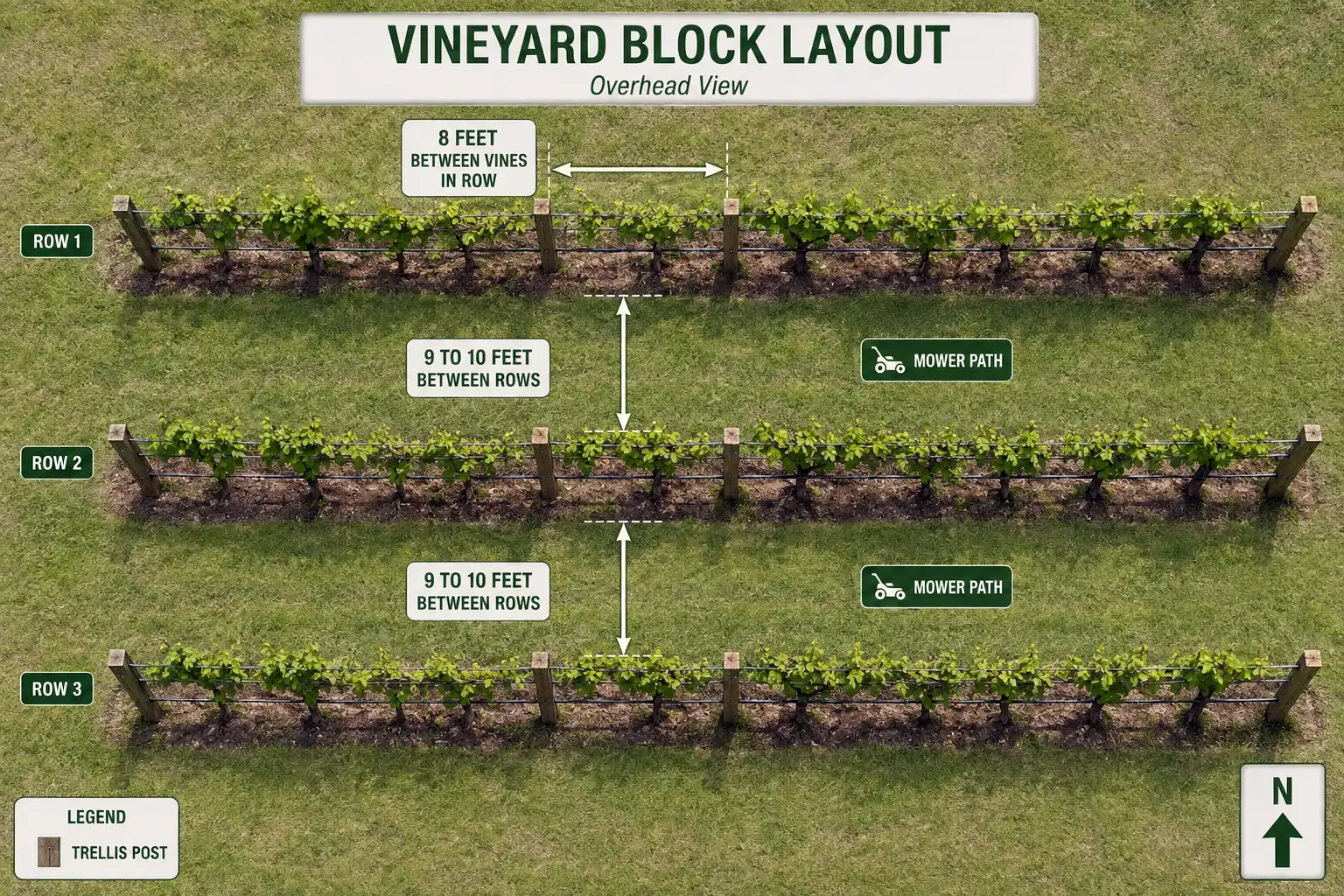
Adjust from there based on three things:
- Vigor. Deep, fertile soil grows bigger vines, so widen in row spacing toward 8 or 10 feet. Thin or droughty ground supports tighter spacing near 6 feet.
- Trellis height. Never set rows closer together than the trellis is tall, or one row shades the next and fruit ripens unevenly.
- Grape type. Vinifera goes tighter at 5 to 6 feet. Muscadines need far more room, commonly 20 feet, with one vine trained to each post.
At 8 by 9 feet, you fit about 605 vines per acre before headland deductions. K-State Research and Extension puts a typical Kansas planting near 600 vines per acre. That layout matches the region closely.
Set the Trellis Before the Vines Go In
Build the trellis first, while the ground is still open. You can run an auger down the row without dodging plants. The vines only need wire in year two, but post holes get much harder once roots are in the way.
Use pressure treated line posts 8 feet long and 3 to 4 inches across. Set them 2.5 to 3 feet deep, no more than 30 feet apart. End posts carry the whole load. Set them deeper and brace them with an H brace or a tieback anchor. Then run 12.5 gauge high tensile wire between them.
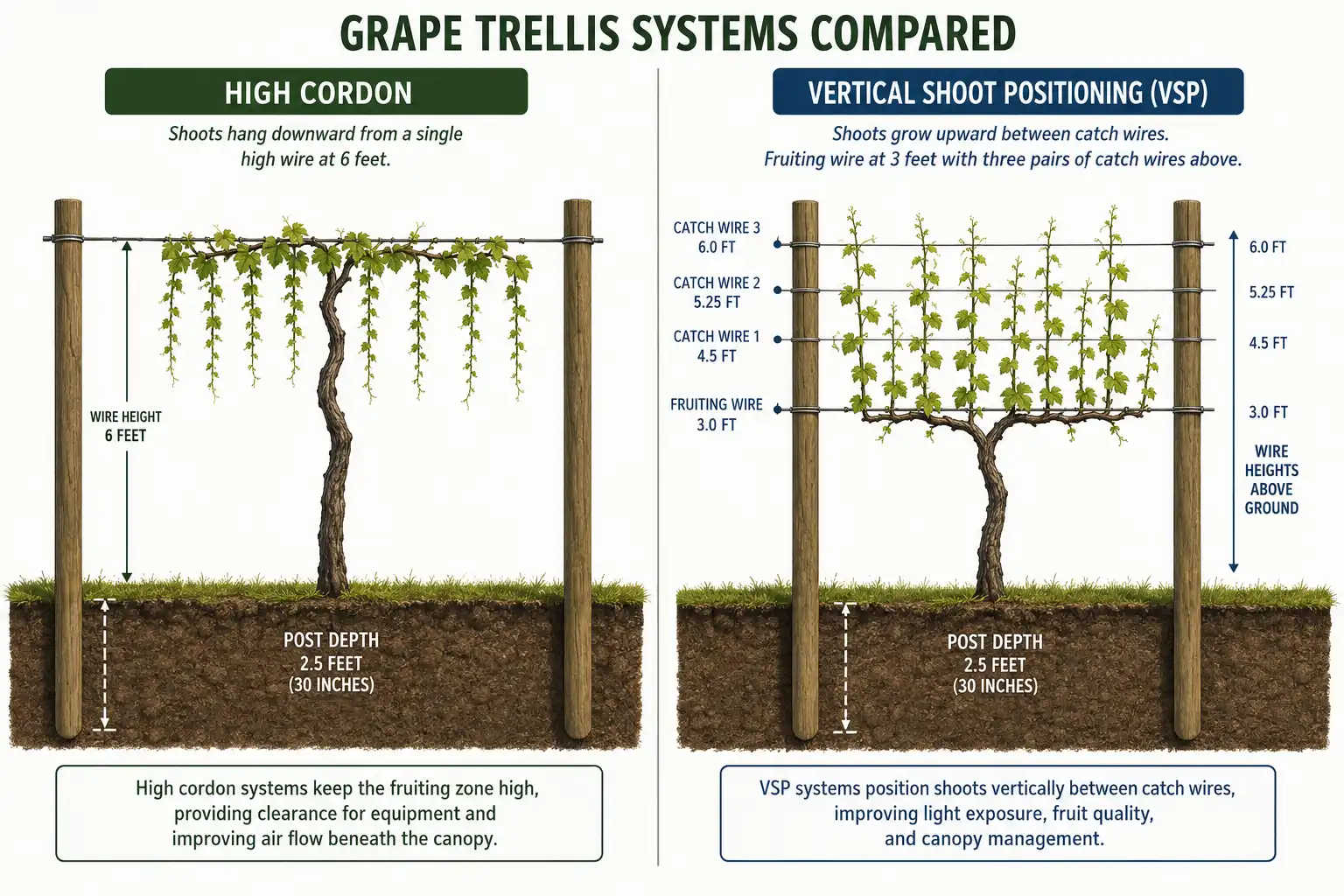
Two systems cover most plantings:
- High cordon. A single wire at 5.5 to 6 feet, with shoots hanging downward. This suits Concord, Catawba, Marquette, and muscadines, and it needs the least summer labor.
- Vertical shoot positioning. A fruiting wire at about 3 feet, with two or three pairs of movable catch wires above it. This fits vinifera and upright growing hybrids, though it takes considerably more shoot tucking through the season.
First Year Care After Planting
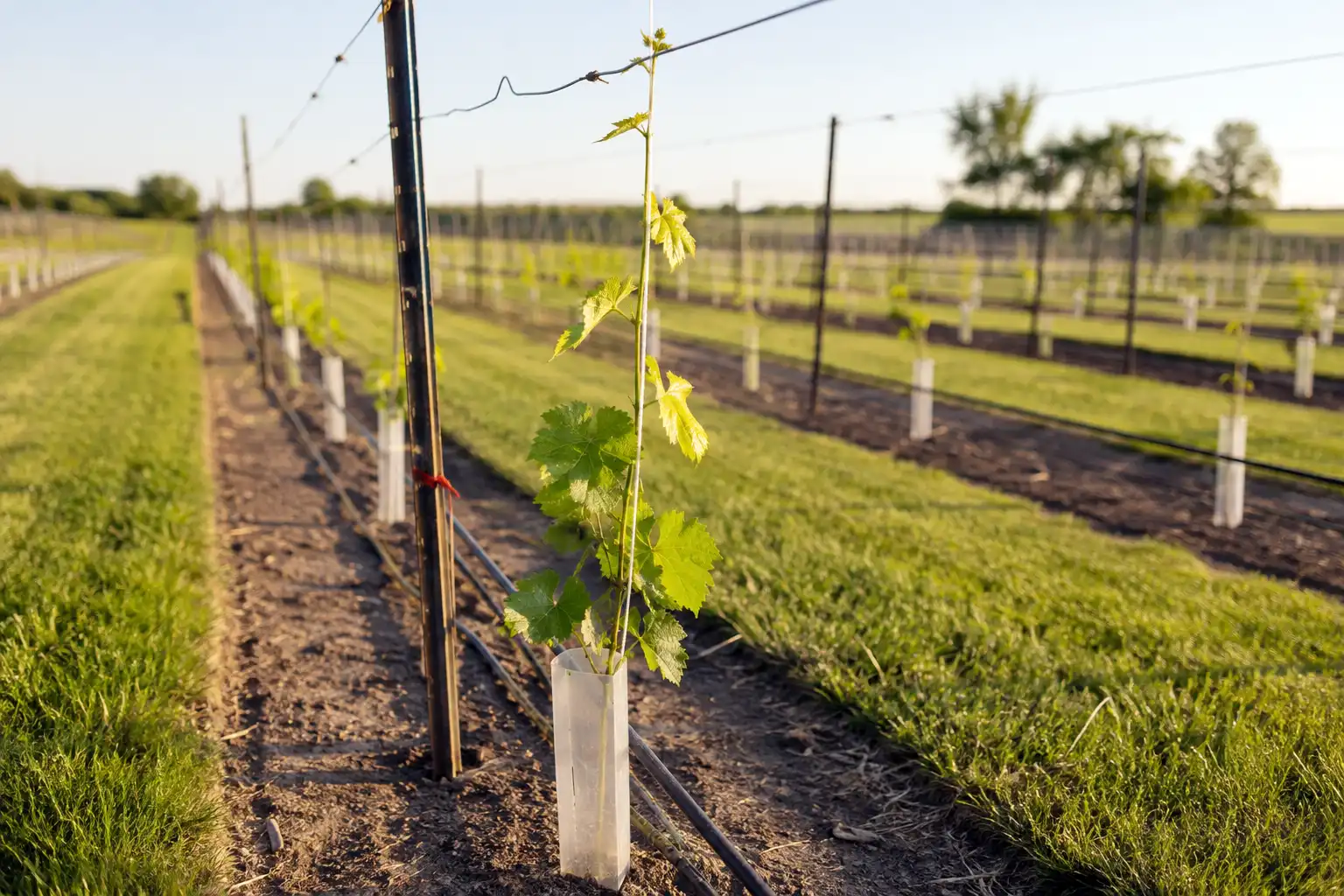
Your only goal in year one is root growth and one strong trunk. Fruit can wait two more seasons.
Water. New vines need about 1 inch of water per week. In dry stretches that runs 2 to 5 gallons per vine. Drip line under the row beats overhead watering, because wet leaves feed fungal disease. Mature vines have different requirements, so review weekly water needs for grapes before you set a permanent schedule.
Weeds. Keep a 3 to 4 foot weed free strip centered under the row all season. Grass competing at the trunk is the single biggest cause of weak first year growth. Grape roots sit in the top few inches of soil, so never cultivate deeper than 3 inches near the vine. Hand hoeing, landscape fabric, or a labeled herbicide all work.
Fertilizer. Nothing goes in the hole, but a light feeding after the soil settles helps. Illinois Extension recommends about 2 ounces of 10-10-10 per vine the first year. Step up to 4 ounces in year two and 8 ounces in year three. Broadcast it in a circle 12 to 18 inches out from the trunk, never against the bark. Stop nitrogen by midsummer so the wood hardens before frost.
Grow tubes. Slip a grow tube over each vine after planting. Tubes force a single upright trunk and block rabbit and deer browsing. They also let you spray herbicide without hitting green tissue. Pull them off in late summer so the cane can harden.
Training. Once shoots reach 8 to 12 inches, pick the strongest and tie it loosely to your string. Let a second shoot grow as a backup, then remove it during dormant pruning. Pinch off every flower cluster in year one and year two.
Diagnosing Problems in the First Season
Most new plantings fail for a handful of reasons, and each one has a visible signature. Use this table to work backward from what you see.
| What you see | Likely cause | What to do |
|---|---|---|
| Vine leafs out, then collapses in June | Roots in saturated soil, or crown planted too deep | Check drainage, then replant on a raised berm |
| No growth at all by late May | Roots dried out in transit, or the cane died | Scratch the bark; green underneath means alive, brown means replace |
| Pale, weak shoots under 8 inches | Grass and weeds competing at the trunk | Clear and hold a 3 to 4 foot strip |
| Narrow, fan shaped leaves with sawtooth edges | 2,4-D drift from a neighboring field or lawn | Trace the source before next spring; vines usually recover |
| Lush growth, soft wood, winter dieback | Too much nitrogen, applied too late | Cut the rate and stop feeding by midsummer |
| Vine snapped off or stripped of leaves | Deer or rabbit browsing | Grow tubes, or fencing where pressure is heavy |
| Vinifera vine dead after a cold snap | Variety out of its hardiness class | Replace with a hybrid rated for your winter lows |
FAQs About Planting Grapes
Do You Need Two Grape Vines to Get Fruit?
How Many Vines Should You Plant?
Can You Plant Grapes in a Pot or Along an Arbor?
How Soon Will New Vines Produce?
Where to Start on Your Ground
Walk the site first and rule out anything low, shaded, or slow to drain. Check your winter lows against the hardiness table before you order a single vine. That one decision outranks everything else. Then pull a soil test a year ahead and build the trellis. Set one year old vines in early spring at nursery depth, top cut to two buds. Water them through summer, hold the weed strip clean, and let the roots do the work. That first season of restraint pays you back for the next 30 years.