Are Cotton Candy Grapes Seedless? Plus How They’re Really Grown
Customers ask about cotton candy grapes every summer, and the first question is whether they have seeds. Are cotton candy grapes seedless? This covers the answer, how the variety was bred, and what makes it different from a standard table grape.
Yes, cotton candy grapes are seedless. The variety was bred through traditional cross-pollination by International Fruit Genetics, not genetic modification, and produces a soft green table grape with the unmistakable taste of spun sugar.
Learn more: Candy Snap Grapes Healthy or Just Sugar Bombs
What Are Cotton Candy Grapes?
Cotton candy grapes are a patented seedless green table grape variety developed by International Fruit Genetics (IFG), a private breeding company based in Bakersfield, California. The variety was created by horticulturist David Cain and his team through years of selective cross-pollination. It hit grocery stores in commercial volume around 2011.
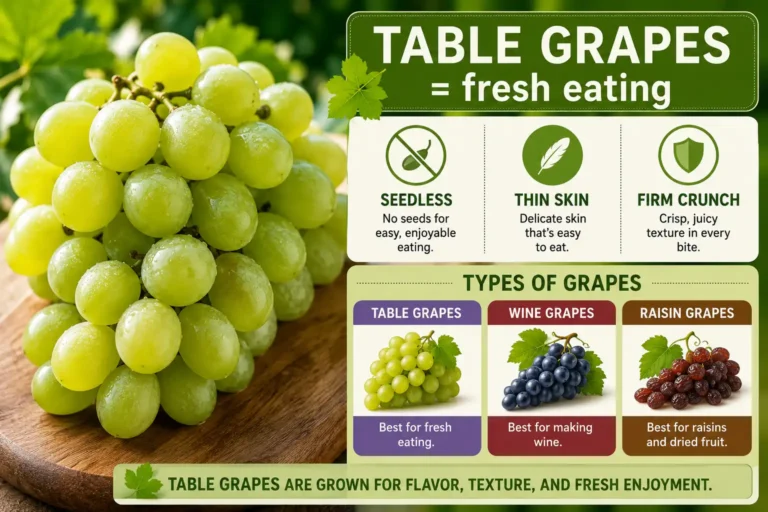
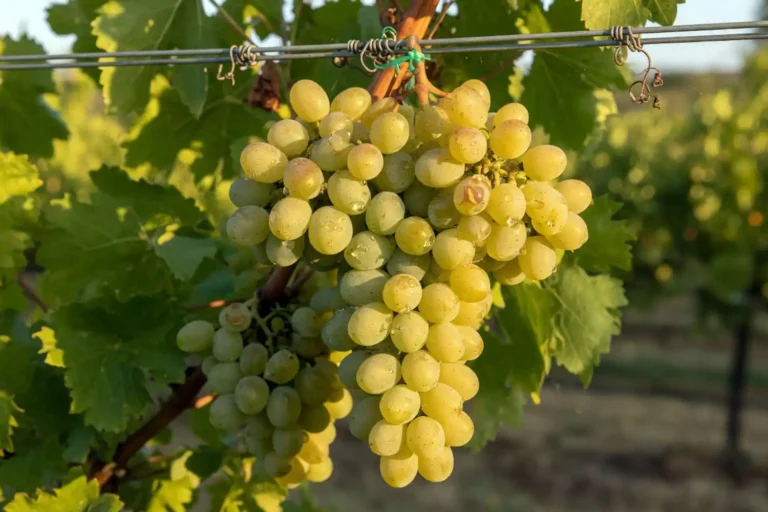
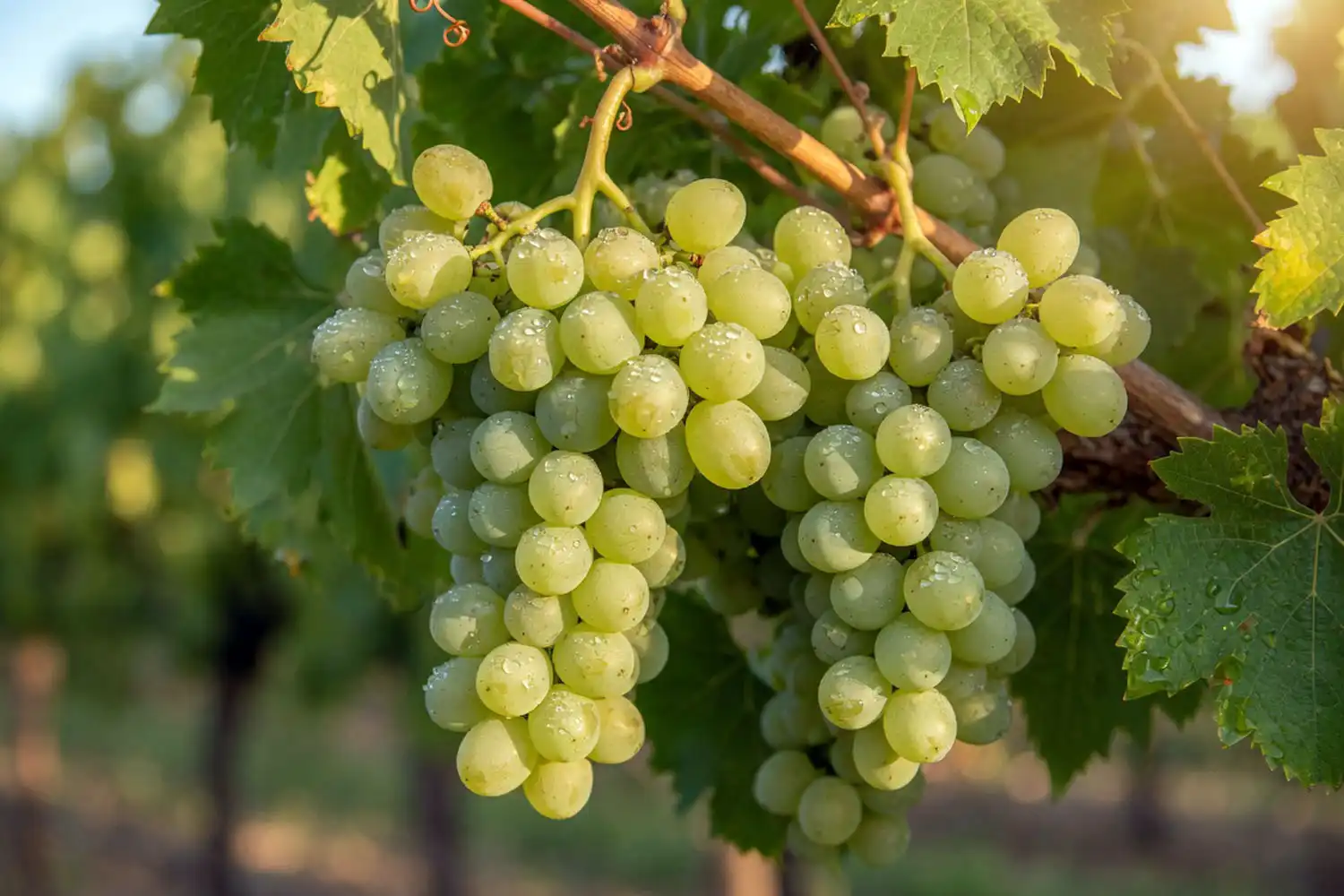
The grape itself looks ordinary. Pale green skin, round to slightly oval shape, medium-sized berry. The surprise comes when you bite into one. The flavor profile mimics carnival cotton candy, vanilla, and spun sugar all at once. That signature taste is what built the variety’s reputation.
Like other premium table grapes, Cotton Candy belongs to the Vitis vinifera species, the same species behind most wine and table grape grape varieties grown across the United States.
Know more: Are Cotton Candy Grapes Natural? How They’re Actually Grown
Are Cotton Candy Grapes Seedless?
Yes, cotton candy grapes are completely seedless. You won’t find a hard, mature seed inside a properly ripened berry. What you may notice is a tiny soft trace where a seed would normally develop. That trace is harmless and chewable, and it doesn’t crunch or interrupt eating.
This is the same kind of seedlessness you find in Thompson Seedless, Flame Seedless, and other modern table grape varieties sold in U.S. supermarkets. Seedlessness in grapes is not a recent invention. Breeders have been pushing for it for decades because shoppers prefer grapes they can eat without spitting out seeds.
How Were Cotton Candy Grapes Bred Without Seeds?
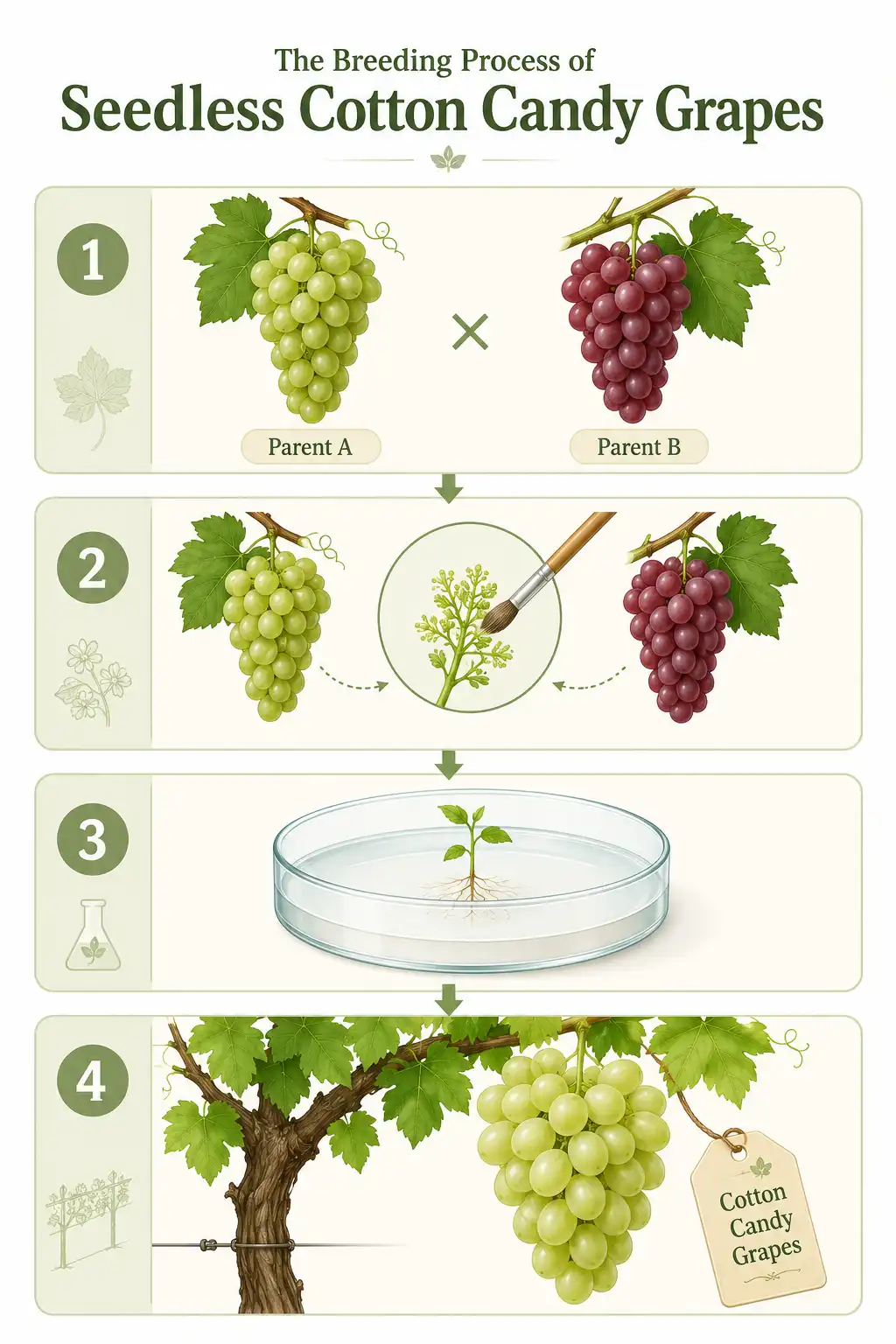
Cotton candy grapes were bred through conventional cross-pollination between two Vitis vinifera parent grapes, then propagated using a lab technique called embryo rescue. Embryo rescue lets breeders recover the tiny, undeveloped embryo from a seedless mother plant before it aborts. The embryo is then grown out into a viable seedling on culture media.
This is the same approach used for most modern seedless table grapes. It is not genetic engineering. No foreign DNA is inserted. The process speeds up traditional breeding but stays inside the rules of conventional plant science. The technique is closer in spirit to other hybrid plant varieties farmers already grow than it is to anything modified in a lab.
Are Cotton Candy Grapes GMO?
No, cotton candy grapes are not GMO. They were developed through traditional plant breeding, then patented under the U.S. Plant Patent system. The USDA classifies them as a conventionally bred cultivar. No biotech or transgenic methods were used to create the variety.
People often confuse hybrid breeding with genetic modification. They are not the same. A hybrid is a cross between two parent plants of the same species. A GMO is a plant that has had specific genes inserted using laboratory tools. Cotton Candy is the first kind, not the second.
Where Are Cotton Candy Grapes Grown?
Cotton candy grapes are grown almost entirely in California’s San Joaquin Valley, with most acreage concentrated around Bakersfield, Delano, and Arvin. The hot, dry summers and cool nights of the valley match what Vitis vinifera table grapes need to develop sugar and aroma.
Because the variety is patented, only licensed growers contracted through IFG and its commercial partner, the Grapery, can plant and sell Cotton Candy grapes legally. That keeps supply tight and prices well above standard green seedless grapes at retail.
Outside the U.S., licensed growers produce them in Chile, Mexico, Peru, and parts of Europe so supply stretches across more of the calendar.

When Are Cotton Candy Grapes in Season?
Cotton candy grapes are in season from mid-August through late September in the United States, with the peak window usually falling in the last two weeks of August. The season is short, often less than six weeks at retail, because the variety doesn’t store as long as standard green seedless grapes.
If you see them year-round, those bunches are coming from Southern Hemisphere growers in Chile or Peru, harvested during their summer (the winter). Domestic supply is the gold standard. The fruit travels less and tends to be firmer and more aromatic.
Can You Grow Cotton Candy Grapes at Home?
No, you can’t legally grow cotton candy grapes at home from cuttings or propagated vines. The variety is protected under a U.S. plant patent (USPP22,212), which means propagation, sale, and even gifting rooted vines without a license violates federal law. The patent runs 20 years from its 2011 issue date.
What you can do is buy and eat them. If you want to grow grapes on your own land, plenty of unpatented seedless and seeded varieties exist that work for backyard plots and small-acre farms. The broader category is covered in the section on vine crops, which gets into what actually performs in different climates.
For more on the science side of grape breeding and patented cultivars, the UC Davis Foundation Plant Services is the go-to authority. They maintain the official registry of clean, licensed grape selections used by commercial nurseries across the country.
How Do Cotton Candy Grapes Compare to Concord and Other Grapes?
Cotton candy grapes differ from Concord grapes in flavor, color, seed status, and use. Concord is a slip-skin American grape (Vitis labrusca) with seeds, deep purple color, and the classic grape juice taste most Americans grew up on. Cotton Candy is a green European-type grape (Vitis vinifera), seedless, with a sweet vanilla flavor instead of the bold Concord profile.
Both have their place. Concord is unbeatable for jelly, juice, and old-fashioned grape flavor. Cotton Candy is a fresh-eating specialty grape with a flavor most growers can’t replicate.
What Growers Should Know About Cotton Candy Grapes
Cotton candy grapes are seedless, conventionally bred, and worth trying once if you’ve never had them. They aren’t a backyard project because the patent shuts that down. If you find them at the store in late August, grab a bunch. The flavor is the real deal, and the seedlessness makes them an easy eating grape for the whole family. For commercial growers, the bigger lesson is what IFG built. A protected, flavor-driven variety that consumers ask for by name.