How Are Cotton Candy Grapes Made? The Real Breeding Story
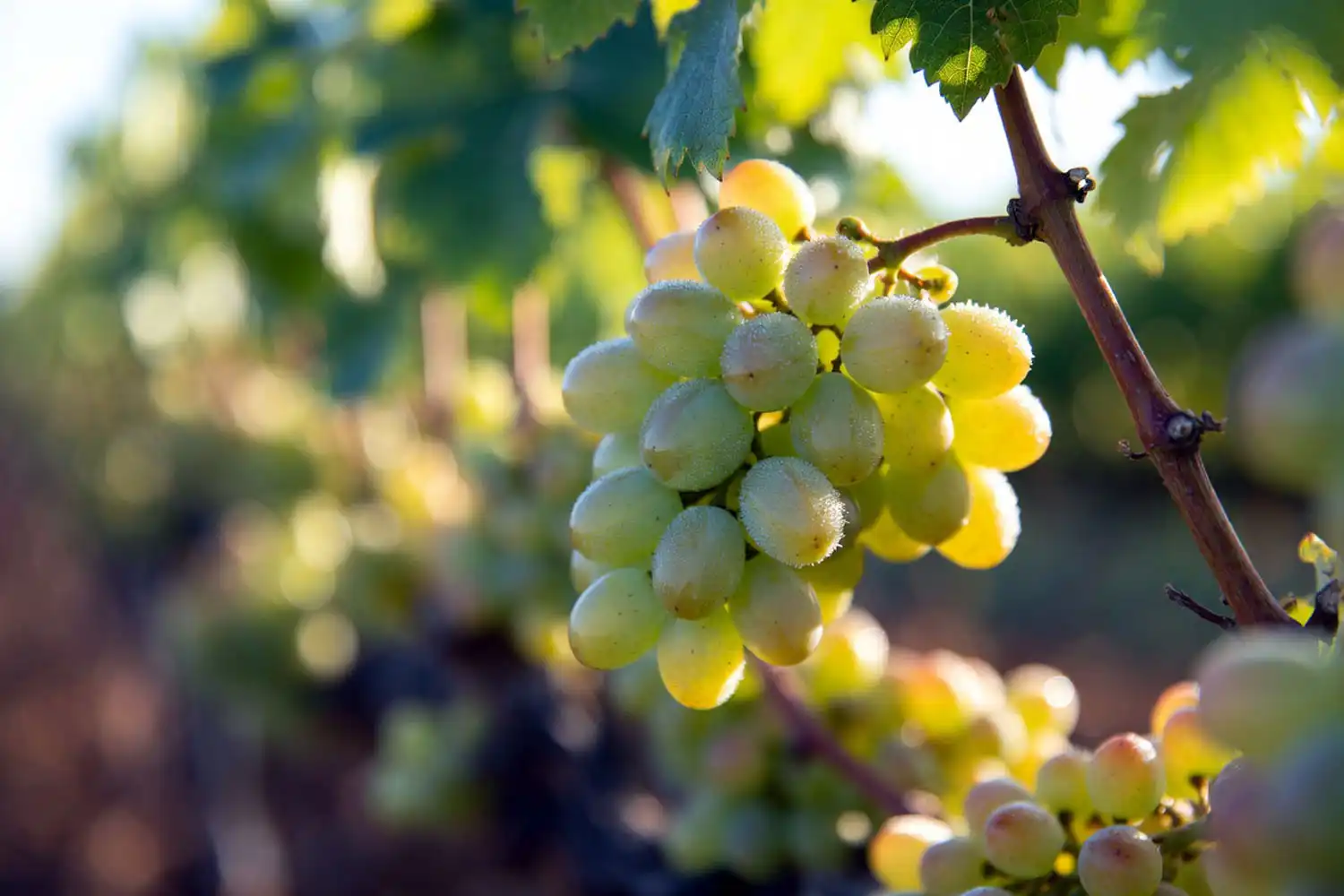
Every August, the question comes up at the co-op: how are cotton candy grapes made? They taste like spun sugar, yet they grow on a normal vine. The answer comes from old-school plant breeding, not lab work, and the story runs deeper than most people think.
Breeders make cotton candy grapes through traditional cross-pollination, not genetic modification. Horticulturist David Cain at International Fruit Genetics crossed a Concord-type grape with a Vitis vinifera variety. Then he selected seedlings for years until the sugary flavor finally appeared.
Who Created Cotton Candy Grapes
David Cain, a plant breeder at International Fruit Genetics (IFG) in Bakersfield, California, developed cotton candy grapes. He started the breeding work in the early 2000s. His goal was clear: pull old-fashioned grape flavors back into a modern seedless table grape. IFG officially calls the patented variety IFG Sweeties. The whole process took about 12 years before the grapes hit grocery shelves in 2011.
Cain’s team worked through hundreds of seedlings each season. Most failed the taste test. A few moved forward. Plant breeders still use that same slow culling today. Every named grape on the supermarket shelf followed the same path.
How Breeders Make Cotton Candy Grapes Through Cross-Pollination
Breeders make cotton candy grapes by hand-pollinating two parent grapes. Then they grow out the seedlings until one shows the right flavor, size, and disease tolerance. No gene editing, no lab splicing, just controlled breeding. Orchards have improved fruit this same way for over a hundred years.
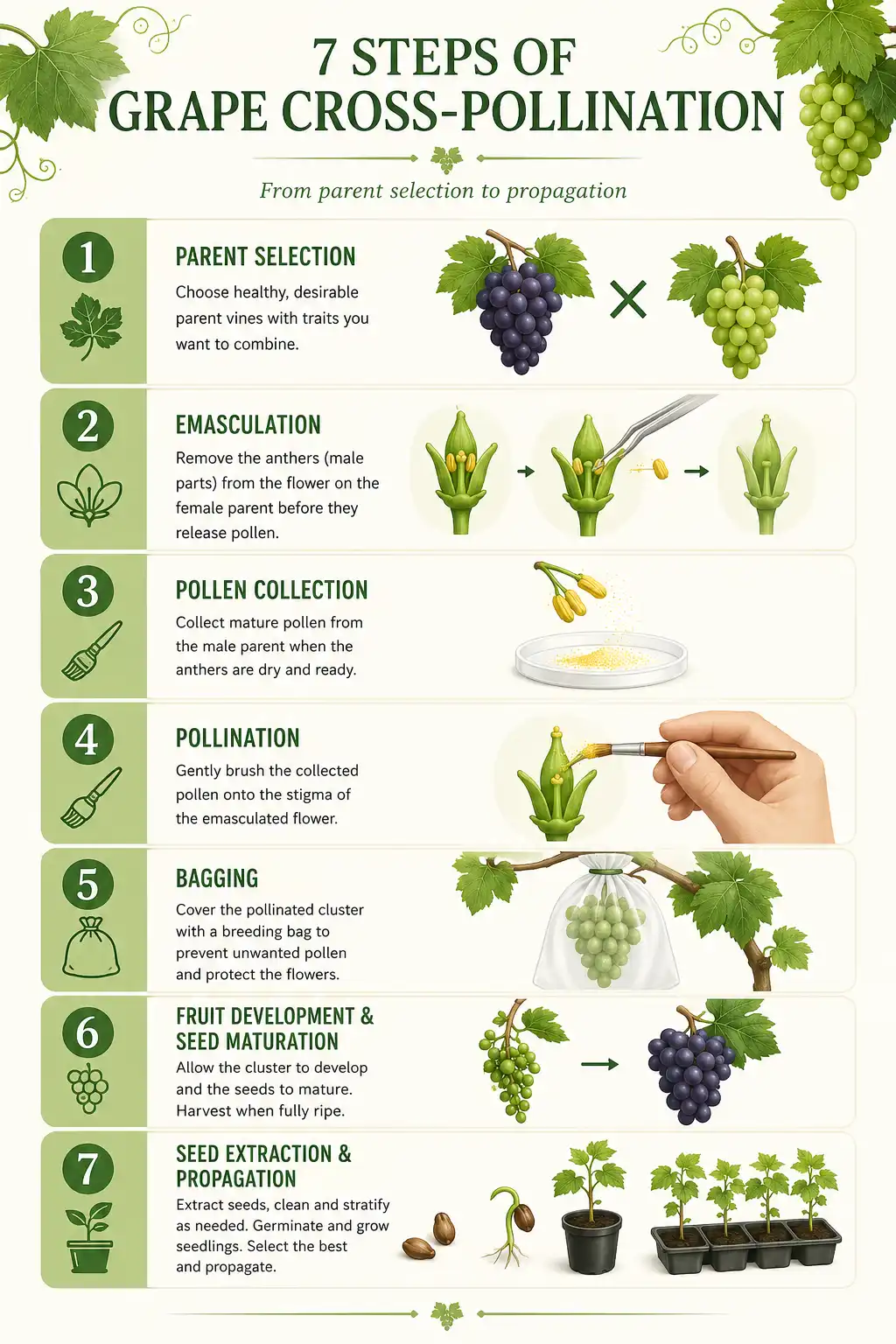
Here is how the process actually works, step by step, the way breeders still do it in 2026:
- Pick the parents. The breeder picks a flavor donor (a vine with a strong, unusual taste) and a structural parent (firm, seedless, ships well).
- Emasculate the flowers. The breeder removes the anthers from the seed-parent flower before the pollen sheds. So the plant can’t self-pollinate.
- Hand-pollinate. Next, pollen from the chosen father vine goes onto the receptive stigma with a fine brush.
- Bag the cluster. A breeding bag keeps stray pollen and insects out.
- Grow out the seedlings. Then the breeder plants seeds from the resulting berries. Each seedling carries a unique genetic combination.
- Taste and cull. Most seedlings fail the test. Breeders keep only the vines that hit the target flavor and texture.
- Propagate the winner. Finally, the chosen vine multiplies through cuttings, because seeds would never grow true.
For deeper background on grape parentage, the UC Davis National Grape Registry keeps documented genetics for hundreds of varieties. That’s the kind of database breeders like Cain still rely on.
The Parent Varieties Behind the Flavor
Breeders trace the flavor parents back to a Vitis vinifera variety paired with an older Concord-type grape. IFG keeps the exact parentage proprietary. Still, breeders and university researchers agree the Concord influence carries the candy-like notes. Most Americans know the bold, sweet smell of Concord grapes from grape juice and jelly.
The vinifera side gave the new vine three things Concord could never deliver at the supermarket. First, a firm crisp bite. Second, seedless berries. Third, good shelf life for cross-country shipping.
Why Cotton Candy Grapes Taste Like Cotton Candy
The flavor comes from natural aromatic compounds, mainly furaneol and related esters. The human nose reads these as vanilla, caramel, and spun sugar. Concord-type grapes carry these compounds at higher levels than most table grapes. Pair that aroma with high natural sugar (18 to 21 Brix at harvest). Then the brain reads it as cotton candy.
Nothing sprays onto the fruit. No one injects anything either. The taste is purely genetic. So if you want a closer look at whether these grapes count as a natural variety, the breeding record settles it.
Are Cotton Candy Grapes Genetically Modified?
No, cotton candy grapes do not contain any genetic modifications. They come from conventional cross-pollination and seedling selection. The USDA does not classify cross-pollinated hybrids as GMOs. Also, IFG has publicly stated they used no transgenic methods. Thousands of fruit varieties on the market share this same breeding category. That includes most seedless table grape varieties you see in stores.
Where Cotton Candy Grapes Are Grown
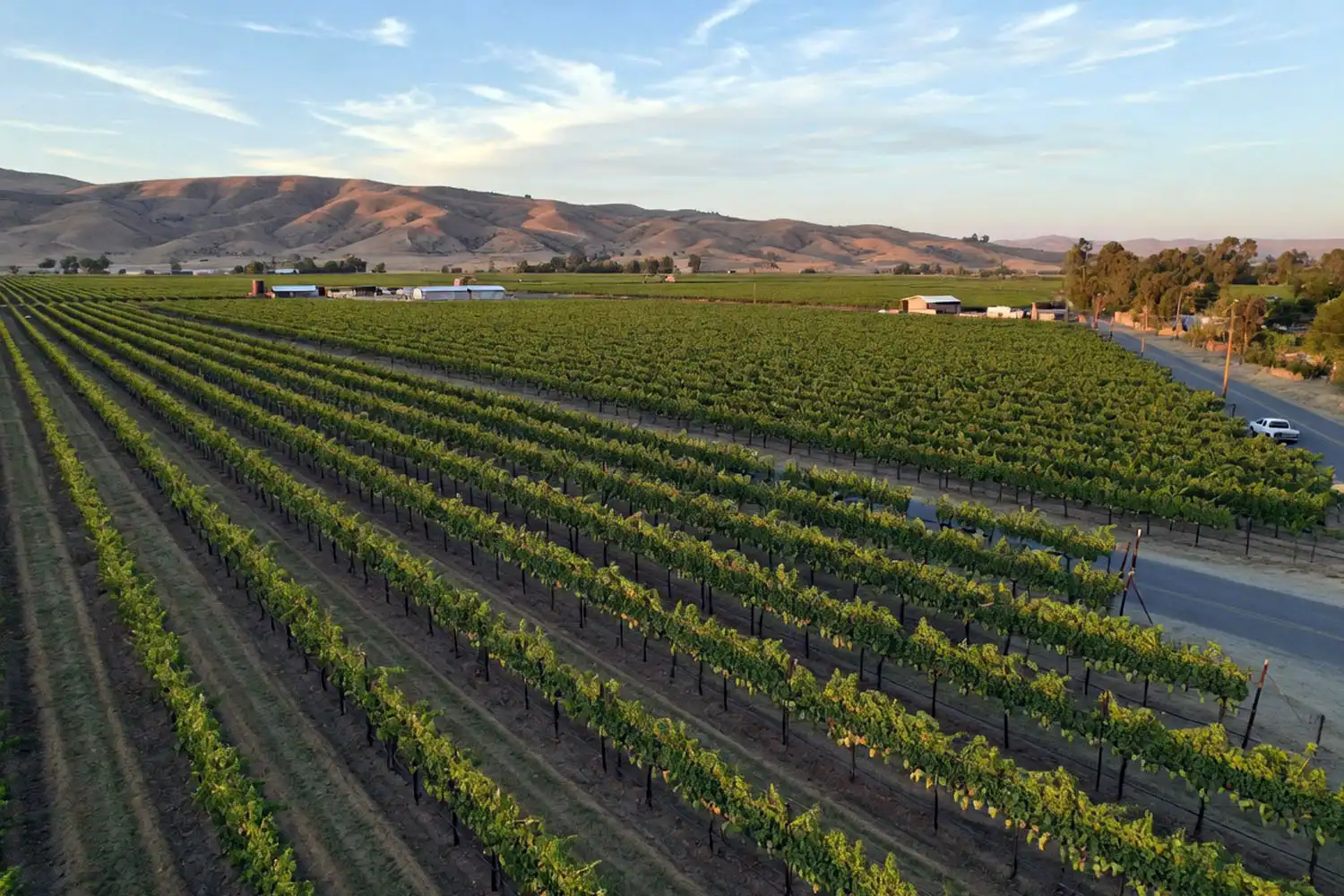
Growers raise cotton candy grapes primarily in the San Joaquin Valley of California. Smaller acreage also exists in Mexico, Chile, and Spain to extend the supply window. The main licensed grower in the United States is Grapery, headquartered in Bakersfield. IFG licenses the variety to a tight network of growers. So you cannot just buy cotton candy grape vines and plant them at home.
Hot, dry California summers, plus cool nights, give the berries the sugar concentration the candy flavor needs. Growers in humid climates could never reach the same Brix levels with these vines. For broader background on related cultivars, the grape variety guides on cropfarming.org break down each one.
How Long It Took to Develop Cotton Candy Grapes
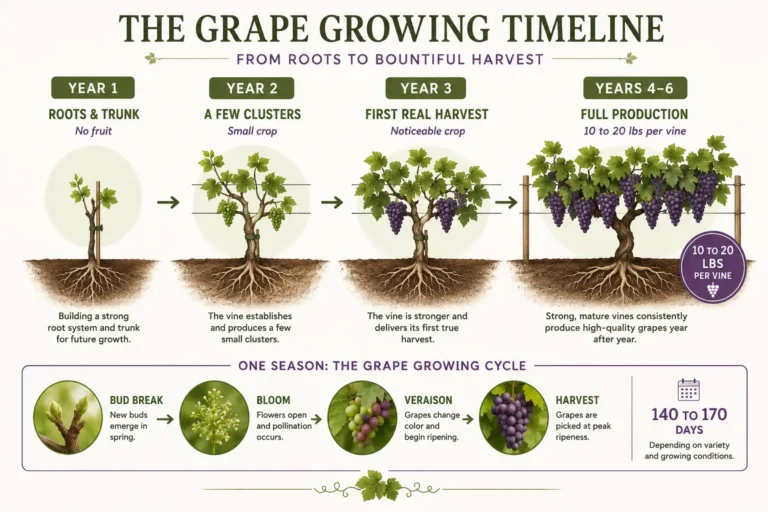
The full breeding cycle ran about 12 years. Crosses started in the late 1990s, and commercial launch came in 2011. Each vine takes two to three years to produce its first real cluster. Then several more seasons of evaluation follow before a breeder decides on scaling up. That long timeline is why patented table grapes carry licensing fees.
When You Can Find Cotton Candy Grapes
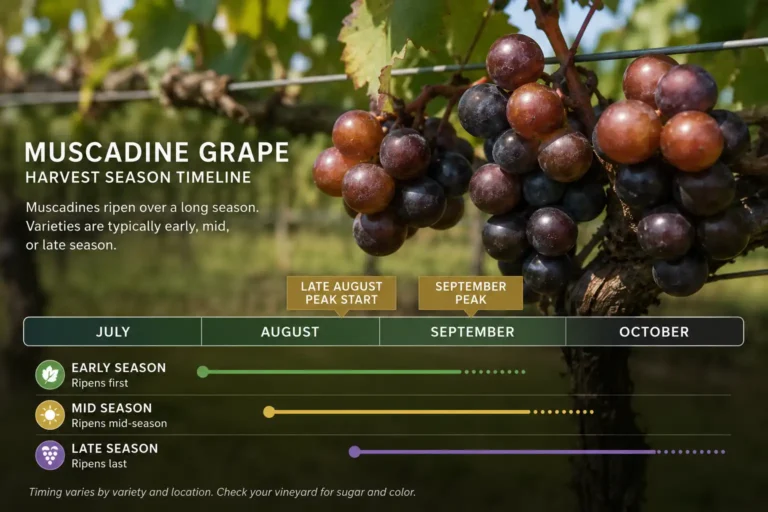
Cotton candy grapes typically show up in stores from mid-August through late September across the United States. Peak window falls in the last two weeks of August. The season is short because the variety has a narrow ripening window. Plus, only a limited number of licensed growers raise them. Once Brix drops, the flavor fades fast, so growers harvest in tight passes.
Before stocking up, the sugar and health side of the fruit is worth a quick read. That’s especially true if you watch daily sugar intake.
What This Looks Like From a Farmer’s View
Cotton candy grapes are a textbook case of slow, careful breeding paying off. No genetic engineering, no shortcuts. Just one horticulturist crossing the right two vines and waiting over a decade for the right seedling to show up. So that’s how nearly every named fruit variety in the produce aisle comes to market. Worth knowing the next time someone asks if their grocery store grapes are “natural.”