Can You Grow Corn in Florida? Yes, Here’s the Full Guide
Plenty of folks think Florida runs too hot and sandy for corn. It doesn’t. You can grow corn in Florida in nearly every county, and the state ships more fresh sweet corn than any other. Timing and variety choice make all the difference.
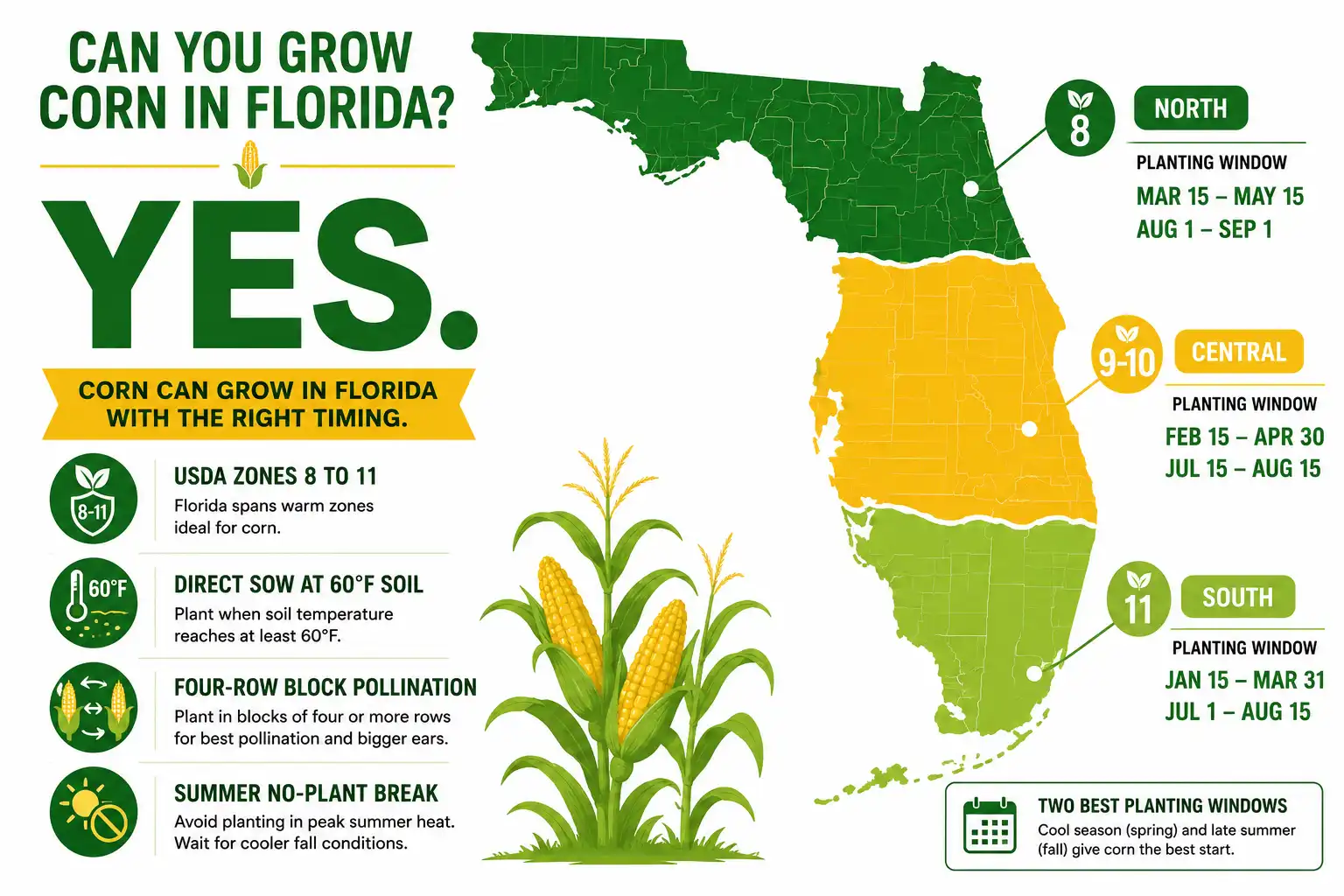
Yes, you can grow corn in Florida, and it grows well. Direct sow seed once the soil hits 60°F, plant in blocks for pollination, and match your window to your region. Florida leads the country in fresh sweet corn.
Can You Grow Corn in Florida?
Yes. Corn grows across the whole state, from the Panhandle down to Homestead. Florida even leads the nation in fresh-market sweet corn, according to the University of Florida IFAS Extension. Most of that crop is sweet corn for the table, not field corn for grain or silage. The catch is the calendar. Back home in Kansas, plant corn in spring and pick it in fall. Florida flips that. Growers there plant in the cool months and rest the fields through the hot, wet summer.
Learn more: How Do Farmers Harvest Corn? Full Guide
Why Florida Is Strong Corn Country
Florida’s mild winters give it a corn window most states never get. The state sits mostly in USDA hardiness zones 8 through 11. So growers plant sweet corn while much of the country stays frozen. Buyers call it winter corn, and it fills grocery shelves from fall into early summer.
Most commercial acres sit in the south. The Everglades Agricultural Area around Belle Glade, in Palm Beach County, grows more than half the state’s sweet corn. Miami-Dade, Hendry, and Collier counties add a big share. The old Zellwood muck ground near Lake Apopka once carried heavy acreage, though much of it is out of production now. Florida still farms over 37,000 acres of sweet corn most years.
Can Florida’s Heat Stop a Corn Crop?
Yes, summer heat can shut a crop down, which is exactly why timing matters. Corn pollinates poorly once daytime highs push past 95°F. Fruit set drops off, and you get gappy, half-filled ears. Summer also brings heavy rain, high humidity, and hard pest pressure. So Florida growers skip planting into June, July, and August. They treat that stretch as the off-season and let the soil rest.
Best Time to Plant Corn in Florida by Region
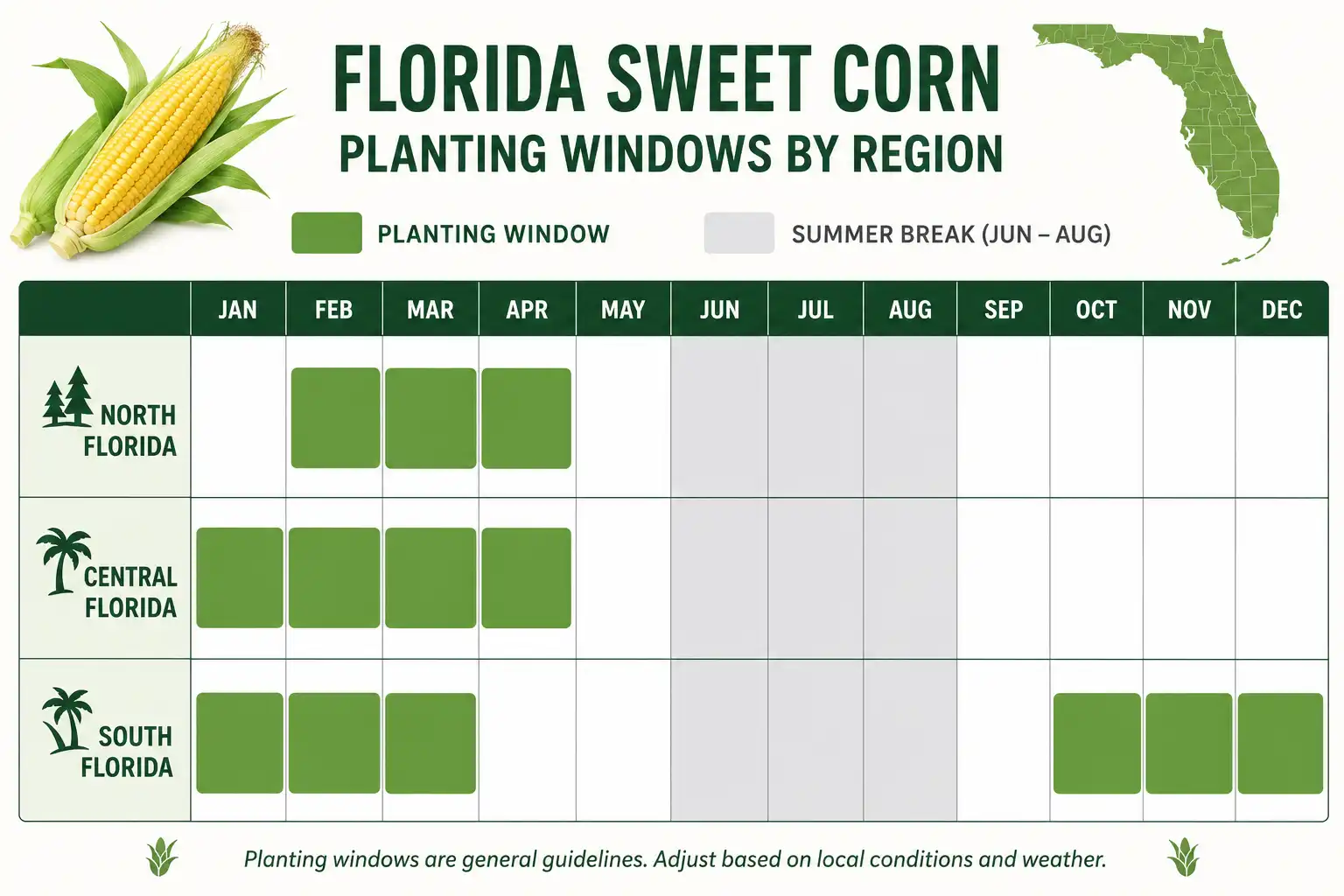
Plant corn in the cool, dry months, and shift your window based on where you farm. UF/IFAS splits the state into three zones, drawn roughly by State Road 40 and State Road 70. Here is what works in each.
North Florida
North Florida runs from the Panhandle down to about Ocala. Plant sweet corn from February through April, after the last frost. Soil needs to reach 60°F for good germination. A smaller fall crop can go in around August if you have irrigation and low storm risk.
Central Florida
Central Florida covers the belt between State Road 40 and State Road 70. Plant from January through April, with mid-February to late March the sweet spot for a spring crop. Some growers also slip in a second planting in August for a fall harvest.
South Florida
South Florida sits below State Road 70. Plant from October through March, during the dry season. Winters stay warm enough that frost rarely threatens a crop. That is why the big commercial fields run their harvest from January into spring. For the full harvest calendar and the best months to buy, see our guide to Florida’s sweet corn season.
What Corn Varieties Grow Best in Florida?
Pick heat-tolerant, disease-resistant hybrids bred for the South, not random seed off a supermarket shelf. Florida’s humidity feeds southern rust, smut, and viruses that weak varieties can’t shrug off. UF/IFAS keeps a tested list, and your county extension office can point you to current picks.
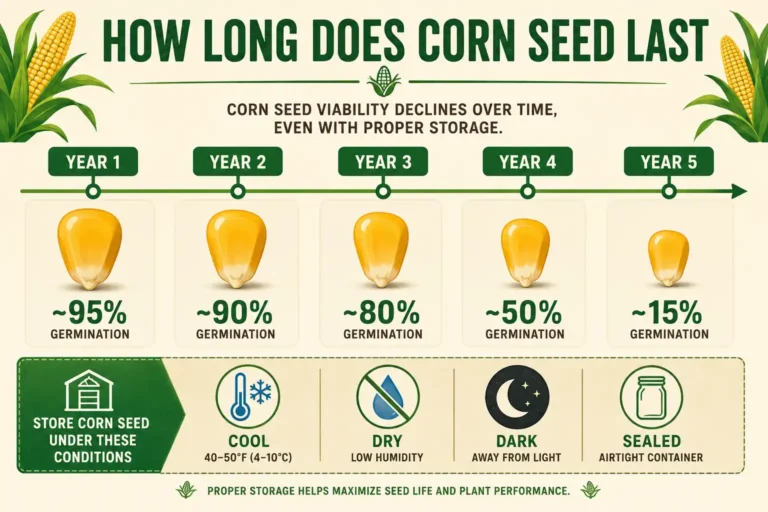
Reliable performers include Silver Queen, a classic white variety, and Early Sunglow, a fast yellow type. Ambrosia is a sweet bicolor that handles spring temperature swings. G90 resists rust and smut, both common in humid air. Sweet Belle germinates well and holds up to disease. Early Sunglow matures in about 63 days, while others take longer. Exactly how long corn takes from seed depends on the type you pick. Buy fresh hybrid seed each year, because saved seed from hybrids gives you weak, unpredictable plants.
How to Plant Corn in Florida
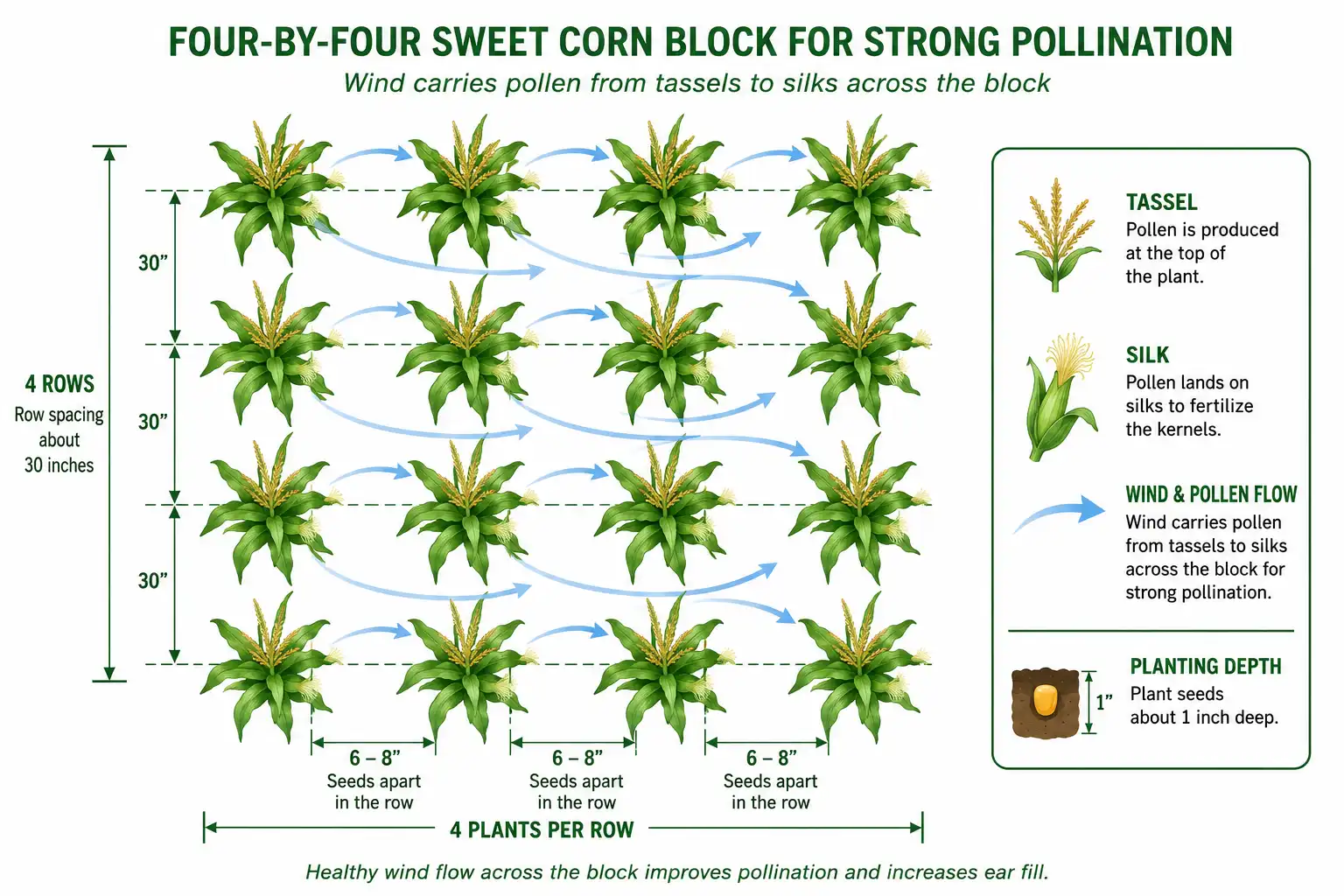
Direct sow corn seed straight into the ground once the soil holds 60°F. Corn hates having its roots disturbed, so skip the transplants. Set seed about one inch deep. Space seeds 6 to 8 inches apart in the row, and keep rows roughly 30 inches apart.
The bigger rule is layout. Planting corn in blocks beats long single rows every time. Corn pollinates on the wind, so pollen has to drift from tassel to silk across neighboring plants. A block of at least four rows by four rows fills ears far better than one long line. Keep sweet corn at least 250 feet from popcorn or field corn. You can also stagger planting by two weeks. Either way, stray pollen won’t turn your kernels starchy.
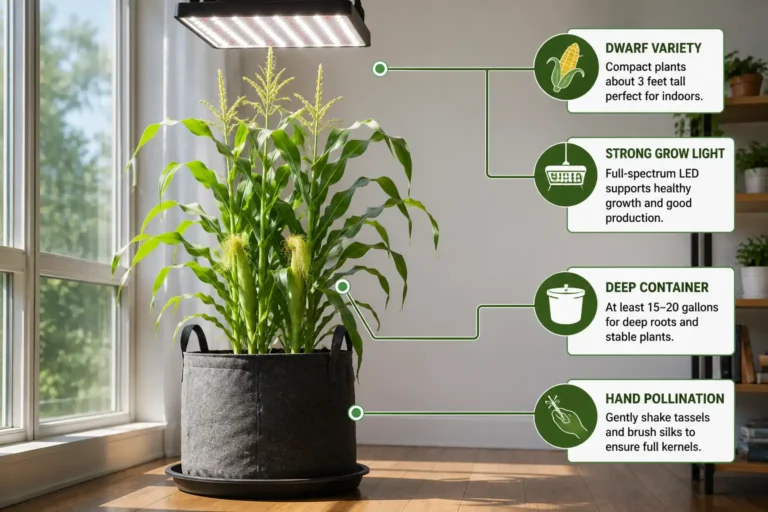
Want a steady supply instead of one big flush? Sow a new block every two weeks. On small lots with poor sand, growing corn in a raised bed gives you better control over soil and drainage.
Soil and Fertilizer for Florida Corn
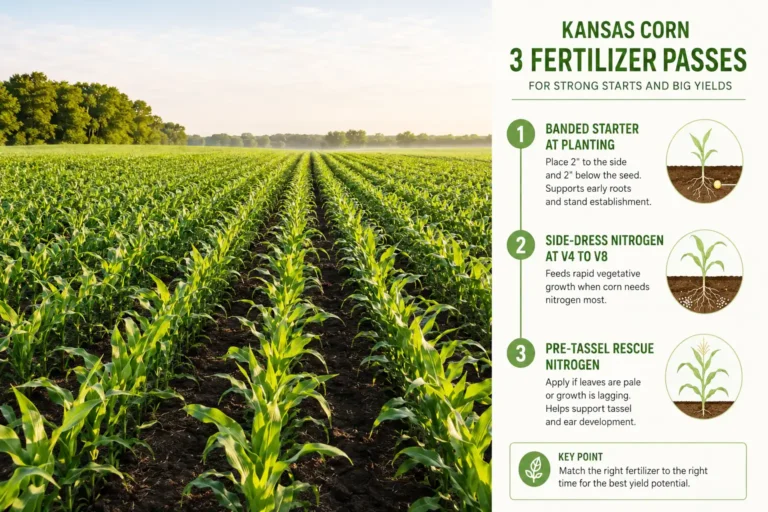
Florida’s native soil is sandy and low on nutrients, so corn needs help to feed heavy. Work compost or aged manure into the bed before planting to hold water and nutrients. Down south, the soil turns calcareous and high-pH, which can lock up iron and zinc. A soil test tells you where you stand before you spend a dime on fertilizer.
Corn is one of the hungriest crops, and nitrogen drives the whole show. Put down a balanced pre-plant fertilizer like 10-10-10. Then side-dress with nitrogen twice, once when plants reach knee-high and again at tasseling. That split keeps sandy ground from leaching your nitrogen past the roots. This full notes on feeding sweet corn walk through rates and timing.
Watering Corn in Florida
Give corn 1 to 1.5 inches of water a week, kept steady, and lean heavier at tasseling and ear fill. Sandy soil drains fast, so you water more often than you would on heavy ground. Water at the base, not over the top. Wet tassels and silks pollinate poorly, and soaked leaves invite disease. Drip line or low sprinklers work best. During the dry winter season down south, irrigation carries the whole crop.
Corn Pests and Diseases in Florida
Fall armyworm is the number one corn pest in Florida, and it hits hard in warm weather. Corn earworm chews into the ear tip. Lesser cornstalk borer and cutworm both go after young plants in sandy fields. So scout your rows twice a week and treat early, because a heavy infestation moves fast.
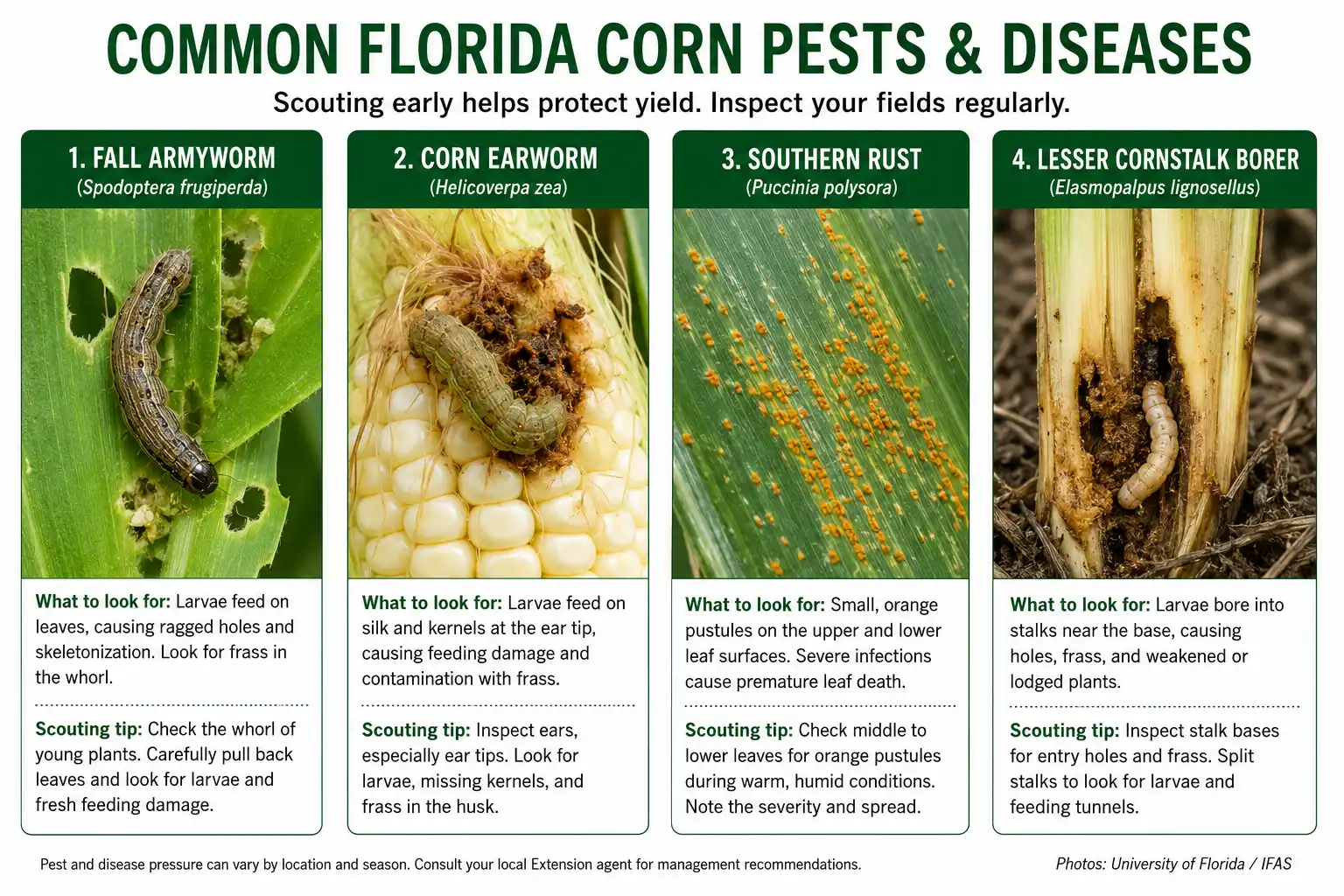
Disease pressure runs high in the humidity too. Southern rust shows up as orange pustules on the leaves, mostly on late-spring plantings. Smut, leaf blights, and maize chlorotic dwarf virus also turn up. Resistant varieties are your first line of defense. Nematodes live in warm sandy soil as well. So many Florida growers solarize their beds over summer, which knocks the pests back before fall planting.
What About Field Corn in Florida?
Field corn does grow in Florida, but it plays a much smaller role than sweet corn. Growers in the central and northern parts raise it for grain and silage, mostly in spring and summer. UF/IFAS recommends planting field corn from late February through late April. Yields run lower than in the Corn Belt, because Florida heat and sandy soil work against grain fill. For most Florida growers, sweet corn for the fresh market simply pays better.
Harvesting Your Florida Corn
Pick sweet corn about 60 to 90 days after planting, once the silks turn brown and dry. Squeeze an ear first. It should feel full clear to the tip. Then pop a kernel with your thumbnail and look for milky juice, which signals peak sugar. That window lasts only three to five days, so check daily once the silks brown. Our guide on when sweet corn is ready to pick covers the signs in detail. Sweet corn also loses sugar fast after cutting, so cool it quick.
Bottom Lines
Corn grows in Florida about as well as it grows anywhere, as long as you respect the calendar. Plant in the cool season, pick a Southern hybrid, feed it hard, and water it steady. Then skip the brutal summer. Do that, and you can pull sweet, full ears in months when the field are still bare dirt.