10 52 10 Fertilizer: What It Is, How to Use It, and Top Picks (2026 Guide)
10-52-10 fertilizer is one of those bags farmers grab hoping for more blooms and stronger roots. It works for the right job. It wastes money for the wrong one.
10-52-10 fertilizer is a high-phosphorus, water-soluble feed for flowering plants and young transplants. Use it as a dilute starter drench, not a season-long diet. Test your soil first, since most established beds already hold plenty of phosphorus.
What Is 10-52-10 Fertilizer?
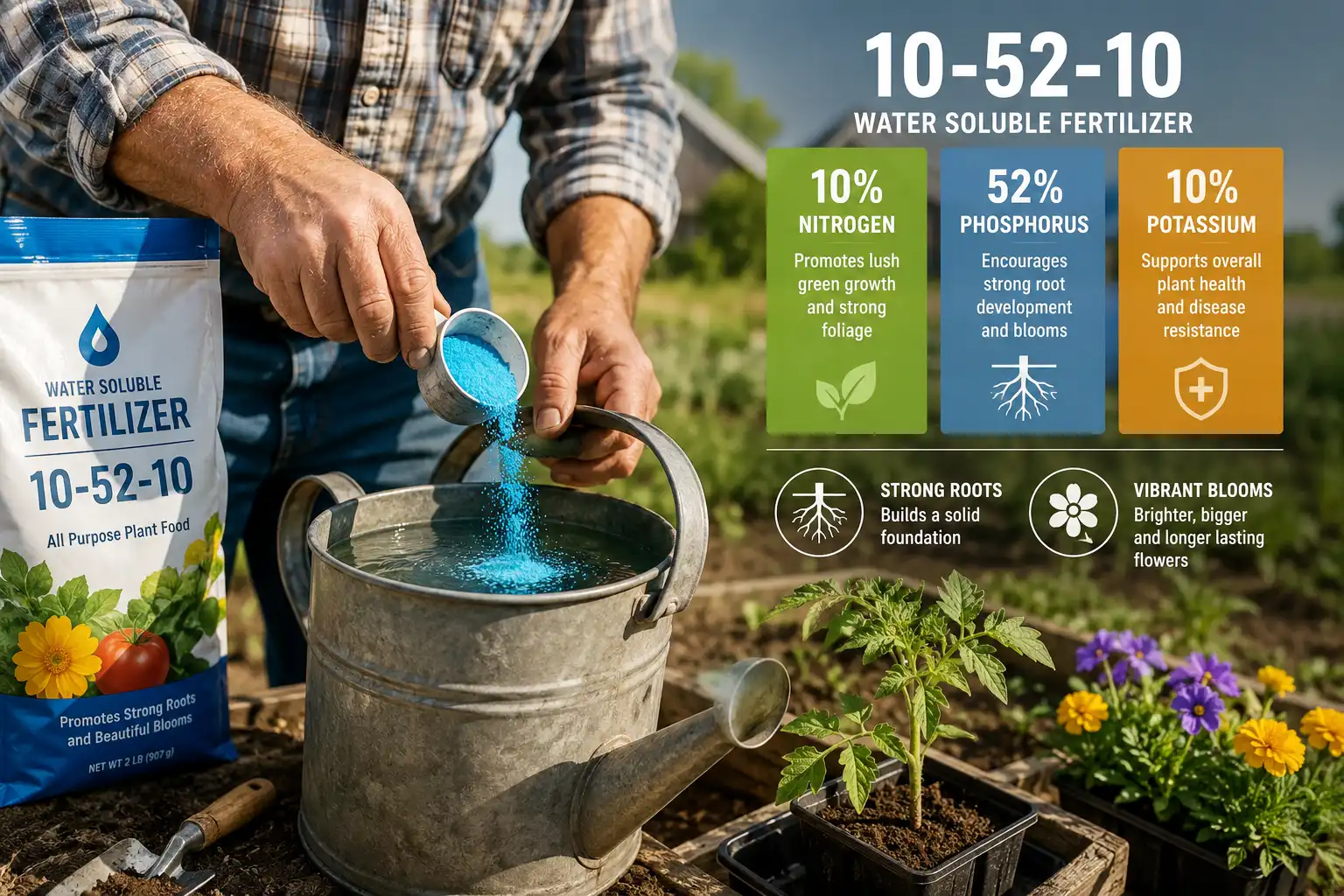
10-52-10 fertilizer is a water-soluble plant food that runs very high in phosphorus. The three numbers are the NPK ratio, and they show the percentage of each main nutrient by weight. So this blend carries 10% nitrogen, 52% phosphate, and 10% potash.
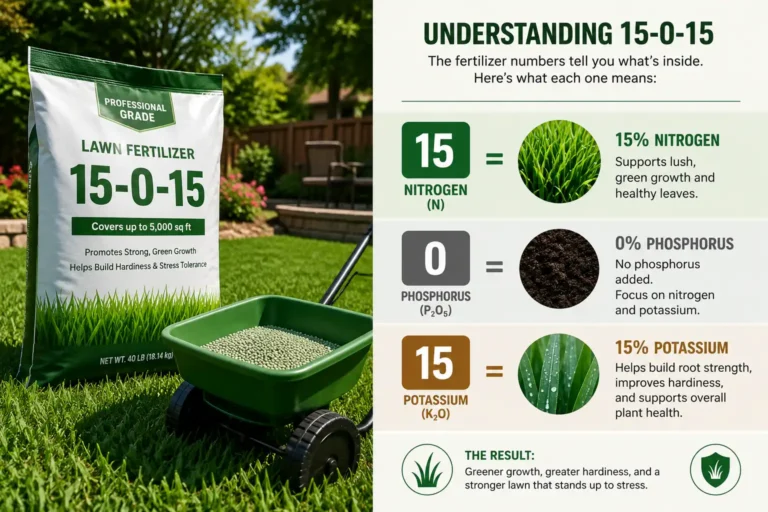
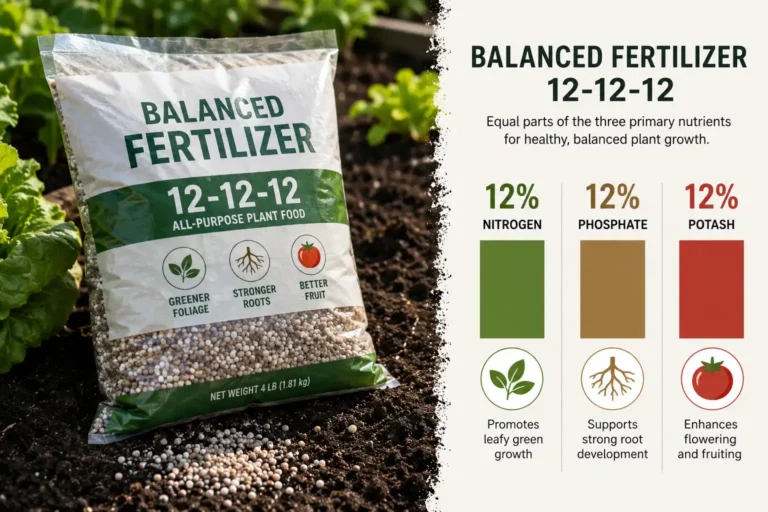
Nitrogen (the first number) drives leafy top growth. Phosphate (the big middle number, which labels show as P2O5) supports roots and flowering. Potash (the last number, shown as K2O) backs general plant vigor. The rest of the bag is carrier material.
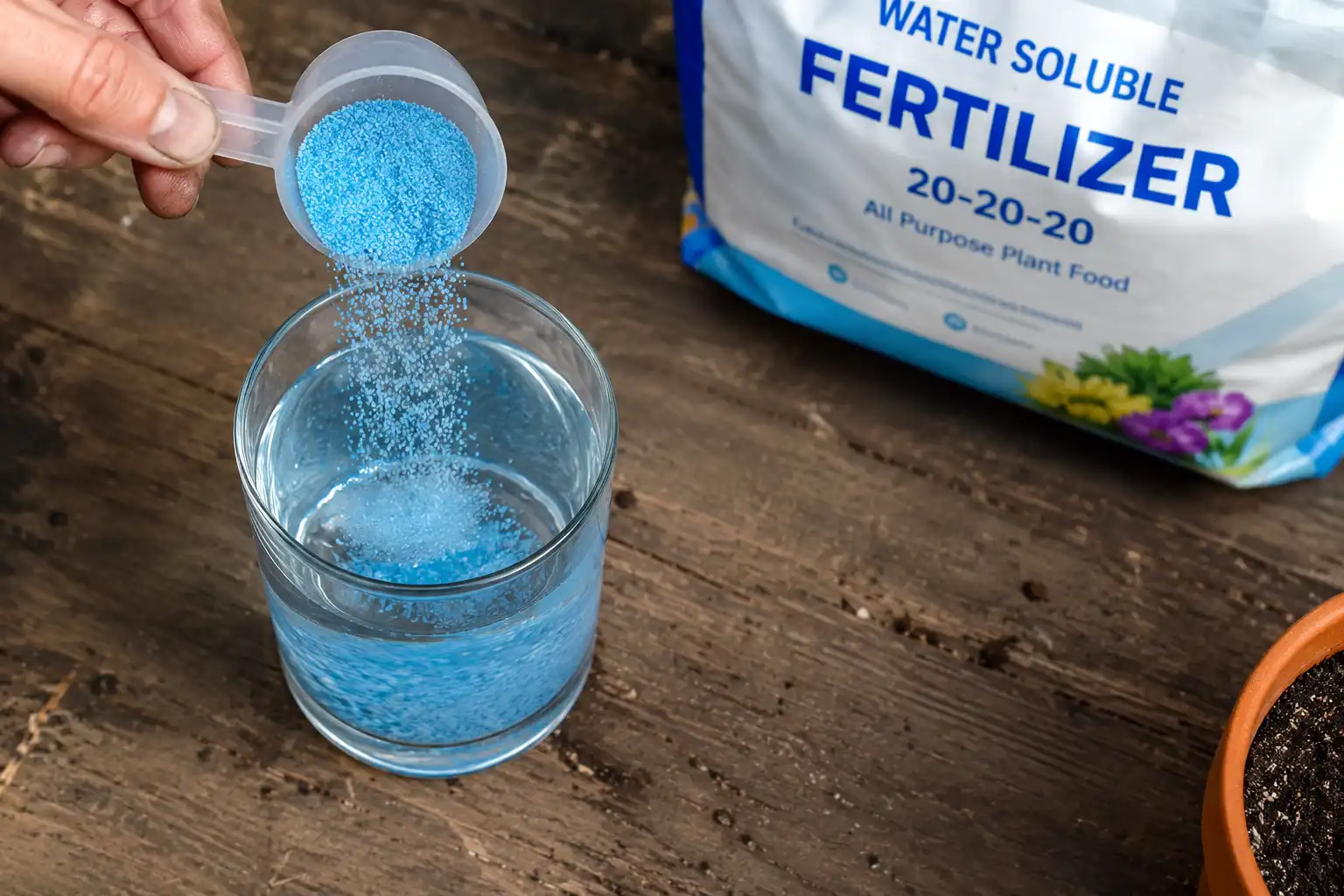
Because it dissolves fully, you mix it into water and apply it as a soil drench or a foliar spray. Most brands sell it as a bloom booster or a transplant starter. For the full rundown on what the NPK numbers mean, see this separate guide to NPK fertilizer.
Also know: 11-52-0 MAP Fertilizer
What Is 10-52-10 Fertilizer Used For?
Growers use 10-52-10 fertilizer mainly to start transplants and to support flowering. The high phosphate load targets two jobs: early root growth and flower or fruit set. So it fits seedlings, container plants, and hydroponic setups where you control the whole nutrient supply. Some folks also spray it on leaves for a fast feed.
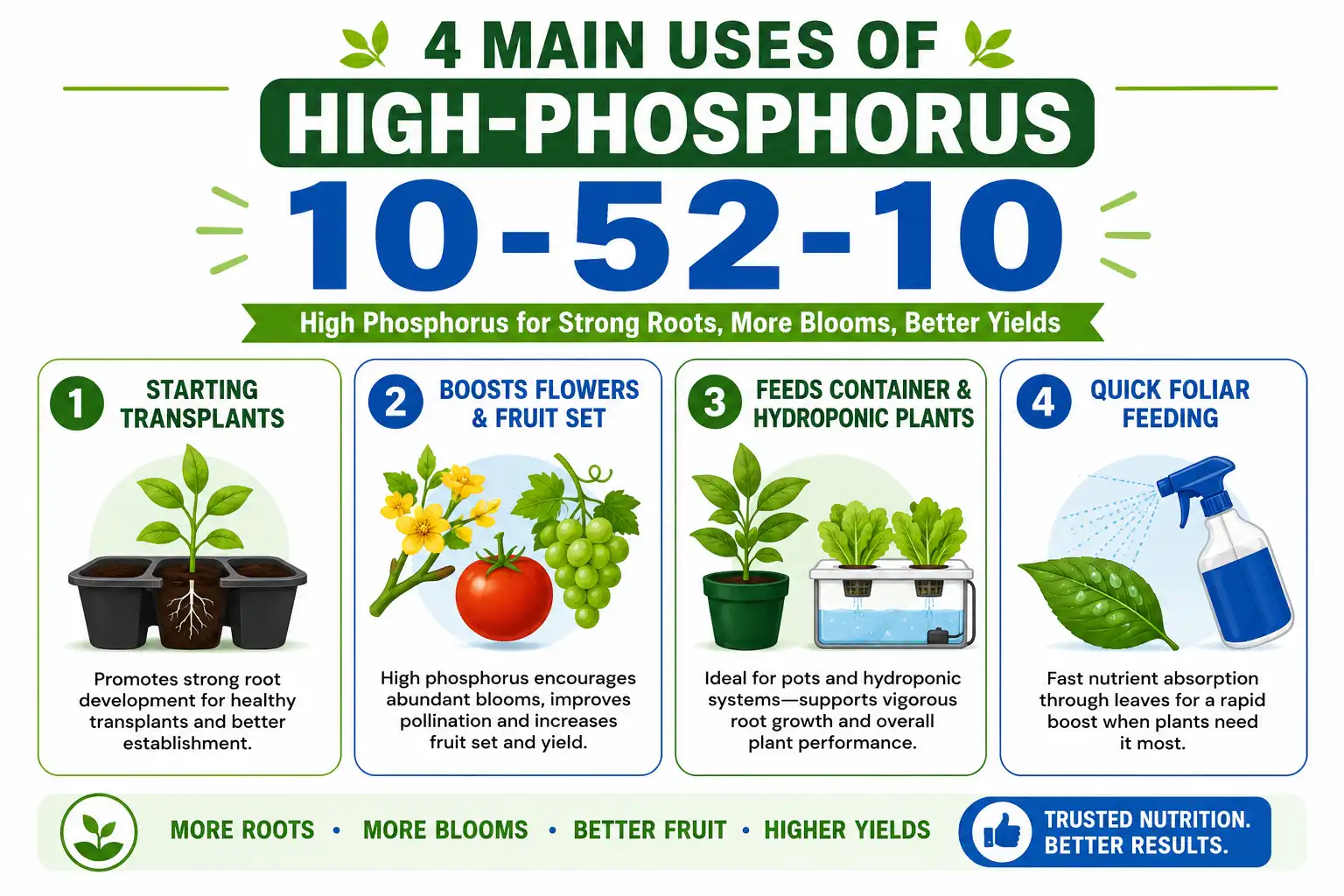
Here is the honest part. The real payoff shows up in cool spring soil. Roots stay small when the ground is cold. So phosphorus becomes the limiting nutrient early on, and a soluble starter helps young plants settle in when you are transplanting seedlings into that cold ground. But in warm, established beds, most of that extra phosphorus just sits in the soil.
Extension specialists from land-grant universities are blunt about it. Unless a soil test shows your phosphorus is low, more phosphorus will not add flowers. So checking soil with a home soil test kit comes before opening any high-phosphorus bag, not after.
How to Use 10-52-10 Fertilizer
To use 10-52-10 fertilizer, dissolve it in water, then apply it as a light drench or foliar spray at the label rate for your method. The powder mixes cold, so you do not need warm water or fancy gear.
How Much 10-52-10 Do You Mix Per Gallon?
Most home mixes call for about 1 tablespoon per gallon of water outdoors. For a concentrated starter formula, use roughly 2 teaspoons per gallon instead. Rates shift by brand and by plant, so read the bag first. Here is a general guide pulled from common label directions:
| Method | Typical rate | Notes |
|---|---|---|
| Watering can (outdoor) | 1 tbsp per gallon | General feeding |
| Concentrated starter | 2 tsp per gallon | Seedlings and transplants |
| Backpack sprayer | 4 tsp per gallon | Spot feeding |
| Root feed (bulk) | 2 to 4 lb per 100 gal | Large plantings, greenhouse |
| Foliar spray (field) | 5 to 10 lb per acre | Every 7 to 10 days |
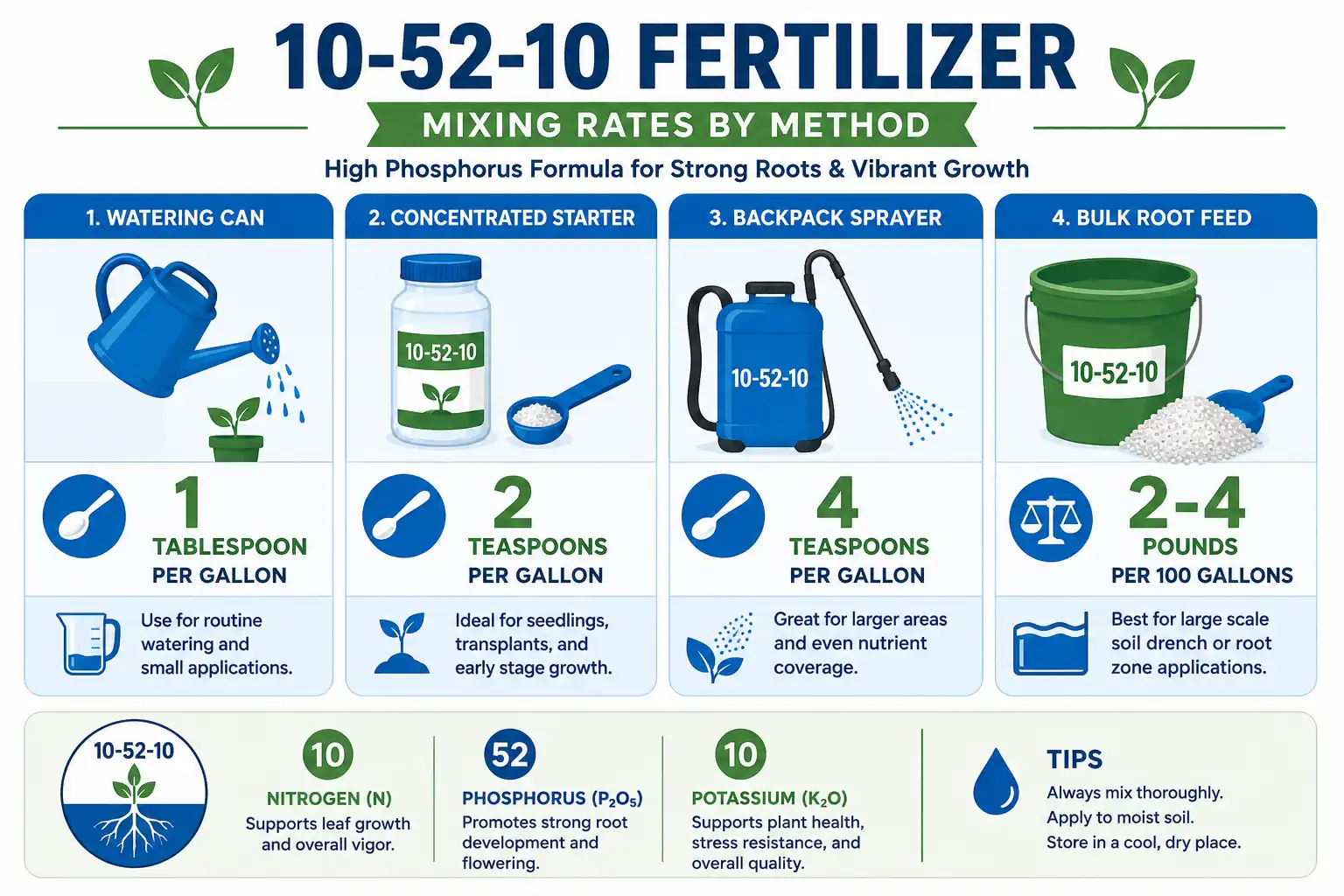
Indoor plants take a lighter dose, usually about half a teaspoon per gallon. Always start weak. You can add more later, but you cannot pull it back out of a burned plant.
When and How Often Should You Apply It?
Apply it every 1 to 2 weeks during active growth, and water it in at transplant time. At planting, a dilute drench helps roots reach into cold soil. For flowering plants, a feed every 7 to 14 days keeps buds coming. Then ease off once the plant sets fruit and shifts its appetite toward potassium.
What Precautions Matter With High-Phosphorus Fertilizer?
Go light, because too much phosphorus causes real trouble. These blends run high in salts, so a strong drench can burn tender transplant roots. Keep starter solutions dilute for that reason. Over time, excess soil phosphorus also ties up iron, which yellows new leaves between the veins. Runoff is another issue, since phosphorus that washes into ponds and streams feeds algae blooms. For field-scale starter phosphorus, a dry starter like 18-46-0 usually does the job with less waste.
Is 10-52-10 Fertilizer Good for Tomatoes?
Yes, 10-52-10 fertilizer is good for tomatoes as a starter at transplant time, but it is not the right feed for the whole season. Early on, a dilute drench helps young roots dig in. That matters most in cool spring soil. Roots stay small when the ground is cold, so phosphorus becomes the limiting nutrient during that window.
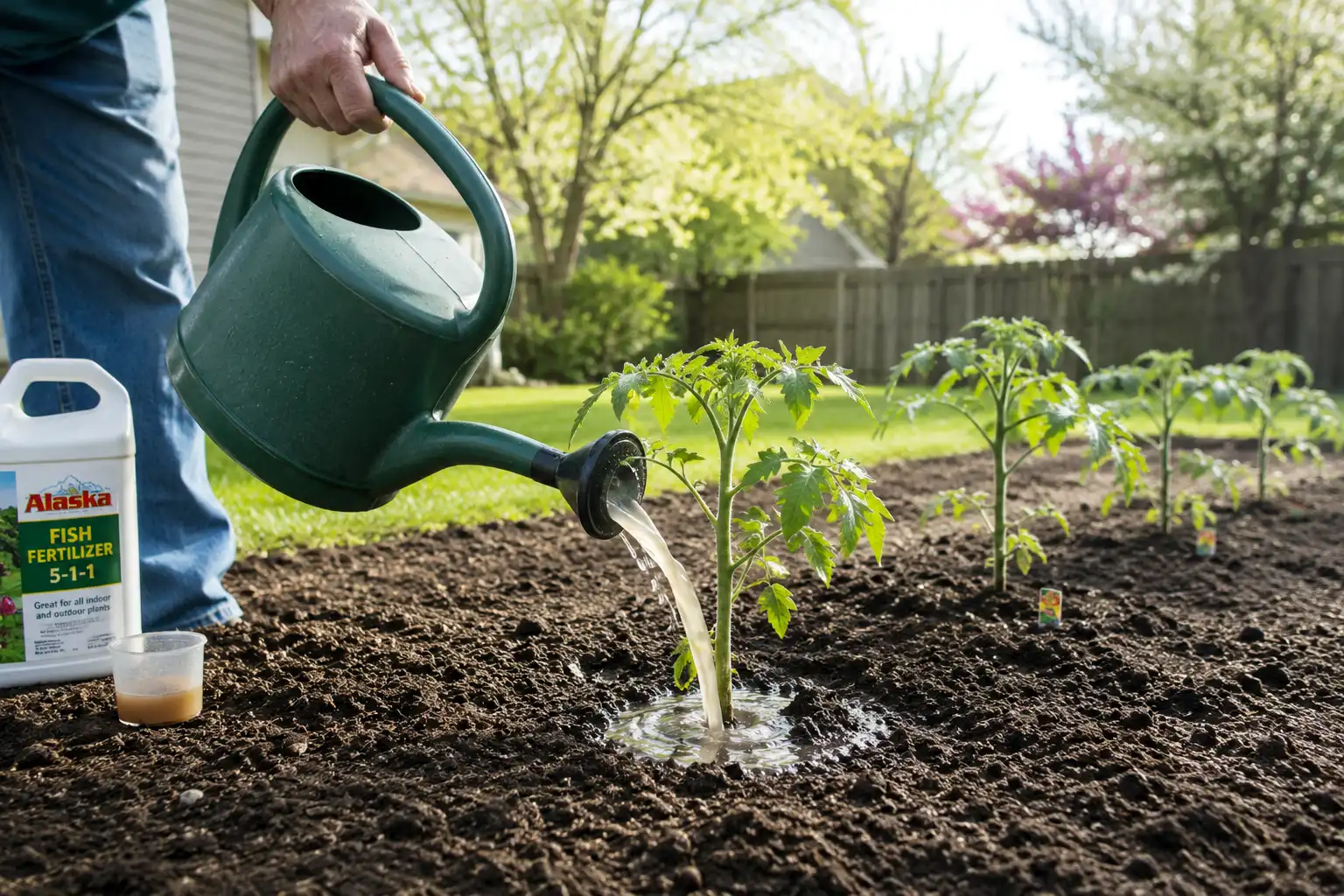
Tomatoes are heavy feeders, yet their early nitrogen needs stay modest. Too much nitrogen grows lush leaves at the cost of fruit. Once flowers and small tomatoes appear, the plant wants more potassium, not more phosphorus. So switching to a balanced blend or a higher-potassium mix like a 5-10-10 blend is the move when fruit starts to set. If you grow tomatoes in containers, the same rule holds: start with a phosphorus drench, then feed for fruit.
And test your soil first. Plenty of garden beds already hold high phosphorus from years of feeding. In that case, a high-phosphorus starter adds nothing your tomatoes can actually use.
Which 10-52-10 Product Should You Buy?
For most gardeners, the Miracle-Gro Bloom Booster is the easiest pick, because it dissolves fast and owners report strong bloom results. Below are three solid options for different needs.
Miracle-Gro Water Soluble Bloom Booster 10-52-10
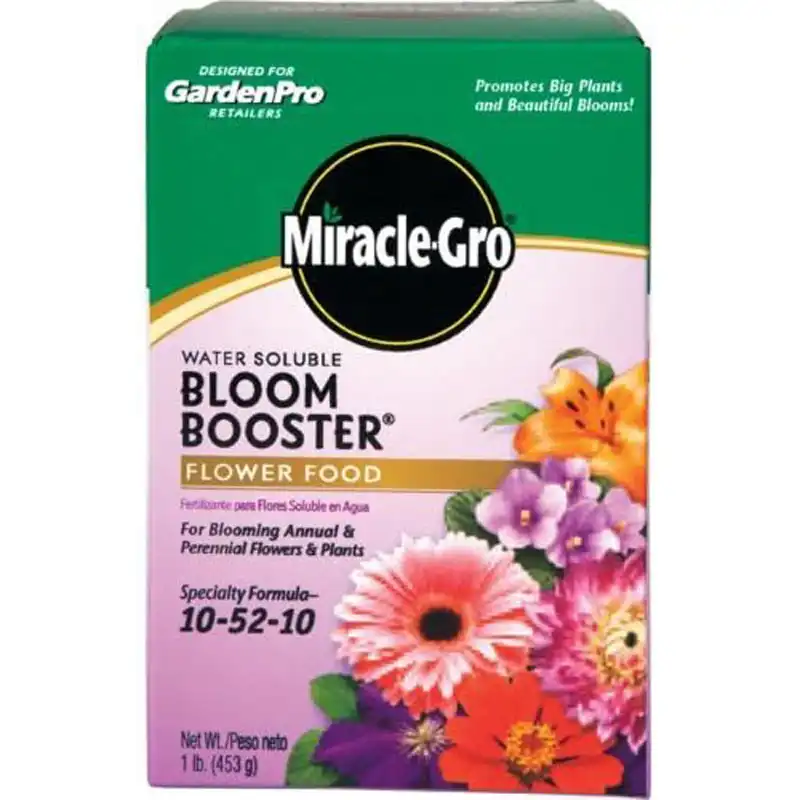
Miracle-Gro Bloom Booster is the most common 10-52-10 on the shelf, and for good reason. It dissolves quickly in a watering can with the included scoop, and it feeds through both roots and leaves. Miracle-Gro says it works on annuals, roses, hydrangeas, and hibiscus. Owners feed every 7 to 14 days and report bigger, brighter blooms within about two weeks.
- Pros: Dissolves fast in water; Comes with measuring scoop; Feeds roots and leaves; Works on many flowers
- Cons: Very phosphorus-heavy for soil; Not a season-long feed
- Specs: NPK: 10-52-10; Form: water-soluble powder; Feed: every 7 to 14 days; Best for: flowers, roses, containers
MASTERBLEND Kick Starter Formula 10-52-10 by PowerGrow
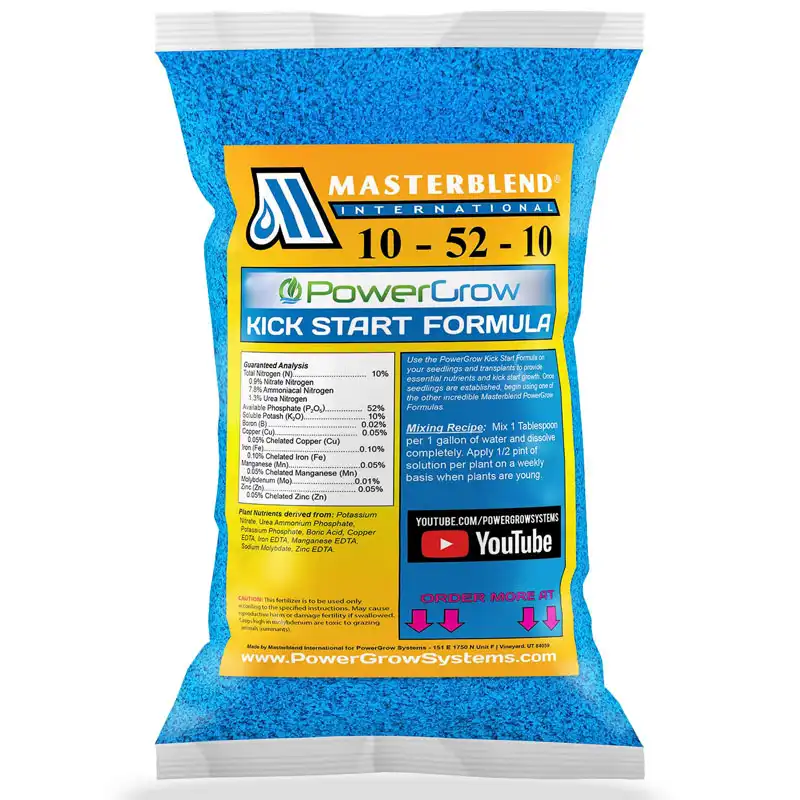
MASTERBLEND Kick Starter is the pick when you want a small, low-cost bag for seedlings. It packs a lot of phosphorus into a small dose, so just 2 teaspoons per gallon goes a long way. PowerGrow makes it for both hydroponics and soil gardens, with a food-grade blue dye that suits injector systems. Growers use it to jump-start young roots without buying a heavy bag.
- Pros: Highly concentrated formula; No filler added; Fits hydroponics and soil; Small, low-cost bag
- Cons: Blue dye can stain; Too small for acreage
- Specs: NPK: 10-52-10; Form: water-soluble powder; Rate: ~2 tsp per gallon; Best for: seedlings, transplants, hydroponics
Grow More 10-52-10 Water Soluble Fertilizer (25 lb)
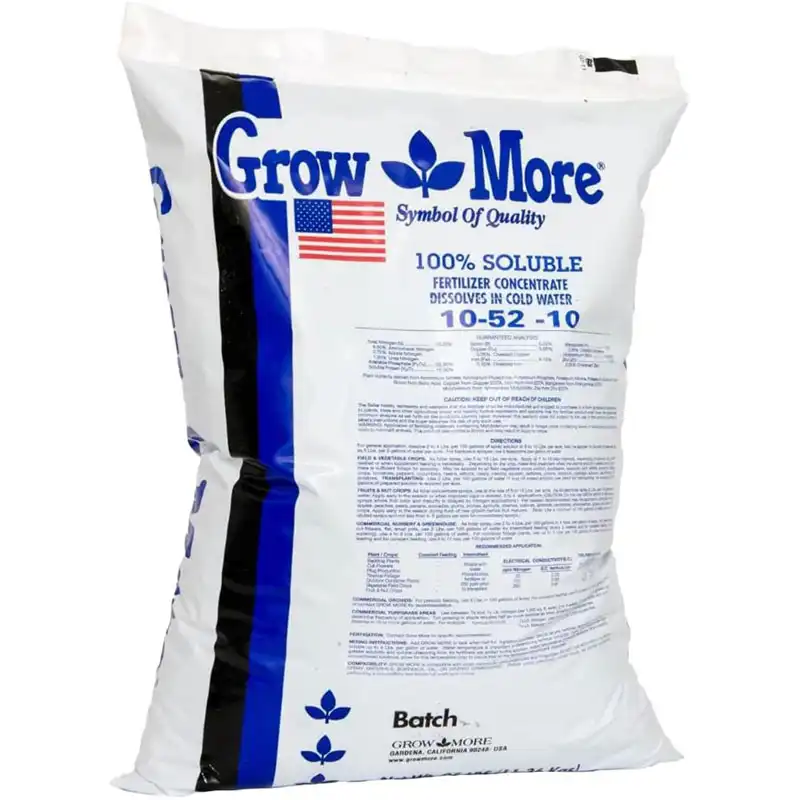
Grow More 10-52-10 comes in a 25-pound bag that suits big jobs. It dissolves in cold water and works as a root feed or a foliar spray. Grow More lists root-feed rates near 2 to 4 pounds per 100 gallons. The company also makes it in the USA. This one fits large gardens, greenhouses, and growers who feed a lot of flowering plants.
- Pros: Large bulk bag; Cold-water soluble; Root or foliar feeding; Made in the USA
- Cons: Too much for small plots; High phosphorus, test first
- Specs: NPK: 10-52-10; Form: water-soluble powder; Size: 25 lb bag; Best for: gardens, greenhouse, foliar
Bottom Lines for Your Garden Beds
10-52-10 is a targeted tool, not an everyday feed. On average ground, high-phosphorus starters are the trusted choice in early spring. The Great Plains soil stays cold and slows phosphorus down, so young roots get a real lift from a starter. That same logic carries to flowers and transplants. So water it in early, keep the mix light, and lean on extension advice for your crop. Then test your soil before you buy, because a bed that already holds high phosphorus gains nothing from more. Once your plants set fruit, switch to a balanced or higher-potassium feed and let them finish strong.