How to Grow Tomatoes in Containers: 8 Expert Steps to a Big Harvest
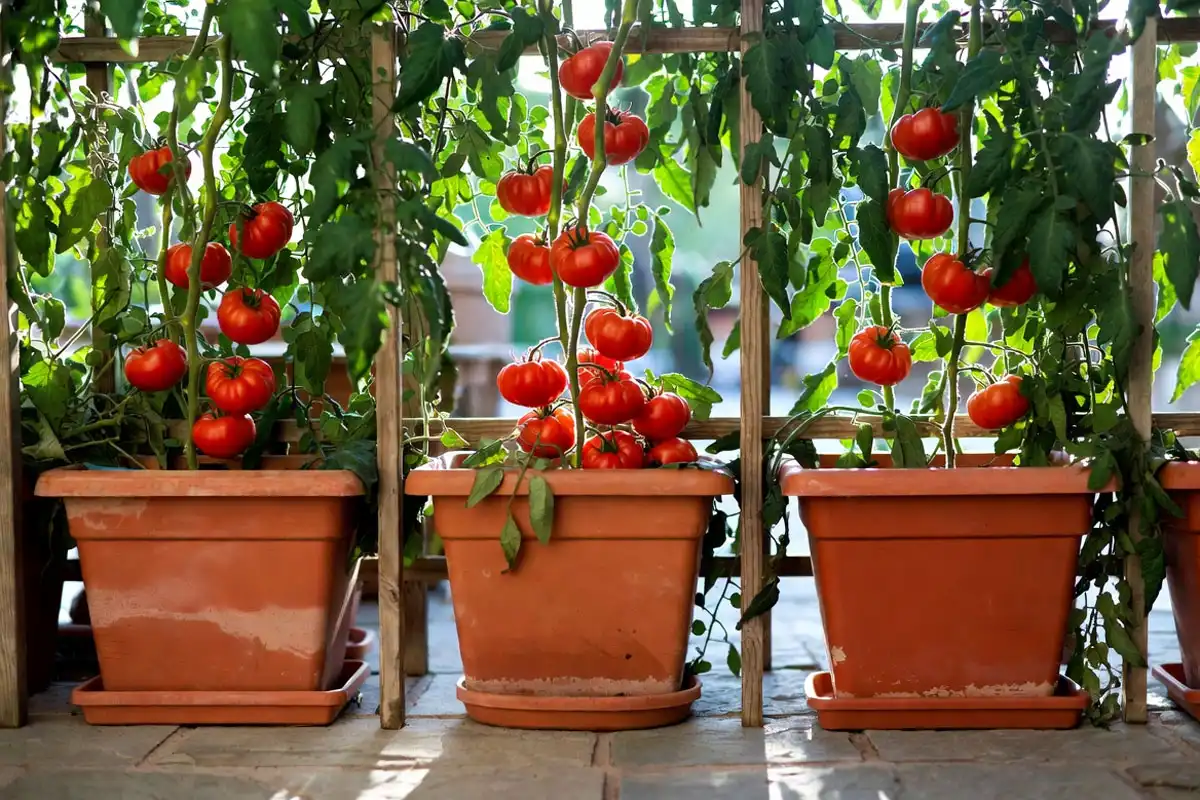
Tomatoes grow successfully in containers when you match the pot size, soil mix, and watering schedule to the variety you plant. This guide covers every stage from selecting a container and variety through planting, feeding, supporting, and solving common problems, so you have a clear path to a reliable harvest whether you grow on a patio, balcony, or small backyard.
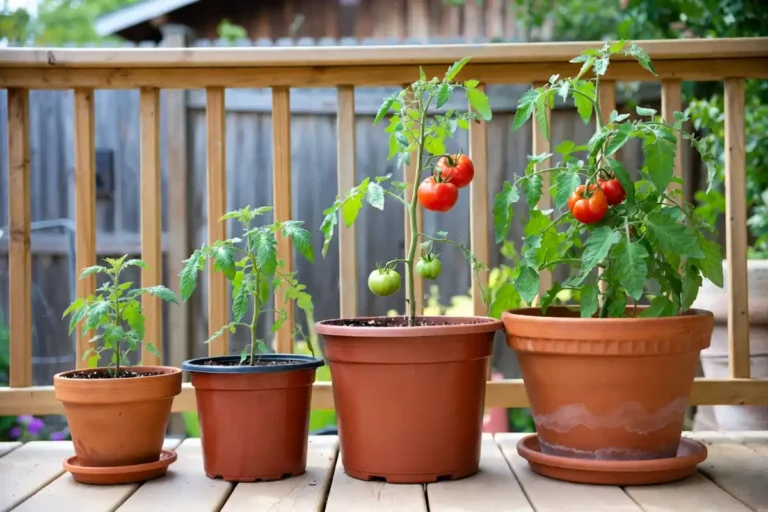
To grow tomatoes in containers, choose a pot of at least 5 gallons for compact varieties and 10 to 15 gallons for larger ones. Fill it with a well-draining potting mix, not garden soil. Plant one transplant per container, place it in full sun (6 to 8 hours daily), water consistently, and feed with a balanced fertilizer every 10 to 14 days once flowering begins. Add a stake or cage at planting time for support.
What Container Size Do Tomatoes Need?
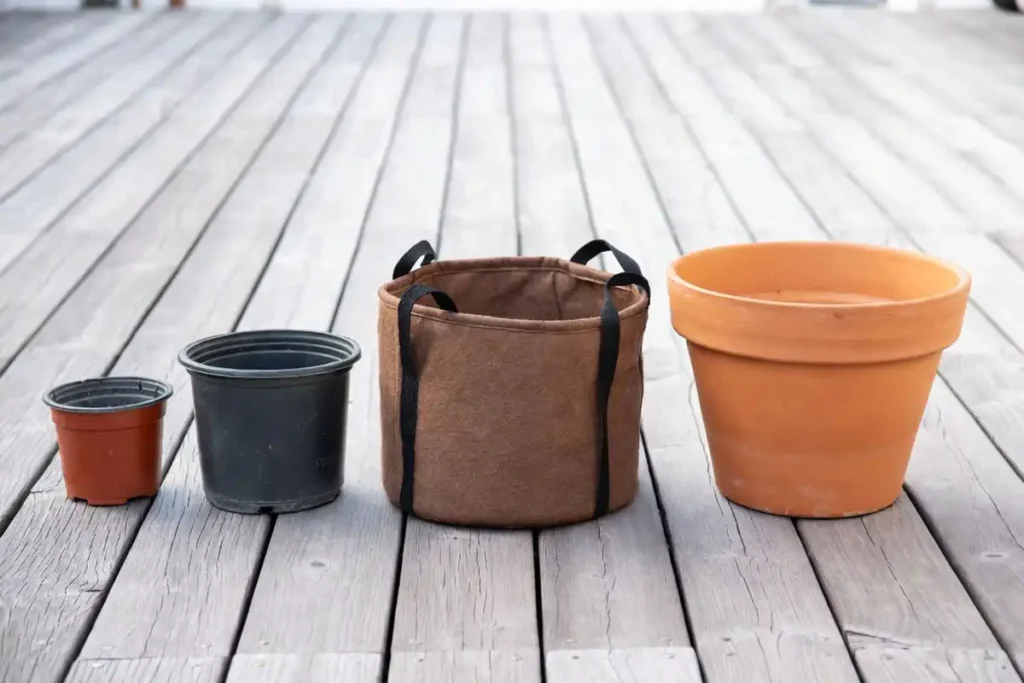
Container size determines how well tomato roots develop and how consistently the plant holds moisture. A 5-gallon container works for compact and dwarf varieties. Indeterminate varieties require 15 to 20 gallons to sustain full growth and fruit production.
Containers need at least 12 inches of depth for roots to anchor properly. Shallow pots restrict root spread and cause plants to dry out faster between waterings.
Drainage holes are non-negotiable. Containers without holes hold standing water. Waterlogged roots develop root rot within days, and the plant declines quickly. Use pots with at least two drainage holes at the base.
Material options include:
- Plastic pots: lightweight, retain moisture longer, low cost
- Fabric grow bags: excellent airflow, prevent root circling, dry out faster
- Terracotta: heavy, breathable, require more frequent watering
- Glazed ceramic: retains moisture well, heavy to move
Dark-colored containers absorb heat and raise soil temperature above 85°F on hot days. High soil temperature stresses roots and reduces fruit set. In hot climates, choose light-colored pots or wrap dark containers with burlap.
Read next: What to Do with Cherry Tomatoes: 9 Smart Methods
Which Tomato Varieties Grow Best in Containers?
Determinate (bush) varieties stop growing at a set height and suit containers well. Indeterminate varieties continue to grow all season and require large containers with strong support.
Reliable container varieties include:
- Bush Early Girl (determinate, 3–4 ft): produces medium-sized fruit, matures in about 54 days
- Patio (determinate, 2 ft): bred for container growing, produces clusters of small tomatoes
- Tumbling Tom (trailing): suits hanging baskets and window boxes
- Celebrity (determinate, 4 ft): disease-resistant, produces full-sized fruit in 70 days
- Sweet 100 (indeterminate): cherry variety, high yield, needs a 15-gallon container and strong cage
For more guidance on starting tomatoes from seed, the process of growing plants directly from a tomato follows similar container soil and timing principles. Understanding hybrid versus heirloom seed differences helps you select a variety suited to your specific growing conditions before you buy.
What Type of Soil Works Best for Container Tomatoes?
Garden soil compacts in containers, blocks drainage, and restricts oxygen to roots. Container tomatoes need a quality potting mix, not native soil.
A good potting mix includes:
- Peat moss or coconut coir (moisture retention)
- Perlite or vermiculite (drainage and aeration)
- Compost (nutrients and microbial activity)
Fill the container to within 2 inches of the rim. This gap prevents water from running off the sides before it absorbs into the mix.
Avoid mixes marketed as “moisture control” blends for tomatoes. These retain water too long and increase the risk of fungal problems at the soil line.
Adding finished compost to the bottom third of the container gives roots a nutrient-dense layer to grow into. Mix one part compost to three parts potting mix for the base layer.
Also learn: Grow Carrots in Containers: Seed to Harvest Guide
When Should You Plant Tomatoes in Containers?
Transplant container tomatoes outdoors after the last frost date for your region and once nighttime temperatures stay consistently above 50°F. Tomato plants stall in cold soil and do not recover lost growth time.
Soil temperature in the container should read at least 60°F at planting. Use a soil thermometer to confirm this before transplanting.
In Kansas (USDA Zone 6a to 6b), the last frost typically falls in mid-April. Most growers transplant between late April and mid-May. For detailed state-specific timing, transplanting tomatoes at the right time covers key frost and temperature windows.
Start seeds indoors 6 to 8 weeks before your target transplant date. This gives seedlings time to develop before they go into containers outdoors.
Where Should You Place a Container Tomato Plant?
Tomatoes need a minimum of 6 hours of direct sunlight daily to set fruit. Eight hours or more produces the best yields.
Placement checklist:
- South-facing or west-facing patios receive the most sun hours
- Avoid spots blocked by walls, fences, or overhanging roofs after noon
- Place containers on wheels or a plant caddy so you can follow the sun or move plants indoors during cold snaps
Wind dries containers faster and can topple plants. Position containers near a wall or fence for wind protection without blocking sun. Anchor tall tomato cages to the container base with stakes to prevent tipping.
Learn more: How to Replant Tomatoes Right Way
How to Plant Tomatoes in a Container
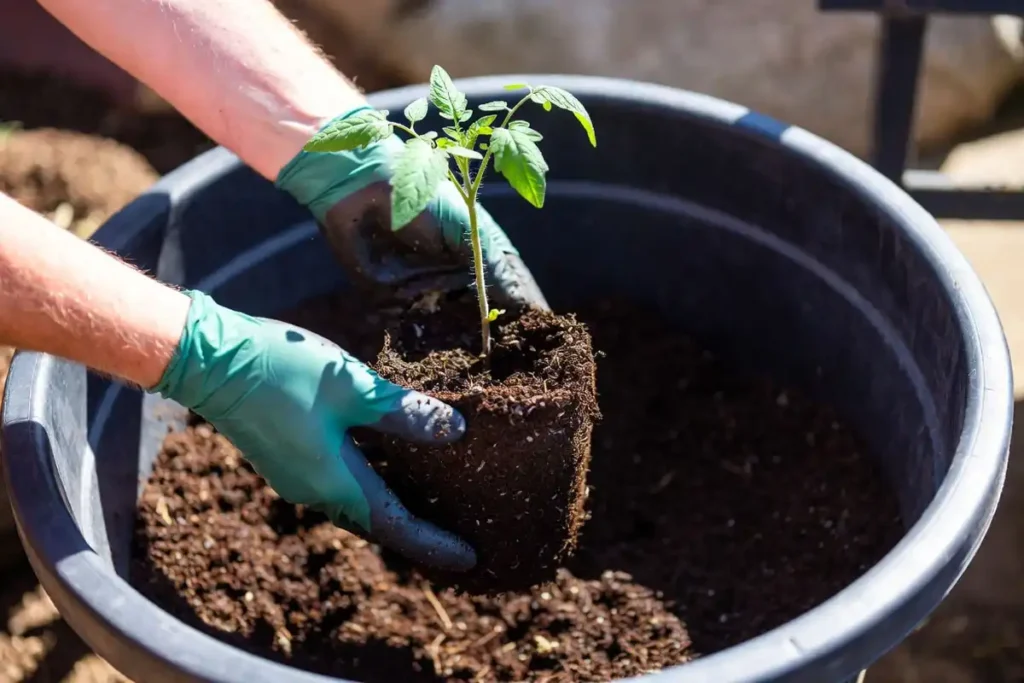
What you need:
- Potting mix
- Container (appropriate size for variety)
- Transplant seedling
- Trowel
- Slow-release granular fertilizer (optional base amendment)
Step 1: Prepare the container. Fill the bottom third with a compost-potting mix blend. Add a slow-release fertilizer at the rate stated on the package label.
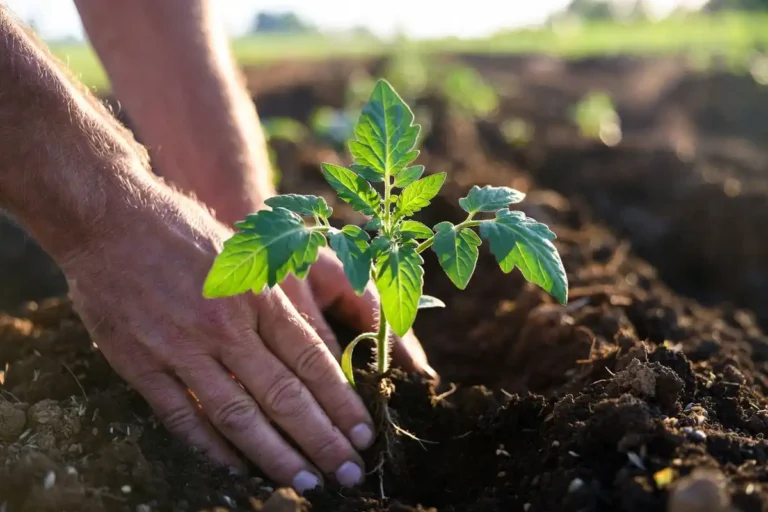
Step 2: Bury the stem deep. Remove lower leaves from the transplant, leaving only the top two or three sets. Plant the stem so that 60–70% of the plant sits below the soil surface. Tomatoes grow roots along buried stems, producing a stronger root system.
Step 3: Fill and firm the mix. Add potting mix around the stem and press it down gently to remove air pockets. Leave 2 inches of clearance at the top of the container.
Step 4: Water thoroughly at planting. Water until liquid drains freely from the bottom holes. This settles the mix around the roots and confirms drainage is working.
Step 5: Install support immediately. Place a cage, stake, or trellis at planting time. Installing support after the plant grows damages roots and disrupts the container mix.
For a comparison of staking, caging, and trellising methods, choose based on your variety’s mature height and container size.
How Often Do Container Tomatoes Need Water?
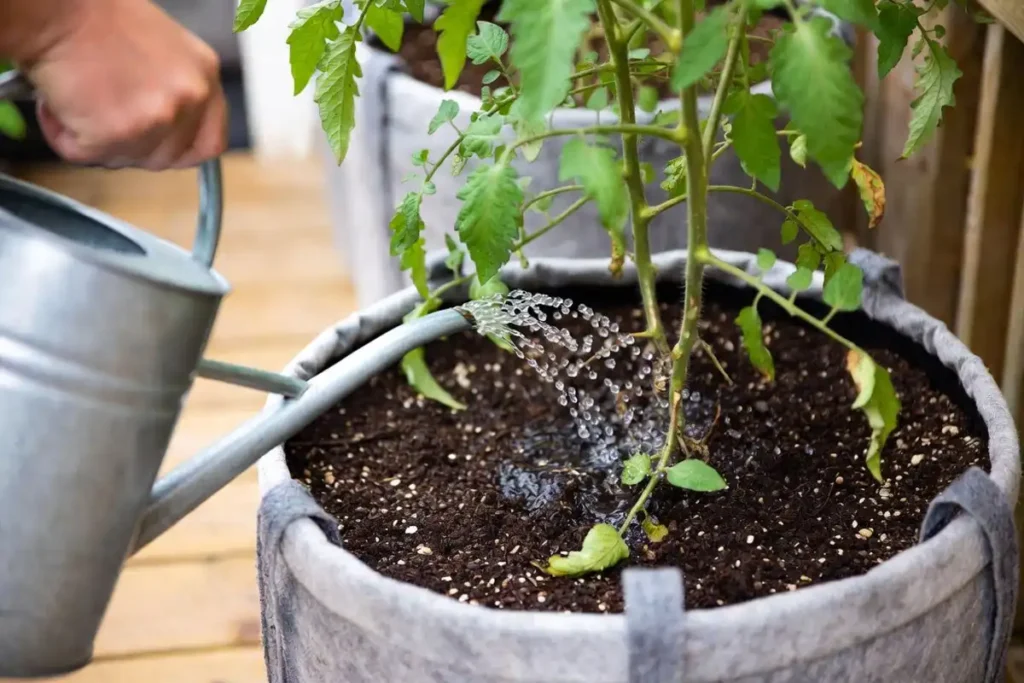
Container tomatoes need more frequent watering than in-ground plants. Containers lose moisture from all sides, and roots cannot access groundwater.
Check soil moisture daily by pressing a finger 1 to 2 inches into the mix. Water when the top inch feels dry. During hot weather above 85°F, this means watering once or twice daily.
Signs of underwatering:
- Leaves curl inward in the afternoon
- Soil pulls away from the container edges
- Fruit develops blossom end rot (dark, sunken patches at the base of fruit)
Signs of overwatering:
- Yellowing lower leaves
- Soil stays wet for more than 2 days after watering
- Sour or musty smell from the container
Water at the soil level, not on the leaves. Wet foliage promotes fungal diseases including early blight and Septoria leaf spot.
Tomatoes need the most consistent water during flowering and fruit development. For a full breakdown of peak water demand, when tomatoes need the most water explains the critical growth stages.
How Do You Feed Container Tomatoes?
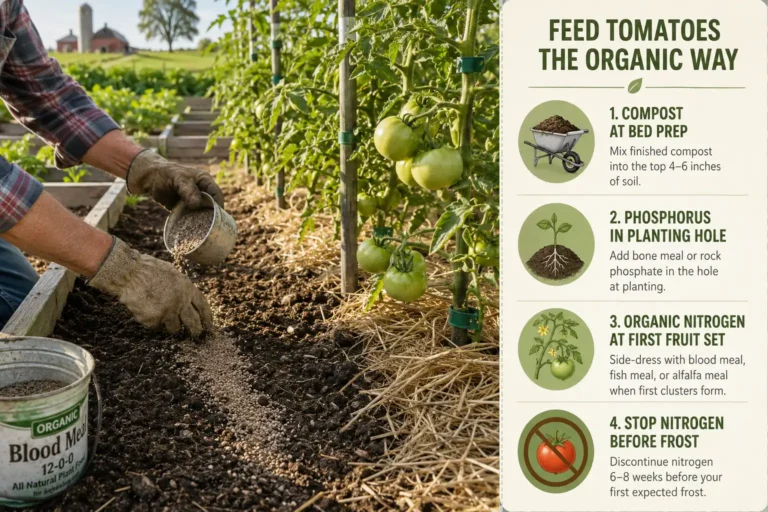
Container potting mix depletes nutrients faster than garden soil because watering flushes fertilizer through the drainage holes. Container tomatoes need regular feeding to sustain growth and fruit production.
Feeding schedule:
- At planting: mix a slow-release granular fertilizer into the base layer (optional, follow label rate)
- From first flower onward: apply a liquid tomato fertilizer every 10 to 14 days
- Once fruit sets: switch to a low-nitrogen, higher-phosphorus and potassium formula to support fruit development
High-nitrogen fertilizers push leafy growth at the expense of fruit. Read the NPK ratio on the label before applying. A 5-10-10 or 8-32-16 formula suits fruiting-stage tomatoes.
For a clear explanation of NPK fertilizer ratios and crop feeding, that guide covers how each nutrient affects plant development.
Do Container Tomatoes Need Support?
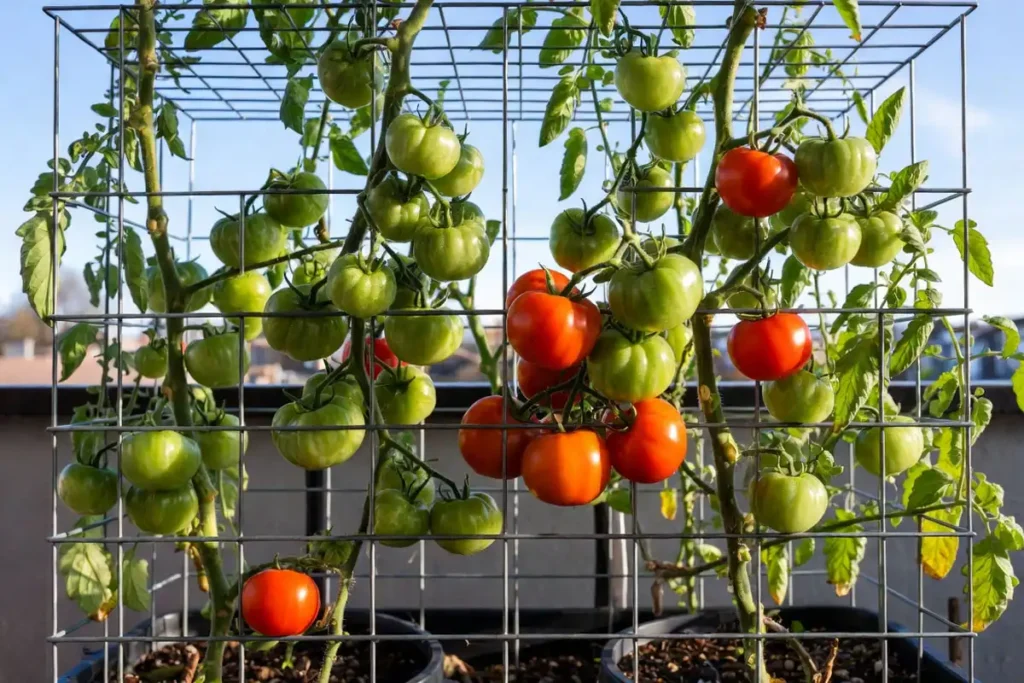
All container tomato varieties benefit from support, even compact types. Unsupported stems bend under fruit weight and can snap.
Support options by variety type:
- Determinate varieties (up to 4 ft): a single stake or a 3-ft wire cage provides adequate support
- Indeterminate varieties (5 ft and taller): a heavy-duty 5- to 6-ft cage or a trellis system attached to a wall or railing
Anchor the cage legs into the container mix at least 6 inches deep. For large containers on wheels, attach a secondary stake to the cage and tie it to a wall to prevent the whole unit from toppling.
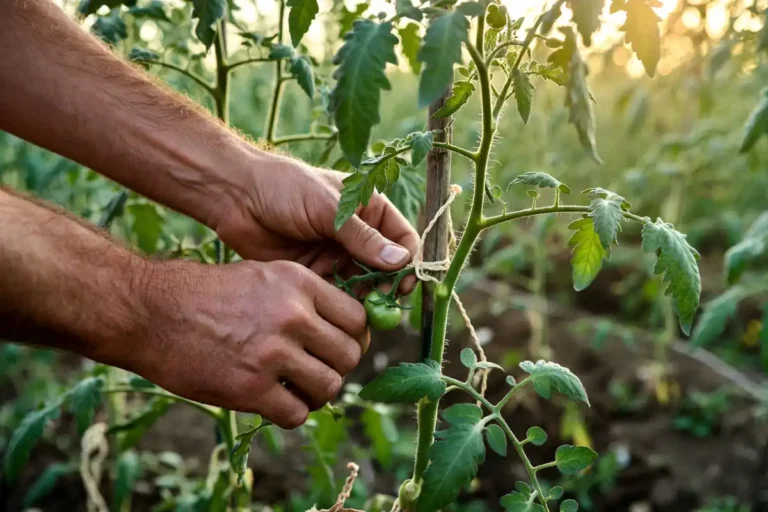
Tie the main stem loosely to the support using soft garden ties or strips of cloth. Tight ties cut into the stem and restrict water flow.
How Do You Prune Container Tomato Plants?
Pruning improves airflow, reduces disease pressure, and directs energy into fruit rather than excessive foliage.
For indeterminate varieties:
Remove suckers that grow in the V-angle between the main stem and a side branch. Leave one main stem (single-stem method) or allow two or three main stems (multi-stem method) based on container size.
Pinch suckers when they are under 2 inches long. Small suckers snap off cleanly by hand. Larger suckers need clean scissors or pruners to avoid tearing the stem.
For determinate varieties:
Minimal pruning applies. Remove damaged or diseased leaves. Avoid removing healthy foliage on determinate plants, since these varieties set fruit on specific branches rather than continuously growing new ones.
For a detailed look at how pruning affects yield and disease rates, that article covers the research behind removing foliage and suckers.
Common Container Tomato Problems and Solutions
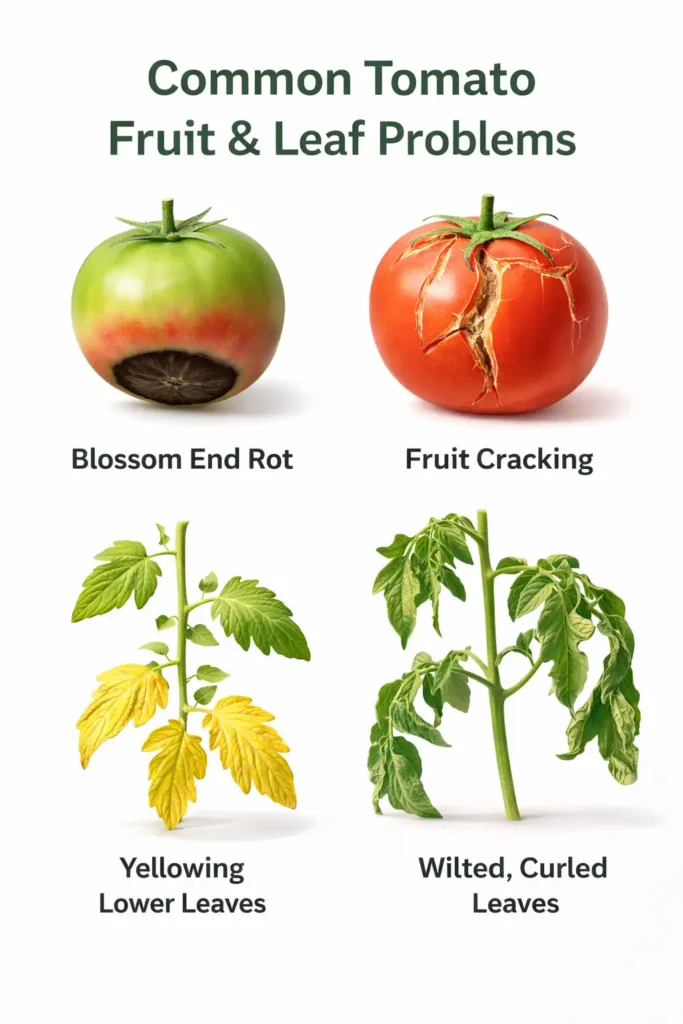
Blossom drop (flowers fall before fruit forms) Cause: temperatures above 95°F or below 55°F at night, or low humidity. Solution: Move the container to afternoon shade during heat waves. Mist the plant lightly in the morning to raise humidity around flowers.
Blossom end rot (dark sunken patch at fruit base) Cause: calcium deficiency caused by irregular watering, not low soil calcium. Solution: Water consistently. Apply a calcium foliar spray if the problem persists and watering is already regular.
Yellowing lower leaves Cause: nitrogen deficiency from nutrient flush, overwatering, or early blight. Solution: Resume a regular feeding schedule. If spots accompany yellowing, remove affected leaves and treat with a copper-based fungicide.
Cracked or split fruit Cause: irregular watering followed by heavy watering. The fruit absorbs water faster than the skin expands. Solution: Water consistently and avoid long dry spells followed by large volumes of water.
Poor fruit set in hot weather Cause: pollen becomes non-viable above 95°F. Solution: Shade the container from 2 PM to 5 PM with 30% shade cloth during heat waves. This lowers canopy temperature without blocking morning sun.
Mistakes to Avoid When Growing Tomatoes in Containers
Using a container that is too small. A 1- or 2-gallon pot cannot support adequate root development for a full-size tomato plant. Start with at least 5 gallons for compact varieties.
Planting before soil temperature reaches 60°F. Cold soil slows root establishment and stresses transplants. Wait for consistent warmth, not just warm air temperatures.
Skipping drainage holes. Containers without drainage accumulate water and cause root rot. This mistake ends the growing season early.
Using garden soil in containers. Garden soil compacts, restricts drainage, and introduces pathogens into the container environment.
Inconsistent watering. Irregular wet-dry cycles cause blossom end rot and fruit cracking more than any other single factor.
Placing containers in partial shade. Below 6 hours of direct sun, plants produce foliage but fruit set drops significantly.
Ignoring the support until later. Waiting to add cages or stakes until plants are large disturbs roots and misses the most critical period for stem training.
Safety Notes
Chemical fertilizers and pesticides: Wear gloves and wash hands after applying any granular or liquid product. Keep containers out of reach of children and pets until products dry or absorb.
Heavy containers: A 20-gallon container filled with moist potting mix weighs 50 to 80 pounds. Use a plant caddy with locking wheels before filling. Moving a full container without a caddy causes back strain.
Tomato foliage: The leaves and stems of tomato plants contain solanine, a mild irritant. Wash hands after handling plants, especially before eating.
Balcony and rooftop placement: Check the weight-bearing capacity of your balcony before placing multiple large containers. Most residential balconies support 40 to 60 pounds per square foot, but consult your building specifications for exact limits.
FAQs about Plant Tomatoes in Containers
What is the best container size for growing tomatoes?
Do container tomatoes need drainage holes?
How often do you water tomatoes in pots?
What type of tomatoes grow best in containers?
Can you grow indeterminate tomatoes in pots?
Conclusion
Container tomatoes produce well when you give them the right size pot, consistent water, regular feeding, and adequate sun. Select a compact or determinate variety for smaller spaces, bury the transplant stem deep, and support the plant from day one.
Address watering consistency before anything else because most common container tomato problems trace back to irregular moisture. With the right setup, a single 15-gallon container can produce 10 to 15 pounds of tomatoes across a season.