Where Do Grapes Grow? Regions, Climate, and Zones for 2026
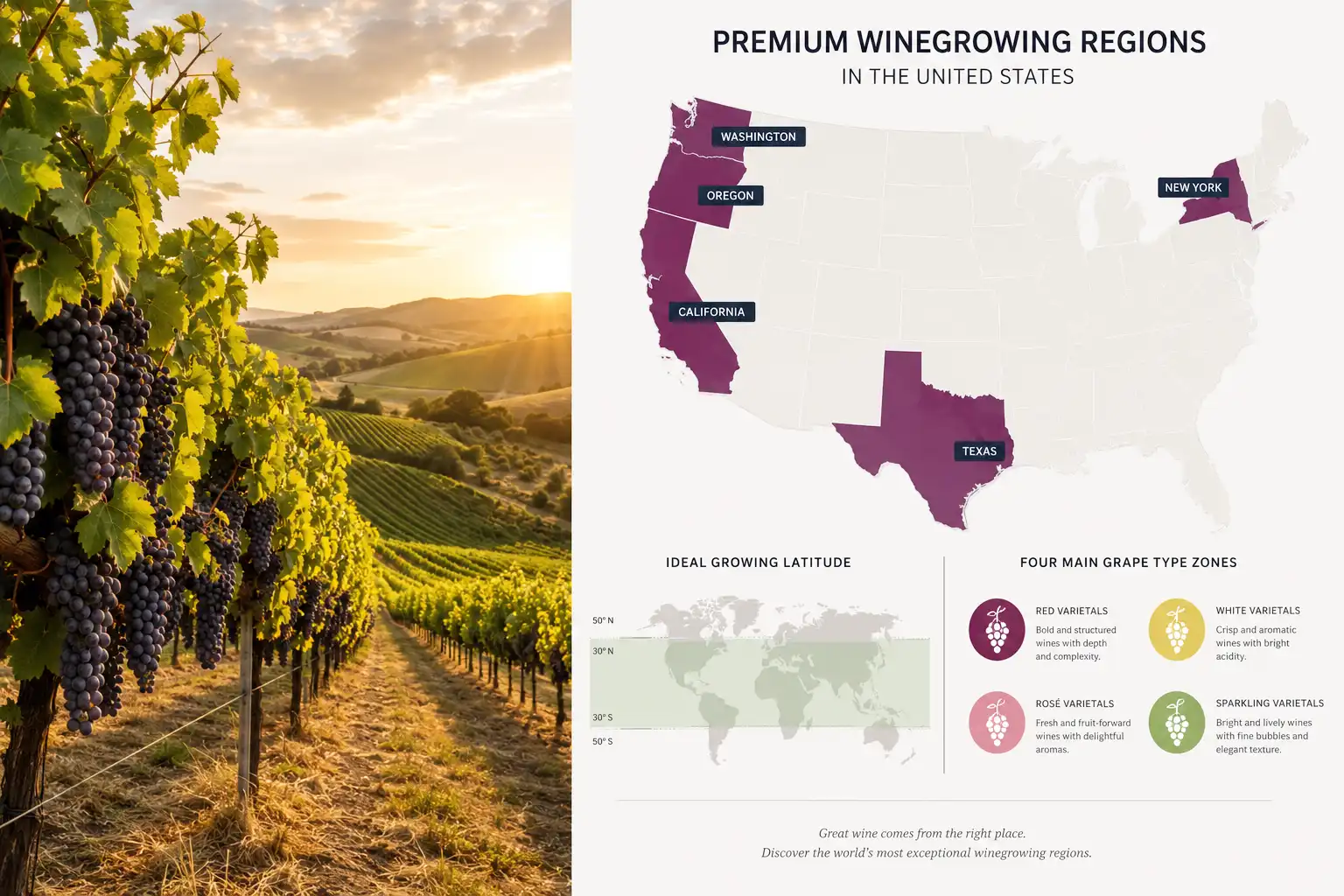
Grapes grow on six continents, but not everywhere. Where do grapes grow best comes down to climate, sunlight, and the grape type you pick. From California’s Central Valley to backyard rows in Kansas, this guide maps the regions, zones, and conditions grapes need.
Grapes grow on six continents, mostly between 30 and 50 degrees latitude. In the US, California leads with nearly 90% of production, followed by Washington and New York. Grape type sets your USDA zone, from 4 to 10.
Where Do Grapes Grow in the World?
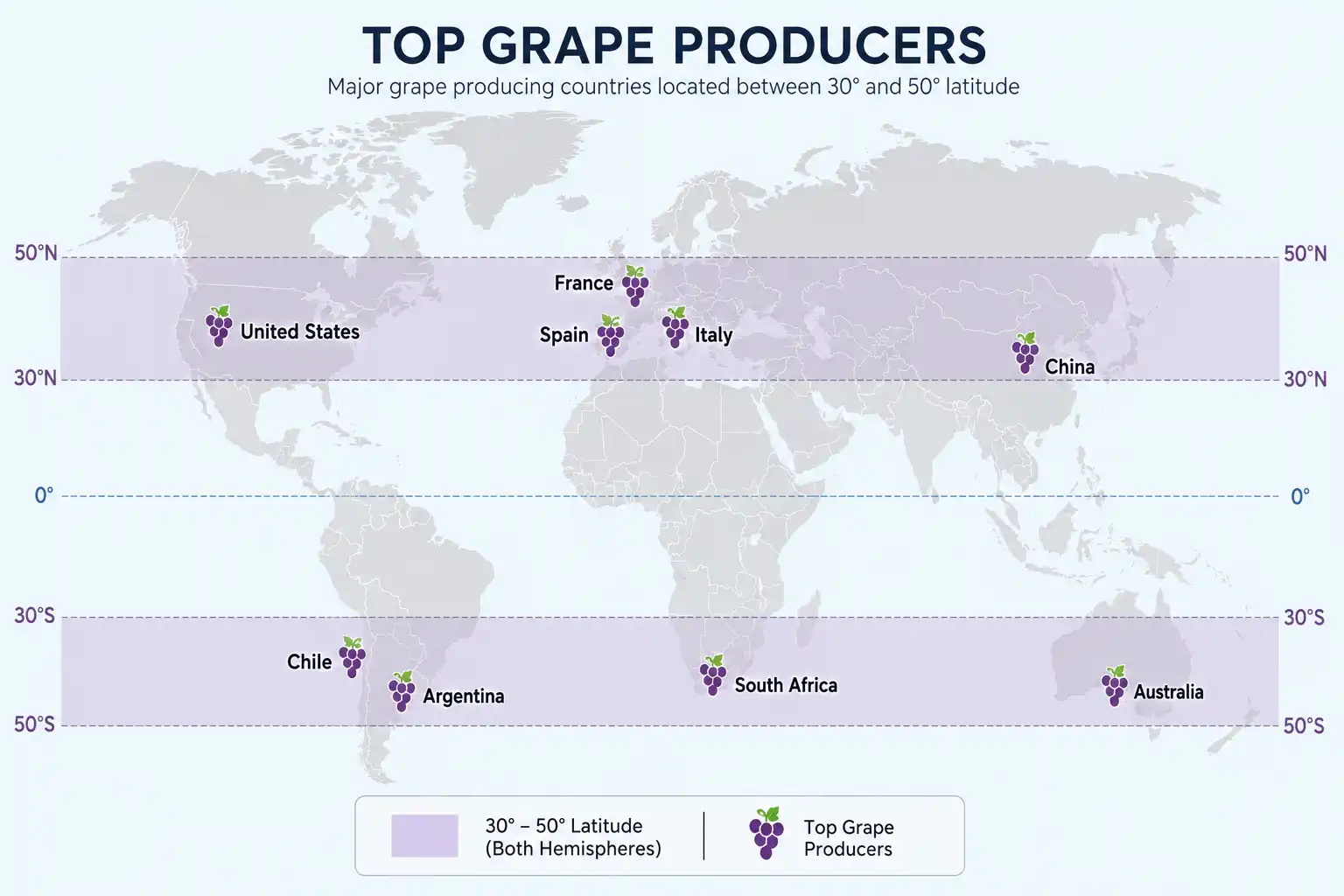
Grapes grow on every continent except Antarctica, mostly in a band between 30 and 50 degrees latitude north and south. This band gives vines what they want. Warm summers ripen the fruit, and a cool winter forces the vine to rest.
Both hemispheres carry major regions. China is the world’s largest grape producer. It grows roughly 17 million metric tons a year, more than a fifth of the global crop. Italy, Spain, France, and the United States follow, and their order shifts from year to year.
South of the equator, growers run on the opposite calendar. Chile, Argentina, South Africa, Australia, and New Zealand all raise grapes through their own summer. All told, more than 50 countries grow grapes for wine, table fruit, and raisins.
Learn more: Grapes harvesting methods
What Climate Do Grapes Need to Grow?
Grapes need full sun, a long warm growing season, and a cold-enough winter to force dormancy. Most vines want at least 7 to 8 hours of direct sun each day. Warm days build sugar, and cool nights lock in color and acid.
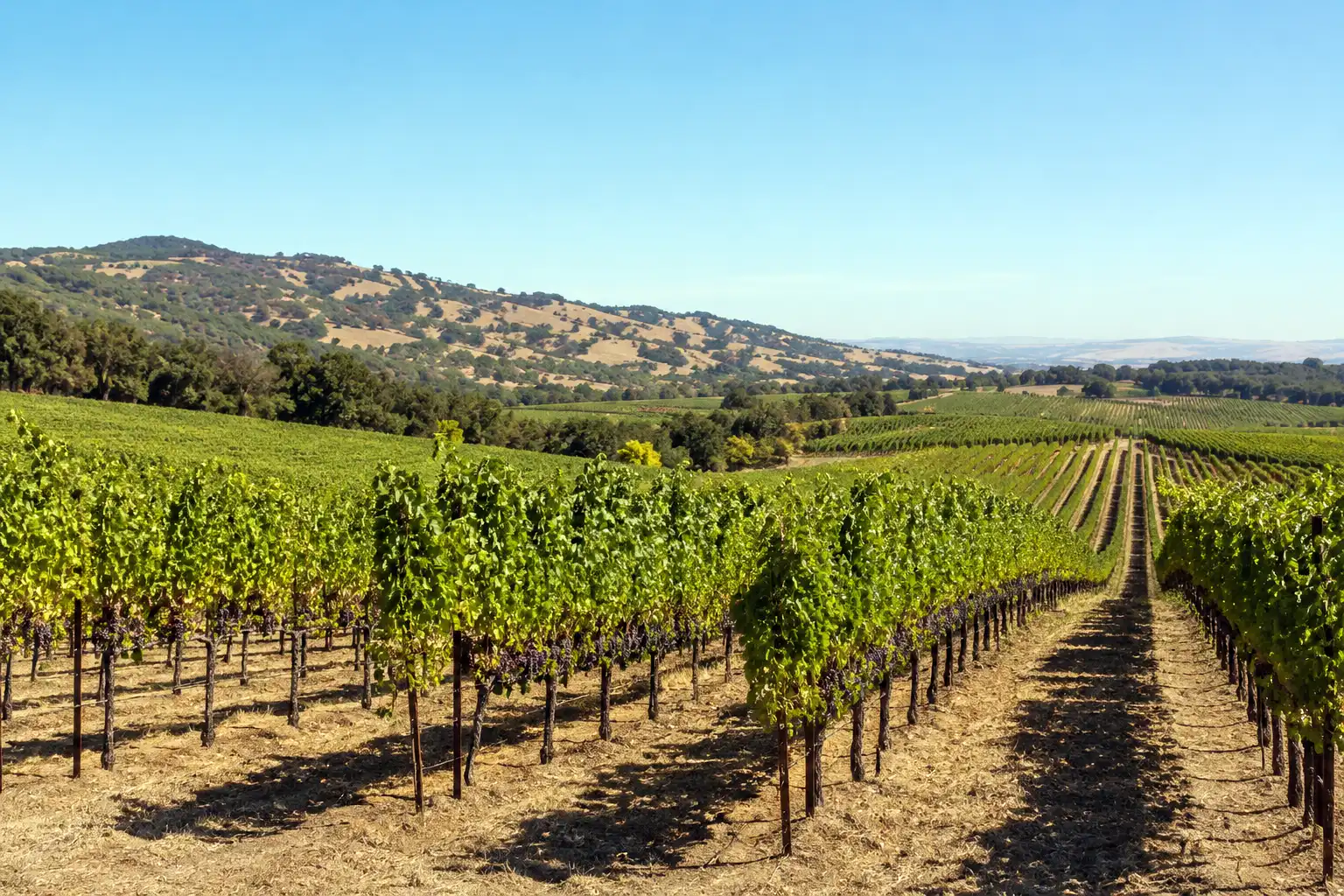
Heat matters as much as cold. Growers track heat units, or growing degree days, to match a variety to a site. Short-season regions need early types. Long, hot valleys can ripen late wine grapes without trouble.
Water is the other half. Grapes handle short dry spells once established. Still, young vines and fruit set want steady moisture. Learn how much water grapes need through the season. Humidity drives disease, too. Wet, muggy summers raise the risk of mildew and rot, which is why dry western regions grow such clean fruit.
What USDA Zones Can Grow Grapes?
Grapes grow across USDA hardiness zones 4 through 10, and the grape type decides how much cold your vines can take. Cold hardiness is the main limit. Some grapes shrug off 20 below zero, while others die at 5 above. Here is how the four main groups line up.
| Grape type | Species | USDA zones | Winter cold limit | Best-fit US regions |
|---|---|---|---|---|
| American | Vitis labrusca | 4 to 8 | around -20°F | Northeast, Great Lakes, Upper Midwest |
| European | Vitis vinifera | 6 to 10 | around 5°F | West Coast, warm dry valleys |
| Muscadine | Vitis rotundifolia | 7 to 10 | around 10°F | Southeast, Gulf states |
| Hybrids | labrusca and vinifera crosses | 4 to 8 (some to 3) | -30°F or colder | Cold North, Plains, Midwest |
Zones tell you what survives winter. They do not tell you what ripens. A vine can live through your winter and still fail to mature fruit in a short, cool summer. So match both the cold rating and the season length before you buy.
Where Do Grapes Grow in the United States?
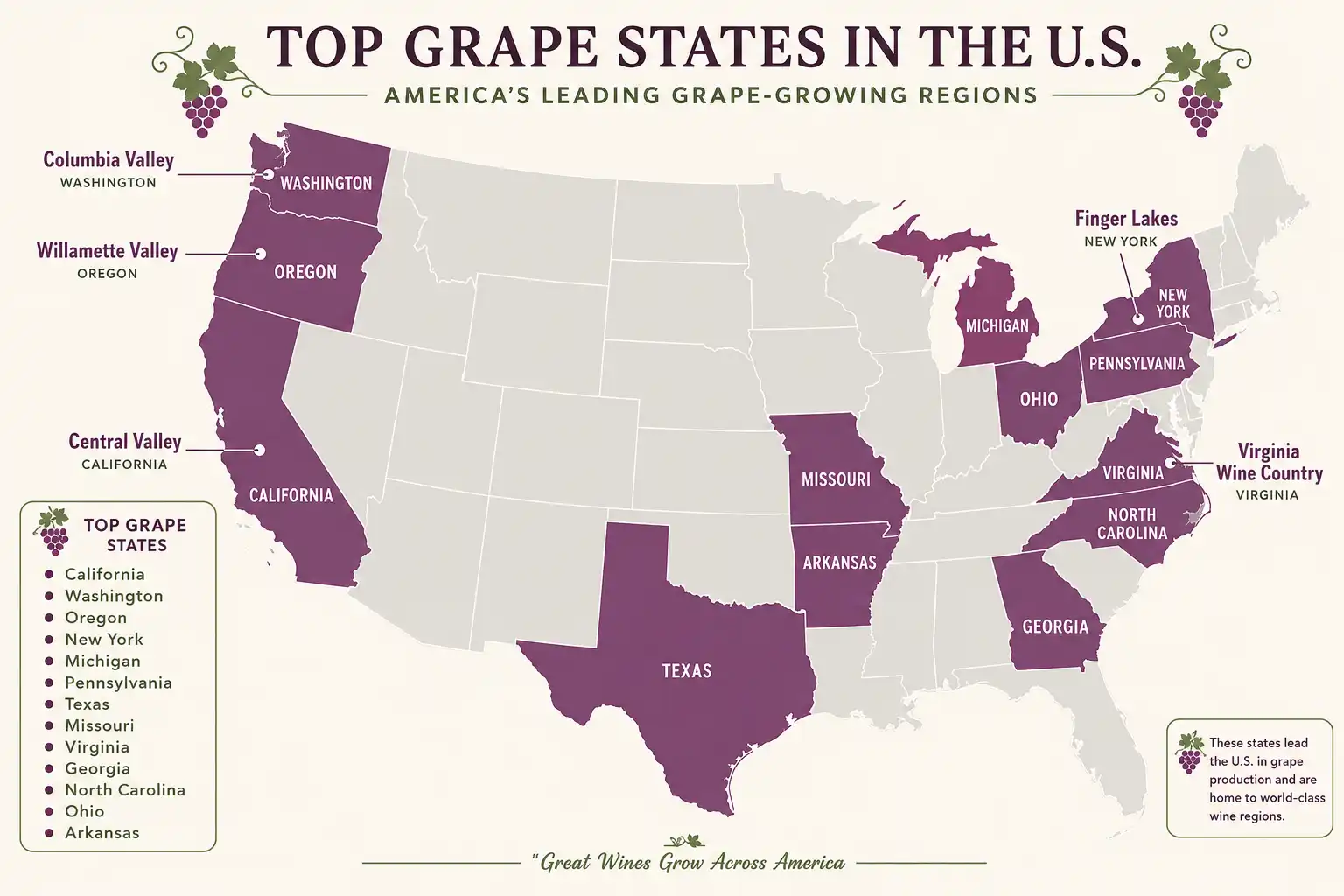
Grapes grow in nearly every US state, but California alone raises close to 90% of the country’s crop. California produced about 4.67 million tons of grapes in the latest USDA count, near 89% of the national total. The USDA tracks commercial grape production in 13 states.
Besides California, that list runs Arkansas, Georgia, Michigan, Missouri, New York, North Carolina, Ohio, Oregon, Pennsylvania, Texas, Virginia, and Washington. Each region leans on the grapes that fit its climate.
California’s Central Valley grows the bulk of table and raisin grapes. Its harvest runs late summer into fall, which sets when California grapes come into season. Napa and Sonoma focus on wine. Washington’s Columbia Valley ranks as the second-largest wine region in the country. New York’s Finger Lakes and Lake Erie shore grow Concord, Riesling, and hybrids. Oregon’s Willamette Valley is Pinot Noir country. Michigan grows along the Lake Michigan shore. Texas built a strong industry on the High Plains. Across the Southeast, muscadines carry the load.
Which Grape Types Grow in Which Regions?
Each grape type fits a climate, so where you live points straight to the type you should plant. Cold, heat, and humidity all sort the vines into their home ground.
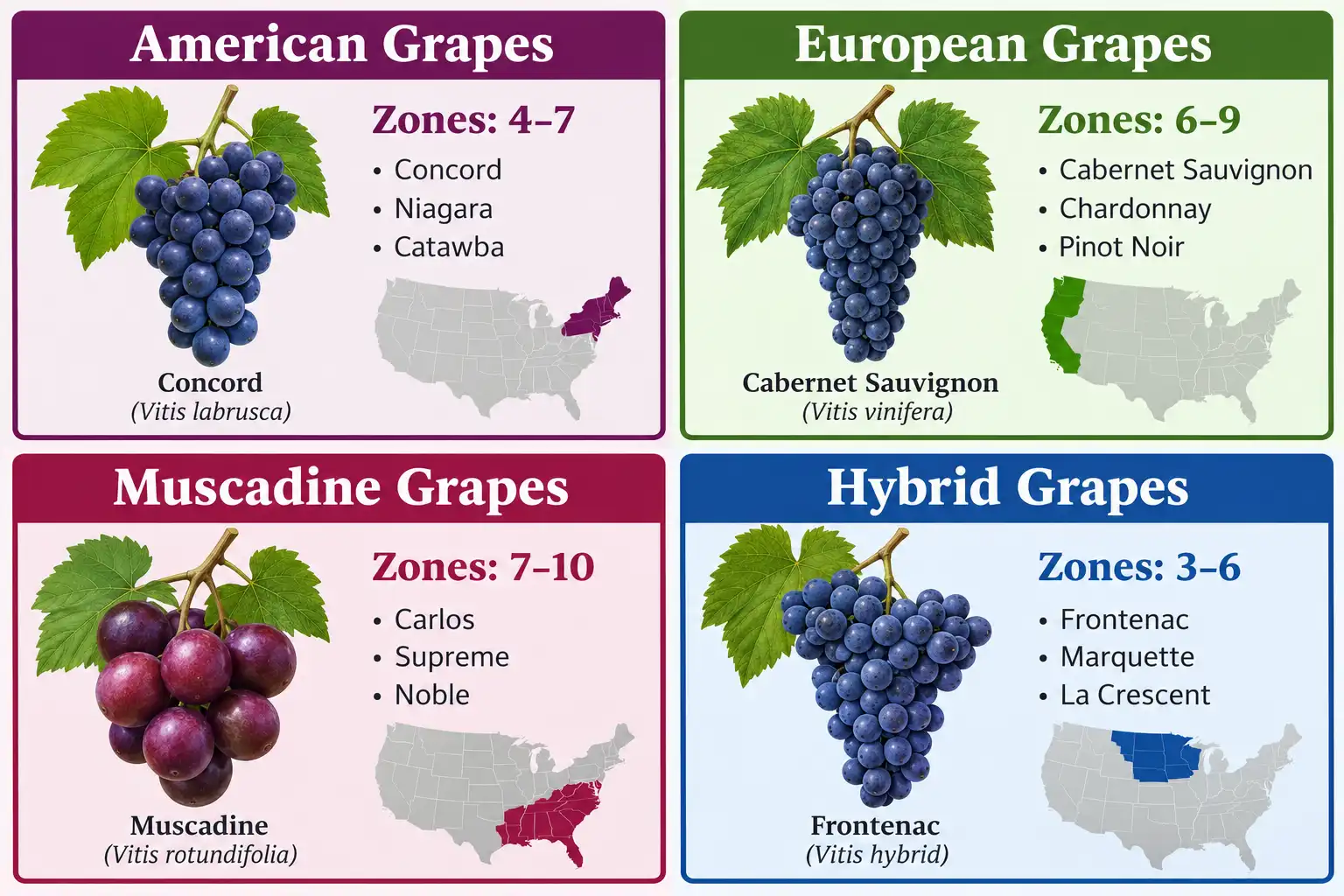
American Grapes for the Cold North and Northeast
American grapes handle the coldest sites. Concord, Niagara, and Catawba ripen in short seasons and survive hard winters. They anchor the juice, jelly, and fresh-eating crop across New York, Michigan, and the Upper Midwest.
European Grapes for the West Coast and Warm Valleys
European grapes need heat and dry air. Cabernet, Chardonnay, and Thompson Seedless thrive in California and Washington, where summers run long and rain stays low. These vines make most of the country’s wine and fresh table grapes.
Muscadine Grapes for the Humid Southeast
Muscadines own the Deep South. They tolerate heat, humidity, and the local pest pressure that kills other grapes. Pierce’s disease, spread by insects, wipes out European and American vines across the Gulf states. So muscadines like Carlos, Noble, and Scuppernong fill that gap. They also set the rhythm for when muscadines ripen.
Hybrid Grapes for the Plains and Cold Midwest
Hybrids bridge hardiness and flavor. Marquette, Frontenac, Vidal Blanc, and Chambourcin survive brutal winters and shrug off disease. Breeding programs at the University of Minnesota and Cornell built many of them for cold regions like the northern Plains. That is the group it helps to use. It also shows how many grape varieties there are to pick from.
What Soil Do Grapes Grow Best In?
Grapes grow best in deep, well-drained soil, and drainage matters far more than fertility. Grapes hate wet feet. Standing water rots roots and invites disease. So growers favor slopes and lighter soils that shed water fast.
Sandy loam and gravelly ground both work well. Rich, heavy clay holds too much water and pushes leafy growth over fruit. Aim for a soil pH between 5.5 and 7.0, though muscadines tolerate the low, acid end. A soil test before planting tells you exactly where you stand.
Slopes help twice over. First, they drain water away from the roots. Second, they let cold air slide downhill past the vines, which cuts frost damage in spring and fall.
Can You Grow Grapes at Home in Any Region?
Yes, you can grow grapes in most US regions as long as you match the grape type to your zone and season. Home growers have an edge over big farms. You pick one good site and give it real attention.
In cold zones, plant hardy hybrids or American types against a south-facing wall or slope. In short-season spots, a large pot lets you move vines to shelter. You can even grow grapes in a pot on a patio or deck. In the humid South, muscadines beat every other choice. That holds whether you are growing grapes in Florida or anywhere along the Gulf.
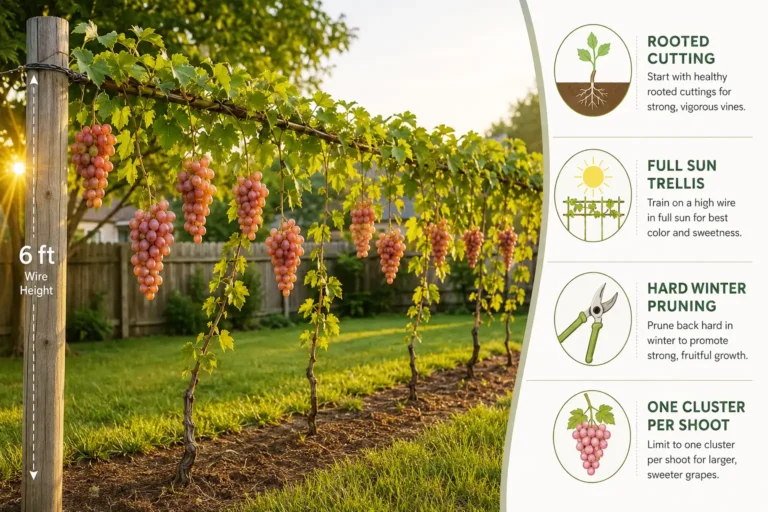
Most vines take two to three years to bear real fruit, so patience pays off. Start with a healthy one-year-old plant from a good nursery. Give it sun, drainage, and a sturdy trellis, and it will produce for decades.
About Global grape growing regions and climates
Grapes grow almost anywhere in the country, but not every grape grows everywhere. Start with your USDA zone and your season length. Those two numbers point you to the right type. Cold North, plant hybrids or American vines. West Coast heat, plant European. Humid South, plant muscadines. Get the match right, and grapes will reward you for years.