Are Autumn Crisp Grapes GMO or Naturally Bred?
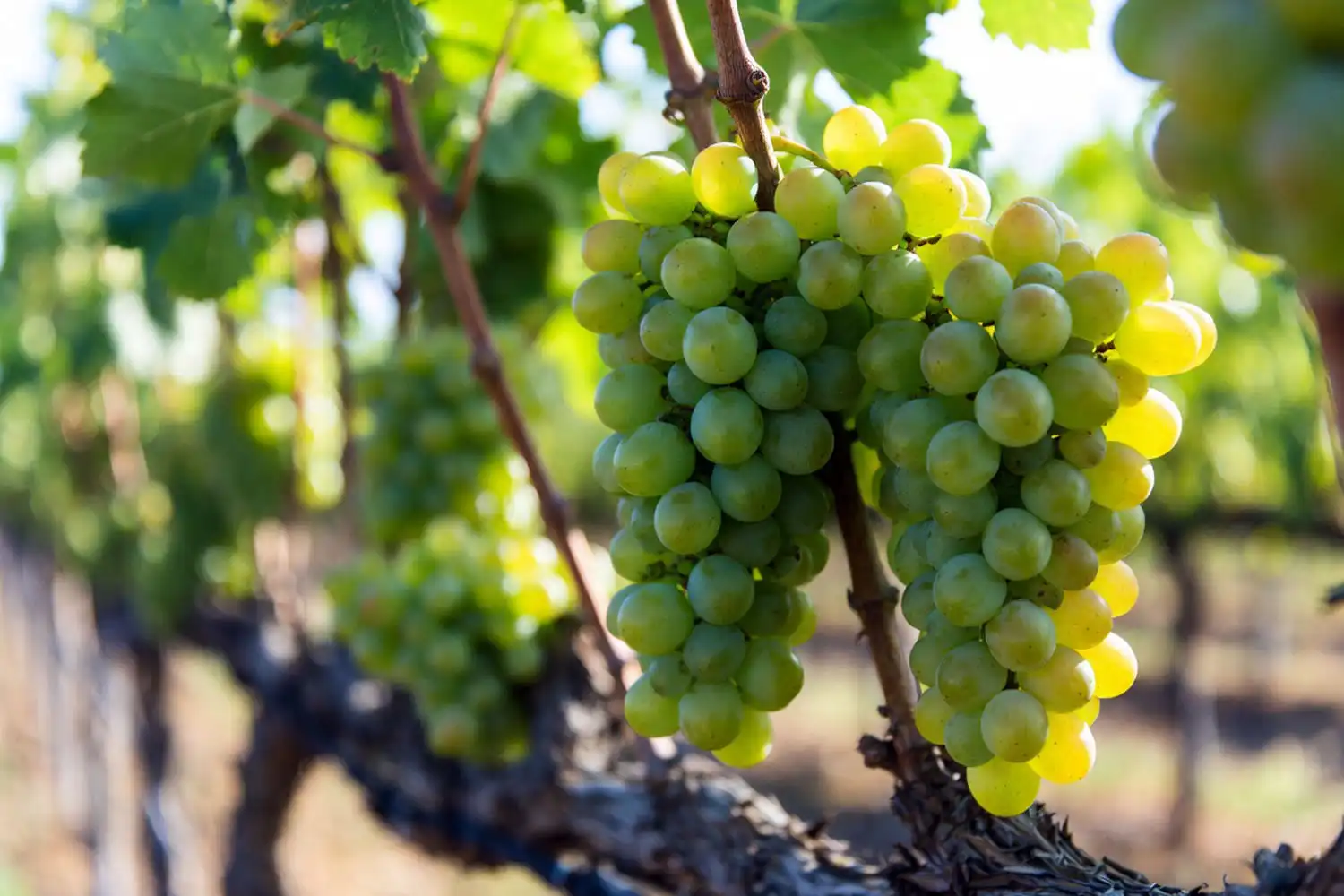
Autumn Crisp grapes have taken over the grocery store produce aisle. They are big, green, and crunch like a snap pea. The question of autumn crisp grapes GMO status keeps popping up at the co-op and online. The straight answer is no. These grapes are not genetically modified.
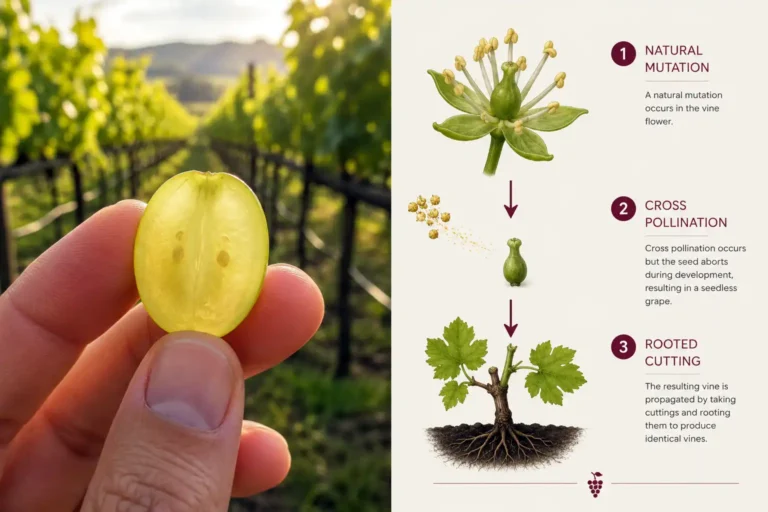
Autumn Crisp grapes are not GMO. Sun World International developed them through traditional cross-pollination, using parents like Italia and Muscat of Alexandria. The variety holds a US plant patent and is classified as conventionally bred, not genetically engineered.
What Are Autumn Crisp Grapes?
Autumn Crisp is a brand name for a green seedless table grape officially called Sugra35. Sun World International developed the variety at its Center for Innovation in Wasco, California. The grape was released for commercial production in 2012 after eleven years of breeding work. Today, the variety grows in California, Mexico, Chile, Peru, Italy, Spain, Israel, South Africa, and Australia, which gives the brand a year-round supply.
The grapes stand out for three reasons. The berries are large, the skin snaps like an apple, and the flavor carries a sweet hint of muscat. That texture is why shoppers reach for them over standard Thompson Seedless. Anyone curious about the full details of this large green grape variety can dig into where it came from.
How Were Autumn Crisp Grapes Developed?
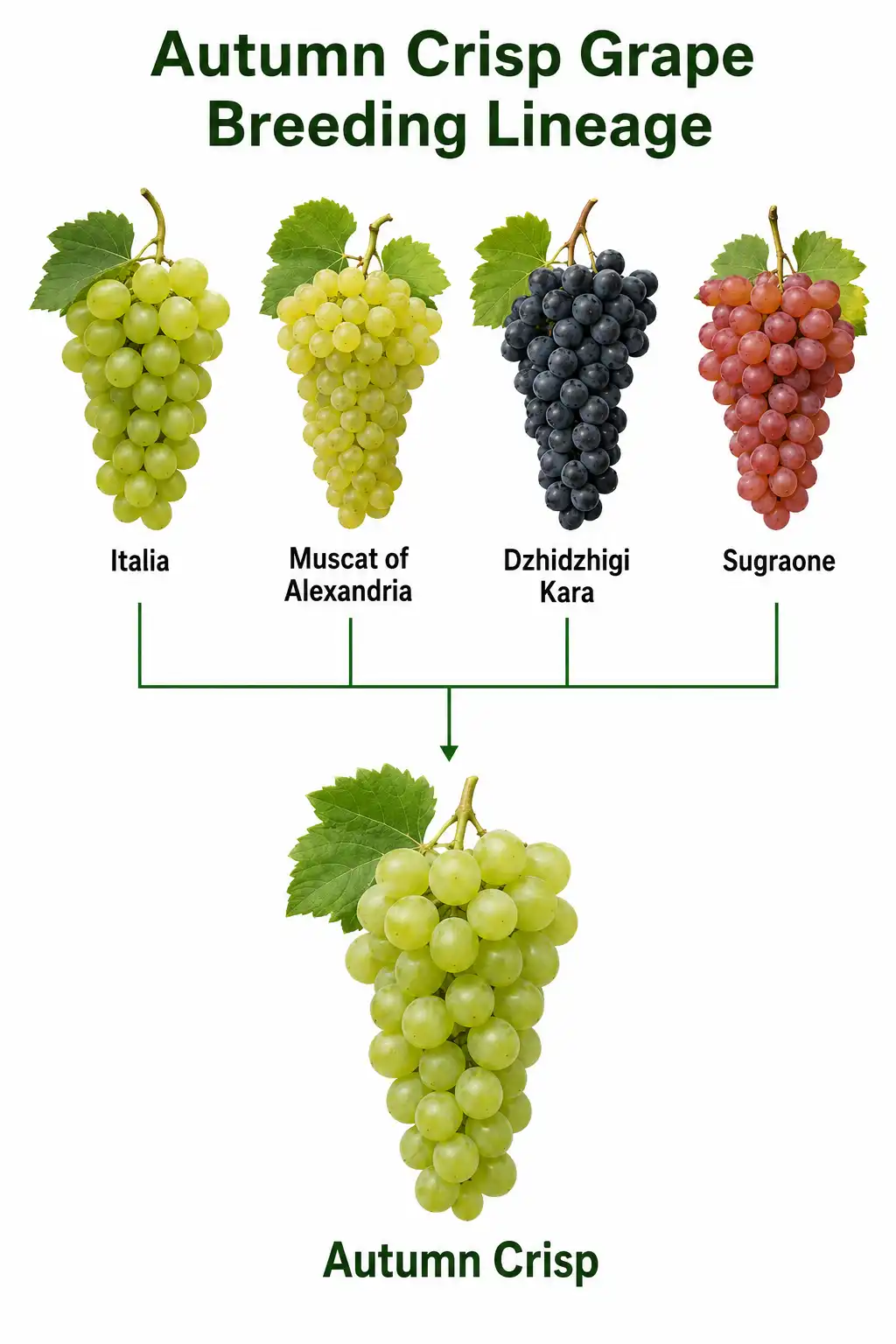
Sun World developed Autumn Crisp through plant breeding, not genetic engineering. The work started in the 1980s when breeders crossed three flavorful seeded grapes with a green seedless variety. The parent lineup looked like this:
- Italia (an Italian muscat-flavored white grape)
- Muscat of Alexandria (an ancient seeded variety)
- Dzhidzhigi Kara (a black grape from Turkmenistan)
- Sugraone (a green seedless variety)
Breeder Michael Striem led the selection process at Sun World’s California station. The team chose seedlings, tested them in trial vineyards, and picked the best performers over several generations. The US Patent and Trademark Office granted Autumn Crisp a plant patent in November 2009. That patent process requires the variety to reproduce by cuttings, not seeds, which keeps each new vine genetically identical to the original.
This entire process is called traditional cross-pollination. Farmers and breeders have used the same general method for thousands of years. Breeders do not insert genes from another species. They do not use lab gene editing tools either.
Are Autumn Crisp Grapes Genetically Modified?
No, Autumn Crisp grapes are not genetically modified. The variety carries no inserted DNA from any unrelated organism. Sun World produced the grape through pollen transfer between two parent grapevines, which is the same way wild grapes have crossed for millions of years.
A genetically modified organism, or GMO, is created in a laboratory by inserting or editing specific genes. Common examples include Bt corn and Roundup Ready soybeans. Scientists place foreign DNA into the genome of those crops using biotechnology tools. Autumn Crisp has none of that history. The original vine grew from a seed produced by two flowering parent vines, and growers have propagated it from cuttings ever since.
Hybrid Is Not the Same as GMO
A hybrid grape is one parent variety crossed with another using natural pollination. A GMO grape would have a specific gene from a bacterium, virus, or unrelated plant inserted into its genome in a lab. Autumn Crisp is a hybrid. It is not a GMO. The same distinction applies to other modern grape brands. For example, the breeding process behind Cotton Candy grapes follows the same traditional cross-pollination route.
Why Do People Think Autumn Crisp Grapes Are GMO?
People often suspect Autumn Crisp grapes are GMO because of the sheer size. The berries can run two to three times larger than standard table grapes. That big size makes shoppers assume something unnatural is going on. The truth is that the size comes from selective breeding and careful vineyard management.
Sun World breeders chose parent vines with naturally large berries. The Italia grape, one of the parents, has produced oversized fruit in southern Europe for over a century. Vineyard practices then push the size further. Growers thin clusters early, use modern trellis training systems, and apply controlled deficit irrigation to channel plant energy into fewer but bigger berries. None of that involves genetic modification. For a deeper look, our piece on the reasons these grapes grow so large walks through the breeding and field practices.
Are Any Table Grapes GMO?
No commercially grown table grapes on the US market are GMO. The USDA-APHIS Biotechnology Regulatory Services oversees the approval of all genetically engineered crops in the country, and no grape variety has been approved for commercial sale. The USDA National Bioengineered Food Disclosure Standard list does not include grapes of any kind.
A few research projects have looked at grape genome editing for disease resistance, mostly aimed at the wine grape industry. None of those research vines reach grocery store shelves. Every table grape variety you see at the supermarket, from Flame Seedless to Cotton Candy to Sugraone, is the result of traditional breeding.
According to the USDA Agricultural Marketing Service, the official list of bioengineered foods sold in the US covers corn, soybeans, sugar beets, canola, cotton, alfalfa, Hawaiian papaya, certain squash varieties, Arctic apples, and BARI Bt eggplant from Bangladesh. Grapes do not appear on that list.
Are Autumn Crisp Grapes Safe to Eat?
Yes, Autumn Crisp grapes are safe to eat. They go through the same food safety testing as any other table grape. Growers follow EPA pesticide tolerances, FDA produce safety rules, and USDA Good Agricultural Practices. The patented status of the variety changes none of that. A patented plant is still a regular plant from a food safety standpoint.
Many shoppers also ask about pesticide residues. Autumn Crisp grapes are grown both conventionally and organically. The organic versions follow USDA Organic standards, which prohibit synthetic pesticides and any GMO content. If you want to skip both pesticide residue and any concern about modified crops, the organic label is your shortcut.
How to Tell Conventional from GMO Produce at the Store
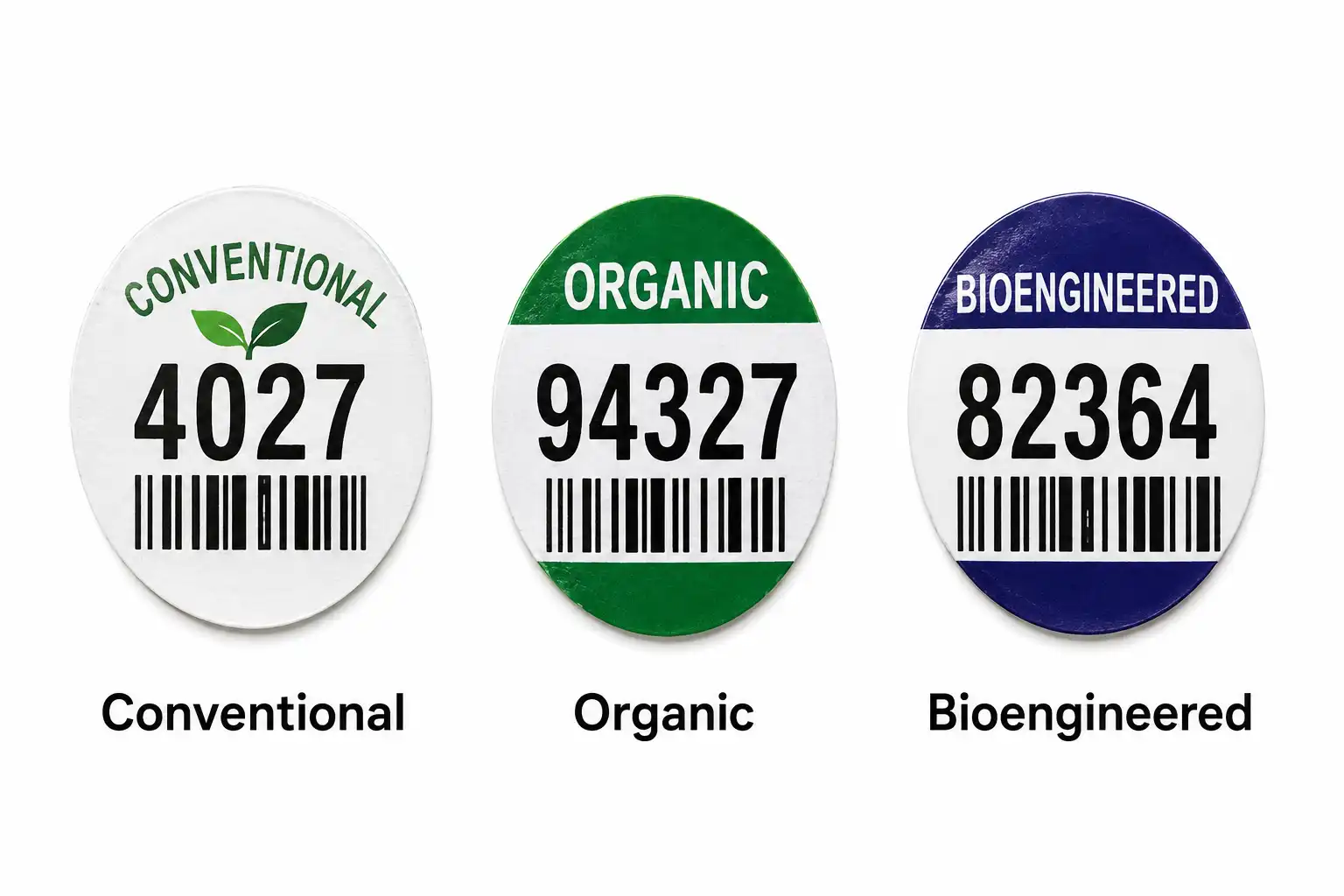
Read the price look-up (PLU) sticker on the fruit. Three codes cover everything you will see in the produce aisle:
- 4-digit code starting with 3 or 4: conventionally grown produce
- 5-digit code starting with 9: organic produce
- 5-digit code starting with 8: bioengineered produce (rarely used in practice)
Autumn Crisp grapes carry a conventional or organic PLU. They never carry a GMO sticker because no GMO grape exists on the market. You will also see the AutumnCrisp brand label on the clamshell, which Sun World uses to protect the trademark. The same approach holds for other modern table grape brands. For instance, the seedless trait of Cotton Candy grapes is achieved without any genetic engineering.
Bottom Line for Your Grocery Basket
Autumn Crisp grapes are a conventionally bred table grape. The big size, the snap of the skin, and the muscat sweetness all come from eleven years of plant breeding work at Sun World. No genetic modification. No lab-inserted genes. Just patient cross-pollination by skilled breeders. When you reach for a clamshell of these grapes at the store, you are picking up one of the most successful traditional breeding stories in recent table grape history.