Are Candy Snap Grapes Genetically Modified or Naturally Bred?
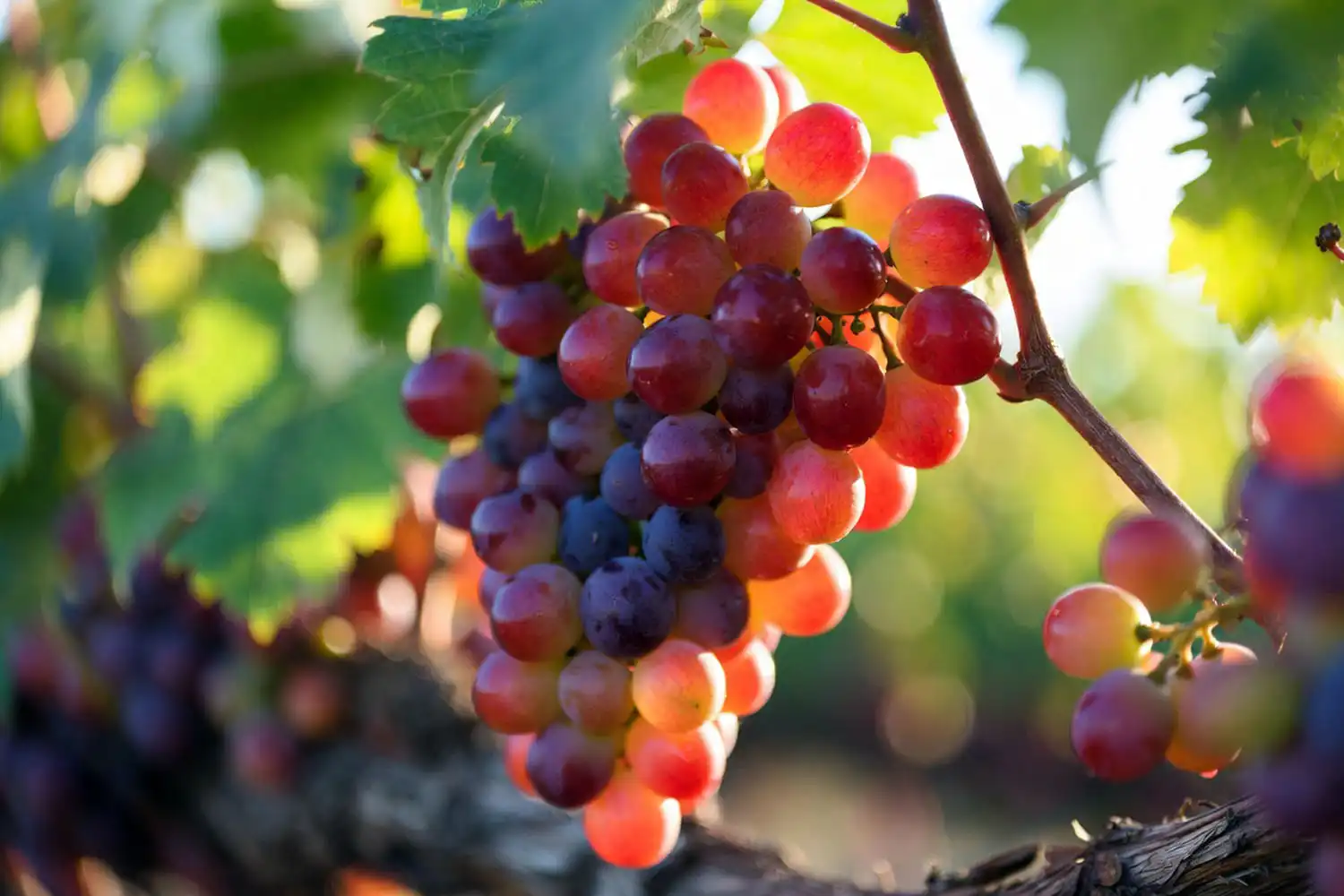
Candy Snaps grapes taste like strawberry candy. That flavor sounds engineered, and plenty of shoppers want to know if it really is. Here is the straight answer on whether candy snap grapes are genetically modified, plus how the variety was actually developed and who grows it.
No, Candy Snaps grapes are not genetically modified. They were developed by International Fruit Genetics through traditional cross-pollination of natural Vitis vinifera grape varieties. No genetically modified table grapes are approved for sale in the United States, and that includes Candy Snaps.
What Are Candy Snaps Grapes?
Candy Snaps grapes are a red, seedless table grape with a sweet, strawberry-like flavor. The variety is sold under the trademarked name Candy Snaps® and is produced by Grapery, the same California company behind the Cotton Candy grape variety. The berries are firm, plump, and crisp, with a deep red skin and a flavor that sets them apart from standard red grapes like Flame Seedless or Crimson Seedless.
If you have bitten into one and thought it tasted like strawberry hard candy, that is not a coating or an additive. The sweetness comes from the grape’s natural sugar profile, which the breeders selected for through standard fruit breeding methods.
Are Candy Snap Grapes Genetically Modified?
Candy snap grapes are not genetically modified. They were created through conventional cross-pollination, the same hand-pollination process growers have used for generations to develop new fruit varieties. No genes from other species were inserted into the grape’s DNA. No laboratory gene editing was used.
The United States Department of Agriculture maintains a public list of every genetically engineered crop approved for commercial growth in the country. Table grapes, including specialty varieties like Candy Snaps, Cotton Candy, and Moon Drops, are not on that list. You can verify this through the USDA APHIS biotechnology regulations, which oversee every GE crop approval in the US.
How Were Candy Snaps Grapes Created?
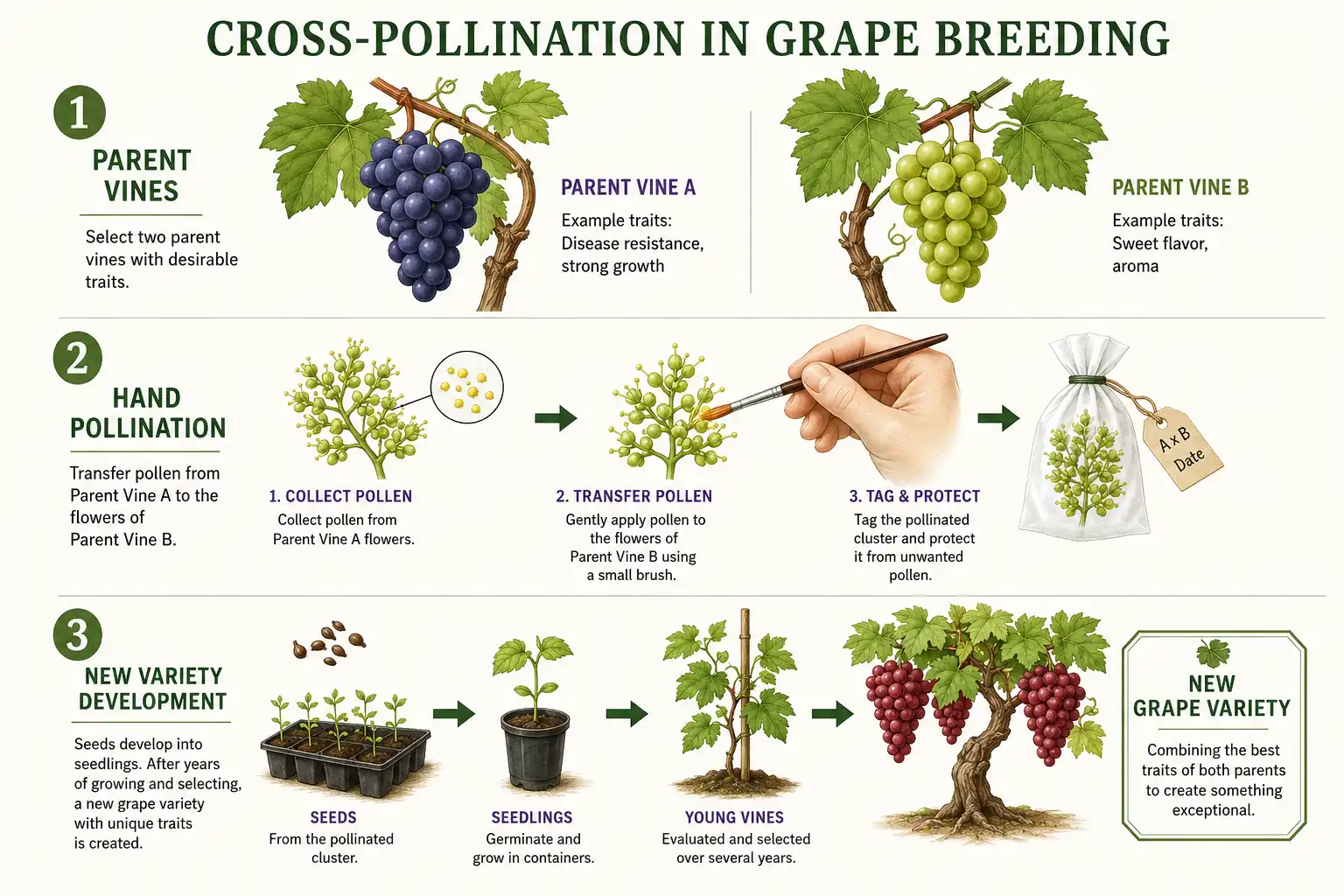
Candy Snaps grapes were created through traditional cross-pollination of selected Vitis vinifera parent vines over many growing seasons. Breeders at International Fruit Genetics hand-pollinated grape flowers from parents chosen for sweetness, color, firmness, and disease tolerance. They grew out the resulting seedlings, evaluated thousands of plants over multiple years, and kept only the ones with the desired traits.
This method is the same approach used to breed modern apple varieties like Honeycrisp or sweet corn hybrids. It is slow work. A new grape variety can take fifteen to twenty years from the first cross to commercial release. For a deeper look at this kind of selective breeding in the grape industry, the piece on how flavored grapes are made walks through the steps.
Who Develops and Grows Candy Snaps Grapes?
International Fruit Genetics (IFG), a private grape breeding company based in Bakersfield, California, developed Candy Snaps grapes. The variety was then licensed to Grapery, a family-owned grower in California’s San Joaquin Valley. Grapery produces Candy Snaps under license and distributes them to grocery chains across the United States and Canada.
IFG also developed Cotton Candy grapes, Sweet Sapphire, and Moon Drops. None of these varieties use genetic modification. They all came from the same traditional breeding program. If you want background on the cotton candy grape variety and how its flavor was developed naturally, the answer follows the same pattern.
Are Any Table Grapes in the US Genetically Modified?
No commercial table grapes sold in the United States are genetically modified. The USDA has not approved any genetically engineered grape variety for sale. Every grape you buy at the grocery store, whether it is Thompson Seedless, Flame, Sugar Crunch, or a specialty variety like Candy Snaps, comes from conventional breeding.
This is true for both table grapes and wine grapes. Some university research on GMO grapes exists, mostly aimed at disease resistance against Pierce’s disease and powdery mildew, but no such variety has reached commercial approval. So when you compare specialty varieties like the autumn crisp variety or Cotton Candy, all of them sit in the same conventional category.
How to Tell If a Grape Variety Is GMO or Conventionally Bred
To verify whether any grape variety is GMO or conventionally bred, check these sources in this order:
- USDA APHIS petitions database. Search the federal list of approved genetically engineered crops. If a variety is not listed, it is not GMO.
- The breeder’s official website. Companies like IFG and Sun World International publish their breeding methods openly. Conventional breeders state this clearly.
- The Non-GMO Project Verified label. Many specialty grape brands carry this label, including Grapery’s Candy Snaps line.
- University extension publications. Cooperative extension services, such as K-State Research and Extension and UC Davis Viticulture and Enology, publish accurate variety information.
Avoid social media claims and unsourced blog posts. Most viral GMO claims about specialty grapes are wrong.
Where and When Are Candy Snaps Grapes Grown?

Candy Snaps grapes are grown commercially in California’s San Joaquin Valley, with smaller production in Mexico and Peru to extend year-round supply. Grapery’s main vineyards sit near Bakersfield, California, where hot, dry summers and cool nights produce the high sugar content the variety is known for.
In the US, the domestic Candy Snaps season runs from late July through October. Imported supply from Peru typically fills shelves from December through February. For comparison, the season for autumn crisp grapes overlaps with the late-summer Candy Snaps window.
Are Candy Snaps Grapes Safe and Healthy to Eat?
Candy Snaps grapes are safe to eat and offer the same nutritional benefits as standard red table grapes. A one-cup serving has about 100 calories, no fat, and provides vitamin K, vitamin C, and antioxidants like resveratrol. They also belong to the family of seedless grape varieties, which makes them easy to eat fresh or pack into a lunchbox.
The high sweetness comes from natural sugar concentration, not added sugar. Anyone watching blood sugar should treat them like any sweet fruit and mind portion size. Beyond that, there is no special concern with this variety.
Bottom Line
Candy Snaps grapes are not GMO, never have been, and the candy-sweet flavor is the result of patient cross-breeding by horticulturists in California. When you see them on the shelf, you are looking at a conventionally bred grape variety that took breeders nearly two decades to perfect. Rinse them, snack on them, and enjoy. The strawberry-candy taste is real, and it came from old-fashioned plant breeding, not a laboratory.