When to Plant Lettuce in Colorado by Region (2026 Guide)
Lettuce grows best in cool weather, so timing matters more than almost anything else in Colorado. The state spans high mountains, dry valleys, and the Front Range, and each one shifts the calendar. Knowing when to plant lettuce in Colorado starts with your elevation and soil temperature.
The best time to plant lettuce in Colorado is early spring, about 2 to 4 weeks before your last frost, and again in late summer for a fall crop. On the Front Range, that means April and August.
When Is the Best Time to Plant Lettuce in Colorado?
The best windows are early spring and late summer. Lettuce is a hardy cool-season crop. It grows well between 60°F and 80°F, and it loses quality once summer heat sets in. So you get two clear chances in Colorado: a spring planting and a fall planting.
In spring, you can sow as soon as the soil dries out enough to work. Colorado State University Extension lists lettuce among its hardy vegetables. You can set it out 2 to 4 weeks before your average last frost. Young plants handle a light frost, so you don’t have to wait for warm days.
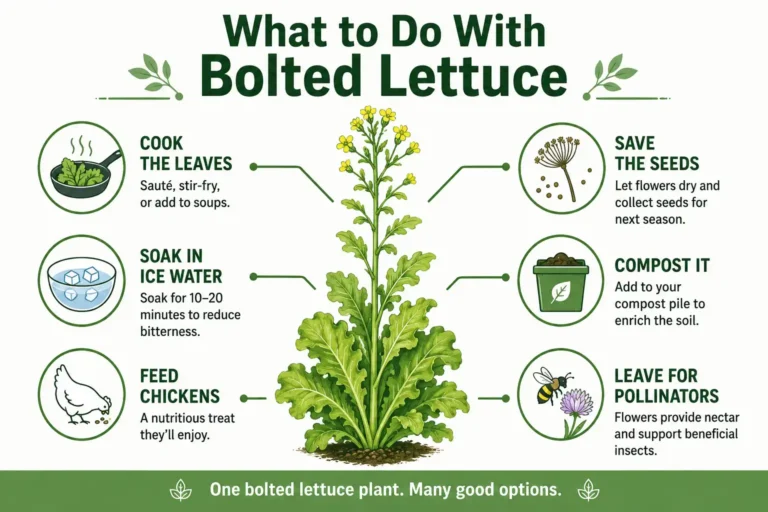
The summer gap is the tricky part. Once daytime highs push past the low 80s, lettuce bolts and turns bitter. That’s why most Colorado gardeners stop spring sowings by late May. They pick back up again in mid-to-late summer. Cool soil and steady moisture give you the crispest leaves. Timing your sowings for the sweetest harvest matters more here than in milder states.
Also know: Best Time to Plant Lettuce in Arkansas
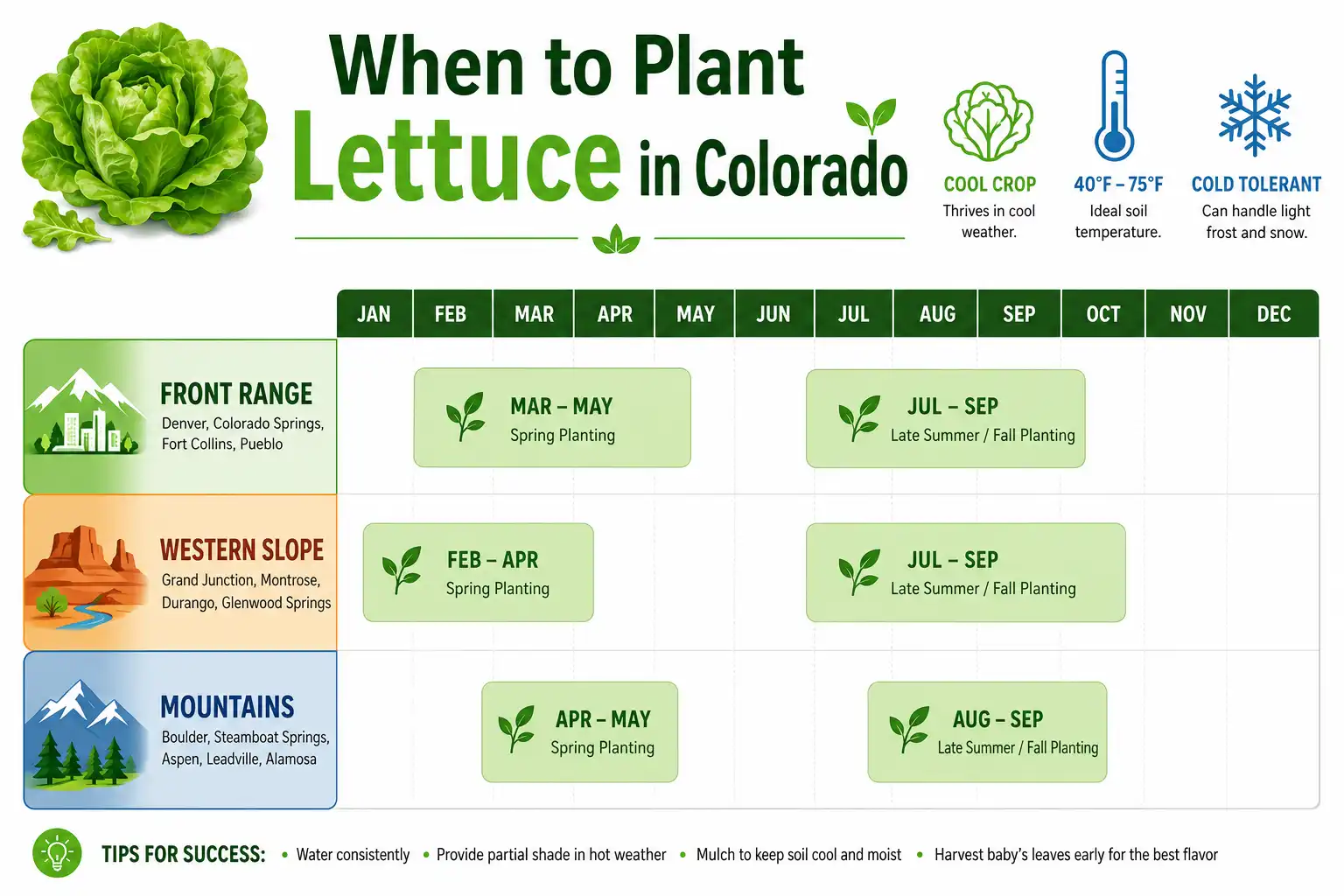
Colorado Lettuce Planting Calendar by Region
Your planting dates depend on elevation, so Colorado has no single calendar. The state covers USDA hardiness zones 3 through 7, and frost arrives weeks apart across it. Here is how the windows break down.
Front Range (Denver, Fort Collins, Colorado Springs, Boulder)
On the Front Range, sow lettuce outdoors in early-to-mid April for a spring crop. The last frost usually lands the first week of May. So a hardy crop like lettuce can go in a few weeks ahead. For fall, plant leaf lettuce from late July through mid-August. The first fall frost arrives around the first half of October, which leaves enough cool weather for a full crop.
Western Slope (Grand Junction, Montrose, Delta)
The Western Slope warms up earlier. In the Grand Valley around Grand Junction and Palisade, the last freeze averages late April. So lettuce can go in by late March. Montrose and Delta sit a bit colder, with a mid-May last frost. So push spring planting there to early-to-mid April. Fall sowings work from August into early September, because the season runs long down in the valleys.
Mountain Towns and High Elevations
In the mountains, wait. Frost lingers into June at higher elevations, and towns like Aspen average a last freeze around mid-June. Plant lettuce outdoors from late May to mid-June, once the soil warms. The season runs short, sometimes under 100 days up high, so a single spring-into-summer crop is realistic. Cool mountain summers also let lettuce grow longer without bolting, which is one real advantage of altitude.
What Soil Temperature Does Lettuce Need to Germinate?
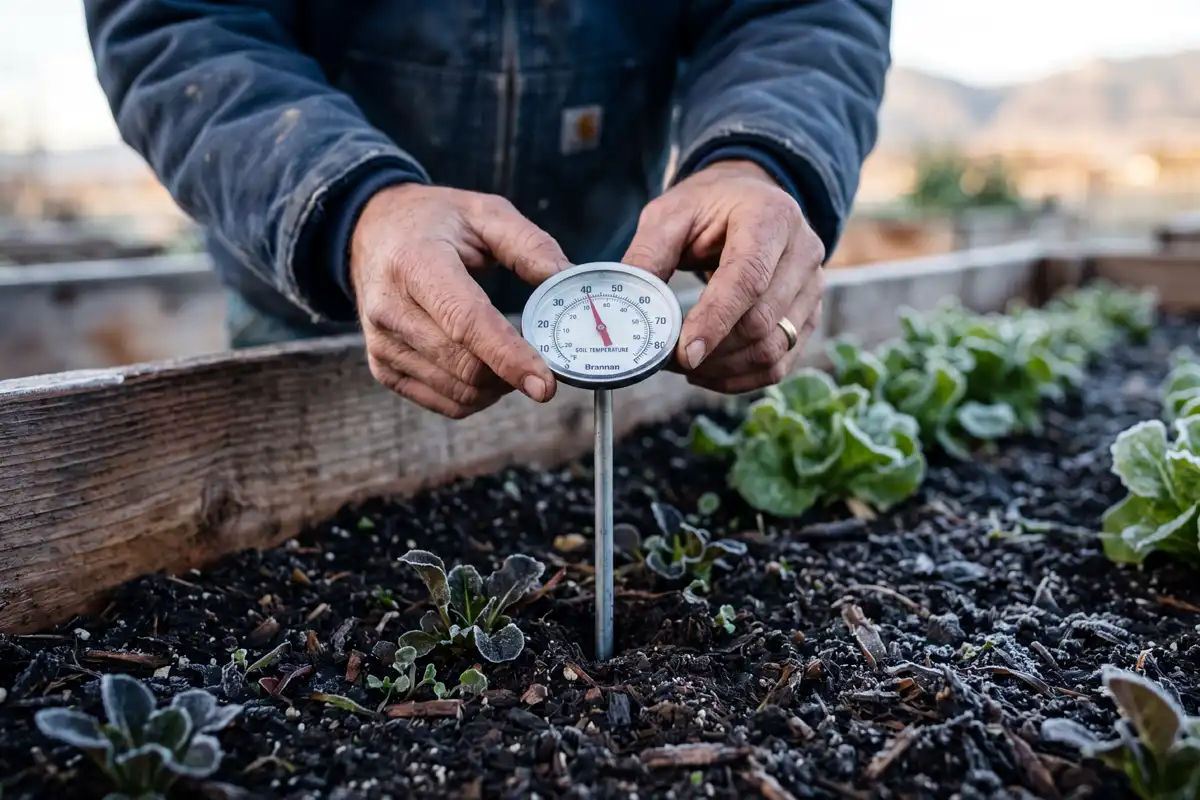
Lettuce seed sprouts in soil from 35°F up to about 70°F. Leaf types have a low minimum of 35°F and an optimum near 70°F, according to CSU Extension’s planting guide. Once soil climbs above about 75°F, germination falls off, since lettuce seed often goes dormant in warm soil.
Soil temperature beats the calendar as your planting trigger. Check it at 4 inches deep, around 8 a.m., with a soil thermometer. Once it holds above 40°F, your spring lettuce will sprout in 4 to 10 days. In a cool spring, that simple reading saves you from sowing into soil that’s still too cold.
Should You Direct Sow or Start Lettuce Indoors in Colorado?
Both work, and many Colorado gardeners use each at different times. Direct sowing is easiest for loose-leaf and leaf lettuce, since the seed sprouts quickly in cool soil. You scatter or row-sow it right in the bed, then thin later.
Starting seed indoors gives you a head start, which helps in short-season mountain areas. Sow indoors about 4 to 5 weeks before you plan to transplant. Then harden off the seedlings before they go out. If you want the timing dialed in, starting lettuce seedlings indoors for both spring and fall is the surest route. In spring it helps to use indoor starts for head lettuce and direct sowing for cut-and-come-again leaf types.
How Late Can You Plant Lettuce in Colorado?
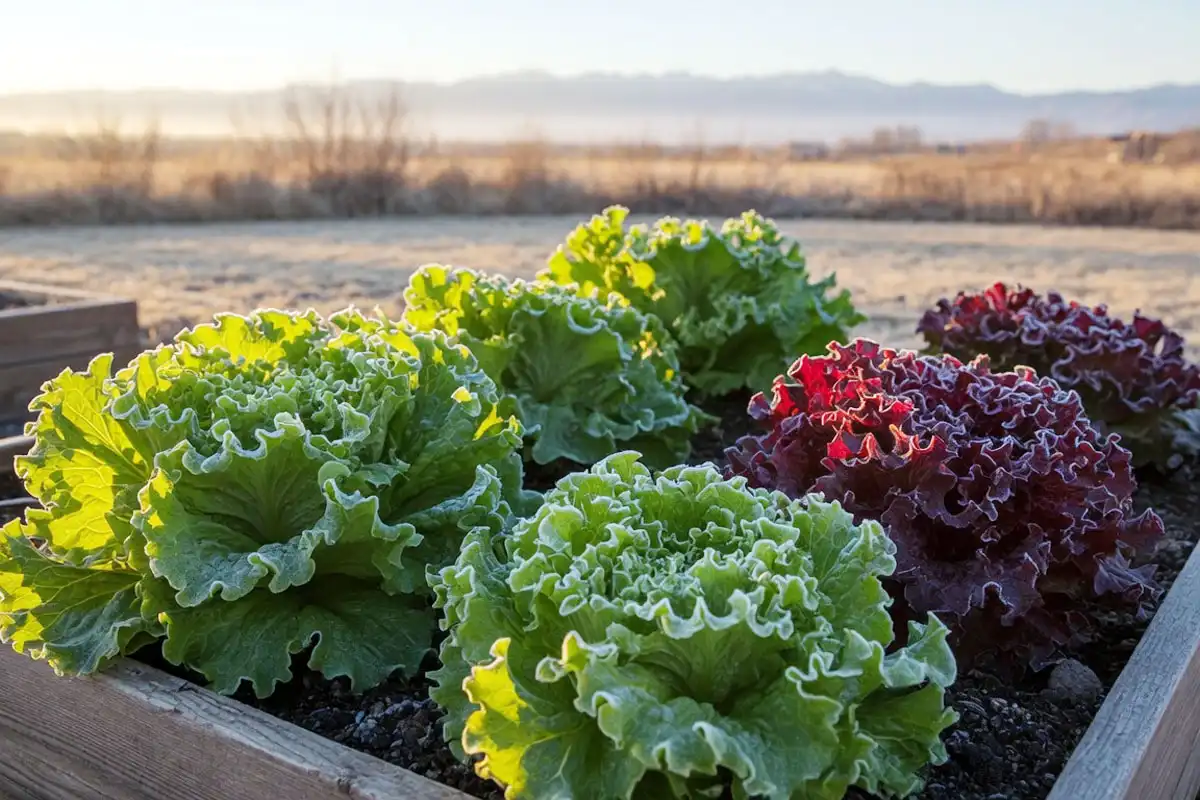
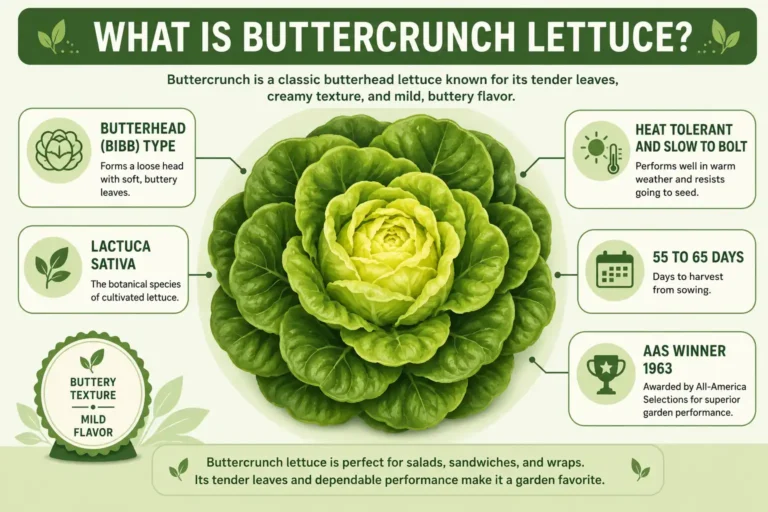
You can plant lettuce as late as mid-August on the Front Range. On the warm Western Slope, you can push into early September. The key is counting back from your first fall frost. Leaf lettuce matures in about 45 to 60 days. Knowing how long lettuce takes to mature gives you the last safe sowing date for your area.
Fall lettuce often tastes better than spring lettuce. Cool nights and shorter days slow bolting and sweeten the leaves. That’s why a well-timed fall crop often beats a spring one. Light frost won’t hurt it, and a row cover stretches the harvest even later into fall.
How Do You Keep Lettuce From Bolting in Colorado Summers?
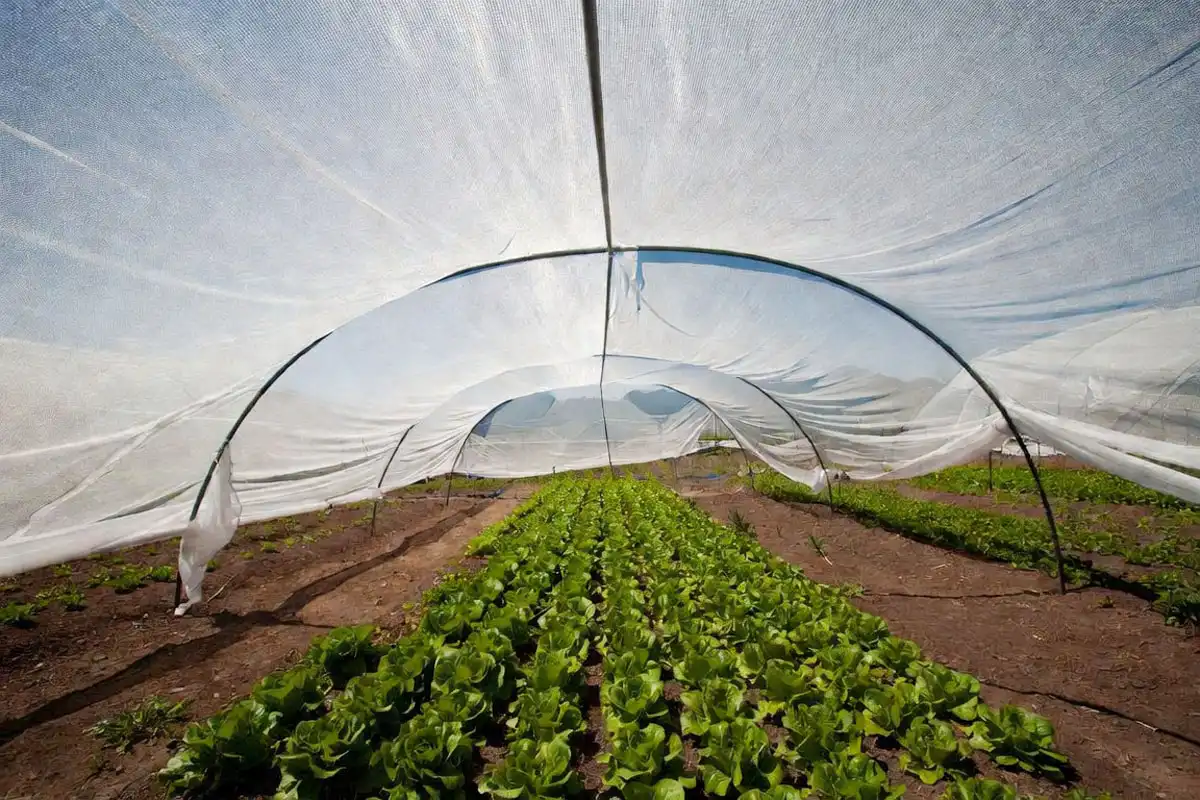
Give it afternoon shade, steady water, and bolt-resistant varieties. Colorado’s high-altitude sun is intense, and dry air dries the soil out fast. Both push lettuce to bolt early.
Plant where taller crops cast afternoon shade, or stretch shade cloth over the bed during the hottest weeks. Keep the soil evenly moist, since stress from drying out triggers bolting. For that intense high-altitude sun, growing lettuce through the summer comes down to shade and water. Choose slow-bolt varieties like Jericho or Muir, and harvest outer leaves often to keep plants young.
Succession Planting for a Steady Supply
Sow a short row every 2 to 3 weeks instead of all at once. That way you harvest fresh heads for months, rather than a single flush. Start successions in early spring, pause through peak summer heat, then resume in late summer for fall.
This approach fits Colorado’s split season well. You fill the spring window, skip the bolting risk of midsummer, and load up again as nights cool down.
What to Do in a Colorado Garden
Start with your elevation and a soil thermometer, not a date on the calendar. On the Front Range, to sow in April and again in August. Higher up, to wait for late May and lean on the cool summers. Watch your soil temperature, keep the water steady, and plan for two crops a year. That beats fighting summer heat with a single one.