When Can You Harvest Your Carrots? Signs and Timing That Matter
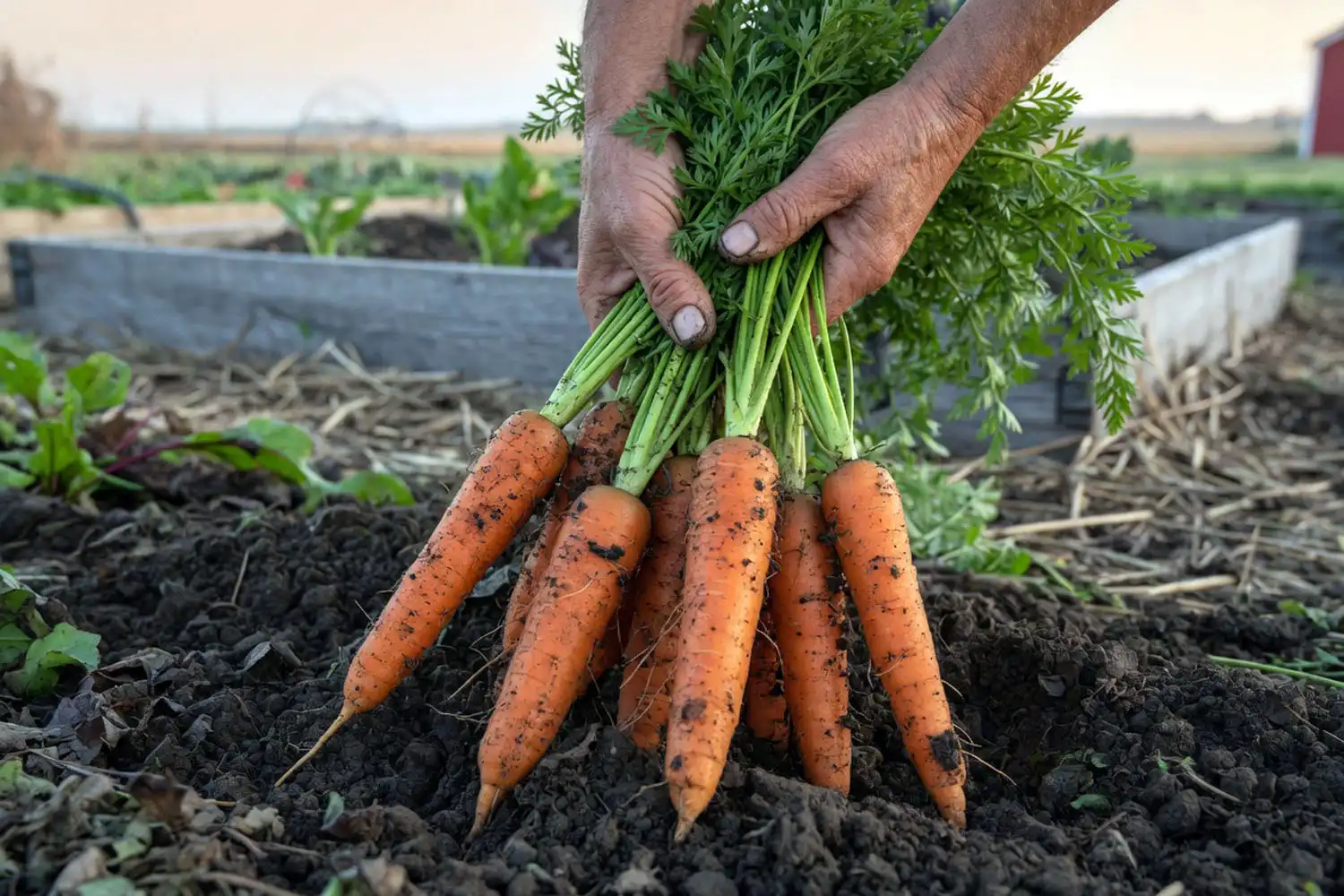
Carrots are ready sooner than most new growers expect, and timing makes or breaks flavor and texture. The question of when carrots are ready to harvest comes down to variety, the calendar, and what the roots tell you underground. Here is how to judge it.
You can harvest your carrots 60 to 80 days after sowing, once the shoulders reach 3/4 to 1 inch across. Check the seed packet’s days to maturity, then pull one to confirm before harvesting the whole row.
When Can I Harvest My Carrots?
You can harvest carrots 60 to 80 days after sowing for most varieties, and the exact day depends on the type you planted. Start with the days to maturity printed on your seed packet. That number is your baseline, not a hard deadline.
Count from the day the seedlings break ground, not the day you sowed seed. Carrots are slow to sprout, so the day your carrots germinate can lag a week or two behind sowing. From that point, most types size up in about nine to ten weeks.
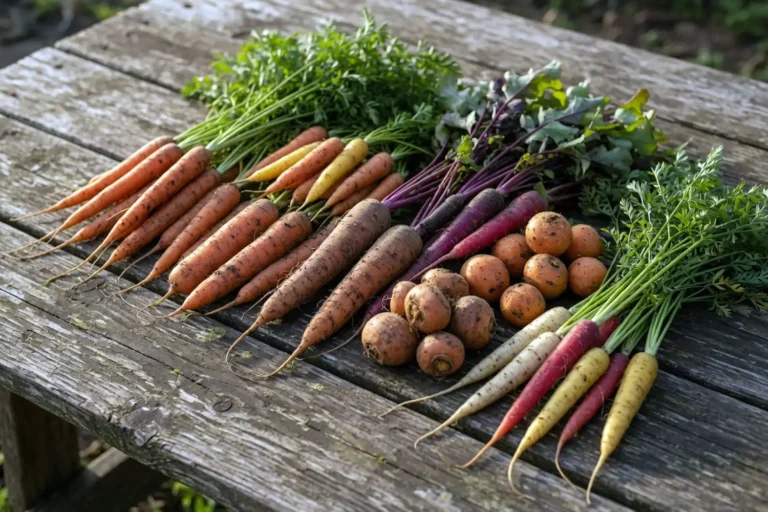
Variety changes everything. Fast types like Little Finger and Nantes can be ready near 55 to 65 days. Bigger storage types like Danvers, Imperator, and Chantenay often want 70 to 80 days, and a few slow varieties push past 100. Cool weather slows them down, so a fall crop usually runs longer than the packet says.
Treat the calendar as a guide and the roots as the final word. Extension programs like K-State Research and Extension say the same thing: judge by the root, not just the date. The principle holds for knowing when to harvest crops across the board, since the plant tells you more than the number does.
How Do I Know When Carrots Are Ready to Pull?
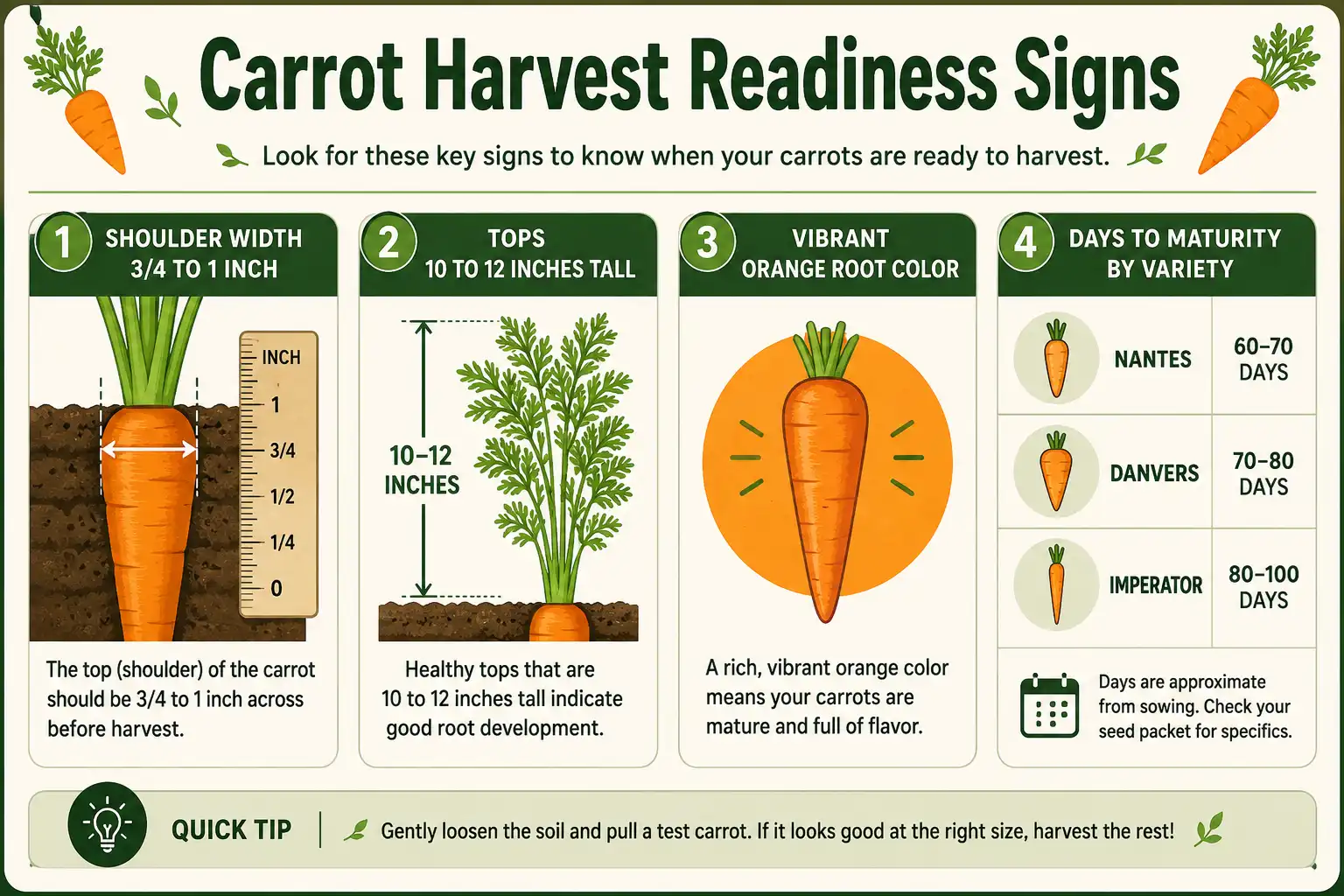
You know carrots are ready when the shoulders reach 3/4 to 1 inch across, the tops stand 10 to 12 inches tall, and the color looks deep and vibrant. No single sign is enough on its own. Read them together.
Check the shoulder size
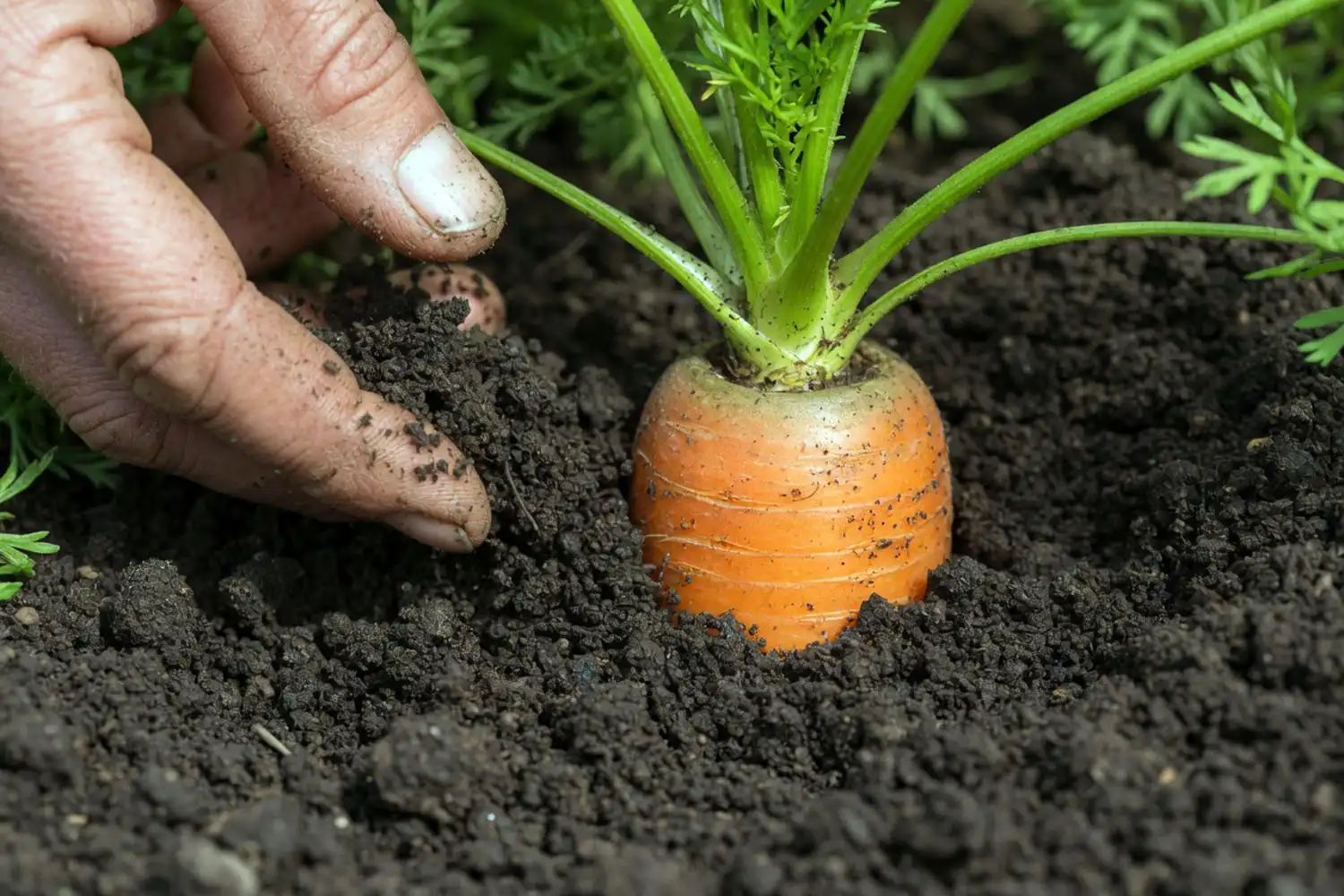
Shoulder width is the most reliable sign. The shoulder is the top of the root where it meets the soil line. Brush a little dirt away from the base of the greens and feel with your fingers. A mature carrot shoulder runs 3/4 to 1 inch wide. If you feel nothing, cover it back up and check again in a week.
Look at the top growth
Healthy carrot tops stand tall and full at maturity, usually 10 to 12 inches. Once the foliage starts to yellow or flop over, the roots have stopped sizing up. Sometimes the shoulders push out of the soil on their own, which is the plant telling you it is done.
Pull a test carrot
A test pull beats every other method. Loosen the soil beside one carrot and lift it. If it looks the size you want, the rest of the row is close behind. If it comes up thin, give them more time. One sacrificed carrot saves you from digging the whole bed too early.
How Big Should Carrots Be Before Harvest?
Aim for a shoulder between 3/4 inch and 1.5 inches, depending on whether you want tender or storage carrots. Smaller roots taste sweeter and stay tender. Bigger roots store longer, but they turn woody once they get too large.
Baby carrots are not a special variety. They are just regular carrots pulled young, often around 50 to 60 days. Pull a few early as baby carrots and you give the neighbors room to fatten up. For full-size eating carrots, harvest before the root passes about 1.5 inches across. Past that point, the texture goes dense and the core gets tough.
Do Carrots Get Sweeter After a Frost?
Yes, carrots get noticeably sweeter after a light frost. Cold weather signals the plant to convert stored starch into sugar, which is why fall carrots taste better than summer ones. A few frosty nights in the low 30s improve flavor without hurting the roots.
In USDA hardiness zone 6, the first fall frost usually lands in mid-October. Time a fall planting so the roots mature right as those cold nights arrive. The ground insulates them, so frost on the tops does not damage the carrots below. If you want the details on how much cold the crop takes, our guide covers how cold carrots can tolerate separately. Just get them out before the soil freezes solid.
Can You Leave Carrots in the Ground Too Long?
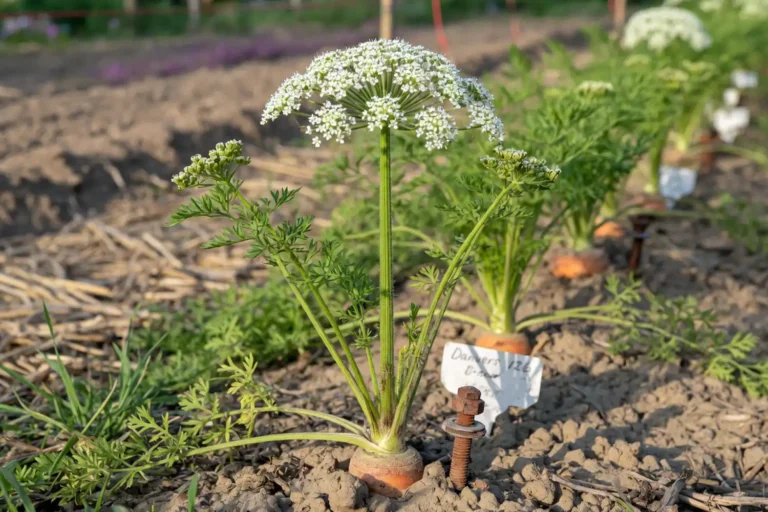
Yes, you can leave carrots too long, and quality drops when you do. Mature carrots hold fine in the ground for about three to four weeks past maturity. After that, they tend to crack, split, and turn woody. Carrot rust fly and other soil pests also start finding them.
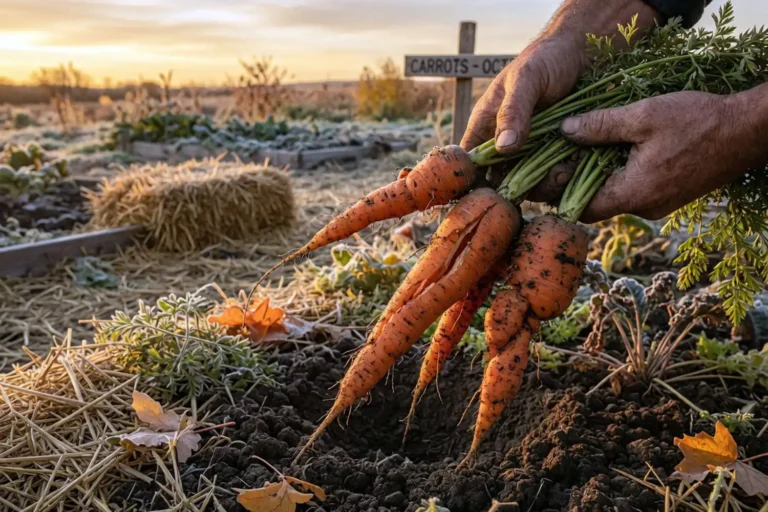
Cool fall soil gives you more grace than summer heat, where roots split or bolt faster. You can even overwinter a crop under a thick straw mulch and dig as needed, as long as the ground stays workable. Other root crops have the same limit. You can leave potatoes in the ground only so long before rot and greening set in, so the harvest-on-time rule applies to both.
How Do I Harvest Carrots Without Breaking the Roots?
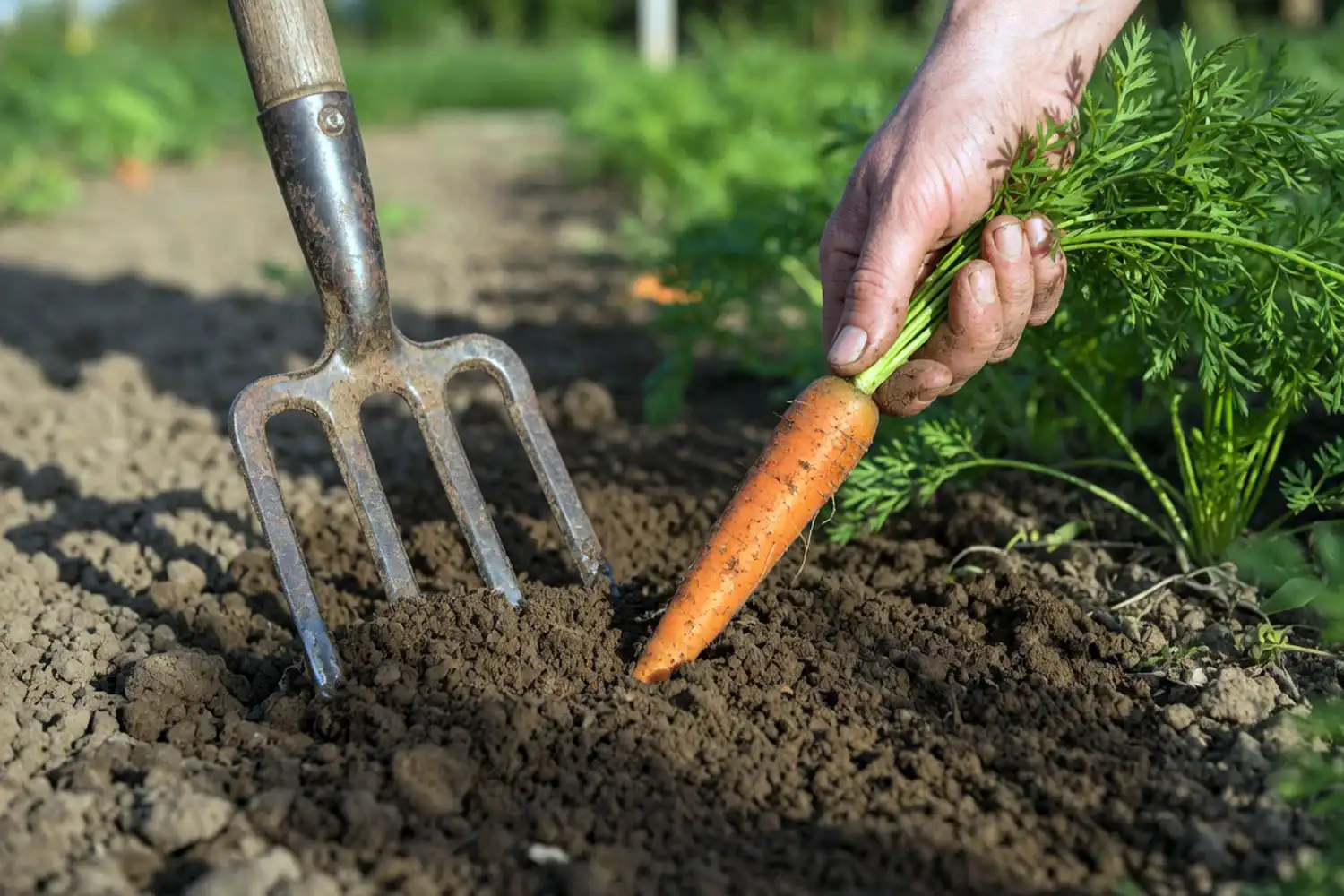
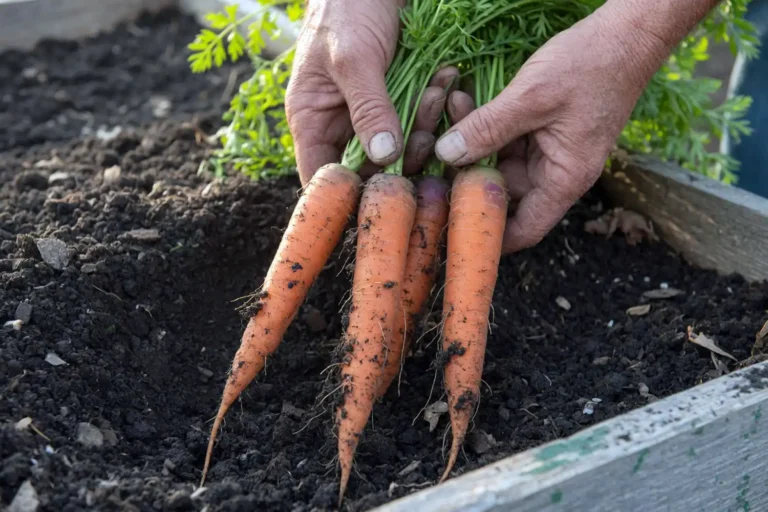
Loosen the soil first, then pull the carrot by the base of its tops. Never yank straight up from dry, packed ground. The root snaps and you lose the bottom half.
Work in soil that is slightly moist, not soggy and not bone dry. Water the bed the day before if it is dry, since steady moisture also keeps roots from cracking near harvest. our guide covers how much water carrots need through the season in another guide. Slide a garden fork or spade in a few inches from the row and rock it back to lift the soil. Grab the greens low at the crown and pull with a gentle wiggle. The whole carrot should slide out clean.
A cool morning is the best time to dig. The roots are firm and the heat has not stressed the plant yet. Shake off loose dirt, but do not scrub the carrots in the field if you plan to store them.
What to Do With Carrots After You Dig Them
Cut the green tops off within an hour of harvest, leaving about half an inch of stem. The tops pull moisture out of the roots and go limp fast if you leave them on. Do not wash carrots you plan to store, since surface moisture invites rot.
For short-term use, brush them off and keep them in the fridge. For the long haul, a good crop storage setup at 32°F with high humidity keeps topped carrots firm for four to five months. A root cellar, a cooler packed with damp sand, or the crisper drawer all work. The thinnings and broken roots go straight to the kitchen.
When to Pull Carrots From the Garden
Carrots reward patience and punish guessing. Watch the packet days first, then let the shoulders and a test pull make the final call. For fall carrots, wait for the first light frosts to sweeten them, then dig before the ground locks up. Get the timing right and you pull sweet, crisp roots that store for months.