Can You Start Carrots Indoors? What Actually Works in 2026
Every spring someone at the co-op asks if they can get a head start by starting carrots indoors. Yes, you can, but it rarely pays off the way folks expect. Here’s what really happens to the roots and when starting them inside is worth your trouble.
Yes, you can start carrots indoors, but it usually backfires. Carrots grow a single taproot that forks or stunts once disturbed. Direct sowing gives straighter roots. Start indoors only for short seasons, using deep biodegradable cells and transplanting young.
Can You Really Start Carrots Indoors?
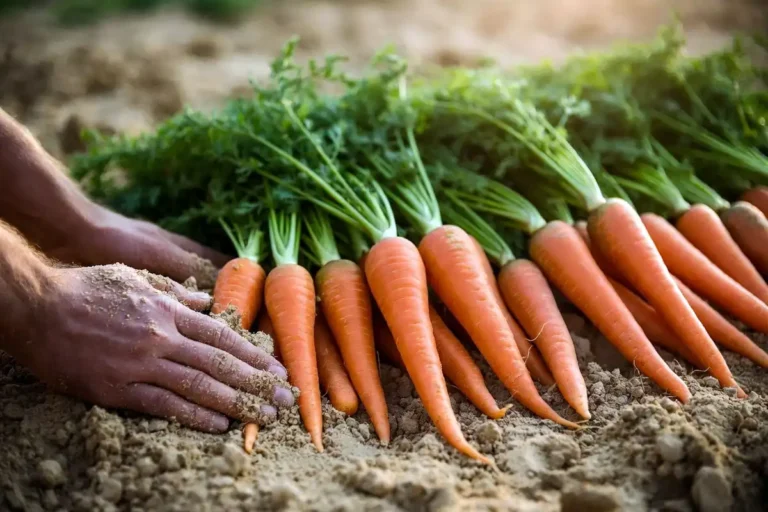
Yes, you can start carrots indoors, but most seasons you shouldn’t. Carrots are root crops, and the part you eat is one long taproot. That root needs to grow straight down into loose soil without interruption. Start the seeds in a tray and you set yourself up for transplant shock, forked roots, and a lot of work for a worse crop than direct sowing would give you. So the real question isn’t whether you can. It’s whether the trade-off ever makes sense. Usually it doesn’t.
Learn more: Plant Carrots in CT: Spring and Fall Timing
Why Carrots Hate Being Transplanted
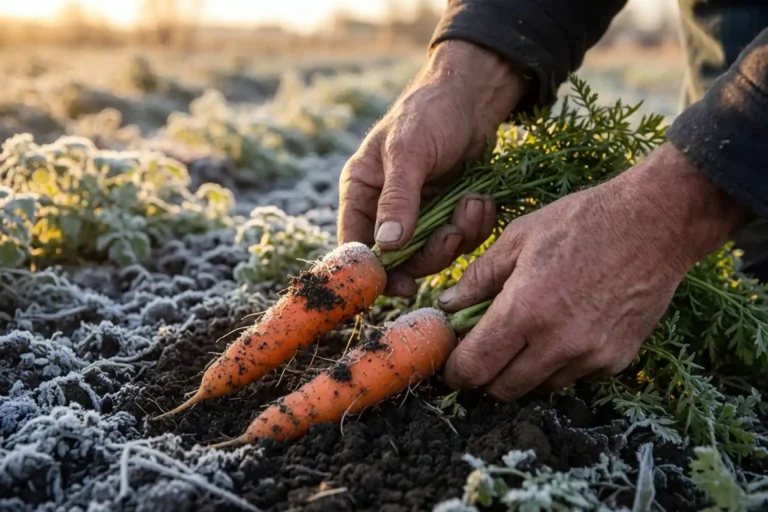
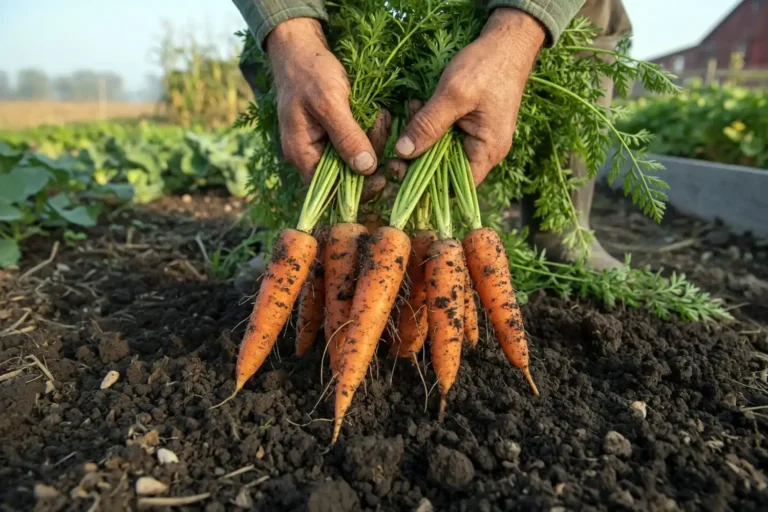
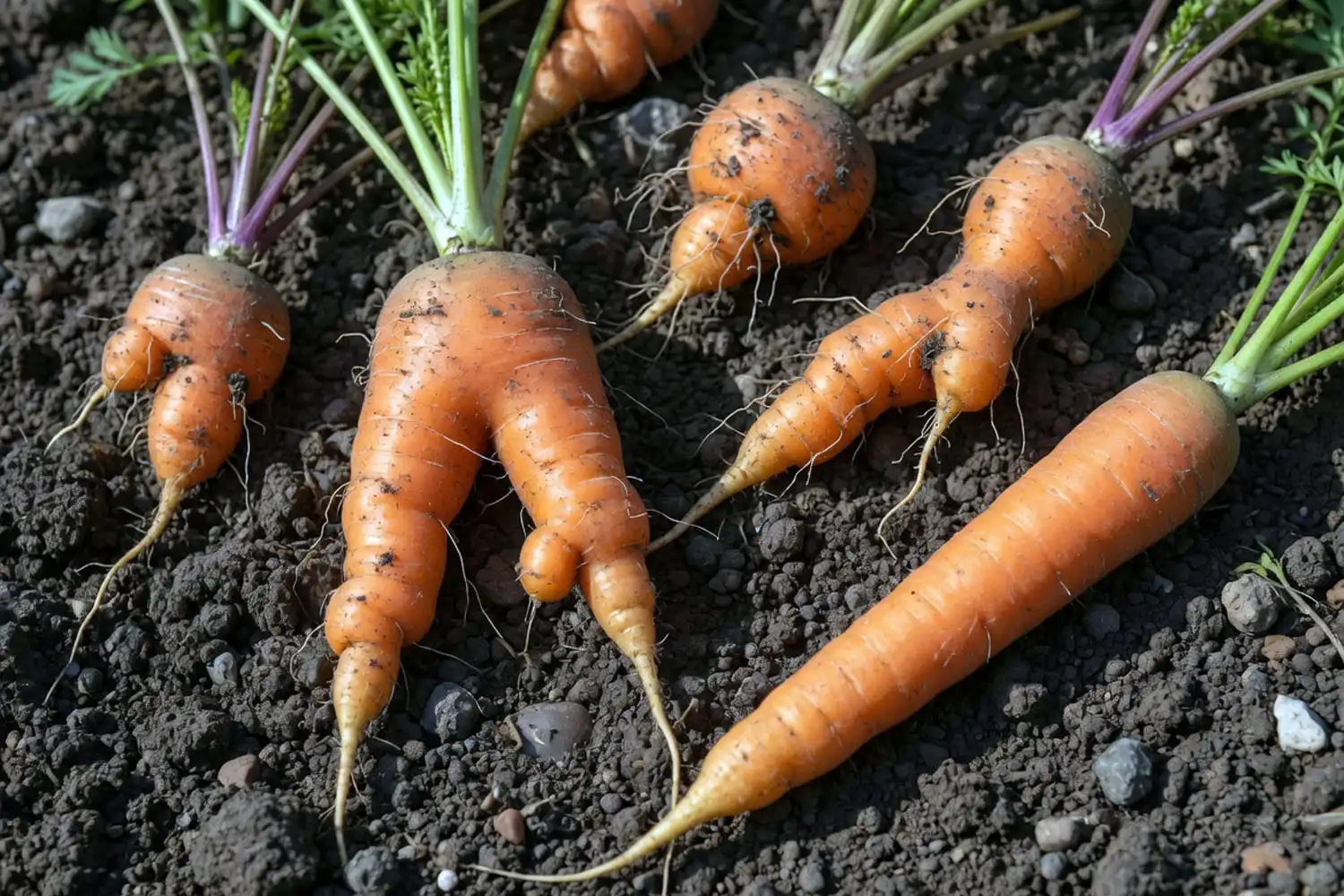
Carrots hate transplanting because the taproot is fragile and unforgiving. When you lift a seedling, the fine root tip bends, breaks, or dries out. The carrot reacts by pushing out side roots, and that’s how you get forked or stubby carrots instead of one clean root. Even careful hands cause damage you can’t see. Transplanted carrots often split into forked roots when the taproot tip hits a snag early on. If you want to understand the damage up close, our notes on how to transplant carrots without forking the roots walk through exactly what goes wrong.
When Starting Carrots Indoors Actually Makes Sense
Starting carrots indoors makes sense in a few narrow cases, mostly tied to a short or rough growing season. Up north, at high elevation, or anywhere your frost-free window is tight, a two to three week head start can mean the difference between a real harvest and baby carrots. Hot, dry springs that bake the soil surface also wreck outdoor germination, so a controlled indoor start gives you reliable sprouts. If your USDA hardiness zone runs cold and your soil stays wet and chilly late into spring, indoor starting is defensible. For most of us out in the Great Plains with a normal season, it isn’t worth the effort.
How to Start Carrots Indoors the Right Way
To start carrots indoors without ruining the roots, you move them only once and you never expose the taproot. Here’s the method to use when the season forces the issue.
Choose Deep, Plantable Containers
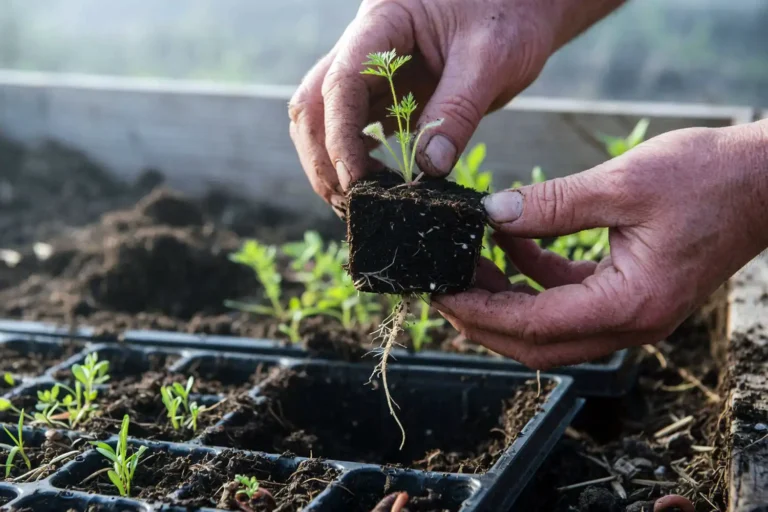
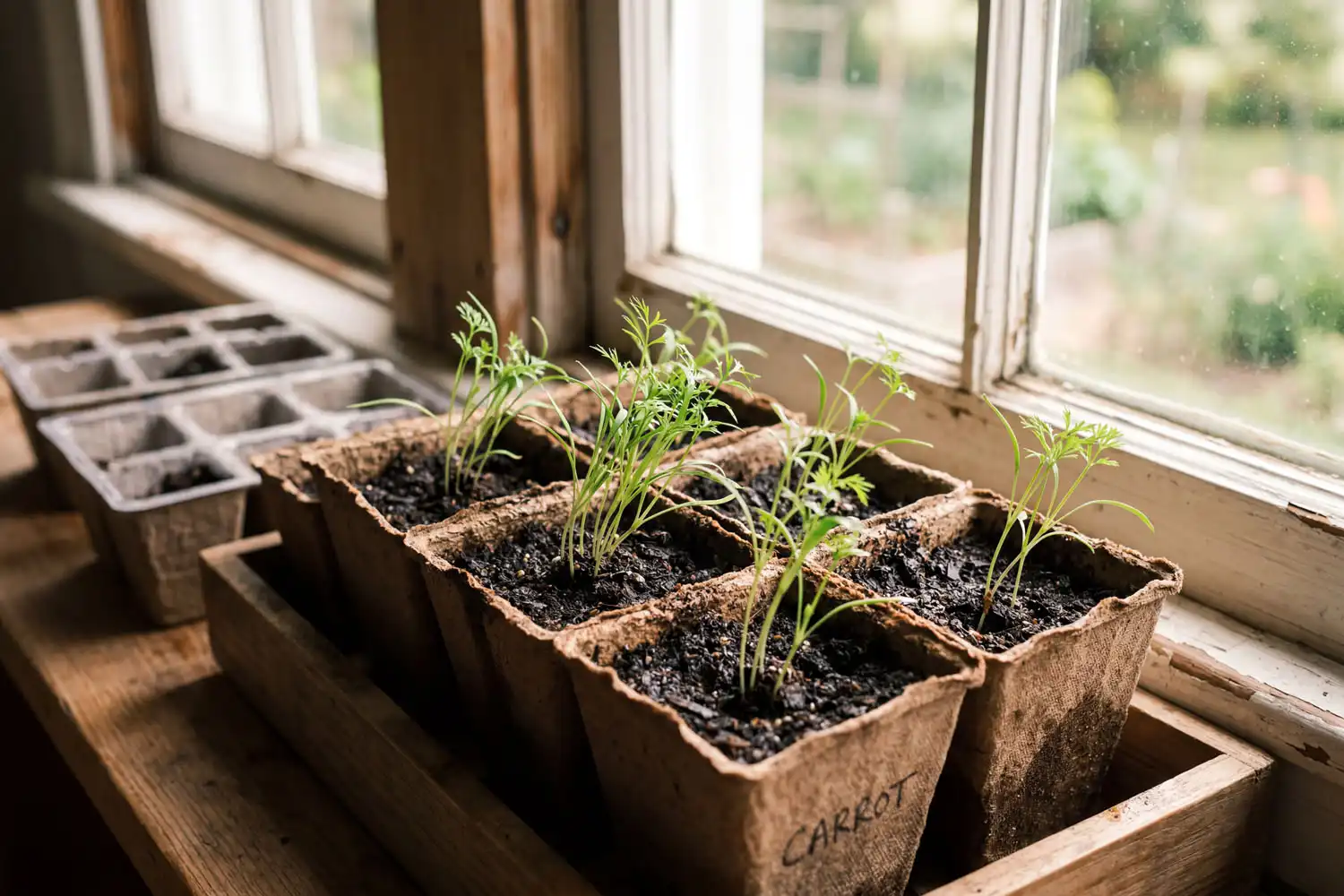
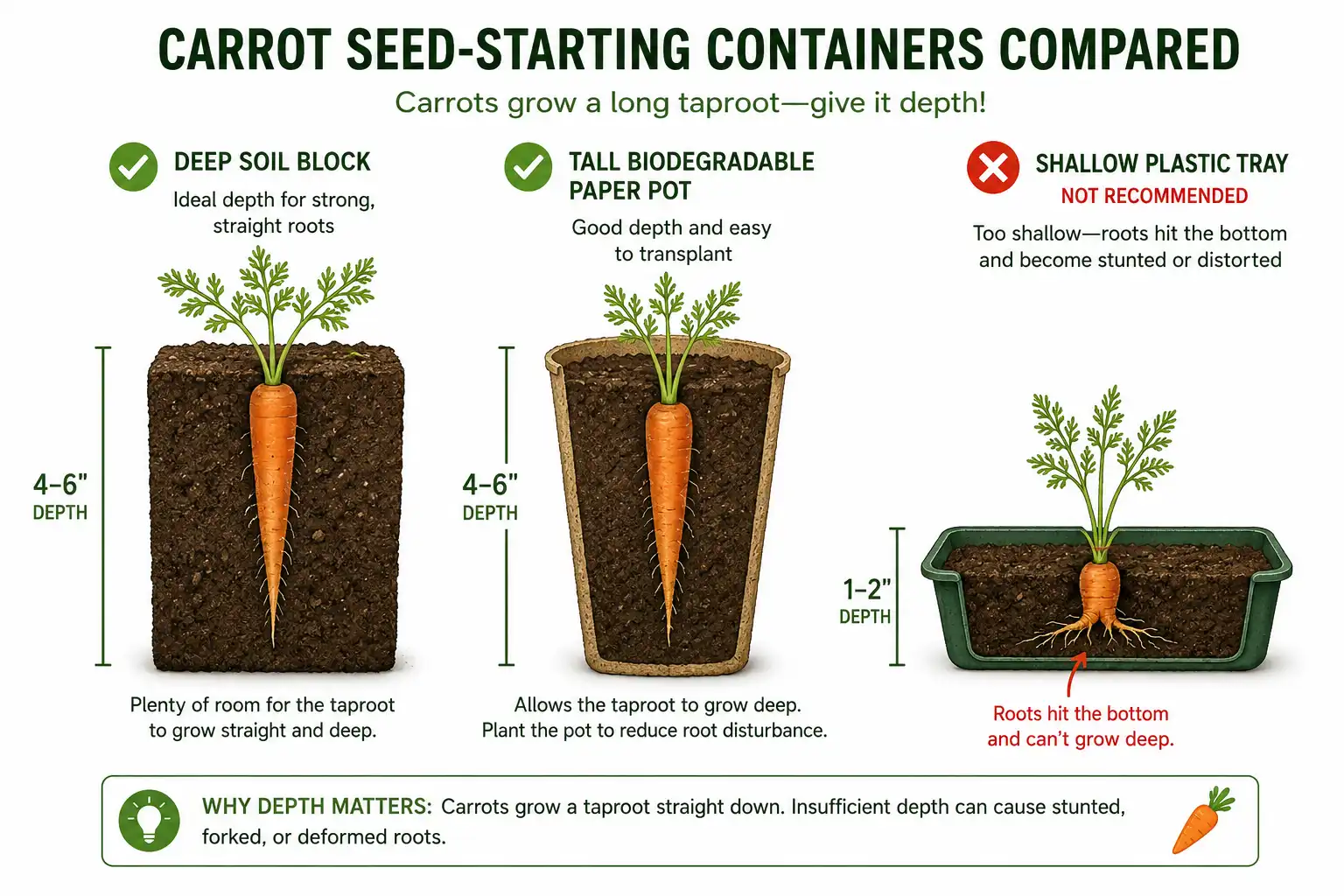
Pick containers you can plant whole. Soil blocks, paper pots, or biodegradable peat pots at least 2 to 3 inches deep work best. Skip shallow seed trays and any plastic cell you’d have to pull the seedling out of. Planting the container and all keeps the roots from ever getting exposed.
Sow the Seed Shallow
Drop one or two seeds per cell, about a quarter inch deep. Carrot seed is tiny, so clean spacing is easier indoors than out in the field. The same habits from seeding carrots without wasting seed carry straight over to cell trays.
Keep Seedlings Warm and Disease-Free
Carrot seed germinates best with soil around 55 to 75°F. Keep the mix damp but never soggy, and expect sprouts in one to three weeks. Cool soil stretches that out, so if you’re tracking how long carrot seeds take to sprout, don’t panic when chilly trays lag behind. Good airflow and bottom watering also keep damping off in young seedlings from rotting a whole tray at the soil line.
Transplant Before the Taproot Sets
Move seedlings out within 2 to 3 weeks, while they’re still small and before the taproot reaches the bottom of the cell. Plant the entire biodegradable pot into loose, deeply worked soil. Don’t tease the roots apart, and don’t bury the crown. Water in gently, then keep the bed evenly moist while they settle.
Direct Sowing vs Starting Carrots Indoors
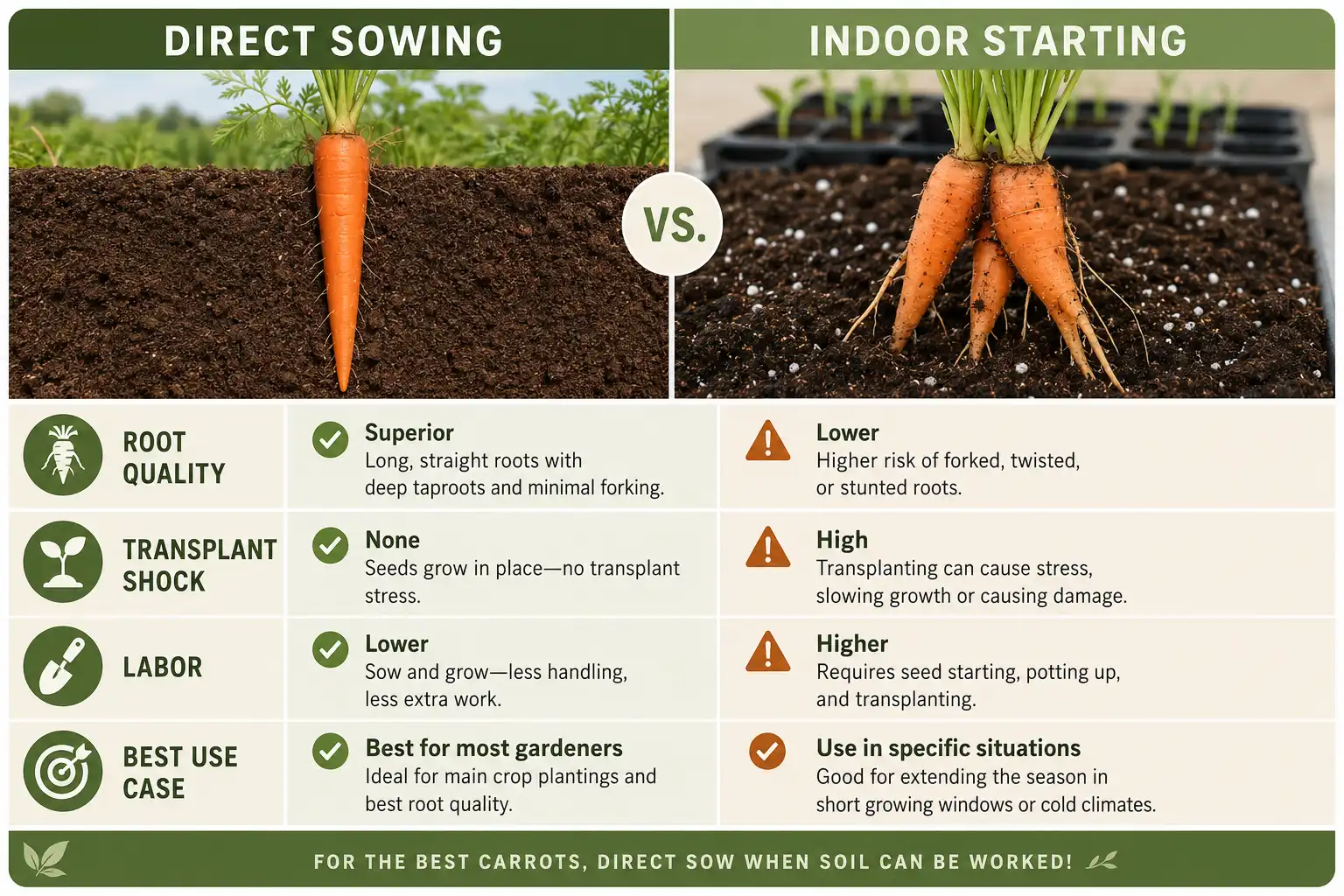
Direct sowing beats indoor starting for carrots almost every time. Seeds planted right where they’ll grow never face transplant shock, so the taproot runs straight and clean. You trade a little control over germination for far better root quality and far less labor. Indoor starting only pulls ahead when cold or crusted soil makes outdoor sprouting unreliable. For weighing the two methods in general, this breakdown of the trade-offs between direct sowing and transplanting covers different crops.
A Better Way to Get an Early Carrot Crop
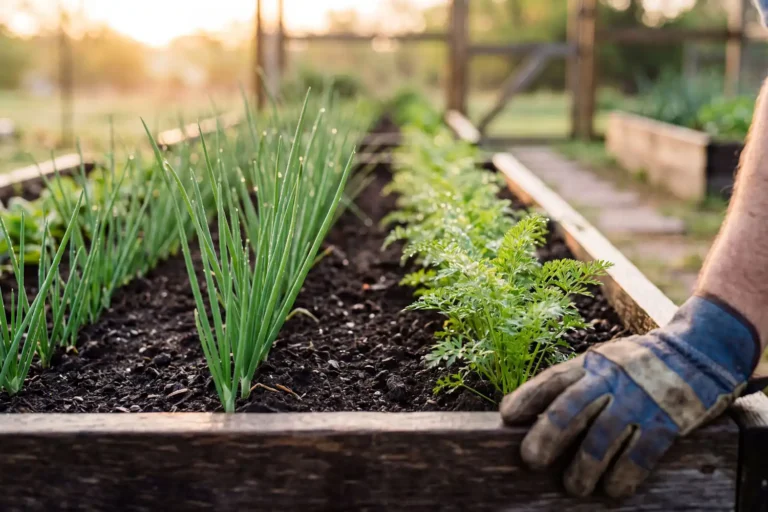
If you want carrots sooner without the transplant risk, fix your outdoor germination instead. Pre-sprouting (chitting) seeds on a damp paper towel for a few days helps them pop fast once planted. Laying row covers or clear plastic warms the soil a week or two ahead of sowing. Keep the surface from crusting with light, frequent watering, since a hard crust blocks fragile sprouts. Loose, rock-free soil matters most of all, because carrots only grow straight in ground they can push through easily. The right soil texture for growing straight carrots does more for your crop than any head start in a tray.
What to Do for an Early Carrot Crop
So can you start carrots indoors? It’s possible, but rarely recommended, unless the season is genuinely too short. The taproot just doesn’t forgive transplanting. If you need an earlier harvest, put your effort into warming the soil, pre-sprouting seed, and keeping the bed loose and crust-free. You’ll get straighter roots, less wasted work, and a crop you’re actually proud to pull.