Are Carrots Hard to Grow? 7 Problems and Their Easy Fixes

Carrots are not hard to grow, but they need loose, stone-free soil and steady moisture during germination. The main struggle is slow, uneven sprouting and getting straight roots. Solve soil and watering, and the rest is easy.
Are Carrots Hard to Grow?
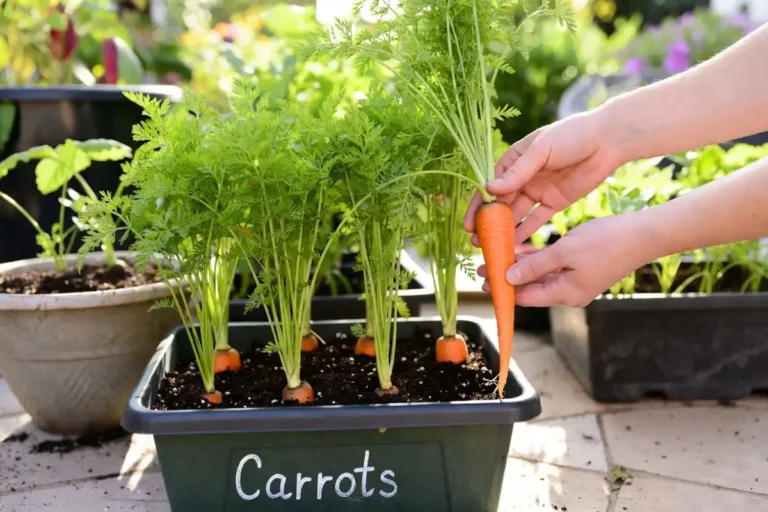
No, carrots are not hard to grow, but they are less forgiving than crops like beans or zucchini. The plant itself, Daucus carota, is tough and handles cool weather without complaint, which is why it grows across nearly every USDA hardiness zone. The trouble shows up at two points: getting the seed to sprout, and growing a straight root. Both come down to soil prep and watering. So the honest answer is simple. Carrots are not difficult, they are particular.
What Trips Up First-Time Carrot Growers
Most carrot failures happen in the first three weeks, before you ever see a real root. The seeds are slow, tiny, and fussy about moisture. Here is where new growers lose the crop.
How Long Carrots Take to Sprout
Carrots germinate slowly, usually in 10 to 21 days, and they come up in waves instead of all at once. Soil temperature drives the speed. The sweet spot sits between 55 and 75°F. Below 45°F, sprouting drags out close to three weeks. Above 80°F, the seeds often refuse to come up at all. So patience matters here more than with most crops. If you want the full timeline, our guide covers how long carrots take to germinate in a separate guide.
Soil Crusting Stops Sprouts Cold
A hard crust on top of the soil can stop carrot sprouts even after the seed has started growing. It forms when rain hits bare ground, then the sun bakes it into a shell. The thread-thin seedlings cannot punch through. To prevent it, keep the surface damp and cover the seed with something light like vermiculite or fine compost. This guide covers the whole approach in this piece on watering early to prevent crusting.
The Seeds Are Tiny
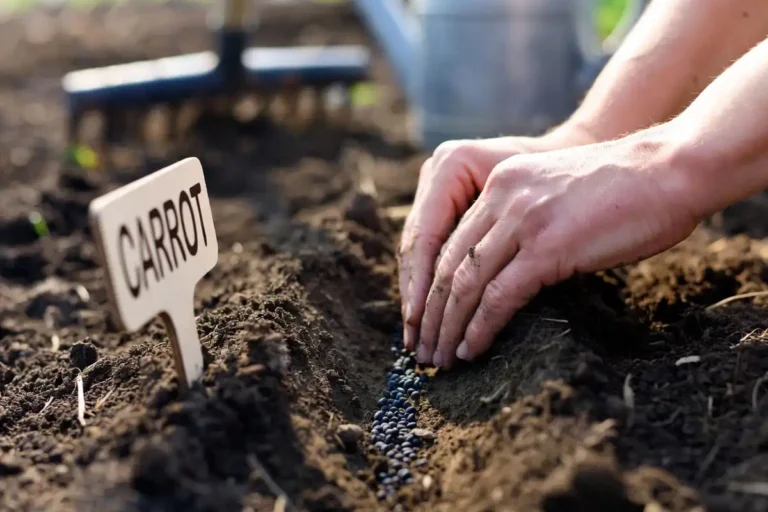
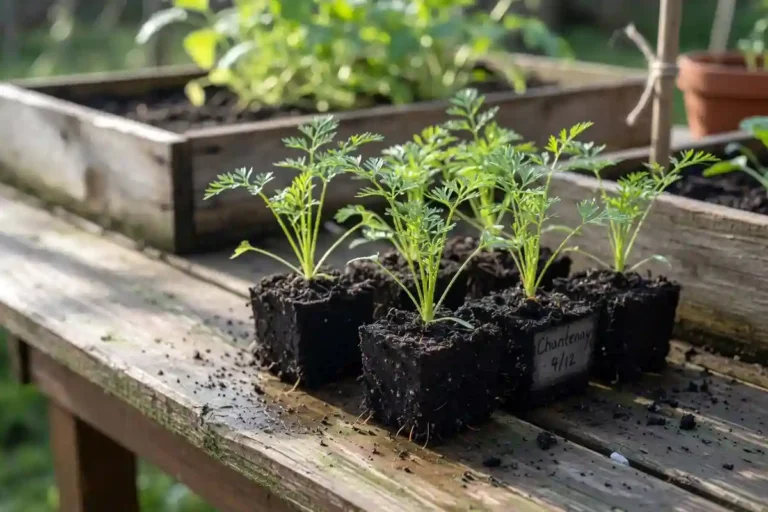
Carrot seeds are about the size of a pinhead, so even spacing turns into a real chore. Most folks dump too many, end up with a thick green mat, then dread the thinning job. Pelletized seed or seed tape spaces them out and saves you the headache.
Soil Is the Whole Ballgame for Straight Carrots
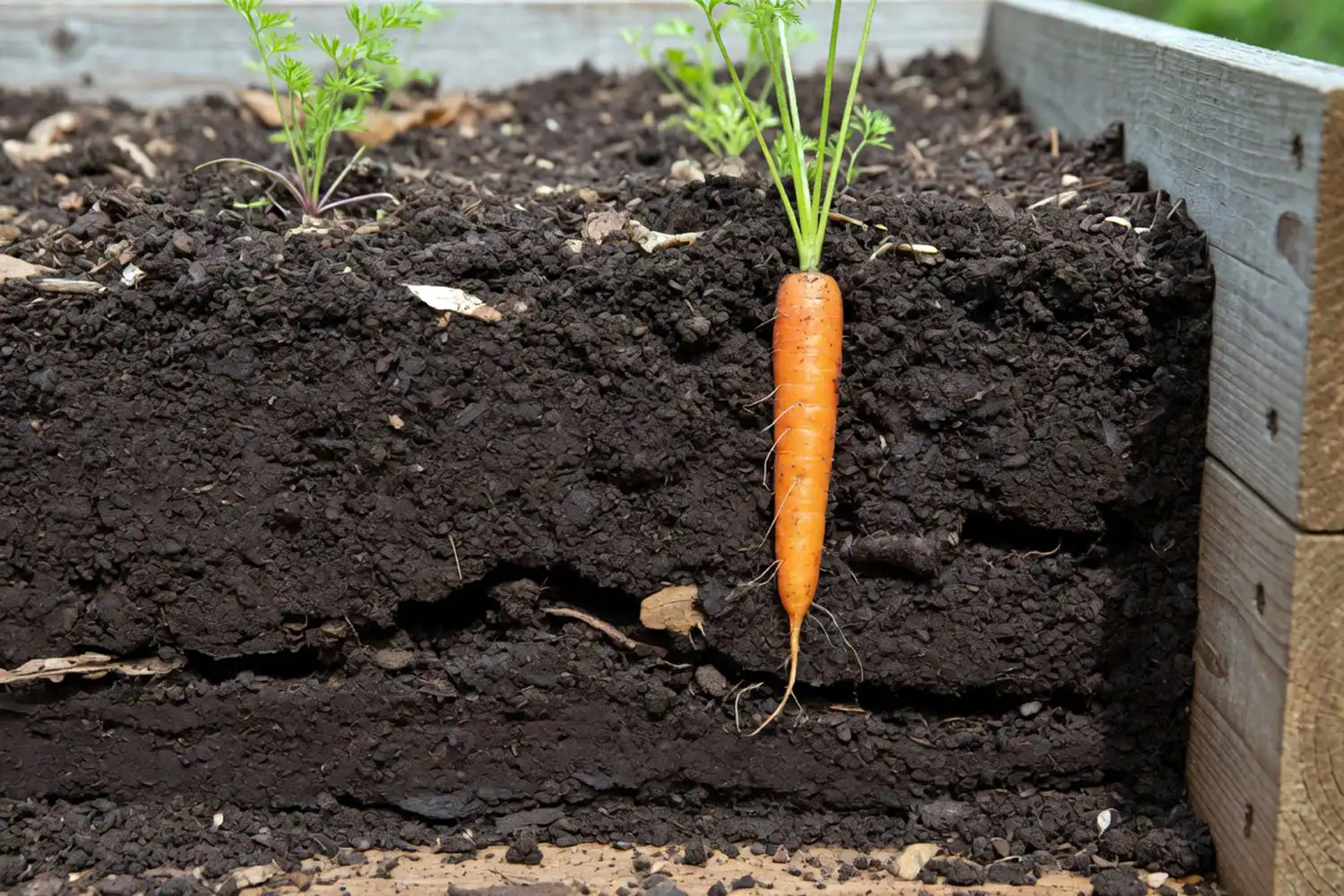
If you want long, straight carrots, loose and deep soil matters more than anything else you do. The root needs 10 to 12 inches of soft, stone-free ground to drive straight down. Rocks, clods, and hardpan force the tip to split and wander, which gives you those forked, twisted carrots everyone laughs at. Across much of the Great Plains, plenty of ground runs to heavy clay, so loosen deep or grow carrots in raised beds. Skip the fresh manure too. Too much nitrogen makes the roots fork and grow hairy. K-State Research and Extension says the same thing about working ground deep before seeding root crops. For a closer look, see our guide on the soil texture that grows straight carrots.
How Long Do Carrots Take to Grow?
Most carrots are ready 60 to 80 days after sowing, though plenty of common varieties land around 70 to 75 days. Count from the day you seed, not from when sprouts appear. Cool weather stretches that window, and warm weather shortens it. You can leave mature carrots in the ground a few extra weeks, but past about a month they start to crack and turn woody. So mark your seeding date and check the days to maturity on the packet.
Watering: Where Carrots Go Wrong After They Sprout
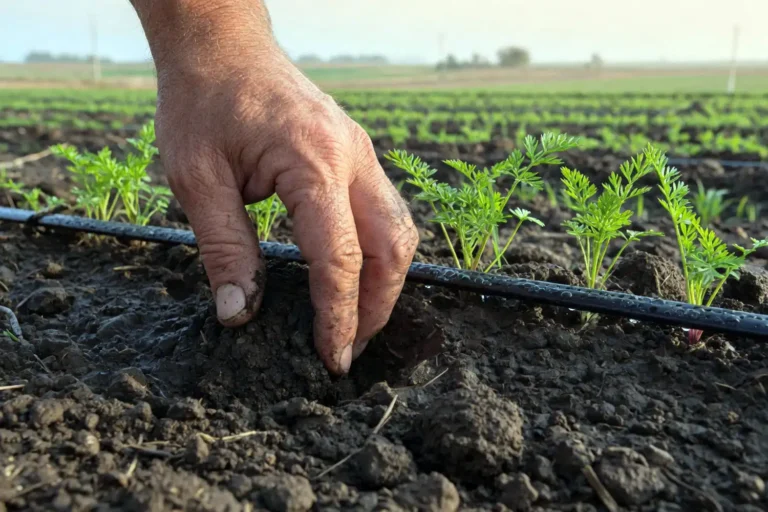
Carrots need even, steady moisture, because both drought and flooding wreck the roots. Once the plants are up and growing, give the bed a deep soak about once a week instead of a daily splash. Light, frequent watering trains the roots to stay shallow. Worse, a long dry spell followed by heavy rain makes the roots swell fast and split wide open. Uneven watering also leaves you with forked and hairy carrots. The schedule is broken down by stage in this guide on how much water carrots need.
Thinning Is the Step People Skip, and It Costs Them
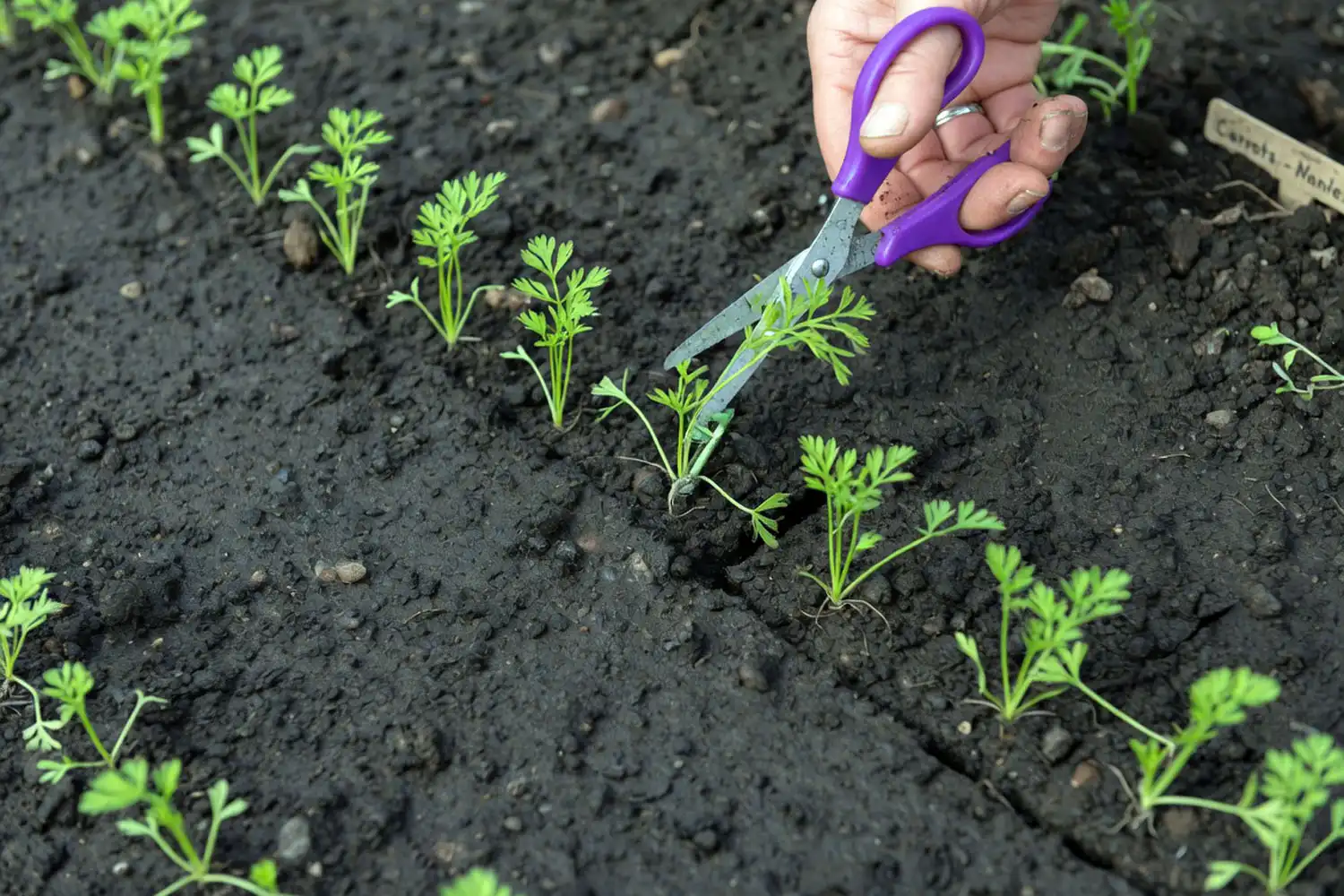
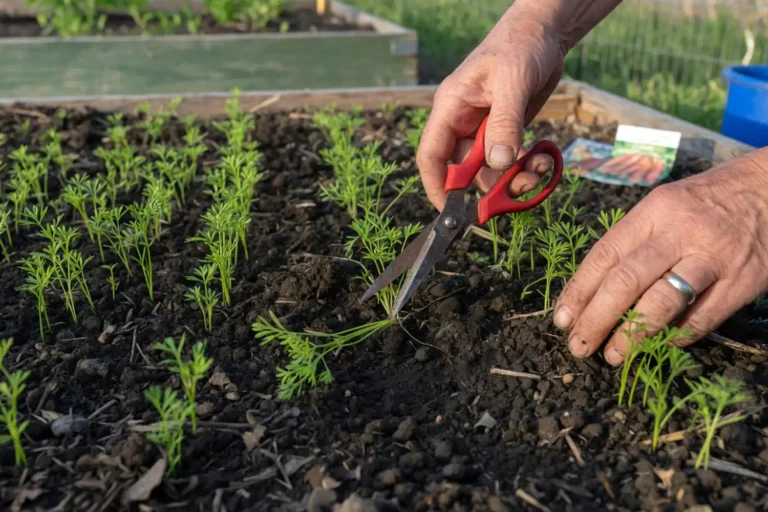
You have to thin carrot seedlings, or they crowd each other into thin, twisted roots. Thin the first time when seedlings reach the two-leaf stage, down to about one inch apart. A couple of weeks later, thin again to two or three inches. Snip the extras at soil level with scissors instead of pulling them. Pulling disturbs the roots of the keepers right next door. Crowding is the number one reason home carrots come out skinny. So do not skip this step.
Common Carrot Problems and How to Fix Them
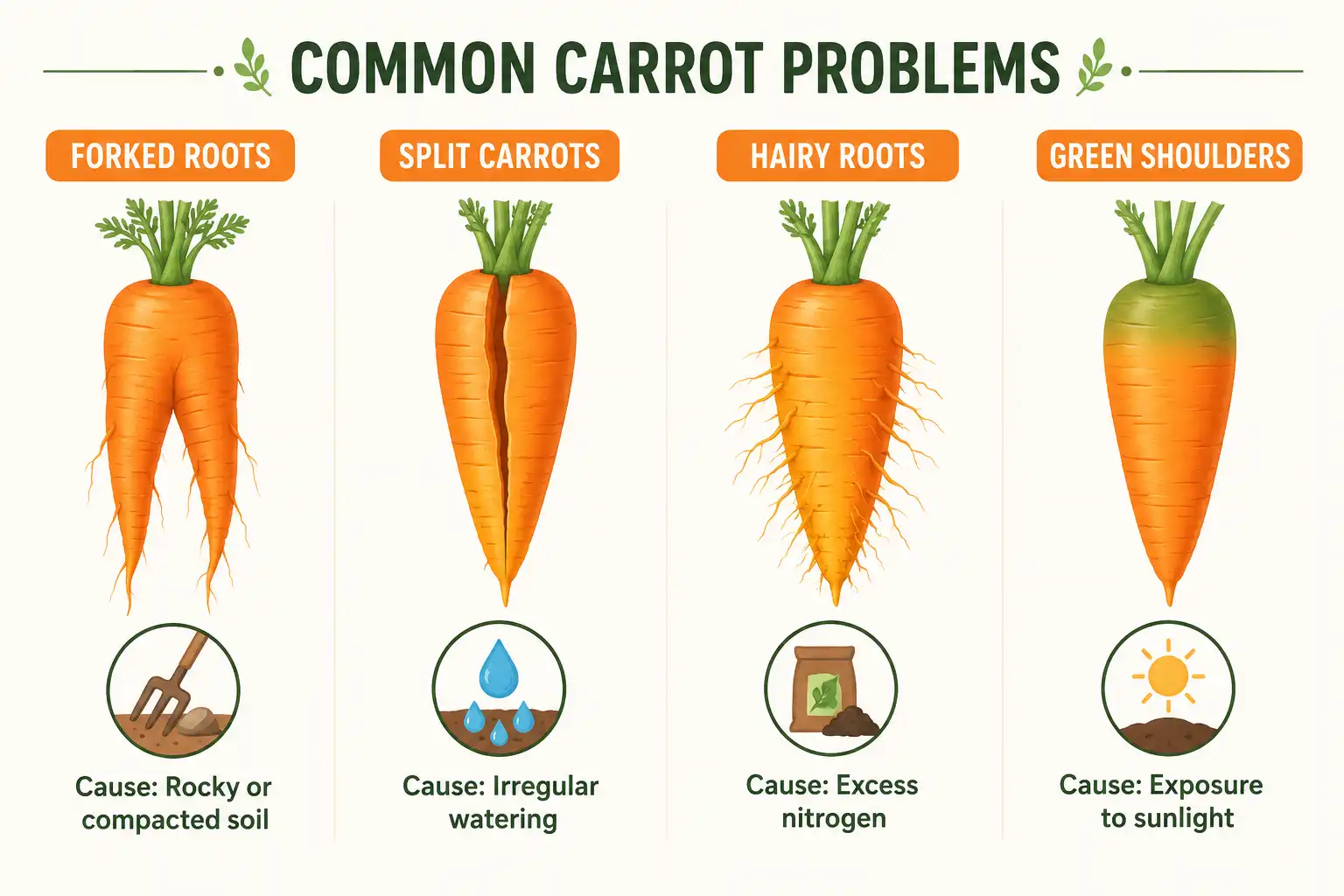
Almost every carrot problem traces back to soil, water, or pests, and each one has a straightforward fix.
Forked or Twisted Roots
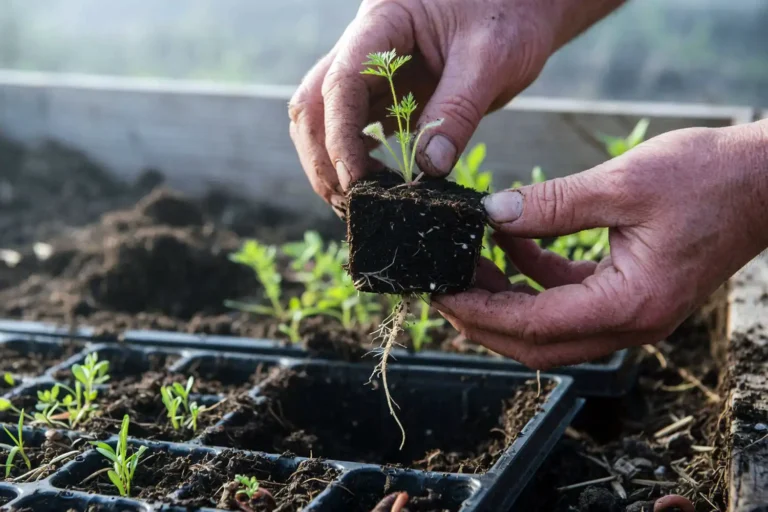
Forked carrots come from rocky soil, packed ground, fresh manure, or too much nitrogen. Loosen the bed deep, pull out the stones, and hold off on the manure. Transplanting causes forking too, since the taproot gets bent during the move. That is a good reason to direct seed almost every time. If you do want to move seedlings, read up first on how to transplant carrots without forking the roots.
Carrot Rust Fly
The carrot rust fly is the one pest that does real damage, tunneling rust-colored trails through the roots. The adult lays eggs near the plant base, then the larvae burrow into the carrot. Most of the harm happens underground, so you rarely catch it until harvest. Spraying barely works. Instead, lay a floating row cover right after seeding so the flies never land. Crop rotation helps break the cycle the next season.
Green Shoulders
Green tops on the carrot root come from sun hitting the crown where it pokes above the soil line. The green part is not poisonous, but it tastes bitter. Just hill a little soil or pull mulch over the shoulders as the roots fatten up.
Splitting and Cracking
Carrots split when a dry stretch is followed by heavy water, swelling the root faster than the skin can stretch. Keep moisture even, mulch the bed to hold water, and harvest on time. Letting carrots sit too long in the ground makes splitting worse.
Hairy Roots
A carrot covered in fine side roots usually means uneven watering or too much fertilizer. Steady moisture and a light hand with nitrogen clear it up. If hairy roots come with stunted, badly forked carrots, suspect root-knot nematodes in the soil. Rotate carrots to a fresh bed and avoid replanting them in the same spot year after year.
Do Carrots Need Full Sun?
Carrots grow best in full sun, though they handle a little afternoon shade in the hottest part of summer. Aim for at least six hours of direct light a day. Too little sun gives you leggy tops and small, spindly roots, because the plant pours its energy into reaching for light. Our guide covers the details on whether carrots prefer sun or shade in another post.
How to Make Carrots Almost Foolproof
You can make carrots nearly foolproof by setting up the bed right and keeping the surface damp until the seeds sprout. Start in cool soil, around 50 to 65°F, in early spring or late summer. Loosen the ground at least a foot deep and rake out every stone. Sow shallow, about a quarter inch, and firm the surface lightly. Then keep that top layer moist every single day until you see green threads. After the seedlings establish, switch to a deep weekly soak, thin on schedule, and lay down mulch. Do that, and carrots reward you with very little fuss.
Bottom Line for Your Carrot Bed
Carrots are not hard to grow. They are particular. Nail four things and the crop takes care of itself: loose deep soil, even moisture, proper thinning, and full sun. Everything past that is patience while the roots size up underground. Your first crop teaches you more than any guide, so seed a short row this season and go from there.