Is Lettuce Easy to Grow for Beginners? What to Know First
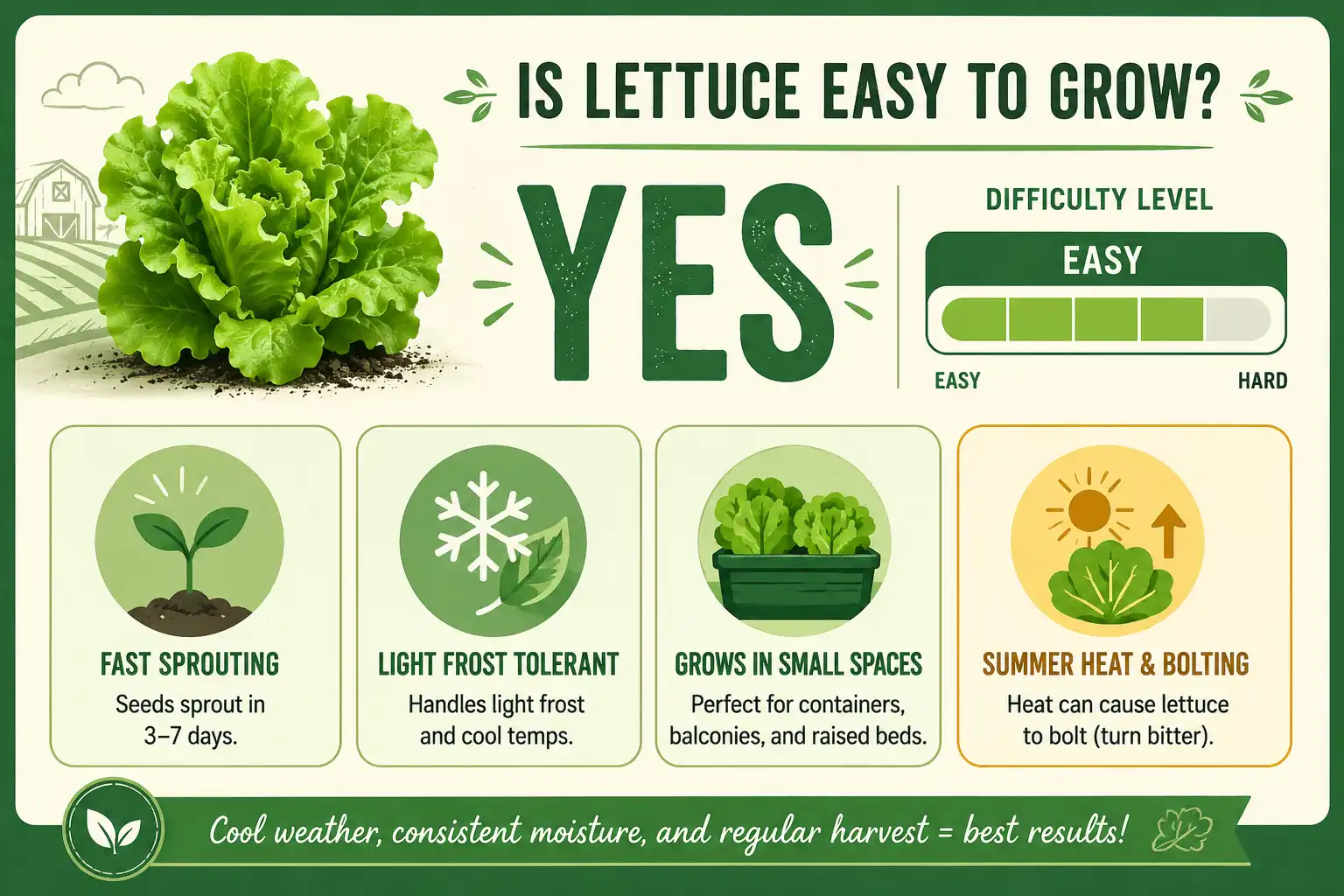
Is lettuce easy to grow? For most beginners, yes. Lettuce sprouts fast, takes light frost, and fits a small bed or a pot. The trouble starts with heat. Get the timing right and you can pull fresh leaves from spring through fall.
Yes, lettuce is easy to grow and one of the simplest cool-season crops for beginners. It germinates in days, takes light frost, and matures fast. Heat is the main hurdle, so plant in spring or fall.
Is Lettuce Easy to Grow for Beginners?
Yes, lettuce ranks among the easiest vegetables a beginner can plant. Lactuca sativa is a cool-season crop, and it forgives plenty of small mistakes. The seed sprouts in just a few days. The plant takes light frost without complaint. You can grow a full row in a raised bed, a pot, or a strip along the fence. Clemson Extension and the University of Maryland Extension both call it one of the easiest cool-season vegetables to grow.
The catch is short and simple. Lettuce hates heat. So your success comes down to timing, not skill.
Also learn: How to Grow Lettuce at Home Backyard
What Makes Lettuce So Easy to Grow?
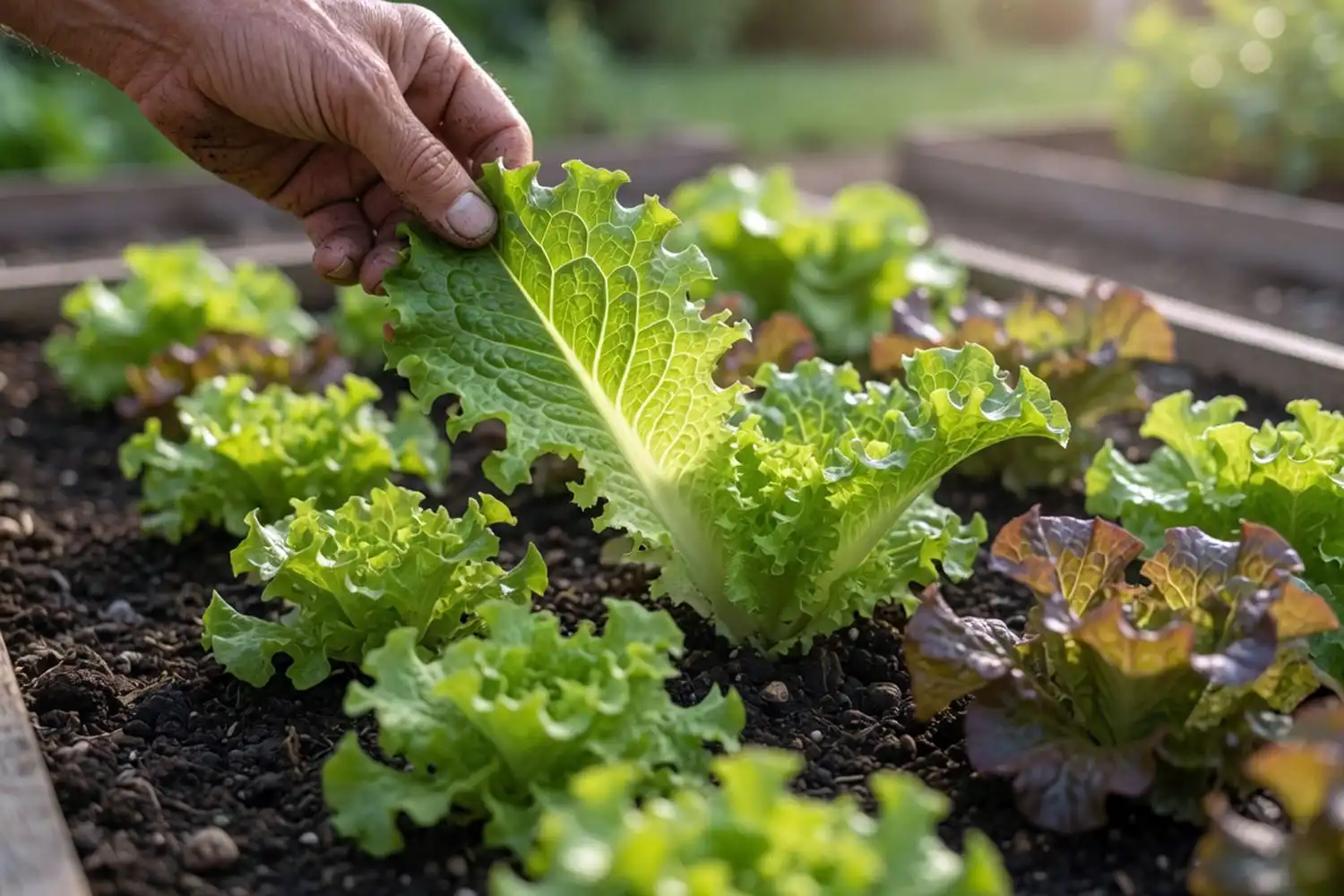
A handful of traits make lettuce forgiving for new growers. It moves fast, it shrugs off cold, and it grows almost anywhere.
It Sprouts and Matures Fast
Lettuce seed germinates in 2 to 4 days when the soil sits between 60 and 75°F. Loose-leaf types reach a first cutting in about 30 to 45 days. That short window means you see results before most crops even break ground. If your soil runs warm and germination stalls, getting lettuce seeds to sprout comes down to keeping things cool and moist.
It Handles Cold Better Than Most Crops
Hardened lettuce shrugs off light frost, and tough varieties hold down to about 20°F. That cold tolerance is why it can be planted early while tomatoes are still under lights. A surprise frost in April rarely hurts a healthy stand.
It Fits Almost Any Space
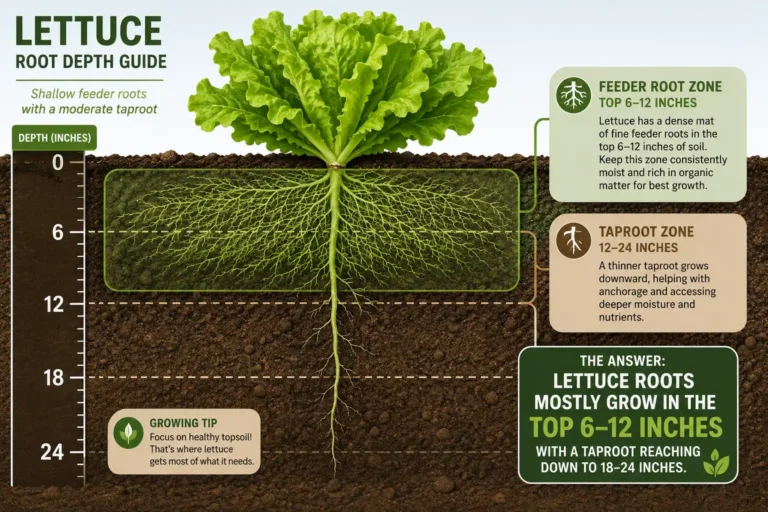
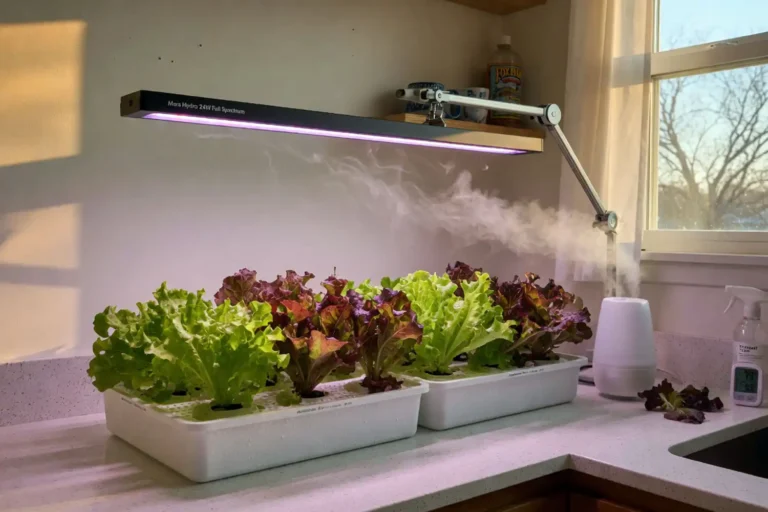
Lettuce has shallow roots, so it grows fine in 6 inches of soil. A pot on the porch works as well as a field row. New growers with no land at all can still pull salads from a container, and growing lettuce in a pot needs little more than potting mix and steady water.
You Harvest It Again and Again
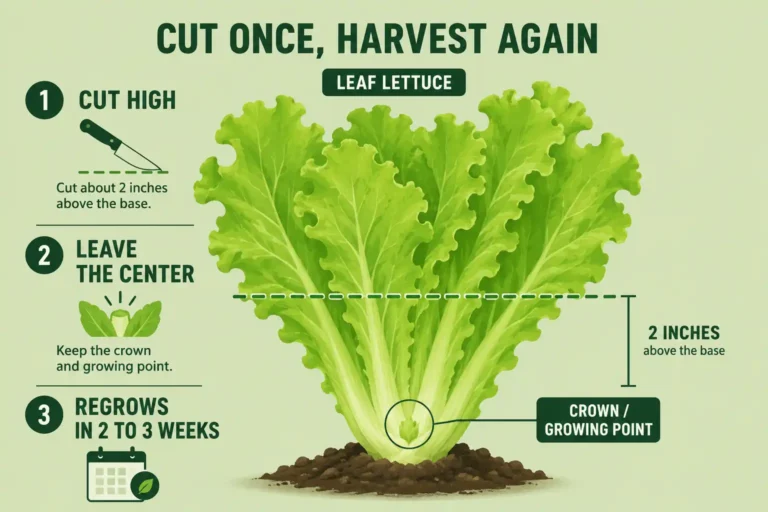
Loose-leaf lettuce gives you a cut-and-come-again crop. You pick the outer leaves, and the center keeps pushing new growth for weeks. So one planting feeds you far longer than a single harvest.
Where Does Lettuce Get Tricky?
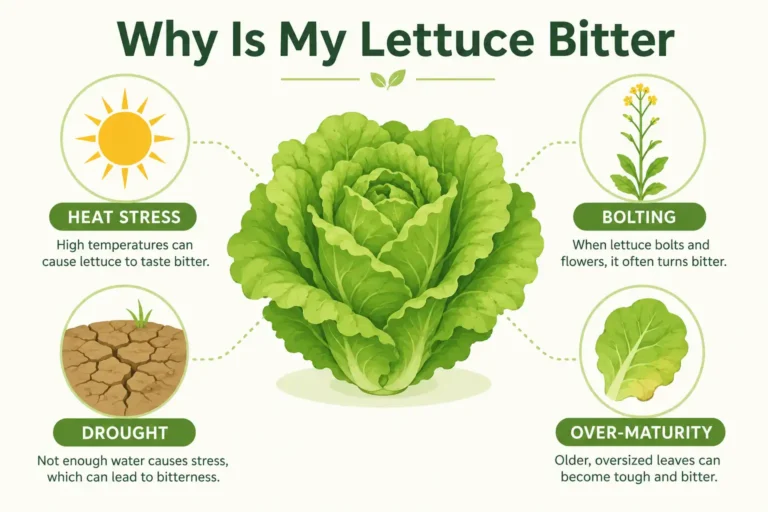
Heat is where lettuce gets hard. Once daytime temperatures push past 70°F, the plant starts to bolt. Bolting means it shoots up a seed stalk, and the leaves turn bitter and tough. Warm nights make it worse, especially when they stay in the mid-60s or higher.
Germination fails in heat too. Lettuce seed will not sprout well above 80°F, and it stops almost completely above 95°F. This heat block is called thermoinhibition, a holdover from wild lettuce that came out of the Mediterranean. So sowing in July sun rarely works without a trick or two.
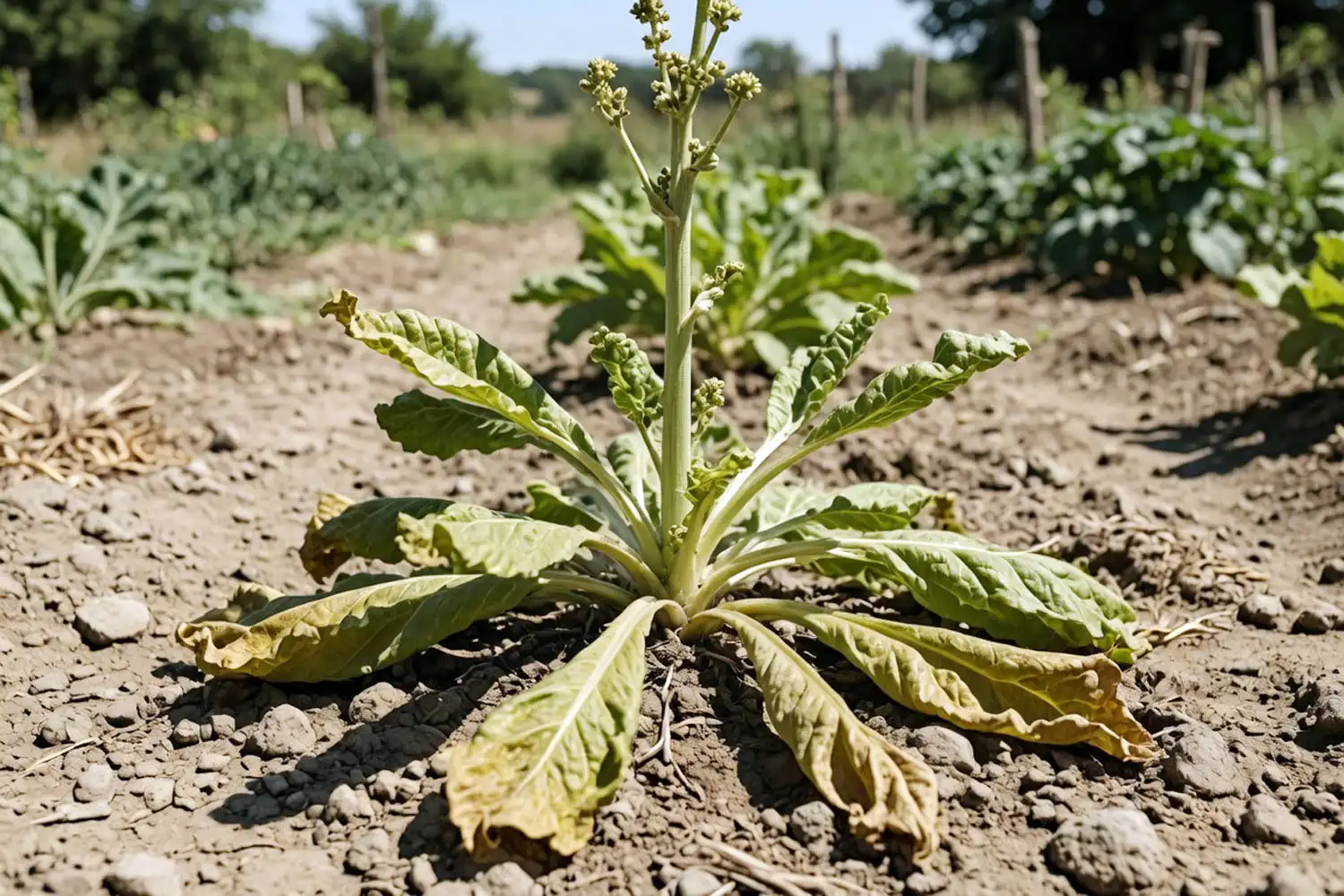
The shallow roots cut both ways. They let lettuce grow in shallow soil, but they also dry out fast. Skip water for a day or two in summer and the leaves wilt and turn bitter. Lettuce seedlings also compete poorly with weeds, so a clean bed matters early. Watch for aphids and slugs as well, since both love tender leaves.
If you want to push the season with a head type, keeping romaine from bolting takes a slow-bolt variety and steady moisture.
Which Lettuce Types Are Easiest to Grow?
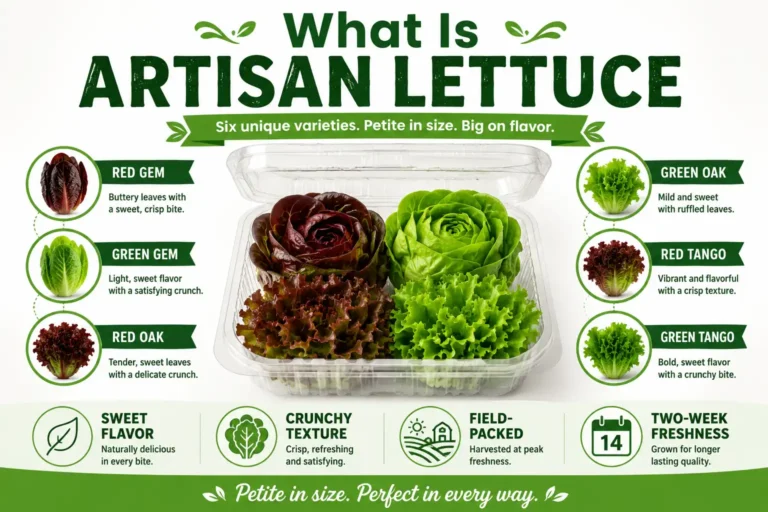
Loose-leaf lettuce is the easiest type to grow. It bolts slowly, matures fast, and needs only planting and picking. Romaine comes next, then butterhead and bibb. Crisphead, the iceberg type, is the hardest of all because it needs a long, cool stretch and bolts the moment heat arrives.
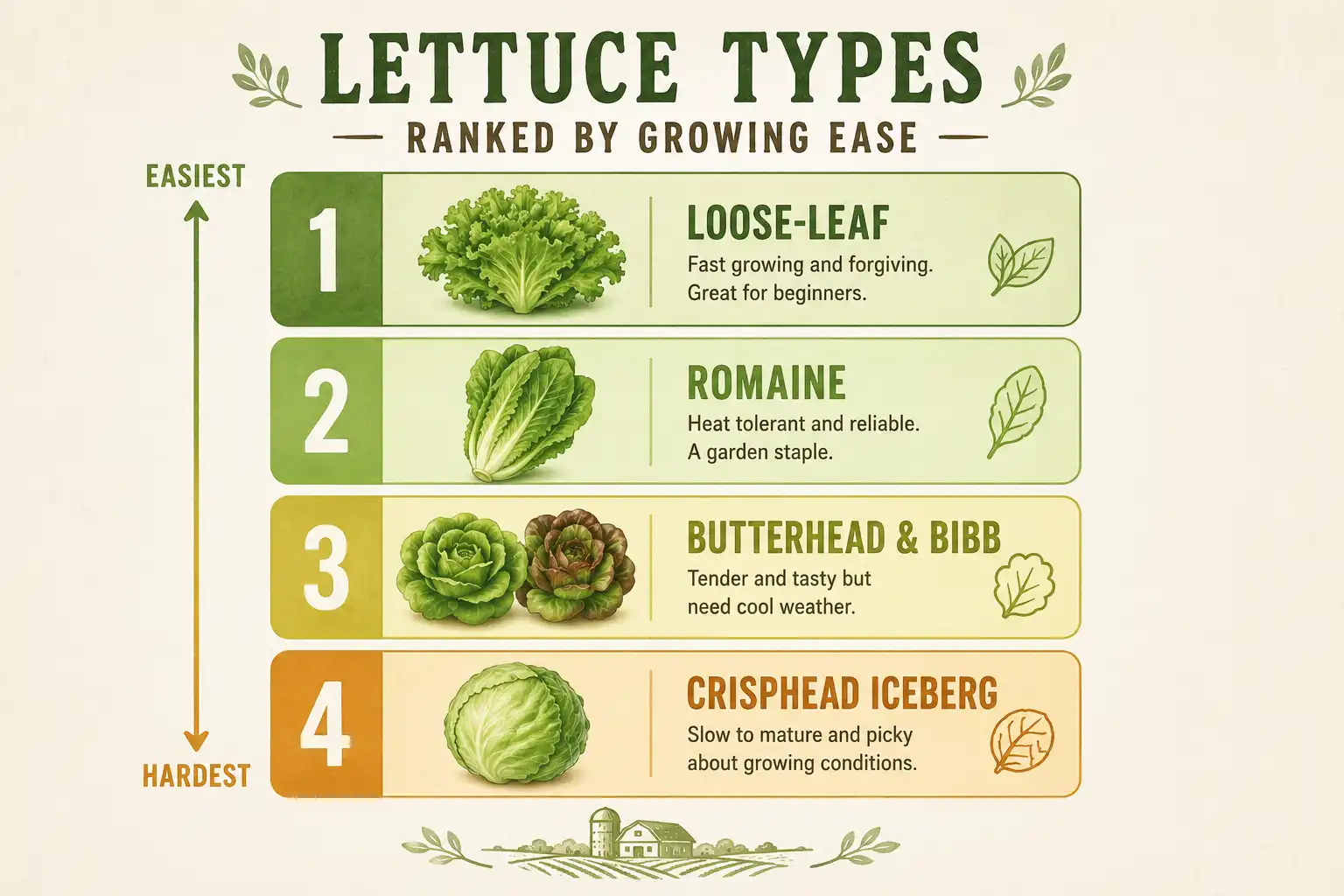
For a first season, start with a loose-leaf blend. You get fresh leaves quickly and skip the fuss of forming a tight head. When you are ready for more of a challenge, a tight crisphead takes more timing and patience.
When Should You Plant Lettuce in a Cool Climate?
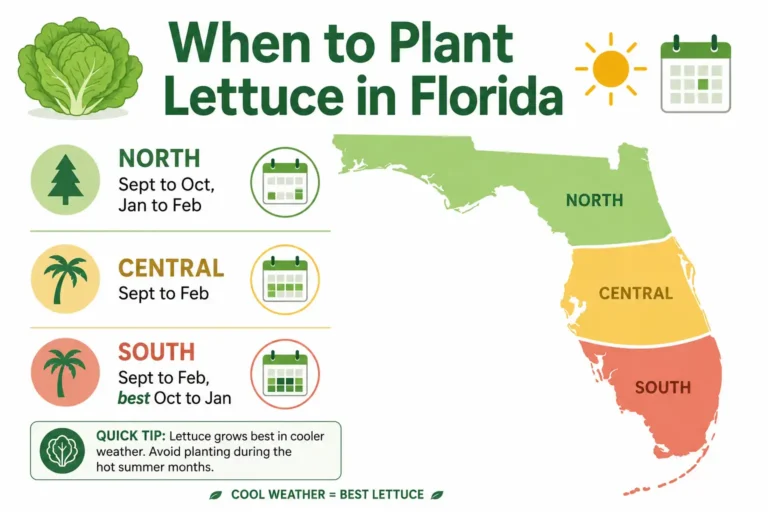
Plant lettuce in early spring and again in late summer for a fall crop. On the edge of the Great Plains, direct-seed in late March or early April once the soil hits about 40°F. Sow a second round in late August for a fall cut as the heat breaks.
Spring and fall both give lettuce the cool stretch it wants. For transplants, start seed indoors about 4 weeks before setting plants out. Timing the planting around your last frost matters for flavor, and when to plant for the sweetest leaves lines up with the coolest growing days. With a cold frame or row cover, growing lettuce through winter is doable even in zone 6a.
How Do You Grow Lettuce Step by Step?
Start with loose, moist soil and shallow seed. Here is the routine on the plot.
First, loosen the top few inches of soil and work in a little compost. Loam holds moisture well, which lettuce likes. Next, sow the seed about 1/4 inch deep. Do not bury it, since lettuce seed needs near-surface warmth and a touch of light. Knowing how deep to set lettuce seed is the one step new growers get wrong most often.
Keep the soil cool and damp until the seed sprouts. After that, thin seedlings to about 10 to 12 inches apart for heads, or closer for loose-leaf. Then water steadily, around 1 inch a week and more in dry heat. Feed lightly with nitrogen if growth slows. Finally, harvest the outer leaves once they reach a usable size, and the plant keeps going.
What Problems Should You Watch For?
The most common lettuce problems are bolting, bitter leaves, and weak germination in heat. Each one traces back to temperature or water.
For bolting, plant in cool seasons and choose slow-bolt varieties. A shade cloth buys a few extra weeks when the heat creeps in. For bitter leaves, harvest before midsummer and keep the soil evenly moist. For weak germination, cool the soil with a board over the row, or chill the seed in the refrigerator for a few days before sowing. For tip burn, hold steady moisture so the plant takes up calcium evenly. For aphids and slugs, a light row cover and a quick handpick keep most damage down.
Bottom Line for Your Garden Row
Lettuce is easy to grow as long as you respect the calendar. Start with loose-leaf in early spring, keep the soil moist, and harvest before the heat sets in. Add a fall planting and you double your fresh-leaf season. The skill here is timing, not a green thumb, and that is good news for any first-year grower.