What Is the Difference Between Soybeans and Edamame, Exactly?
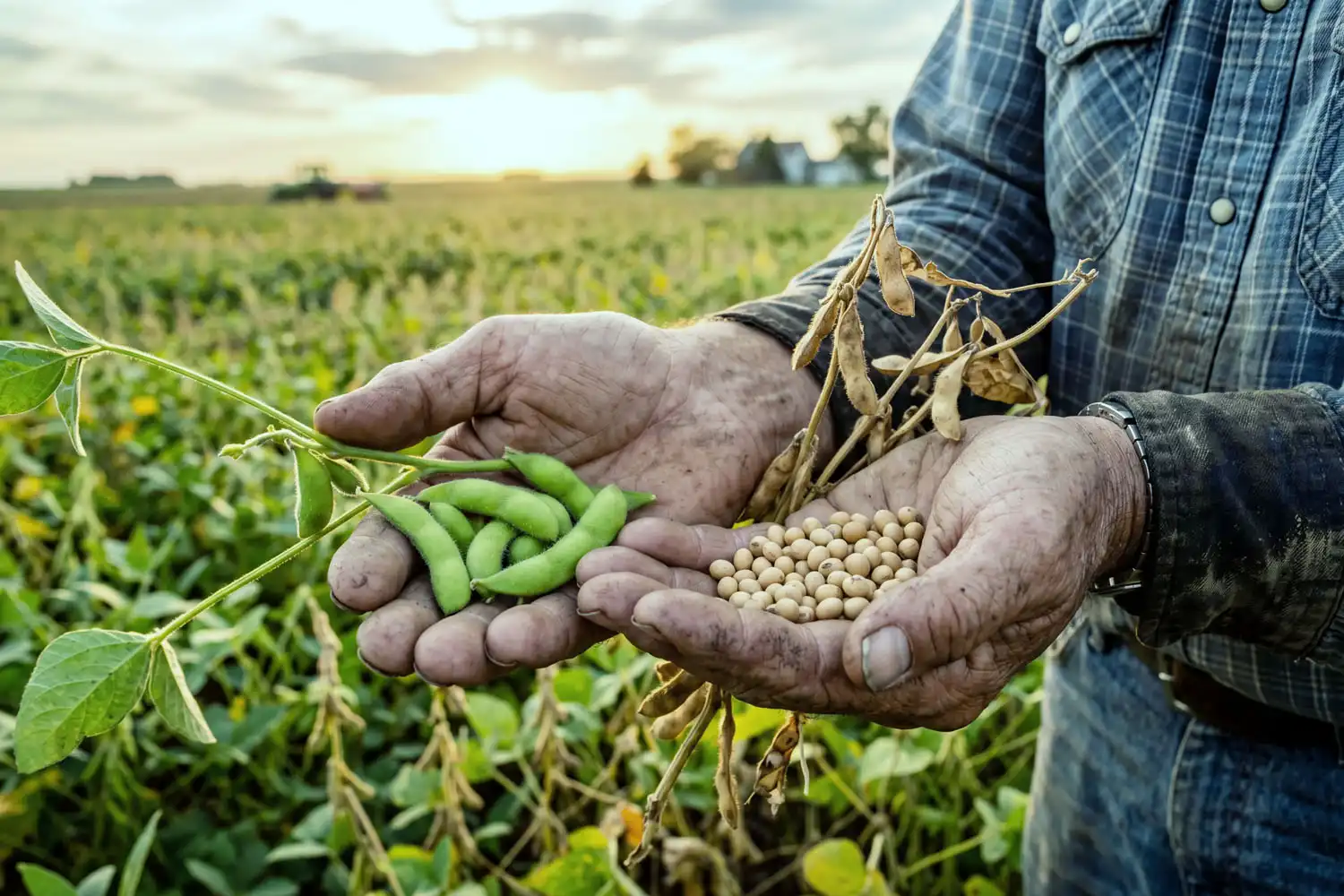
Soybeans and edamame come from the exact same plant. The difference between soybeans and edamame comes down to when the beans get picked and which variety you grow. One gets eaten green and fresh. The other dries down for oil, meal, and food products.
Edamame and soybeans are the same species, Glycine max. Edamame is harvested young and green at the R6 stage and eaten as a vegetable. Field soybeans dry on the plant, then get crushed for oil, meal, and food products.
What Is Edamame, Exactly?
Edamame is immature soybean, picked green and eaten as a vegetable. The word is Japanese and means “stem bean,” because the pods were traditionally sold and served right on the stem. You steam or boil the pods, salt them, and pop the soft beans straight into your mouth.
So edamame is not a separate crop from a botanist’s view. It is the soybean plant, harvested at a younger stage. People also call it green soybean, vegetable soybean, or sweet bean. All of those names point to the same idea: soybean eaten fresh instead of dried.
Here is the simplest way to explain it at the co-op. All edamame are soybeans, but not all soybeans are edamame.
Know more: Types of Soybeans Exist
The Real Difference Between Soybeans and Edamame
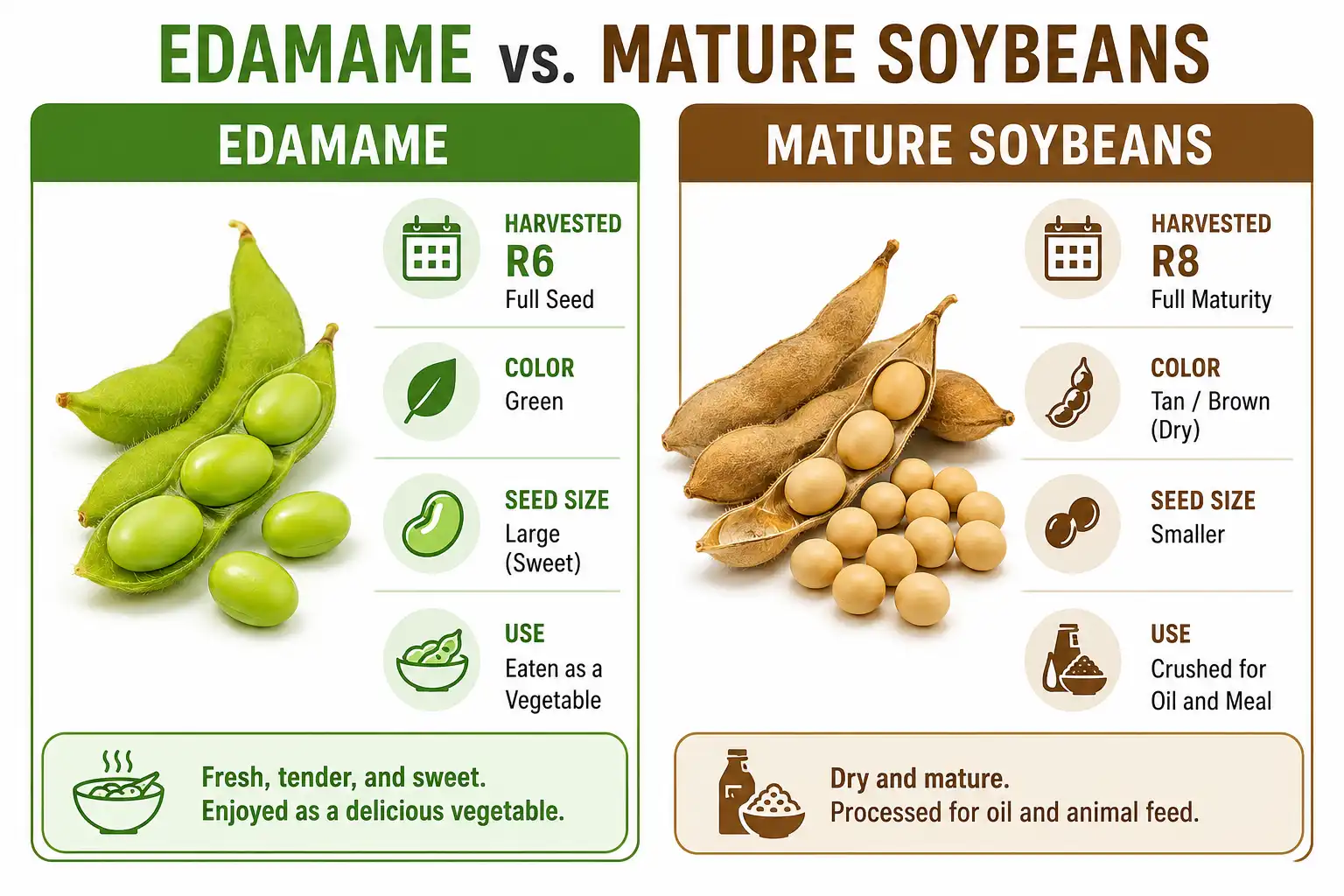
The difference between soybeans and edamame is timing plus genetics. Edamame is harvested green and immature. Field soybeans are harvested dry and mature. On top of that, edamame comes from varieties bred to be larger, sweeter, and better tasting at the green stage.
Same Plant, Different Harvest Stage
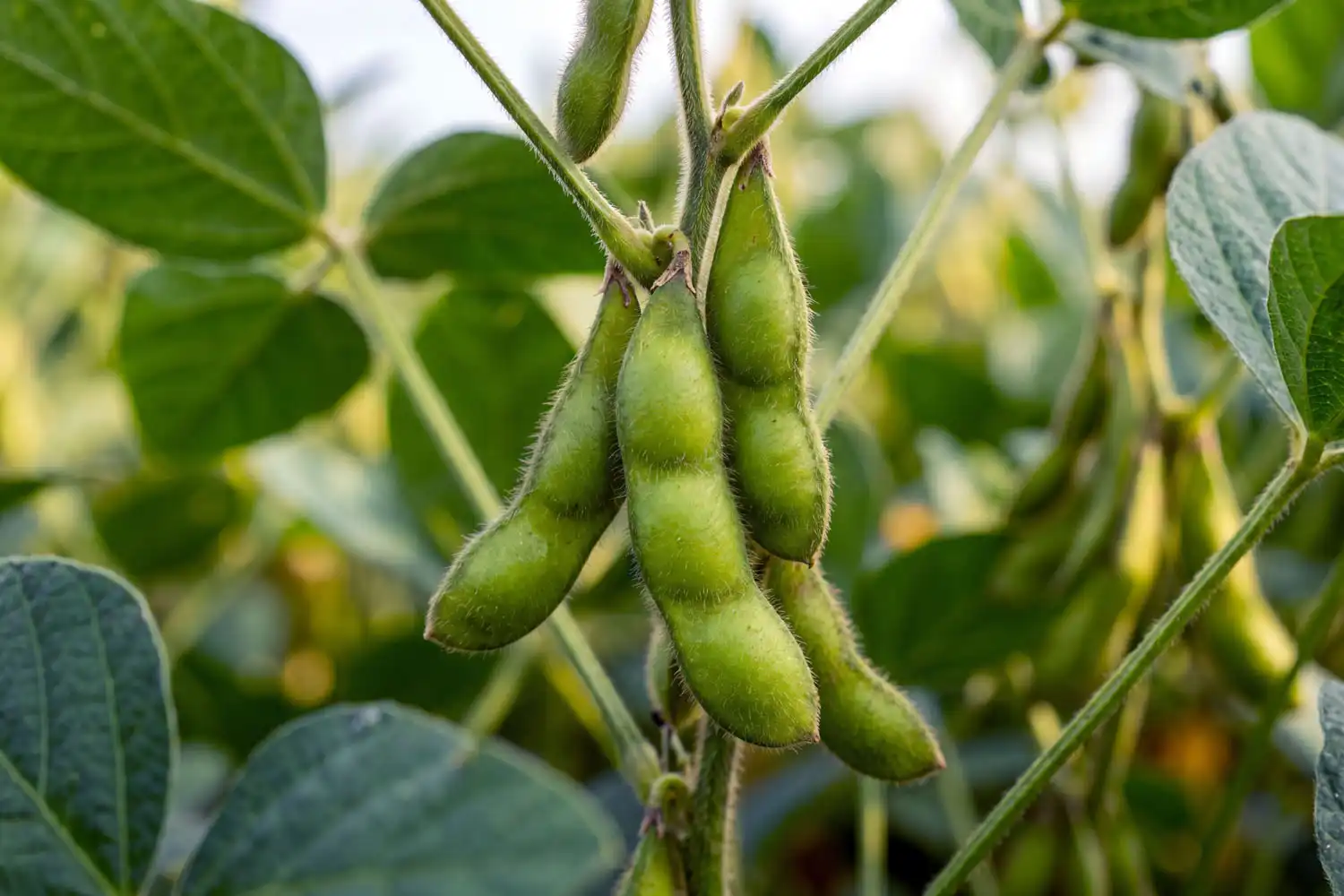
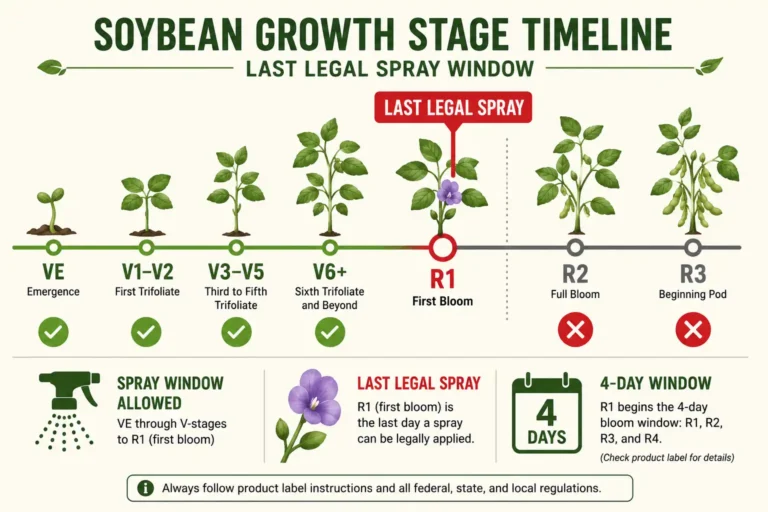
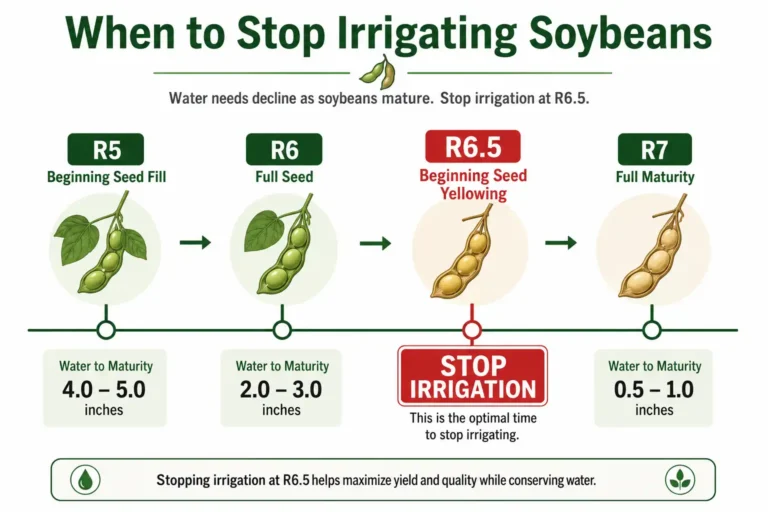
The biggest split is the harvest stage. Edamame gets picked at growth stage R6, the last step before the plant starts to mature. At R6 the pods are full-sized and bright green, and the beans inside nearly touch each other. That is your signal the crop is ready.
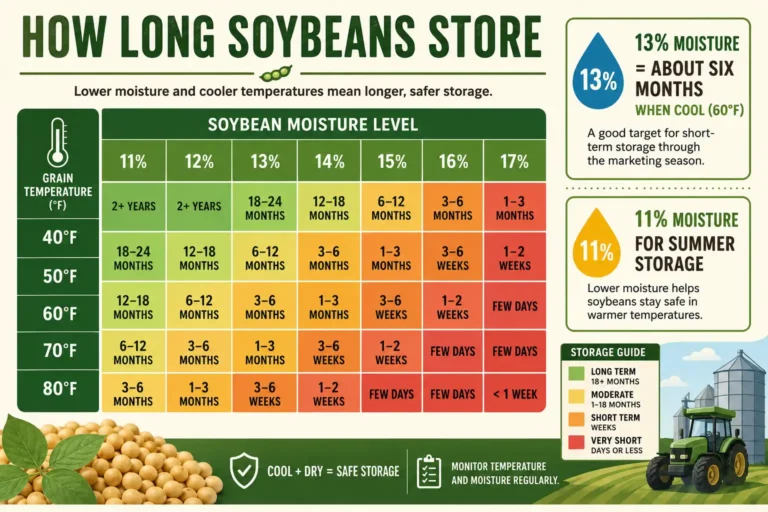
Field soybeans go all the way to R8, full maturity. By then the pods turn brown and dry, and the seeds harden down to roughly 13 percent moisture. The plant has pulled the sugars and water back out of the beans and the leaves have dropped.
That single step changes everything about the bean. Reading the plant correctly is the whole job, which is the same skill behind knowing when to harvest any crop, only the window for edamame is far tighter.
Different Varieties, Bred for Different Jobs
Edamame is not just a field soybean caught early. It comes from vegetable soybean varieties bred for size, sweetness, and flavor at the green stage. Names like Midori Giant, Chiba Green, and BeSweet are common choices for growers.
These vegetable types carry more sucrose, so the green beans taste sweet and nutty. The seeds run about a third larger than commodity beans. Field soybean varieties go the other way. They are bred for oil content, yield, standability, and disease packages that pay off at full maturity, not for snacking.
If you planted a regular field variety and picked it green, you could eat it. It just would not taste as good or fill the pod the way a true edamame line does.
How They Look, Taste, and Get Eaten
Edamame and mature soybeans look and taste nothing alike on the plate. Edamame pods are bright green, soft, and fuzzy. Mature soybeans are pale yellow to cream, hard, and dry.
The flavor gap is just as wide. Edamame tastes mild, sweet, and a little nutty, with a tender bite. Fresh field soybeans taste flat and beany by comparison. Picking the crop young also lowers trypsin inhibitors, which makes edamame easier to digest and less likely to upset your stomach.
The end uses split right there:
- Edamame: steamed or boiled in the pod, salted, and eaten as a snack. Shelled beans go into rice bowls, salads, soups, and stir-fries.
- Mature soybeans: crushed for soybean oil and high-protein meal for livestock. They also become tofu, soy milk, soy sauce, tempeh, and edible oil.
Shelf life differs too. Fresh edamame needs refrigeration or freezing and gets used fast. Dry soybeans store for months in a bin with no fuss.
Is Edamame More Nutritious Than Mature Soybeans?
Not exactly. Both pack a strong nutritional punch, just in different ways. Edamame is eaten fresh, so it holds more water and fewer calories per serving, plus a good dose of vitamins and antioxidants. Mature soybeans are more concentrated, which means more protein and fat by weight.
For a snack or side, edamame wins on taste and ease. For protein density and processing into oil, meal, and soy foods, mature soybeans do the heavy lifting. Neither one is the “better” bean. They serve different jobs.
Growing Edamame vs Field Soybeans
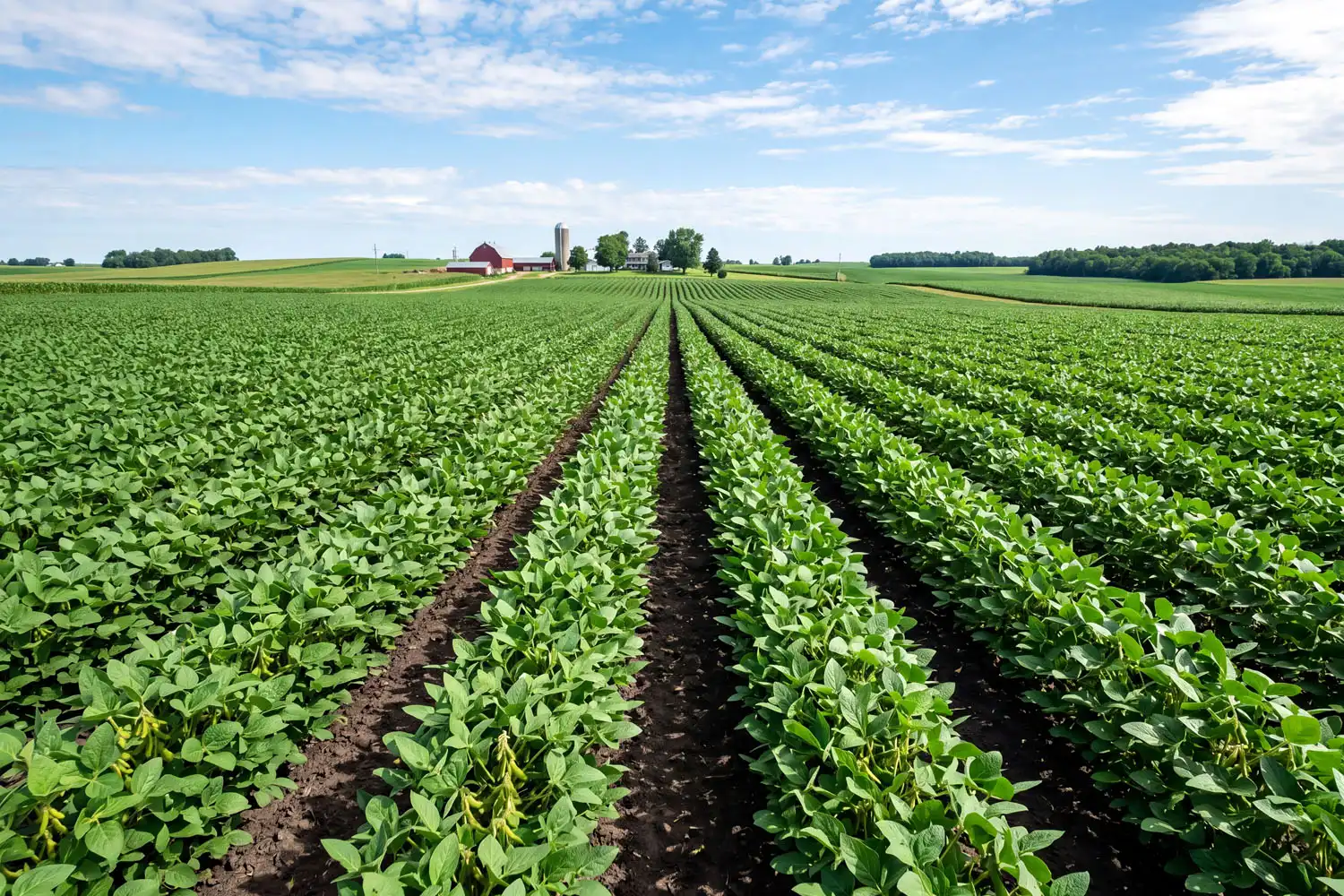
Growing edamame is more like growing a vegetable than growing a row crop. It takes more hands-on care than commodity soybeans, and most of the herbicides and pesticides cleared for the field soybean crop are not labeled for edamame.
Like every legume, edamame fixes its own nitrogen with rhizobia bacteria on the roots. That trait helps improve soil fertility when you slot it into a rotation, the same as field beans do.
The Harvest Window Is Tight
The edamame harvest window is short, sometimes only a few days. Most edamame matures 70 to 95 days after planting, depending on variety and weather. Then the whole field tends to ripen at once.
Miss the green window and the beans turn starchy and yellow, and the crop loses its value. Commercial growers stagger planting dates and maturity groups to spread the risk and keep a steady flow to the processor. Research from USDA-ARS and the University of Illinois even shows that machine-harvested edamame yields best at lower plant densities than seed companies often suggest, around 35,000 to 48,000 plants per acre.
Weed and Pest Control Works Differently
Weed control on edamame leans on cultivation, not chemicals. Because the common soybean herbicides are off the table, many growers rely on mechanical and hand weeding to keep fields clean.
Pests like soybean aphids, stink bugs, and leafhoppers still show up. Picking resistant varieties such as Chiba Green helps. One upside of harvesting green: you dodge a lot of the late-season disease pressure that hits a crop left to dry down.
Should You Grow Edamame on Your Farm?
Maybe, but line up a buyer first. Edamame is a specialty crop in the United States, and most of what gets eaten here is still imported frozen from Asia. Domestic demand keeps climbing, and states like Arkansas have built real acreage in the Arkansas River Valley around processing.
Before you commit ground, run the numbers, because crop profitability on edamame depends almost entirely on a contract and a place to deliver. Without a processor or a strong local market, fresh edamame is hard to move at scale. If you are weighing it against other options, the same approach to choosing crops for your farm applies: match the crop to your buyers, your labor, and your equipment.
Bottom Line for Your Field
Edamame and soybeans are one plant living two lives. Pick it green at R6 from a vegetable variety and you get edamame, a sweet, tender snack. Let it dry to R8 from a field variety and you get the commodity soybean that feeds livestock and fills food shelves. For most Kansas operations, field beans pay the bills. Edamame is worth a look only when you have a buyer and the labor to harvest fresh.