What Country Produces the Most Sugarcane in 2026
Every farmer who follows sugar crop markets eventually asks the same question. What country produces the most sugarcane, and why does one nation lead so heavily? The latest USDA and FAO figures give a clear picture for 2026.
Brazil produces the most sugarcane in the world, harvesting roughly 715 to 740 million metric tons each year. Its tropical climate, large farmland in São Paulo, and strong ethanol industry give it a lead no other country comes close to.
Brazil Leads Global Sugarcane Production by a Wide Margin
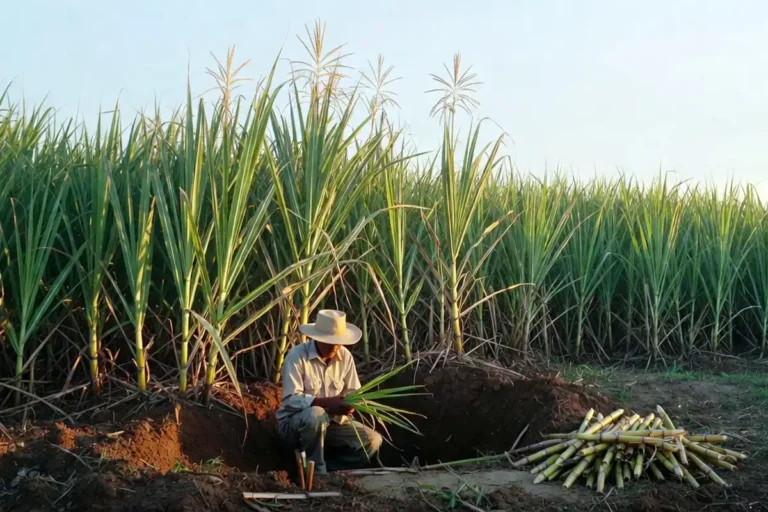
Brazil sits at the top of the world’s sugarcane chart and the gap is not small. According to USDA Foreign Agricultural Service data, Brazil’s annual sugarcane harvest runs above 715 million metric tons. That single country produces more cane than the next four producers combined. The Center-South region carries the load. São Paulo, Minas Gerais, and Goiás account for more than 90 percent of national output. If you want to understand the basics of the sugarcane crop before reading on, it helps to know it is Saccharum officinarum, a tall tropical grass that thrives on heat, sunlight, and a long wet season.
Brazil also leads in sugar exports. The country shipped about $18.83 billion in sugar in 2024, close to 40 percent of global trade. Around 70 percent of Brazilian sugar leaves the country. The rest fuels its domestic ethanol and food industries.
Why Brazil Produces More Sugarcane Than Anyone Else
Brazil’s lead is not luck. Three factors drive it.
Climate and Soil in the Center-South Region
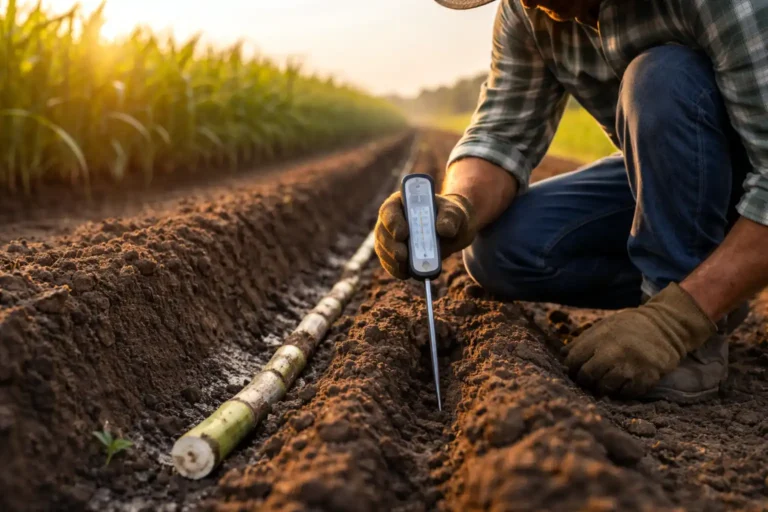
The Center-South region offers near-perfect growing conditions. Average rainfall sits between 50 and 70 inches per year. Temperatures stay between 70°F and 90°F across the growing season. Deep, fertile oxisol and latosol soils hold moisture well and respond strongly to fertilizer. The ratoon system also helps. Once planted, a Brazilian cane field can be cut five to six seasons before replanting, which lowers cost per ton.
The Ethanol Connection
Brazil treats sugarcane as both a food crop and an energy crop. Mills are flex plants. They can shift output between raw sugar and ethanol based on price signals. When oil prices climb, more cane goes to ethanol. When sugar prices climb, more cane goes to refined sugar. This dual market keeps demand steady year after year, which encourages more planting and better planting practices for sugarcane than you see in many other producing countries.
Scale and Mechanization
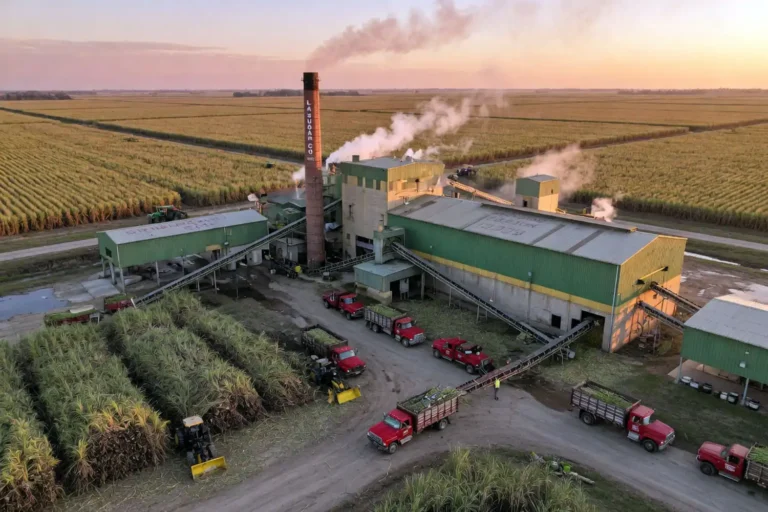
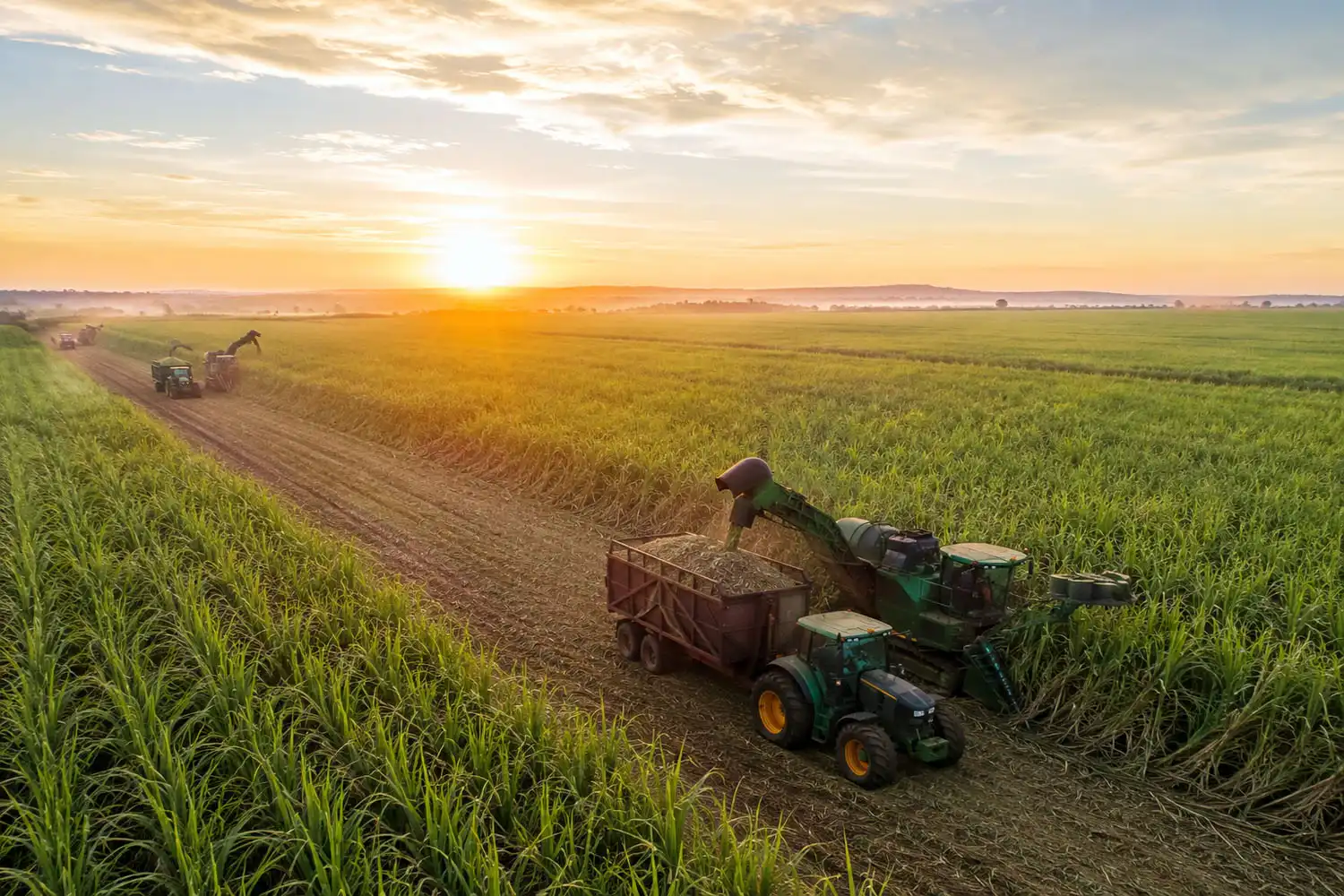
Brazilian growers run massive operations. Single farms often stretch beyond 25,000 acres. Mechanical green harvesters now cut more than 90 percent of the Center-South crop. That scale lets Brazil keep production cost low even when global prices dip.
The Top 10 Sugarcane Producing Countries in 2026
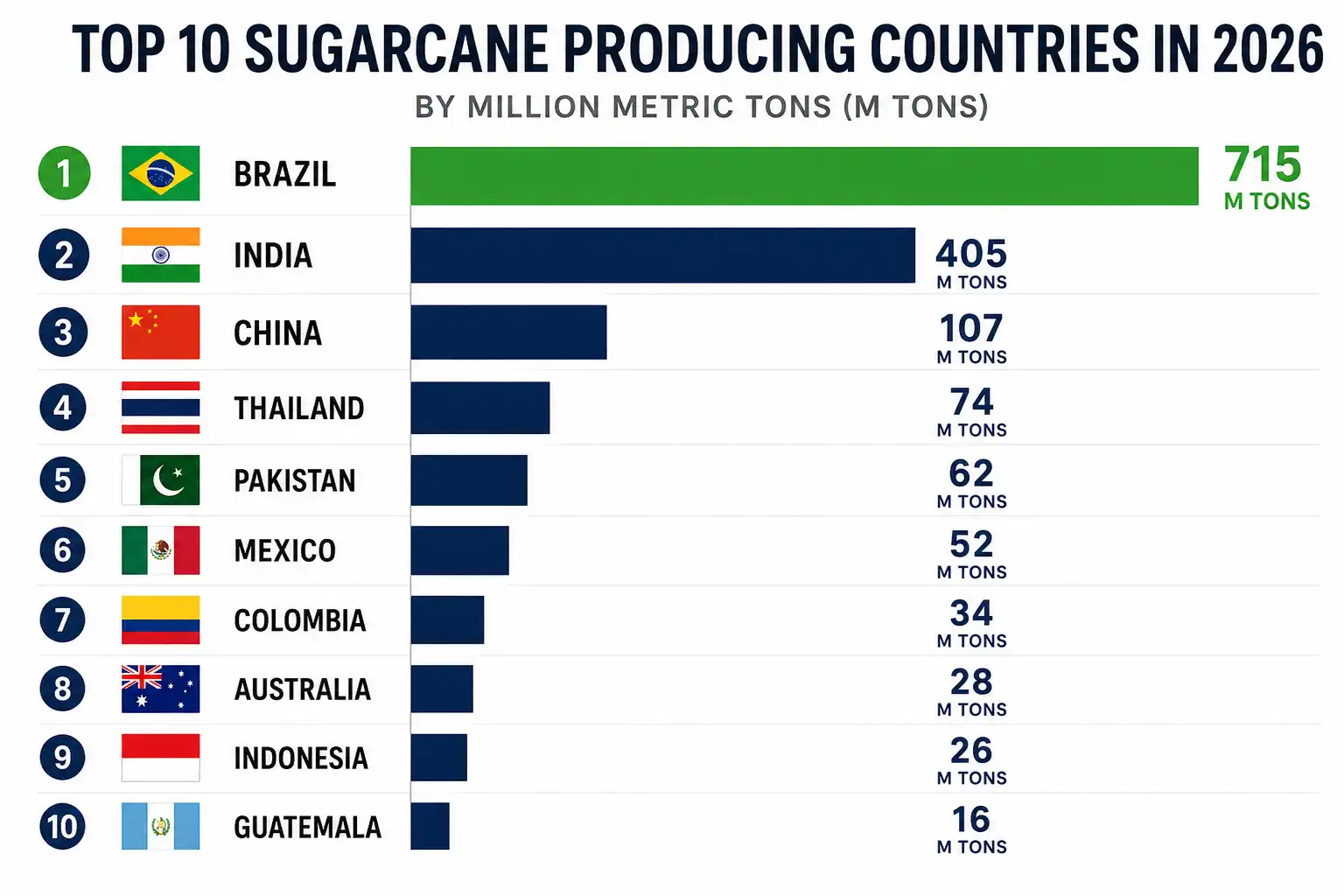
The latest FAO and USDA figures put the global ranking like this.
- Brazil – approximately 715 to 740 million metric tons
- India – approximately 405 million metric tons
- China – approximately 107 million metric tons
- Thailand – approximately 90 million metric tons
- Pakistan – approximately 88 million metric tons
- Mexico – approximately 56 million metric tons
- Colombia – approximately 35 million metric tons
- Australia – approximately 31 million metric tons
- Indonesia – approximately 28 million metric tons
- Guatemala – approximately 26 million metric tons
These ten countries supply more than 80 percent of the world’s cane. Every one of them sits in a tropical or subtropical band. None of them can grow cane the way Brazil can across such a wide region.
How India Compares as the Second-Largest Producer
India ranks second with roughly 405 million metric tons of cane per year. Uttar Pradesh, Maharashtra, and Karnataka grow the bulk of it. The country also leads the world in sugar consumption at around 31 million metric tons per year, which is why so much of its cane stays inside its own borders. About 50 million Indians depend on the sugar industry for work or income.
India produces less per acre than Brazil. Smaller farm sizes, older mill technology, and water stress in some growing regions limit yield. Many Indian growers still rely on flood irrigation. By contrast, modern operations use drip systems, and that shift is improving water use. Better irrigation scheduling for sugarcane is one of the biggest yield drivers anywhere cane is grown.
Where Sugarcane Fits in the United States
The United States is a small player in global sugarcane. Most U.S. cane comes from Florida, Louisiana, and Texas, with total annual output near 32 to 34 million metric tons. Florida leads, with the muck soils around Lake Okeechobee carrying most of the acreage. Louisiana sits second. Hard freezes north of the Gulf Coast keep production locked to a narrow southern band.
We are too far north and the winters cut the season short. Sugar prices affect every other commodity, from corn to sorghum, which is why the market is worth following. Some U.S. growers also weigh cane against sugar beets. The two crops compete for the same end market, and the differences between sugar beets and sugarcane matter when you look at where production is heading.
How Global Sugarcane Production Is Trending in 2026
Global sugar output for the 2025/26 marketing year is forecast at 189 million metric tons, up about 5 percent from the previous year. Brazil drives most of that gain. Strong rainfall in the Center-South, good mill capacity, and steady ethanol demand are pushing Brazilian output higher.
India’s output is forecast slightly lower because of erratic monsoon rainfall in parts of Maharashtra. Thailand is recovering after drought-affected seasons. China remains stable at around 107 million tons but does not have the land base to climb much higher.
The U.S. Department of Agriculture publishes monthly updates through its Foreign Agricultural Service sugar database, and the trend line has been clear for a decade. Brazil keeps pulling away.
How Top Producers Use Their Sugarcane
Different countries use cane for different end products.
- Brazil splits between sugar and ethanol, with roughly half the crop going to each in most years.
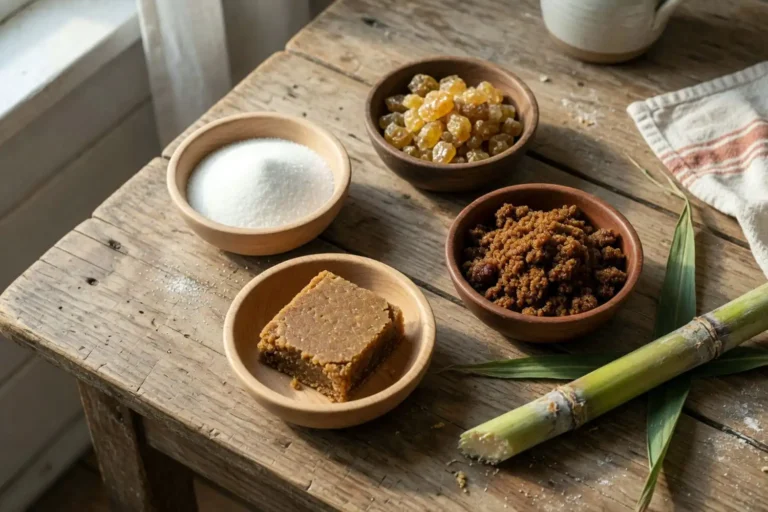
- India uses most of its cane for sugar and jaggery, plus a smaller ethanol share.
- China focuses almost entirely on refined sugar for its domestic market.
- Thailand produces sugar for export plus a growing ethanol share.
- The United States uses nearly all of it for refined cane sugar.
Byproducts also matter. Bagasse, the fiber left after crushing, powers many Brazilian mills directly through cogeneration. Molasses feeds livestock and distilleries. Filter cake becomes fertilizer back on the field. Understanding how the sugarcane plant grows helps you see why one crop can serve so many markets.
Bottom Line
Brazil produces the most sugarcane in the world and will hold that spot for the foreseeable future. India is the only country with the land and labor to challenge it, and even India falls 300 million tons short each year. For U.S. farmers, the practical lesson is simple. Watch Brazil. Its harvest, ethanol policy, and weather drive global sugar prices, and that ripples back into every other grain and oilseed market and yours.