How to Plant Sugarcane: 7 Steps to Get Even Sprouts and Strong Rows
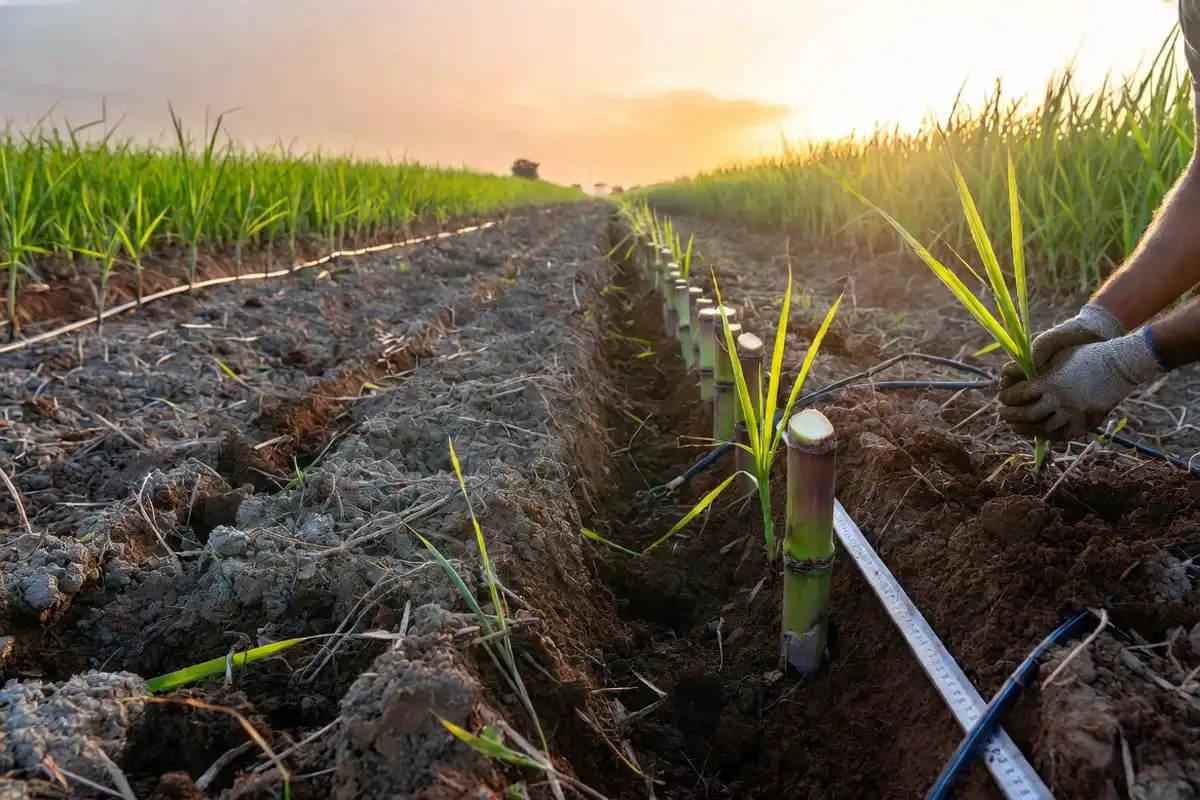
To plant sugarcane, lay 3 to 5-bud setts in a straight furrow, overlap stalks slightly, and cover them 15 to 20 cm deep in most soils. This guide shows how to pick seed cane, prep soil, set spacing, water for sprouting, and manage weeds, pests, and early nutrition for an even stand. Use it for a backyard row or a field block, then adjust planting time and irrigation to your local rain pattern and frost risk.
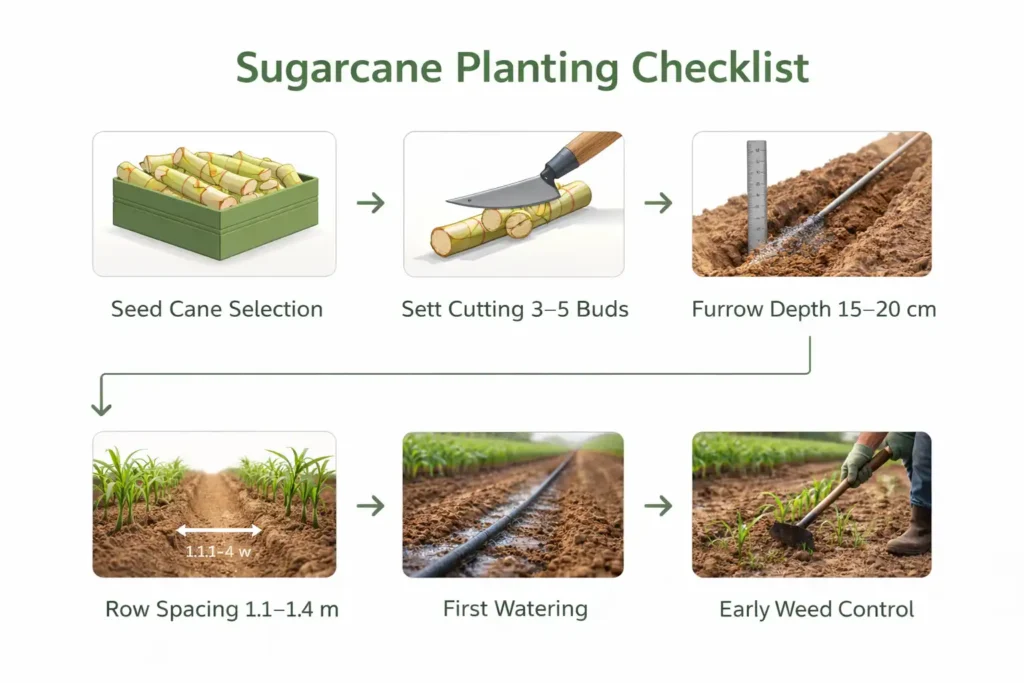
Lay 3 to 5-bud setts in a straight furrow, cover 15 to 20 cm, and water to settle soil. Keep the row evenly moist until shoots emerge, then control weeds early so the stand fills in fast. In field plantings, 1.1 to 1.4 m row spacing is common.
What you plant (seed cane, setts, buds)
Sugarcane planting uses stalk pieces, not true seed. Each sett carries buds at nodes, and each bud can sprout a shoot when soil stays warm and moist.
- Seed cane: healthy stalks saved for planting.
- Sett or billet: a cut stalk piece used for planting.
- Bud or node: the “eye” that produces shoots.
- Ratoon: regrowth from stubble after harvest.
When to plant sugarcane
Plant when soil warms and stays workable, and when young shoots avoid frost or long cold spells. In rainy-season areas, planting often lines up with reliable moisture. In irrigated areas, plant at the start of a warm window so you control moisture and weeds from day one.
A long growing season supports yield. FAO notes total crop duration often runs about 15 to 16 months in many systems, with plant cane followed by ratoon crops.
Where sugarcane establishes best (site and soil)
Sugarcane roots reach deeper in soils that drain and hold moisture at the same time. FAO describes best soils as deep and well aerated, with an optimum soil pH near 6.5 and an overall growth range of about pH 5 to 8.5.
Start with these pre-plant checks:
- Run a soil test and fix drainage problems first. See this guide on soil testing basics for farming.
- Build structure and organic matter so the furrow holds moisture and air. This overview of improving soil fertility naturally helps.
- Clean up weeds before planting so cane wins the first month.
How does sugarcane sprout from setts?
A bud sprouts when it has moisture, heat, and oxygen. The sett feeds the bud early, then new roots take over. Deep, wet furrows slow oxygen and raise rot risk. Dry furrows stall sprouting. Good planting keeps the bud moist without drowning it.
Tools and materials you need
Gather tools before you open the first furrow:
- Sharp cane knife or machete, plus gloves and boots
- Stakes or markers for straight rows
- Hoe, shovel, or furrow opener
- Irrigation parts or hoses if rain is unreliable
- Compost or starter fertilizer based on your soil test
How to choose seed cane that sprouts evenly
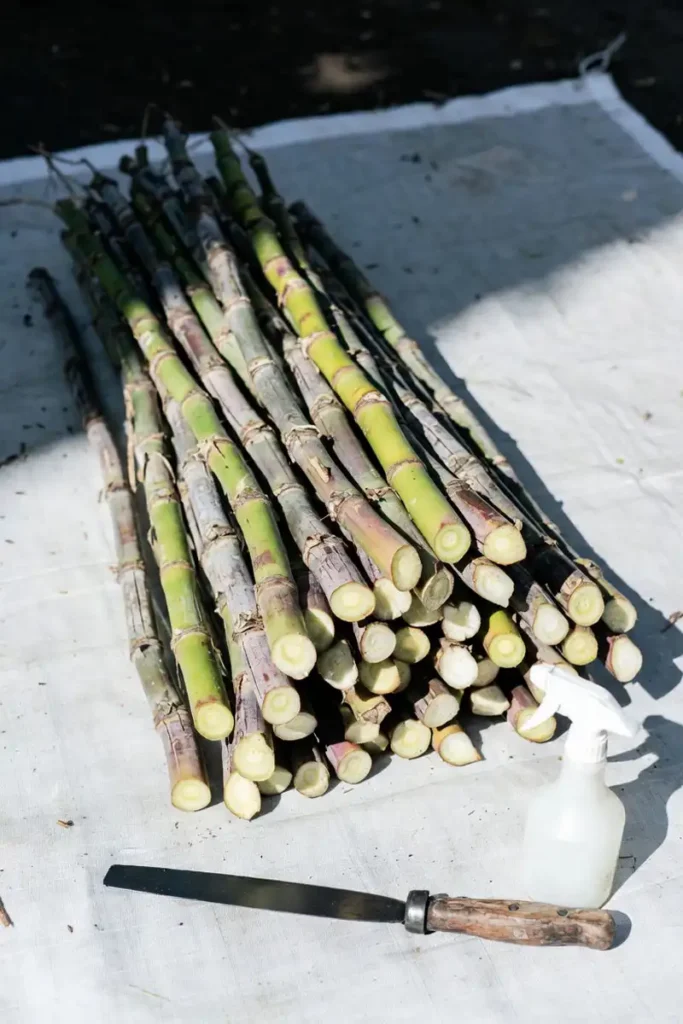
Pick healthy, mature stalks with clean nodes and no obvious rot or borer holes. UF/IFAS explains that less bud damage reduces vulnerability to soilborne fungi and improves establishment.
Handle seed cane like produce:
- Keep stalks shaded.
- Plant soon after cutting.
- Keep blades clean when moving between fields.
Sett size, buds, and row layout (the numbers that matter)
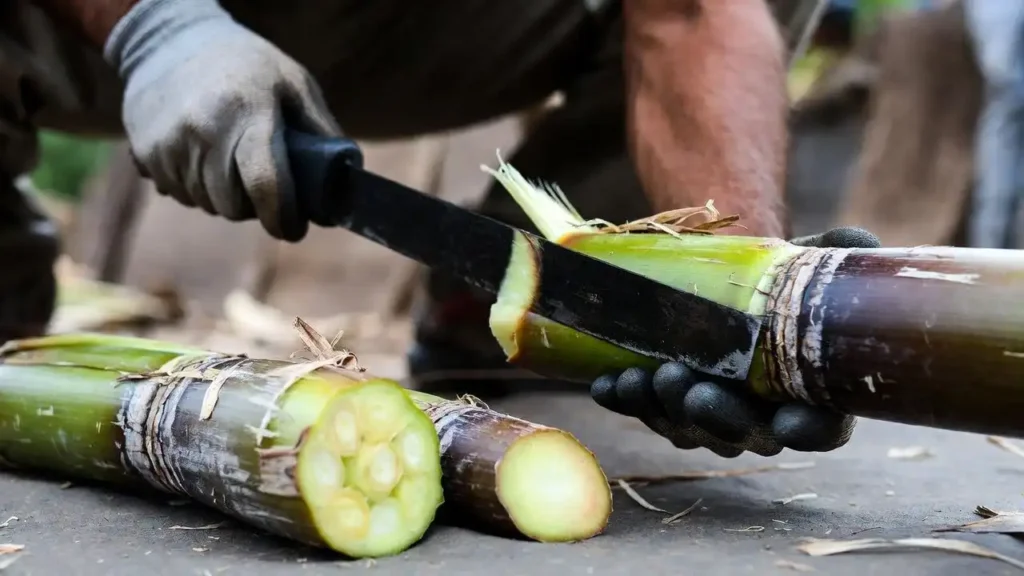
UF/IFAS reports that manual planting often uses longer billets with about 3 to 5 buds per billet.
For field rows, FAO reports row spacing commonly ranges 1.1 to 1.4 m, and the number of sets may range 21,000 to 35,000 per hectare depending on buds per sett and planting system.
Use this spacing guide if you want a simple equipment-based layout: crop spacing guidelines.
Planting depth and furrow setup
Depth controls emergence speed and rot risk. UF/IFAS gives these practical targets:
- Multi-bud setts: 15 to 20 cm planting depth.
- Single-bud billets: 10 to 15 cm planting depth.
- Furrow depth commonly ranges 15 to 25 cm, with shallower planting in heavy clay or dry conditions and deeper planting in sandy, moist conditions.
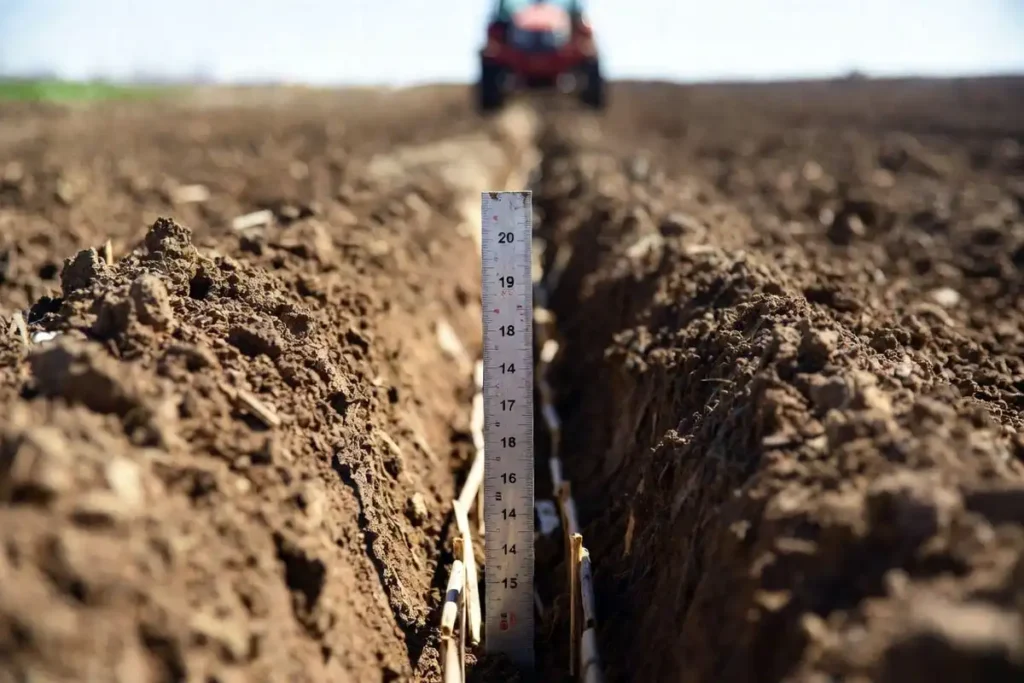
Aim for a level furrow bottom. Uneven furrows create uneven depth, which creates uneven emergence.
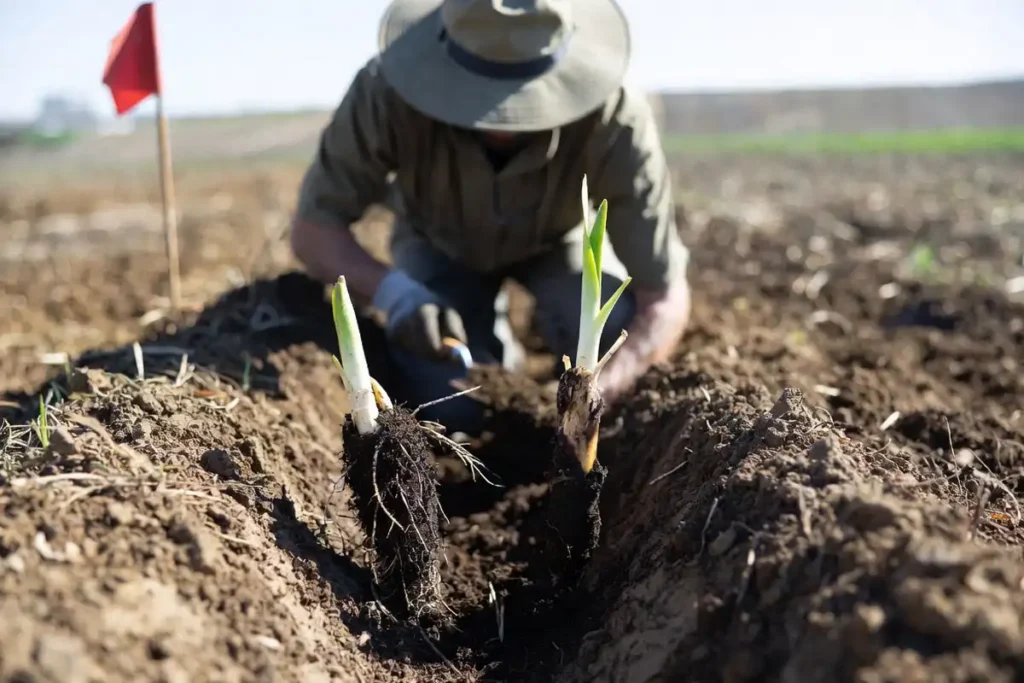
How to plant sugarcane step by step
Use this start-to-finish workflow.
- Lay out rows and access lanes. Straight rows improve irrigation, cultivation, and harvest traffic.
- Open furrows to a consistent depth. Keep the bottom level.
- Place amendments. Put compost or fertilizer where roots reach it, and keep concentrated fertilizer off buds.
- Lay seed cane in pairs, then overlap. UF/IFAS describes placing stalks in pairs with about 20% overlap to support bud germination.
- Cut into setts in the furrow. Cutting after placement reduces handling damage.
- Cover and firm lightly. Cover to your target depth, and press soil enough for contact without packing it hard.
- Water to settle the row. Moisture triggers sprouting and early roots.
- Flag weak zones. Mark low spots, sandy knobs, and wheel tracks for early scouting.
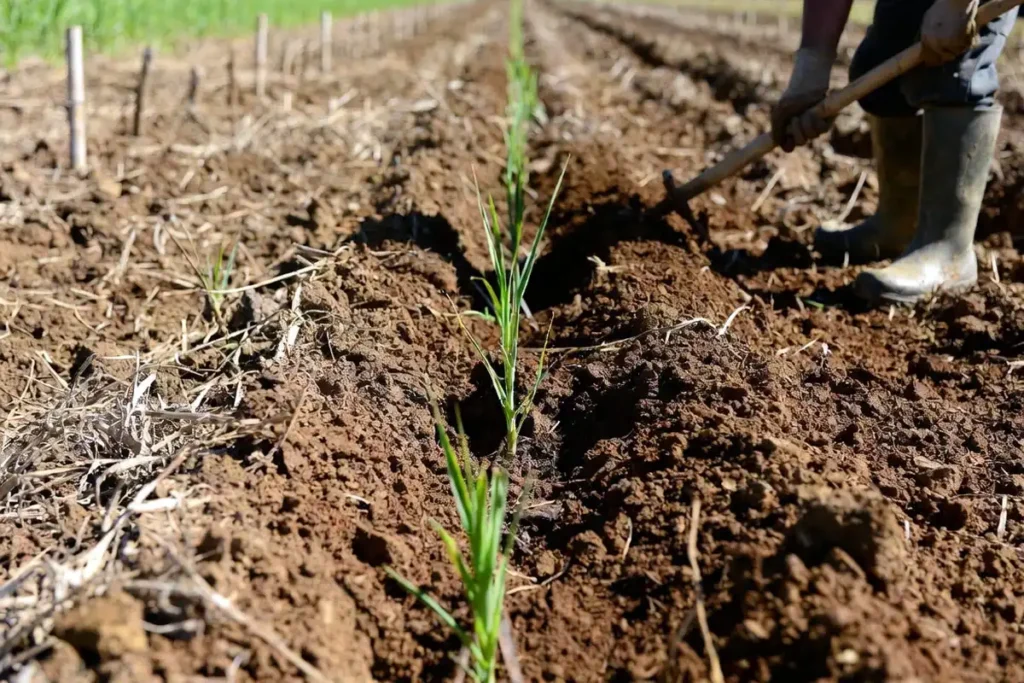
How to plant sugarcane setts so they sprout evenly?
To plant sugarcane setts so they sprout evenly, use fresh healthy 3–5 bud setts, lay them straight with slight overlap at a consistent 15–20 cm depth, firm soil lightly, and keep the row evenly moist (not waterlogged) until shoots emerge.
Watering after planting (how, when, and how much)
Sugarcane yield tracks water use through the season. FAO reports seasonal water requirements (ETm) of about 1,500 to 2,500 mm depending on climate.
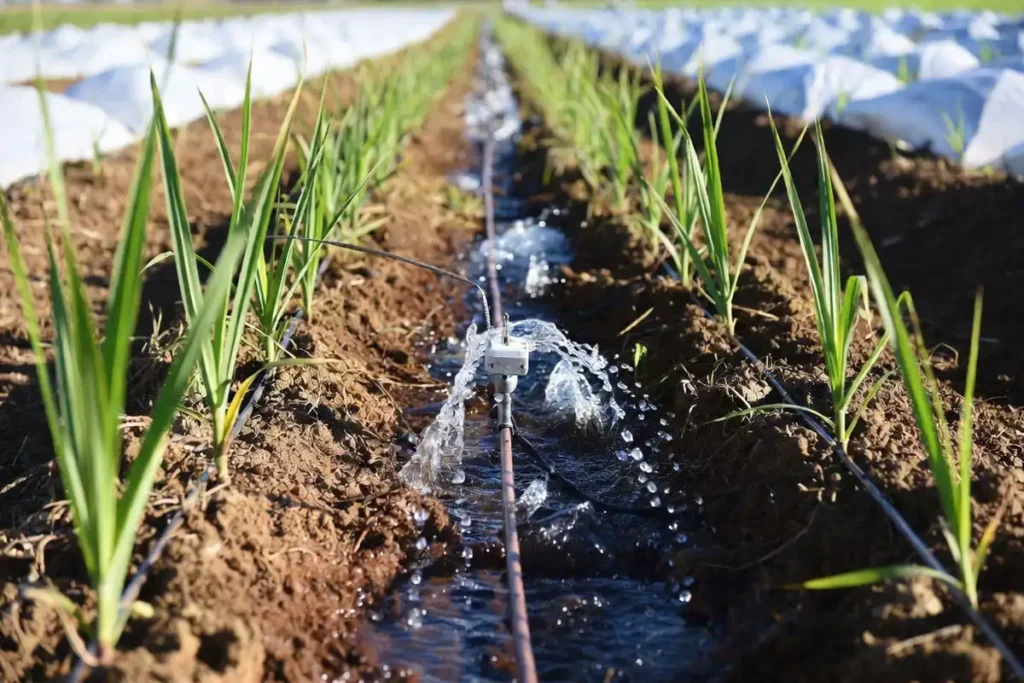
For establishment, irrigation timing matters more than big volumes. FAO notes light, frequent irrigations during emergence and establishment, then longer intervals with deeper applications during active growth.
To build a schedule that fits your climate and irrigation method, read calculating water needs for crops.
Starter fertility that supports shoots and tillers
Fertilizer works best when it follows a soil test and a yield target. FAO lists example nutrient needs for a 100 ton/ha cane yield as 100 to 200 kg/ha N, 20 to 90 kg/ha P, and 125 to 160 kg/ha K.
Keep nitrogen balanced early. Excess nitrogen late can reduce sugar recovery, so timing matters more than one big dose.
Weed control during establishment
Weeds steal light and moisture before cane shades the row. Keep the furrow clean during the first flush of growth, then repeat control before weeds set seed.
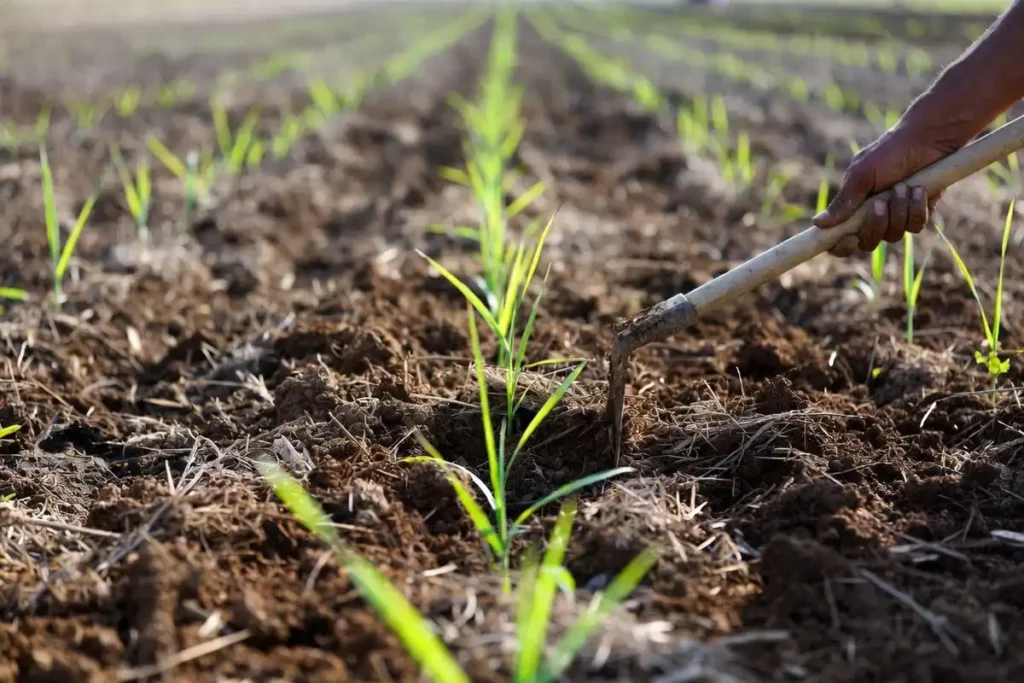
A simple weed plan uses cultivation, mulch, or labeled herbicides that fit your area. This guide on weed control in farming covers the main options.
Pest and disease prevention in young cane
Early stand problems often start with damaged buds, poor drainage, or high weed pressure. UF/IFAS notes that reduced billet and bud damage lowers vulnerability to fungal pathogens and improves establishment.
Use field habits that cut risk:
- Plant clean seed cane from healthy blocks.
- Avoid planting into saturated furrows.
- Scout weekly during emergence and early tillering.
For a simple approach that starts with monitoring and thresholds, read beginners integrated pest management.
Solutions: check the stand early and fix gaps
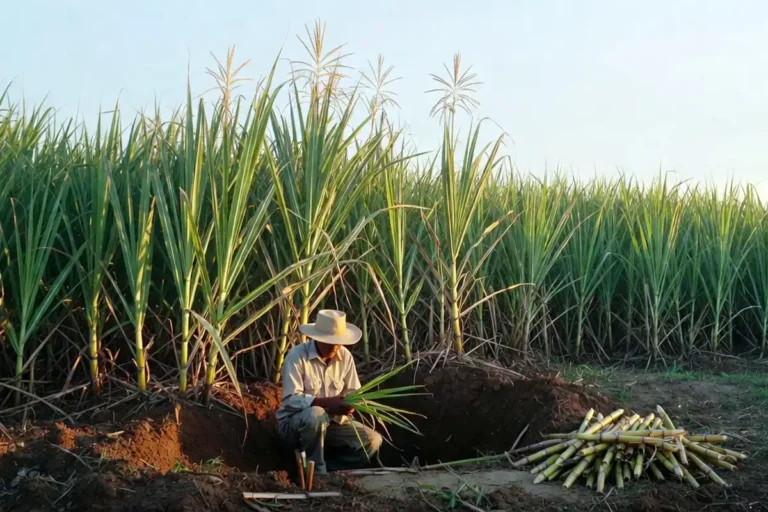
Walk rows early. Dig a few setts in weak areas. A quick dig tells you if the problem is dryness, rot, depth, or pests.
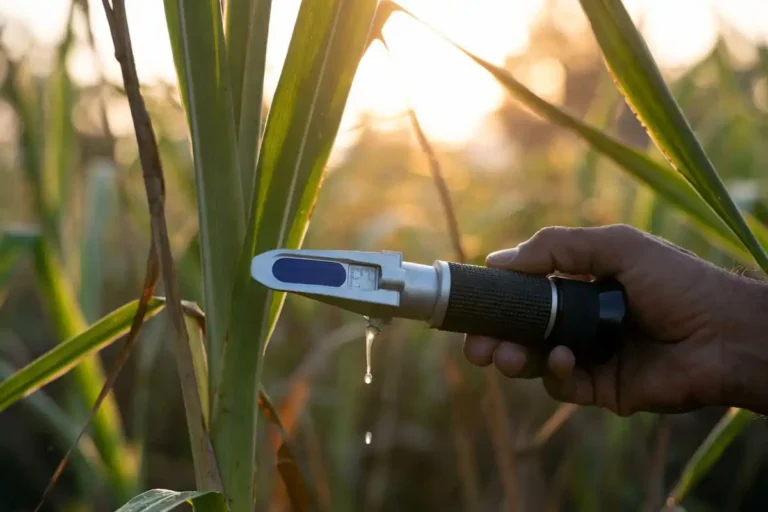
Here’s what to look for in the rows when sugarcane is about 60 days from harvest, including weak spots and stand health.

Replant when gaps cluster and stay open after the first tillering push. Spot replanting saves seed cane and labor compared with replanting whole rows.
Sugarcane planting troubleshooting guide
Use the symptom, then confirm by digging.
Poor emergence across the whole field
- Likely causes: cool soils, setts too deep, dry seed cane, waterlogged furrows.
- Fix: plant in a warmer window, tighten depth control, keep seed cane shaded, and improve drainage.
Skips in low areas
- Likely causes: waterlogging, sett rot, silt burial after heavy rain.
- Fix: open drainage, reshape beds, and replant clustered gaps.
Setts turn soft or smell sour
- Likely causes: saturated soil, damaged billets, slow oxygen.
- Fix: improve drainage and reduce handling damage.
Thin tillering after emergence
- Likely causes: weeds early, moisture stress, low early fertility, compaction.
- Fix: tighten weed timing, stabilize irrigation, and keep traffic off rows.
What mistakes should you avoid?
- Planting dry seed cane that sat in the sun.
- Planting into waterlogged soil or a furrow that does not drain.
- Mixing planting depths in the same field.
- Letting weeds get ahead in the first month.
- Packing the row hard with tractor tires or heavy passes.
Sugarcane planting safety
Sugarcane planting uses sharp blades and heavy bundles. Plan safety before you start.
Cutting and handling
- Keep your off hand behind the blade path.
- Cut on stable ground, not on your knee.
- Wear gloves and boots that protect against stubble.
Heat and hydration
- Drink water steadily and take shade breaks.
- Stop work if anyone shows confusion, dizziness, or cramps.
Equipment and chemicals
- Shut equipment down before clearing jams.
- Follow pesticide and herbicide labels, and store chemicals away from feed and water.
Final Words
Sugarcane establishes well when you plant healthy seed cane at a steady depth, keep the row moist and aerated, and control weeds early. Walk the field during emergence, dig weak spots, and fix drainage or depth issues before gaps turn into yield loss. A clean, even stand gives you stronger tillers now and better ratoons later.