Sugar Beets vs Sugar Cane: 7 Key Facts Farmers Use to Choose
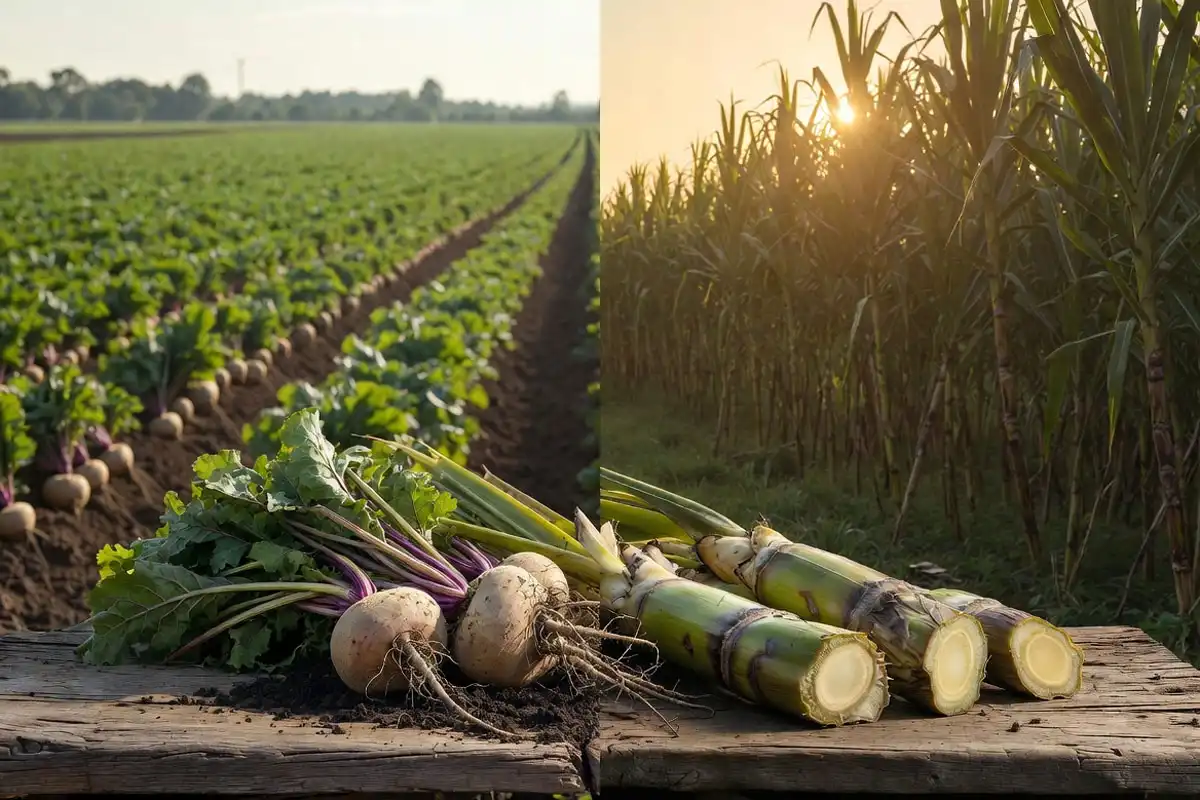
Sugar beets and sugar cane both produce the same table sugar (sucrose), but they grow in different climates and run on different farm systems. This guide compares how each crop grows, when and where it fits, how processing works, and what to watch in the field so you can choose the crop that matches your land, water, and market.
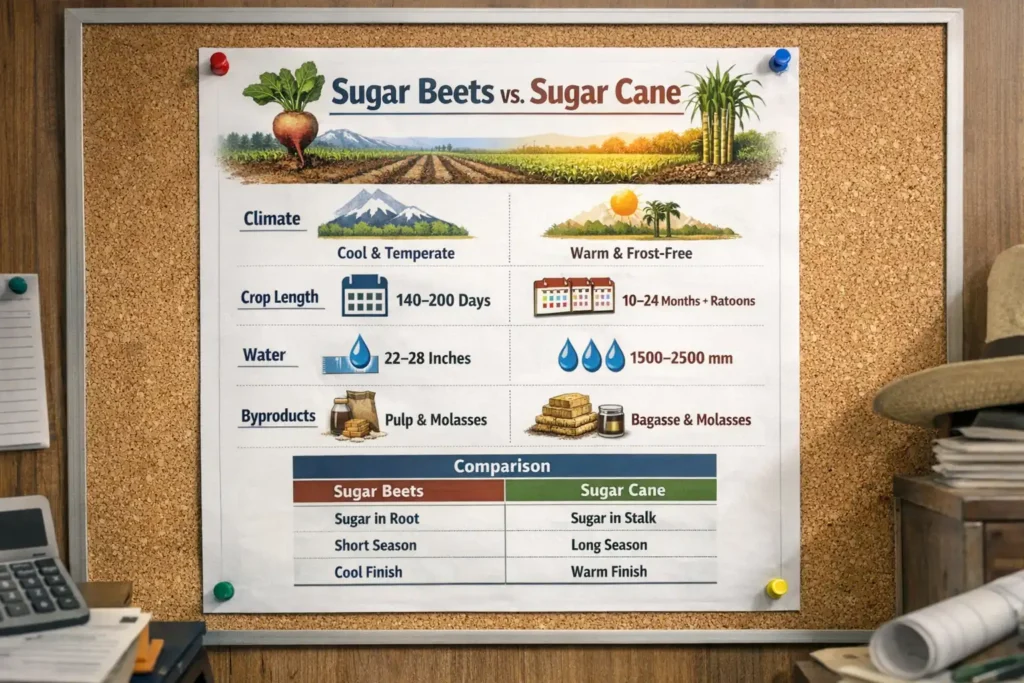
Sugar beets fit cool temperate regions and finish in about 140–200 days, storing sugar in the root. Sugar cane fits tropical and frost-free warm temperate regions, growing 10–24 months and storing sugar in the stalk. Cane needs more water overall, while beets often need less seasonal water and tighter nitrogen timing for high sugar.
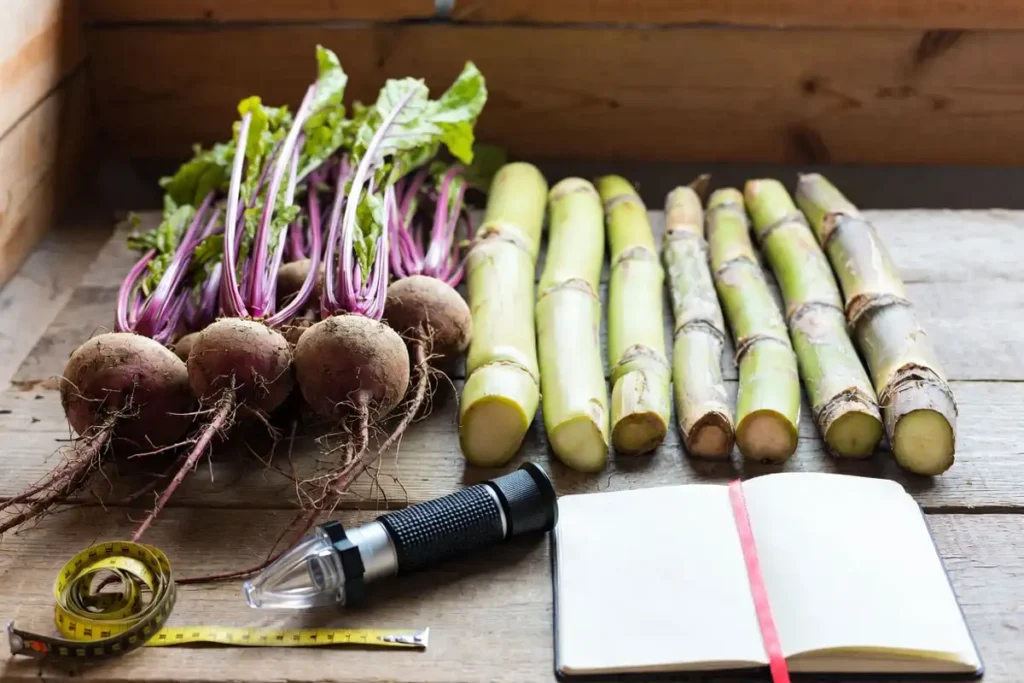
| Factor | Sugar beets | Sugar cane |
|---|---|---|
| Plant type | Root crop (biennial, harvested year 1) | Perennial grass (often ratooned) |
| Best climate | Cool temperate, cool nights for sugar | Tropical or frost-free warm temperate |
| Typical crop length | 140–200 days | 10–24 months, then ratoons |
| Where sugar sits | Root | Stalk |
| Typical sugar level in harvested crop | Often >15% in root fresh weight | Often 10–12% sugar in cane fresh weight at harvest |
| Water need (typical) | About 22–28 inches per season | ETm often 1500–2500 mm across season |
| Main byproducts | Beet pulp, molasses | Bagasse, molasses, filter cake |
What are sugar beets and sugar cane?
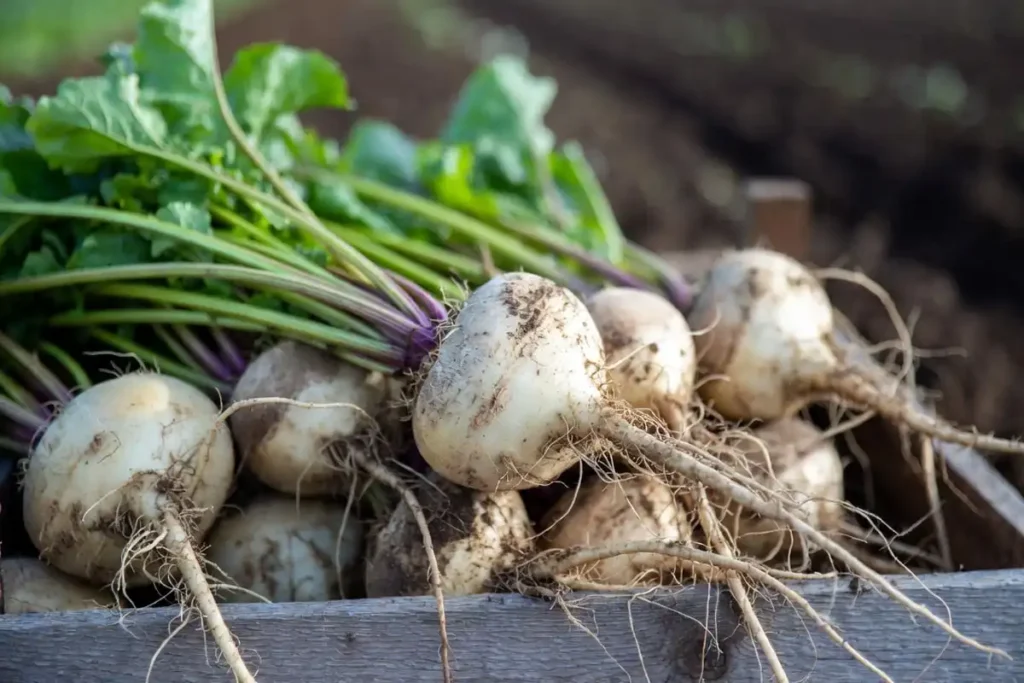
Sugar beet is a Beta vulgaris root crop that stores sucrose in the swollen root. Farmers harvest it in the first year for sugar, even though the plant is biennial.
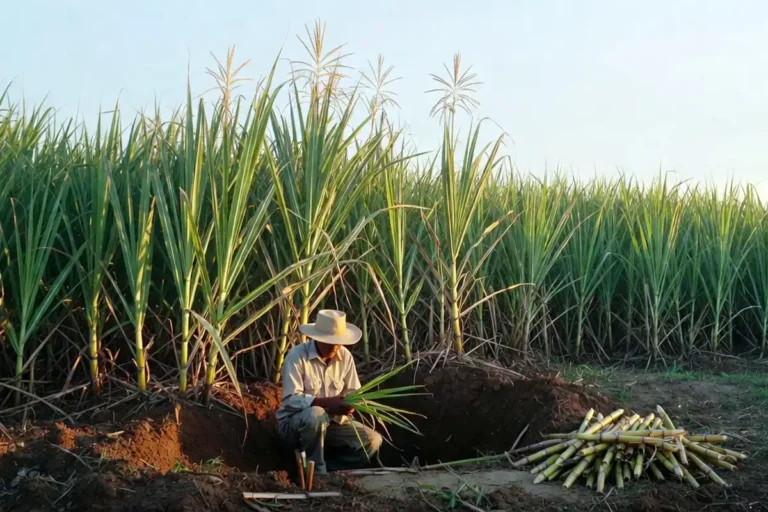
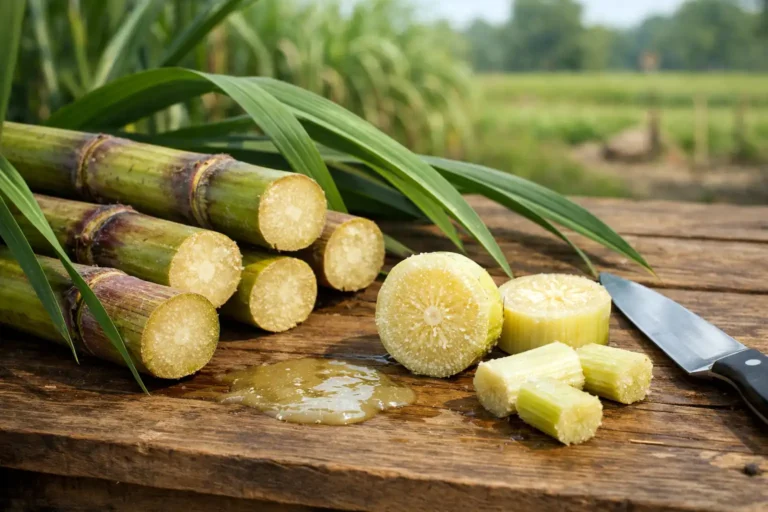
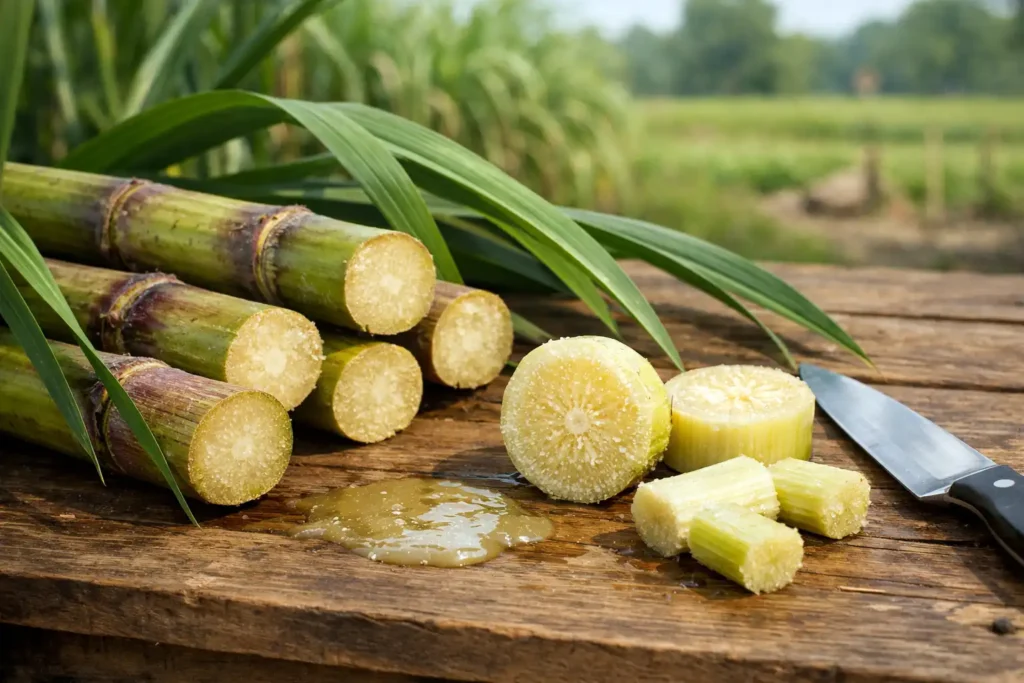
Sugar cane is a Saccharum grass that stores sucrose in the stalk. Growers harvest stalks, and many systems regrow the next crop from the same stools (ratoon cropping).
Is beet sugar different from cane sugar in the kitchen?
Refined white sugar from either crop is sucrose, so it behaves the same in baking and cooking. Differences show up more in less-refined products (color, aroma, trace compounds). A food-science reference notes aroma differences can matter in some commercial uses.
Where does each crop grow best?
Sugar beets: cool days, cooler nights
FAO describes sugar beet as a crop grown across climates, with seed germination possible around 5°C and strong sugar yields when nights run about 15–20°C and days about 20–25°C late in the season.
Temperatures above 30°C during that later period can cut sugar yield.
Field takeaway: sugar beet rewards a long, cool finish. Heat during the sugar-loading window pushes growth toward leaves and away from sugar in the root.
Sugar cane: warm, sunny, and frost-free
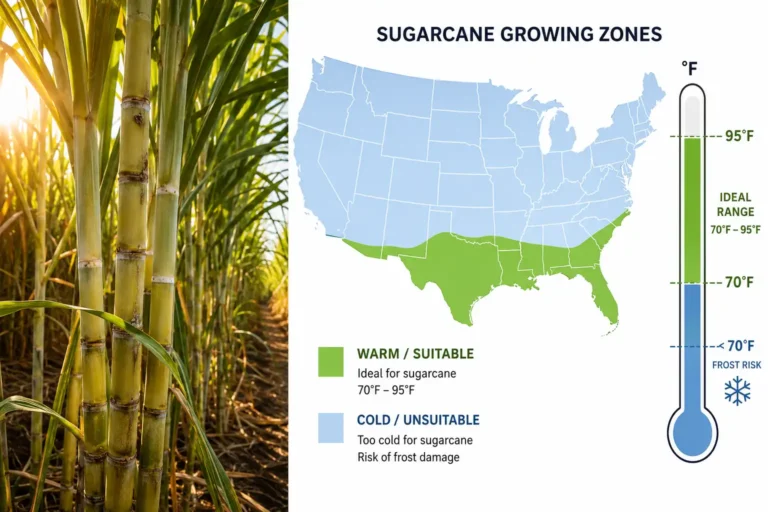
An agronomy chapter from EOLSS describes sugar cane as thriving in tropical and frost-free warm temperate areas, needing high temperatures, plenty of sunlight, and large quantities of water (at least 1500 mm of rain per year unless irrigation covers the gap).
Field takeaway: sugar cane tolerates heat, but frost risks the stand and knocks back sugar.
When does each crop fit the season?
Sugar beet timing
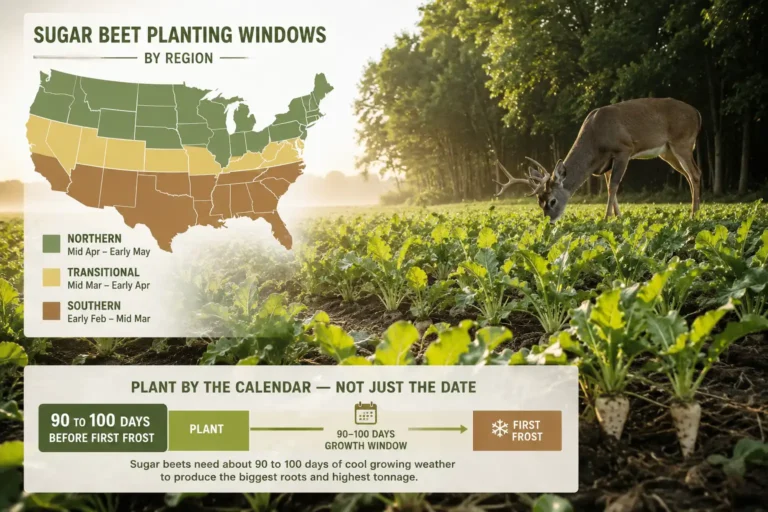
FAO notes a “relatively long growing period,” normally 140–160 days and sometimes up to 200 days. Farmers aim to harvest toward the end of the first season when roots hold peak sugar.
Practical rhythm: Plant into a firm seedbed, build leaf canopy early, then keep late-season growth steady and nitrogen controlled so the plant packs sugar into the root.
Sugar cane timing
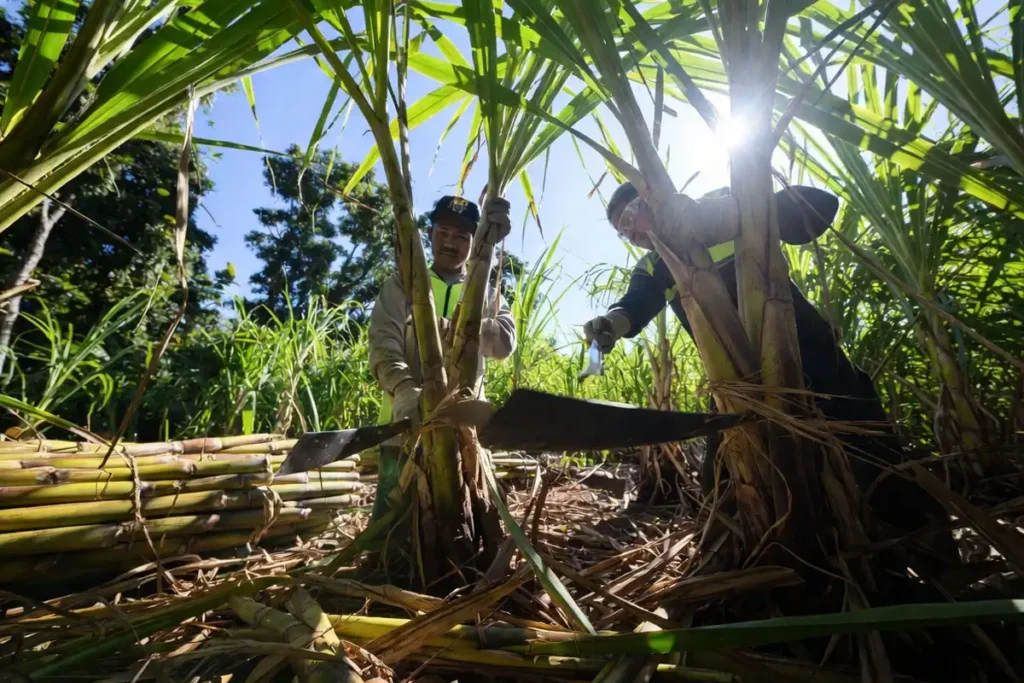
EOLSS reports a crop cycle of 10–24 months depending on location and system.
FAO adds that plant cane is often followed by 2–4 ratoon crops (and sometimes more), with many ratoons maturing in about a year.
Practical rhythm: Treat plant cane like an establishment project, then manage ratoons like a stand longevity project: soil compaction, residue, and traffic control start to matter a lot.
How do sugar levels compare?
Sugar beet sugar content
FAO notes sugar percentage in the root is often greater than 15% of fresh root weight.
A university extension reference also describes typical sucrose content ranging roughly from the low teens into the 20% range depending on conditions and variety.
Sugar cane sugar content
FAO reports sugar content at harvest is usually 10–12% of cane fresh weight, with higher values under experimental conditions.
An industry group describes sugar cane containing about 15% sucrose by mass, which highlights how figures change by measurement method and maturity.
Practical way to think about it: both crops swing a lot by variety, weather, nitrogen, and harvest timing. The business outcome comes from recoverable sugar per acre or hectare, not a single “sugar percent” number.
Water and irrigation: what changes on the ground?
Sugar beet water needs
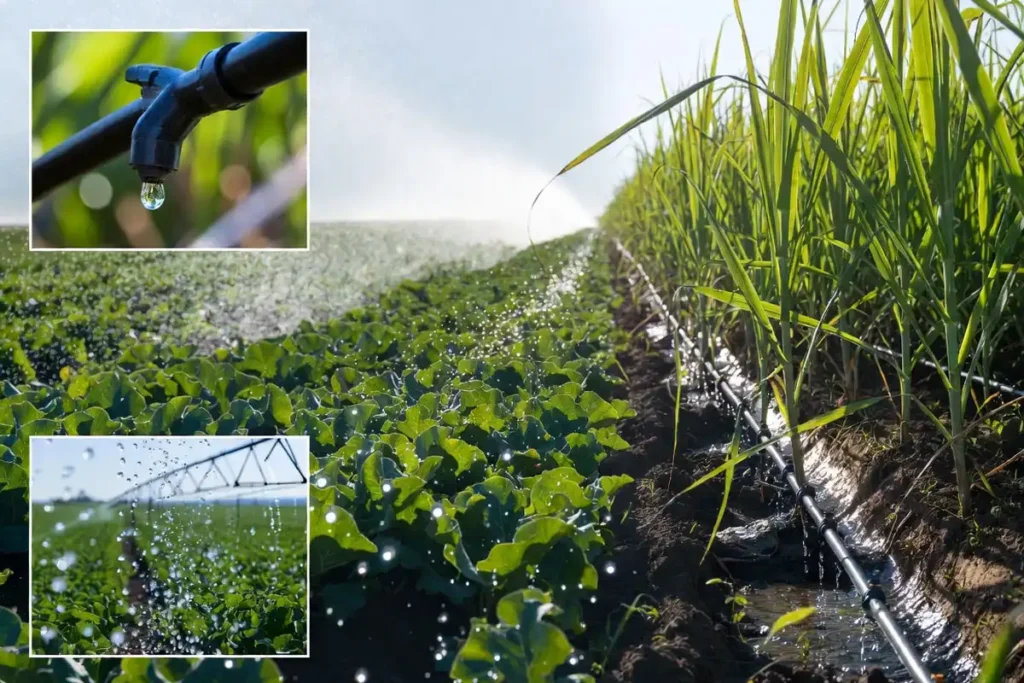
Montana State University Extension describes sugar beets requiring about 22–28 inches of water during the growing season (about 558.8–711.2 mm).
Sugar beet also punishes crusted soil and poor emergence, so early irrigations often focus on stand establishment rather than pushing big canopy.
If you want a clear comparison of system options, see this guide to drip vs sprinkler irrigation methods.
Sugar cane water needs
FAO reports sugarcane water requirements (ETm) of 1500–2500 mm depending on climate, and notes growing-season evapotranspiration often runs about 5–6 mm/day.
Field takeaway: cane needs reliable moisture across a long season, but ripening often pairs with tighter water and nitrogen to push sucrose concentration.
Soil, fertility, and nitrogen timing
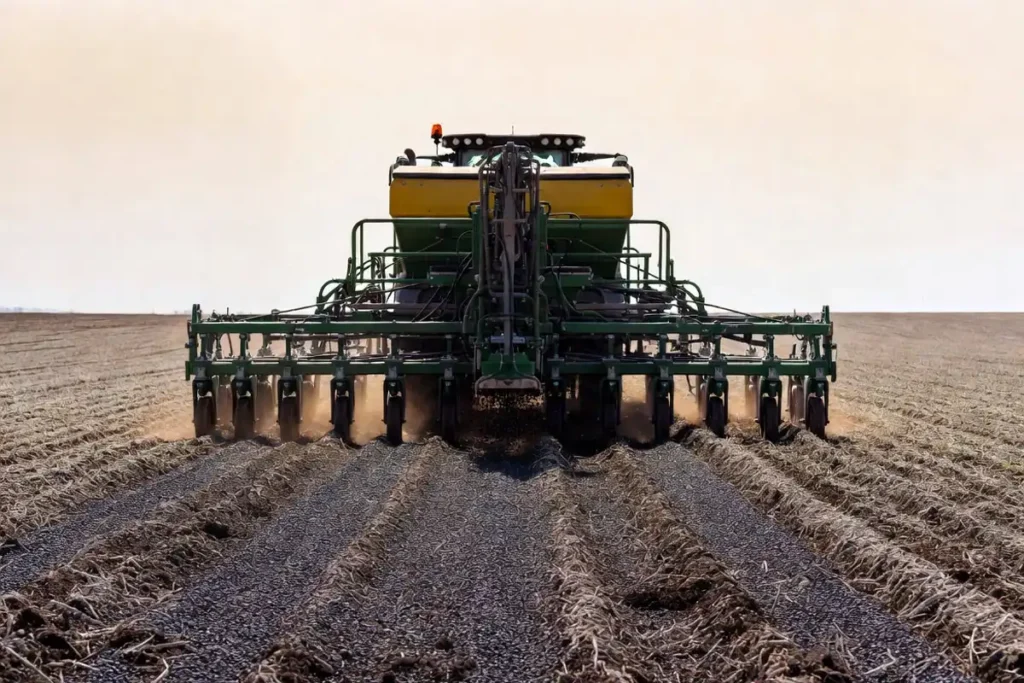
Sugar beets: seedbed quality and nitrogen discipline
FAO highlights a deep, well-prepared seedbed, shallow planting (about 1–2 cm), and the risk of restricted root growth from compaction leading to forked roots. It also notes that excessive nitrogen or late-season nitrogen reduces sugar content.
Practical moves that pay off:
- Fix compaction before planting, not after emergence.
- Split nitrogen early, then taper so late-season growth slows and sugar storage rises.
For a clean baseline, read beginners soil testing for farming and build fertilizer rates from real numbers, not guesswork.
Sugar cane: feed growth early, then tighten for ripening
FAO states sugarcane has high nitrogen and potassium needs, but also notes that at maturity the soil nitrogen level needs to be low for good sugar recovery, especially in warm, moist ripening periods.
Practical moves that pay off:
- Push early canopy and tillering with timely fertility and water.
- Reduce late nitrogen and avoid a “lush” ripening phase that dilutes sucrose.
How processing differs: beet factories vs cane mills
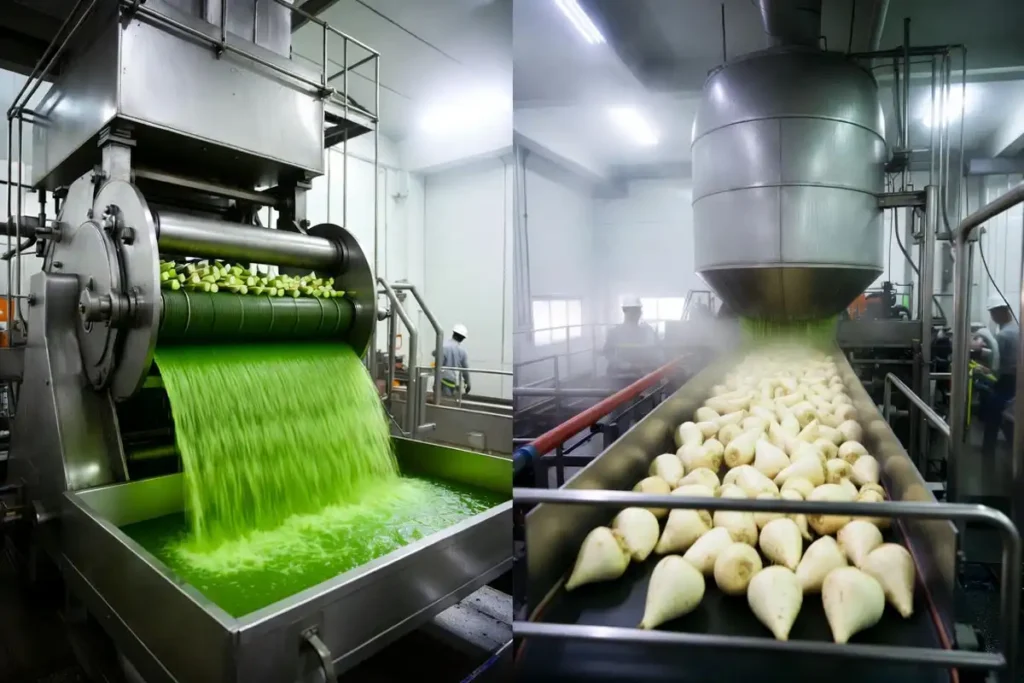
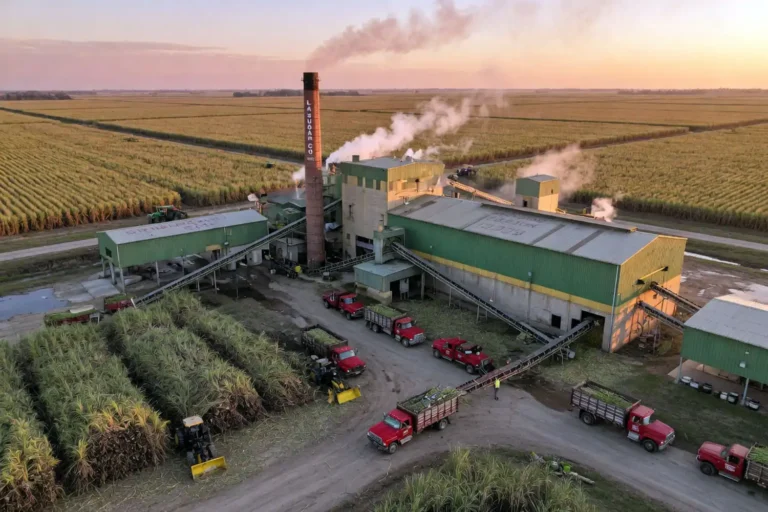
Even if you never run a factory, understanding the processing chain explains why harvest timing and delivery speed matter.
Sugar cane processing basics
EPA’s AP-42 summary describes cane being washed, crushed and shredded, juice extracted by milling or diffusion, then clarified, evaporated, and crystallized. The fibrous residue after extraction is bagasse, commonly used as boiler fuel.
Sugar beet processing basics
EPA’s AP-42 section describes beets being cleaned and then sliced into cossettes. Hot water extracts sucrose in continuous diffusers, and the juice then goes through purification, evaporation, and crystallization. Beet pulp and molasses become major byproducts, with pulp often dried and sold as livestock feed.
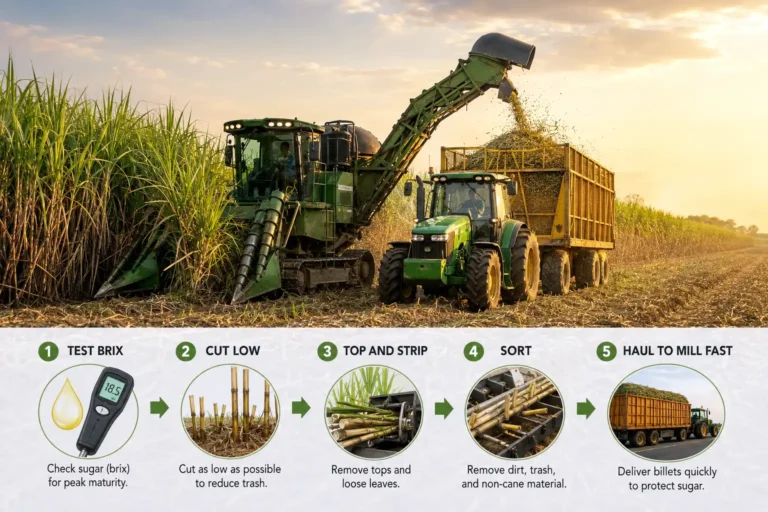
Why farmers care: if cut cane sits, sugar declines and microbes rise. A post-harvest review notes sucrose degradation begins as soon as cane is harvested, making “cut-to-crush” time a real money lever.
Solutions: How to choose the right crop for your farm
If you are deciding between sugar beets vs sugar cane as a grower, run this in order.
- Match climate to crop biology: Cool-season finish points toward beets. Frost-free warm regions point toward cane.
- Check water reliability for the full crop length: Beets often fit a single season water budget (example: 22–28 inches). Cane stretches across a long season with ETm often 1500–2500 mm depending on climate.
- Confirm your local processing and hauling reality: Beet growers need access to a beet sugar plant. Cane growers need a mill and tight harvest-to-crush logistics.
- Map equipment and labor: Beets lean on precision planting, weed control, and root harvest. Cane leans on planting material, long-season field access, and harvest logistics.
- Build a pest and disease plan before planting: A broad framework like integrated pest management for beginners keeps decisions tied to scouting and thresholds instead of calendar sprays.
- Validate margins with recoverable sugar, not yield alone: Both crops swing hard with management. Sugar percent, harvest losses, and delivery timing decide the check.
If you want crop-specific fundamentals next, start with the crop guides: how sugarcane grows and is managed and how sugar beets grow and are managed.
Troubleshooting: common field problems and fixes
Sugar beet problems
Patchy emergence:
Crusting, shallow moisture, uneven seed depth, or cloddy seedbed. FAO notes crusting at germination can reduce stand. Fix the seedbed and moisture management before the next planting window.
Forked or “sprangled” roots:
Early compaction blocks root growth. FAO links restricted deep root growth to forked and sprangled roots and yield loss. Reduce compaction and keep traffic off wet ground.
Big roots, low sugar:
Late nitrogen, too much nitrogen, or late-season heat. FAO notes late or excessive nitrogen reduces sugar content and temperatures above 30°C late can reduce sugar yield.
Sugar cane problems
Weak ratoons or thinning stand:
Traffic compaction, poor stool health, or uneven water. FAO notes ratoon crops follow plant cane, so stand management drives long-term output. Keep harvest traffic planned and protect regrowth.
Good tonnage, low sugar:
Lush late growth from water and nitrogen. FAO notes ripening benefits from restricted water and low nitrogen to avoid “luxurious growth.”
Sugar loss after harvest:
Delayed delivery raises sucrose losses. Research reviews describe sucrose degradation starting right after harvest. Cut with a delivery plan, not with an empty schedule.
Avoid these costly mistakes
Chasing canopy late in the season with nitrogen.
Both crops lose sugar quality when late nitrogen stays high. Sugar beet sugar content drops with excessive or late nitrogen. Sugar cane ripening improves when nitrogen stays low near maturity.
Ignoring seedbed and emergence in beets.
Sugar beet profit starts with uniform spacing and a full stand. Crust and compaction hit stand and root shape early.
Cutting cane without a tight “cut-to-crush” plan.
Cane quality drops after harvest. Treat hauling and mill scheduling like part of the harvest operation, not an afterthought.
Sizing the business on yield only.
Recoverable sugar pays the bill. Processing access and logistics often decide which crop wins in your area.
Safety notes for both crops
Sugar crops combine sharp leaves, heavy loads, rotating equipment, and chemical handling.
- Lock out and tag out equipment before clearing jams on beet harvesters, loaders, and conveyors.
- Protect eyes and skin from cane leaf cuts and dust.
- Handle pesticides and fertilizers by the label and keep water sources protected.
- Plan traffic lanes to reduce crush hazards during harvest.
For practical gear basics, keep a checklist from farm safety PPE.
Final Thoughts
Sugar beets and sugar cane both produce sucrose, but they fit different climates, seasons, water budgets, and processing systems. Sugar beets reward a clean seedbed, steady growth, and disciplined late nitrogen across a 140–200 day season.
And sugar cane rewards warm conditions, reliable moisture across a long crop cycle, and tight harvest logistics that protect sugar quality. Pick the crop that matches your climate first, then match water, factory access, and harvest logistics to protect recoverable sugar.