Best Bird Netting for Grapes: Top 11 Picks With Accessories (2026)
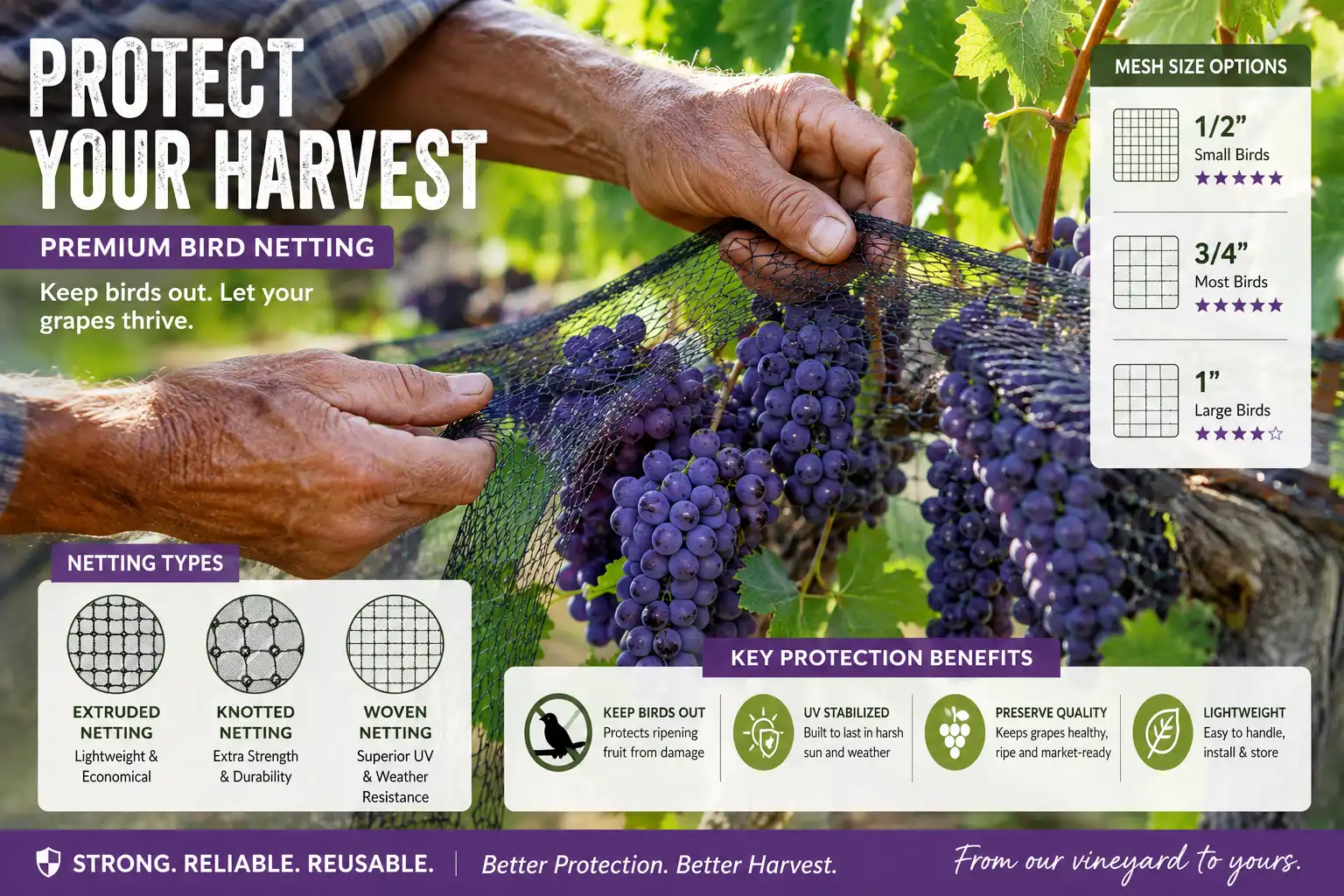
Bird netting for grapes is the most reliable way to stop birds from stripping your fruit as it ripens. The right net comes down to three things. Mesh size, the size of your vines, and how you secure it. This guide sorts out which net to buy.
For most backyard vines, the best bird netting for grapes is the Bird-X PE-Plus, a trusted brand in tough 3/4-inch UV-stabilized polyethylene that lasts for years. Tilvex is the best value with a fine 1/2-inch woven mesh that stops even small birds, and Fetanten suits fruit trees since it ships with staples and ties.
Quick Comparison: Mesh, Material, and Strength at a Glance
Here is every net laid out side by side. For grapes, mesh size is the spec to check first, because it decides which birds you stop. Material and build come next, since they set how many seasons the net lasts.
| Net (Label) | Material | Mesh | Build & Strength | UV / Lifespan | Price |
|---|---|---|---|---|---|
| Bird-X PE-Plus (Best Overall) | Polyethylene (PE) | 3/4 in | 12/6 PE, 52 lb strands | UV-stable, up to 5 yrs | $148.82 |
| Harvesto (Best Heavy-Duty) | Knotted HDPE | 1.5 in | Fully knotted, 0.5 mm | UV virgin HDPE | $99.99 |
| Dalen Bird-X (Best Lightweight) | Polypropylene (PP) | 5/8 in | Light drape, about 1.3 lb | UV-stabilized | $27.15 |
| JUNKOGO (Best Large Coverage) | Woven HDPE | 1 in | 0.9 oz/ft², holds 100+ lb | UV and rot proof | $59.99 |
| BSTPCOO (Best for Ponds and Pens) | Nylon multifilament | 3/4 in | Multifilament, tangle-prone | UV-proof | $46.74 |
| Vocray (Best for Chicken Coops) | Woven HDPE | 1 in | Woven, holds 100+ lb | UV and cold proof | $45.59 |
| Tilvex (Best Value) | Woven HDPE | 1/2 in | Woven multi-strand | UV and rot proof | $28.04 |
| Fetanten (Best for Fruit Trees) | Woven HDPE | 5/8 in | Woven, about 5 lb roll, kit | UV and rot proof | $28.79 |
| Meanchen (Best Camouflage) | Warp-knit HDPE | 1/2 in | 1 oz/ft², holds 100+ lb | UV and heat proof | $27.99 |
| FEED GARDEN (Best Budget) | Polypropylene (PP) | 3/4 in | Thin, lightweight, kit | UV-protected | $13.17 |
| ATICCA (Best for Small Gardens) | UV nylon | 1/2 in | Heavy-duty nylon, stakes | UV-resistant | $19.37 |
Reading the mesh for grapes: 1/2 inch stops even small birds and many insects, 3/4 inch is the standard for birds alone, and 1 inch or wider lets house finches slip through. Woven or knotted HDPE outlasts extruded plastic and nylon outdoors, so it holds up best season after season.
11 Best Bird Nets for Grapes: Reviews
These eleven nets are sorted by where each one earns its spot. The better nets let rain and irrigation through, so you can keep up with how much water your vines need each week without pulling the net off.
1. Bird-X PE-Plus Premium Bird Net for Gardens
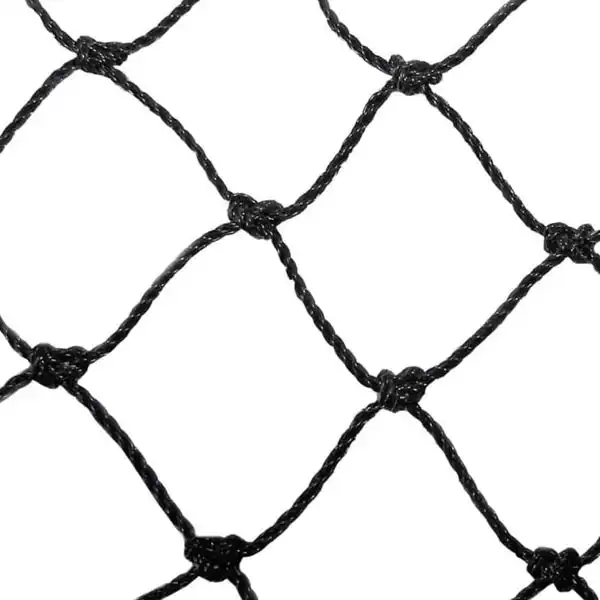
Bird-X is a known name in pest exclusion, and the PE-Plus is their contractor-grade net. Heavy 12/6 polyethylene strands rate at 52 lbs each, so it shrugs off years of sun. Best for growers who want one net that simply lasts.
PROS
- Strong 52 lb strands
- Blocks birds and deer
- Rated up to 5 years
- 3/4 inch bird mesh
CONS
- Higher price tag
- Mounting clips sold separately
Specifications:
- Material: polyethylene (PE)
- Mesh: 3/4 inch
- Size: 25 x 25 ft
- UV-stabilized, black
2. Harvesto Heavy Duty Bird Netting for Vegetables & Fruit
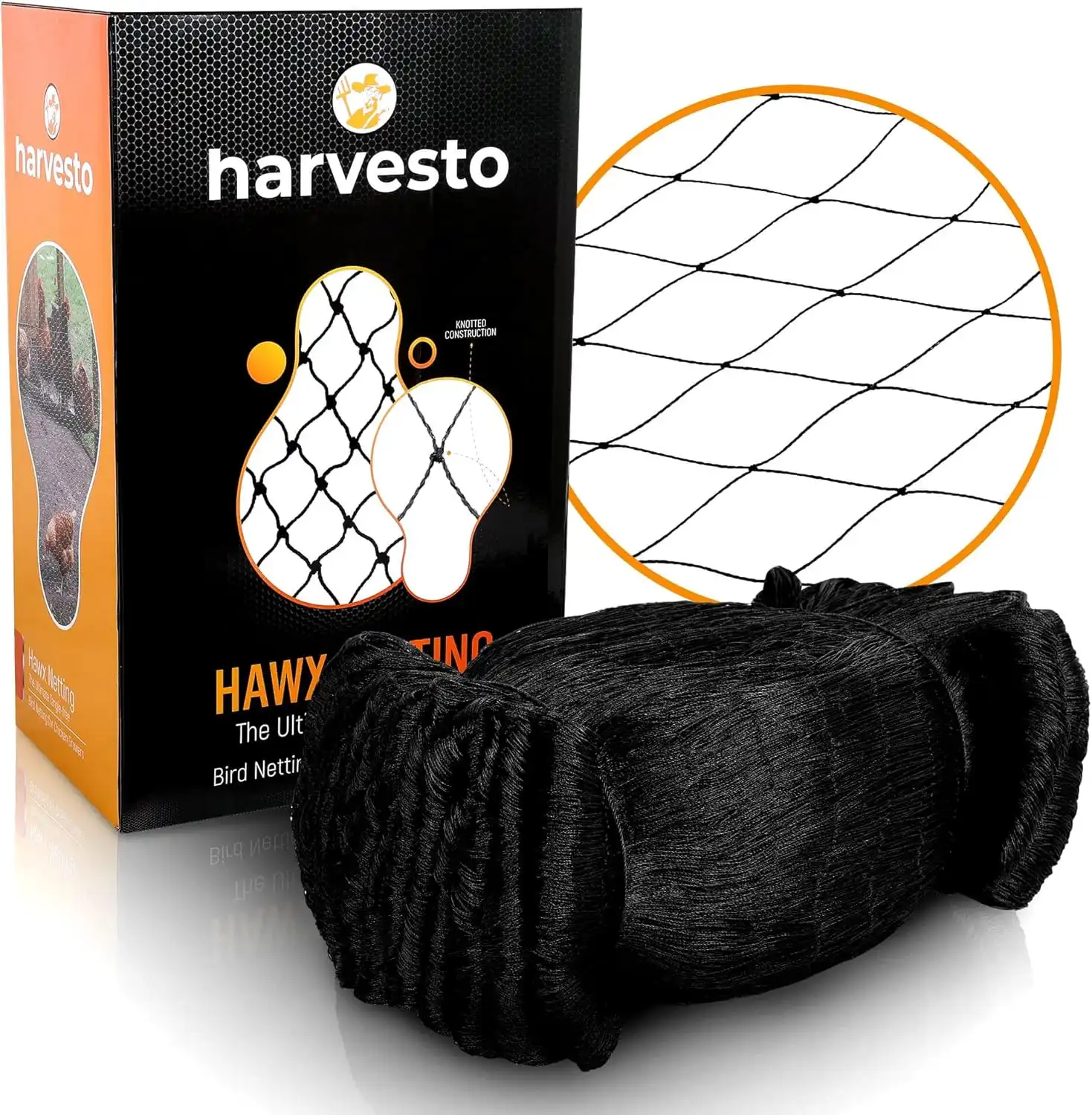
Harvesto builds this net from fully knotted HDPE, the toughest construction in this group. It takes strong wind, storms, even a fallen branch without giving way. The 1.5-inch diamond mesh runs wide, so it fits larger pests and big coverage better than tiny birds.
PROS
- Fully knotted HDPE
- Survives storms and branches
- Large 50 x 50 coverage
- UV-stabilized virgin stock
CONS
- Wide mesh passes finches
Specifications:
- Material: knotted HDPE
- Mesh: 1.5 inch diamond
- Size: 50 x 50 ft
- 0.5 mm strand thickness
3. Dalen Bird-X Protective Mesh Netting
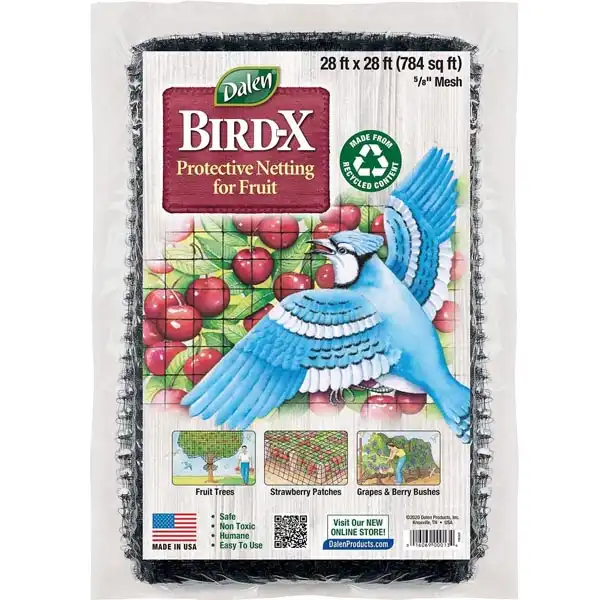
Dalen has made garden gear in the USA for over 45 years. This polypropylene net weighs barely over a pound, so one person drapes it fast. The 5/8-inch mesh blocks birds while light and rain pass through. Best for a quick, cheap cover.
PROS
- Very light to handle
- Made in the USA
- Cheap and humane
- 5/8 inch mesh
CONS
- Tears if mishandled
Specifications:
- Material: polypropylene (PP)
- Mesh: 5/8 inch
- Size: 28 x 28 ft
- UV-stabilized plastic
4. JUNKOGO 25×100 FT Bird Netting for Fruit Trees
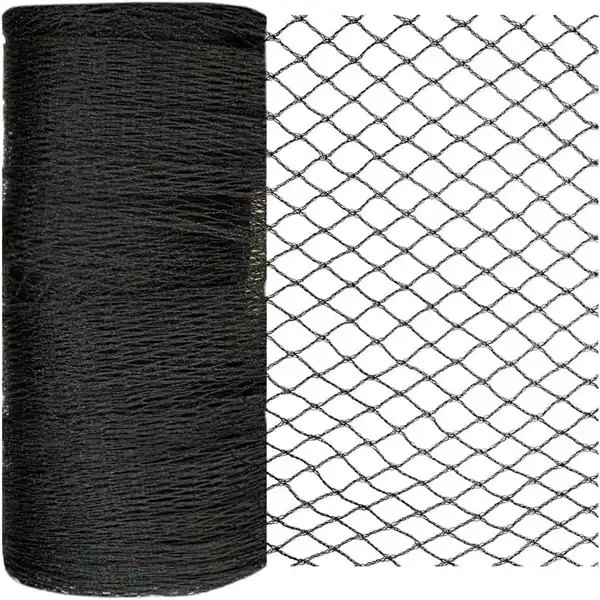
JUNKOGO makes a heavy woven HDPE net in a long 25 by 100 foot roll. At 0.9 oz per square foot it is one of the densest here and holds over 100 lbs. The 1-inch mesh covers big rows of vines well. Best for large plots.
PROS
- Huge 25 x 100 roll
- Dense woven HDPE
- Holds over 100 lbs
- Water passes right through
CONS
- Diamond mesh shifts size
Specifications:
- Material: woven HDPE
- Mesh: 1 inch diamond
- Size: 25 x 100 ft
- UV and rot resistant
5. BSTPCOO Bird Netting for Fruits Trees Plant
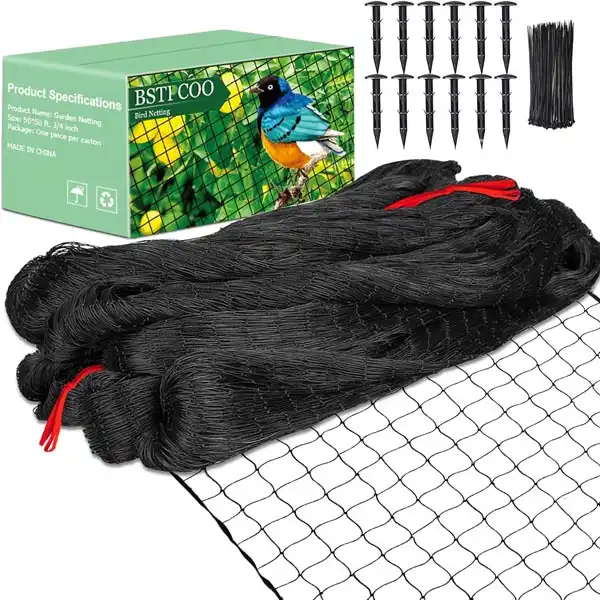
BSTPCOO sells a 50 by 50 foot nylon multifilament net with 3/4-inch mesh and corner ropes. It suits koi ponds, chicken runs, and cat enclosures. The mesh fits birds, but the tangling complaints make it better on a fixed frame than as a loose drape.
PROS
- Large 50 x 50 size
- 3/4 inch bird mesh
- Corner ropes included
- Ties and stakes included
CONS
- Tangles badly
Specifications:
- Material: nylon multifilament
- Mesh: 3/4 inch
- Size: 50 x 50 ft
- UV-proof, reusable
6. Vocray Bird Netting for Chicken Coops
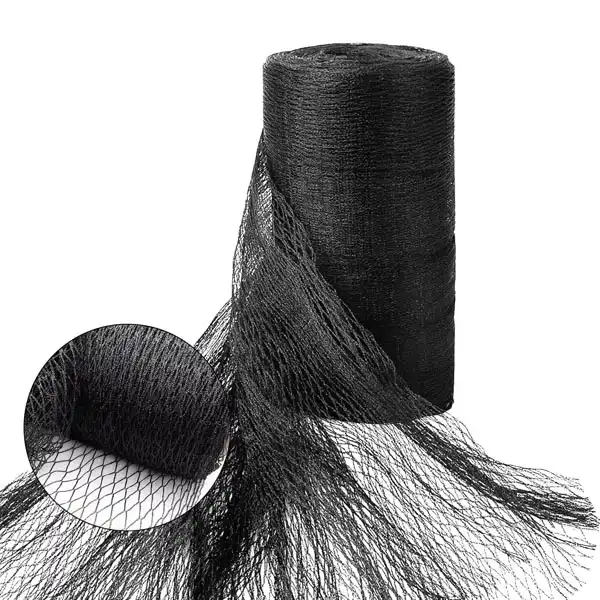
Vocray makes a woven HDPE net aimed at poultry runs and coops. The 1-inch mesh keeps hawks, owls, and raccoons out while chickens stay put. It works on vines too, though snow can pool and sag it. Best where you run both birds and grapes.
PROS
- Blocks hawks and owls
- Woven, not single strand
- Holds over 100 lbs
- Long 25 x 100 roll
CONS
- Snow causes sagging
Specifications:
- Material: woven HDPE
- Mesh: 1 inch diamond
- Size: 25 x 100 ft
- UV and cold resistant
7. Tilvex Bird Netting for Garden Protection
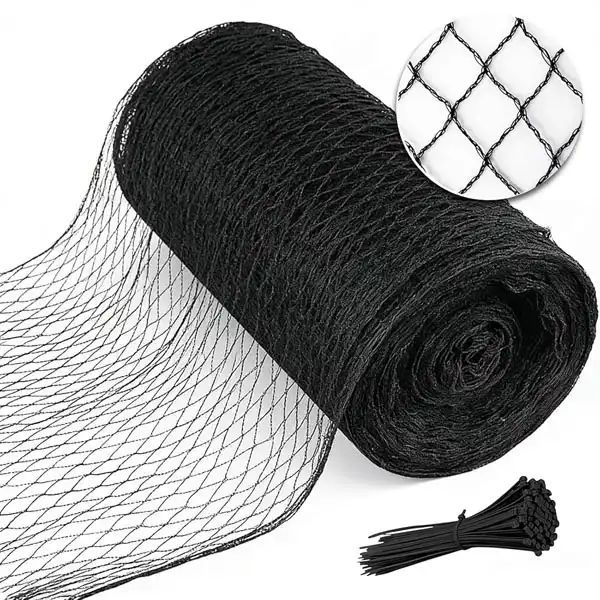
Tilvex woven HDPE earns the strongest buyer feedback in this group, and the 1/2-inch fine mesh stops birds, squirrels, even insects. Buyers say it often runs larger than listed. Around 28 dollars for a 7.5 by 100 foot roll makes the value tough to top.
PROS
- Fine 1/2 inch mesh
- Top buyer ratings
- Often larger than listed
- Woven multi-strand PE
CONS
- Long narrow shape only
Specifications:
- Material: woven HDPE
- Mesh: 1/2 inch
- Size: 7.5 x 100 ft
- UV and rot resistant
8. Fetanten Bird Netting 28 x 30 FT for Garden Protection
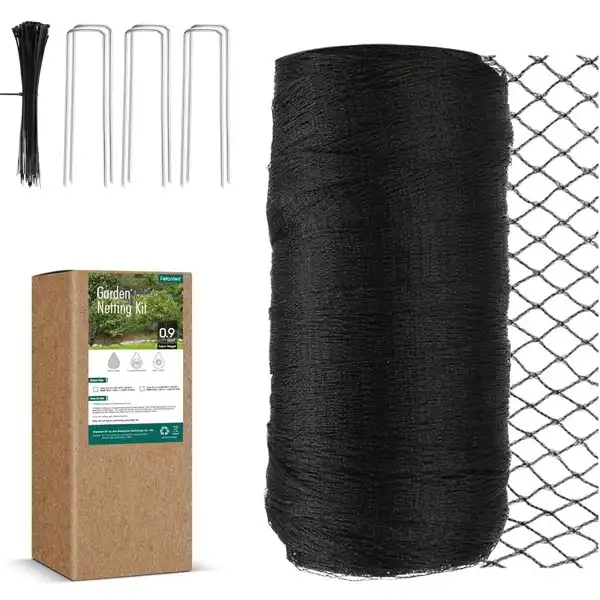
Fetanten ships a woven HDPE net with steel staples and twist ties in the box. The square 28 by 30 foot size drapes neatly over a tree or a small vine block. The 5/8-inch mesh blocks birds and squirrels. Reviews praise its multi-season durability.
PROS
- Staples and ties included
- Square drape shape
- 5/8 inch mesh
- Lasts multiple seasons
CONS
- Tangles badly
Specifications:
- Material: woven HDPE
- Mesh: 5/8 inch
- Size: 28 x 30 ft
- UV and rot resistant
9. Meanchen Bird Netting for Protect Vegetable Plants and Fruit Trees
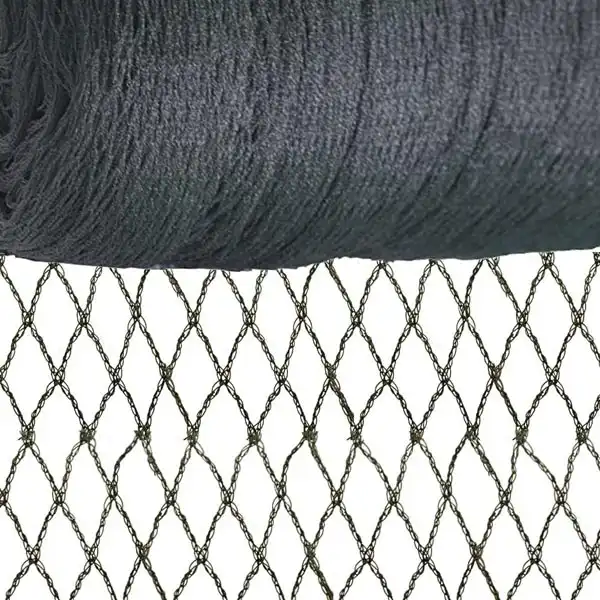
Meanchen stands out with green warp-knitted HDPE that blends into the canopy. At 1 oz per square foot it is heavy and holds over 100 lbs. The 1/2-inch diamond mesh stops birds and small pests. Best if you want the net to disappear into the vines.
PROS
- Green blends in
- Heavy 1 oz build
- 1/2 inch diamond mesh
- Holds over 100 lbs
CONS
- Runs narrow sometimes
Specifications:
- Material: warp-knit HDPE
- Mesh: 1/2 inch diamond
- Size: 25 x 50 ft
- UV and heat resistant
10. FEED GARDEN Netting for Plant
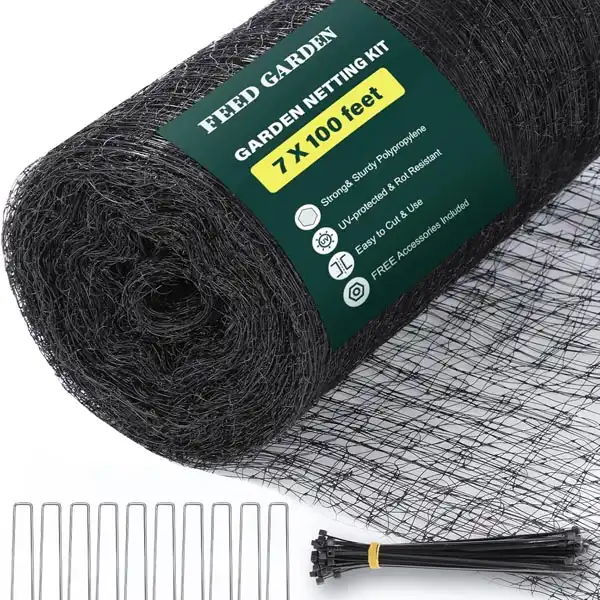
FEED GARDEN is the cheapest way in, around 13 dollars for a 7 by 100 foot roll. It packs 10 landscape staples and 50 zip ties, so you set up the same day. The 3/4-inch polypropylene mesh handles birds, rabbits, and deer. Best on a tight budget.
PROS
- Lowest price here
- Staples and ties included
- 3/4 inch mesh
- Light, one-person setup
CONS
- Thin, not heavy-duty
Specifications:
- Material: UV-treated polypropylene
- Mesh: 3/4 inch
- Size: 7 x 100 ft
- Reusable, multi-season
11. ATICCA Heavy Duty Bird Netting for Grapes
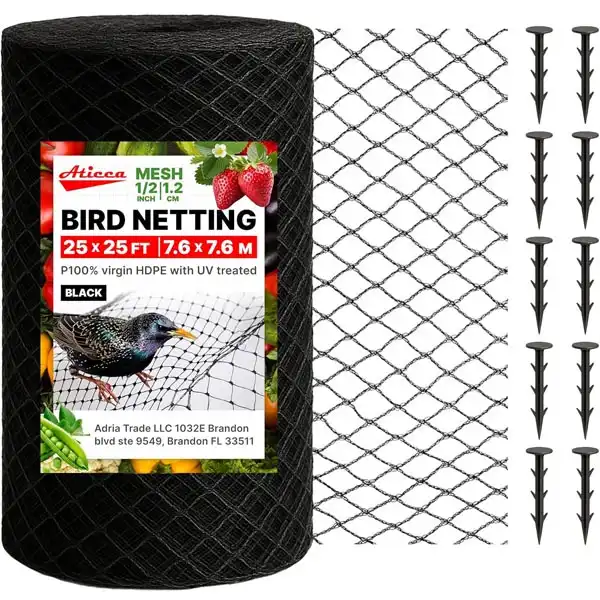
ATICCA covers small plots with a 25 by 25 foot nylon net and tight 1/2-inch mesh that even the smallest birds cannot pass. Ten plastic stakes come in the box. Buyers rate it high for sturdiness and value. Best for raised beds and a few vines.
PROS
- Tight 1/2 inch mesh
- 10 stakes included
- Strong value rating
- Holds up in wind
CONS
- Awkward to unroll
Specifications:
- Material: UV-resistant nylon
- Mesh: 1/2 inch
- Size: 25 x 25 ft
- 10 stakes included
Clips and Ties That Hold the Net in Place
A net only works if it stays put. Loose netting blows off in plains wind and traps birds in the folds, so good clips and ties matter as much as the net. Here is the hardware.
Bird-X Deterrent Netting Hardware (250 Clips)
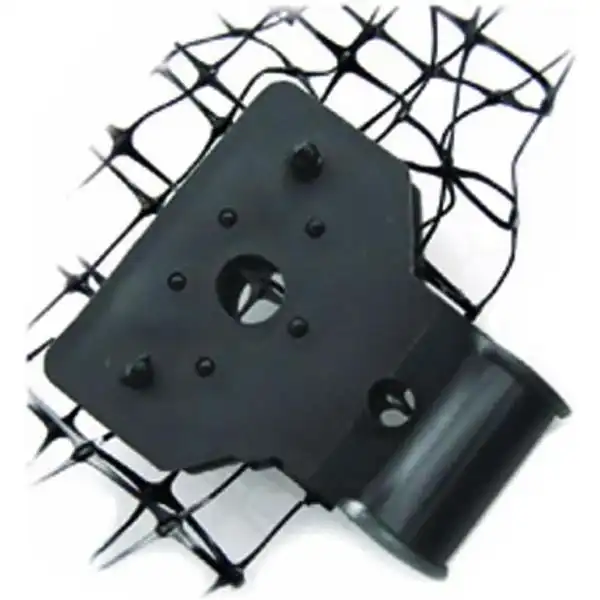
Heavy-duty plastic clips from Bird-X, sold 250 per pack. Each snaps onto a net edge and fastens to a structure by screw, adhesive, or cable loop. They join net pieces, fix cut edges, and match the PE-Plus net above. Space one every 1 to 2 feet.
Maitys Shade Cloth Clips (100 Pieces)
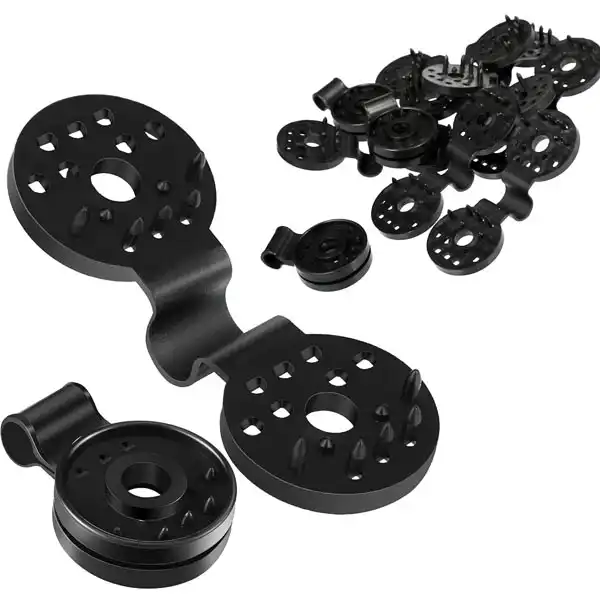
Maitys makes black plastic clips with gripping teeth that hold netting without slipping. The pack has 100 pieces in one universal size that fits most garden mesh. You press the clip on, then run a rope through its hole to anchor the net. Space them 12 to 24 inches apart.
RAINFLOW Stainless Steel Garden Clips (50 Pieces)
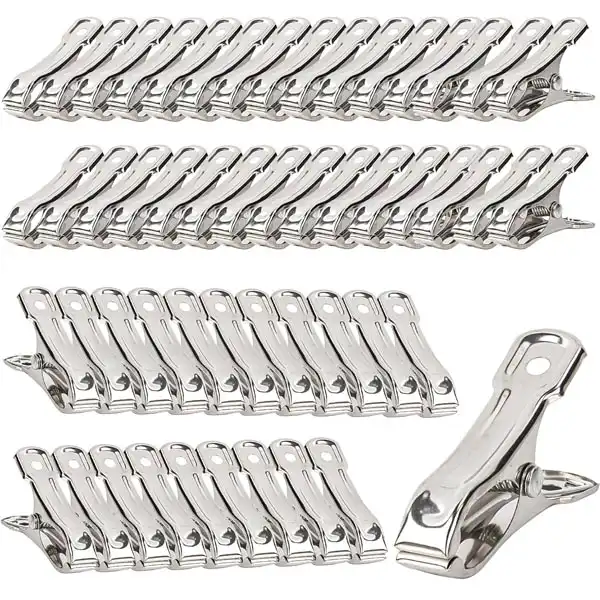
RAINFLOW clips are stainless steel spring clamps, 50 per pack, about 2 inches long. Unlike plastic, they will not rust or grow brittle outdoors. The strong spring grips poles, hoops, and pipes, holding netting tight all season. Smooth edges keep them from tearing the mesh.
Rythcraft Heavy-Duty Zip Ties (12 inch, 80-Pack)
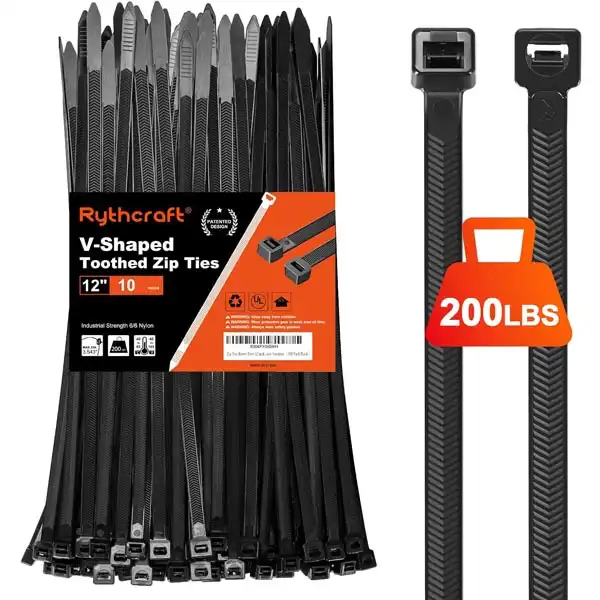
Rythcraft zip ties use Nylon 66 with V-shaped double-sided teeth, rated at 200 pounds. They measure 12 inches, come 80 per pack, and resist UV, fire, and freezing. That weatherproof nylon fastens netting to trellis wires and posts, where cheap ties crack after one season.
Do You Really Need Bird Netting for Grapes?
If you have been searching how to stop birds eating grapes, the short answer is yes. Net your vines once they near veraison. Birds key in on sugar as grapes color, and that is when bird damage grape harvest losses pile up fast. University of Minnesota Extension calls birds the most damaging wildlife most vineyards face. By late season, unprotected reds can lose up to 95% of the crop, whites up to 60%.
A net beats the alternatives because birds cannot learn around it. It is a true bird exclusion method grapes growers count on, since it physically blocks the birds. That makes it solid crop protection and fruit protection. Reflective tape, scare-eye balloons, and decoys only work for a few days. Then starlings and cedar waxwings figure them out and return.
Which Birds Damage Grapes the Most?
The worst offenders are starlings, cedar waxwings, house finches, robins, and blackbirds. Starlings travel in big flocks and strip clusters fast. Cedar waxwings specialize in fruit and can clean a vine in a sitting. House finches are small enough to slip through wide mesh, which matters when you pick a net.
Bird control gets harder near tree lines and right after a neighbor’s grain harvest. Both push hungry flocks toward your fruit. Knowing who is feeding sets up good vineyard bird control. It also shapes any plan to keep birds off your ripening grapes.
Types of Bird Netting for Grapes
Bird netting for grapes comes in three setups: drape, side, and overhead. Drape netting lays over the top of the vine like a sheet and tucks underneath. The draping method is what backyard growers actually use. It is cheap, packs down small, and suits even grapes grown in a pot. It is the same anti-bird net sold as garden netting for berry bushes.
Think of it as a heavier floating row cover, just sized for grapes. Side netting fastens along both sides of the row, above and below the fruit zone. Overhead canopy netting covers a whole block like a roof on permanent support poles and wires. It is a commercial setup that saves labor at scale.
Material matters too. Extruded plastic mesh netting is stiff and tears easily. Knitted, or knit drape, netting is woven, flexible, and bunches up for easy storage. Most quality rolls use HDPE or polypropylene net stock, both UV-resistant netting made to last several seasons. A basic polypropylene garden mesh, sold as garden crop protection netting, covers a few vines for one season.
What Mesh Size Is Best for Grapes?
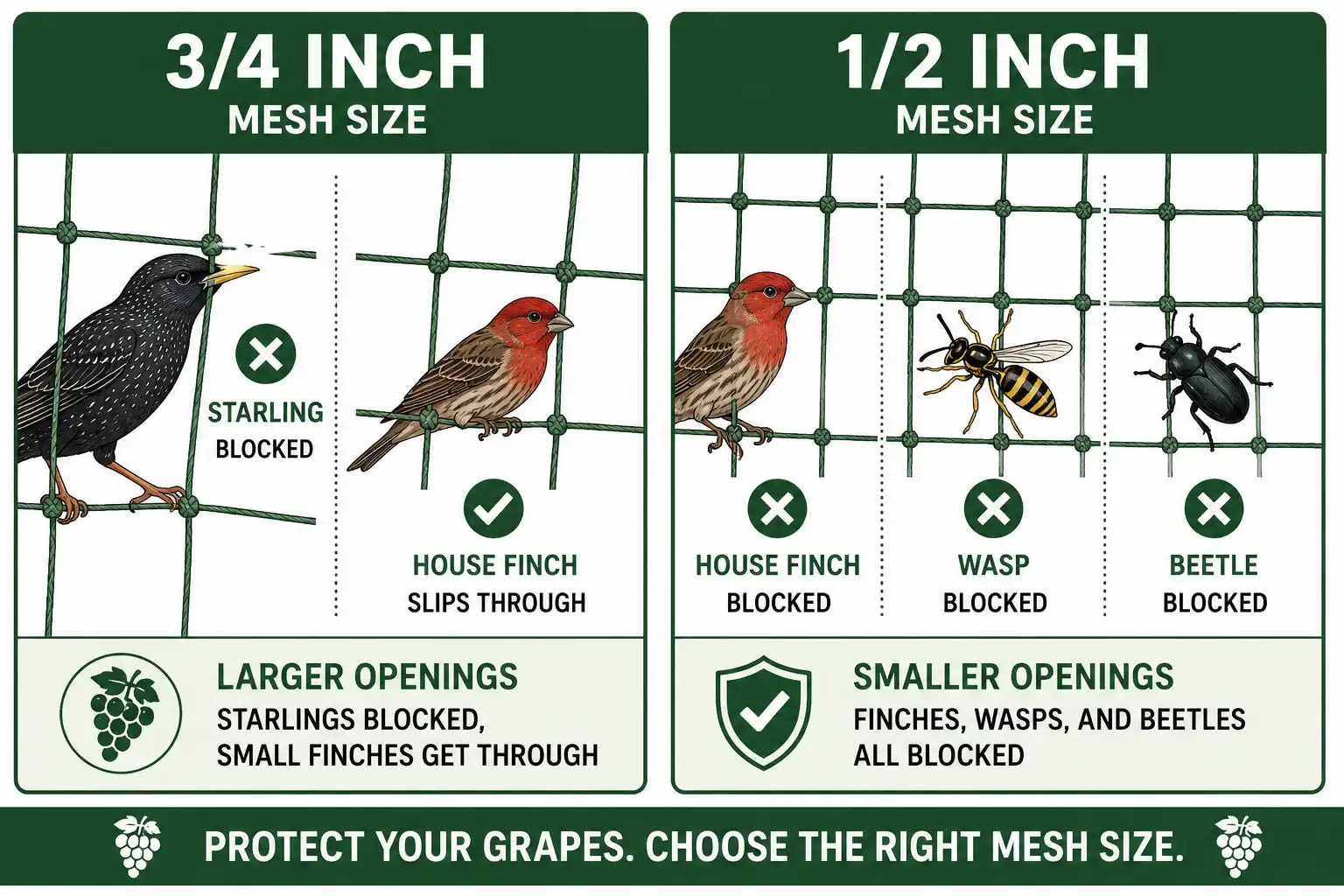
For birds, 3/4-inch mesh size is the standard, and it is what most grape growers run. Step down to 1/2 inch mesh or finer if you also fight wasps, bees, or Japanese beetles. Those pests slip through the bigger holes. Watch out with very wide mesh, though. Small birds like house finches squeeze through a 3/4 inch mesh that stops a starling cold. If finches are your main problem, go tighter. For most backyard vines, 3/4 inch hits the sweet spot between bird pest management and good airflow.
What Color Netting Should You Choose?
White is the easiest color to live with for most backyard growers. It is soft, gentle on the hands, and reflects light, and birds notice the moving white edges and steer clear. Black netting is stiffer plastic. It holds up better against squirrels and chewing critters, plus it carries strong UV resistance. Still, it is rougher to handle and snags more. Green sits in the middle and blends into the canopy. For a few vines, reach for a lightweight, UV stabilized bird net in white. That is basically lightweight fruit protection netting sized for a trellis.
When to Put Bird Netting on Grapes
Net before the grapes start coloring, not after the birds have already found them. That coloring stage is veraison, when berries soften and sugar climbs. It is the exact trigger that brings flocks in. In Kansas, that usually lands in late summer, though your timing shifts with variety and the season. Reds get hit first as they color, so do not wait.
A handy trick is to track sugar with a refractometer as it builds. Get the net on a week or two before you expect the birds. By the time you can tell your grapes are close to picking, the net should already be on. That is how you bird proof grape vines.
How to Install Bird Netting on Grapevines
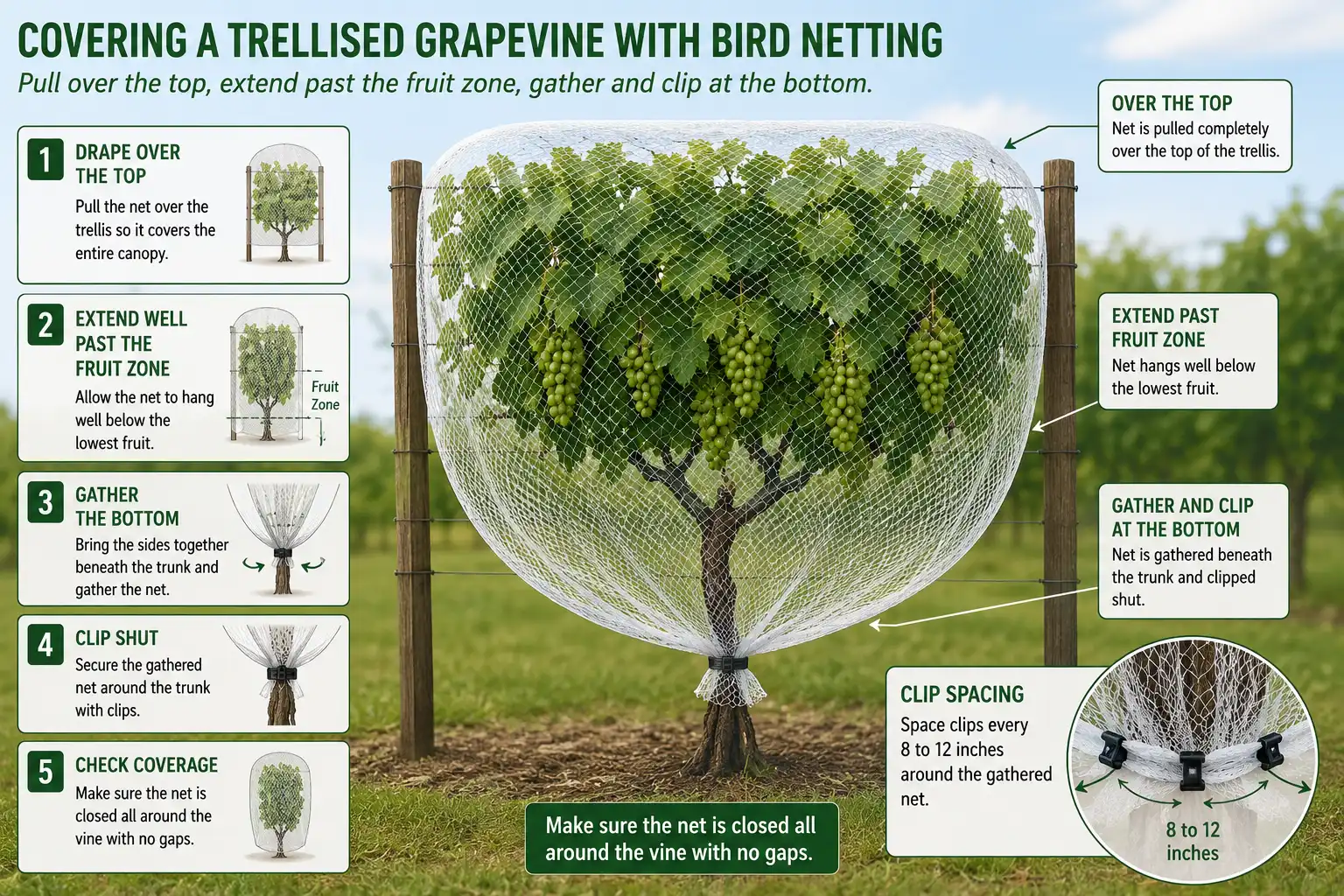
Good netting installation is mostly about leaving no gaps and keeping the net off the fruit. Here is how to drape an anti-bird netting garden roll to keep birds away from grapevines.
- Wrap up pruning and any copper fungicide passes first, since spraying through a net is a pain. Get the canopy tidy first.
- Pull the net over the whole vine from one end with the draping method, covering the top and both sides.
- Drape it well past the fruit zone, down to the trunk or the bottom trellis wire. Birds work the edges, so the fruit cannot sit near an opening.
- Close the bottom. Gather the net around the trunk and trellis and cinch it shut so nothing can get under.
- Clip every 8 to 12 inches along the seams and the bottom. Use netting clips or zip ties to secure the net tight. Corner stakes help anchor a freestanding run.
Keep the net taut and off the berries, because clusters pressed against the mesh still get pecked. A loose net blows off fast in wind, so clip it down hard, especially out here on the open plains. Match your coverage area to the net size before you buy.
How Do You Keep Birds from Getting Trapped?
Use the right mesh and keep the net taut and fully closed, and birds stay out instead of getting stuck. Trapped birds almost always come from loose, baggy drape nets that let them slip inside, then panic. Pull the net tight, close the bottom, and pick a mesh small enough that small birds cannot wedge through. Walk the rows every few days and free anything tangled. A clean, tight net is the humane net.
FAQs about Bird Netting for Grapes
When should you put bird netting on grapes?
What size mesh is best for bird netting on grapes?
What color bird netting works best for grapes?
Does bird netting block sunlight or hurt the grapes?
How do you secure bird netting so birds don't get trapped?
Is bird netting better than reflective tape or fake owls?
How much bird netting do I need for my grapevines?
Bottom Lines for Gardeners and Farmers
New to bird netting for grapes? Start with a white 3/4-inch drape net over each vine. It is the simplest organic bird deterrent grapes growers rely on, with no sprays needed. Close the bottom tight so nothing sneaks under, and get it on before veraison, not after. Buy quality UV-stabilized stock, since good reusable crop netting earns its keep over several seasons. That reusability is what makes netting the surest way to protect grapes from birds year after year.
Best of luck and enjoy reviewing.