How Many Tomatoes Per Plant Can You Grow? 5 Proven Yield Tips
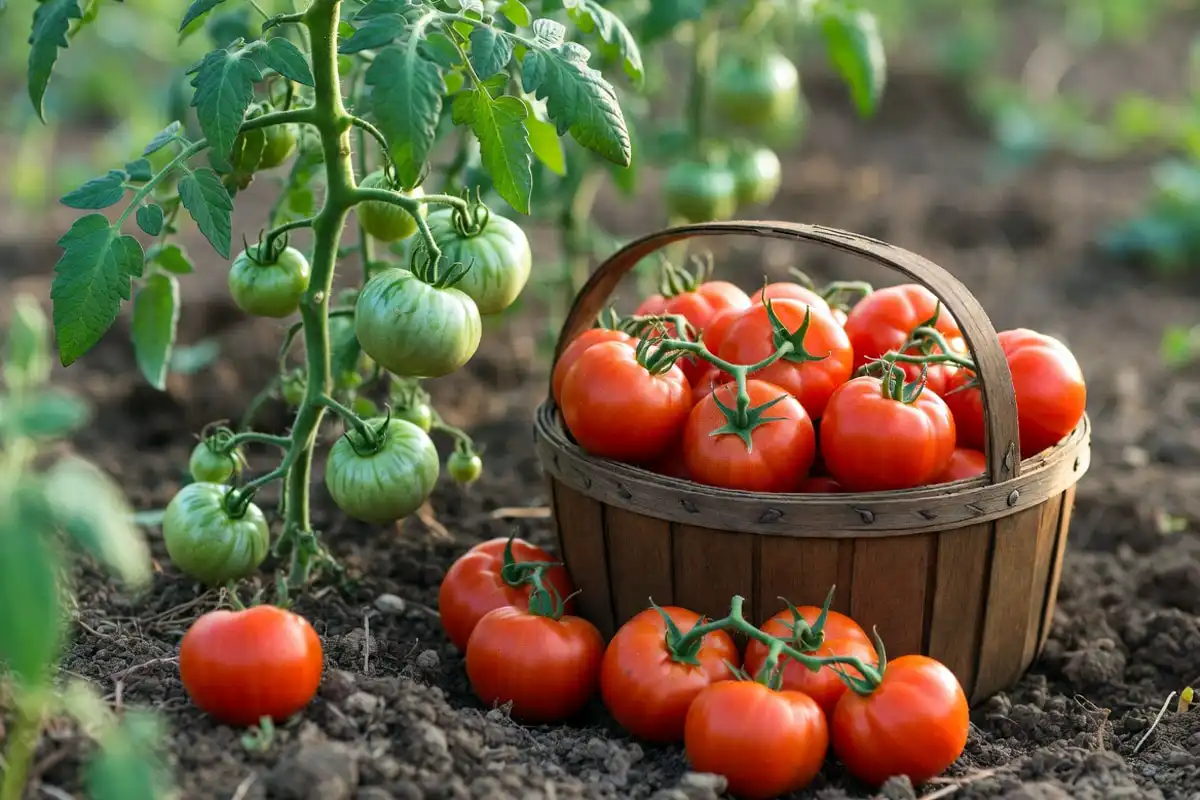
Most growers harvest between 10 and 30 pounds of tomatoes per plant each season, though output varies considerably by variety, care level, and growing conditions. This guide covers the key factors that control tomato yield per plant, from variety selection and support structures to pruning technique, watering schedule, and soil fertility, so you can set realistic expectations and take targeted steps to increase production from every plant in your garden or field.
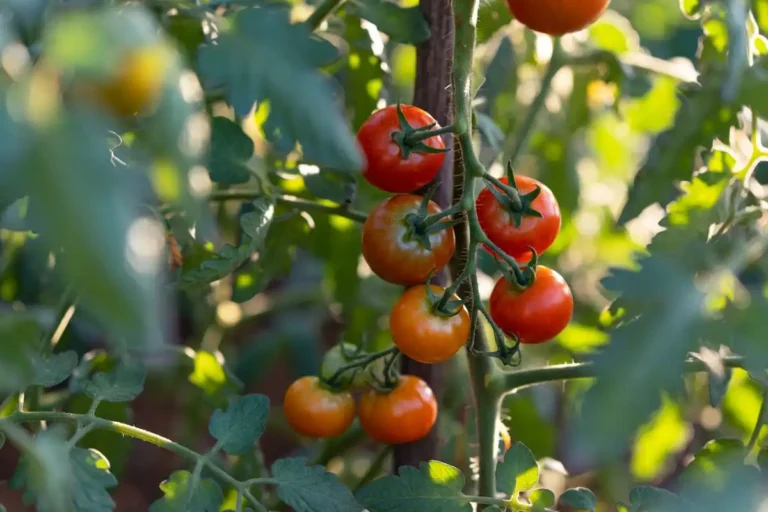
On average, you can expect 10 to 30 pounds of tomatoes per plant in a single growing season. Cherry varieties produce 100 to 300 or more individual fruits per plant. Beefsteak varieties yield 10 to 20 large fruits. Indeterminate plants produce continuously until frost; determinate plants concentrate their harvest into one window. Watering consistency, pruning, and fertilizer timing have the greatest effect on per-plant output.
Determinate vs. Indeterminate Tomatoes: Two Different Yield Patterns
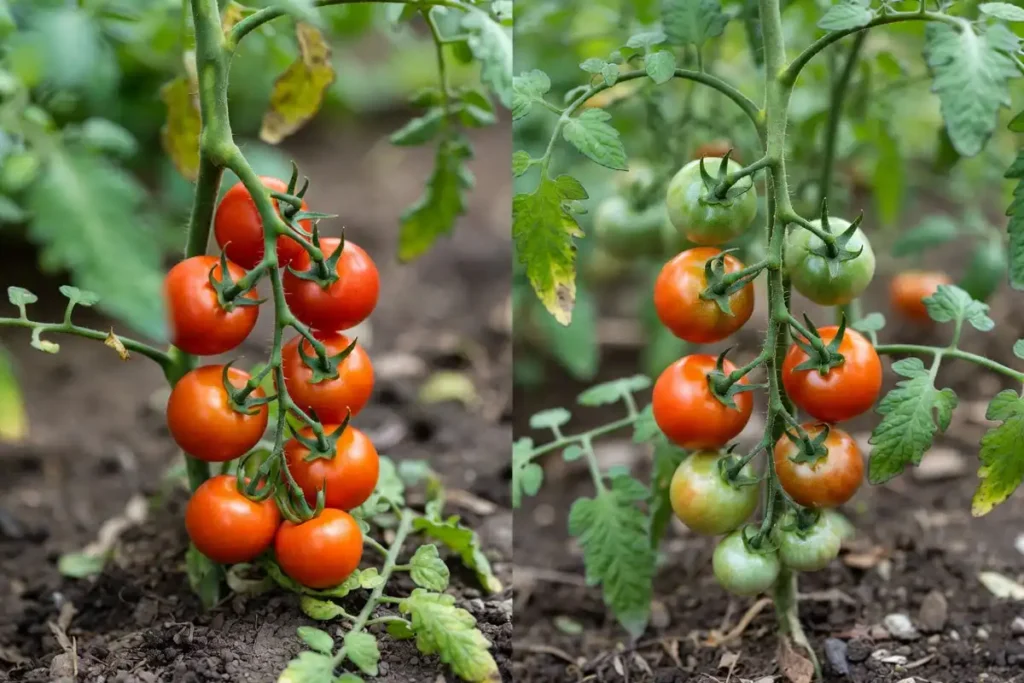
Tomato varieties fall into two growth types, and each type produces fruit on a different schedule.
Determinate tomatoes grow to a fixed height, set fruit all at once, and stop producing after the main harvest. Varieties such as Roma and Celebrity follow this pattern. Growers who process or preserve tomatoes in batches prefer determinate plants for that concentrated harvest window.
Indeterminate tomatoes continue growing and setting fruit throughout the season until frost kills the plant. Varieties such as Cherry, Beefsteak, and Brandywine follow this pattern. These plants need strong support structures and benefit from regular pruning to direct energy toward fruit production rather than new vegetative growth.
The growth type you select determines whether you receive one large harvest or a steady supply across several months. Both approaches deliver strong yields when managed correctly.
How Many Tomatoes Does Each Variety Produce?
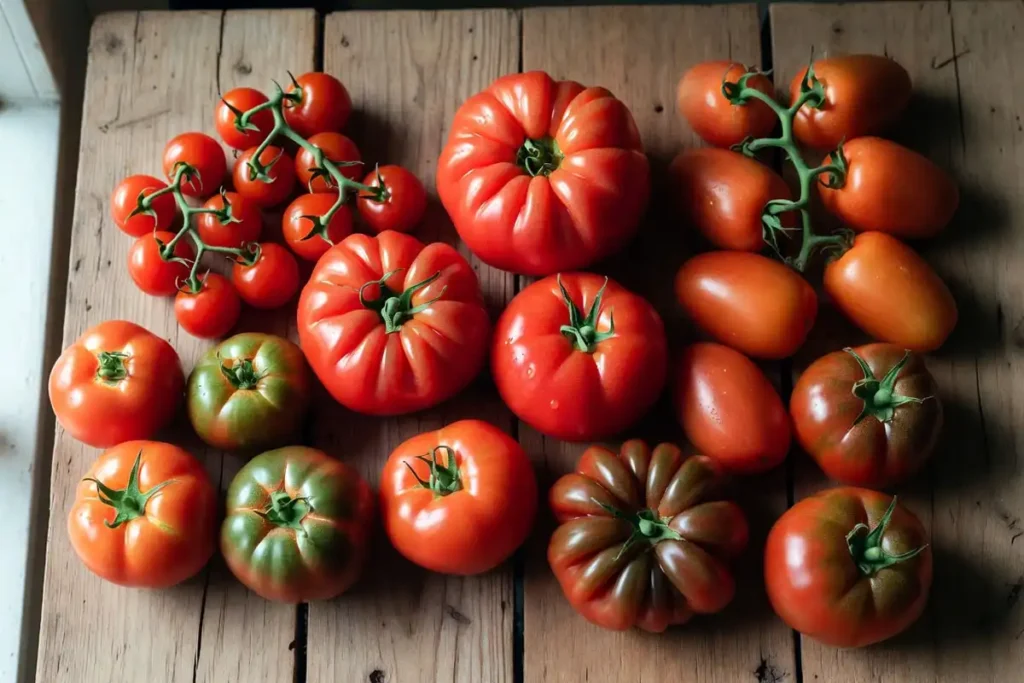
Variety selection influences per-plant yield more than any other single factor.
Cherry tomato plants produce 100 to 300 or more individual fruits per plant in a full season. Each fruit weighs less than an ounce, but total plant weight often exceeds that of larger-fruited varieties. To know more read understanding about what to do with cherry tomatoes.
Beefsteak tomato plants produce 10 to 20 fruits per plant. Each fruit weighs 1 to 2 pounds, which places total yield at 10 to 30 pounds per plant under good conditions.
Roma tomato plants produce 100 to 150 fruits per plant within a single harvest window. Growers use Roma varieties for paste, sauce, and canning because the fruit sets within a tight, predictable period.
Heirloom varieties produce fewer fruits than modern hybrids but deliver larger individual fruit size. Yield per plant ranges from 8 to 25 pounds depending on the cultivar and the length of the local growing season. For a deeper comparison of seed types and how they affect plant performance, the guide on choosing between hybrid and heirloom seeds covers the practical differences.
What Factors Control Tomato Yield Per Plant?
Six factors directly influence how many tomatoes a single plant produces.
1. Soil Fertility
Tomatoes require nitrogen for leaf and stem growth, phosphorus for root development, and potassium for fruit formation. Plants grown in nutrient-poor soil produce fewer fruits and show visibly slower growth. A soil test before planting identifies which nutrients the soil lacks and at what levels. Running a soil test before the season gives you a clear starting point rather than a guessing approach to fertilizer application.
2. Watering Consistency
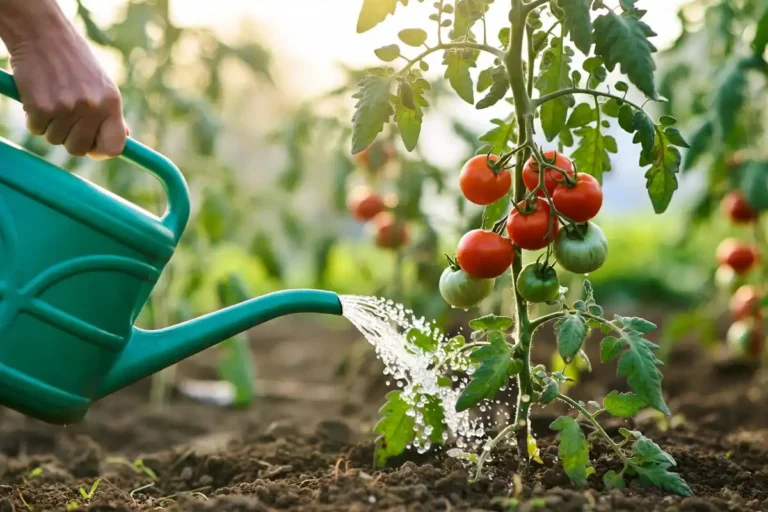
Tomatoes need steady moisture to develop fruit without interruption. Irregular watering causes blossom drop, which reduces fruit set directly. It also triggers blossom end rot and fruit cracking, both of which cut usable yield per plant. Consistent soil moisture from flower set through fruit fill produces the most reliable count per plant. The guide on how tomatoes use water at each growth stage explains when demand peaks and how to time irrigation accordingly.
3. Pruning and Suckering
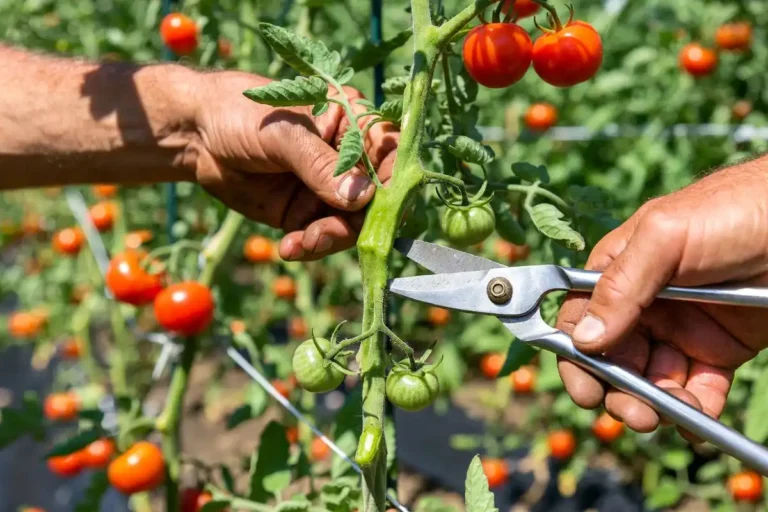
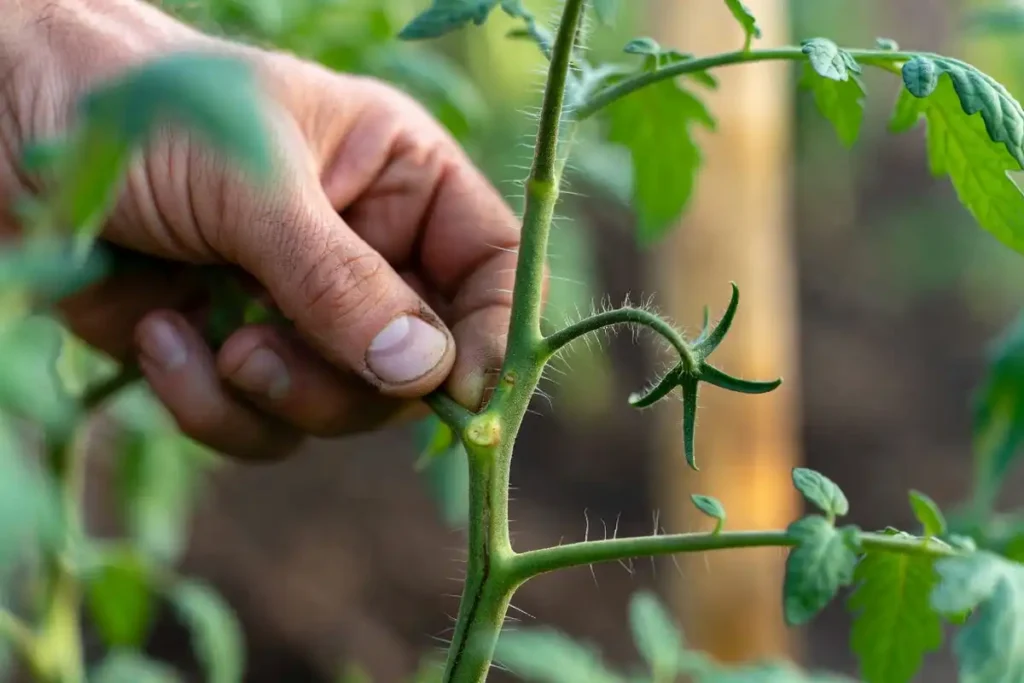
Indeterminate tomatoes produce suckers, which are shoots that grow between the main stem and a branch. Each sucker develops into a full branch if left in place. Removing suckers on indeterminate varieties concentrates the plant’s energy into existing fruit clusters rather than new vegetative growth. Research consistently shows that pruned indeterminate plants produce fewer but heavier, higher-quality fruits per plant. The article on tomato pruning and its effects on yield and disease details which suckers to remove and which to leave depending on your goals.
4. Support Structures
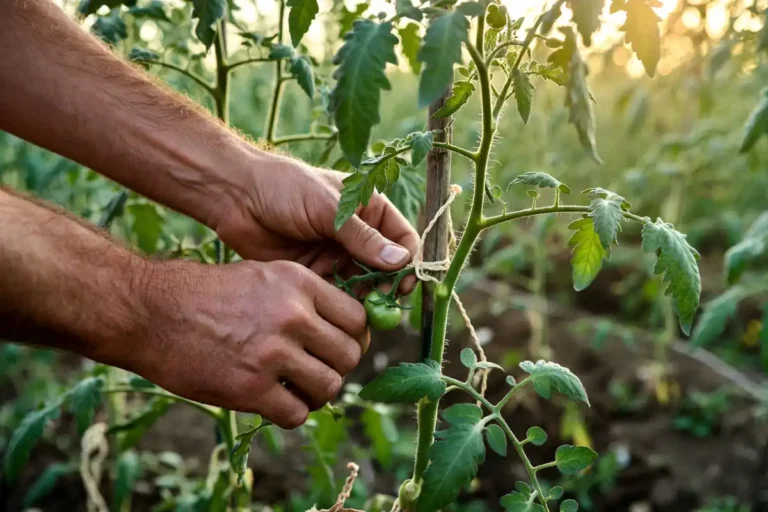
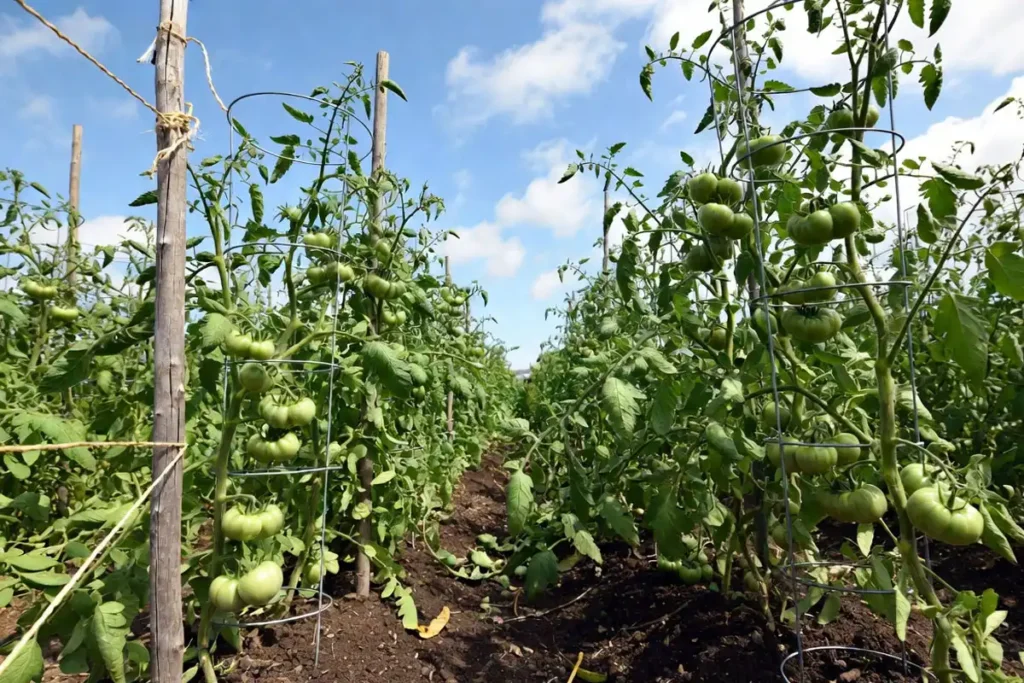
Unsupported tomato plants produce less fruit and show higher disease rates. Stakes, cages, and trellises keep foliage off the soil and improve air circulation around the plant. Better air circulation reduces fungal disease pressure, which preserves more fruit per plant through to harvest. The guide on staking, trellising, and caging tomatoes identifies which structure type suits each variety’s growth habit.
5. Plant Spacing
Tomatoes planted too close together compete for light, water, and nutrients. Standard spacing for indeterminate varieties runs 24 to 36 inches apart in the row. Determinate varieties grow well at 18 to 24 inches apart. Correct spacing increases individual plant yield by reducing direct competition between root zones and canopies.
6. Sunlight Exposure
Tomatoes require 6 to 8 hours of direct sunlight daily to produce fruit at full capacity. Plants receiving fewer than 6 hours of sunlight produce fewer flowers and set less fruit per season. Yield per plant drops measurably in partial shade, regardless of how well other factors are managed.
How to Increase Tomatoes Per Plant
Four practices produce the clearest, most consistent improvements in per-plant yield.
Fertilize at the right growth stage. Apply a balanced fertilizer at transplanting, then switch to a low-nitrogen, high-potassium formulation once flowers appear. High nitrogen after flowering promotes leaf growth at the expense of fruit production, which growers see as large, dark-green plants with few fruits.
Water deeply and on a consistent schedule. Tomatoes perform well with 1 to 2 inches of water per week. Drip irrigation delivers water directly to the root zone and reduces leaf wetness, which lowers fungal disease pressure across the season.
Remove suckers on indeterminate plants. Take off suckers that form below the first flower cluster on indeterminate varieties. This step directs carbohydrates toward existing fruit rather than new branch development. On determinate varieties, avoid heavy suckering because it removes productive wood from a plant that does not continue setting new flowers.
Install support at transplanting. Place stakes, cages, or trellis systems at the time of transplanting to avoid disturbing roots later in the season. A well-supported plant carries more fruit to maturity without stem breakage or fruit loss from ground contact.
Common Mistakes That Reduce Tomato Yield
Over-fertilizing with nitrogen after flowering. Excess nitrogen produces large, vigorous plants with few fruits. The plant channels energy into leaves rather than fruit when nitrogen levels stay elevated throughout the fruiting period.
Allowing soil to dry out between waterings. Soil moisture stress causes flowers to drop before setting fruit. That drop in fruit set reduces total count per plant and creates the conditions for blossom end rot as fruit develops.
Skipping pruning on indeterminate types. Unpruned indeterminate plants produce many small fruits across a large number of branches. Pruned plants concentrate yield into fewer, larger, higher-quality fruits with better flavor development.
Transplanting before temperatures stabilize. Tomatoes set fruit poorly when nighttime temperatures fall below 55°F (13°C). Transplanting before soil and air temperatures stabilize delays fruit set and shortens the productive window of the season. The guide on when to transplant tomatoes covers temperature thresholds and timing by region.
Troubleshooting Low Tomato Yield
Few flowers forming. This indicates insufficient sunlight or excess nitrogen. For container plants, move them to a sunnier location. Reduce nitrogen application and apply a phosphorus-heavier fertilizer to shift the plant’s energy toward flowering rather than vegetative growth.
Flowers dropping without setting fruit. Temperatures above 95°F (35°C) or below 55°F (13°C) cause blossom drop. Shade cloth reduces heat stress during peak summer heat. Adjusting transplant timing addresses the cold-temperature cause in subsequent seasons.
Fruit forming but staying small. Small fruit size with adequate fruit count points to a potassium deficiency or water stress during fruit fill. A soil test confirms the nutrient cause. Increase irrigation frequency if soil moisture is the limiting factor.
Fruit cracking before harvest. Cracking occurs when plants receive a heavy watering after a prolonged dry period. The fruit expands rapidly and the skin splits. Consistent irrigation prevents the uneven moisture swings that cause cracking.
Conclusion
A single tomato plant produces 10 to 30 pounds of fruit under average care, with cherry varieties reaching 300 or more individual fruits per season. Variety selection sets the baseline.
Soil fertility, consistent watering, pruning on indeterminate types, and proper plant support determine whether a plant reaches that potential or falls short of it. Address one limiting factor at a time, track results across seasons, and per-plant yield will increase in a measurable, predictable way.