What to Do with Cherry Tomatoes: 9 Smart Methods from Garden to Table
Cherry tomatoes work fresh, cooked, preserved, or dried — and each method delivers a different flavor and texture worth knowing. This guide covers every stage, from picking ripe fruit to cooking it down into sauce, so you can get full use out of every harvest without wasting a single tomato.
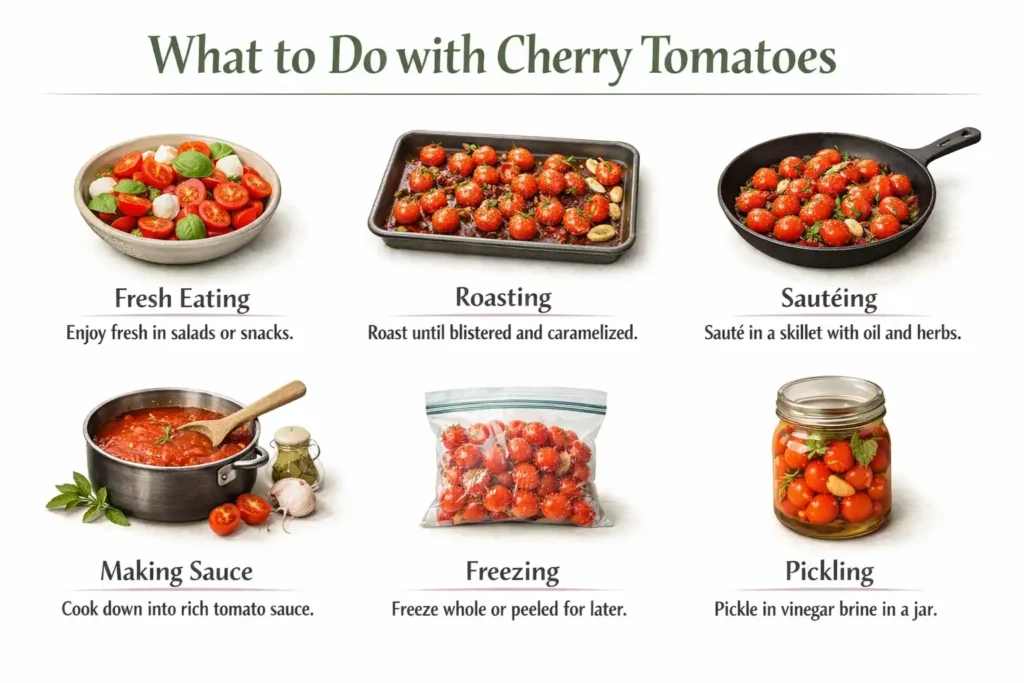
Cherry tomatoes work best eaten fresh, roasted, sautéed, blended into sauce, sun-dried, frozen, or pickled. Harvest them when fully colored and slightly soft to the touch. Store unwashed at room temperature for up to 7 days. Refrigerate only after they are fully ripe.
What Are Cherry Tomatoes Used For?
Cherry tomatoes are small, round tomatoes that produce sweet, concentrated flavor in a compact size. They belong to the Solanum lycopersicum species and typically weigh between 1 and 2 ounces per fruit.
Farmers and home cooks use them for fresh salads, roasted side dishes, pasta sauces, sun-dried snacks, pickled preserves, and frozen storage.
Their thin skin and high sugar content make them perform differently than larger slicing tomatoes. They caramelize faster when roasted and break down quicker in a pan.
Learn more: Plant Tomatoes from a Tomato
When to Harvest Cherry Tomatoes for the Best Flavor
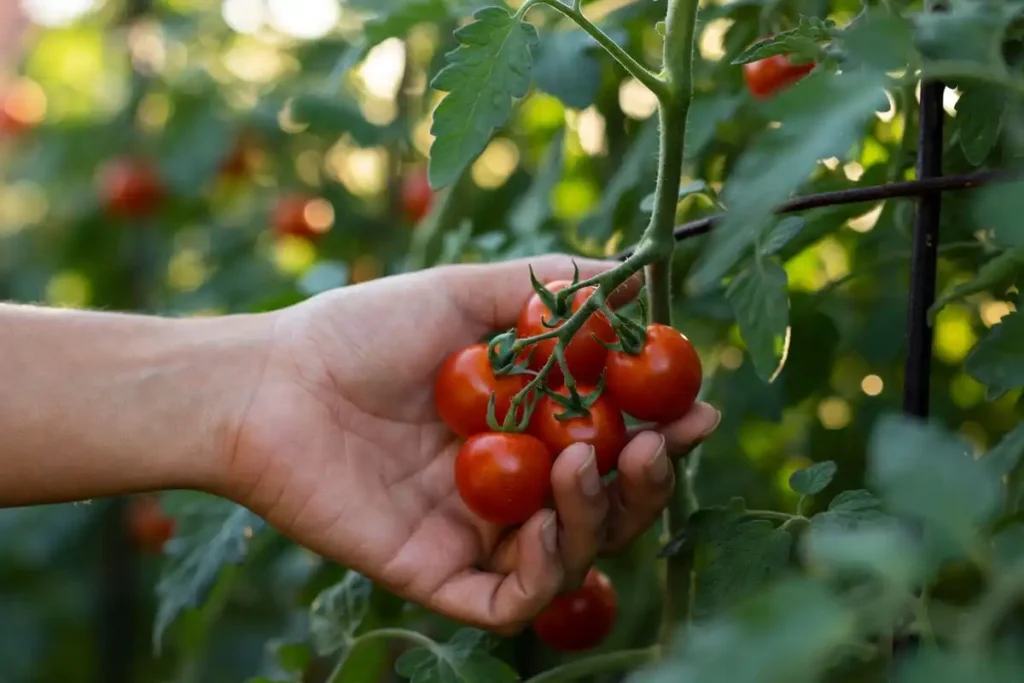
Cherry tomatoes are ready to harvest when they reach full color for their variety. Red types turn bright red with no green shoulders. Yellow types reach a deep golden tone.
Press the fruit gently. A ripe cherry tomato gives slightly without feeling mushy. Firm fruit lacks full sugar development. Overripe fruit splits easily and ferments quickly.
Harvest daily during peak season. Leaving ripe tomatoes on the vine past their peak leads to cracking, pest damage, and reduced shelf life.
If you pick tomatoes slightly early, set them stem-side down on a countertop away from direct sunlight. They will continue to ripen within 3 to 5 days. For a deeper look at this process, the guide on finishing off tomatoes picked before full color walks through the right conditions.
How to Eat Cherry Tomatoes Fresh
Fresh cherry tomatoes need no preparation beyond rinsing. Rinse under cool water and pat dry just before eating.
Whole and raw: Add them to green salads, grain bowls, or cheese boards. Their burst of juice makes them satisfying as a standalone snack.
Halved: Halving increases surface area and improves dressing absorption in pasta salads and Greek-style salads.
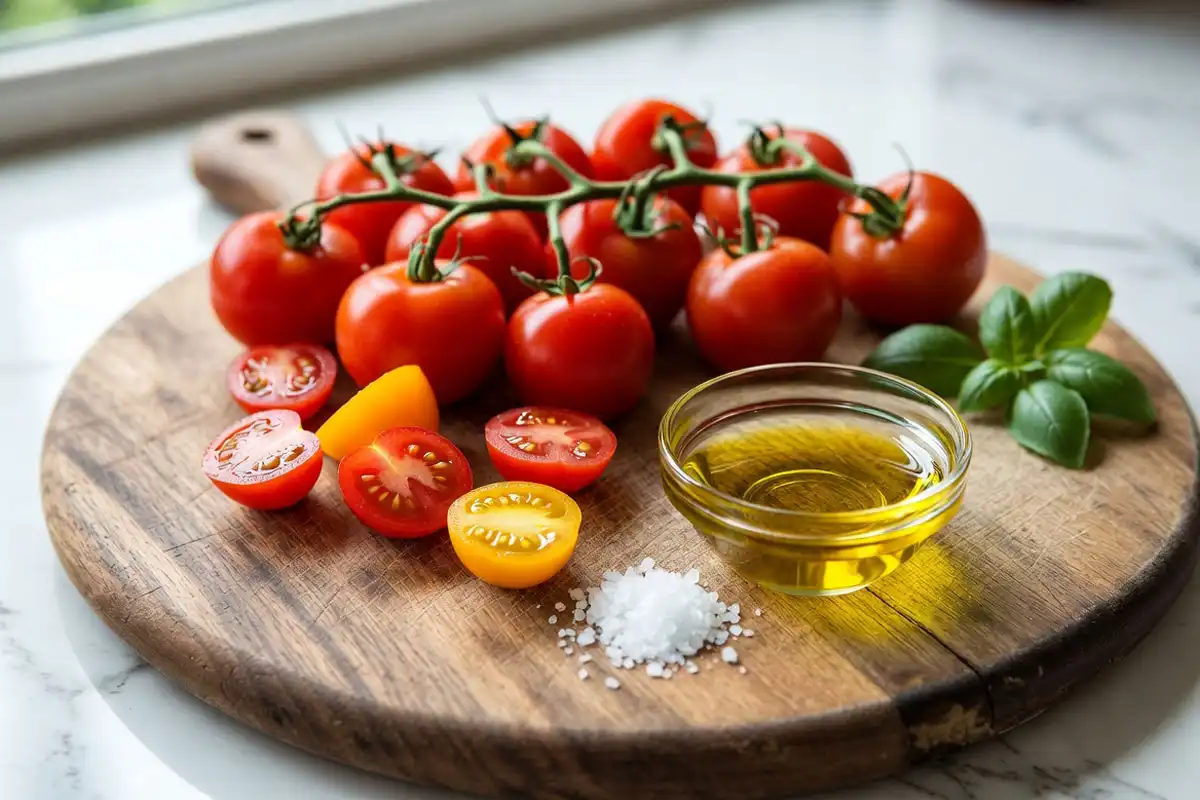
With salt and olive oil: Toss halved cherry tomatoes with flaky sea salt and extra virgin olive oil for a fast side. Let them sit for 5 minutes before serving. The salt draws out juice and deepens the flavor.
Do not refrigerate fresh cherry tomatoes before eating. Cold temperatures break down the cell walls and flatten the taste. Room temperature storage preserves texture and sweetness.
How to Cook Cherry Tomatoes
How Do You Roast Cherry Tomatoes?
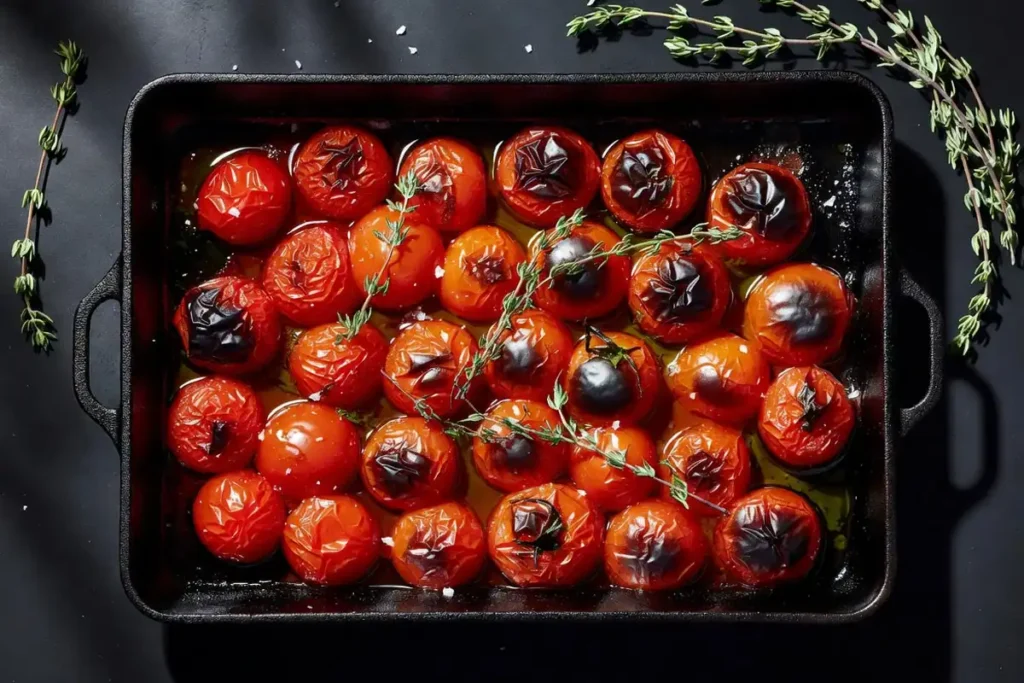
Roasting cherry tomatoes concentrates their sugar and produces a deeper, slightly smoky flavor.
- Preheat the oven to 400°F (204°C).
- Place whole or halved cherry tomatoes in a single layer on a baking sheet.
- Drizzle with olive oil and season with salt and black pepper.
- Roast for 20 to 25 minutes until the skins blister and the edges caramelize.
Roasted cherry tomatoes work well on bruschetta, folded into scrambled eggs, or stirred into pasta with fresh basil.
How Do You Sauté Cherry Tomatoes?
Sautéing takes 8 to 10 minutes and produces a quick pan sauce with a fresh, bright flavor.
- Heat 2 tablespoons of olive oil in a skillet over medium-high heat.
- Add whole cherry tomatoes. They will begin to pop and release juice within 3 to 4 minutes.
- Press them lightly with a spoon to encourage breakdown.
- Add minced garlic, red pepper flakes, and salt. Cook for 4 more minutes.
This sauce coats pasta directly or pairs with grilled proteins.
How Do You Make Cherry Tomato Sauce?
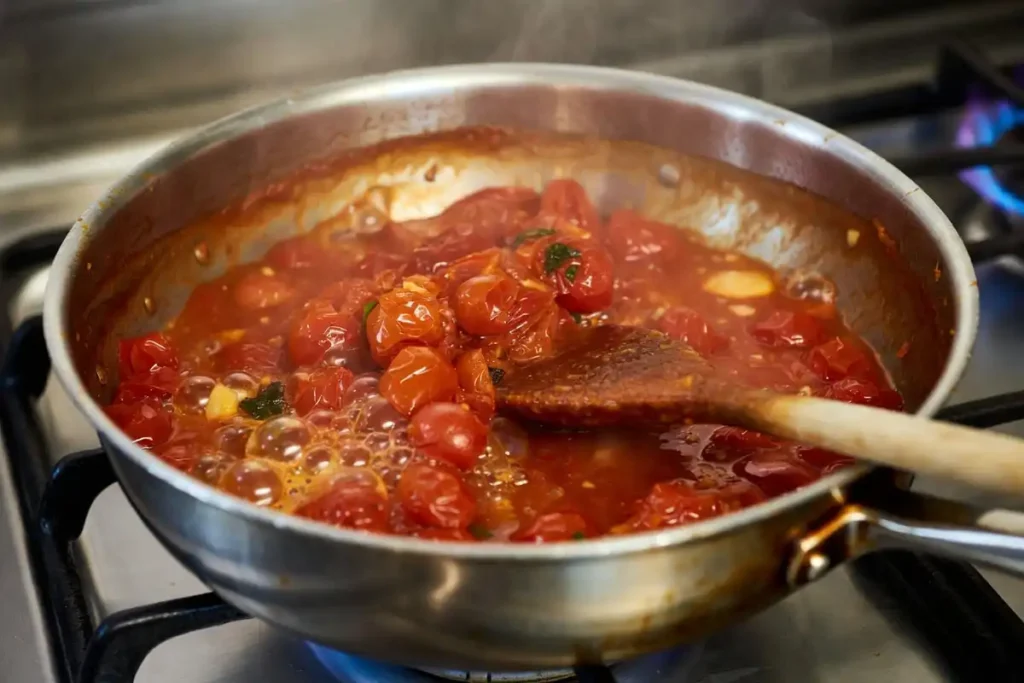
Cherry tomato sauce requires a higher volume of fruit and longer cook time than sautéed tomatoes.
- Combine 2 pounds of cherry tomatoes with 3 garlic cloves and 2 tablespoons of olive oil in a wide pan.
- Cook over medium heat for 25 to 30 minutes, stirring occasionally.
- Crush the tomatoes with the back of a spoon as they soften.
- Season with salt, black pepper, and fresh basil at the end.
The sauce stores in the refrigerator for 5 days or freezes for up to 6 months.
How to Preserve Cherry Tomatoes
How Do You Freeze Cherry Tomatoes?
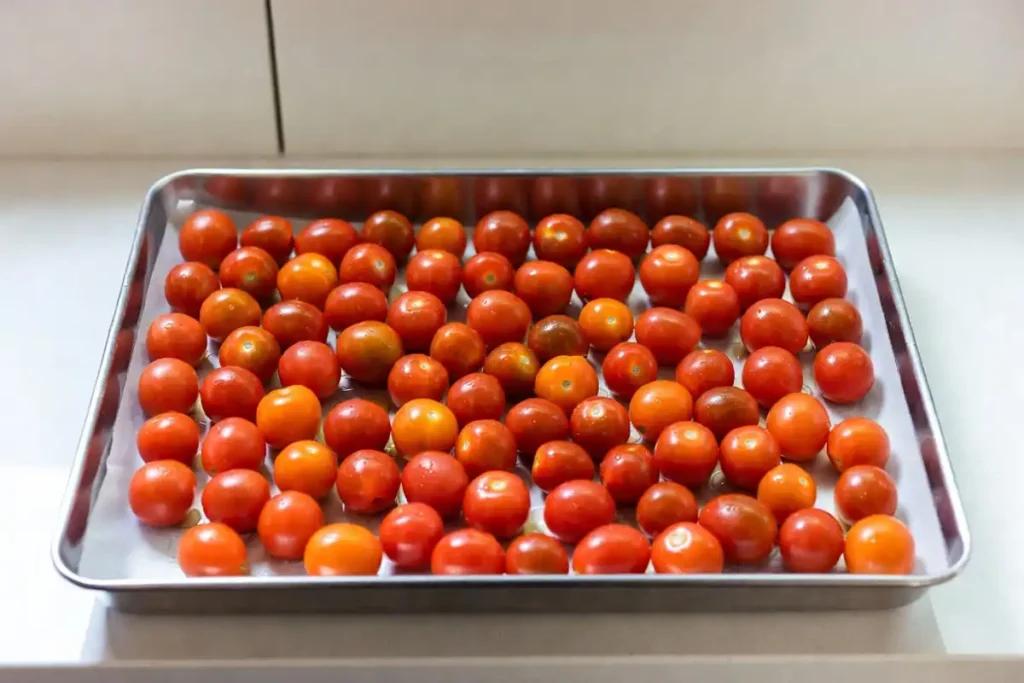
Freezing cherry tomatoes preserves them for up to 6 months with minimal effort and no blanching required.
- Wash and dry the tomatoes completely. Moisture on the skin causes ice crystals and clumping.
- Spread them in a single layer on a parchment-lined tray.
- Freeze for 2 hours until solid.
- Transfer to freezer-safe bags and remove excess air before sealing.
Frozen cherry tomatoes do not work well fresh after thawing. Use them directly in cooked dishes, soups, and sauces. Their texture softens after freezing, but their flavor holds well.
How Do You Sun-Dry or Oven-Dry Cherry Tomatoes?
Drying cherry tomatoes removes moisture and concentrates their flavor significantly.
Oven method:
- Halve the tomatoes and place them cut-side up on a wire rack over a baking sheet.
- Sprinkle with sea salt.
- Set the oven to 225°F (107°C).
- Dry for 3 to 4 hours until the tomatoes shrink and the edges curl slightly.
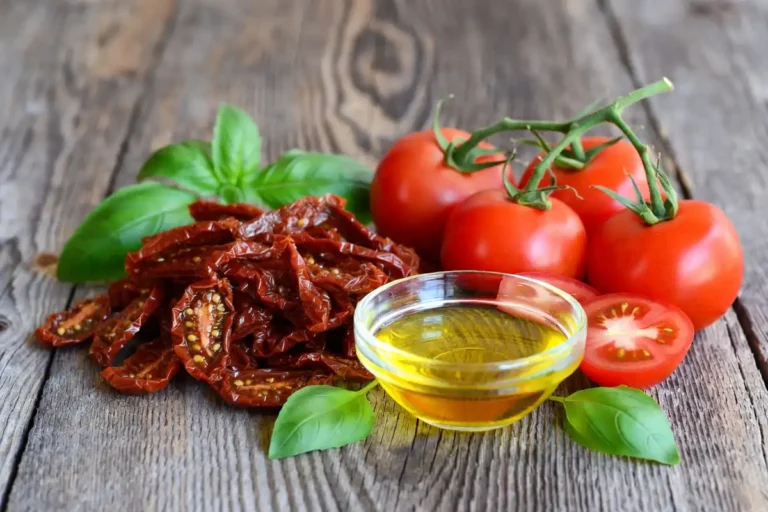
Oven-dried cherry tomatoes store in olive oil in the refrigerator for up to 2 weeks. For longer storage, keep them dry in an airtight container in the freezer for up to 3 months.
How Do You Pickle Cherry Tomatoes?
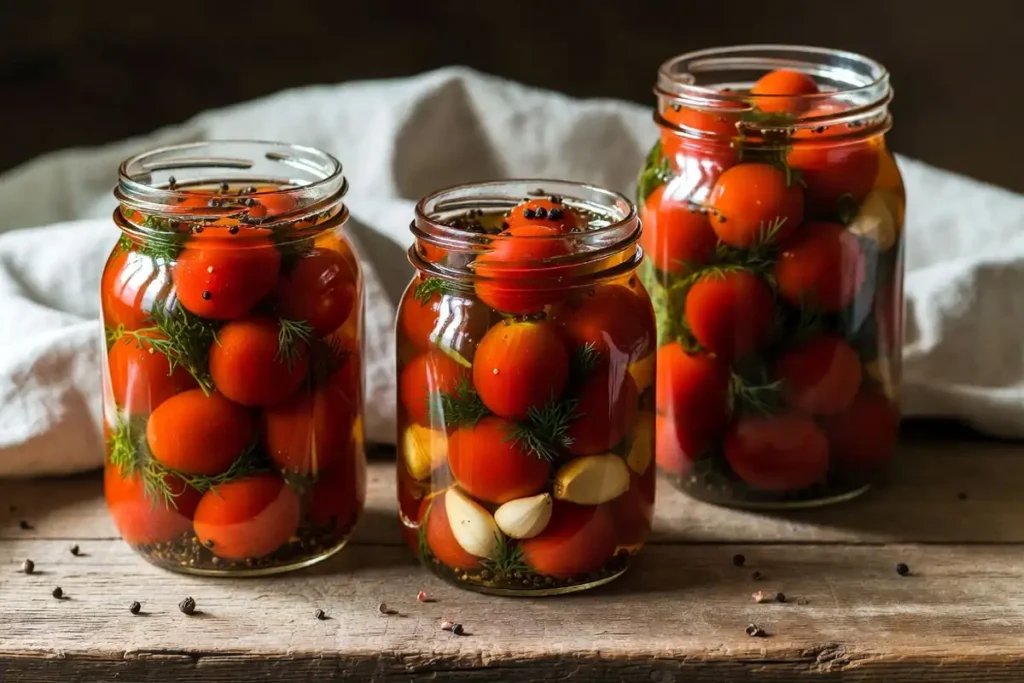
Pickling cherry tomatoes produces a tangy, shelf-stable preserve that pairs with sandwiches, grain bowls, and charcuterie boards.
Basic brine ratio: 1 cup white vinegar, 1 cup water, 1 tablespoon salt, 1 tablespoon sugar.
- Pierce each tomato once with a skewer to allow brine penetration.
- Pack tomatoes into sterilized jars with garlic, black peppercorns, and fresh dill.
- Bring the brine to a boil and pour it over the tomatoes.
- Seal the jars and refrigerate for at least 48 hours before eating.
Refrigerator-pickled cherry tomatoes last up to 4 weeks. For shelf-stable canning, follow USDA-tested water-bath canning procedures with verified acidity levels.
How to Store Cherry Tomatoes After Harvest
Cherry tomatoes store at room temperature for 5 to 7 days when kept unwashed and out of direct sunlight.
Place them stem-side down on a plate or in a shallow bowl. This position reduces moisture loss through the stem scar and slows spoilage.
Move tomatoes to the refrigerator only when they are fully ripe and you need to extend shelf life by 3 to 5 additional days. Pull refrigerated tomatoes out 30 minutes before eating to recover some of their flavor.
For larger harvests, the approaches covered in handling produce after picking and on-farm crop storage methods apply directly to managing tomato volume efficiently.
What to Do With an Overabundance of Cherry Tomatoes
A productive plant can yield 4 to 8 pounds of fruit per season. When volume exceeds what you can eat fresh, rotate through these approaches:
Freeze first. Freezing requires no cooking and preserves the most volume in the shortest time.
Batch roast. Roast large trays at once and freeze the roasted tomatoes in portions. They defrost quickly and work in sauces, soups, and stews.
Make concentrate. Cook a large quantity down into a thick tomato paste, freeze in ice cube trays, and use portions throughout the year.
Share or sell. Many farmers markets and community produce stands accept surplus home-grown tomatoes.
Common Mistakes to Avoid With Cherry Tomatoes
Refrigerating unripe tomatoes. Cold temperatures stop the ripening process and create a mealy texture. Keep unripe tomatoes at room temperature until they reach full color.
Washing before storage. Moisture on the skin accelerates mold growth. Wash cherry tomatoes only immediately before use.
Overcrowding the roasting pan. Tomatoes placed too close together steam instead of roast. Use a single layer with space between each tomato.
Using split or cracked tomatoes for preserving. Split tomatoes carry higher bacterial load. Use them immediately in cooked dishes rather than pickling or canning.
Skipping the pierce step when pickling. Unpierced cherry tomatoes resist brine absorption and ferment unevenly.
Safety Notes When Handling and Preserving Cherry Tomatoes
Canning acidity: Cherry tomatoes fall on the borderline of safe pH for water-bath canning. Add 1 tablespoon of bottled lemon juice per pint jar to ensure safe acidity. Use only USDA-approved recipes.
Mold inspection: Discard any tomato showing soft spots, white fuzz, or off odor before processing. Mold spreads quickly to adjacent fruit in a batch.
Jar sterilization: Sterilize canning jars in boiling water for 10 minutes before filling. Bacteria in unsterilized jars cause spoilage and foodborne illness.
Hot brine handling: Pour hot brine carefully using a canning funnel. Burns from splashing brine are a common kitchen injury during pickling.
Pesticide residue: Wash all tomatoes thoroughly before eating, even those grown in a home garden. Residue from sprays, including organic-approved options, remains on the skin. For context on when sprays are appropriate and how to apply them safely, the article on timing pesticide applications on food crops covers the key guidelines.
Troubleshooting Cherry Tomato Problems
Tomatoes split before harvest. Inconsistent watering causes the skin to crack as the fruit expands rapidly after dry periods. Water evenly and mulch around the base of the plant to retain moisture. The article on how much water tomatoes need at each growth stage explains the patterns that lead to splitting.
Tomatoes taste bland. Low sugar content results from overwatering, low light, or picking too early. Reduce watering by 20% during the final 2 weeks before harvest to concentrate flavor.
Tomatoes turn soft quickly after picking. Overly ripe fruit or rough handling during harvest causes fast deterioration. Harvest into a shallow container to avoid stacking weight on lower fruit.
Sauce turns bitter. Overcooking cherry tomato sauce past 45 minutes produces bitter compounds from the seeds and skin. Keep sauce cook time between 20 and 35 minutes for best flavor.
Frozen tomatoes turn mushy on thawing. This is expected. Freezing ruptures cell walls. Use frozen tomatoes only in cooked applications.
Conclusion
Cherry tomatoes work across every kitchen method from raw snacking to long-cooked sauce to multi-month preservation. The key is matching the method to the volume you have and the flavor result you want. Fresh fruit needs nothing beyond a rinse and good storage conditions. Surplus harvests reward the effort of roasting, drying, freezing, or pickling with months of usable produce.
Start with whichever method fits your current harvest size, and work through the others as your plants continue to produce.