When Do Tomatoes Need the Most Water? Key Stages Every Farmer Knows
Tomatoes need the most water during flowering, fruit set, and active fruit development. This guide covers the full watering lifecycle of a tomato plant, from transplant through harvest, so you know exactly when to increase supply, when to hold back, and how to recognize the signs of both overwatering and underwatering.
Tomatoes need the most water between flowering and fruit fill. During this window, consistent soil moisture prevents blossom drop, cracking, and blossom-end rot. Most tomato plants require 1 to 2 inches of water per week, but that demand rises to 2 inches or more per week during peak fruit development in hot weather.
What Drives Tomato Water Demand?
Tomato plants (Solanum lycopersicum) use water to move nutrients from roots to leaves, regulate temperature through transpiration, and fill developing fruit cells.
Water demand increases as the plant grows larger and produces more fruit. A seedling uses far less water per day than a mature plant loaded with developing tomatoes.
Three plant conditions drive the highest demand: open flowers, fruit set, and swelling fruit. Miss consistent moisture during any of these stages and yield drops.
Learn more: When to Plant Tomatoes in California: 4 Regional Planting Guides
When Do Tomatoes Need the Most Water?
Transplant Stage (Weeks 1 to 2)
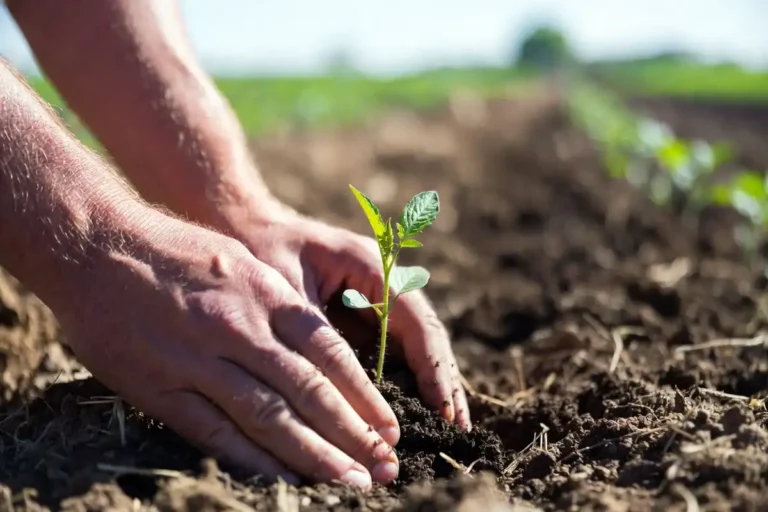
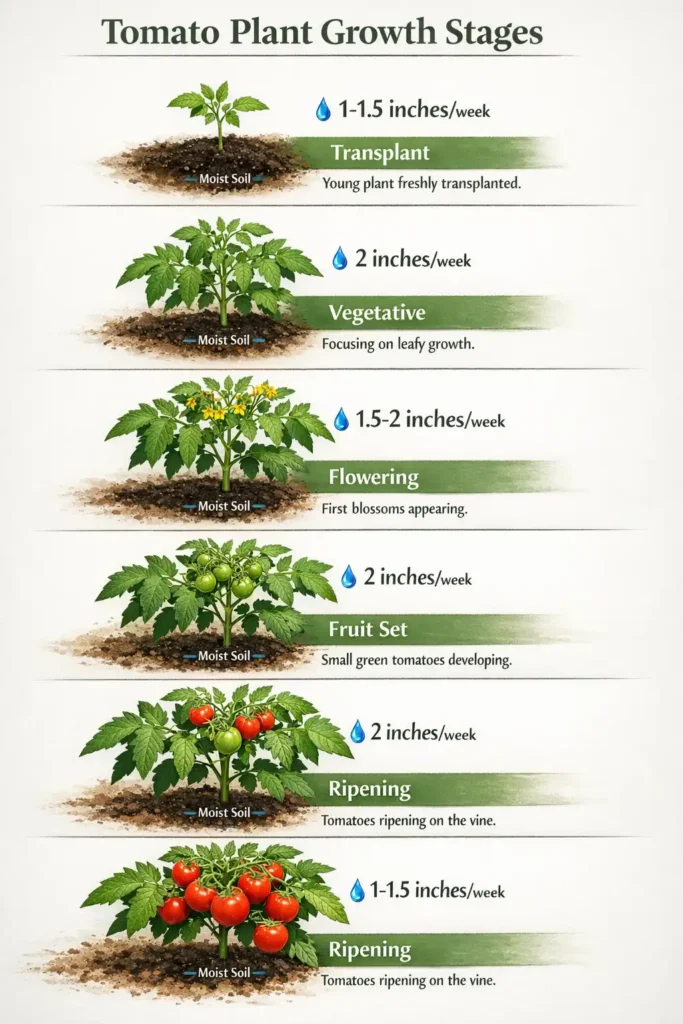
Water tomato transplants deeply at planting to settle the root zone. For the first two weeks, water every 2 to 3 days, depending on soil type and temperature.
The goal at this stage is root establishment, not fast growth. Keeping the top 6 inches of soil consistently moist helps new roots anchor before the plant puts energy into fruit production.
If you’re starting seeds and preparing for field transplanting, the guide on hardening off tomato transplants walks through that process step by step.
Vegetative Growth Stage (Weeks 3 to 6)
Water demand stays moderate during early stem and leaf growth. Aim for 1 to 1.5 inches per week.
Avoid saturating the soil at this stage. Waterlogged roots reduce oxygen availability and slow nutrient uptake. Let the top inch of soil dry between waterings to encourage roots to grow deeper.
Flowering Stage (Critical Window Begins)
Water consistency becomes essential once flowers appear. Inconsistent moisture at this stage causes flowers to drop before fruit sets.
Increase watering to 1.5 to 2 inches per week. Do not let the soil dry out completely between watering sessions. Tomato flowers require stable soil moisture to successfully pollinate and hold.
Fruit Set and Early Fruit Development (Highest Demand)
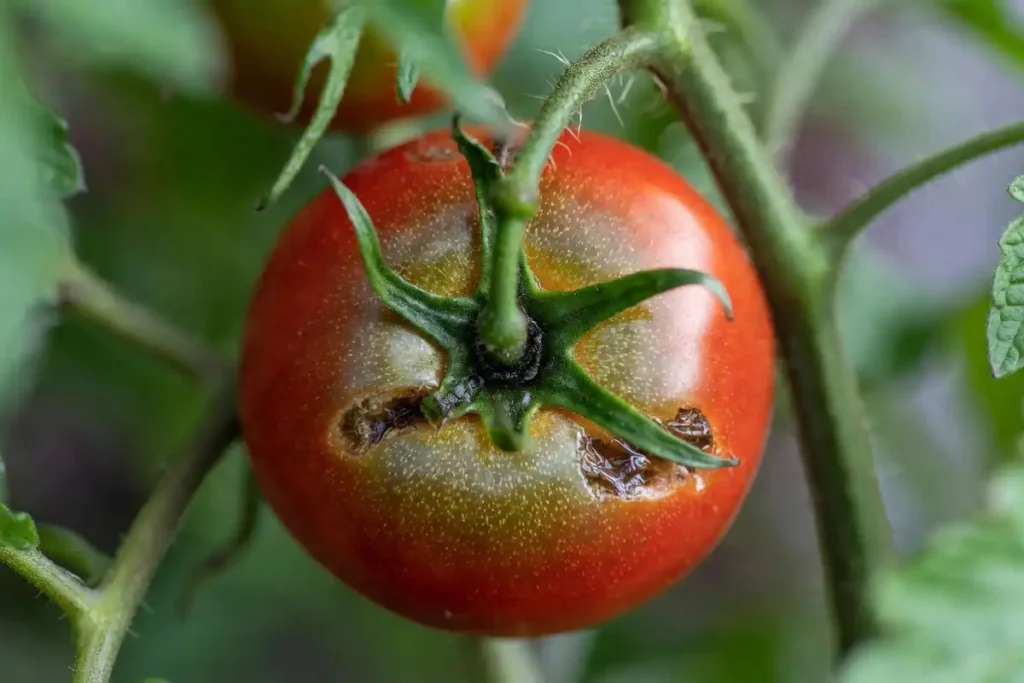
This is the stage when tomatoes need the most water. Once fruit sets and begins to swell, the plant pulls large volumes of water to fill developing cells.
Water demand reaches 2 inches per week or more during hot, dry weather. Any significant moisture drop at this stage causes two common problems: blossom-end rot and fruit cracking.
Blossom-end rot results from calcium deficiency caused by irregular watering, not from low calcium in the soil. Fruit cracking happens when a dry spell is followed by heavy watering or rainfall, causing rapid cell expansion.
For a deeper look at managing these problems and others across the growing season, the common crop diseases overview covers symptoms and causes across multiple crops.
Fruit Ripening Stage (Taper Back)
Reduce watering as fruit approaches full color. Cut back to about 1 inch per week.
Less water during ripening concentrates flavor and reduces the risk of cracking. Continue to maintain consistent (not absent) moisture. Complete water withdrawal causes stress cracks and uneven ripening.
How Much Water Do Tomatoes Need Per Week?
| Growth Stage | Water Per Week |
|---|---|
| Transplant | 1 to 1.5 inches |
| Vegetative | 1 to 1.5 inches |
| Flowering | 1.5 to 2 inches |
| Fruit set / development | 2 inches or more |
| Ripening | 1 inch |
These figures assume average summer temperatures between 70°F and 85°F. Adjust upward during heat waves or in sandy soils that drain fast.
How to Water Tomatoes Correctly
Water at the Root Zone, Not the Leaves
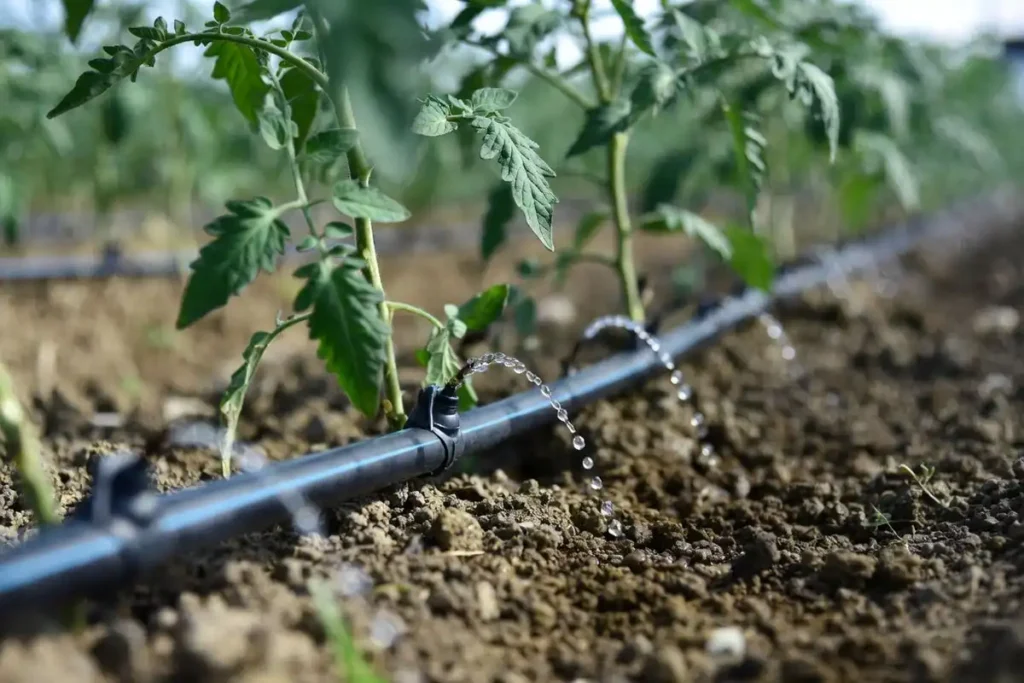
Direct water to the base of the plant. Wet foliage promotes fungal diseases, including early blight and septoria leaf spot.
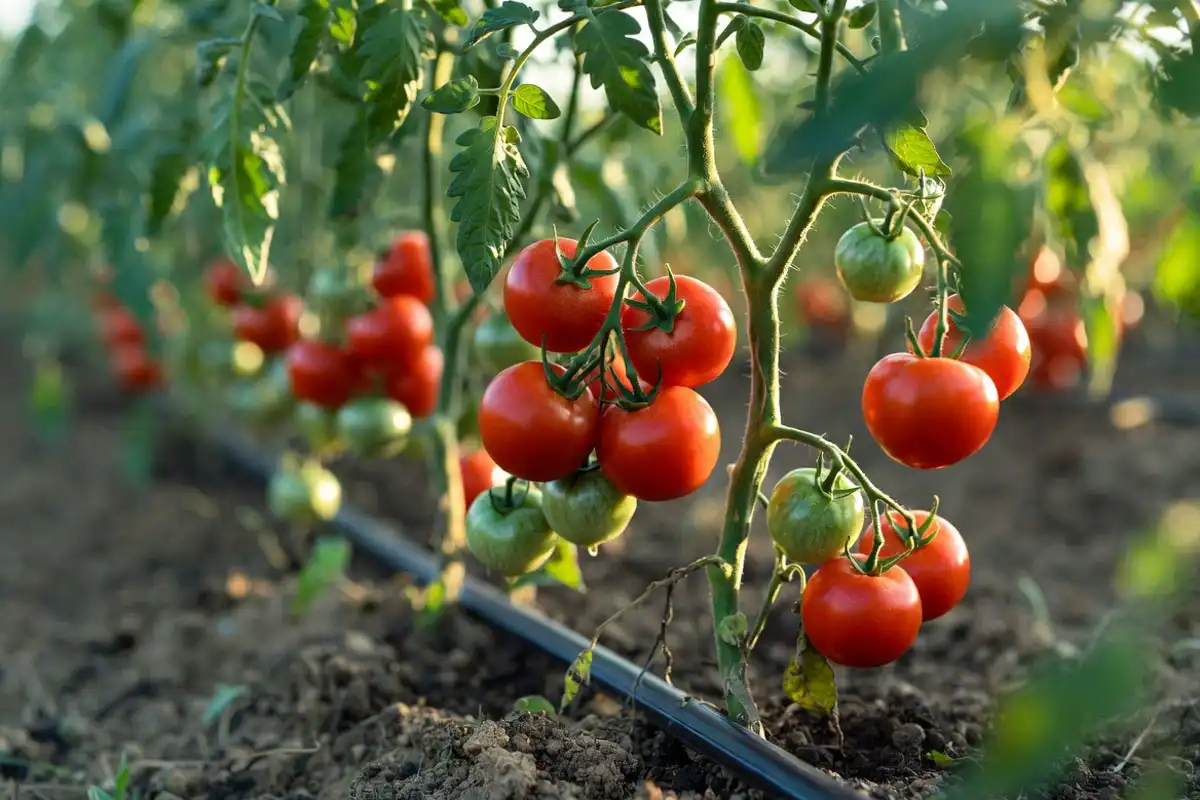
Drip irrigation delivers water directly to the root zone and keeps leaves dry. If you’re comparing irrigation methods for your operation, the comparison of drip vs. sprinkler irrigation covers the tradeoffs clearly.
Water Deeply, Not Frequently
Deep, infrequent watering builds deep root systems. Shallow roots depend on surface moisture and suffer more during hot, dry spells.
Water until moisture reaches 8 to 10 inches deep. Check depth using a finger or soil probe after watering.
Water in the Morning
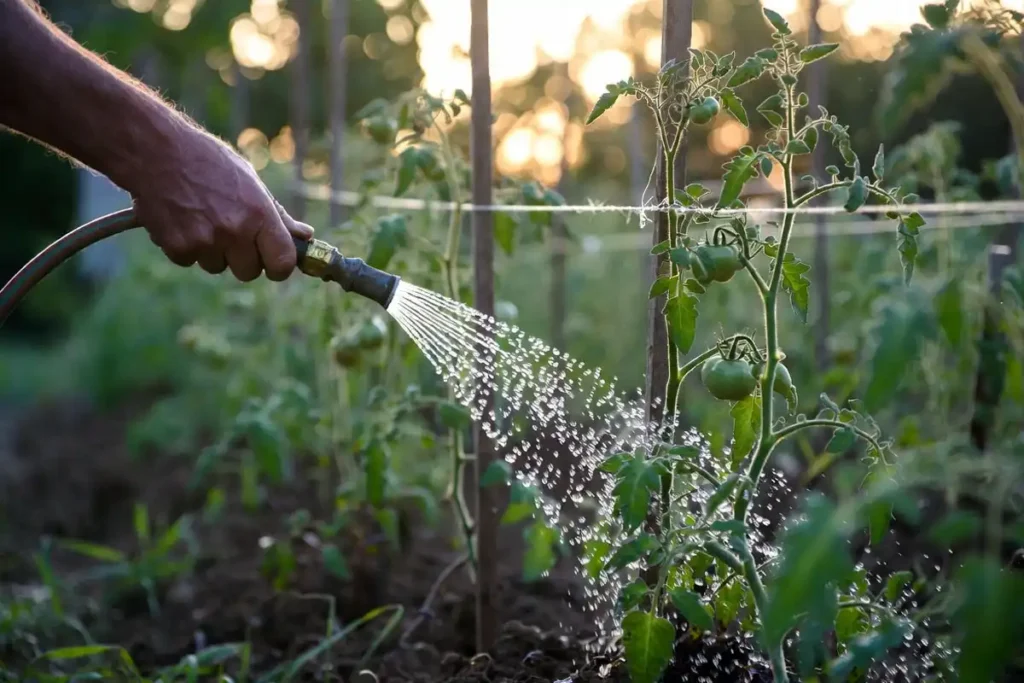
Morning watering allows the soil surface to dry through the day. Evening watering leaves moisture on the soil and foliage overnight, which increases disease pressure.
Mulch to Retain Moisture
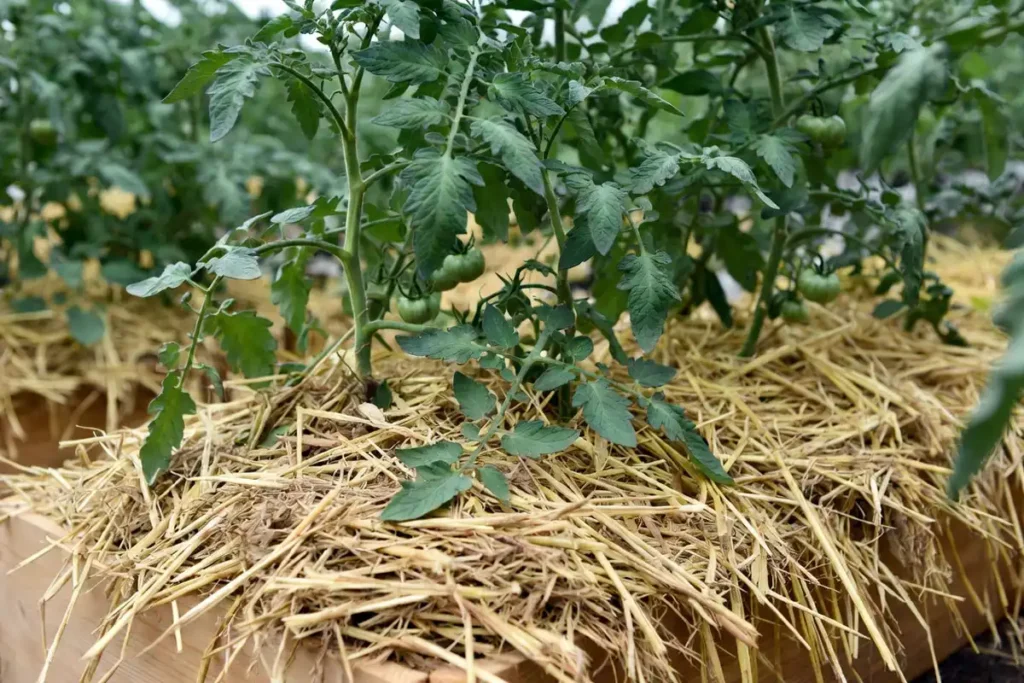
A 2 to 3 inch layer of organic mulch around tomato plants reduces evaporation, moderates soil temperature, and stabilizes moisture levels between waterings. Straw, shredded leaves, and wood chips all work well. Mulching in crop farming explains application methods and depth guidelines.
How to Know If Tomatoes Need Water
Signs of Underwatering
- Leaves curl inward during the middle of the day and do not recover in the evening
- Wilting that persists after temperatures cool
- Dry, cracked soil 2 to 3 inches below the surface
- Blossom drop during flowering
- Blossom-end rot on developing fruit
Signs of Overwatering
- Yellowing lower leaves
- Waterlogged soil that stays wet for days
- Root rot (roots appear brown and soft)
- Stunted growth despite adequate nutrients
- Mold on the soil surface
What Affects How Much Water Tomatoes Use?
Soil Type
Sandy soils drain fast and require more frequent watering. Clay soils retain moisture longer but can become waterlogged.
Adding compost improves both drainage in clay soils and water retention in sandy soils. Improving soil fertility naturally covers several methods for adjusting soil structure before planting.
Temperature and Sun Exposure
Plants in full sun and high temperatures transpire more water. A plant in Kansas summer heat above 90°F uses significantly more water per day than the same plant in a cooler climate.
Plant Size and Fruit Load
A large indeterminate tomato variety carrying 20 or more developing fruits draws far more water than a compact determinate variety. Adjust watering volume as the plant grows.
Container vs. In-Ground
Container-grown tomatoes dry out faster than in-ground plants. In containers, check moisture daily during peak summer and water whenever the top inch feels dry.
Common Watering Mistakes to Avoid
Watering on a fixed schedule regardless of conditions. Rainfall, temperature, and plant stage all affect actual water need. Always check soil moisture before watering.
Watering shallowly every day. This encourages roots to stay near the surface where they are vulnerable to heat stress. Water deeply every 2 to 3 days instead.
Allowing soil to dry completely between waterings during fruit set. Even one severe dry spell at this stage can trigger blossom-end rot or cause cracking when water returns.
Watering from overhead during fruiting. Wet fruit increases the risk of cracking and fungal infection. Switch to ground-level delivery once fruit sets.
Ignoring rain totals. After 1 inch of rainfall, skip the next scheduled irrigation session. Overwatering reduces oxygen in the root zone as much as drought does.
Safety Notes
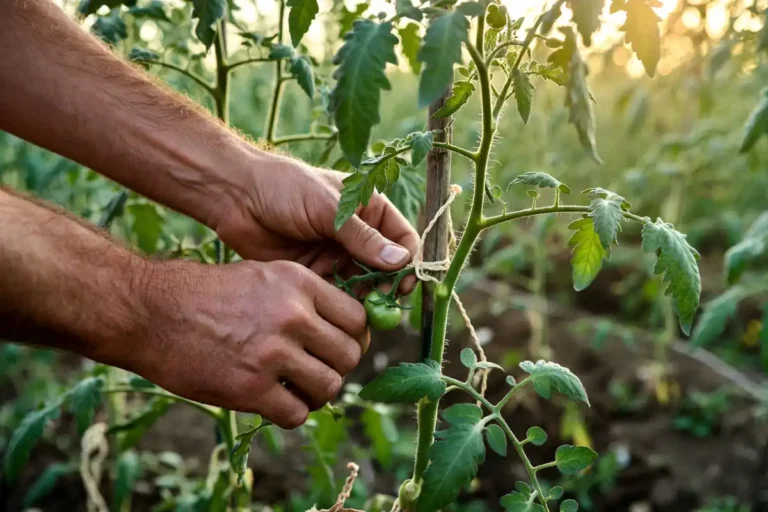
When hand-watering near staked or trellised plants, watch for sharp wire ends and rough wood on stakes. Staking, trellising, and caging tomatoes covers safer support structures.
Avoid walking through wet tomato rows during cool, humid mornings. Foot traffic during these conditions spreads fungal spores between plants.
If you use fertigation (applying fertilizer through irrigation), follow label rates carefully. Over-applying nitrogen through drip lines during peak water demand burns roots and distorts fruit development.
Conclusion
Tomatoes need the most water during flowering, fruit set, and active fruit development. Consistent soil moisture at these stages prevents blossom drop, blossom-end rot, and fruit cracking.
Tailor watering volume to plant stage, soil type, and temperature rather than a fixed calendar schedule. Deep, infrequent watering at the root zone, combined with mulching, gives tomatoes the stable moisture they need to produce healthy, full-sized fruit.