Are Sun Dried Tomatoes Healthy? 6 Key Benefits Worth Knowing
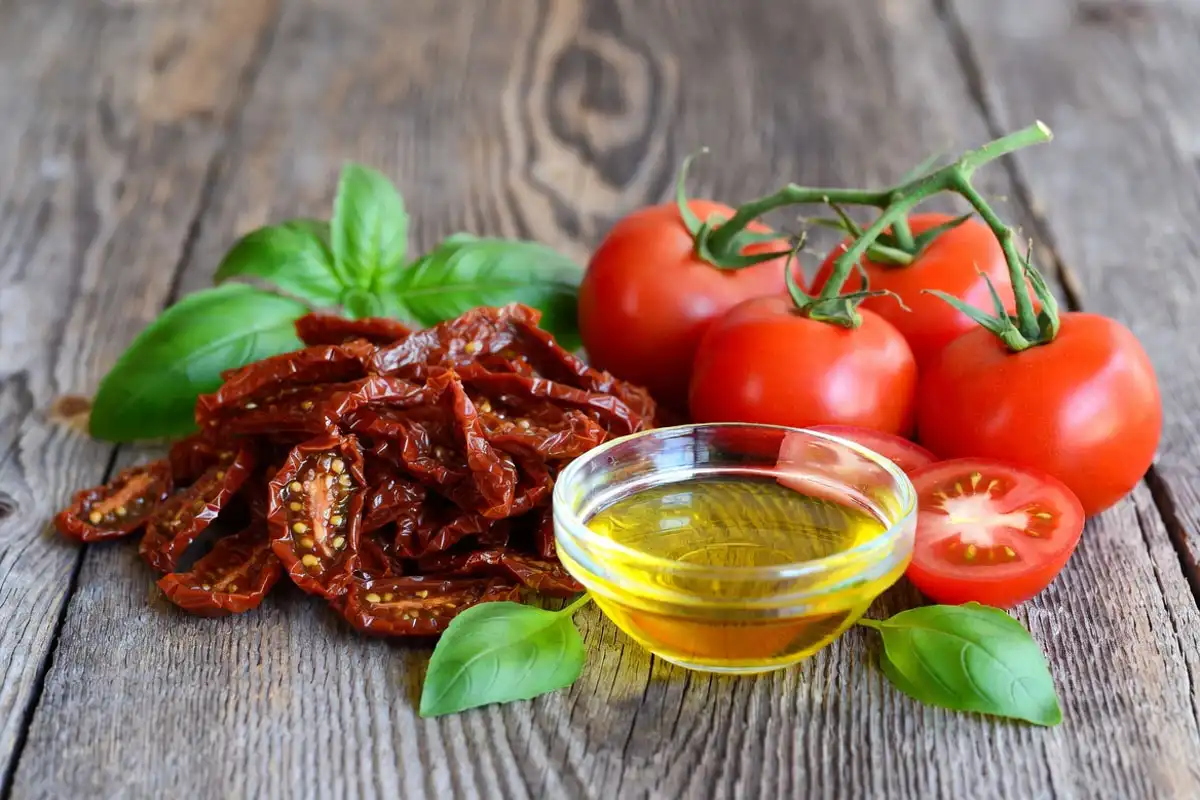
Sun-dried tomatoes are healthy because they provide concentrated nutrition, offering higher levels of lycopene, potassium, and iron per gram than fresh tomatoes. This guide covers their full nutritional profile, established health benefits, risks worth knowing, and practical ways to include them in your diet. Whether you grow tomatoes at home or buy them packaged, you will find clear, fact-based answers on what sun-dried tomatoes offer and how they fit a well-rounded eating pattern.
Yes, sun-dried tomatoes are healthy. They concentrate lycopene, potassium, iron, and B vitamins into a small serving. The main concern is sodium in salted commercial varieties. Rinsing or choosing unsalted options addresses that risk. A standard serving of 2 to 3 tablespoons provides solid nutritional value without excess calories.
What Are Sun-Dried Tomatoes?
Sun-dried tomatoes are fresh tomatoes dehydrated until roughly 90% of their water content is removed. The drying process concentrates sugars, acids, and nutrients into a smaller, more intense product.
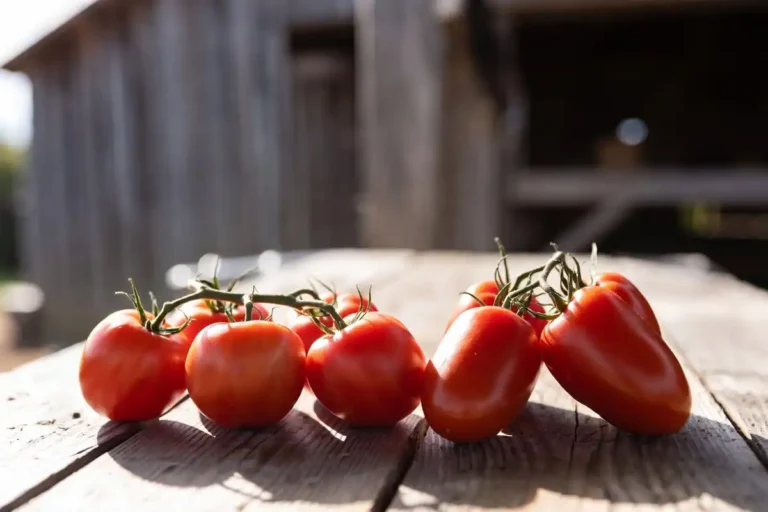
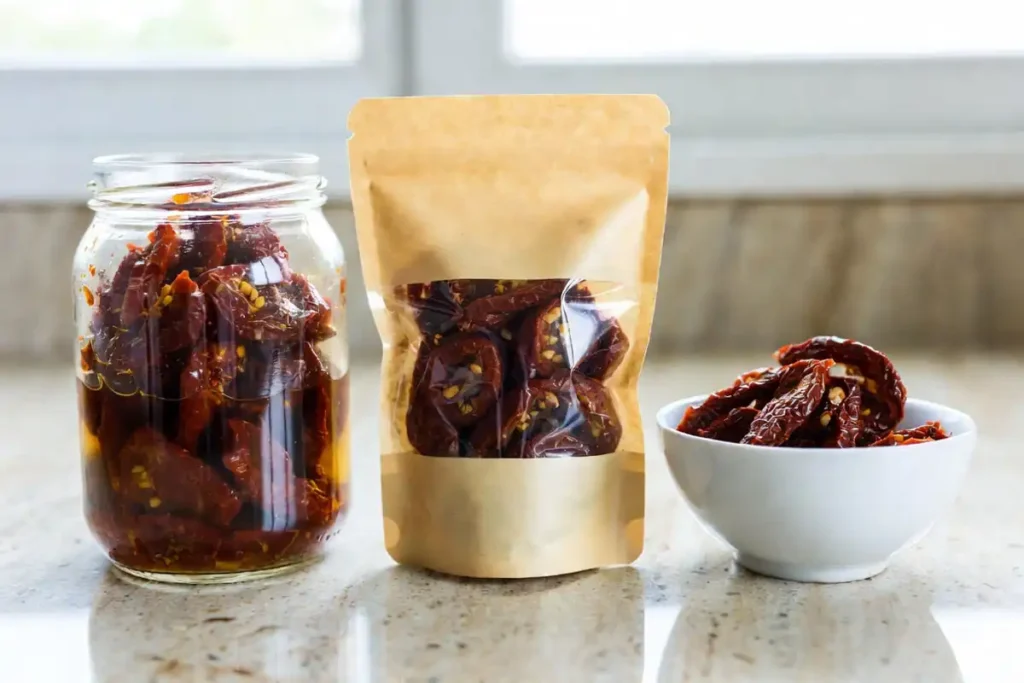
They come in three main forms: dry-packed (loose or bagged), oil-packed (stored in olive or sunflower oil), and rehydrated ready-to-use. Roma and paste tomatoes are the varieties most commonly used because their dense, low-moisture flesh holds up well to drying and produces a firmer finished product.
The drying method affects nutritional quality. Sun-drying and mechanical dehydration both preserve lycopene effectively. Keeping temperatures below 140°F (60°C) during oven or dehydrator drying limits vitamin C loss.
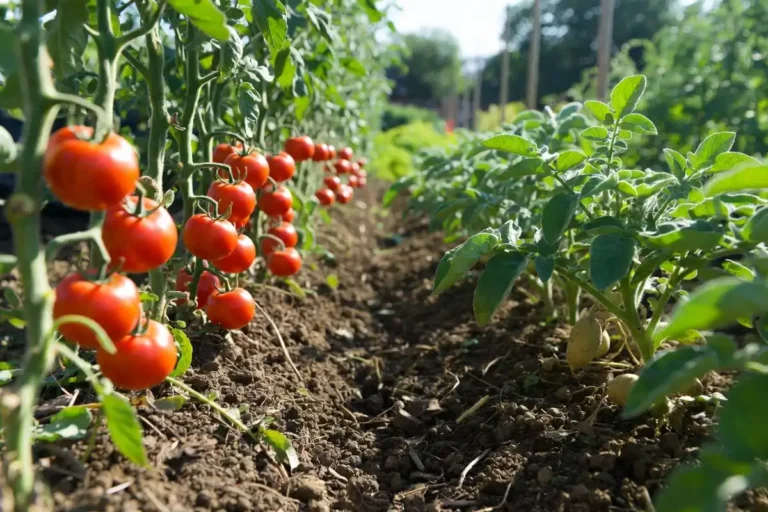
If you grow your own tomatoes, choosing the right variety and harvesting at peak ripeness produces a higher-quality dried product. The tomato growing and variety guide covers selection, spacing, and care from planting through harvest.
Learn more: Understanding about Cherry Tomatoes
Nutritional Profile of Sun-Dried Tomatoes
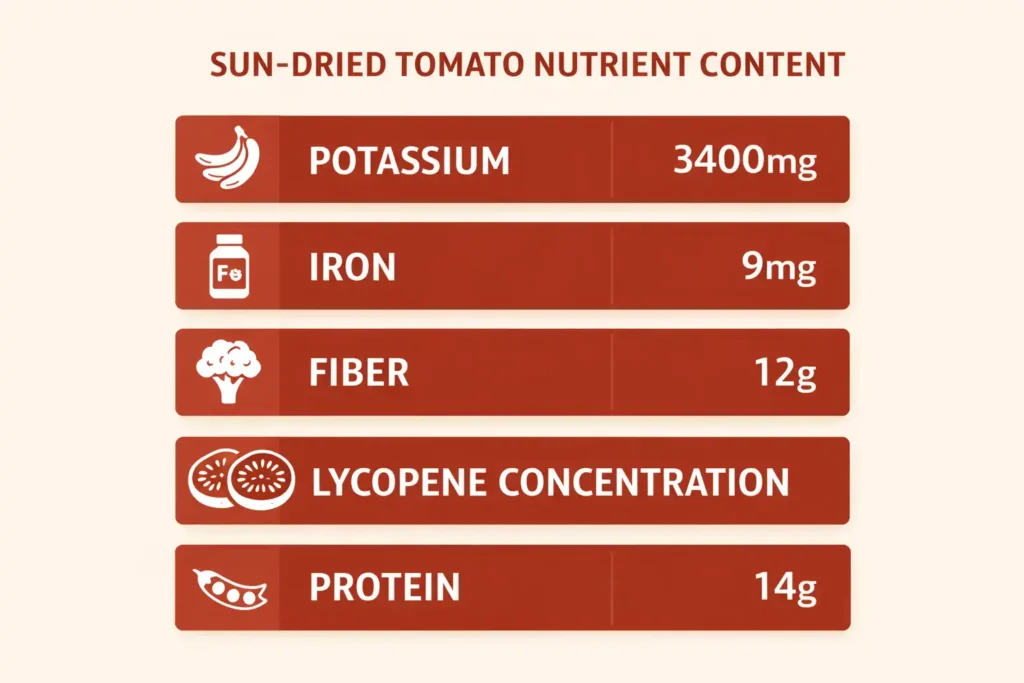
Sun-dried tomatoes are calorie-dense compared to fresh tomatoes because water removal concentrates all nutrients. According to USDA FoodData Central, 100 grams of dry-packed sun-dried tomatoes provide approximately 258 calories and 14 grams of protein. The same serving delivers roughly 55 grams of carbohydrates.
Potassium sits at approximately 3,400 mg per 100 grams, which places sun-dried tomatoes among the highest potassium plant foods by weight. Iron content reaches approximately 9 mg per 100 grams. Lycopene concentration is substantially higher per gram than in fresh raw tomatoes.
Sun-dried tomatoes also provide vitamins B3 (niacin), B6, and K, along with dietary fiber at around 12 grams per 100 grams.
Oil-packed varieties add fat and calories from the oil. The tomato’s own nutrient content stays consistent, but total calorie count increases depending on the oil and quantity absorbed.
Sodium varies widely across products. Unsalted dry-packed tomatoes contain minimal sodium. Salted commercial varieties can deliver between 1,000 and 2,500 mg of sodium per 100 grams, which is a significant portion of the recommended daily limit.
Health Benefits of Sun-Dried Tomatoes
Sun-dried tomatoes offer several well-established health benefits, linked to their concentrated lycopene, potassium, iron, and antioxidant content.
Do Sun-Dried Tomatoes Provide Lycopene?
Yes, sun-dried tomatoes provide lycopene, a carotenoid antioxidant associated with reduced cellular oxidative stress. Drying and heat processing increases lycopene bioavailability, meaning the body absorbs more of it than from an equal weight of raw fresh tomatoes. Consuming lycopene alongside dietary fat, such as olive oil, improves absorption further.
Do Sun-Dried Tomatoes Support Heart Health?
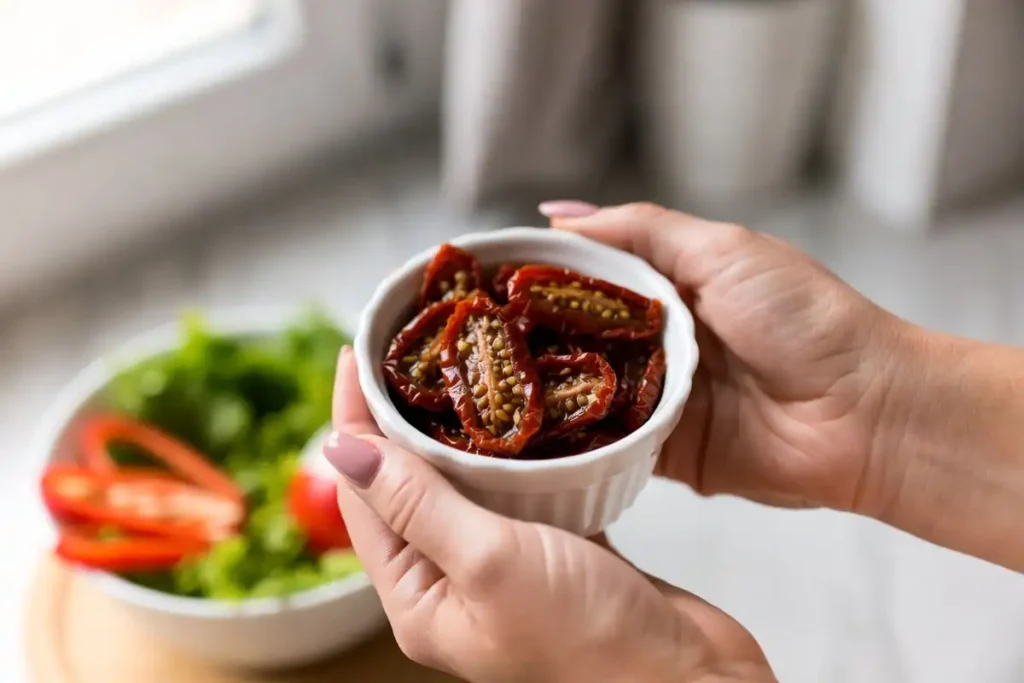
Sun-dried tomatoes support cardiovascular health through three key nutrients: potassium, lycopene, and dietary fiber. Potassium helps regulate blood pressure by counteracting the effect of sodium on arterial walls. Lycopene reduces LDL oxidation, a recognized factor in arterial plaque development. A 100-gram serving provides more potassium than a medium banana by a substantial margin.
Do Sun-Dried Tomatoes Provide Iron?
Yes, sun-dried tomatoes provide non-heme iron. At approximately 9 mg per 100 grams, they rank among the higher plant-based iron sources available. Pairing them with vitamin C-rich foods, such as bell peppers or citrus, improves non-heme iron absorption. This makes sun-dried tomatoes a practical addition to vegetarian and plant-forward diets.
Do Sun-Dried Tomatoes Contain Antioxidants?
Sun-dried tomatoes contain multiple antioxidants, including lycopene, beta-carotene, chlorogenic acid, and quercetin. These compounds reduce cellular oxidative damage. The drying process reduces vitamin C content but preserves lycopene and most polyphenols effectively.
Do Sun-Dried Tomatoes Support Gut Health?
Sun-dried tomatoes provide dietary fiber that feeds beneficial gut bacteria and supports regular digestion. Dry-packed tomatoes contain roughly 12 grams of fiber per 100 grams. That figure places them among the more fiber-rich options in the vegetable category.
Learn more: How to Plant Tomatoes from Seeds and Grow Healthy
Are There Any Downsides to Sun-Dried Tomatoes?
Sun-dried tomatoes present three potential concerns depending on the product type and the person consuming them.
High Sodium in Salted Varieties
Commercially salted sun-dried tomatoes contain high sodium levels. People managing hypertension or reducing sodium intake should read labels carefully before buying. Rinsing salted sun-dried tomatoes under running water for 30 seconds reduces surface sodium. Choosing unsalted or low-sodium varieties removes this concern entirely.
Calorie Density
Sun-dried tomatoes concentrate calories significantly. A 100-gram serving of fresh tomatoes contains roughly 18 calories. The same weight dried provides approximately 258 calories. A standard serving of 2 to 3 tablespoons (about 15 to 25 grams) keeps calorie intake manageable. Treating them as a flavoring rather than a bulk ingredient suits most dietary goals.
Acidity
Sun-dried tomatoes are acidic. People with acid reflux or GERD may find that concentrated tomato products worsen symptoms. Starting with small amounts and observing the body’s response is a sound approach.
Additives in Some Oil-Packed Products
Some commercial oil-packed products include sulfur dioxide or sodium bisulfite to preserve color and extend shelf life. People with sulfite sensitivity should check ingredient labels before purchasing. Sulfite-free options are available in health-food stores and through specialty retailers.
Sun-Dried vs. Fresh Tomatoes: Which Is Better?
Sun-dried tomatoes and fresh tomatoes come from the same plant but deliver different nutritional profiles by weight.
Fresh tomatoes contain more water, which lowers calorie and nutrient density per gram. They provide more vitamin C per serving because ascorbic acid degrades with heat and drying. Fresh tomatoes suit high-volume eating with low calorie intake.
Sun-dried tomatoes deliver more lycopene, potassium, iron, and fiber per gram. They suit situations where flavor concentration and micronutrient density in a small serving matter.
Neither form is nutritionally superior in all ways. Both contribute to a balanced diet. Growing your own crop gives you full control over quality across both fresh and dried use.
How to Use Sun-Dried Tomatoes
Sun-dried tomatoes add concentrated umami flavor to cooked and raw applications without requiring large quantities.
Common uses include: chopping them into pasta sauces, grain salads, and salad dressings; blending them into dips with olive oil and garlic; adding them to flatbreads and baked goods; mixing them into scrambled eggs or grain bowls; and stirring them into soups during the last 10 minutes of cooking.
Dry-packed sun-dried tomatoes need rehydration before use in most recipes. Soaking them in warm water for 20 to 30 minutes restores pliability. Oil-packed varieties can be used directly from the jar.
Cherry tomatoes also dry well and produce a sweeter flavor profile than Roma varieties. The article on ways to use cherry tomatoes covers harvesting, handling, and cooking applications for smaller-fruited types.
How to Make Sun-Dried Tomatoes at Home
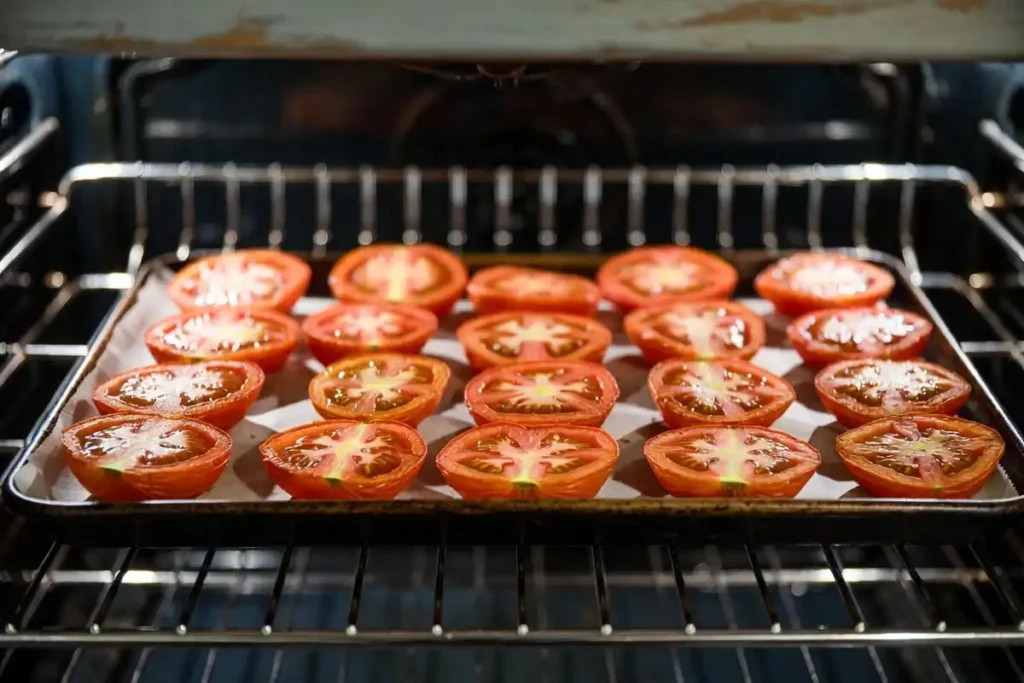
Making sun-dried tomatoes at home removes concerns about sodium, sulfites, and additives. The process requires ripe tomatoes, low heat, and time.
What you need: Baking sheet, wire rack, oven or food dehydrator, airtight storage jars
Steps:
- Select ripe, firm tomatoes. Roma and paste varieties produce the best results with consistent flesh density.
- Wash tomatoes and slice them in half lengthwise.
- Remove seeds and excess liquid with a spoon to speed drying time.
- Place cut-side up on a wire rack set over a baking sheet.
- Season lightly with salt and dried herbs if desired.
- Dry in an oven at 200°F (93°C) for 6 to 8 hours, until leathery and dry but not brittle.
- Alternatively, use a food dehydrator set at 135°F (57°C) for 10 to 12 hours.
- Cool completely before transferring to storage containers.
For true sun-drying outdoors, place racks in full direct sunlight in dry conditions above 85°F (29°C). Cover with cheesecloth to prevent insects. Bring racks inside at night to prevent moisture absorption. This process takes 3 to 5 days depending on ambient temperature and humidity.
Starting from well-handled, properly ripened fruit improves the finished product. Reviewing post-harvest tomato handling practices ensures the tomatoes you dry start from a clean, high-quality base.
How to Store Sun-Dried Tomatoes
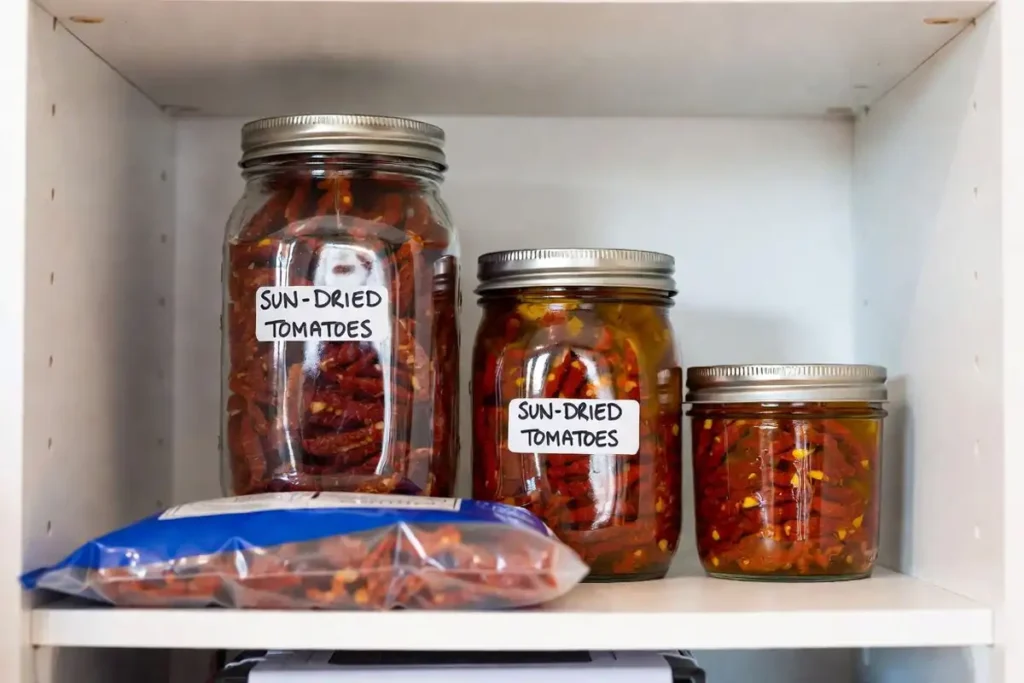
Proper storage preserves shelf life and prevents mold, off-flavors, or foodborne contamination.
Dry-packed (no oil): Store in an airtight container in a cool, dark place. They keep for 6 to 12 months at room temperature. Refrigeration extends shelf life to around 18 months.
Oil-packed (homemade): Refrigerate immediately after preparing and use within 2 weeks. Commercial oil-packed products follow individual label guidelines, typically 1 to 2 years unopened.
Freezing: Dry-packed sun-dried tomatoes freeze well. Pack them in a sealed freezer bag, remove as much air as possible, and freeze for up to 12 months without significant quality loss.
Checking for signs of spoilage before use is important. Discard any product showing mold, off-smells, or an unusual texture. For broader guidance on preserving harvested crops in safe, long-term storage conditions, the crop storage methods guide covers temperature requirements, humidity management, and container selection.
Common Mistakes When Using Sun-Dried Tomatoes
Skipping rehydration on dry-packed tomatoes. Using them straight from the bag produces a tough texture in dishes. A 20 to 30-minute soak in warm water restores pliability and improves the final result.
Ignoring sodium on product labels. Salted varieties contain significantly more sodium than unsalted options. Adding them to already-salty dishes, such as cured meat pasta or brined olives, compounds sodium intake quickly.
Overusing oil-packed tomatoes. The oil in the jar adds flavor and some nutritional value, but draining excess oil before adding them to a dish keeps calorie addition controlled.
Using damaged or under-ripe tomatoes for drying. Tomatoes with cracks, bruising, or mold spots produce an inferior dried product with off-flavors. Firm, fully ripe, blemish-free tomatoes produce the best results. For guidance on reading ripeness accurately, see the article on how to ripen tomatoes correctly.
Safety Notes
Sun-dried tomatoes stored in oil at room temperature carry a low but real risk of Clostridium botulinum growth. This anaerobic bacterium thrives in oxygen-free, low-acid environments. Homemade oil-packed tomatoes require refrigeration and consumption within two weeks. This is non-negotiable.
Commercial oil-packed products are processed to reduce this risk through acidification and controlled manufacturing. Home canning of oil-packed tomatoes in sealed shelf-stable jars is not recommended without tested, approved preserving procedures from a source such as the USDA National Center for Home Food Preservation.
Sulfites present in some commercial products trigger reactions in sulfite-sensitive individuals. Symptoms include headache, skin hives, and breathing difficulty. Ingredient labels list sulfur dioxide or sodium bisulfite when present. Reading labels before purchase protects sensitive consumers.
Conclusion
Sun-dried tomatoes are a nutrient-dense food that concentrates lycopene, potassium, iron, and dietary fiber into small servings. The health benefits align with their nutritional profile and are supported by established science. The main practical risks, high sodium in salted commercial products and botulism risk in improperly stored homemade oil-packed batches, are both manageable with label awareness, correct storage habits, and refrigeration.
Growing and drying your own tomatoes gives full control over ingredients, sodium levels, and quality from field to jar.