Organic vs Chemical Fertilizer: 10 Practical Tips That Work
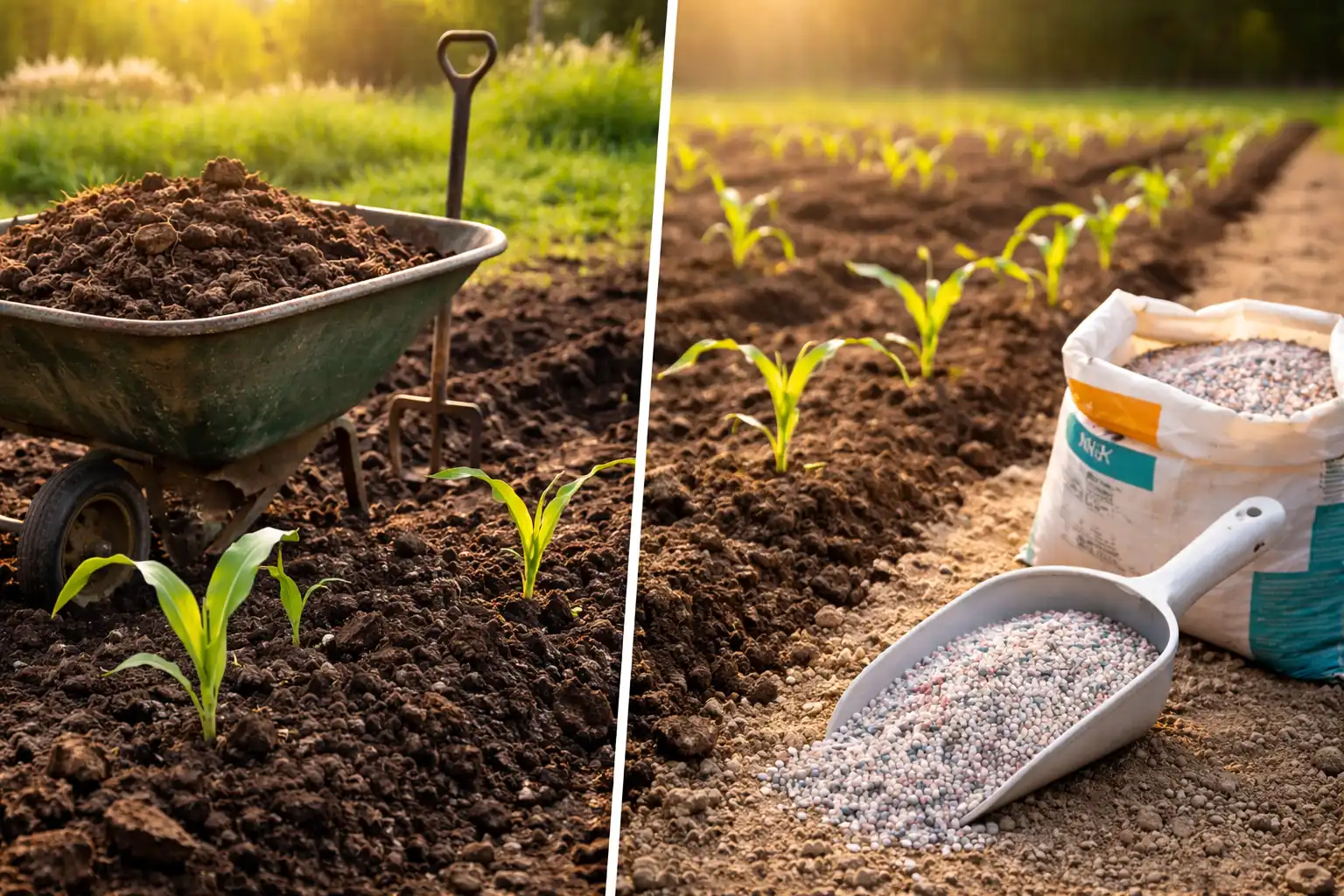
Organic vs chemical fertilizer comes down to what feeds the crop now versus what builds the soil over time. Chemical fertilizer delivers specific nutrients in plant-ready forms, so crops respond fast when moisture and temperature cooperate. Organic fertilizer adds nutrients more slowly while feeding soil biology and improving soil structure. Most farms and gardens get the best results by matching the source to the goal, the season, and a soil test, then applying the right rate with safe handling.
What is organic fertilizer?
Organic fertilizer is a nutrient source made from plant or animal materials that soil microbes break down into forms roots can absorb. Compost, manure, bone meal, feather meal, alfalfa meal, and fish-based products act as common organic fertilizers. The material adds carbon, which helps soil aggregate, hold water, and support beneficial biology.
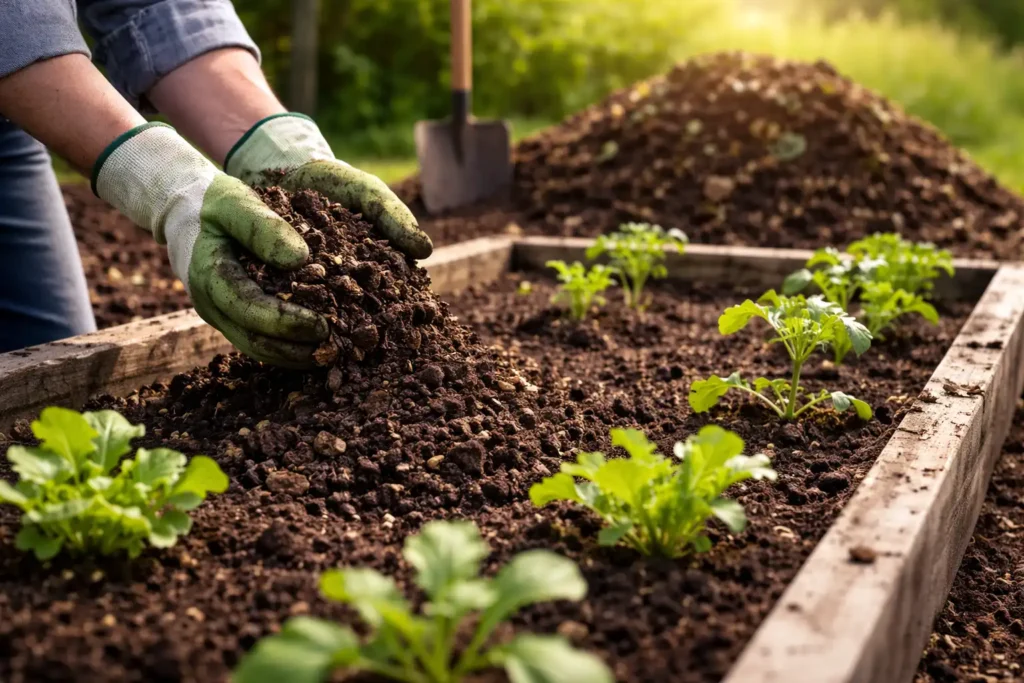
Organic fertilizer works best when you plan ahead. Soil temperature, moisture, and microbial activity control how fast nutrients release.
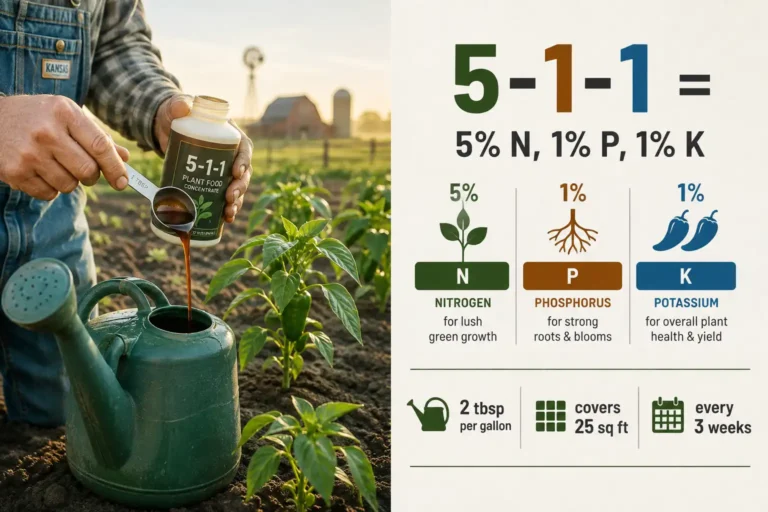
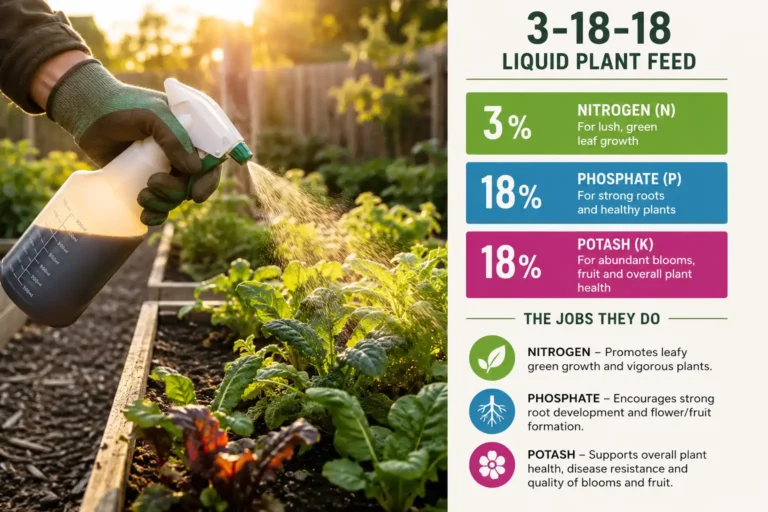
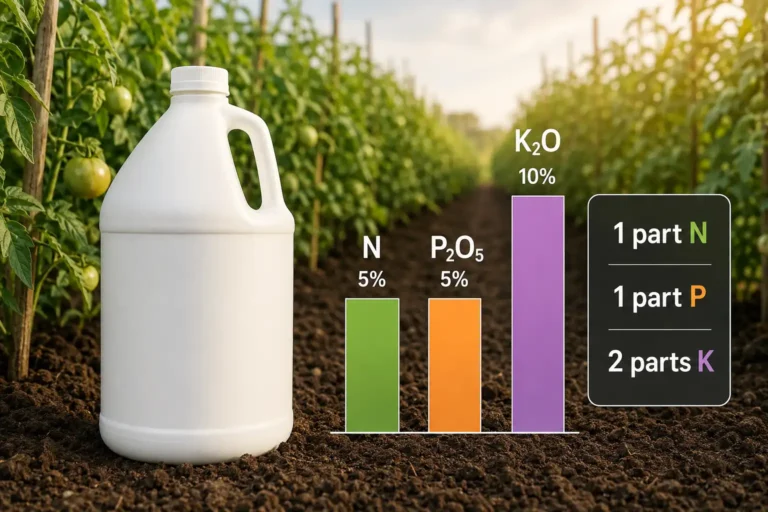
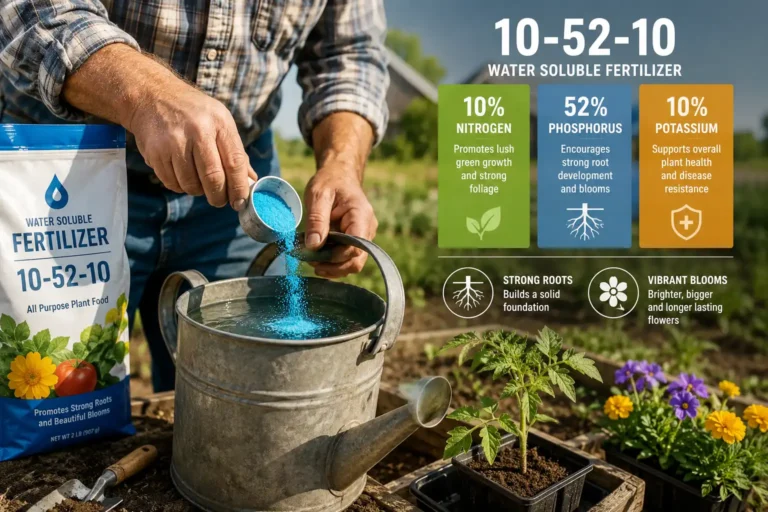
If your soil test shows you’re short on nitrogen, phosphorus, or potassium, choosing the best NPK mix for plants comes down to matching the product analysis to your crop stage and expected yield. More crop farming tips and fertilizer information, stay connected.
What is chemical fertilizer?
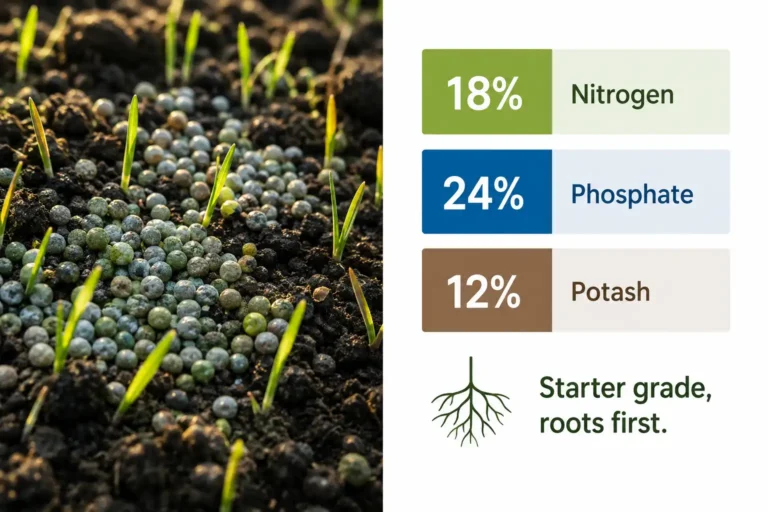
Chemical fertilizer is a manufactured or refined nutrient source that supplies nutrients in precise, soluble forms. Urea provides nitrogen. MAP or DAP provide phosphorus. Potash provides potassium. Many blended products combine N-P-K and sometimes sulfur, magnesium, or micronutrients.
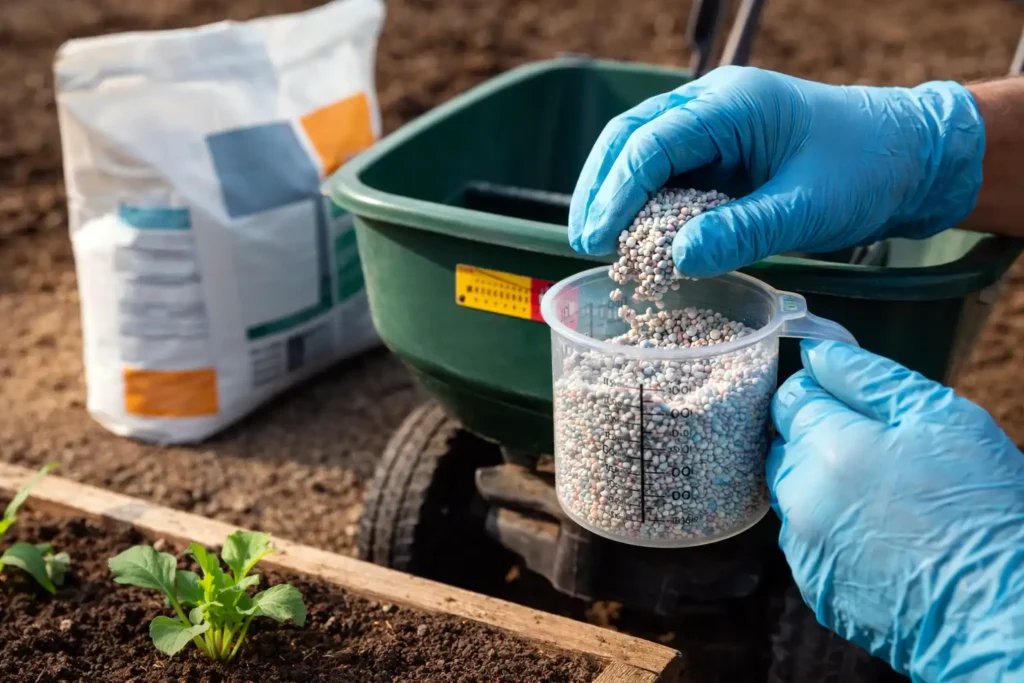
Chemical fertilizer works best when you need predictable nutrient delivery and a quick crop response. Timing and placement matter because soluble nutrients move with water.
When growth stalls or leaves turn pale or blotchy, it helps to review plant micronutrient deficiency causes so you fix the real shortage instead of guessing with extra fertilizer.
How do nutrient release and crop response differ?
Chemical fertilizer dissolves and supplies nutrients quickly, so a crop shows a faster greening response when nitrogen is the limiting factor. Organic fertilizer releases nutrients as microbes mineralize the material, so response runs slower and steadier.
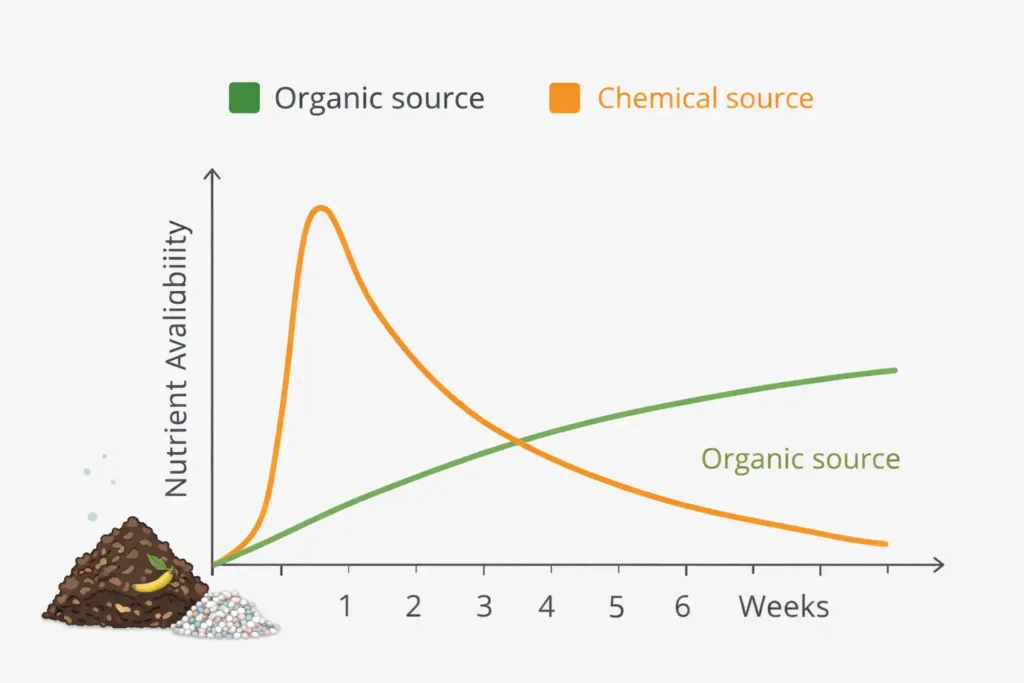
Fast release helps a hungry crop during rapid growth. Slow release helps reduce early-season losses and supports long-term soil health. Weather runs the show for both. Dry soil limits uptake. Saturated soil increases loss risks.
Which one improves soil health more?
Organic fertilizer improves soil health more because it adds carbon and supports soil structure and biology. Better aggregation improves infiltration and reduces crusting. More stable organic matter supports nutrient cycling and water holding.
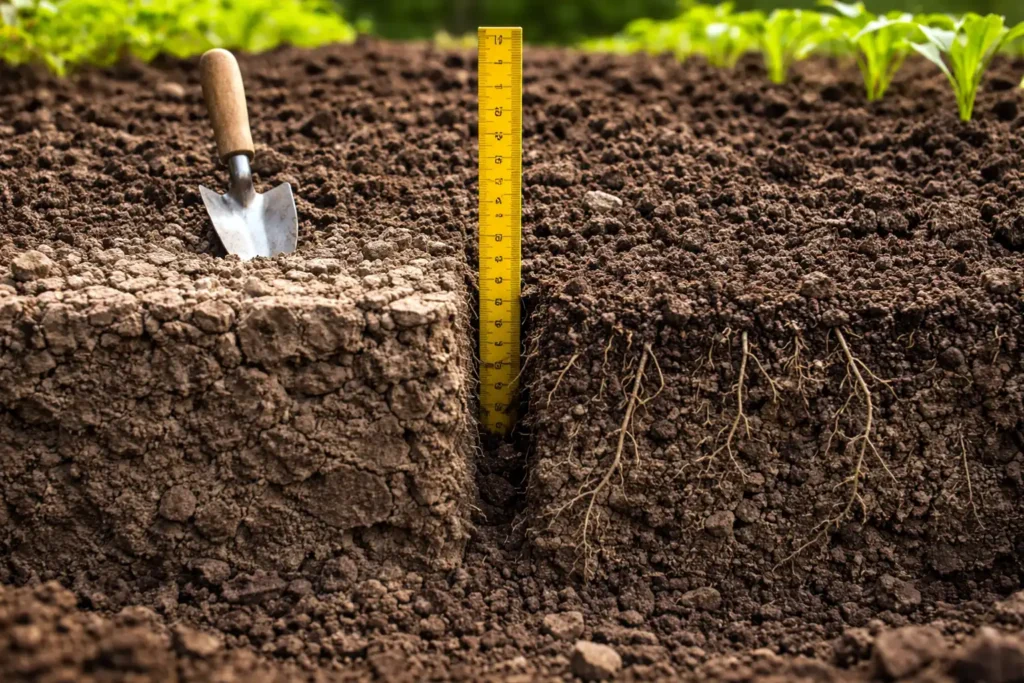
Chemical fertilizer does not build soil organic matter by itself. It can still fit a soil-building plan when you also return residue, grow cover crops, and manage compaction. Fertility and soil health work better as a package.
Which one gives more control over nutrients?
Chemical fertilizer gives more control because the nutrient analysis is consistent and you can target rate, timing, and placement. That control matters for high-yield crops, tight planting windows, and in-season correction.
Organic fertilizer gives less precise control because nutrient content varies by source and batch. Compost and manure also release nutrients over time, which makes exact in-season correction harder without lab analysis.
What are the cost and labor tradeoffs?
Organic fertilizer often costs more per pound of available nutrient and usually needs more hauling, storage, and spreading time. It can pay back through improved soil tilth and water management, especially on soils that crust or compact.
Chemical fertilizer often costs less per pound of available nutrient and is easier to apply uniformly. It can cost you more if timing or placement leads to losses, or if you chase symptoms without a soil test.
What are the environmental and runoff risks?
Both sources carry risk when rate, timing, or placement ignore water movement.
Chemical fertilizers can leach or run off more readily because nutrients dissolve quickly. Nitrogen loss risk rises with heavy rain, sandy soils, and over-application. Phosphorus risk rises when soil test P is already high and erosion carries soil particles.
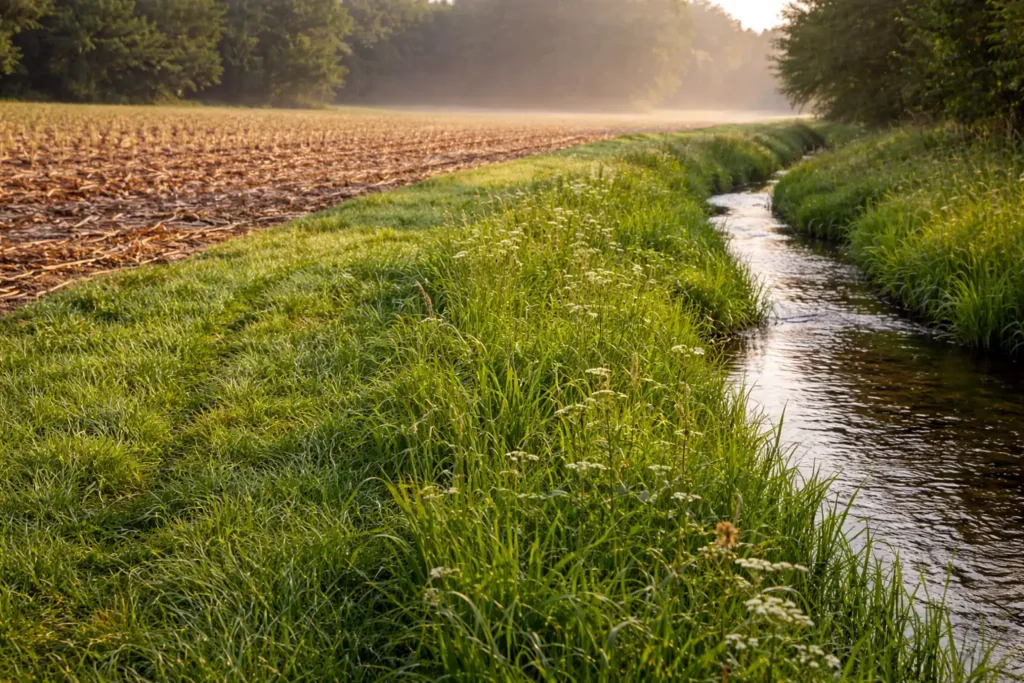
Organic fertilizers can also run off, especially manure or compost applied on frozen ground, saturated soil, or steep slopes. Manure adds phosphorus too, and repeated applications can build P beyond crop needs.
A simple rule holds: keep nutrients out of waterways by avoiding high-risk application conditions and protecting soil from erosion.
How do you choose between organic and chemical fertilizer for your crop?
Choose based on the crop need, the soil test, and the time you have.
Use organic fertilizer when:
- You want to build soil structure and long-term nutrient cycling.
- You can apply ahead of peak crop demand.
- You have access to quality compost or manure and you manage storage and application well.
Use chemical fertilizer when:
- You need fast correction of a deficiency.
- You need precise nutrient amounts and consistent analysis.
- You run tight planting windows and want predictable performance.
Many growers use both. Organic sources support soil and baseline fertility. Chemical sources fine-tune in-season nutrition.
How do you apply each type safely and effectively?
Start with a soil test and a realistic yield goal. Then match product, rate, and timing to crop uptake.
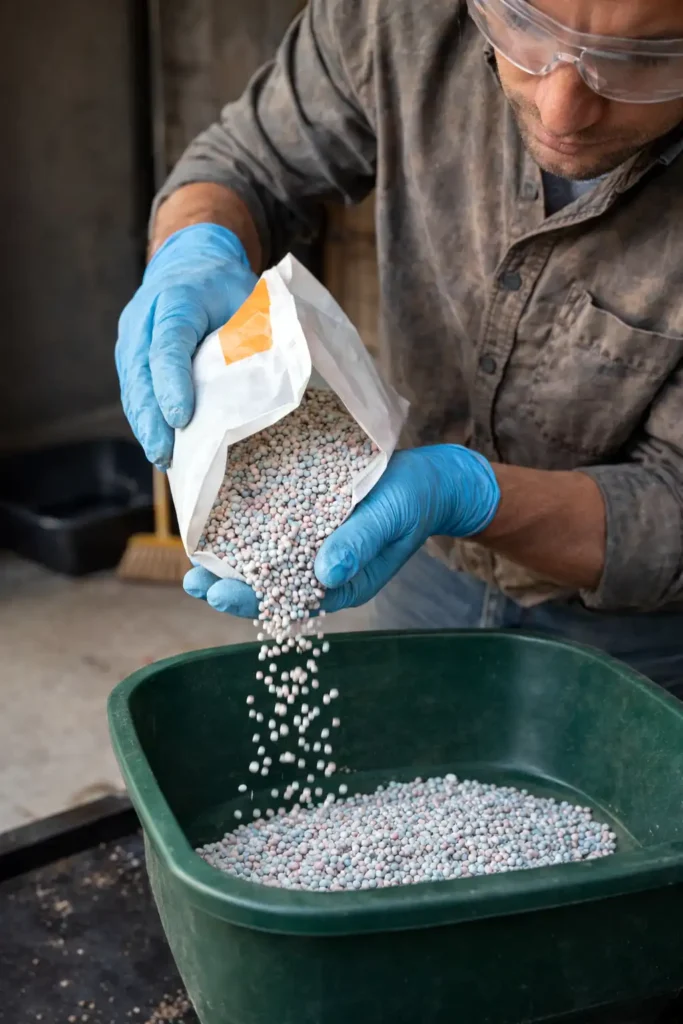
Organic fertilizer application checkpoints
Apply compost or manure early enough for microbial breakdown. Incorporation reduces odor and nutrient loss while improving seedbed uniformity. Keep records of source, rate, and field location. If manure is part of your plan, lab testing the manure gives you better nutrient accounting.
Chemical fertilizer application checkpoints
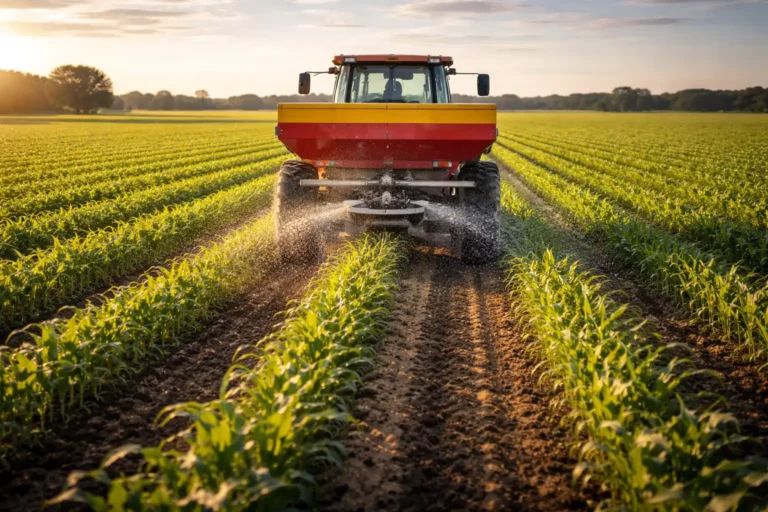
Split nitrogen when leaching or denitrification risk runs high. Place phosphorus and potassium where roots access them, especially in cool soils. Calibrate equipment and follow the label analysis to avoid underfeeding or overfeeding.
For handling and application safety, wear the right gear and keep it clean. A quick review of farm PPE basics for mixing and application work helps prevent eye and skin injuries.
What does a practical “best of both” plan look like?

A balanced plan uses organic materials to build the soil foundation and chemical fertilizer to hit crop targets with precision.
- Soil test and note problem areas by zone or field.
- Apply compost or manure as a base amendment where it fits, then account for the nutrients it supplies.
- Apply chemical fertilizer to cover the remaining crop need, timed around growth stages and rainfall risk.
- Scout the crop and adjust only when you confirm a deficiency pattern with testing.
This plan reduces guesswork and keeps nutrients working for the crop instead of leaving the field.
Common mistakes that waste fertilizer
Over-application wastes money and increases runoff risk. “Green-up” does not confirm a full nutrient balance. Uneven spreading causes streaks and yield drag. Applying before heavy rain increases losses. Skipping soil testing leads to phosphorus buildup and chronic micronutrient surprises.
If you want a refresher on what plants need to grow and how farmers supply it, see what growers use to help plants grow.
Conclusion
Organic fertilizer strengthens soil over time by adding carbon and supporting biology, while chemical fertilizer feeds crops fast with precise nutrient control. A soil test, a clear goal, and safe application practices decide which one fits your field this season. When you combine a soil-building base with targeted, measured nutrient delivery, you protect yield, protect water, and keep fertility costs under control.