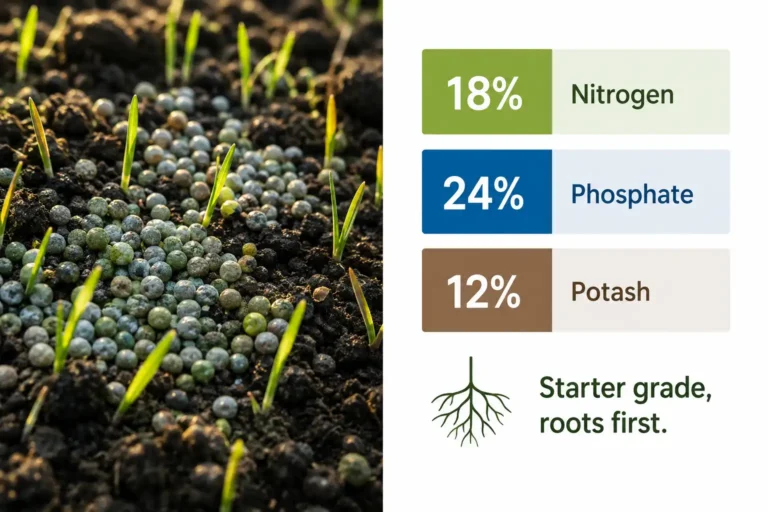
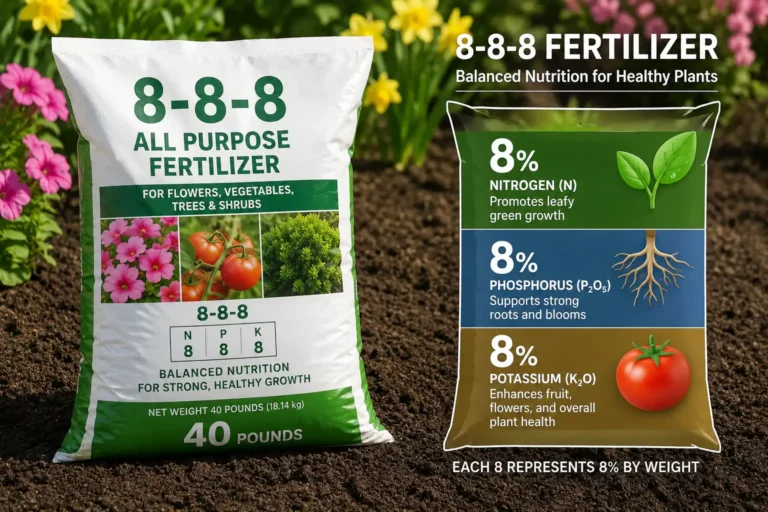
3 18 18 Fertilizer: What It Is and What It Does
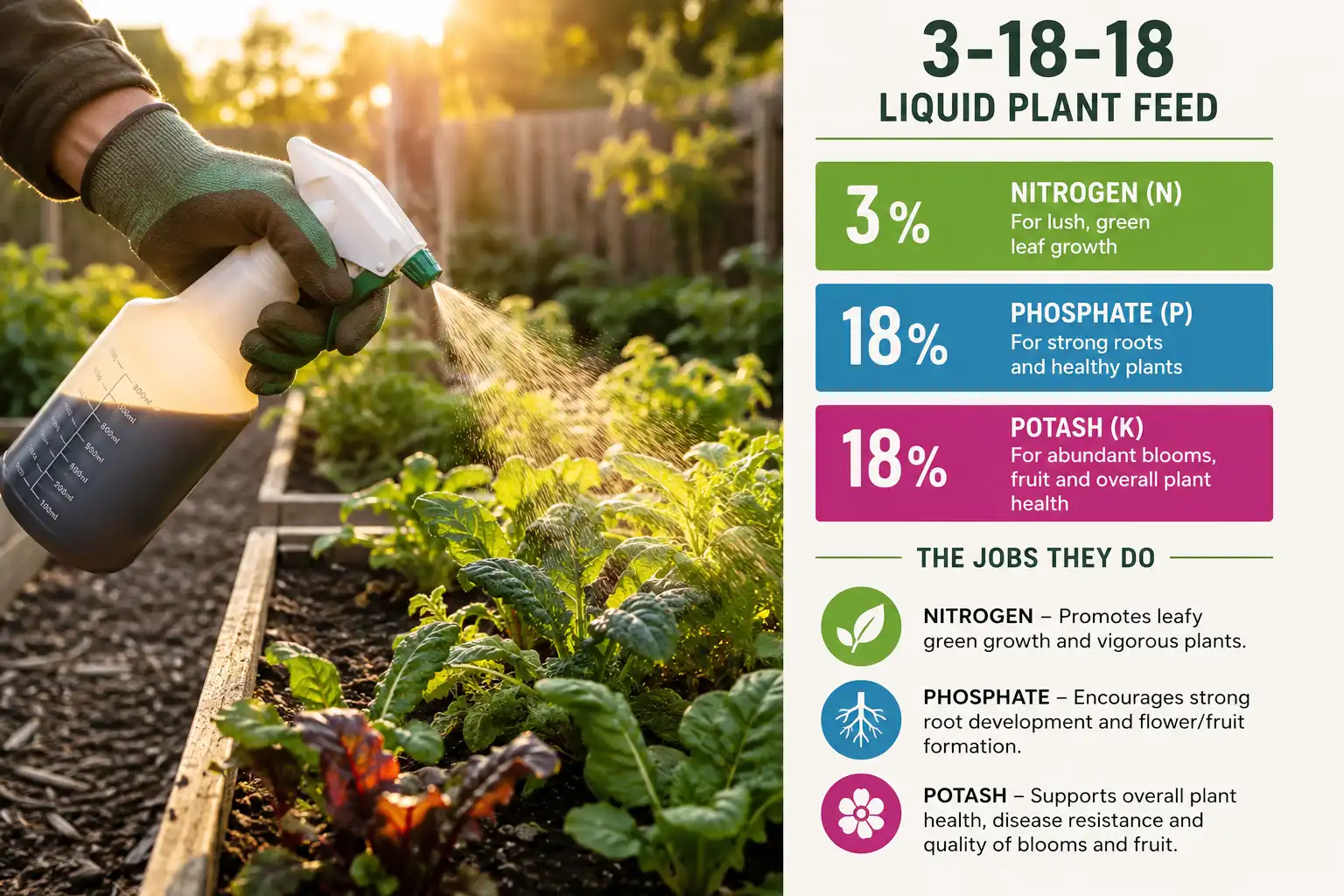
3-18-18 fertilizer is a liquid plant feed with low nitrogen and high phosphorus and potassium. It targets roots, flowering, and fruiting, not quick top growth. Folks reach for it when starting a lawn or pushing a garden into bloom.
3-18-18 fertilizer feeds roots, flowers, and fruit with low nitrogen (3%), high phosphate (18%), and high potash (18%). Use it as a starter on new lawns or a bloom booster on gardens, but test your soil first.
What Is 3-18-18 Fertilizer?
3-18-18 fertilizer is a blend that supplies 3% nitrogen, 18% phosphate, and 18% potash by weight. Those three numbers are the NPK ratio, the grade printed on every fertilizer label. Nitrogen comes first, then phosphate, then potash. If you want a refresher on how an NPK label works, that guide breaks down each number.
The low nitrogen matters. At 3%, this feed will not force a flush of leafy top growth. Instead, it drives energy below the surface. The middle number, phosphate (P₂O₅), builds root systems and flower set. The last number, potash (K₂O), adds stress tolerance, disease resistance, and winter hardiness.
One point trips people up. The 18 and 18 are not pure phosphorus and potassium. They stand for phosphate and potash, which is how the USDA and every state label reports these nutrients. So the actual elemental amounts run a bit lower. Most 3-18-18 products come as a liquid concentrate, so you mix with water and spray.
Learn more: 15-0-15 NPK Fertilizer
What Is 3-18-18 Fertilizer Used For?
3-18-18 fertilizer builds strong roots and pushes flowering and fruiting. The low nitrogen keeps plants from wasting energy on excess leaves. Here is where it fits:
- New lawns: As a starter feed, the high phosphate helps young grass roots dig in fast. So it suits seeding, sodding, and overseeding.
- Vegetable gardens: It backs root systems and fruit set on crops like tomatoes, peppers, and squash.
- Fruit trees and berries: The phosphate and potash support fruit size and help plants ride out heat or drought.
- Flowers: It pushes blooms and richer color on annuals and perennials.
- Transplants: From seedlings to sod, it gives new plantings a fast start.
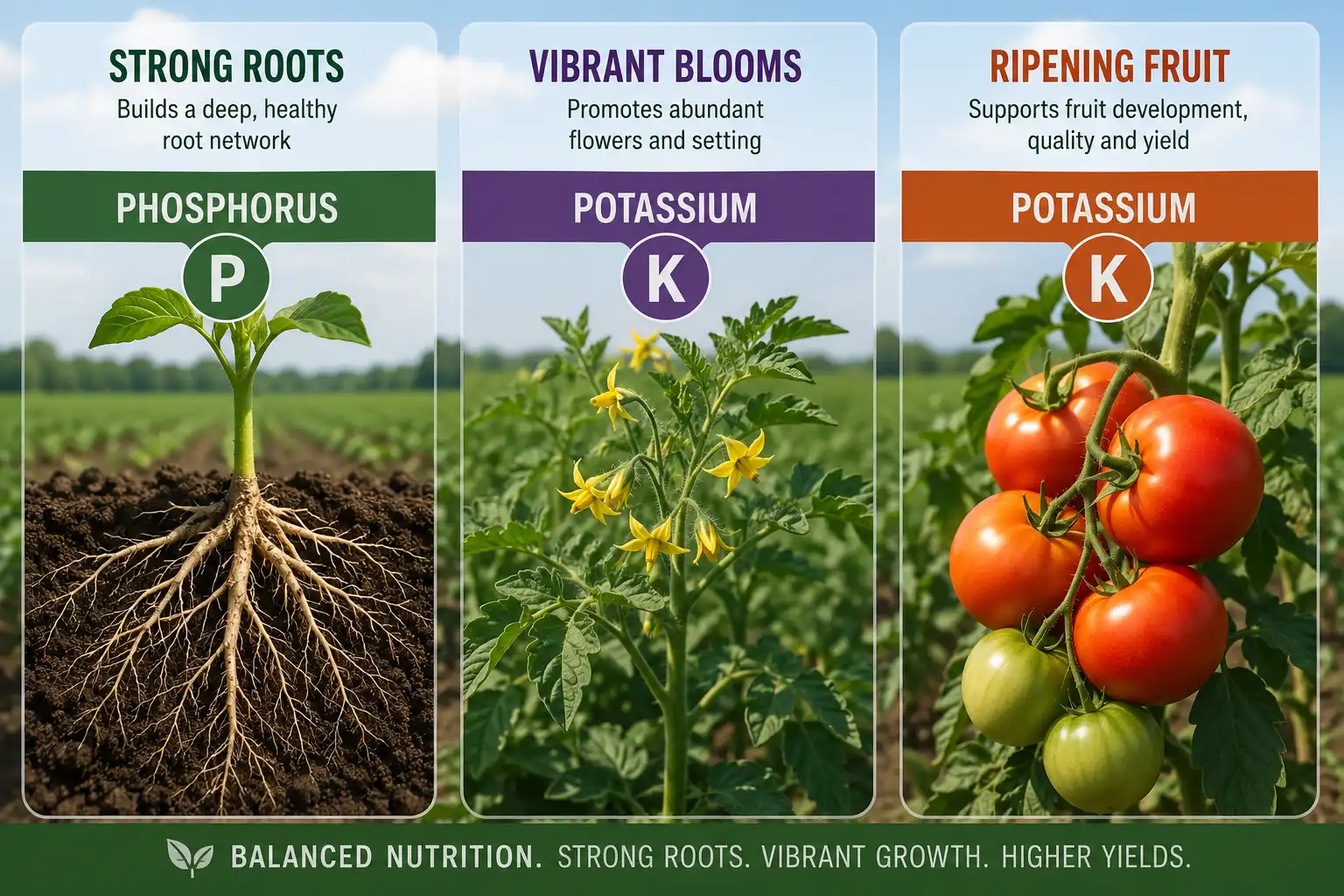
Kansas turf and garden folks lean on it in two windows. They use it to build a new lawn, then to move a garden from leaf to flower. But on established lawns that already test high in phosphorus, skip it. More phosphate will not green up grass that already has enough.
When Should You Use 3-18-18 Fertilizer?
Use 3-18-18 fertilizer when you set out new plants or a soil test flags low phosphorus. On established ground that already tests high, leave it on the shelf.
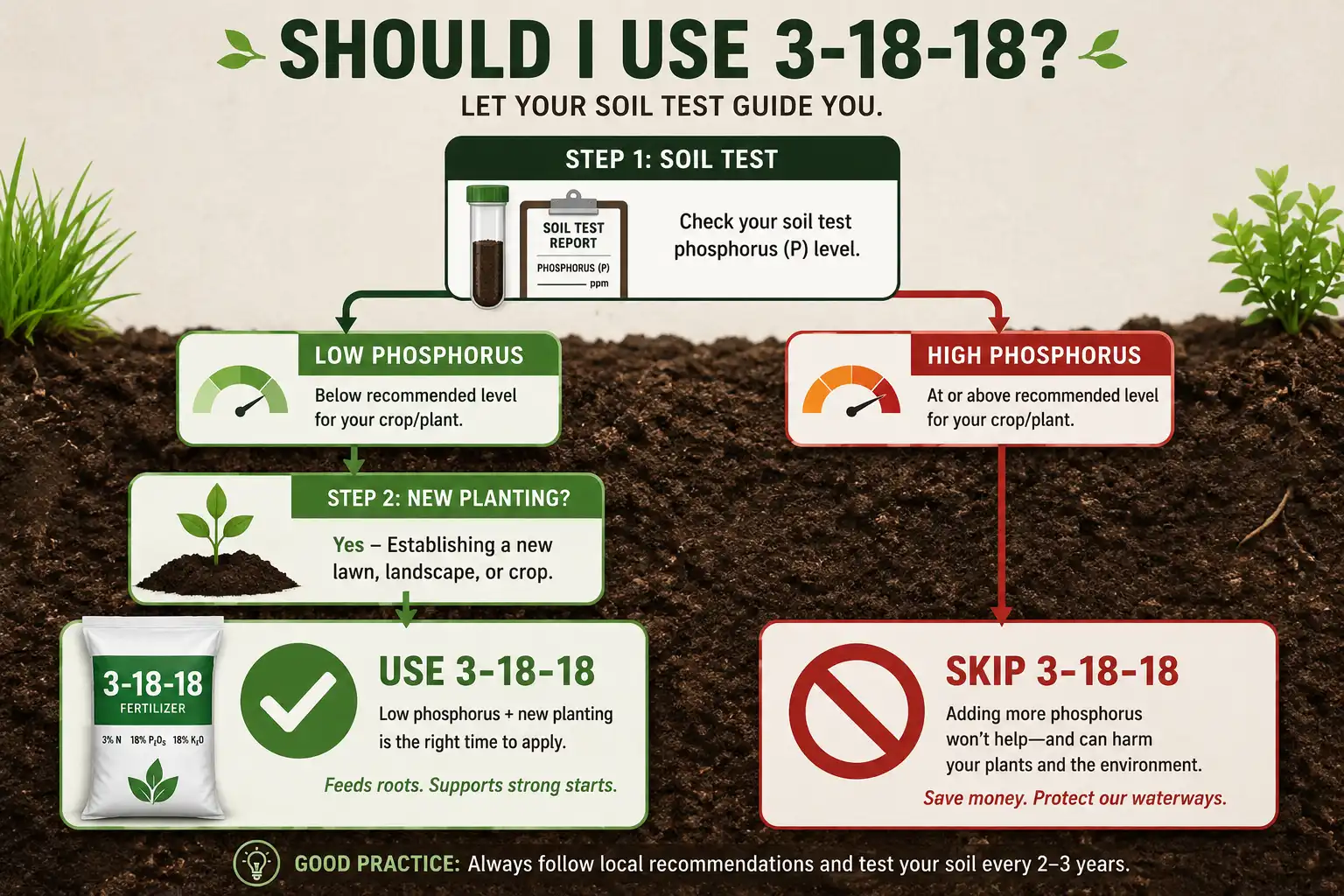
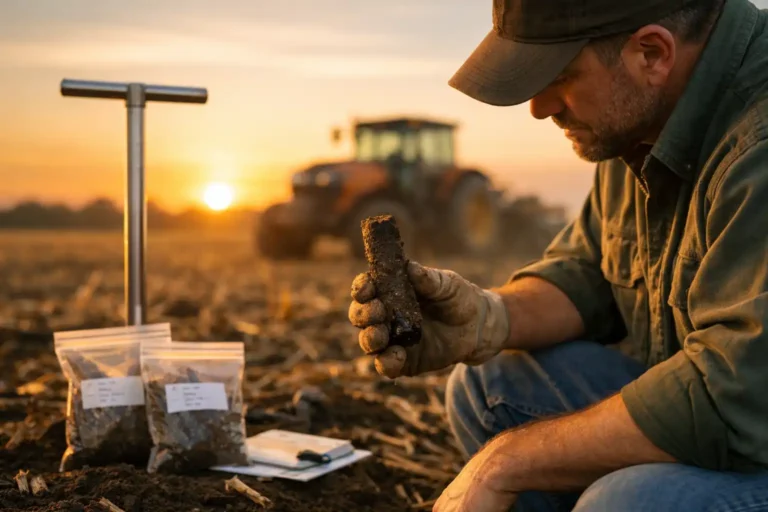
Start with a test. Before you buy any high-phosphorus feed, pull a soil sample. Most cooperative extension labs, including K-State Research and Extension, run a full test for under $20. Then retest every three years. A quick check with a reliable soil test kit tells you whether your soil even needs the phosphate.
After the test, match the timing to the job:
- New lawn or bed: Apply at seeding, sodding, or transplanting, when roots need the boost most.
- Fruiting stage: Feed as vegetables and fruit trees shift from leaf to flower.
- Active growth: Stick to the growing season, and follow the label rate every four to six weeks if the product calls for it.
Here is the catch with phosphorus. It binds tight to soil and barely moves, so it stacks up year after year. Pile on too much and it can block iron and zinc uptake. That triggers a fresh micronutrient deficiency you did not have before. Excess also washes into lakes and streams.
That runoff risk is why many states now limit phosphorus lawn fertilizer. At least eleven states restrict it. New York, New Jersey, Michigan, Maryland, and Virginia allow phosphorus only for new turf or a proven soil need. So check your state or county rules before you spray near water.
How Do You Apply 3-18-18 Fertilizer?
Apply 3-18-18 fertilizer by mixing the liquid concentrate with water, then spraying it evenly over the area. Match the mix rate to the label.
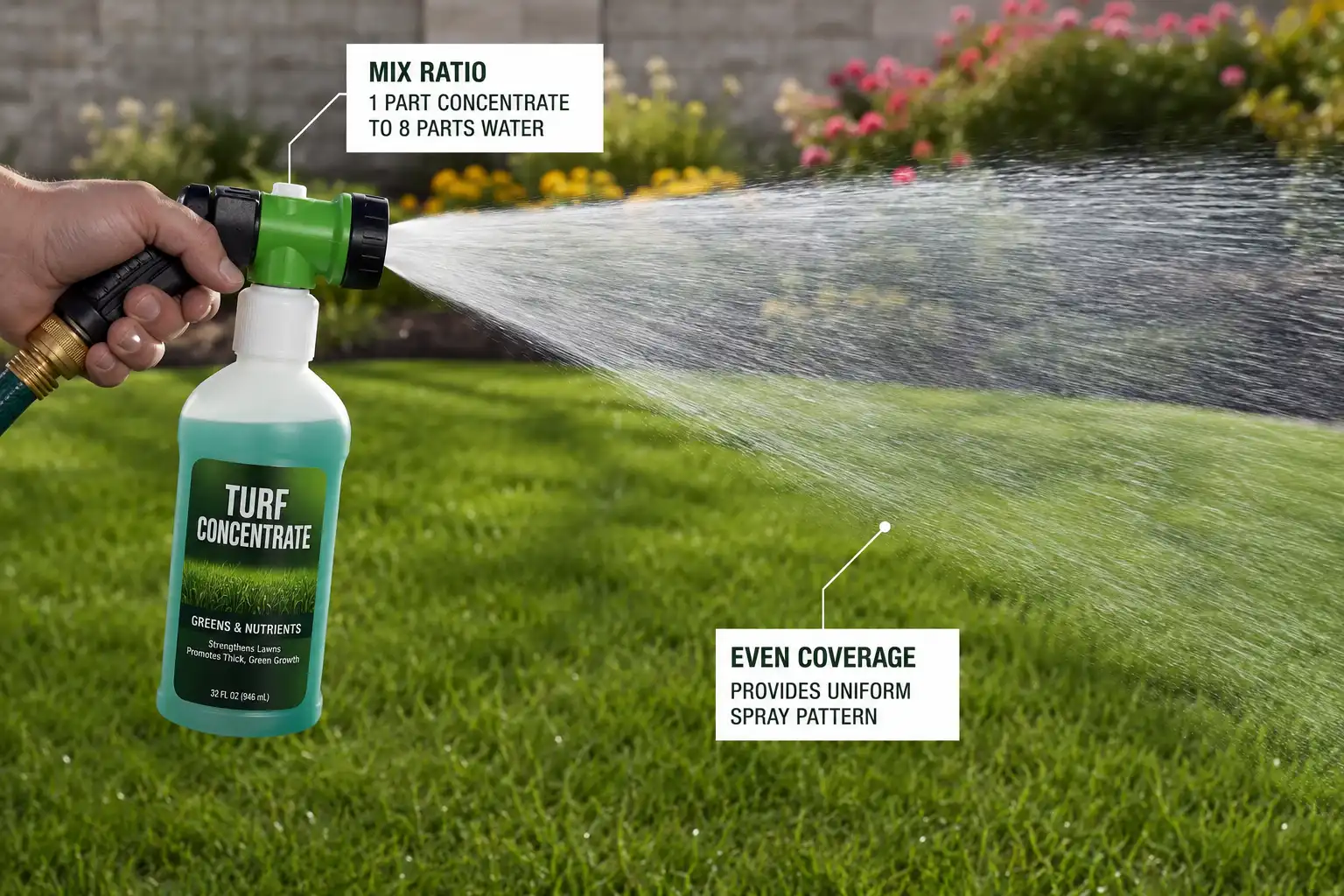
Most 3-18-18 products are liquid concentrates, so you never spread dry granules. Instead, you dilute and spray. Three tools handle the job:
- Hose-end sprayer: Fastest for lawns and large beds. Some formulas cover up to 32,000 square feet per bottle this way. A good hose-end sprayer meters the concentrate as water flows through it.
- Pump sprayer: Best for containers, transplants, and small plots where you want tight control.
- Backpack sprayer: Covers a mid-size garden without dragging a hose around.
A few rules keep results steady. First, water the soil before you feed, since dry soil raises burn risk. Second, spray in the morning or evening, not in midday heat. Third, wet both the leaves and the root zone, because plants pull nutrients through foliage and roots.
For garden beds, remember that phosphate barely moves in soil. It travels less than an inch from where it lands. So working a starter feed into the root zone at planting reaches roots better than a surface spray alone. A foliar pass still helps during bloom.
3 Best 3-18-18 Fertilizers
A few 3-18-18 products stand out, and they split by use. Lawn blends and garden blends carry the same NPK, but they aim at different jobs. So match the product to your task and your soil test, not to the label alone.
| Product | Size | Coverage | Extras | Best for |
|---|---|---|---|---|
| Simple Lawn Solutions | 2.5 gal | 32,000 sq ft (hose-end) | Wide grass-type range | New lawns, turf establishment |
| Fervita | 2.5 gal | 1 to 2 gal per acre | Indoor and outdoor plants | Vegetables, fruit, flowers |
| GrowIQ | 1 gal | Half acre | Iron, manganese, zinc | Lawns and gardens, adds micros |
1. Simple Lawn Solutions 3-18-18 Liquid Lawn Fertilizer
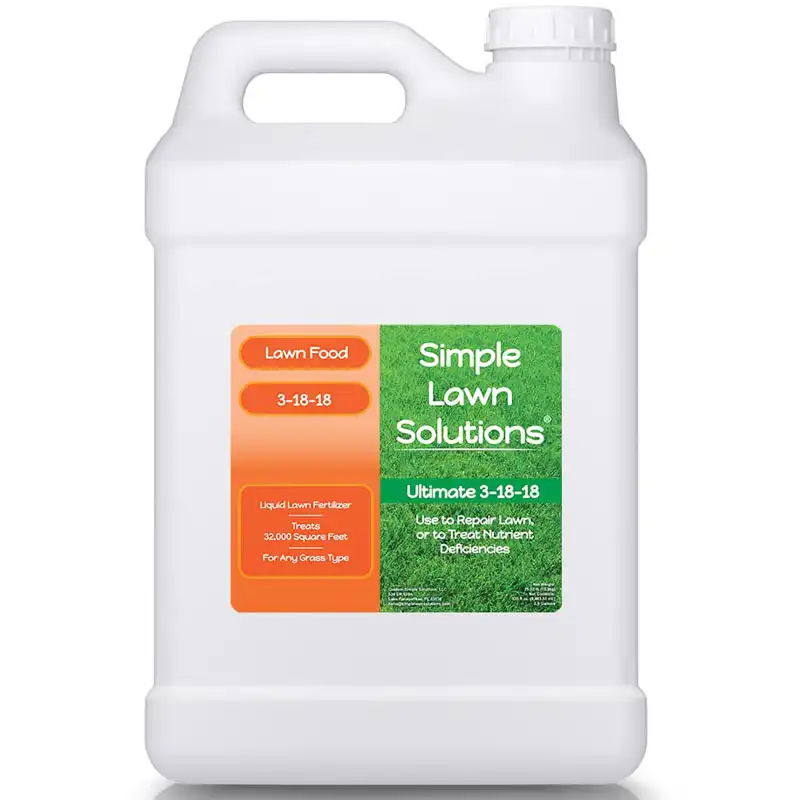
Simple Lawn Solutions 3-18-18 is a lawn-focused pick. The maker rates it to cover 32,000 square feet through a hose-end sprayer. It fits warm and cool season grasses, from Bermuda and Zoysia to Kentucky Bluegrass and Tall Fescue. The 18% phosphate targets new turf roots, so it suits seeding or sodding. A US family business makes it.
Best for: new lawn establishment.
2. Fervita Liquid 3-18-18 Fertilizer for Vegetables, Fruits, and Flowers
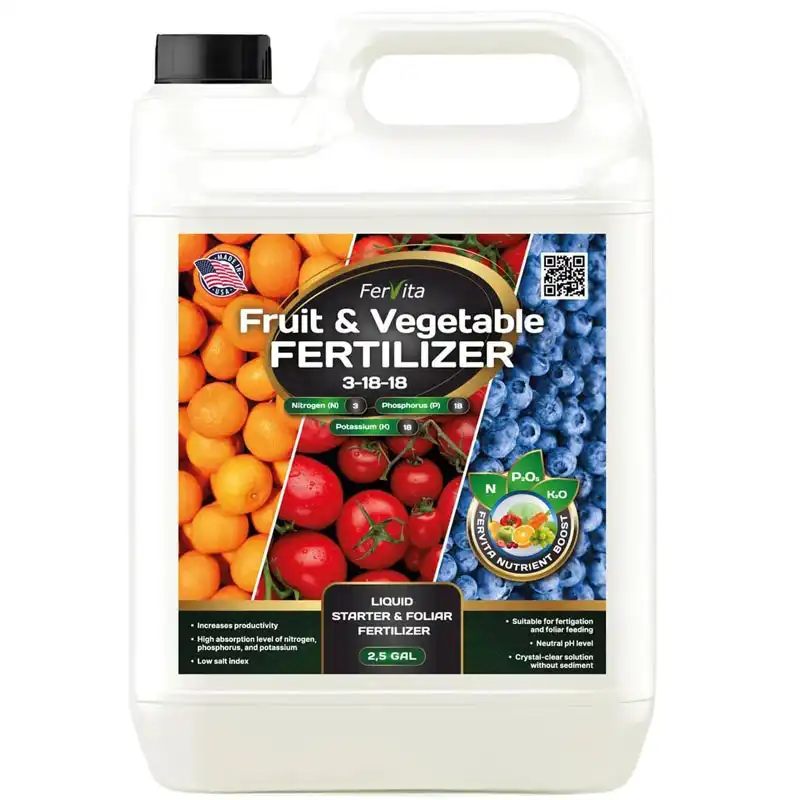
Fervita 3-18-18 leans toward the garden. The company designed it for vegetables, fruit trees, flowers, and indoor plants across every growth stage. The 2.5-gallon concentrate applies at 1 to 2 gallons per acre through irrigation, foliar spray, or a hose sprayer. It also works as a starter feed for seeds, transplants, and fruiting crops.
Best for: vegetable and fruit gardens.
3. GrowIQ 3-18-18 Liquid Lawn and Garden Fertilizer
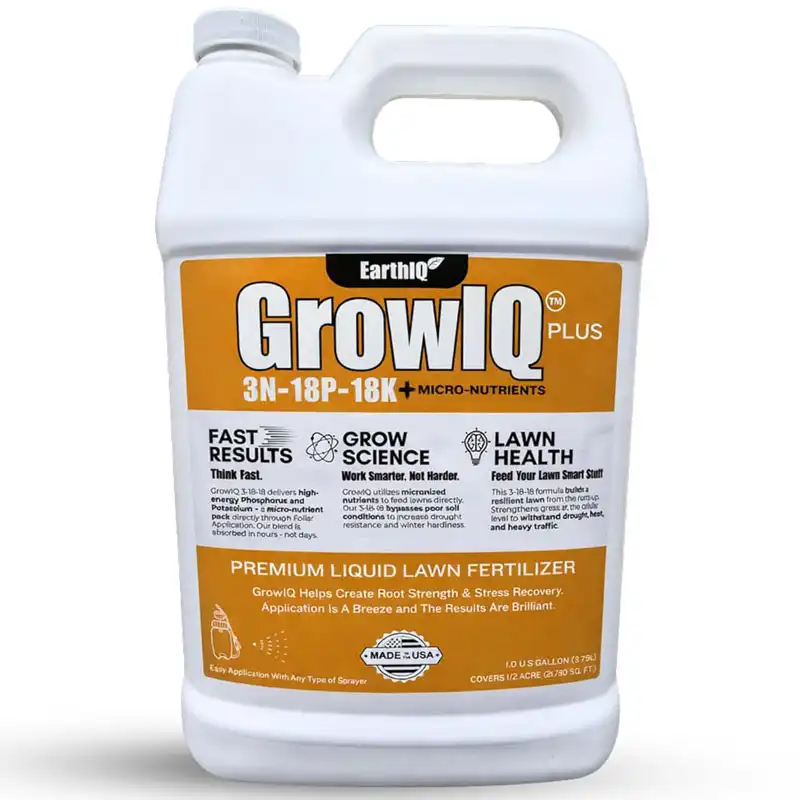
GrowIQ 3-18-18 adds micronutrients. Alongside the NPK, it carries iron, manganese, and zinc, which the maker says improve color and nutrient uptake. One gallon treats a half acre, so coverage runs high for a concentrate. It works on lawns, gardens, shrubs, and landscaping through a pump, backpack, or hose-end sprayer. The maker produces it in the USA.
Best for: mixed lawn and garden use.
Whichever you pick, run the soil test first. If your ground already tests high in phosphorus, none of these will help, and a phosphate-free feed serves you better.
How 3-18-18 Compares to Other NPK Blends
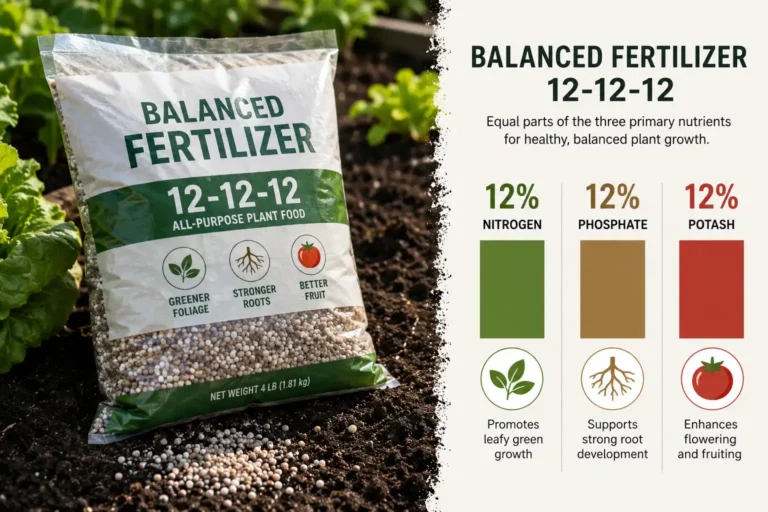
3-18-18 is not a do-everything feed, and that is the point. A balanced grade like 10-10-10 spreads nitrogen, phosphate, and potash evenly for general growth. By contrast, 3-18-18 drops the nitrogen low so plants pour energy into roots, flowers, and fruit.
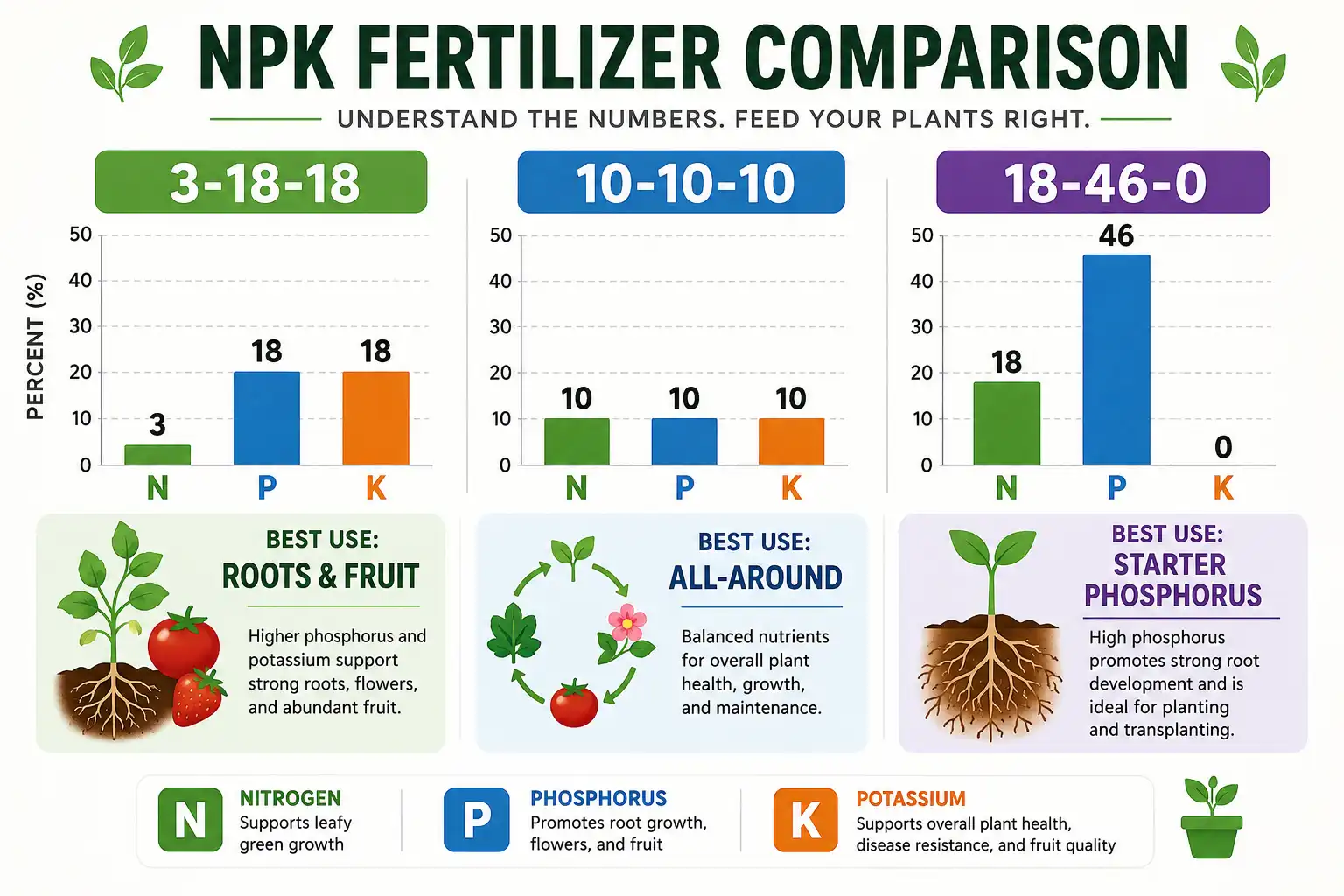
Against a classic starter like 18-46-0, the difference is potassium. DAP-style starters push phosphate hard, but they often carry no potash. 3-18-18 pairs high phosphate with high potash, so it also builds stress tolerance and hardiness. Against a 5-10-10 blend, 3-18-18 simply concentrates more phosphate and potash into each application.
So pick by the job. For steady all-around feeding, a balanced grade fits. But for root establishment plus fruiting muscle, 3-18-18 pulls ahead.
Bottom Lines
3-18-18 fertilizer earns its keep in two spots: starting new plants and pushing gardens into bloom and fruit. The low nitrogen with high phosphate and potash builds roots and hardiness without a rush of leaves. But test your soil before you buy. If phosphorus already reads high, save your money and reach for a low-phosphate feed. Used at the right time, on the right ground, it does solid work.