How to Plant Wild Rice in Ponds, Lakes, and Backwaters
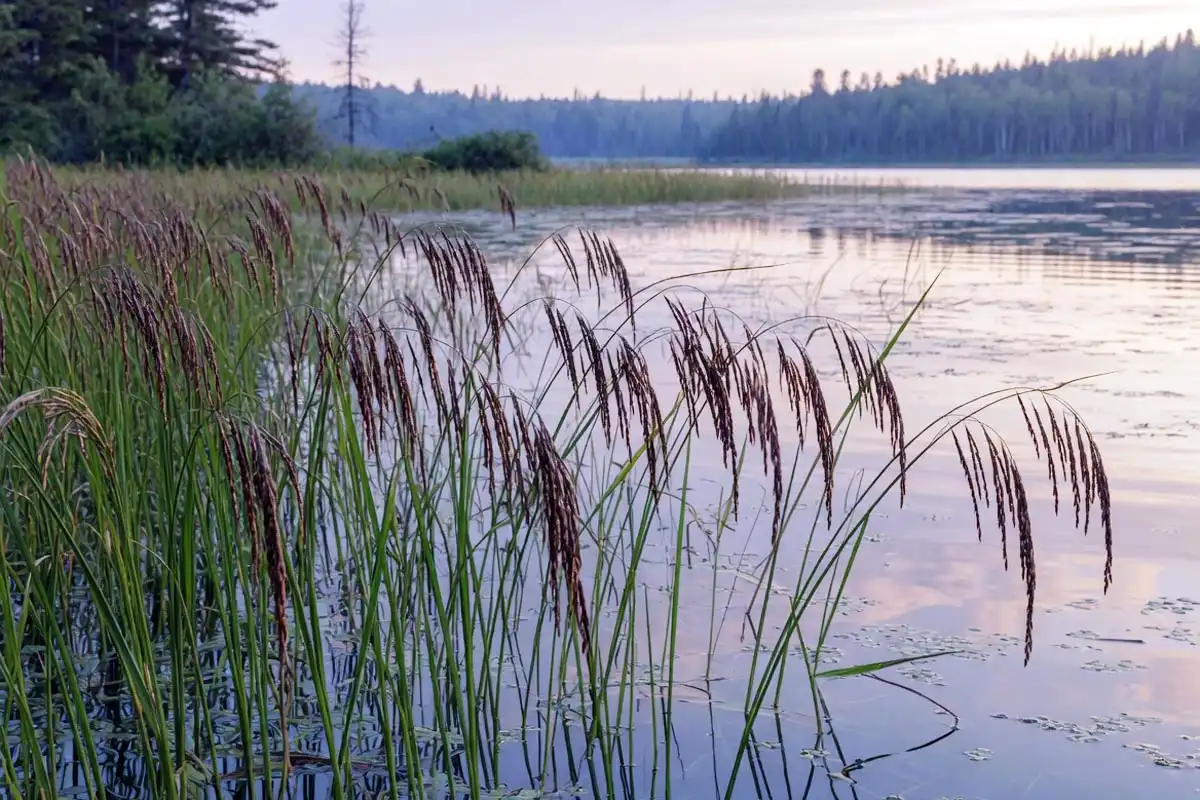
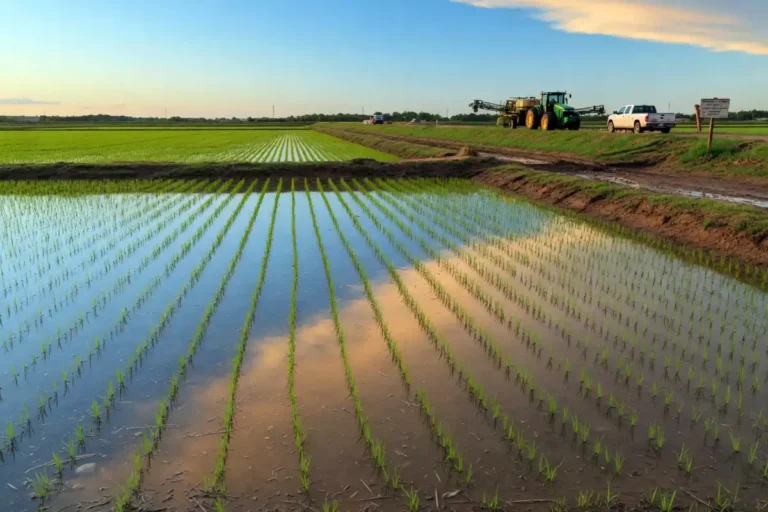
Wild rice grows nothing like the flooded paddy rice you see in California or Arkansas. It’s an aquatic grass native to North America that needs cold water, soft mud, and a careful hand. Here’s how to plant wild rice the way it actually establishes in the field.
To plant wild rice, broadcast 30 to 50 pounds of fresh, wet seed per acre into still water 6 to 18 inches deep in fall. Seeds must stay submerged through winter so they cold-stratify and germinate the following spring.
What Wild Rice Actually Is
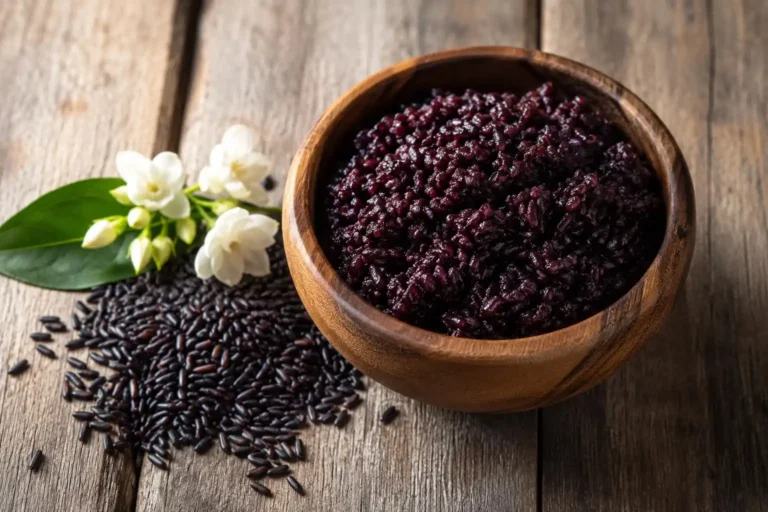
Wild rice (Zizania palustris) is a tall annual aquatic grass, not a true rice. It has been harvested for centuries by the Ojibwe people, who call it manoomin, across the Great Lakes region. Most of the commercial crop today comes from paddy operations in Minnesota and California, but the wild stands in lakes and rivers across the Upper Midwest are still where the real heritage seed comes from.
This crop is the opposite of the flooded grain most people picture. If you want the broader picture on flooded grain systems, That is covered in a write-up on why rice paddies are flooded, but wild rice plays by its own rules.
Also read: How to Grow Wild Rice in Paddies From Seed to Harvest
When to Plant Wild Rice
Plant wild rice in fall, between mid-September and freeze-up. The seed needs three to four months of cold, wet stratification to break dormancy. Drop it in the water in October, let winter do its work, and you’ll see floating leaves come May or June.
Spring planting only works if you’ve kept seed cold and submerged in a refrigerator from the previous harvest, which is harder than it sounds. Keep things simple. Fall planting matches what nature does, and it matches what most state planting calendar windows recommend for cool-season aquatic crops.
A few things worth checking before the truck rolls:
- Water temperature is below 50°F
- Ice is not yet forming on the surface
- The site won’t drain or drop water level over winter
Where Does Wild Rice Grow Best?
Wild rice grows best in shallow, slow-moving water between 6 and 36 inches deep with a soft organic bottom. Stagnant ponds with no flow at all can work, but a gentle exchange of water keeps oxygen up and prevents sulfide buildup that kills seedlings.
Here’s what to look for in a site:
- Water depth: 1 to 3 feet during the growing season
- Bottom: silt, muck, or soft organic mud (firm clay or sand does not hold seedlings well)
- Flow: slight current, no wave action that uproots floating leaves
- pH: 6.0 to 7.5
- Sunlight: full sun, at least 8 hours
- Climate: USDA hardiness zones 3 through 7 with cool summer nights
Wind exposure is a stand killer. If your pond sits on an open prairie like a lot of fields in Kansas, you’ll need a windbreak on the prevailing side or you’ll lose seedlings as they push to the surface.
How to Prepare the Site
Site prep happens before seed touches water. Pull a soil sample from the pond bottom and test it the same way to test field ground. The basics on that is covered in a piece on soil testing for farming. You’re looking for organic matter above 5 percent and a pH that fits the 6.0 to 7.5 range.
If the bottom is firm, agitate the top few inches with a chain harrow pulled through shallow water. This creates the soft seedbed wild rice needs. Skip this on already-mucky bottoms. You’ll just stir up methane and sulfides.
Drop water level to about 6 to 12 inches before planting if you can control the outlet. Shallow water at seeding helps seed make solid contact with the bottom instead of drifting.
How to Plant Wild Rice Step by Step
The actual planting is the easiest part once the site is right.
Step 1: Source Fresh, Wet Seed
Buy green (unprocessed) seed from a Minnesota or Wisconsin grower the same fall you plan to plant. The seed must be kept wet in burlap sacks or open water tanks from harvest until it goes in your pond. Dry seed is dead seed.
Step 2: Calculate Your Seeding Rate
Use 30 to 50 pounds per acre for a new stand. Cut to 20 to 25 pounds if you’re overseeding an existing stand that thinned out. Heavier rates do not give you a denser stand. They give you weaker plants competing for the same nutrients.
Step 3: Broadcast by Hand or Boat
Walk the shoreline or run a flat-bottom boat across the site and broadcast the wet seed by hand. Aim for even coverage. The seed sinks within minutes because it’s heavy and waterlogged.
Step 4: Mark and Walk Away
Mark the planted area with stakes or flagging tape so you don’t disturb it. Then leave it through winter. Resist any urge to fertilize or add anything. Wild rice gets nutrients from the bottom muck and nitrogen-fixing bacteria around its roots.
Managing Water Depth Through the Season
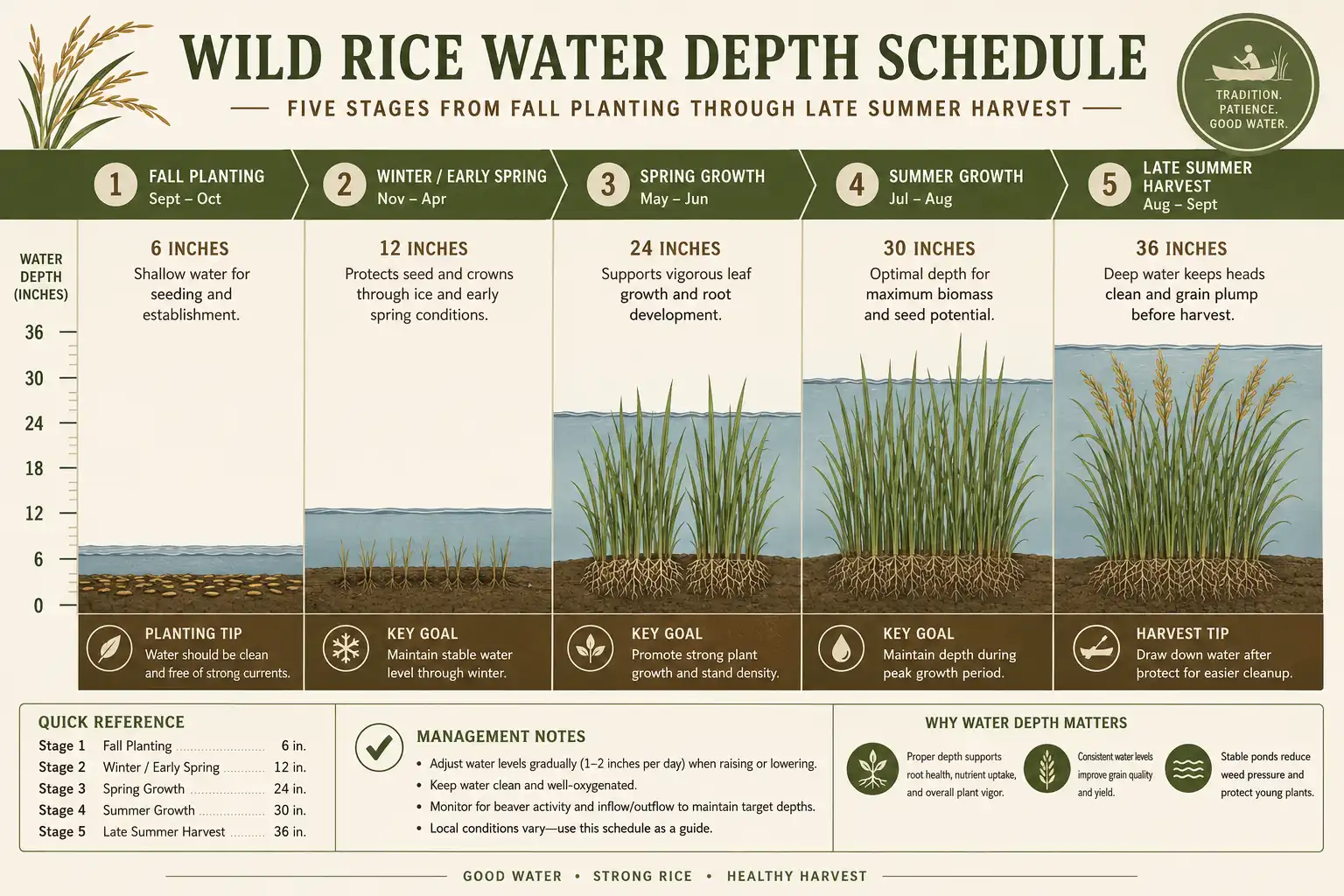
Start at 6 to 18 inches at planting, then maintain 1 to 3 feet during the growing season. Water depth is the single biggest control lever you have on a wild rice stand.
Here’s the rough schedule:
- Fall (planting to ice): 6 to 18 inches
- Spring (ice-out to floating leaf): 12 to 24 inches
- Floating leaf stage (May to June): 18 to 30 inches
- Aerial leaf stage (late June): 24 to 36 inches
- Flowering and grain fill (July to August): hold steady, no rapid changes
A sudden 6-inch rise during floating leaf stage can drown out the whole stand. Slow, steady adjustments are the rule.
For broader irrigation planning math, how to calculate water needs for crops is covered in an earlier post. The same volume logic applies to maintaining a wild rice pond, just with different evaporation and seepage rates.
Common Mistakes When Planting Wild Rice
The biggest mistake is letting the seed dry out before planting. Once wild rice seed dries below 35 percent moisture, viability drops fast, and after a week of drying you’re broadcasting nothing but expensive grit.
Other common mistakes new growers make:
- Spring planting with untreated seed. Skips the cold stratification. Germination near zero.
- Too much fertilizer. Burns roots and feeds algae that smothers seedlings.
- No waterfowl protection. Geese and ducks pull seedlings as soon as floating leaves appear. Use bird netting or noise deterrents through June.
- Planting in wave-exposed sites. Wind chop tears the floating leaves before plants can transition to aerial growth.
- Ignoring carp. Common carp uproot wild rice while feeding. Screen your inlet.
For a sustainable approach to grain production that pairs well with wild rice site management, regenerative rice principles around minimal disturbance and natural nutrient cycling fit this crop exactly.
How Long Until First Harvest?
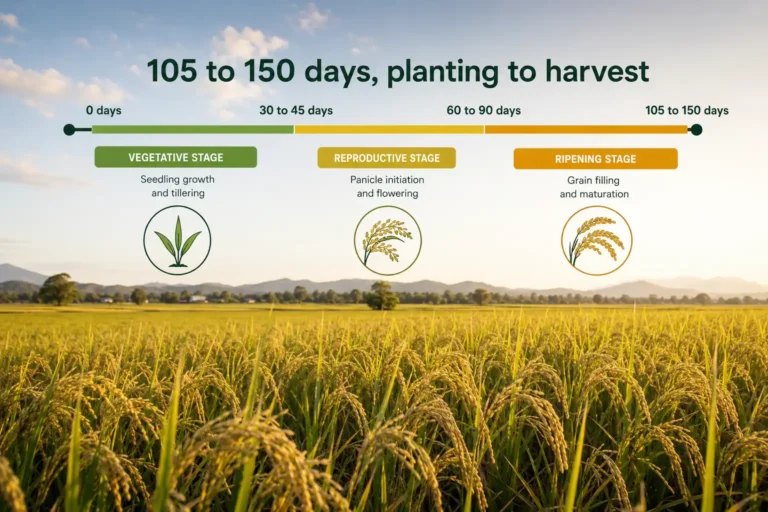
First harvest happens 14 to 18 months after fall planting. You’ll see floating leaves the first spring, but the plants spend that first summer building biomass. Most stands don’t produce a meaningful seed crop until the second growing season.
Once established, a healthy stand reseeds itself every fall and can produce for decades with no replanting. That’s the payoff for getting the first year right.
A Note on Local Rules
Wild rice is culturally and ecologically protected in much of its native range. Minnesota requires a license to harvest from public waters. The NRCS and many state departments of natural resources also have rules around seeding non-native genetics into existing wild stands. Check with your state agency before you plant if you’re anywhere in the Upper Midwest.
For deep production guidance, the wild rice production guide from University of Minnesota Extension is the most thorough public resource available, and worth reading cover to cover.
Where to Start If This Were Your First Stand
Pick a small pond or backwater under one acre for your first try. Buy fresh wet seed from a reputable Minnesota grower in late September. Broadcast at 35 pounds per acre into 12 inches of still water, mark the corners, and step back. Wild rice rewards patience more than effort. Get the site right, time the fall planting, hold your water level steady, and the stand will build itself.