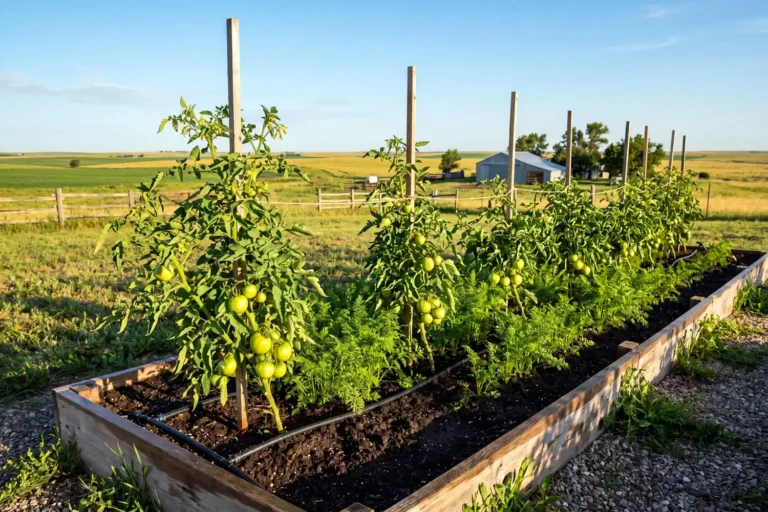
How to Plant Carrots: 10 Simple Steps for Straight, Sweet Roots
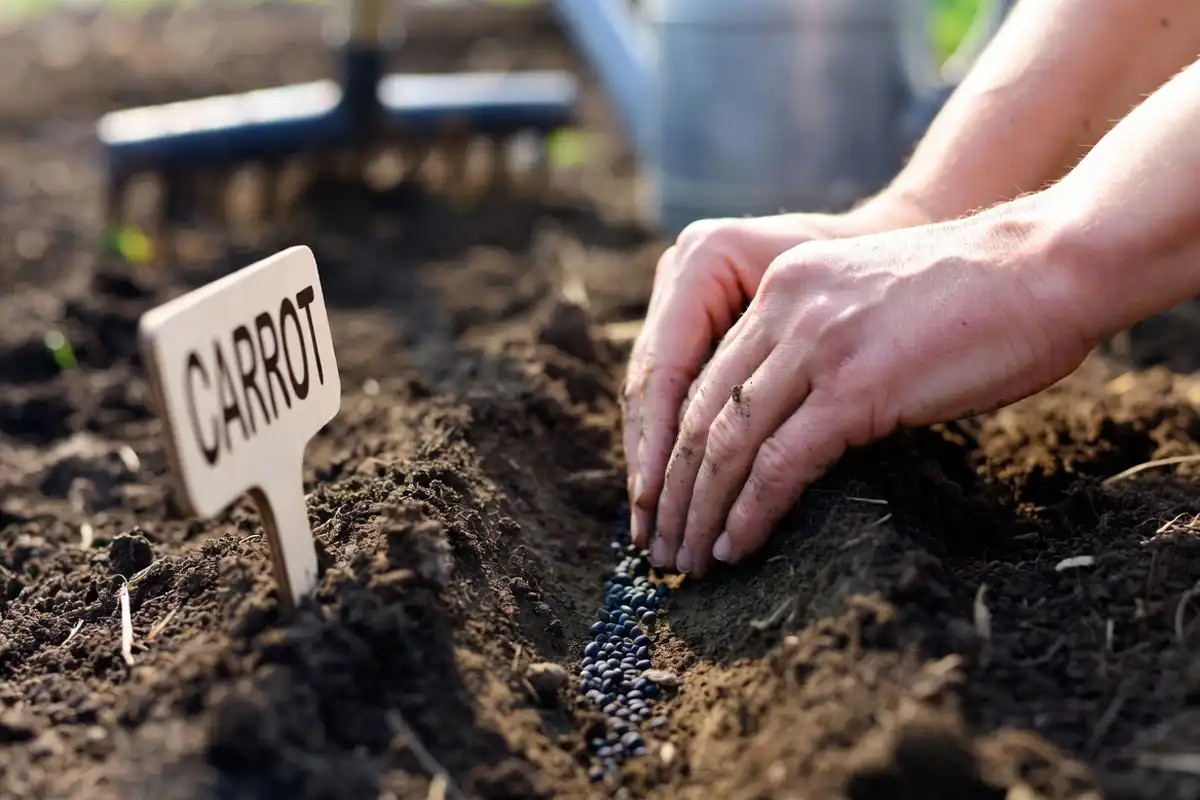
Plant carrots by direct-sowing seed into loose, stone-free soil, then keeping the top inch of soil evenly moist until seedlings emerge. This guide covers when and where to plant, how to sow carrot seeds correctly, how to grow the plants through the season, and how to harvest and store roots without splitting or forking. Follow the steps in order and you’ll get straighter carrots, better stands, and less re-seeding.
Sow carrot seeds 1/4 inch deep in a smooth, fine seedbed. Space rows 12–18 inches apart. Keep the soil surface consistently moist until germination, which often takes 14–21 days. Thin seedlings to 2–4 inches apart after they establish. Most carrots reach harvest size in about 70–100 days from seeding, depending on variety and weather.
Full workflow: Plant Carrots (Seed to Harvest)
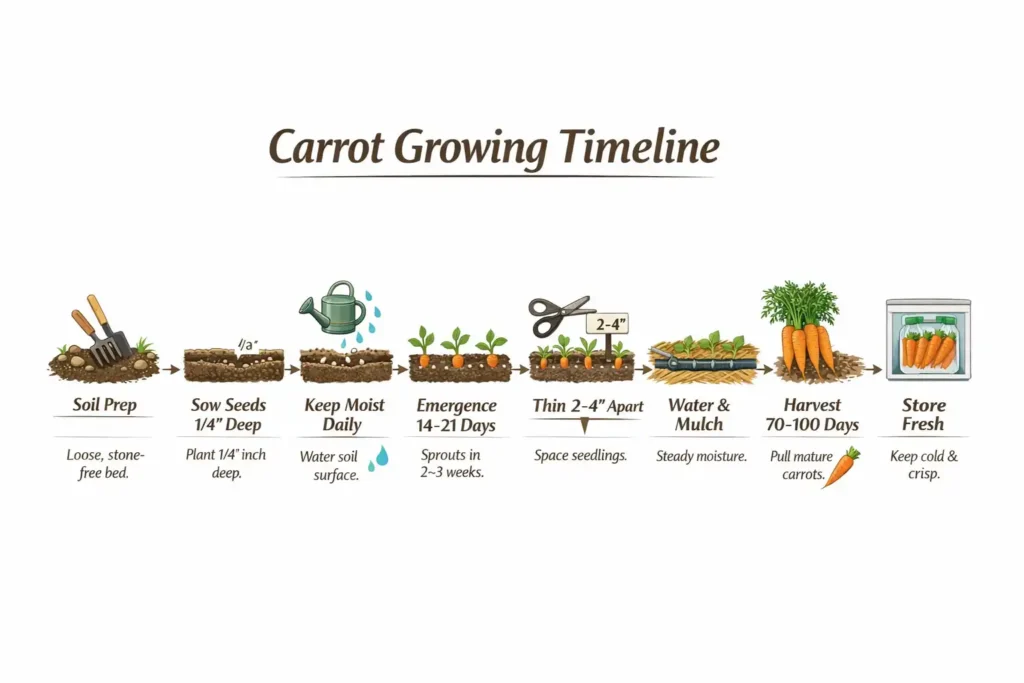
- Pick a planting window (cool weather gives better roots).
- Prep the bed (deep, loose soil; remove rocks).
- Make a fine seedbed (smooth top layer for tiny seed).
- Plant carrot seeds (shallow depth, light cover).
- Hold moisture steady until sprouts appear (this is the make-or-break stretch).
- Weed early and gently (carrots start slow).
- Thin on time (spacing drives root size and shape).
- Water evenly as roots size up (avoid dry-wet swings).
- Harvest by size (pull a few, check, then harvest the row).
- Store cold and humid (trim tops, keep roots crisp).
For more context on soil prep, spacing, and seasonal planning beyond carrots, keep this crop farming guide bookmarked for quick checks.
What carrots need before you plant
Carrots grow straight when the root meets little resistance.
Give them:
- Loose soil at least 8–12 inches deep for most types.
- Good drainage so the bed does not stay soggy.
- Full sun for strong tops and good root fill.
- A workable pH range near 6.0–7.0.
If you have not checked your soil in a while, start with a basic test so you know where you stand on pH and nutrients. This guide keeps it simple: understanding soil testing for farming.
When to plant carrots
Carrots are a cool-season crop.
Plant in:
- Early spring as soon as the soil is workable and warming.
- Late summer for fall harvest so roots bulk up as nights cool.
Carrot seed germinates in cool soil, but it takes longer when soil stays cold. Hot spells slow germination and weaken quality, so the sweet spot is cool, steady weather.
Where do carrots grow best
Choose a spot that stays sunny and drains well.
Carrots grow best in a location that avoids standing water and avoids crusting after rain. Utah State University Extension highlights sunny locations and well-drained soils for best performance.
Good options by situation:
- Garden bed or field row: Work soil deep and remove stones.
- Raised bed: Raised beds help when native soil stays heavy or rocky.
- Container: Use a deep pot for longer varieties, and keep water even so the pot never swings from dry to soaked. Read this complete guide on how to grow carrots in containers if you would like to have mini crop farm.
Choose a carrot type that matches your soil
This saves headaches.
- Rocky or tight soil: choose shorter carrots (Nantes-style, Chantenay-style) or use a raised bed.
- Deep, loose soil: longer types perform well and size evenly.
If you fight heavy clay every year, a raised bed often fixes more problems than extra fertilizer ever will.
How to plant carrot seeds
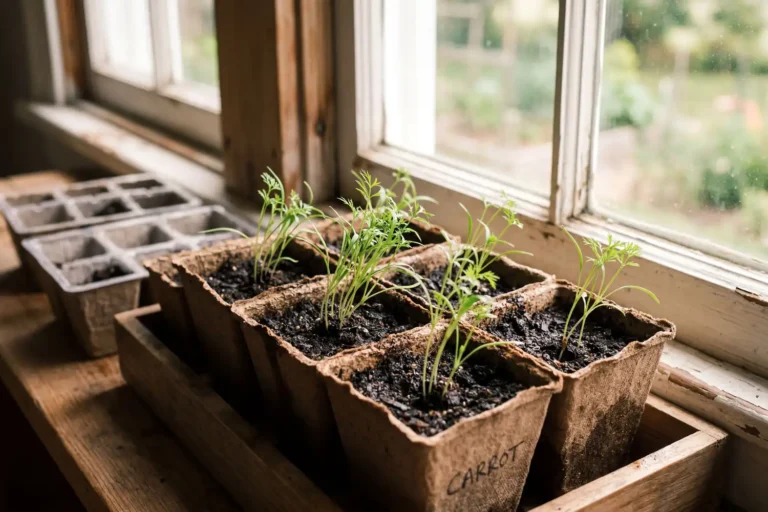
Carrots are usually direct-seeded, so “planting carrots” starts right in the bed where they will grow. If you want the quick why behind that, see comparison for direct sowing vs transplanting.
Step 1: Prep a fine seedbed
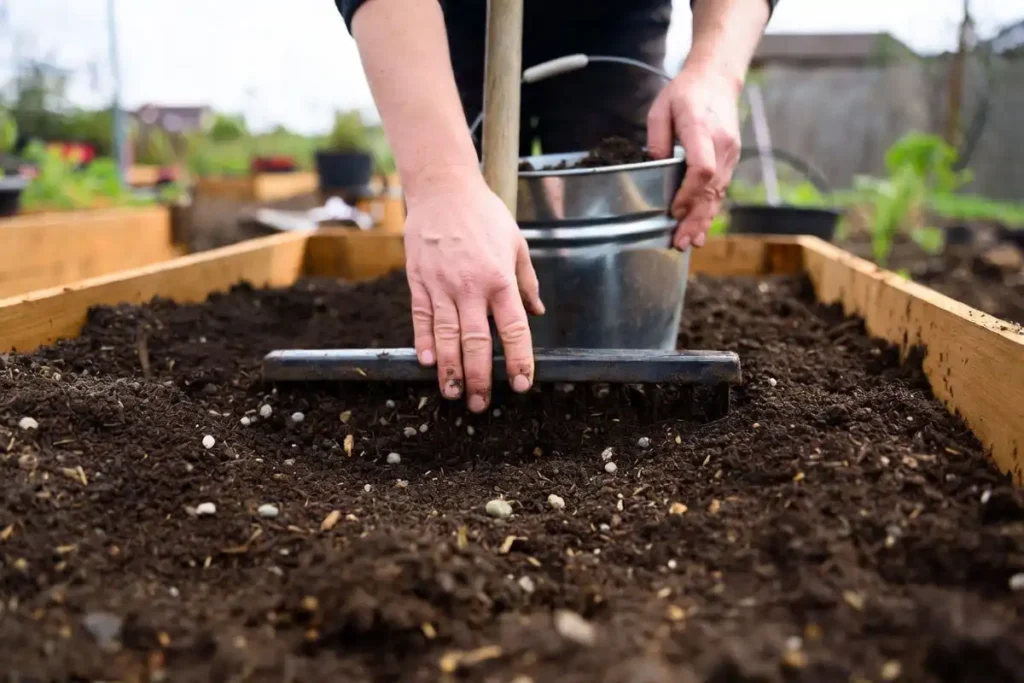
Carrot seed is small. It needs close contact with moist soil.
- Pull out stones, sticks, and hard clods from the top few inches.
- Loosen the bed deeper than the carrot type you plan to grow.
- Rake the surface smooth.
If you add organic matter, use finished compost and mix it in before you plant. Fresh, chunky material in the seed row makes uneven moisture pockets.
Step 2: Firm the surface lightly
After you rake, pat the surface down with your hand or the back of a rake.
This small step helps in two ways:
- It keeps seed from sliding too deep when you water.
- It improves seed-to-soil contact.
Step 3: Mark rows and set depth
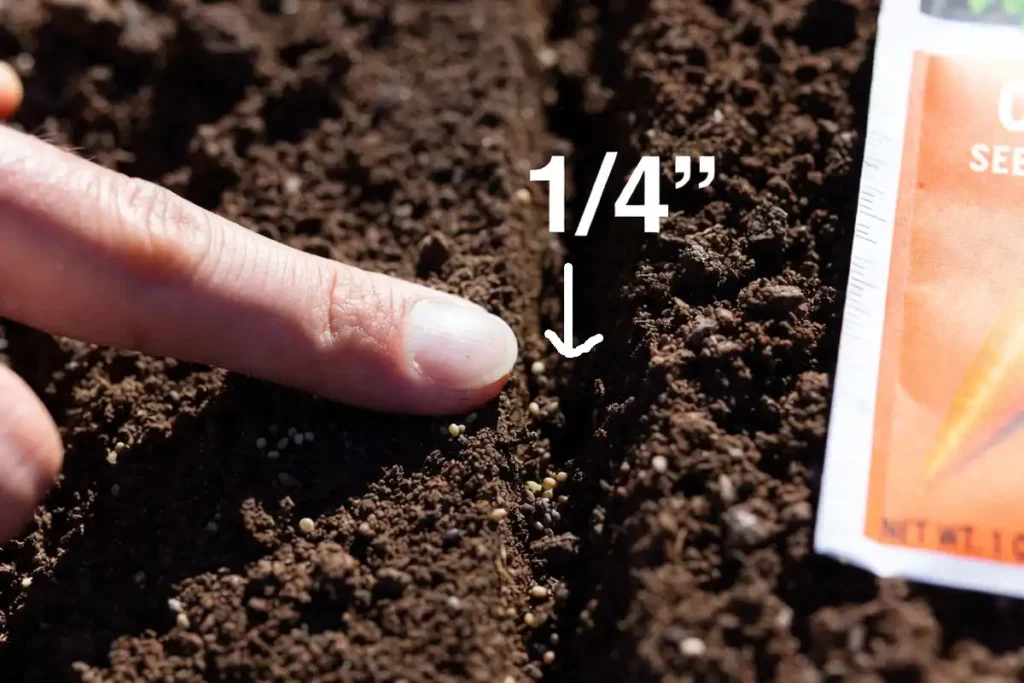
Make a shallow groove with your finger, a stick, or a hoe handle.
- Row spacing: 12–18 inches apart.
- Planting depth: about 1/4 inch.
Carrot seed planted too deep is the most common failure in home beds.
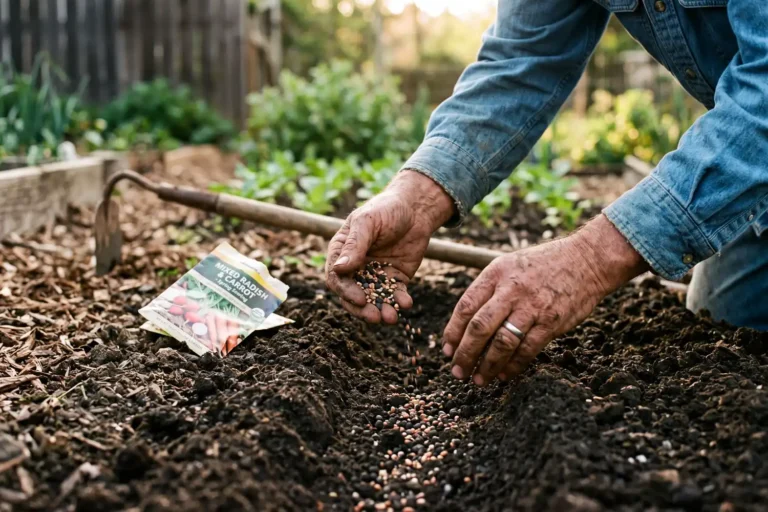
Step 4: Sow the seed evenly
Carrot seed does not fall evenly on its own. Pick one method that fits you:
- Pinch and sprinkle down the row, then thin later.
- Mix seed with dry sand so it spreads more evenly.
- Seed tape or pelleted seed for cleaner spacing.
Do not chase perfection. You fix spacing at thinning time.
Step 5: Cover lightly, then gently press
Cover seed with fine soil or sifted compost.
Then press the row lightly to settle the cover. Do not mash it into a brick.
Step 6: Water gently and keep the surface moist
Use a soft spray or a watering can rose.
Your job for the next couple weeks is simple:
- Keep the top layer damp.
- Avoid washing seed out of the row.
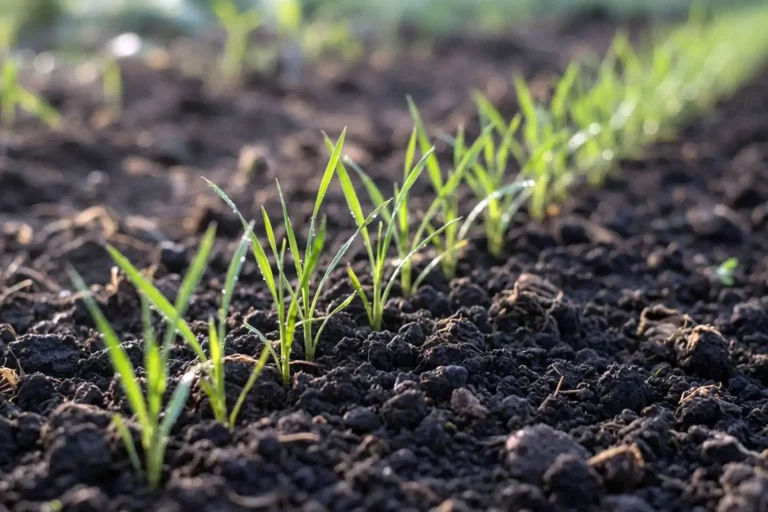
Carrots often take 14–21 days to emerge. That long wait is normal. The seed row drying out during this stretch causes patchy stands.
Step 7: Use a moisture “cap” if your soil crusts
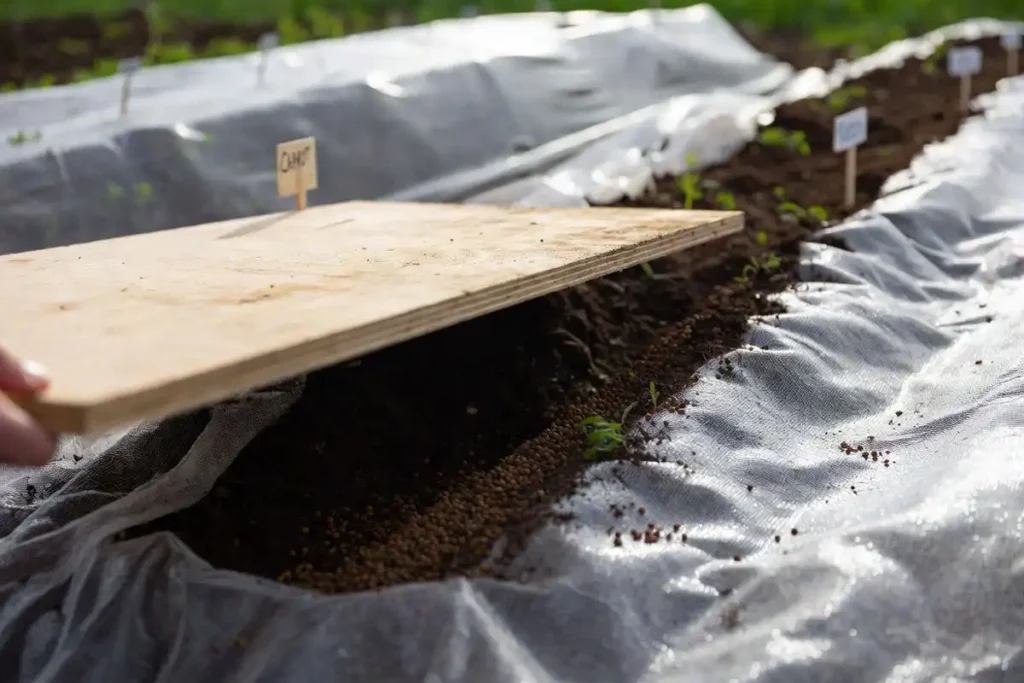
If your soil forms a crust after rain or watering, lay one of these over the row after you water:
- A board
- Burlap
- A light row cover
Lift it once a day to check. Remove it as soon as sprouts appear.
How to grow carrot plants (from sprouts to harvest)
Once seedlings show, the rules change. You shift from “keep it damp” to “keep it steady.”
Thin for straight roots
Crowding makes skinny, twisted carrots.
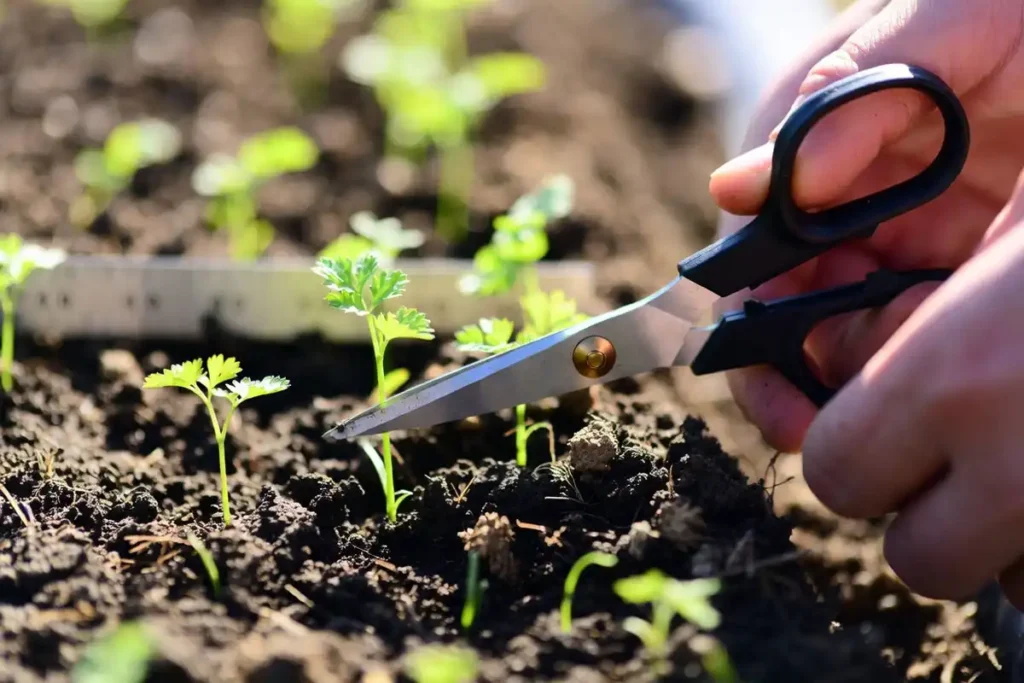
Thin after seedlings establish and you can handle them without tearing the row up.
- Final spacing for most carrots: 2–4 inches between plants.
If pulling seedlings disturbs neighbors, snip extras at soil level with scissors.
Control weeds early
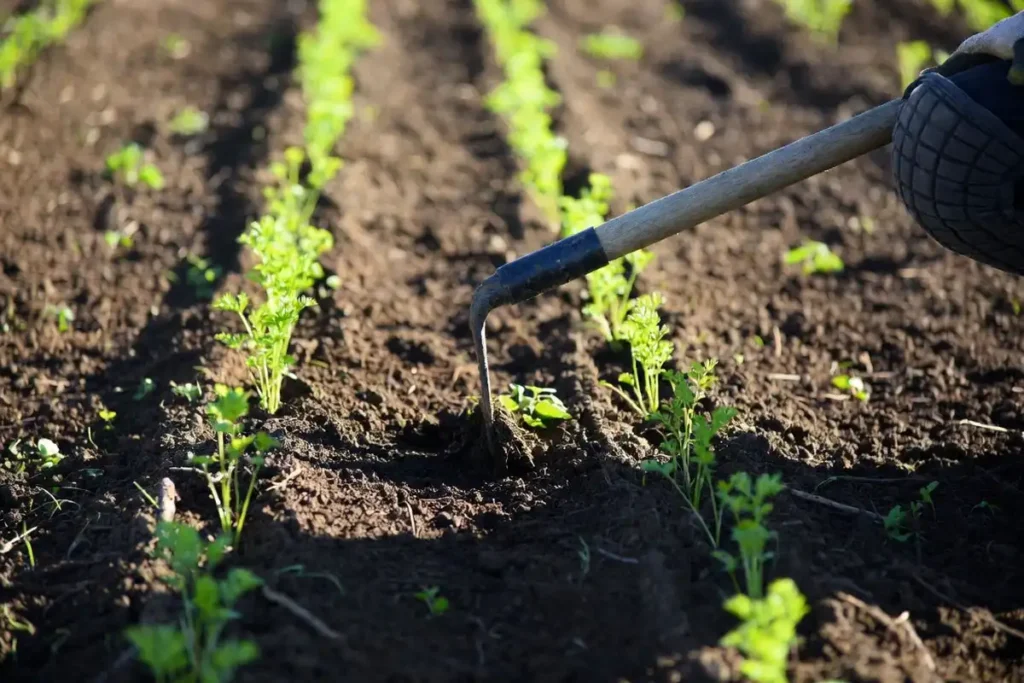
Carrots start slow, and weeds move fast.
Weed shallow and often, especially in the first month. If you want a practical approach that fits beds and rows, this guide helps: What is weed control in farming.
Water evenly as roots size up
Uneven watering causes cracking, rough roots, and stress.
After thinning:
- Water deeper, less often.
- Avoid long dry stretches followed by heavy soaking.
For gardens that run on irrigation, it helps to match your method to your bed size and soil. Here’s a good comparison: Complete drip vs sprinkler irrigation methods.
Feed for roots, not just tops
Overfeeding nitrogen pushes leafy growth and can leave roots underfilled.
A soil test gives the cleanest answer on what to add and how much. If you fertilize, mix it into the bed before planting rather than dumping it right over the seed row.
Mulch after seedlings are sturdy
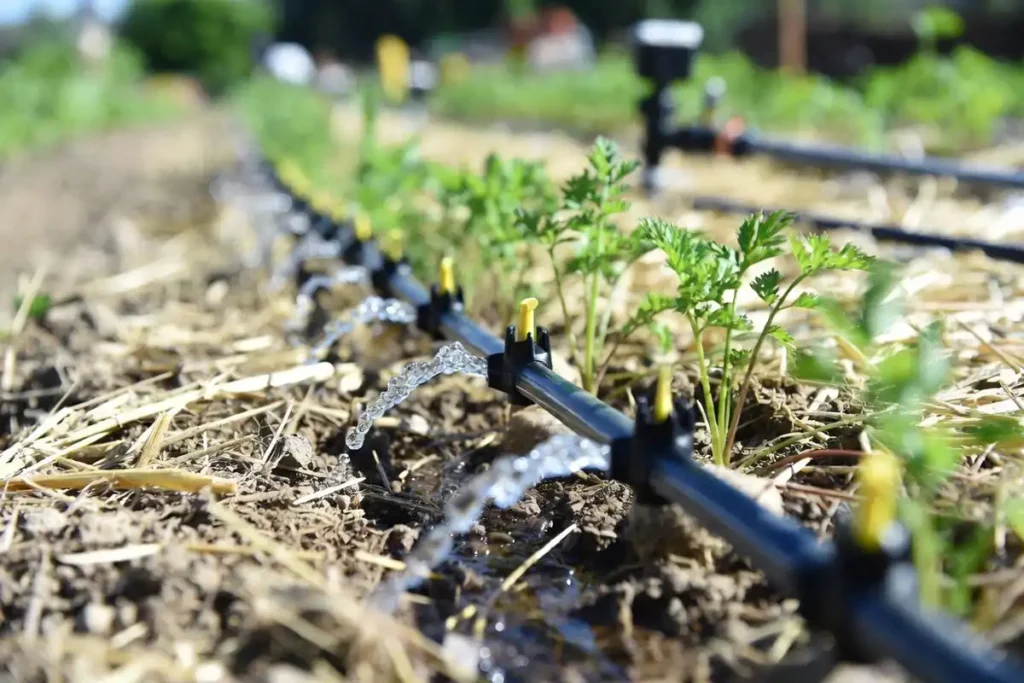
Mulch keeps moisture steadier and slows weeds.
Apply a light layer after seedlings stand up well. This guide breaks down mulch options and timing: Understanding mulching in crop-farming.
Keep an eye on common pest and disease signals
Two quick checks go a long way:
- Stunted, yellowing tops often track water stress, weeds, or nutrient imbalance.
- Chewed foliage or weak crowns often point to insects.
If you see a problem, identify it before you treat it. Local extension resources are reliable for pest ID and regional issues.
Fertility and watering after planting
Once carrots are up and growing, your goal is steady growth. Big swings in water or fertility are what lead to cracked roots, rough texture, and odd shapes.
Watering after planting
After seedlings emerge and you’ve thinned, switch from “keep the surface damp” to “water deeper and less often.”
- Water enough to moisten the root zone, not just the top inch.
- Try to keep moisture consistent, especially as roots start sizing up.
- Avoid letting the bed get bone-dry, then soaking it hard. That wet-dry cycle is a common cause of splitting.
A simple rule that works in most gardens: if the top couple inches are dry and the plants look dull in the morning, it’s time to water.
Fertility after planting
Carrots do best with balanced nutrition, not heavy nitrogen.
- Follow a soil test if you have one. That prevents guesswork.
- Avoid overfeeding nitrogen, which can push leafy tops and leave roots underdeveloped.
- If growth looks slow and pale after the seedlings are established, use a light, balanced feeding rather than a heavy shot.
How long carrots take to grow
Here’s the timeline most growers experience:
- Germination: often 14–21 days.
- Thinning window: usually 3–5 weeks after seeding, depending on growth speed.
- Harvest size: often 70–100 days from seeding.
Shorter varieties finish faster than long storage types. Cool weather also slows growth, which is not bad. Carrots often taste better after cool nights.
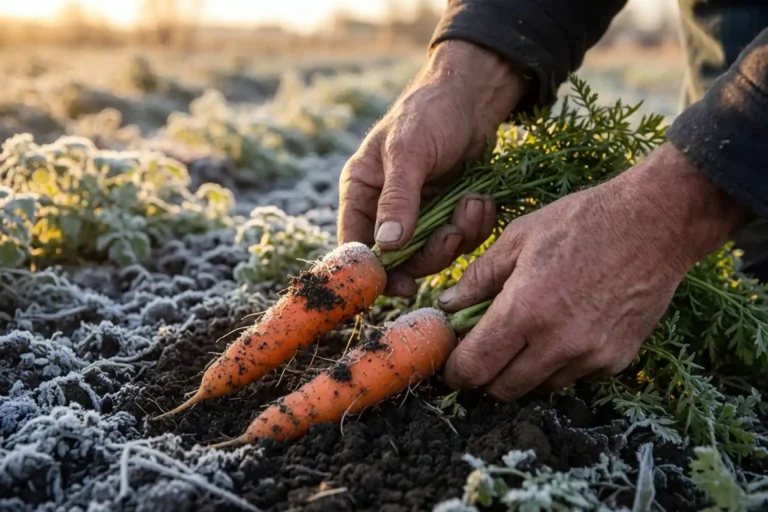
How to harvest carrots without breaking them
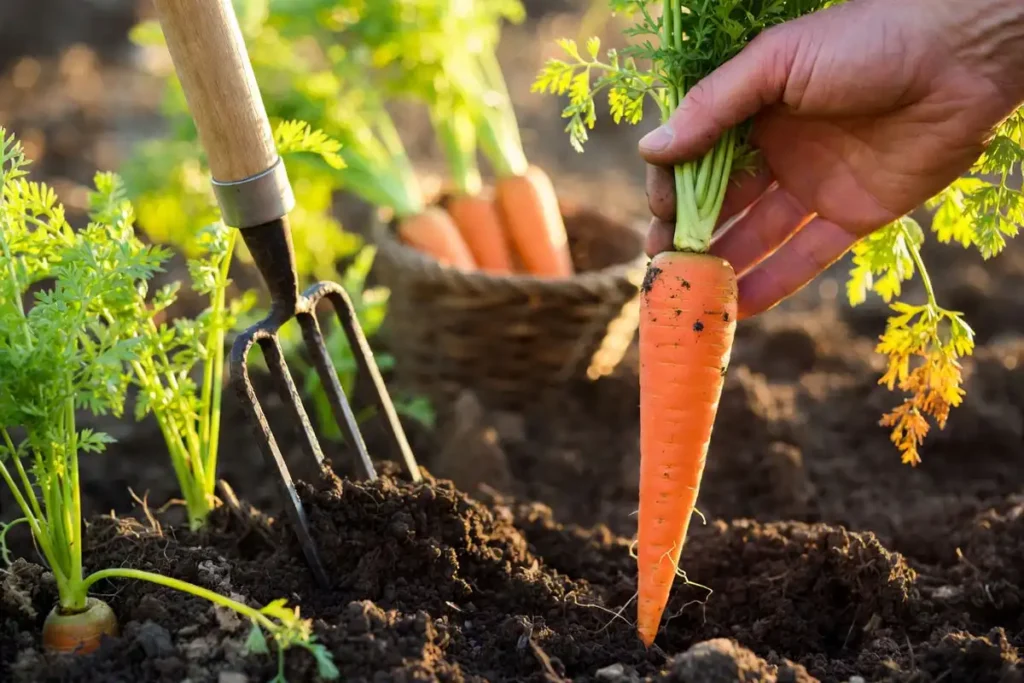
Harvest by size, not by the calendar alone.
- Test-pull a couple carrots to check diameter and shape.
- Water the day before harvest if soil is dry.
- Loosen the row with a fork and lift gently.
- Pull by the crown, not by a handful of leaf tips.
- Trim tops soon after harvest so roots hold moisture and stay crisp.
If you plan to store carrots, handle them like apples. Bruises show up later as soft spots.
How to store carrots so they stay crisp
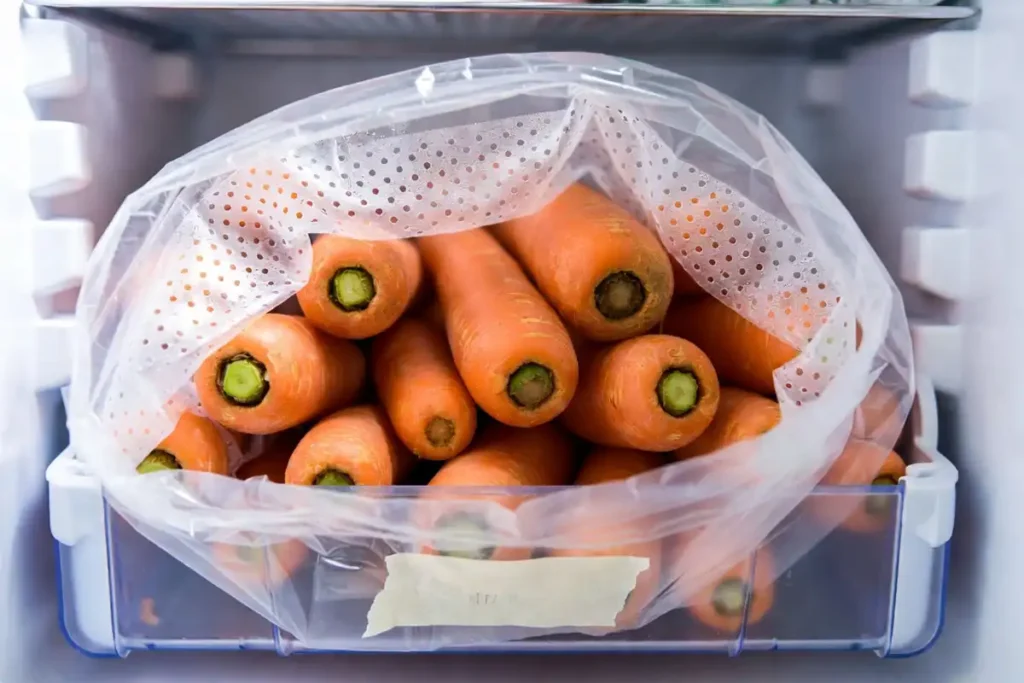
Carrots store best when they stay cold and slightly humid.
- Trim tops to keep roots from losing moisture.
- Brush off heavy soil.
- Store in the fridge in a bag or container that holds humidity.
For longer storage, pack carrots in slightly damp sand or a similar medium in a cool place. Keep them from freezing and keep them away from fruits that give off ethylene.
Troubleshooting Guidelines: Fix the common carrot problems
Patchy germination
- Cause: the seed row dried out, seed washed away, or soil crust blocked sprouts.
- Fix: water gently, keep the surface damp, and use a board or row cover to hold moisture.
Forked or twisted roots
- Cause: rocks, clods, hardpan, or rough cultivation near the row.
- Fix: deepen bed prep, remove stones, and weed shallow.
Cracked carrots
- Cause: dry spell followed by heavy watering.
- Fix: water on a steadier schedule and mulch after establishment.
Hairy roots
- Cause: stress from uneven moisture and rich, inconsistent fertility.
- Fix: keep moisture consistent and avoid heavy feeding.
Green shoulders
- Cause: the top of the root rises above the soil line.
- Fix: hill a little soil over the shoulder or keep mulch thick enough to shade it.
Bitter or strong flavor
- Cause: heat stress and drought stress.
- Fix: plant for cooler windows and keep watering even.
Common mistakes to avoid
Planting carrots rewards patience and precision. These errors cause most failures.
- Planting too deep: Carrot seed planted deep struggles to reach light. Follow shallow depth guidance.
- Letting the seed row dry out: Germination takes time, and the surface dries fast.
- Skipping thinning: Crowding produces thin, misshapen roots.
- Using herbicide-fertilizer blends: Products labeled “weed and feed” risk killing vegetables.
- Working soil when it is wet: Wet tillage makes clods and compaction, which bends roots.
Safety notes for planting carrots
Wear gloves when handling compost, manure, and fertilizers. Wash hands before eating.
Use eye protection when raking dry fertilizer, and avoid breathing dust.
Store fertilizers and pesticides in original containers with intact labels. Follow label directions for rates, mixing, and re-entry time if you apply any product.
Keep tools sharp and stable. A dull hoe or shovel slips and cuts.
If you grow carrots in an urban yard, confirm soil safety before planting food crops. A soil test helps identify pH and nutrient issues, and local labs may offer contaminant screening options.
Final Thoughts
Carrots reward steady, careful early work. A fine seedbed, shallow planting, and consistent moisture get you a full stand. Thinning, gentle weeding, and even watering carry that stand to harvest. Once you dial in those basics, carrots turn into one of the most dependable crops in the garden, especially in cool spring and fall weather.