How to Grow Carrots in Containers: Seed to Harvest Guide
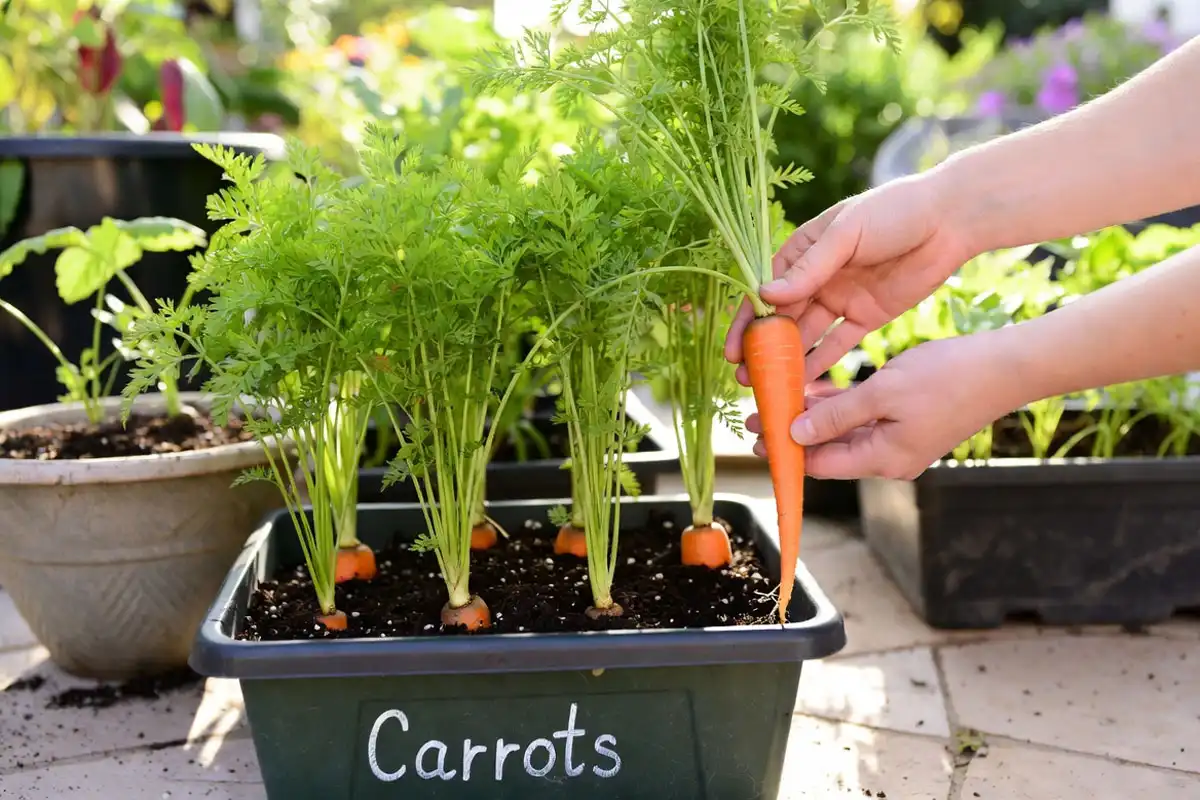
You can grow carrots in containers when you give the taproot deep, loose potting mix, steady moisture, and cool-season temperatures. This guide shows you how to choose the right pot and variety, set up a loose soil mix, seed and thin correctly, water and feed without forking roots, and fix common problems like patchy germination and skinny carrots.
To grow carrots in containers, follow these basics:
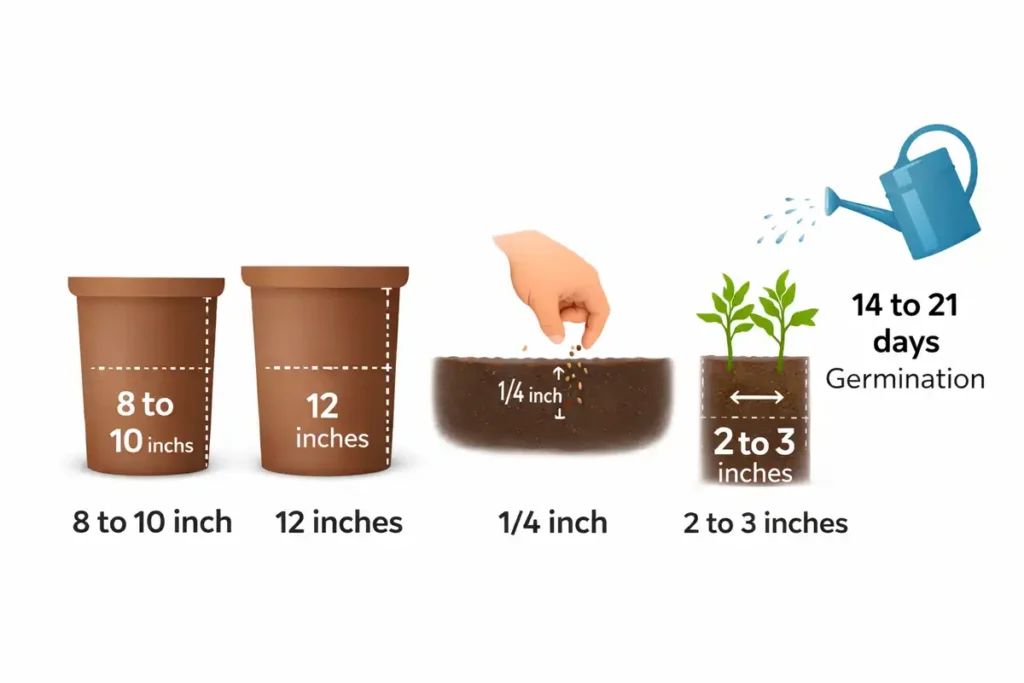
- Container depth: Use 12 inches (30 cm) for most carrots; use 8 to 10 inches for short, round types; use about 20 inches for long varieties.
- Soil: Fill with loose potting mix, not yard soil. Add compost for structure and steady nutrition.
- Seeding: Direct-sow 1/4 inch deep and keep the surface evenly moist until sprouts show, often 14 to 21 days in the right temperature range.
- Thinning: Thin to about 2 to 3 inches between plants for full-size carrots.
- Harvest: Pull when the shoulder size matches the variety and the roots look filled out, often 50 to 80 days depending on cultivar and weather.
What makes carrots work well in containers?
Carrots grow a single taproot that pushes straight down through loose soil. A container works when it provides enough depth, drains freely, and stays evenly moist. Crowding, compacted mix, and dry spells cause forked roots, thin roots, and bitter flavor.
Good container carrots come from basic crop cultivation practices, especially keeping the seed zone moist and thinning seedlings before they compete.
How to Plant Carrots in a Container?
To plant carrots in a container follow these steps:
- Use a 10 to 12 inch deep container with drainage.
- Fill with loose potting mix plus compost.
- Sow carrot seed 1/4 inch deep, keep the top 1 inch moist, and thin seedlings to 2 inches apart.
- Give 6 to 8 hours of sun, water to keep soil evenly moist, and harvest when shoulders reach the listed variety size.
When do you plant carrots in containers?
Plant carrots for cool weather growth.
- Spring crop: Sow 2 to 4 weeks before the last frost date in your area.
- Fall crop: Sow in late summer so roots size up in cooling weather, often 10 to 12 weeks before the first hard frost.
Carrot seed germination slows in hot conditions. Many guides and extensions note reduced germination as temperatures climb high, so spring and fall usually give better stands.
Where does a container of carrots grow best?
A carrot container grows best in full sun, with airflow and easy access to water. Six hours of direct sun supports good tops, which feed the root. In hot climates, light afternoon shade keeps the container from overheating and helps germination hold steady.
Place the pot where you can water it without hauling buckets across the yard. Consistency beats intensity with carrots.
What container size and type grows straight carrots?
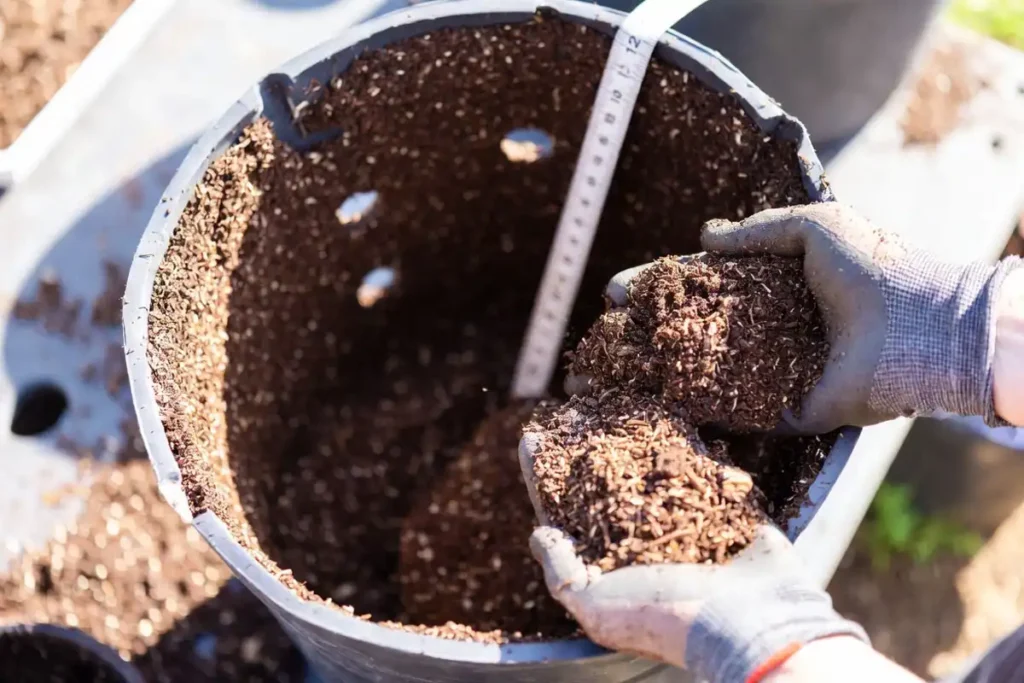
A carrot container succeeds when depth matches the variety. Use this decision rule:
- 8 to 10 inches deep: round or short carrots (Parisian types)
- 12 inches deep: most Nantes, Danvers, Chantenay types
- Around 20 inches deep: long, full-size types
Container types that work well
- Plastic or resin pots (hold moisture longer)
- Fabric grow bags (drain fast, need more frequent watering)
- Window boxes (only for short varieties, and only if depth is enough)
Drainage rule: a carrot pot needs drainage holes. Standing water causes root stress and rot.
What soil mix grows smooth carrots in pots?
Carrots form the cleanest roots in a mix that stays loose from planting to harvest.
Use: a quality potting mix as the base. Potting mixes stay airy in containers better than garden soil.
Add: finished compost for biology and water-holding. Aim for compost that smells earthy and contains no undecomposed chunks. (If you want to make or choose compost well, this guide on compost for farming helps.)
Avoid: rocks, sticks, and clumpy soil. Any hard obstacle in the root zone increases branching and forking.
pH note: many horticulture references place carrots in the slightly acidic range around 6.0 to 6.8. If your mix is unknown, a basic soil test gives clarity.
How do you grow carrots in containers?
Step 1: Prep the pot
Wash a reused pot with soap and water. Clear every drain hole. Set the pot on pot feet or bricks so water exits freely.
Step 2: Fill and settle the mix
Fill with moist potting mix plus compost. Lightly firm the top with your palm. Do not pack it tight.
Step 3: Sow seed correctly
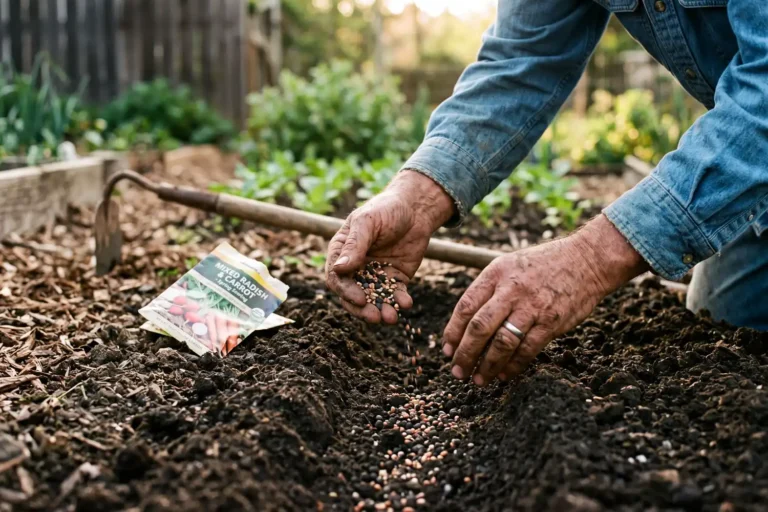
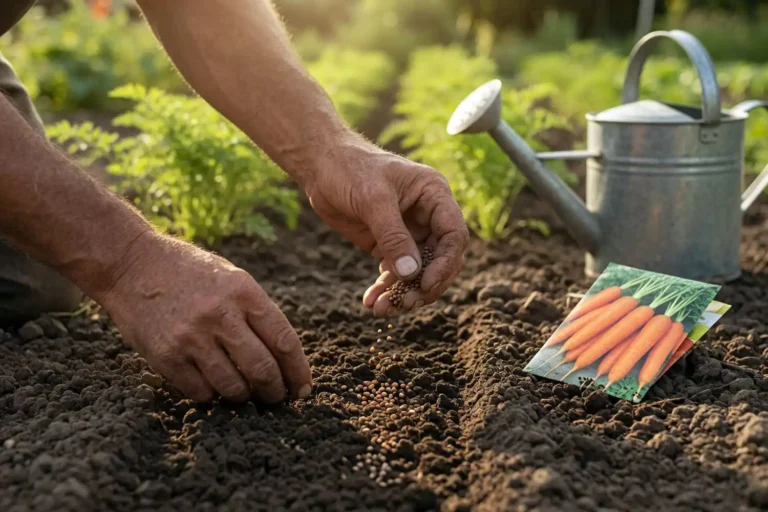
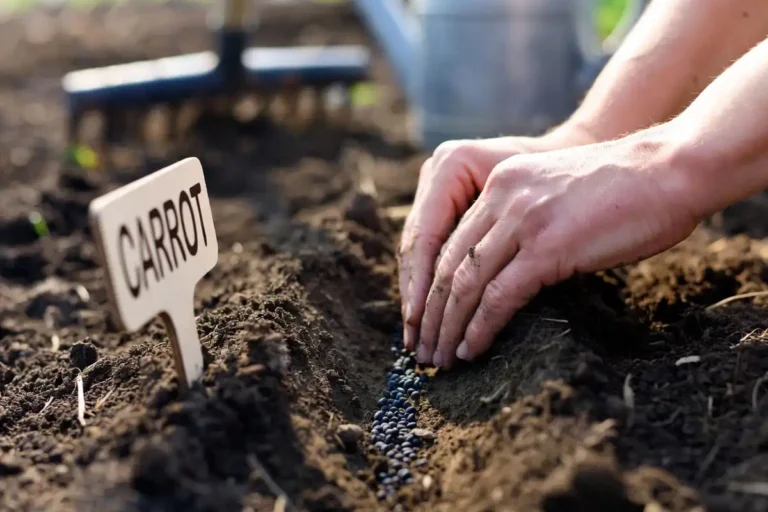
Carrots grow best from direct seeding. Place seed about 1/4 inch deep and cover lightly.
Space seeds thinly in bands or rows across the container surface. A light sprinkle spacing is fine because thinning comes later.
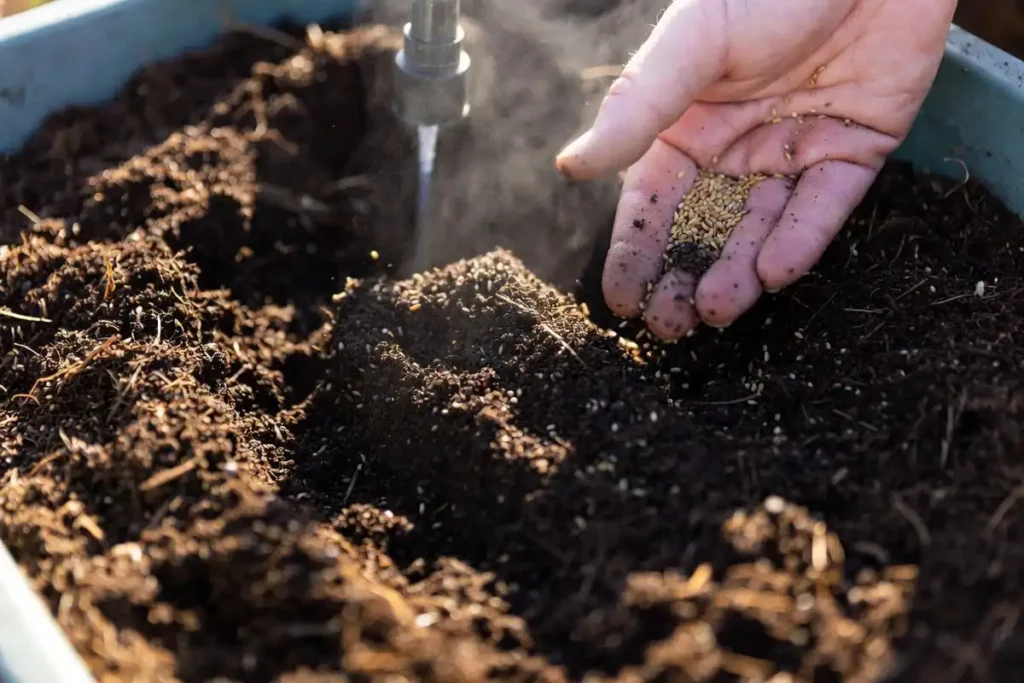
Step 4: Keep the surface evenly moist until emergence
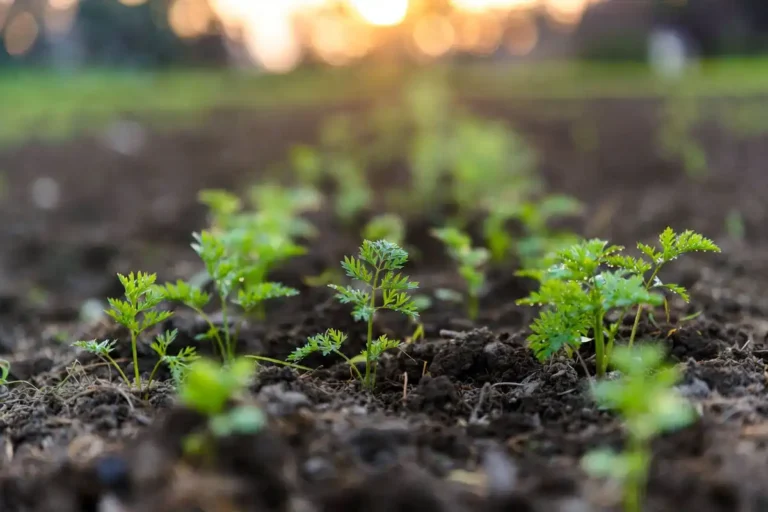
Carrot seed sits close to the surface and dries fast. Mist or water gently so the top layer stays damp. Seeds often take 14 to 21 days to emerge under good conditions.
Practical trick: lay a breathable board, burlap, or a single layer of shade cloth over the surface and remove it the moment green shows. This reduces crusting and moisture loss.
Step 5: Thin in two passes
Thinning prevents skinny roots and misshapen carrots.
- First thin when seedlings are easy to handle.
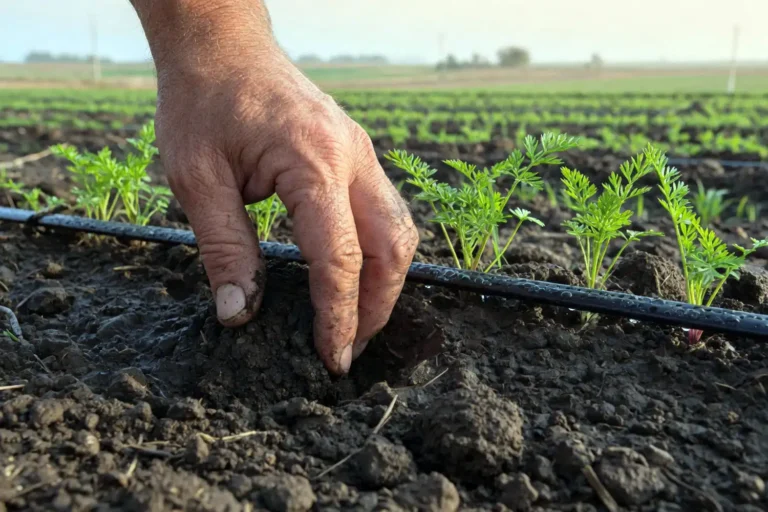
- Final thin to about 2 to 3 inches between plants for many full-size types.
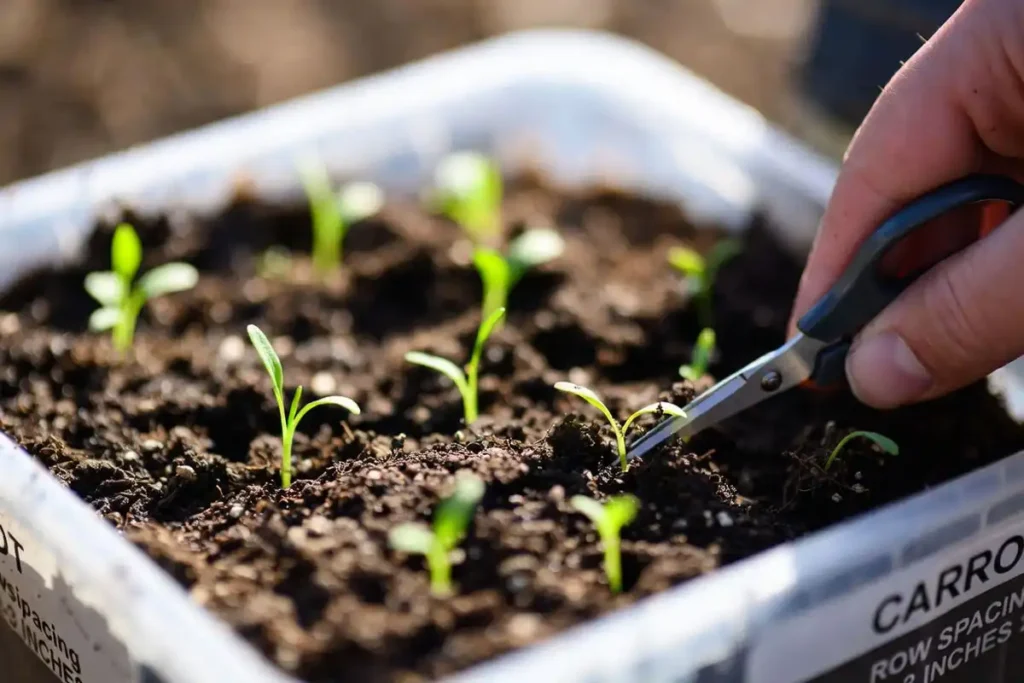
Snip seedlings at soil level instead of yanking when roots are small and crowded. Pulling disturbs neighbors.
For a deeper spacing refresher, this guide on plant spacing for crops lays out spacing logic that also applies in containers.
Step 6: Water for steady growth
Carrots taste best and size up when growth stays steady. Water the container when the top inch of mix dries, then water until it drains. Avoid the cycle of bone-dry then soaking-wet.
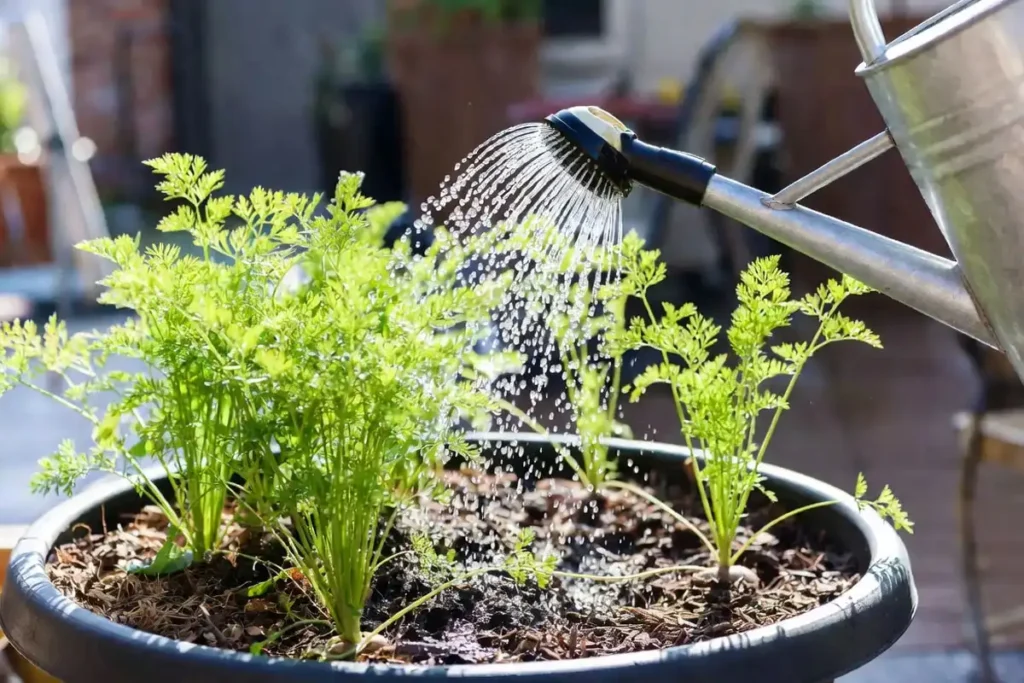
If you like to calculate irrigation in a more systematic way, read this guide on how to calculate water needs.
Step 7: Feed lightly and avoid heavy nitrogen
Containers leach nutrients faster than beds. Use a balanced, light feeding plan. Some container guides recommend a light feed every few weeks during active growth.
Avoid heavy nitrogen, especially early. Excess nitrogen grows tops fast and delays root sizing.
Step 8: Mulch to stabilize moisture and temperature
A thin mulch layer reduces evaporation and keeps the upper root zone cooler. Mulch also reduces soil crusting during germination and early growth.
What problems show up most in container carrots, and what fixes them?
Why do carrot seeds fail to sprout?
Seed fails when the surface dries, crusts, or heats up.
Fix
- Keep the top layer evenly moist for the full germination window.
- Shade the pot surface lightly during germination in hot weather.
- Sow fresh seed if seed age is unknown. (Carrot seed loses viability faster than some crops.)
Why do carrots fork or twist?
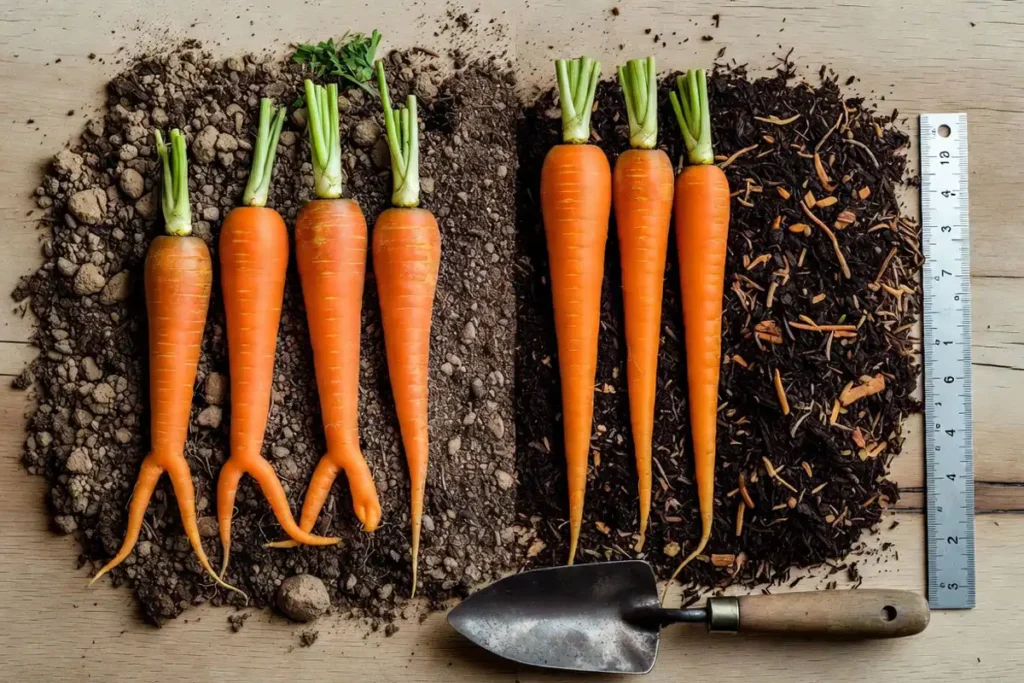
Carrots fork when the taproot hits an obstacle or compaction.
Fix
- Use potting mix, not yard soil.
- Screen out chunks and stones.
- Match container depth to the variety.
Why are carrots thin and slow?
Thin carrots come from crowding, low light, heat stress, or excess nitrogen.
Fix
- Thin to the right spacing.
- Increase sun exposure.
- Shift planting to cool-season timing.
- Use balanced nutrition, not high nitrogen.
Why do carrots split?
Splitting usually follows a dry spell, then heavy watering.
Fix
- Water on a steady schedule.
- Use mulch to slow swings.
- Harvest on time so roots do not over-mature.
How do you handle pests and diseases in containers?
Container carrots see fewer soil-borne issues than in-ground crops, but leaf pests still show up.
Common pests
- Aphids on foliage
- Leaf-feeding caterpillars in some regions
Low-impact controls
- Spray foliage with a firm water stream to knock off aphids.
- Remove heavily infested leaves.
- Use insect netting early if flying pests are common in your area.
For broader prevention ideas, this guide on natural pest control fits container growing, especially physical barriers and scouting habits.
What mistakes ruin container carrots?
A container carrot crop fails for predictable reasons.
- Shallow pots paired with long varieties cause stubby, forked roots.
- Letting the seed zone dry during the germination window causes patchy stands.
- Skipping thinning produces skinny carrots.
- Overfeeding nitrogen produces big tops and weak roots.
- Watering in extremes causes splitting and bitter flavor.
What safety points matter when growing carrots in containers?
Container gardening stays low risk, but a few habits prevent injuries and contamination.
- Drill drainage holes with eye protection and stable footing.
- Use food-safe containers when reusing buckets or tubs.
- Wash hands after handling compost, fertilizers, or potting mixes.
- Store fertilizers sealed and dry, away from kids and pets.
- Use a stable stand or level surface so heavy pots do not tip.
How long does it take carrots to grow in containers?
Most carrots grown in containers reach harvest size in about 50 to 80 days after sowing. Germination usually takes 14 to 21 days, so plan for a slower start, then steady root growth.
Your exact timing depends on three things: the variety you chose (short types finish faster), cool weather versus heat, and how steady you keep moisture in the pot.
If you want quicker harvests, grow short or round carrots and pull them young. If you want full-size roots, thin on time and keep the pot evenly moist so growth never stalls.
When and how do you harvest carrots from containers?
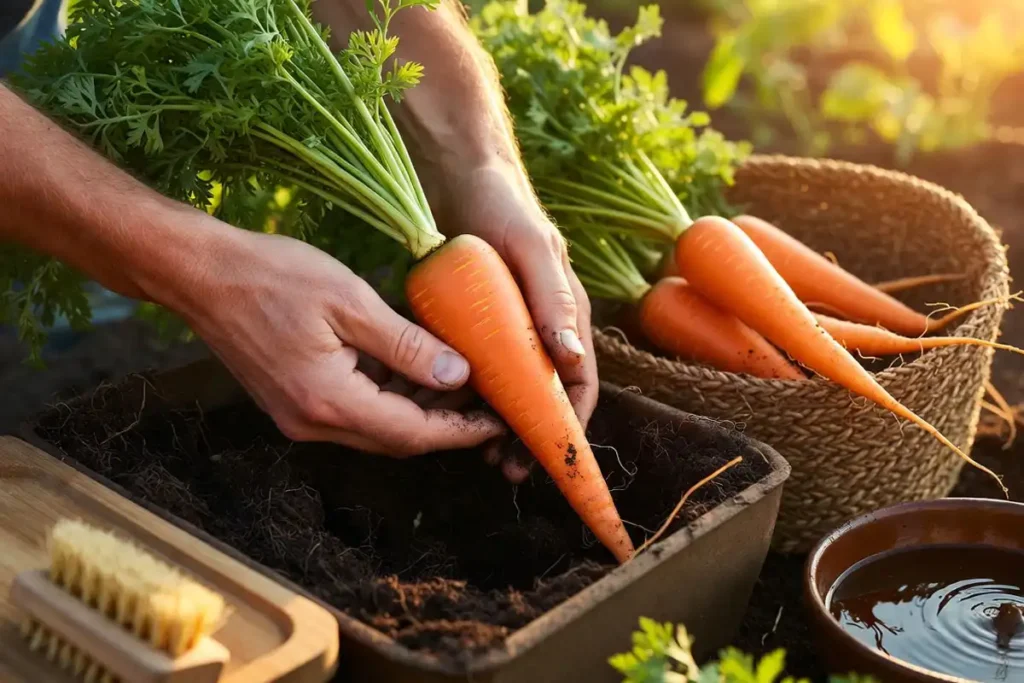
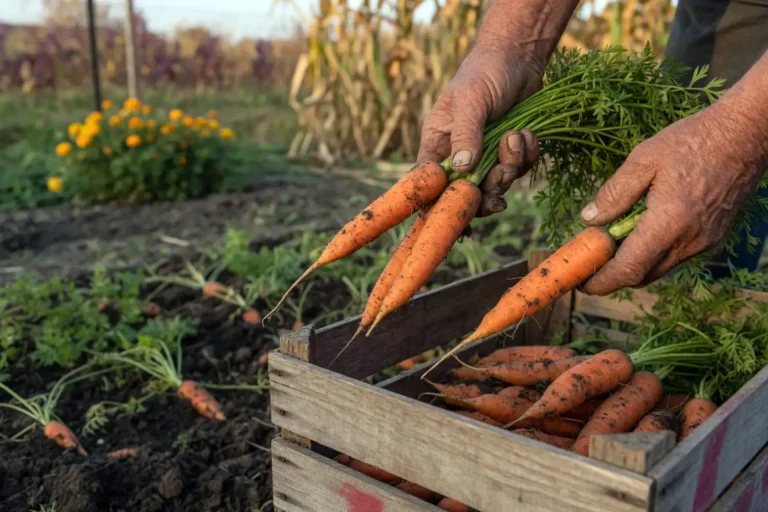
Carrots are ready when the root shoulder shows size and color at the soil line. Pull a test carrot first. Many carrots reach harvest in about 50 to 75 days, depending on variety and conditions.
Harvest method
- Water the pot lightly to loosen the mix.
- Grasp tops close to the soil line and pull steadily.
- If tops snap, tip the container and lift the roots by hand.
For harvest timing cues that apply across crops, see understanding when to harvest crops.
Final Words
Carrots grow well in containers when the pot gives the taproot depth, the mix stays loose, and moisture stays steady. Direct seeding, patient germination care, and timely thinning do most of the work. If roots fork or stay thin, check the basics first: container depth, soil texture, spacing, and heat. Get those right, and a patio container produces clean, sweet carrots with less weeding than an in-ground bed.