What Are Table Grapes? Sizes, Seeds, and Best Types
You see them in every produce aisle. Still, many folks aren’t sure what sets table grapes apart from wine grapes. They are bred for the snack bowl. Here is what makes them different.
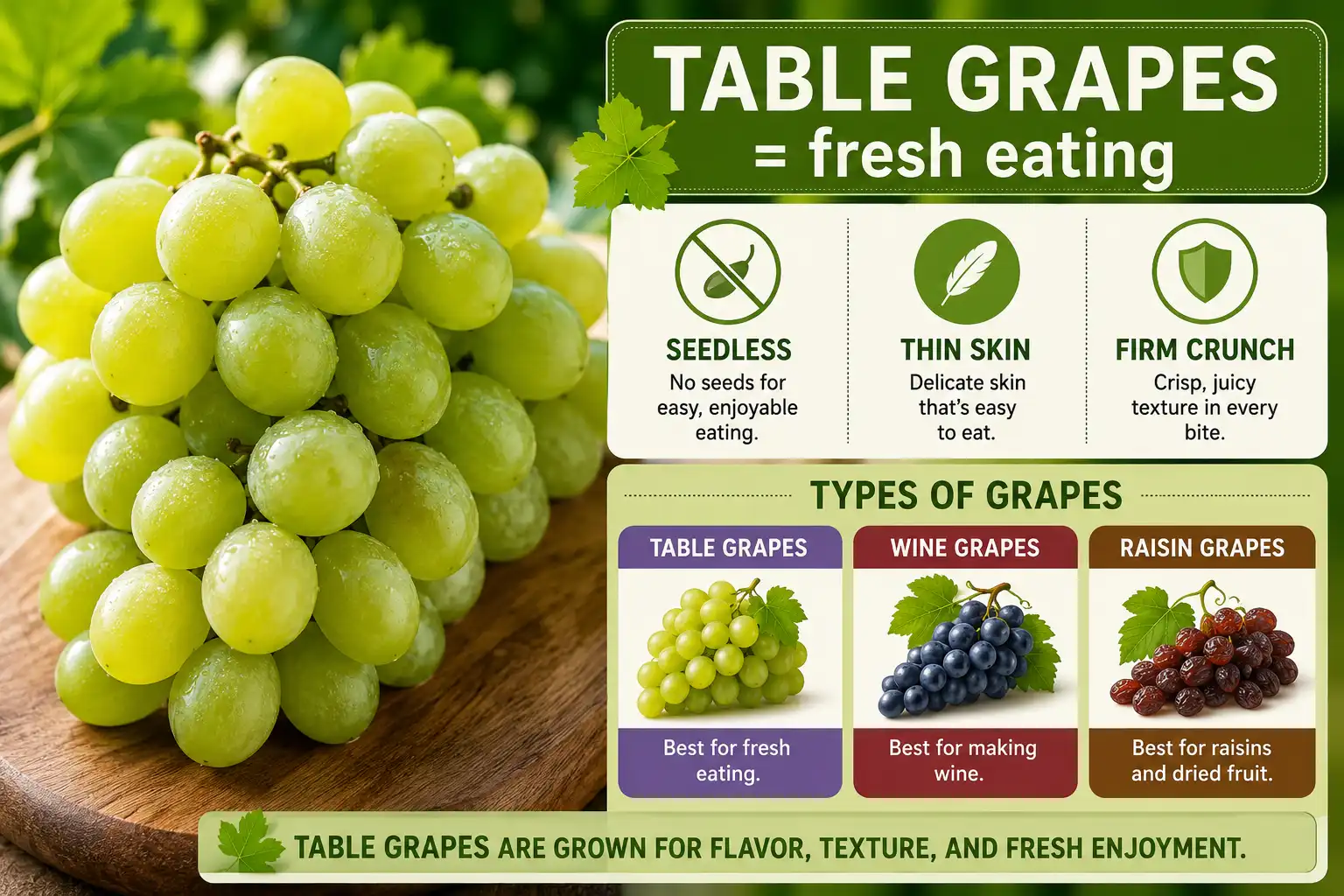
Table grapes are grapes grown for fresh eating, not for wine or drying. Growers breed them large, sweet, thin-skinned, and usually seedless, with firm flesh that ships and stores well.
What Are Table Grapes, Exactly?
Table grapes are grapes grown to be eaten fresh, right off the bunch. The name points to their job, not their species. Growers sort every grape into three broad uses: fresh eating, winemaking, and drying into raisins. Table grapes cover that first group.
Most table grapes belong to Vitis vinifera, the same species behind most wine grapes. Still, American types such as Vitis labrusca also earn a spot on the table. Concord is the classic example. Because the goal is snacking, breeders chase looks, size, sweetness, and shelf life instead of the qualities a winemaker wants.
Know more: Details of Concord Grapes
Table Grapes vs Wine Grapes vs Raisin Grapes
Table grapes are grown for fresh eating, wine grapes for fermenting, and raisin grapes for drying. So the same fruit splits into three markets. The split depends on how a grower manages the vine and which variety goes in the ground.
The differences show up fast when you compare them side by side:
| Trait | Table grapes | Wine grapes | Raisin grapes |
|---|---|---|---|
| Main use | Fresh eating | Fermenting into wine | Drying into raisins |
| Berry size | Large | Small | Small to medium |
| Skin | Thin | Thick | Thin |
| Seeds | Usually seedless | Almost always seeded | Usually seedless |
| Sugar at harvest | About 16 to 19 Brix | About 22 to 26 Brix | Very high |
| Flesh | Firm, crunchy | Soft, juicy | Firm, then dried |
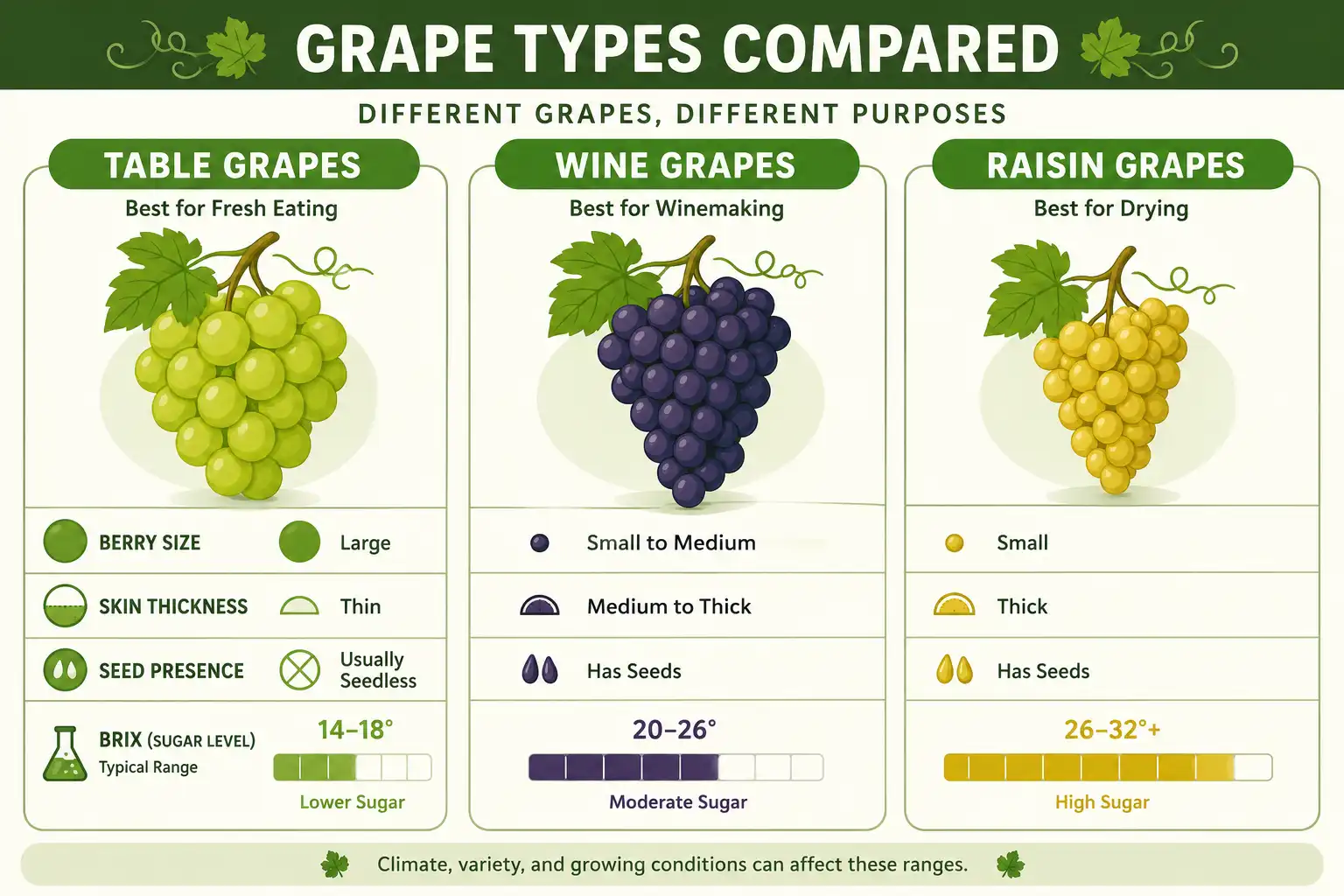
Wine grapes pack more sugar and acid into a small, thick-skinned berry because that concentration builds flavor and tannin. Table grapes trade some of that intensity for size, crunch, and a mild skin you barely notice. Raisin grapes sit close to table grapes but carry extra sugar so they dry down sweet. In fact, Thompson Seedless does all three jobs. That is why some growers pick it for whichever market pays best that season. If you want the whole process, here is how growers turn ripe fruit into raisins by drying grapes into raisins.
What Makes a Good Table Grape?
A good table grape looks great, eats clean, and holds up in the bag. Buyers judge with their eyes first, so appearance drives a lot of the breeding work.
Growers and shoppers look for a handful of traits:
- Large, even berries that fill out the bunch
- Thin, edible skin with no bitter chew
- Firm flesh that gives a crisp pop, not mush
- Balanced sweetness, usually around 16 to 19 Brix at harvest
- Seedless texture for easy snacking
- Good shelf life so the fruit travels from field to store without breaking down
Brix measures sugar content, and a table grape that hits the mid-teens tastes sweet without turning cloying. That balance is why fresh grapes feel refreshing. A wine grape, by contrast, tastes almost too intense to eat by the handful.
What Are the Most Common Table Grape Varieties?
Thompson Seedless, Flame Seedless, Crimson Seedless, and Red Globe rank as the top table grape varieties in the United States. Between them, they cover the green, red, and dark bunches you see most often.
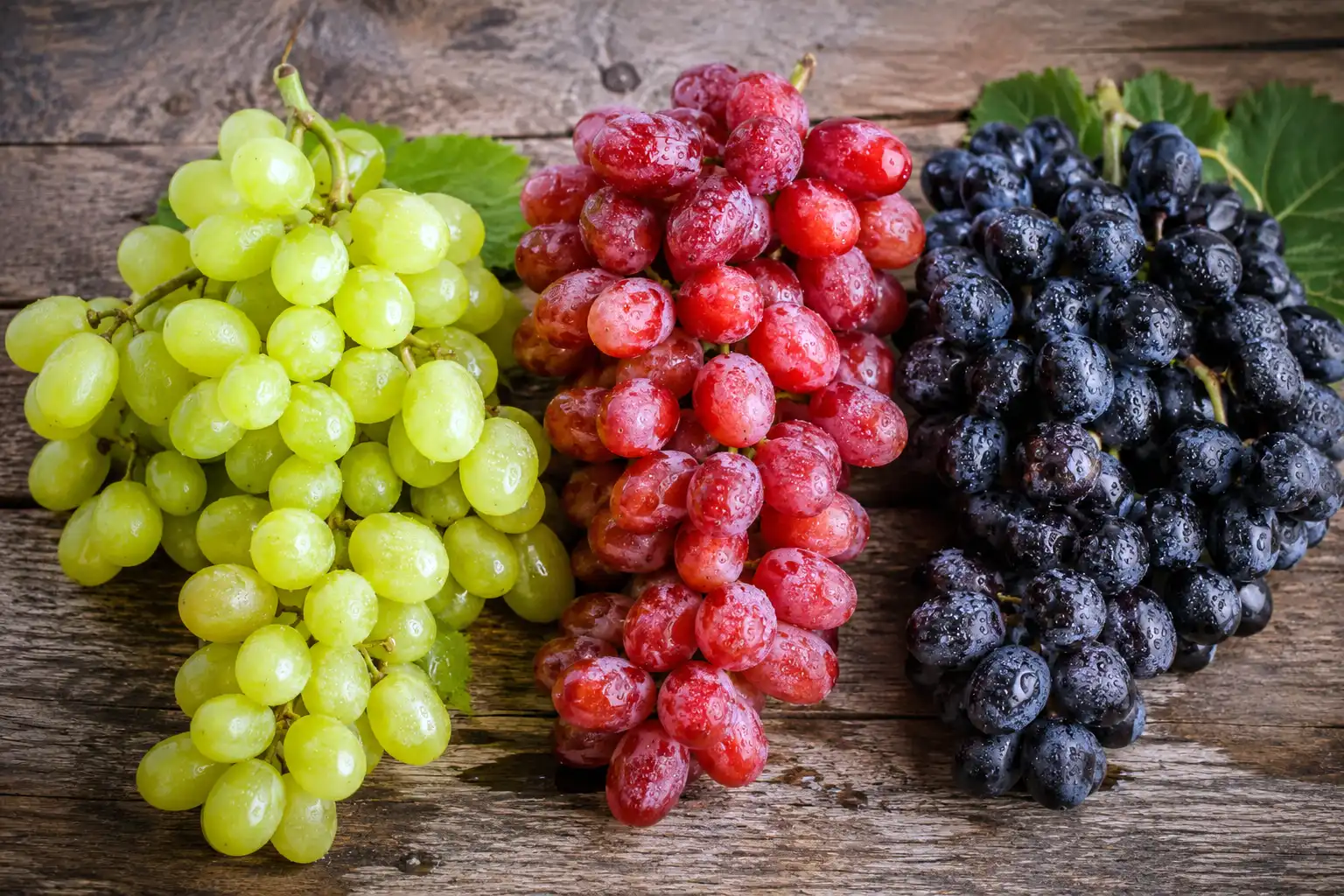
Here is how the common colors break down:
- Green (white): Thompson Seedless, Autumn King, Sweet Globe
- Red: Flame Seedless, Crimson Seedless, Scarlet Royal
- Black: Autumn Royal, Summer Royal
- American types for fresh eating: Concord and Niagara, both prized for bold flavor
Newer flavored varieties also draw a crowd, from Cotton Candy to Autumn Crisp. The list grows every year. If you want the full count, you can dig into just how many grape varieties exist. For a snacking grape, though, most shoppers stick with the four workhorses above.
Are Table Grapes Seedless?
Most table grapes sold today are seedless, though seeded types still turn up at markets and in backyards. Shoppers strongly prefer seedless, so breeders have leaned hard in that direction over the past few decades.
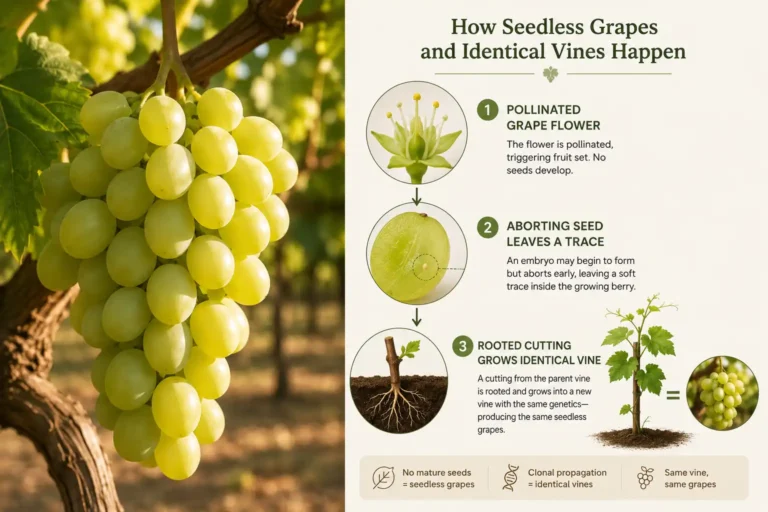
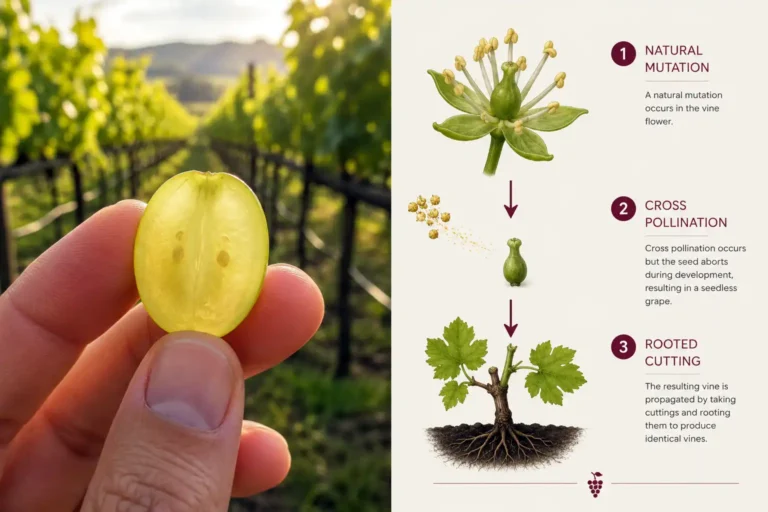
Seedless grapes come from natural mutations that breeders select and then multiply through cuttings. Growers also spray plant hormones like gibberellic acid to size up the berries. Seedless fruit runs smaller on its own, so that step matters. If the science interests you, this piece explains how seedless grapes are bred and grown at scale. Seeded table grapes still have fans, especially older Concord types, because the flavor can run deeper.
Where Are Table Grapes Grown?
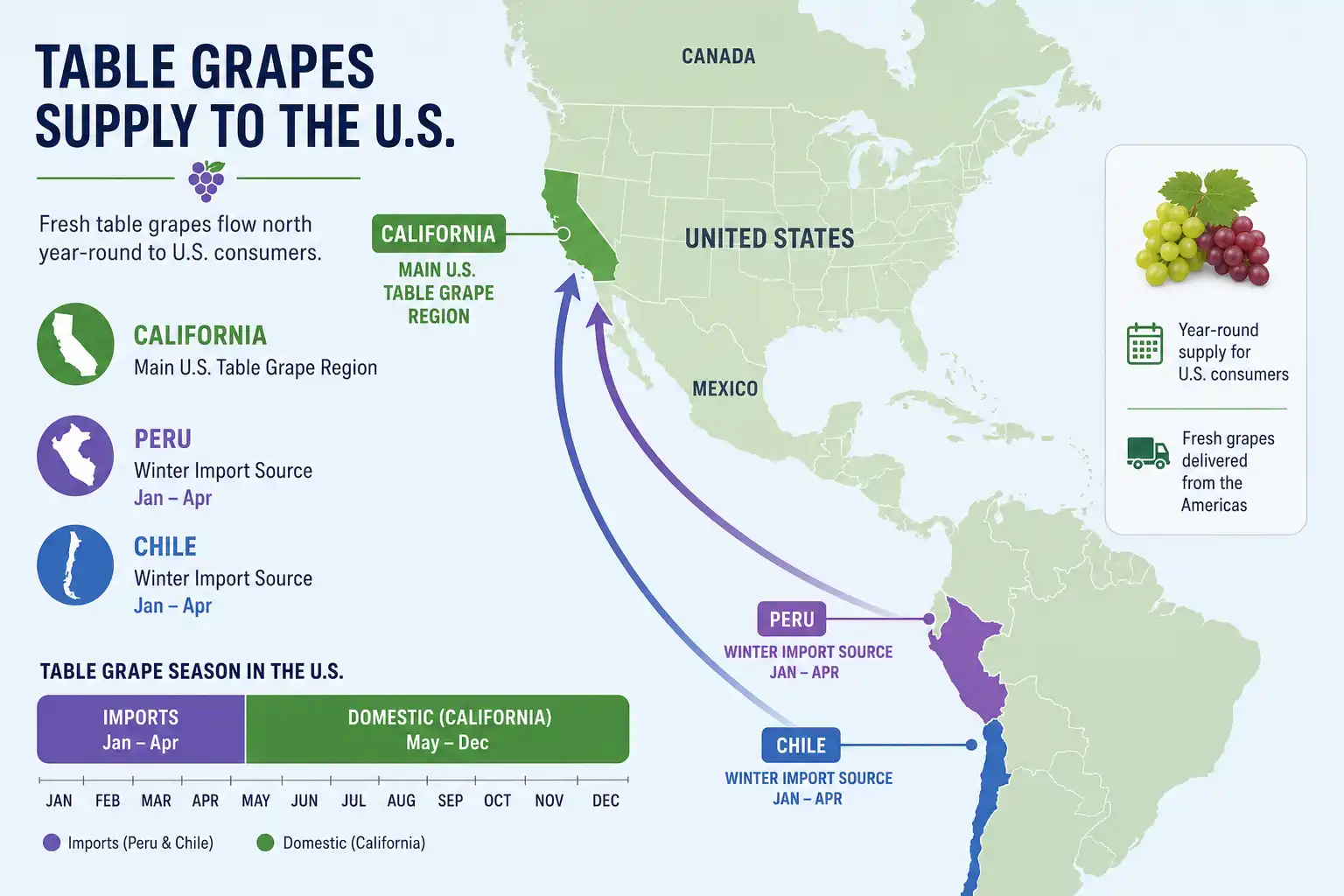
Almost all commercially grown US table grapes come from California, mainly the San Joaquin Valley. The state produces close to 99 percent of the table grapes grown in the country. Long warm summers and dry harvest weather make that possible.
That said, a large share of the grapes on American shelves now arrives from overseas. Chile and Peru ship heavily during the winter, and imported fruit recently passed domestic supply for the first time. So the pattern is simple: California carries the summer and fall, while South America fills the cold months. You can see the broader picture of where most US grapes are grown across regions and climates.
Can You Grow Table Grapes at Home?
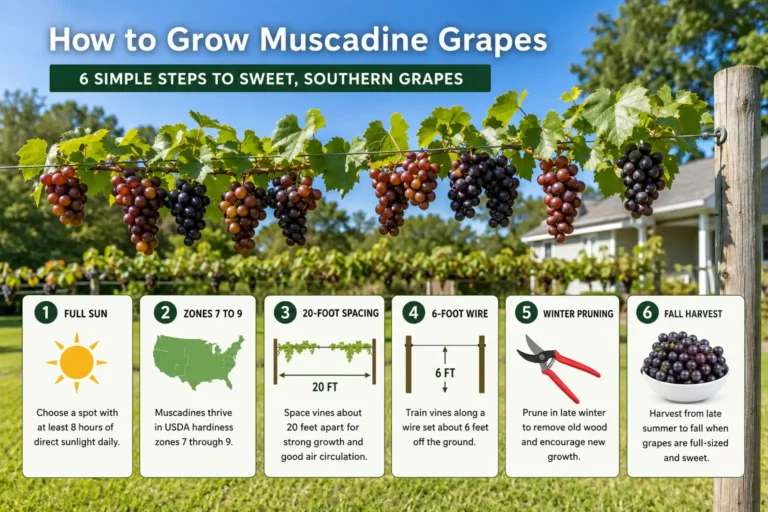
Yes, you can grow table grapes at home as long as you match the variety to your climate. Your USDA hardiness zone decides which types will survive winter and ripen a crop.
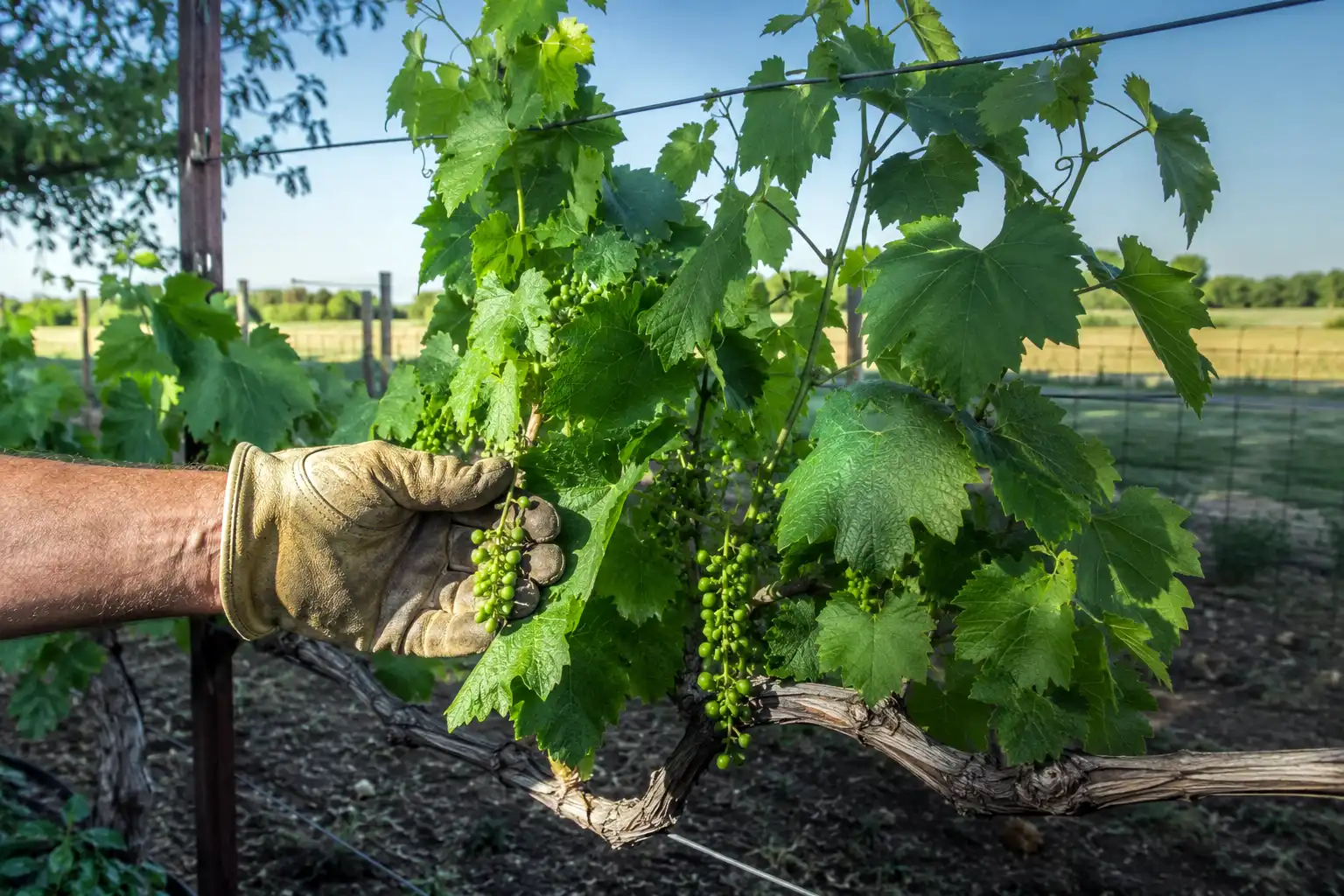
In warm, dry regions, vinifera types like Thompson and Flame do well. In the Great Plains and the colder north, those struggle with hard winters and disease pressure. Cold-hardy American and hybrid seedless grapes are recommended instead. Reliance, Mars, Canadice, and Himrod all handle Kansas winters, and Concord remains a reliable standby. Keep a few of these vines at the edge of the field. They pull through zone 6a cold with basic protection.
Set your vines on a sturdy trellis, prune them hard each dormant season, and give them full sun. If you want a full walkthrough on growing grapevines at home, start there before you plant. K-State Research and Extension and other land-grant programs list the varieties proven for each region. That saves a lot of guesswork.
When Are Table Grapes in Season?
US table grapes run from about May through December, and imports fill in the winter months. California opens the season in the Coachella Valley in late spring, then Central California carries it through summer and fall.
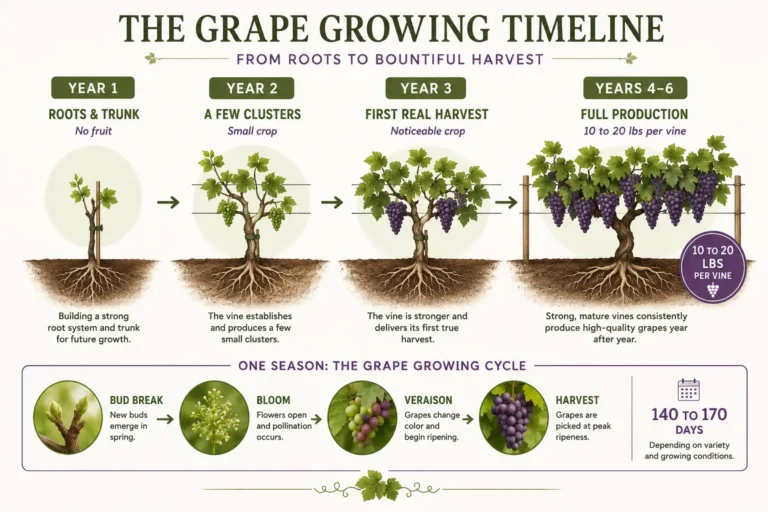
Once the domestic crop winds down, Chilean and Peruvian fruit takes over from roughly January into April. That handoff is why the produce aisle never really runs dry. For your own vines, ripeness comes down to taste and sugar, not the calendar. This guide covers reading the grape harvest window by color, firmness, and Brix.
Bottom Line for Your Fruit Bowl
Table grapes are simply the grapes bred and grown for fresh eating: big, sweet, thin-skinned, and usually seedless. They stand apart from wine and raisin grapes by size, sugar, and how they hold up. If you plan to grow your own, skip the store varieties. Pick a cold-hardy type suited to your zone. That one choice matters more than anything else you do in the first season.