How to Ripen Unripe Tomatoes Indoors Without Losing Flavor
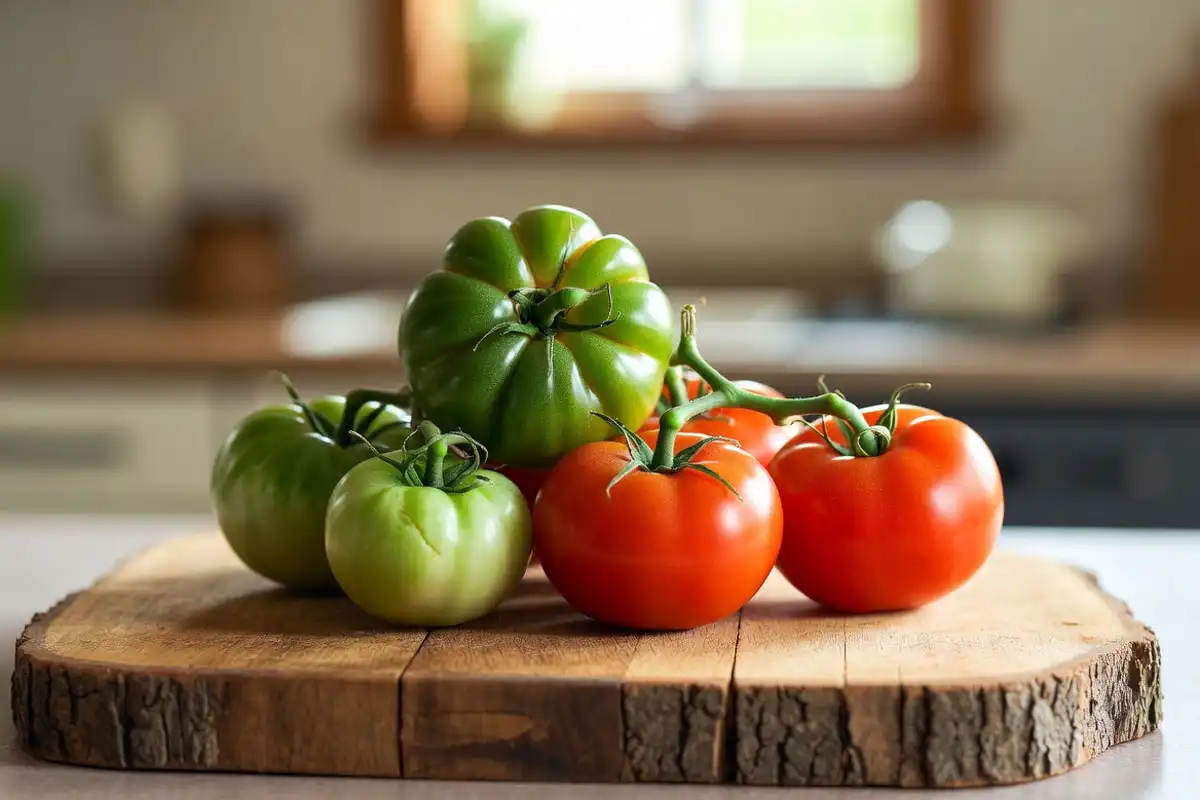
Unripe tomatoes ripen off the vine when you apply the right temperature, ethylene exposure, and airflow conditions. This guide covers every method from countertop ripening to paper bag techniques, when each approach works best, what mistakes slow the process, and how to tell when a tomato has fully ripened. Whether you pulled tomatoes early before a frost or harvested a full batch at once, these steps give you usable, flavorful fruit.
Place unripe tomatoes stem-side down in a single layer at 65-75°F (18-24°C), away from direct sunlight. Most green tomatoes ripen within 1-2 weeks using this method. Enclosing them with a ripe banana or apple in a paper bag speeds the process by concentrating natural ethylene gas.
Why Tomatoes Ripen Off the Vine
Tomatoes produce ethylene gas, a natural ripening hormone. The fruit continues generating ethylene after harvest, which triggers color change, softening, and sugar development.
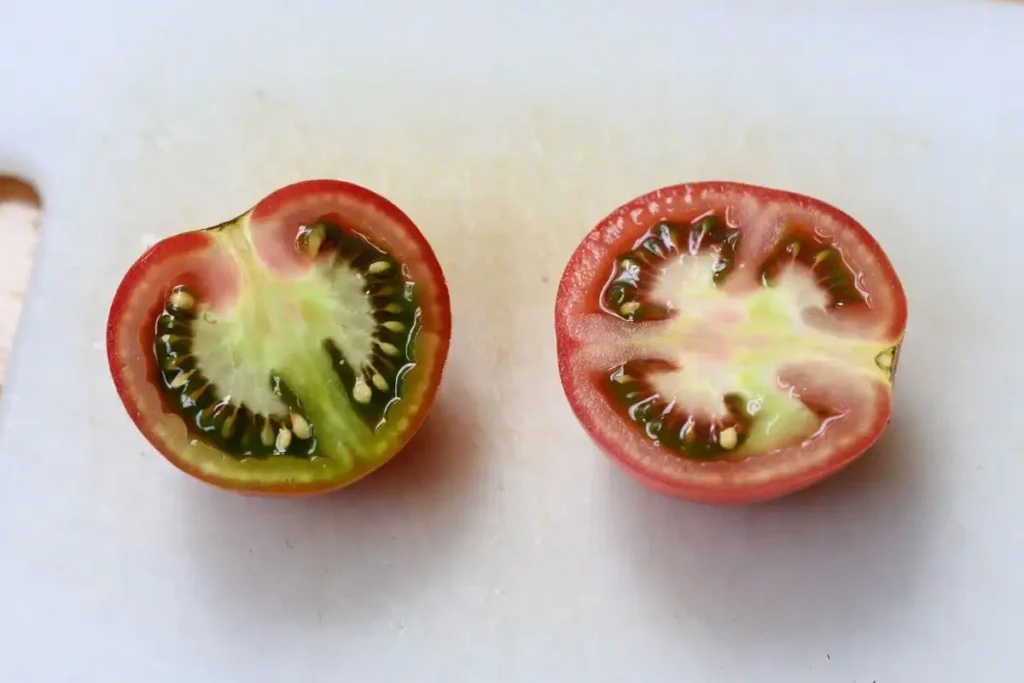
The vine does not control this process once the tomato reaches the mature green stage. A mature green tomato contains fully developed seeds and internal gel. It ripens successfully off the plant. An immature green tomato lacks that internal development and rarely ripens properly.
How to tell a mature green from an immature green: Cut the tomato in half. Mature fruit shows clear, developed gel surrounding the seeds. Immature fruit looks white and solid throughout.
Learn more: When to Plant Tomatoes in Kansas for a Strong, Reliable Harvest
When to Pull Tomatoes Early
Farmers and home growers pull tomatoes before full color for several reasons.
- Frost forecast within 48 hours
- Heavy disease pressure on the vine (such as late blight)
- End-of-season harvest before the plant declines
- Preventing cracking from sudden heavy rain
Tomatoes at the “breaker stage,” where the base color has shifted from solid green to a faint yellow or pink blush, ripen with the best flavor indoors. Pull these first. Full green tomatoes with no color shift still ripen but produce lighter flavor.
Read more: Know when to harvest crops
Where to Ripen Unripe Tomatoes
Location determines ripening speed and quality. Three environments work well.
Countertop (room temperature): A kitchen counter away from windows at 65-75°F produces the most consistent results. This range activates ethylene production without stalling it.
Pantry or shelf: A dark, enclosed space at the same temperature works equally well. Darkness is not required for ripening, but it protects tomatoes from heat spikes near sunny windows.
Paper bag: A closed paper bag traps ethylene around the fruit and speeds ripening by 3-5 days on average. Use a breathable paper bag, not a sealed plastic bag.
Avoid: Temperatures above 85°F (29°C) halt lycopene and carotene development, which are the pigments responsible for red color. Tomatoes held above this threshold turn yellow-orange and lose flavor. Avoid refrigerating unripe tomatoes. Cold temperatures below 50°F (10°C) cause chilling injury and destroy texture.
To know more: When Do Tomatoes Need the Most Water? Key Stages
How to Ripen Unripe Tomatoes: Step-by-Step
Step 1: Sort and Inspect
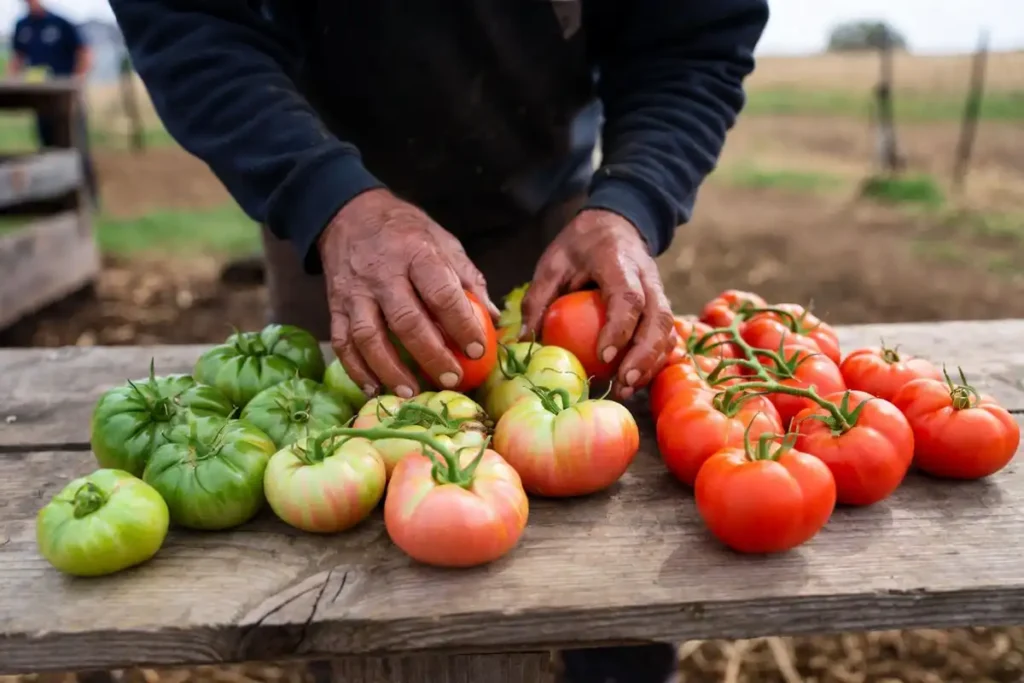
Inspect each tomato before storing. Remove tomatoes that show soft spots, cracked skin, or mold. One rotting tomato releases excess ethylene and bacteria that spread to surrounding fruit.
Set aside fully green tomatoes with no color change. These ripen more slowly. Group breaker-stage tomatoes separately since they finish faster.
Step 2: Clean and Dry
Wipe each tomato with a dry cloth to remove field debris or moisture. Do not wash them with water at this stage. Excess moisture on the skin encourages mold during the ripening period.
Step 3: Position Correctly
Place tomatoes stem-side down on a flat surface or inside a paper bag. Stem-side-down positioning reduces moisture loss through the stem scar, which is the primary entry point for mold.
Arrange them in a single layer. Stacking traps moisture between fruit and causes soft spots.
Step 4: Add an Ethylene Source (Optional)
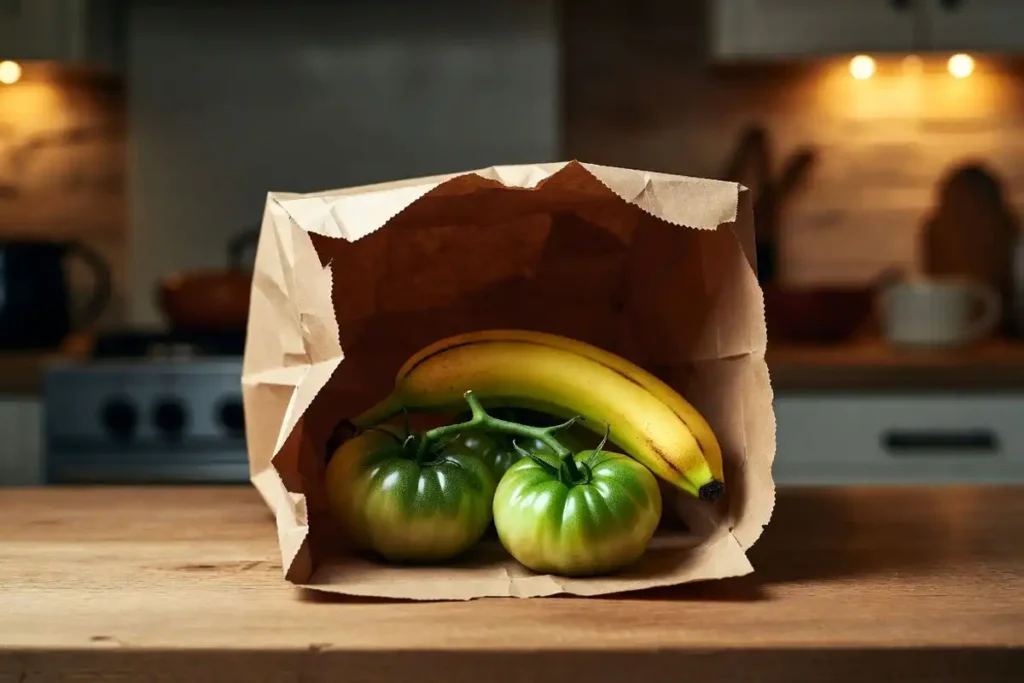
Place one ripe banana, apple, or tomato alongside unripe tomatoes inside a paper bag. Ripe fruit emits concentrated ethylene gas. This reduces ripening time by several days for green tomatoes.
Step 5: Check Daily
Open the bag or check the countertop arrangement once per day. Remove any tomato that softens significantly before full color develops. Over-ripe tomatoes release excessive ethylene that accelerates decay in nearby fruit.
Step 6: Move to Final Use
Once a tomato reaches full color and yields slightly to gentle finger pressure, it is ready. Use it within 2-3 days. At this point, refrigeration slows further ripening but reduces flavor quality. Use ripe tomatoes at room temperature for the best taste.
Ripening Methods Compared
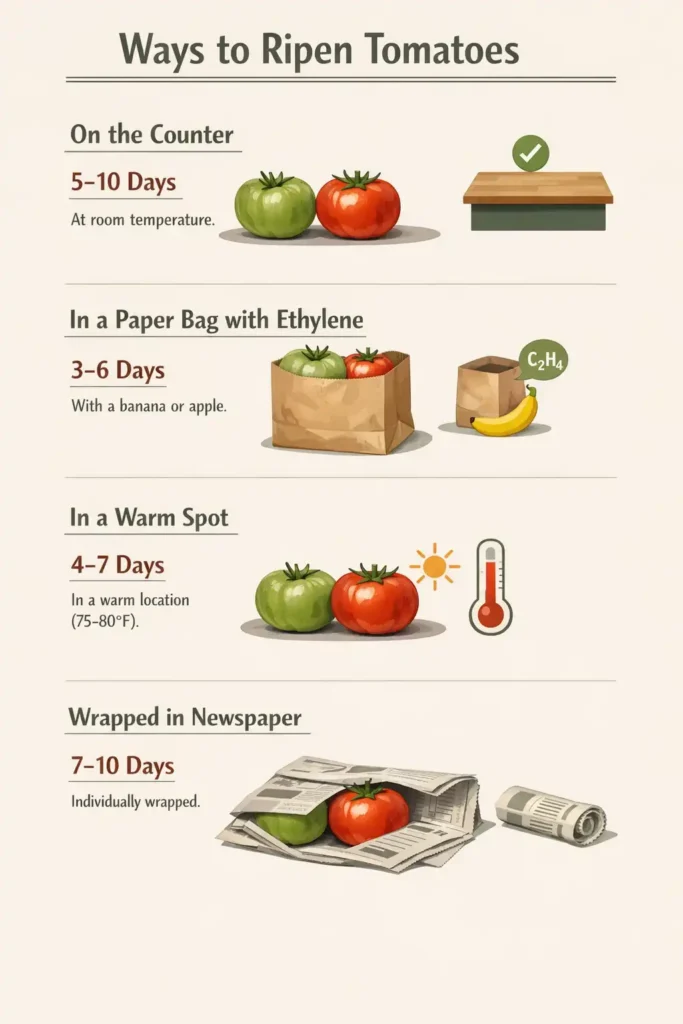
Countertop (no bag): 10-14 days for mature green. Best for small quantities. Full flavor development.
Paper bag with ethylene source: 5-7 days for mature green. Best when speed matters. Slightly reduced flavor versus slow ripening.
Warm location (80-85°F / 27-29°C): 4-6 days. Faster ripening but reduces sugar concentration. Use only if time is critical.
Newspaper wrapping: Each tomato wrapped individually in newspaper retains slight warmth and moisture. Works well for large batches. Ripening time similar to countertop method.
See more: Understanding post-harvest handling and Complete crop storage methods
How to Tell When a Tomato Has Fully Ripened
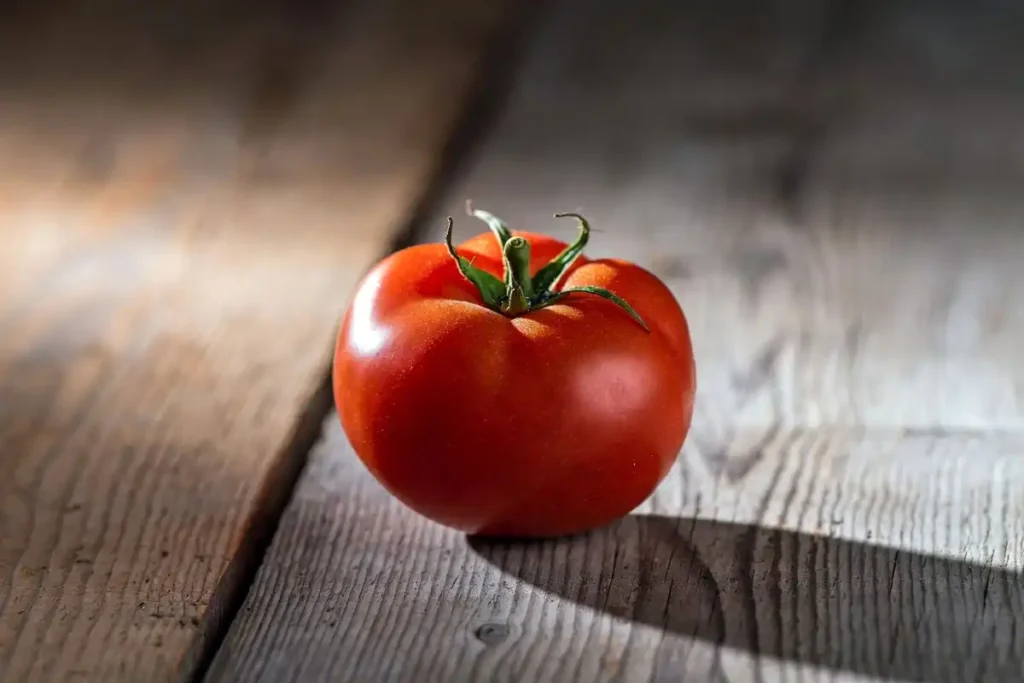
A fully ripe tomato shows these signs together:
- Skin color matches the expected variety color (red, yellow, orange, or purple)
- Fruit yields to gentle pressure but does not feel mushy
- Skin surface appears slightly glossy rather than dull
- The stem area softens and the fruit detaches easily from any remaining stem
Tomatoes vary by variety. Roma tomatoes reach full ripeness at a firm texture. Beefsteak varieties soften more noticeably. Check each variety against its typical ripe texture rather than a single standard.
Troubleshooting Ripening Problems
Tomatoes turn yellow-orange but not red: Temperature is too high. Move them to a cooler location below 75°F. Lycopene production requires temperatures within the 65-75°F range.
Tomatoes shrivel before ripening: Airflow is too strong or humidity is too low. Wrap each tomato loosely in newspaper or enclose in a paper bag to retain surface moisture.
Tomatoes develop soft spots before ripening: One of three causes: mechanical damage from handling, moisture on the skin surface, or contact between tomatoes. Separate the batch, remove damaged fruit, and ensure single-layer placement.
Tomatoes stay green for more than 3 weeks: The fruit was likely immature at harvest. Immature tomatoes rarely complete the ripening process. Assess using the cross-section test described above. Use these green tomatoes for fried green tomatoes or green salsa rather than waiting longer.
Mold appears on the stem scar: Moisture entered through the stem area. Store stem-side down and ensure the surface is dry before storing.
Common Mistakes to Avoid
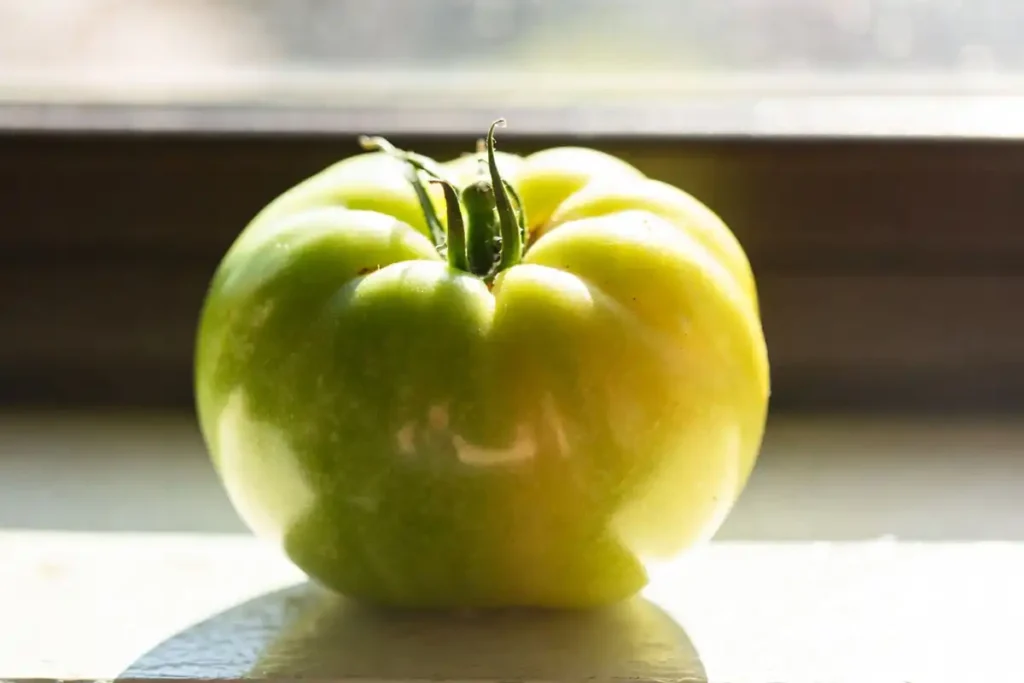
Storing near a sunny window: Direct sun raises surface temperature unevenly and causes inconsistent ripening. A tomato sitting in a sunny window spot may develop color on the sun-facing side while the rest stays green.
Refrigerating unripe tomatoes: Cold storage halts ripening enzymes and causes cellular damage. The texture becomes mealy and the flavor does not develop.
Placing tomatoes in an airtight sealed plastic bag: Plastic traps ethylene but also traps moisture and restricts oxygen. This combination accelerates decay rather than ripening. Paper bags allow gas exchange while retaining enough ethylene to speed the process.
Mixing ripening stages without checking daily: Fast-ripening breaker-stage tomatoes can over-ripen quickly and spread decay to slower green tomatoes in the same container. Sort by ripeness stage and check regularly.
Harvesting too early: Tomatoes pulled before reaching the mature green stage rarely ripen to full flavor. If the seeds inside appear undeveloped and no internal gel is present, the fruit lacks the biological capacity to ripen properly.
Read more: How tomato pruning effects on yield and disease
Safety Notes
Handle tomatoes gently during sorting and positioning. Bruising breaks cell walls internally, which accelerates decay even if the exterior skin appears intact.
Wash hands before handling tomatoes. Soil and organic matter on hands transfer pathogens to the fruit surface.
Discard any tomato showing white or green mold. Do not eat tomatoes that have begun to rot, even partially. The visible mold surface represents a much larger internal contamination.
If ripening tomatoes after a late blight outbreak in your field, inspect each fruit carefully. Blight-infected tomatoes show brown or dark leathery patches on the skin. These do not ripen safely. Remove and discard them separately from healthy fruit.
When to Use Green Tomatoes Instead
Not every green tomato needs to ripen on the counter. Fully green immature tomatoes work well in several preparations that use their firm texture and acidic flavor: fried green tomatoes, green tomato salsa, green tomato chutney, and pickled green tomatoes.
If late October arrives in a northern climate and frost ends the season, harvest everything remaining on the vine. Breaker-stage and mature green tomatoes go to ripening. Fully immature small green tomatoes go directly to cooking or preserving.
Conclusion
Ripening unripe tomatoes off the vine produces good results when temperature, ethylene exposure, and handling are all managed correctly. The countertop method at 65-75°F handles most situations without any additional tools. The paper bag with a ripe fruit nearby speeds the process when time is short. Daily inspection separates the tomatoes ready to use from those still developing, and removes any fruit that would otherwise accelerate decay across the batch.
The key decision point is whether the tomato was mature green at harvest. Mature green tomatoes ripen fully. Immature ones rarely do. Sort at harvest, position correctly, keep temperatures stable, and the fruit takes care of the rest.