Can You Plant Squash and Tomatoes Together? What to Know
You can plant squash and tomatoes together in most garden and farm setups, and they grow well when you manage spacing and watering correctly. This guide covers the benefits, potential conflicts, planting steps, spacing requirements, watering, fertilizing, and pest management for this combination. Whether you work a raised bed or an open field plot, understanding how these two crops interact helps you get more yield from less space and prevents common problems before they start.
To plant squash and tomatoes together, space tomatoes 18 to 24 inches apart and squash 24 to 36 inches apart to prevent crowding. Both crops prefer full sun, warm soil, and consistent moisture. Squash leaves shade the soil surface, which reduces weeds and retains moisture. Watch for shared pests including aphids and whiteflies. Proper spacing and good airflow prevent most disease problems between these two crops.
Do Squash and Tomatoes Grow Well Together?
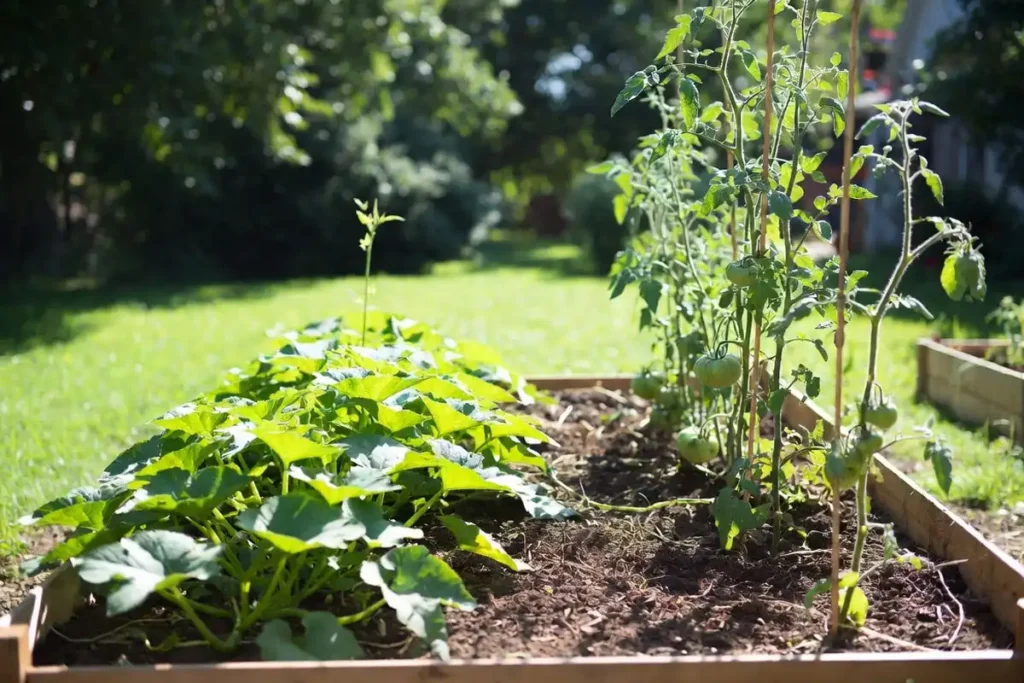
Yes, squash and tomatoes grow well as companion plants. Both crops prefer full sun, warm soil temperatures above 60°F, and consistent moisture. They share similar growing seasons, which simplifies field scheduling.
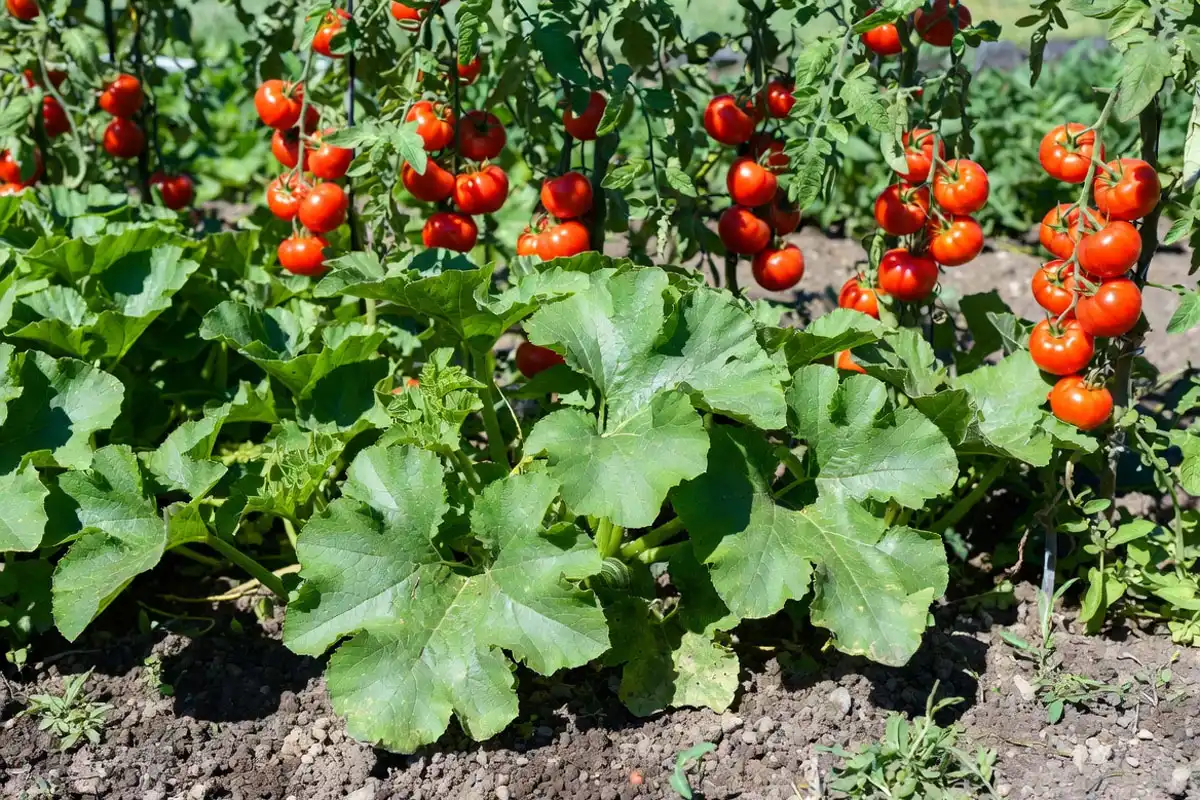
Squash spreads horizontally along the ground. Tomatoes grow vertically on stakes or cages. This layered structure uses both ground space and vertical space at the same time.
For more context on how tomatoes pair with other crops, the guide on growing compatible plants alongside tomatoes covers useful combinations.
Benefits of Planting Squash and Tomatoes Together
There are multiple benefits to growing squash and tomatoes in the same bed or field block.
Squash leaves act as a living mulch. They shade the soil surface, slow weed growth, and reduce water evaporation. This decreases the labor you put into weed control between rows during the growing season.
Tomatoes grow tall without competing for ground space. Squash occupies the low horizontal layer while tomatoes use vertical space. This layout increases total yield per square foot without adding more crop area.
Pollinators benefit both crops at once. Bees and other insects that visit large squash flowers also pollinate nearby tomato plants. Higher pollinator activity in one area improves fruit set for both crops.
Know more: Peppers Be Planted Next to Tomatoes? Tips for a Healthier Harvest
Potential Problems to Watch For
Growing squash and tomatoes together creates a few challenges you need to manage actively.
Do Squash and Tomatoes Share Pests?
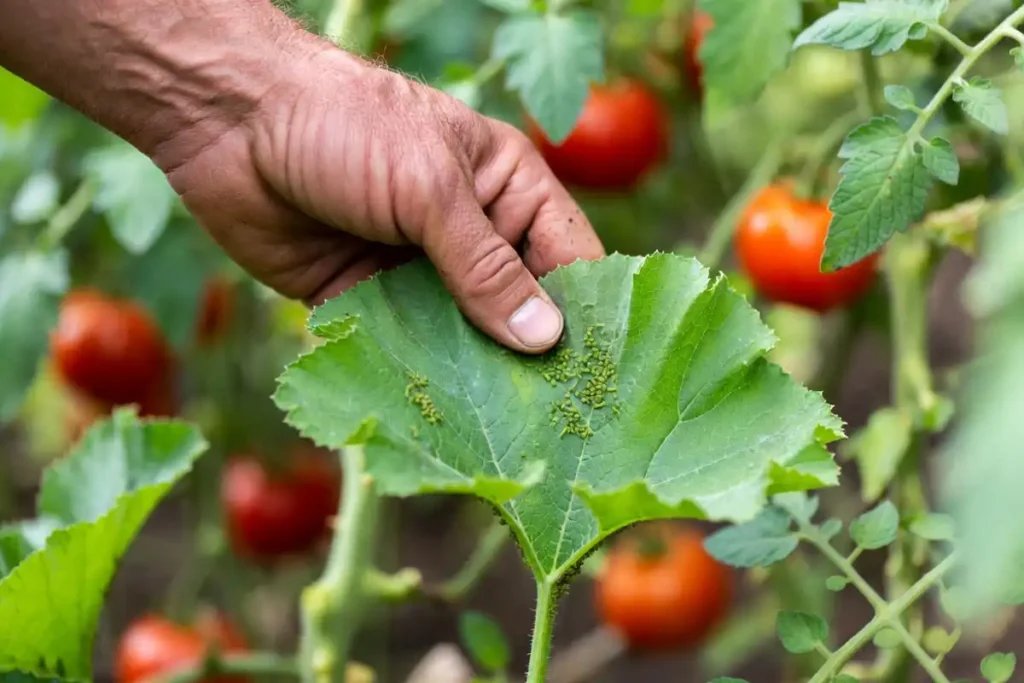
Yes, squash and tomatoes share several pests. Aphids and whiteflies feed on both crops. Squash also attracts vine borers and cucumber beetles. Tomatoes attract hornworms and spider mites.
Placing these two crops together concentrates pest pressure in one area. Monitor both plants at least twice a week during the growing season to catch infestations early.
Does Squash Increase Disease Risk for Tomatoes?
Squash produces large, dense leaves that limit airflow near the soil surface. Tomatoes need good air circulation to prevent fungal diseases including early blight, septoria leaf spot, and powdery mildew.
Planting too close increases humidity at the base of both plants. This creates conditions that favor fungal growth, especially during wet or humid weather.
How to Plant Squash and Tomatoes Together
Follow these steps to set up a productive squash and tomato planting.
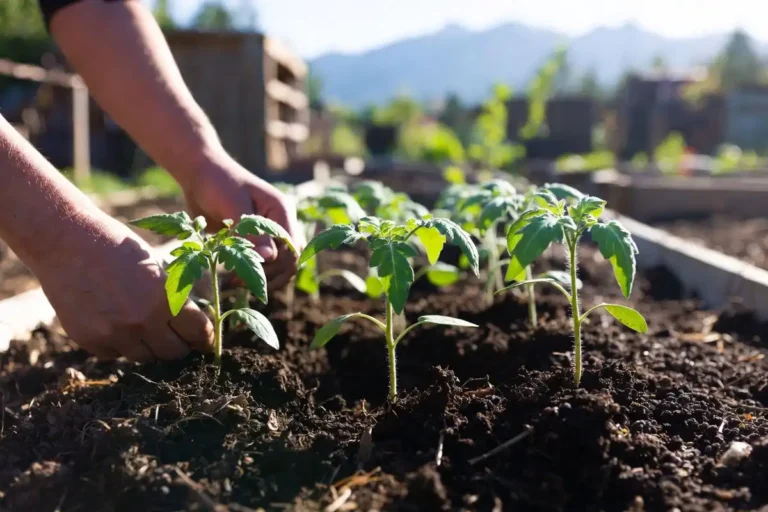
Step 1: Prepare the soil. Test your soil pH before planting. Both crops prefer a pH between 6.0 and 6.8. Work in 2 to 3 inches of finished compost to improve drainage and add organic matter.
Step 2: Plan your layout. Place tomatoes on the north side of the bed or plot. This prevents tall tomato plants from casting shade over squash during peak daylight hours.
Step 3: Set spacing correctly. Space tomatoes 18 to 24 inches apart in rows 36 inches wide. Space summer squash hills 24 to 36 inches apart with 48 inches between rows. Winter squash needs 36 to 48 inches between hills and 60 to 72 inches between rows.
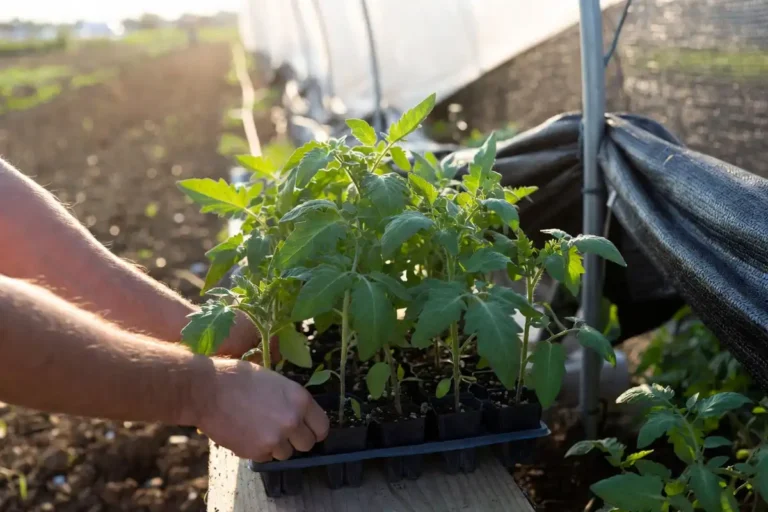
Step 4: Plant after last frost. Set transplants outdoors after your last frost date. Soil temperature needs to reach at least 60°F for both crops before transplanting.
Step 5: Stake or cage tomatoes at planting time. Unsupported tomato plants spread sideways onto squash and increase disease risk by trapping moisture between plants.
Step 6: Mulch the soil surface. Apply 2 to 3 inches of straw or wood chip mulch around both crops after planting. For a detailed look at how mulching benefits field crops, the mulching guide explains timing and materials.
Spacing Requirements
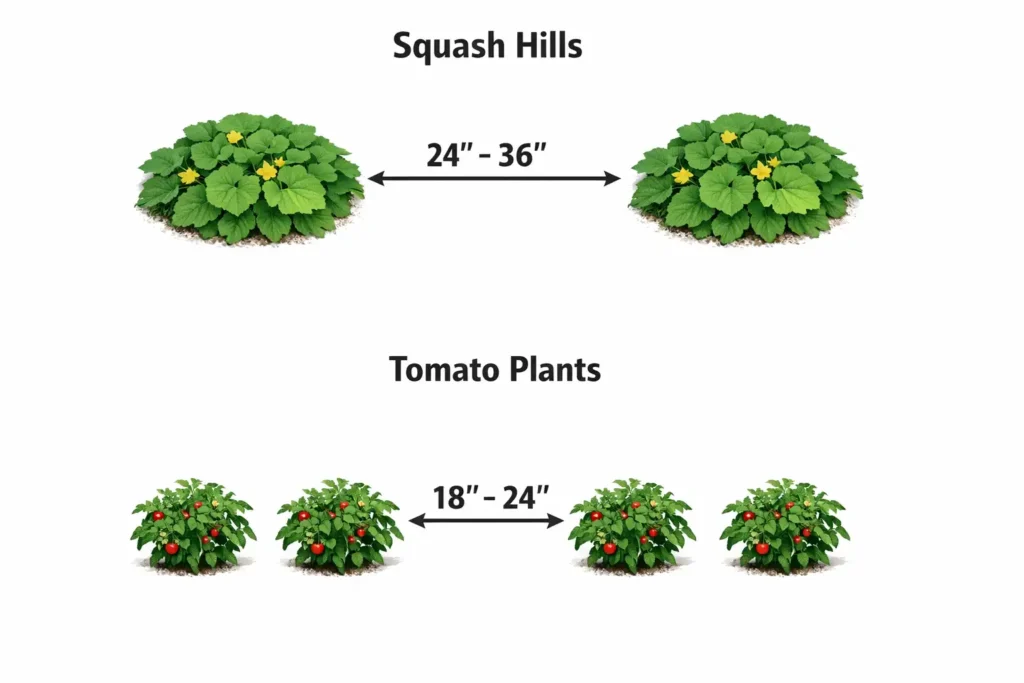
Correct spacing reduces competition for light, water, and nutrients. It also improves airflow between plants, which decreases fungal disease pressure.
Summer squash needs 24 to 36 inches between plants with 48 inches between rows. Winter squash needs 36 to 48 inches between plants with 60 to 72 inches between rows. Tomatoes need 18 to 24 inches between plants with 36 inches between rows.
Tight spacing increases humidity and disease pressure on both crops. For spacing guidance across other field crops, the plant spacing reference for common crops covers standard recommendations.
Avoid planting winter squash next to staked tomatoes. Winter squash vines spread 6 to 8 feet in all directions. This growth overtakes tomato space and blocks airflow through the planting. Summer squash works better in mixed plantings with tomatoes.
Watering Squash and Tomatoes Together
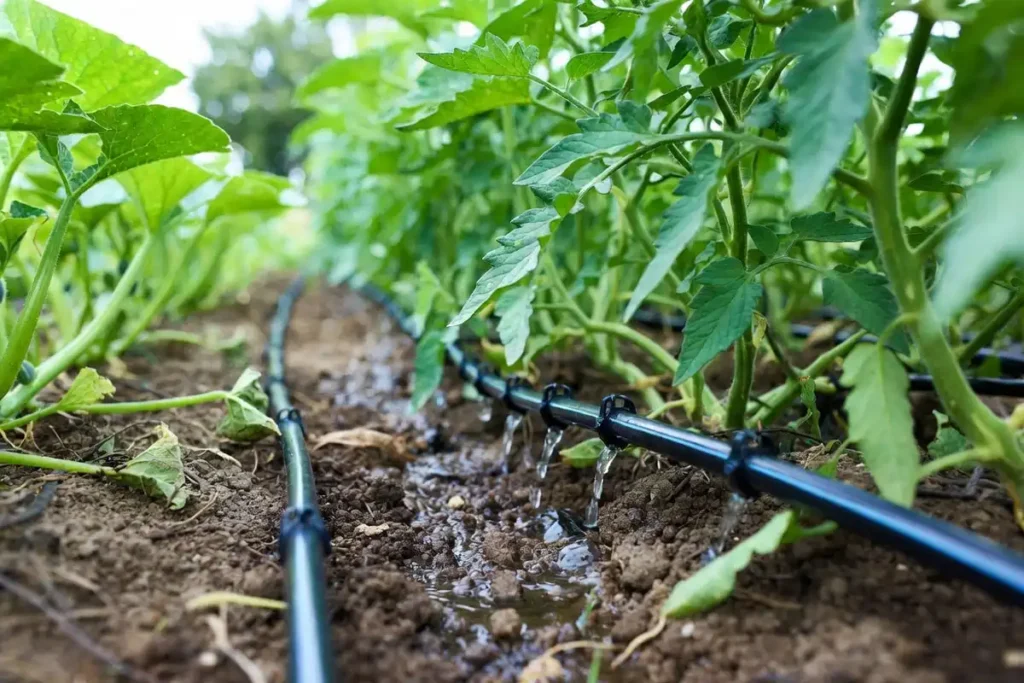
Both crops need consistent soil moisture, especially during fruit development. Water deeply once or twice per week depending on rainfall and temperature.
Avoid overhead watering. Wet foliage on tomatoes promotes early blight and septoria leaf spot. Wet squash leaves increase powdery mildew risk.
Drip irrigation delivers water directly to the root zone and keeps foliage dry. For a comparison of drip and sprinkler systems for crop irrigation, the irrigation guide covers cost, setup, and effectiveness.
Fertilizing Squash and Tomatoes in the Same Bed
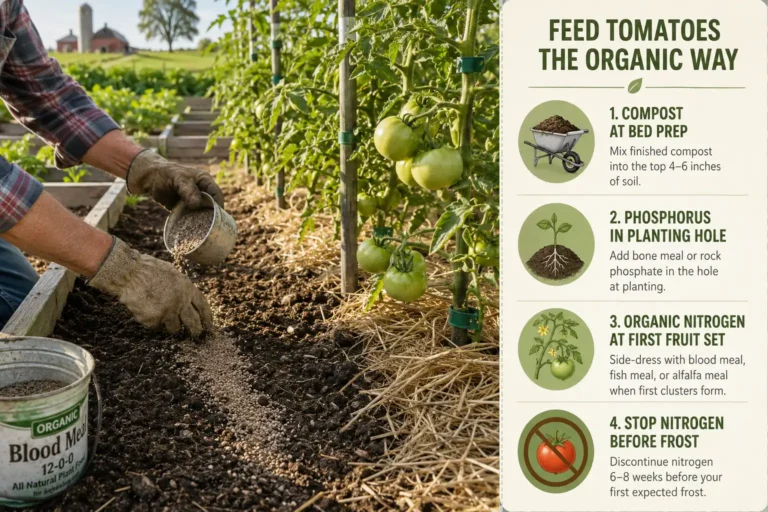
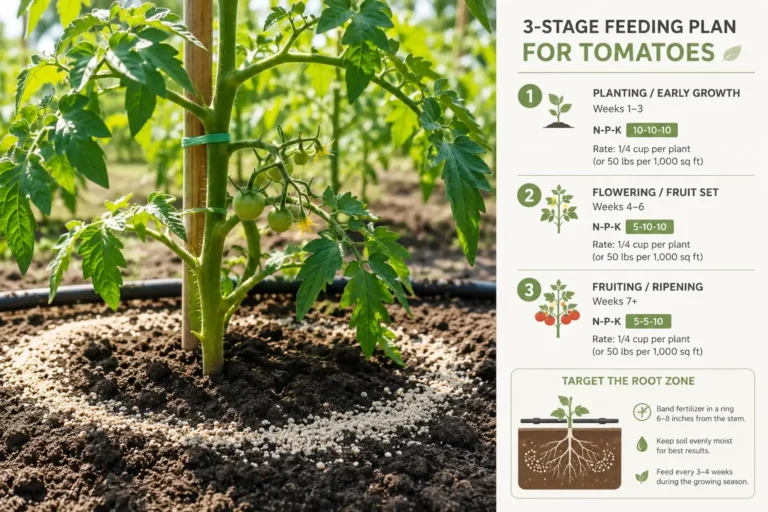
Tomatoes and squash both need nitrogen, phosphorus, and potassium throughout the season. Tomatoes are heavier nitrogen feeders during early vegetative growth. Squash requires adequate potassium during fruit development to produce firm, well-formed fruit.
Apply a balanced NPK fertilizer at planting time. Side-dress tomatoes with a nitrogen source when they begin to flower. Reduce nitrogen applications after flowering on both crops to avoid excess leaf growth at the expense of fruit.
For application rates and NPK ratio guidance, the fertilizer guide for crop nutrition explains timing for vegetable crops.
Common Mistakes to Avoid
Planting too close together. Crowded plants compete for light, water, and nutrients. They also trap humidity around stems, which increases disease pressure on both crops.
Skipping soil preparation. Poor drainage and low fertility reduce yield in both tomatoes and squash. Always amend soil with compost before planting and check soil pH beforehand.
Using overhead irrigation. Wet foliage on tomatoes and squash creates entry points for fungal pathogens. Water at the base of plants or use drip lines.
Ignoring early pest signs. A small aphid colony left unchecked for one week can spread across several plants. Check the undersides of leaves on both crops during every field visit.
Choosing winter squash for a small space. Winter squash vines spread aggressively and overtake tomatoes in confined beds. Use summer squash, which stays compact, when space is limited.
Is Produce from Mixed Plantings Safe to Eat?
Yes, produce from squash and tomato companion plantings is safe to eat. No chemical transfer occurs between the two crops through soil contact or root interaction. Both crops produce fruit independently. Wash all harvested produce before use to remove soil and surface residues.
Conclusion
Squash and tomatoes grow well together when you give each crop enough room, water at the root zone, and check for pests regularly. Use summer squash in tight spaces, stake tomatoes immediately, and mulch the soil to reduce weeds and moisture loss. This combination uses your growing space efficiently and produces two separate crops from one managed planting area.