Do Carrots Flower in the First Year? Here’s Why
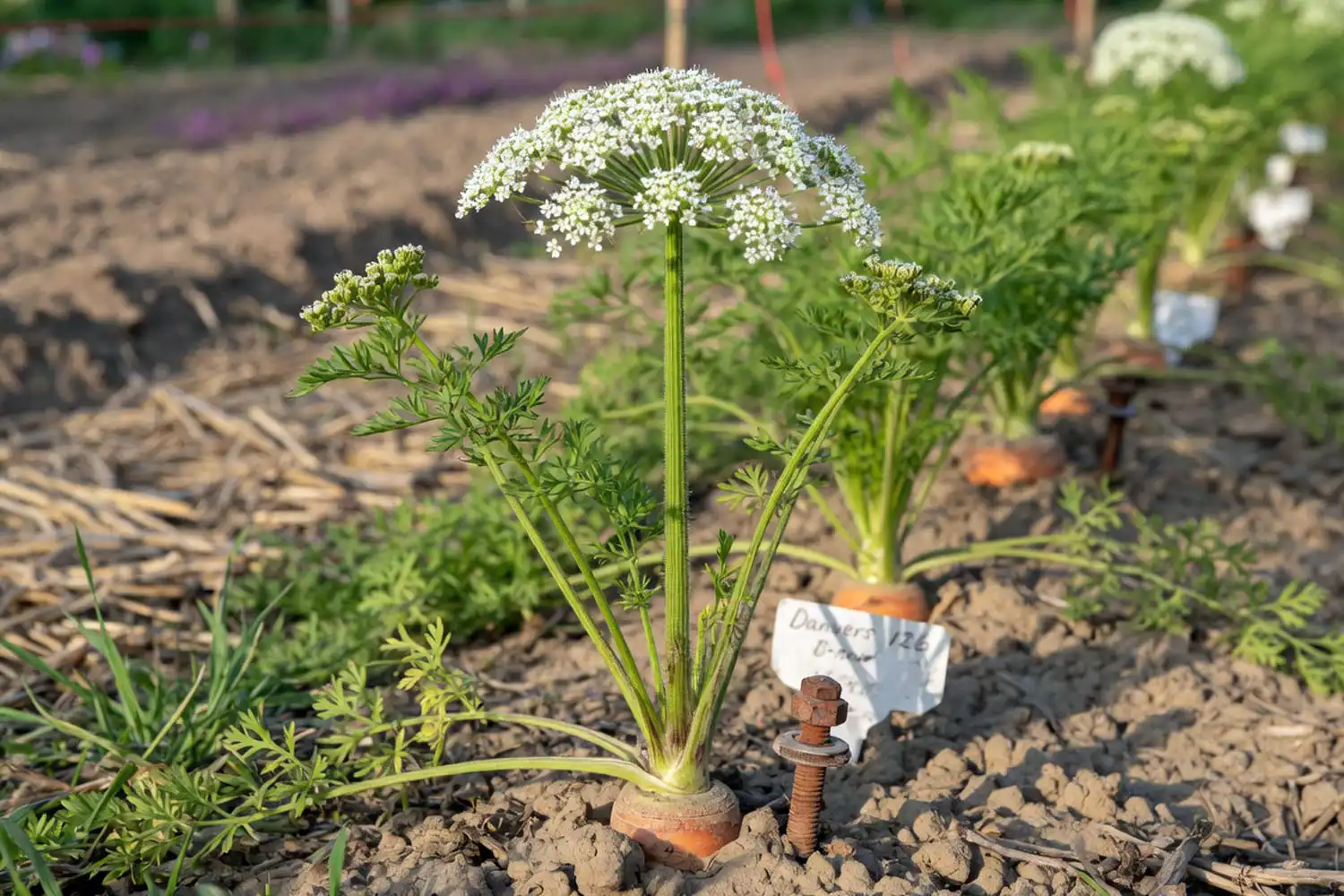
Carrots flower when they finish their natural two-year life cycle, but a stressed plant can flower far sooner. If your carrots sent up a tall stalk and white blooms, the plant switched from growing a root to making seed.
Yes, carrots flower. They are biennial, so they normally bloom in their second year after a cold winter. A first-year carrot that flowers has bolted early, usually from cold snaps, heat, or stress.
Why Do Carrots Flower?
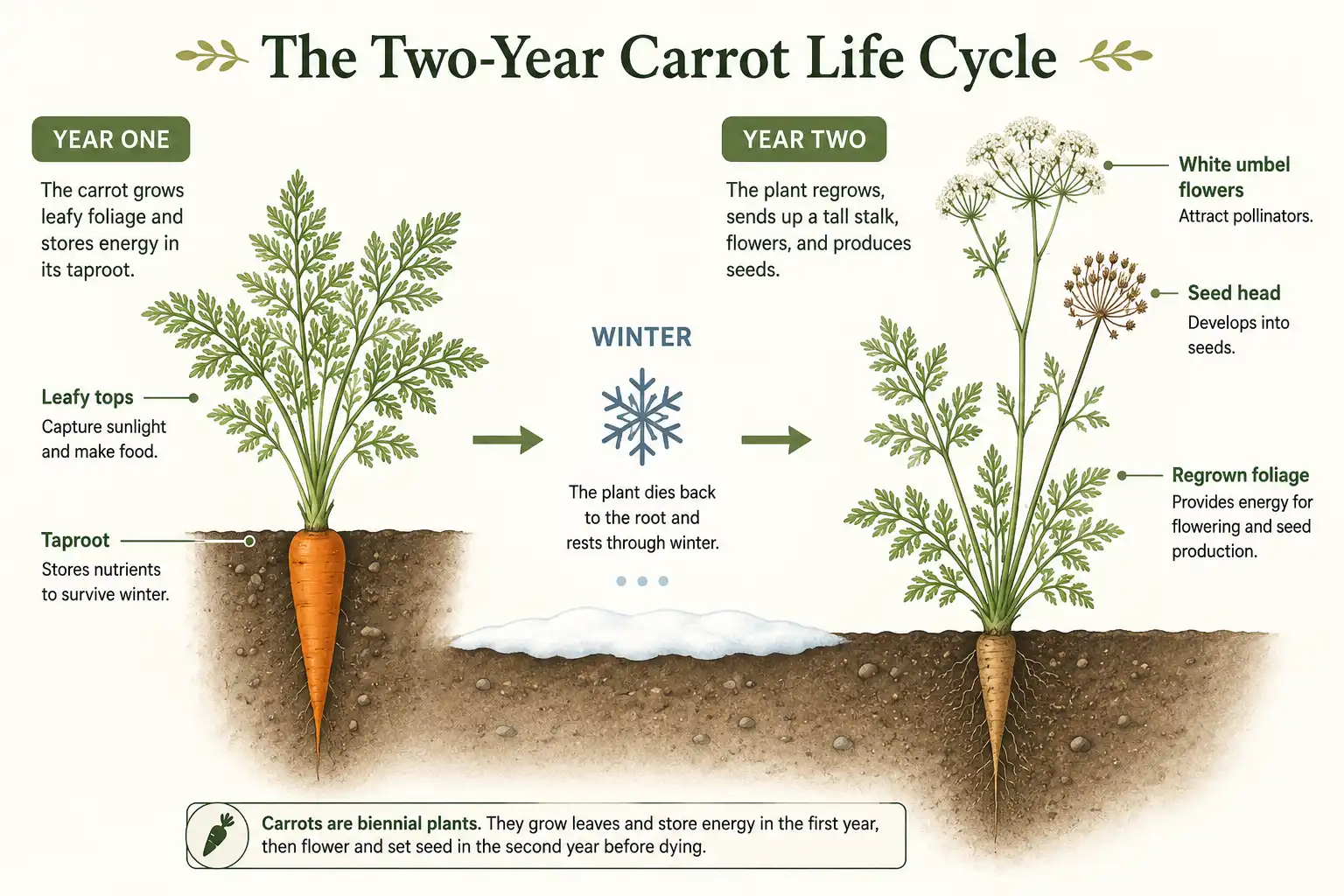
A carrot flowers for one reason: to make seed. The plant is biennial, which means it lives two seasons. In year one, it builds a thick taproot and stores energy. After a cold winter, year two triggers the flower stalk. The plant blooms, sets seed, and then dies. So flowering is the natural end of a carrot’s life, not a problem on its own.
The trouble starts only when a carrot flowers in year one, before you get a usable root.
Do Carrots Flower in the First Year?
Yes, a first-year carrot can flower, and we call that bolting. Bolting is premature. A carrot bolts when something tricks it into thinking a full winter has passed. Cold weather is the usual culprit. Once a young plant sits through a long cold spell, it flips from root growth to seed production. The root then turns woody and stops sizing up. That is why bolting ruins a carrot crop.
What Does a Carrot Flower Look Like?
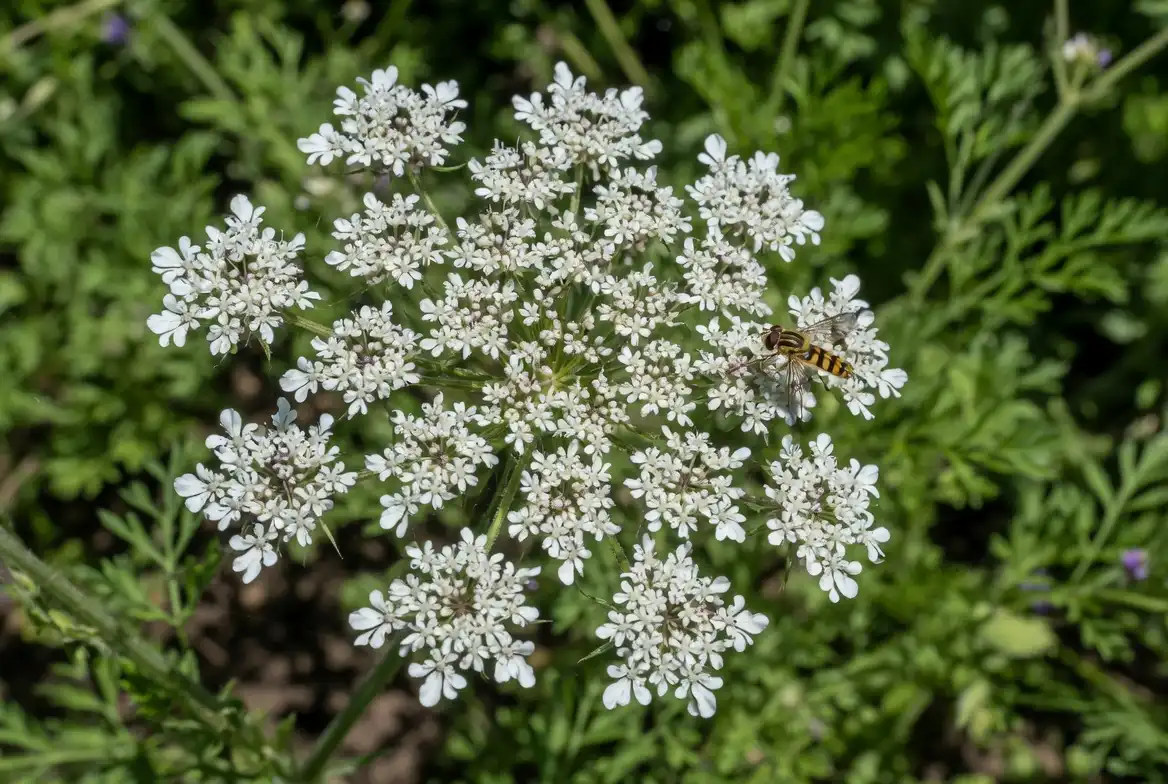
A carrot flower is a flat, lacy cluster of tiny white blooms. Botanists call this shape an umbel. Dozens of small flowers sit on thin stalks that fan out like the ribs of an umbrella. The whole head can spread three to five inches wide. It rides on top of a tall, ridged stalk that often reaches three feet or more.
You may notice it looks exactly like Queen Anne’s Lace. That is because they are the same species, Daucus carota. Queen Anne’s Lace is the wild carrot growing in ditches and field edges across Kansas. The garden carrot and the roadside weed share the same flower.
One safety word here. Several toxic plants, including poison hemlock, carry similar flat white flower heads. So never forage a white umbel from the wild unless you are certain of the plant. Carrots you grew yourself are safe to identify.
What Causes Carrots to Bolt Early?
Cold stress is the main cause, but heat, long days, and root damage all push carrots to bolt. A carrot reads any of these as a signal to hurry up and reproduce. Knowing the triggers lets you stop most of them before they cost you a harvest.
Cold Snaps and Vernalization
A stretch of cold weather is the top trigger for early flowering. Carrots need a cold period to bloom, a process called vernalization. Temperatures between 35°F and 50°F for several weeks satisfy that requirement. A young plant becomes sensitive to it once it grows about 8 to 12 leaves and the root passes a quarter inch thick. So if you plant too early and hit a cold April, the seedlings treat that chill like a winter. Getting your timing right matters, and our guide on plant carrots walks through the safe window for your area.
Long Days and Late Spring Heat
Long daylight hours speed up bolting. As days stretch toward the summer solstice, carrots feel pressure to flower. Pair those long days with a sudden hot spell, and a stressed plant rushes to seed. Spring-sown carrots that linger into early summer face the most risk.
Drought and Uneven Watering
Stress from dry soil tells a carrot to reproduce fast. A plant that dries out, then gets flooded, often bolts. Steady moisture keeps the root sizing up instead. Check soil before it cracks, since carrots respond fast to swings. Matching your watering to the plant’s stage helps, and you can see how how much water carrots need shifts from seedling to mature root.
Transplant Shock and Root Damage
Rough handling at transplant stresses carrots and can trigger bolting. Carrots hate having their roots disturbed. If you do raise plants ahead of time, move them young and keep the root ball intact. Our notes on starting carrots indoors explain when that approach helps and when direct seeding wins.
Variety Choice
Some varieties bolt far easier than others. Seed labeled bolt-resistant or slow-bolt holds out longer through cold or heat. Those types work well for sowing into an uncertain spring.
Can You Eat Carrots After They Flower?
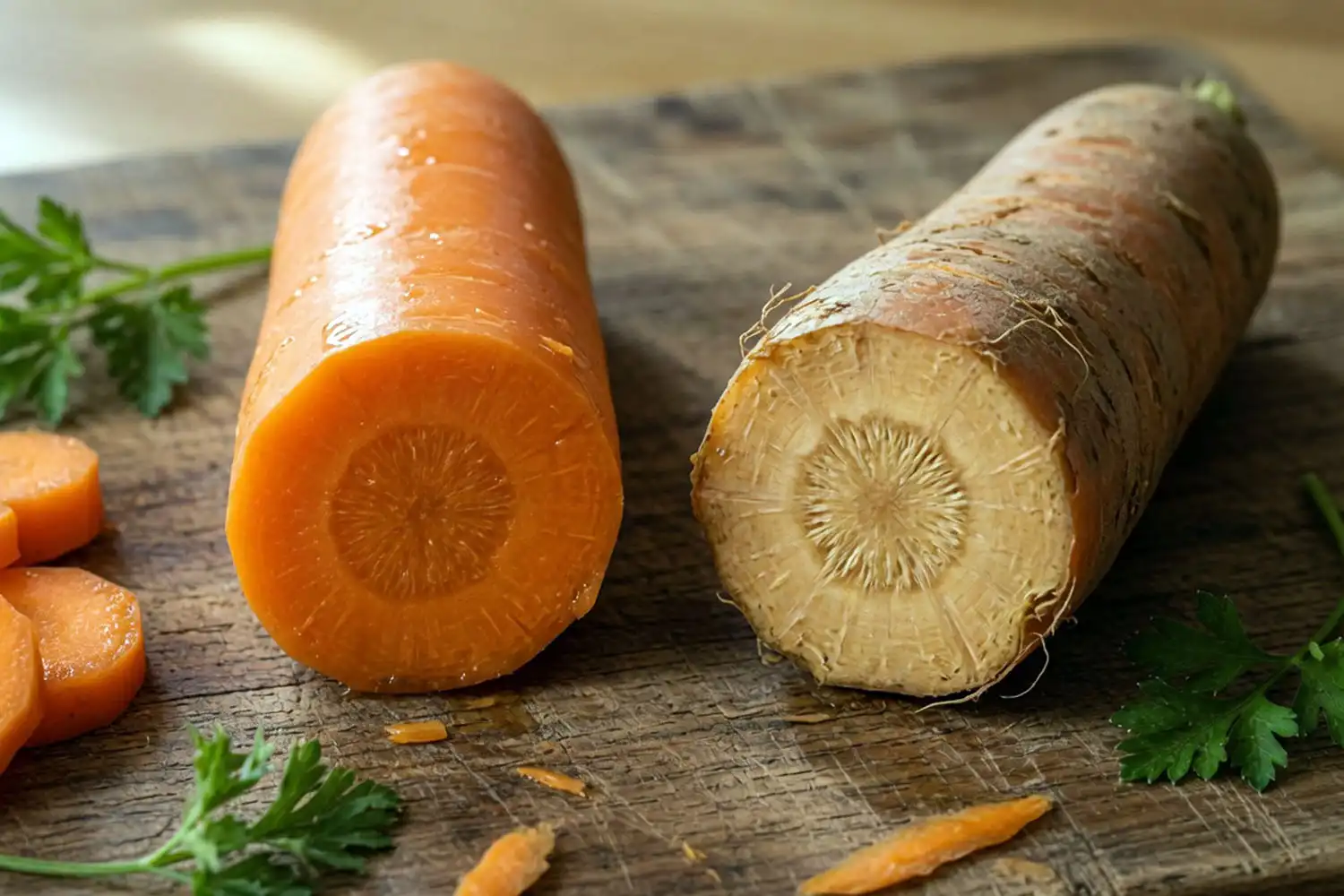
You can eat a flowering carrot, but the root turns tough, woody, and bitter, so most growers pull it. Once the plant sends up a stalk, it pulls sugar and energy out of the root and into the flower. The core hardens into a fibrous string. The flavor goes bitter and sometimes soapy. You can still simmer a young bolted carrot in a stock or broth for flavor. For fresh eating, though, it is past its prime.
A healthy, sweet carrot needs a root that keeps growing, not one that empties into a bloom. Good growing conditions help you reach harvest before bolting starts, and the soil that grows straight carrots gives those roots the steady run they need.
Are Carrot Flowers Good for Anything?
Yes, carrot flowers feed pollinators and beneficial insects, so a few blooms can help your whole patch. The open umbels draw hoverflies, predatory wasps, lady beetles, and bees. Those insects hunt aphids and other pests for you. Swallowtail butterfly caterpillars also feed on carrot tops, since carrots belong to the Apiaceae family. The flowers themselves are edible, and so are the young leaves. So if a couple of plants bolt at the edge of a row, leaving them standing for the insects is a common approach.
Should You Let Carrots Go to Seed?
Let carrots flower only when you want to save seed, since a flowering plant gives up its edible root. The bloom is step one toward seed you can replant next year. A few cautions help here. Hybrid carrots will not grow true from saved seed, so use open-pollinated or heirloom types. Carrots also cross-pollinate with any Queen Anne’s Lace nearby, which means you should isolate your seed plants from wild carrot. Seed needs the full second year to ripen. After that, it dries to brown right on the umbel, and you can rub it loose by hand.
Final Thoughts
A flowering carrot is just the plant finishing its cycle, sometimes early and sometimes on time. In the rows, sow after the hard cold passes, keep moisture steady, and pick bolt-resistant seed when spring runs cold. That keeps roots sizing up instead of running to flower. If a few bolt anyway, leave those for the bees and pull the rest. Save seed only when that is your plan, and keep wild carrot well away from those plants.