Can Rice Go in Compost? Yes, If You Follow These Rules
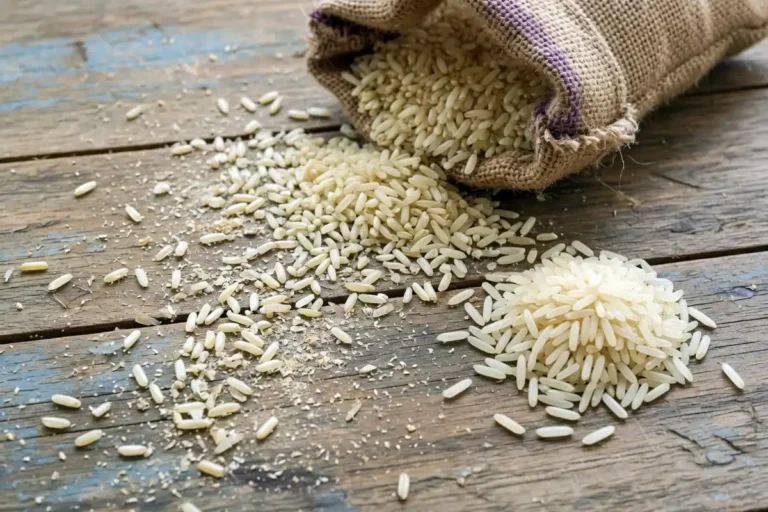
Leftover rice piles up fast in most kitchens, and tossing it in the trash feels wasteful. So can rice go in compost? Yes, with a few simple rules. Both cooked and raw rice break down into good compost when you handle them the right way.
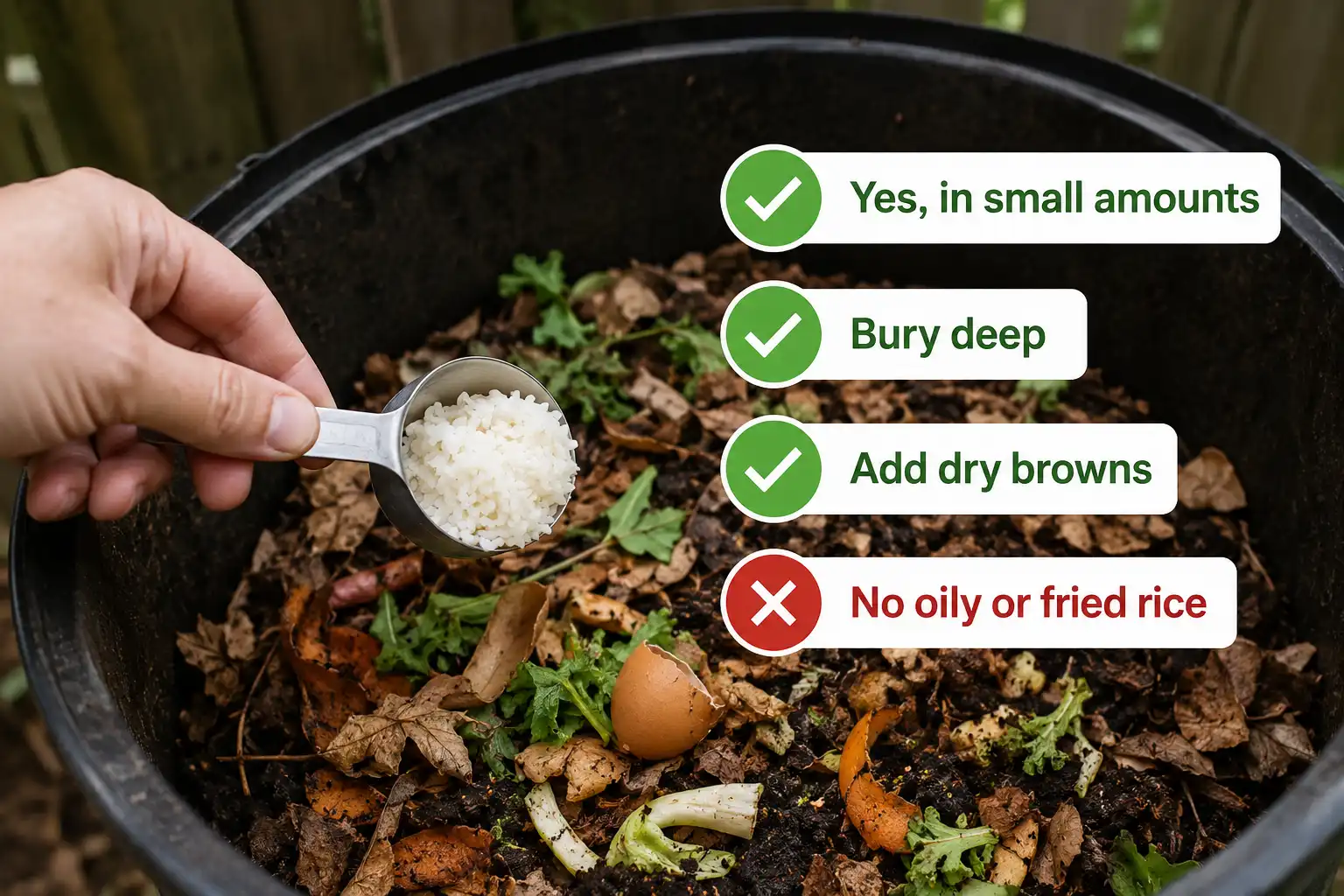
Yes, rice can go in compost. It can, as long as the rice is plain. Add cooked or uncooked rice in small amounts, bury it deep, and balance with dry browns. Keep fried and oily rice out.
Can Rice Go in Compost?
Yes, rice goes in compost, and it breaks down into a rich soil amendment. Rice is plant matter at its core. So the microbes in a healthy pile treat it like most other kitchen scraps.
A lot of composting guides warn you off cooked food entirely. That blanket rule targets meat, dairy, and grease, not plain grains. Rice on its own is safe to compost. The real concern is simple. Rice can draw rodents and insects, and cooked rice adds a lot of moisture. Handle those two things and you are set.
Rice also feeds your pile. It supplies starchy carbohydrates that give compost microbes energy. On top of that, it carries small amounts of calcium, phosphorus, iron, and zinc. Those trace minerals end up in the finished compost. That is the same reason composting onion scraps and other food waste instead of bagging it.
Can You Compost Cooked Rice?
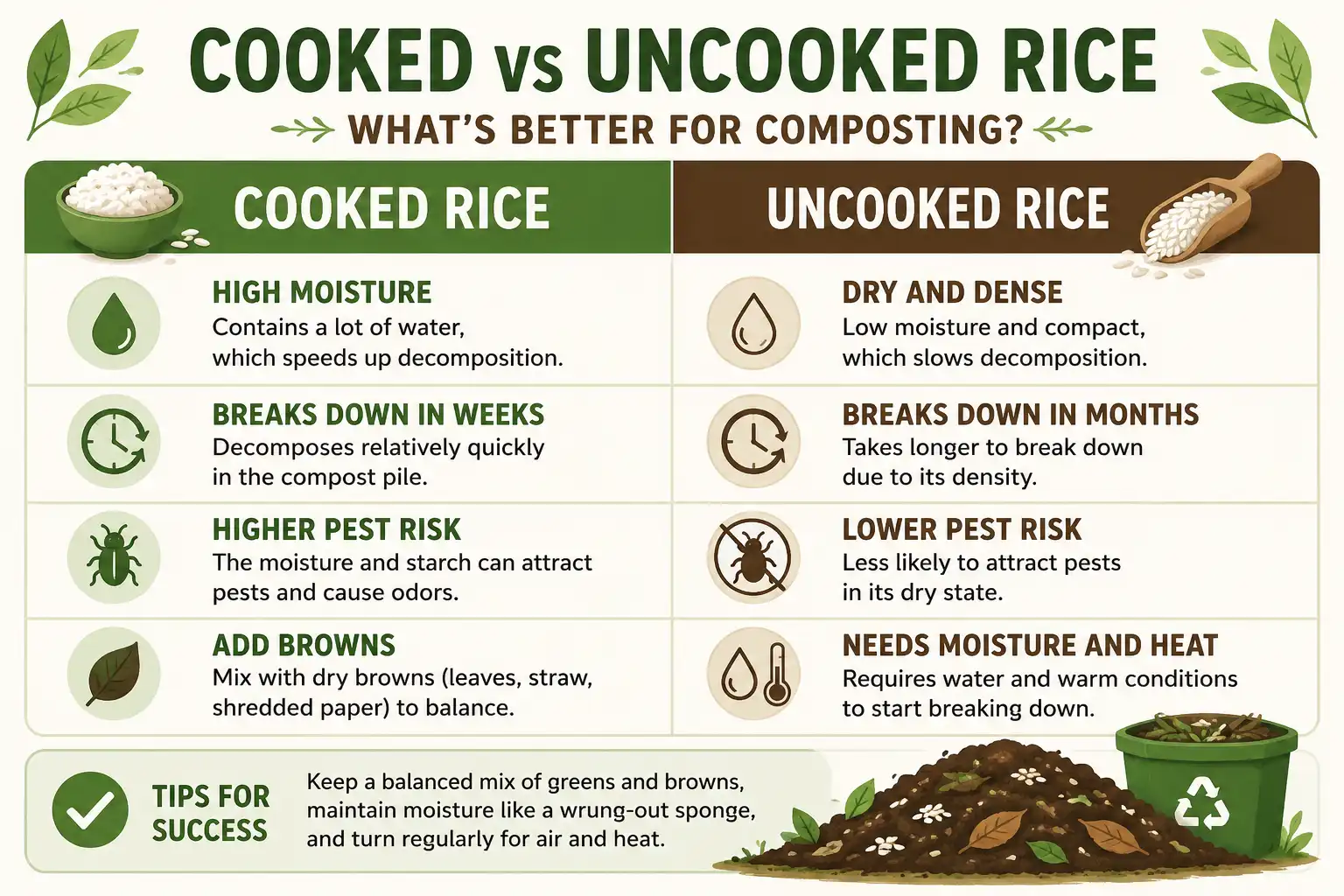
Yes, you can compost cooked rice, but add it carefully. Cooked rice is soft and holds a lot of water. So it acts like a wet green scrap in the pile. Because of that moisture, it breaks down fast, often in a few weeks.
That same softness is why cooked rice needs a light hand. Damp, sticky rice clumps together. When it clumps, air cannot reach the middle, and you get slimy, smelly pockets. Cooked rice also molds quickly outdoors, which is normal but off-putting.
The fix is easy. Add rice a little at a time, never a full bowl at once. Then bury it and mix in extra dry browns to soak up the moisture. Turn the pile after you add it so the rice spreads out instead of matting.
Can You Compost Uncooked Rice?
Yes, uncooked rice composts, though it takes its time. Raw rice is hard and dry, so it holds up longer than soft scraps. In a well-run pile, dry rice can take around three months to fully break down.
Because raw rice lacks moisture, it draws fewer rodents than cooked rice. Still, add it sparingly, since dry grains can clump and pests will nose around any grain. To speed things up, give raw rice heat and a bit of water. A hot, damp, well-turned pile softens those hard grains much faster than a cold one.
How Do You Compost Rice Without Attracting Pests?
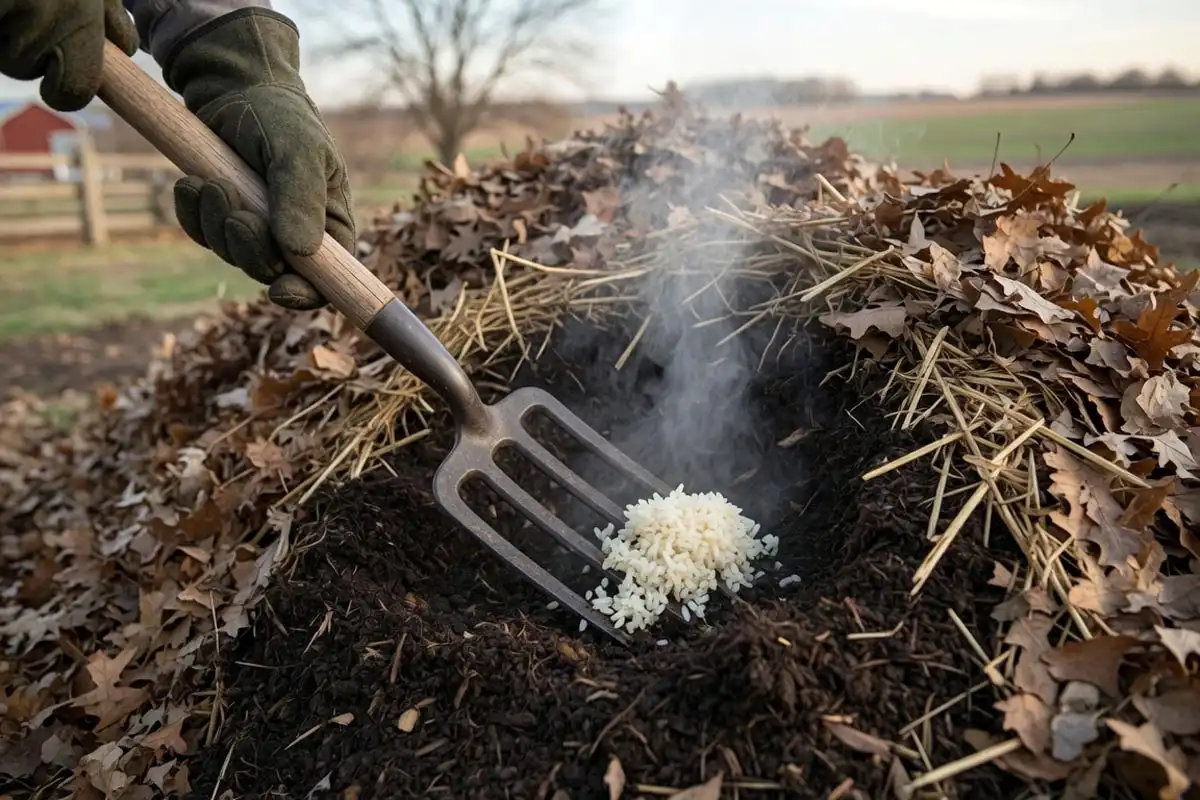
Bury the rice deep and use a closed bin or a hot pile. Those two moves hide the rice from critters and speed up decay before pests find it. On a farm, rodents near a pile are a real headache, so this step matters.
Here is the routine:
- Add small amounts. A scoop at a time, not a whole pot of leftovers.
- Bury it 6 inches deep. Push rice toward the center, where the pile runs hottest.
- Balance cooked rice with browns. Dry leaves, straw, cardboard, and shredded paper soak up moisture.
- Turn the pile. Aeration stops clumping and keeps the rice breaking down evenly.
- Use a tumbler, lidded bin, or hot pile. A sealed setup keeps rats and mice out entirely.
These are the same habits that help with keeping pests down naturally around the rest of the farm. A tidy, well-managed pile simply gives pests less to work with.
Why a Hot Pile Handles Rice Best
A hot pile breaks rice down fast and cleans up the risks. The center of an active pile runs hot enough to speed decay, kill pathogens, and soften hard grains. That makes heat your best tool for both cooked and uncooked rice.
The EPA puts the best composting range at 131 to 160 degrees Fahrenheit. That heat speeds decay and destroys pathogens and weed seeds. To hit the pathogen benchmark, the pile needs to hold 131 degrees or above for several days. That heat comes from thermophilic bacteria, the microbes that thrive during the hot phase of composting.
Heat handles weed problems too. The Cornell Waste Management Institute reports that most common weed seeds die at 131 degrees Fahrenheit or above. A few days of that heat does the job. To keep a pile that hot, you need the right mix. Aim for roughly 25 to 30 parts carbon to 1 part nitrogen, then keep it damp and turned. That balance is the heart of building good compost that actually heats up.
What Kinds of Rice Should You Keep Out?
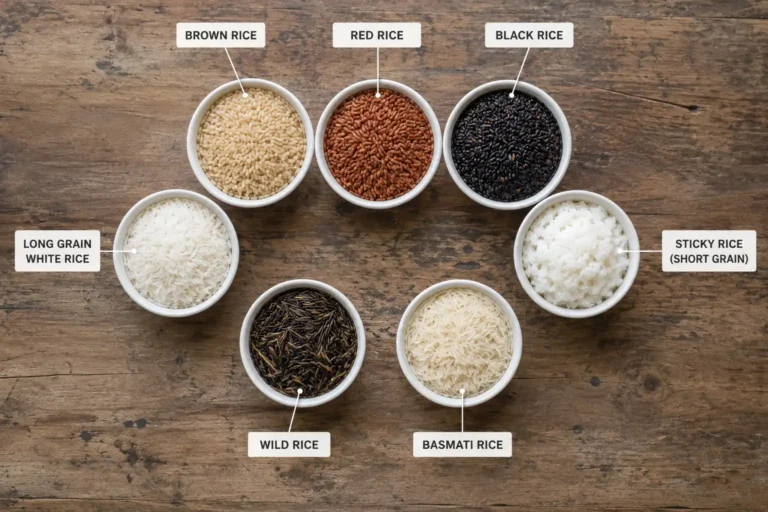
Keep fried, oily, and heavily seasoned rice out of a backyard pile. Fats, salt, butter, and sauces draw pests and cause bad odors. They can also harm the soil life you want to feed. Fried rice, pilaf, and risotto all fall in this group.
If you really want to compost oily or seasoned rice, use a Bokashi system instead. Bokashi ferments food waste in a sealed bucket. So it can take meat, dairy, and greasy rice that a normal pile cannot.
Moldy rice deserves care but is not off-limits. A hot pile breaks mold down along with everything else. Still, mold spores and mycotoxins can bother your lungs. So wear gloves and a mask if you have breathing issues. One more easy add is rice rinse water. That starchy water is mildly nutrient-rich, and pouring it on an outdoor pile does no harm.
Can You Put Rice in a Worm Bin?
Yes, worms eat plain rice, cooked or uncooked. Red wigglers (Eisenia fetida) break it down quickly, which makes vermicomposting a fast way to use up old rice. The trick is portion control.
Add only what your worms can finish in a couple of days. Spread the rice thin instead of dropping a clump, since a wet mass can sour before the worms reach it. Skip any seasoned, salted, or oily rice, because salt and fats hurt worms. Plain, cooled rice in small amounts keeps a worm bin healthy and productive.
What Finished Rice Compost Does for Your Soil
Finished compost with rice in it feeds soil like any other rich compost. You get organic matter, better structure, and slow-release nutrients that plants can use over a full season. The rice adds carbon and a few trace minerals along the way.
Worked into a bed, this compost holds water better and supports the soil microbes that release nutrients to roots. That is a core piece of building soil fertility the natural way instead of relying on inputs alone. It also gives a slow, steady feed. That is a real point in favor of choosing organic amendments over synthetic fertilizer. Rows can be side-dressed with it, mixed into the garden each spring.
Bottom lines
Here is a simple system. Keep a lidded bin and bury cooked rice a few inches down. A handful of dry leaves can then be tossed in to balance the moisture. After that, the pile should be turned every week or so. Raw rice goes straight into the hot center. Greasy or seasoned rice never makes the cut. Done this way, rice breaks down clean, with no rodent problems reported from this method.