Can Onions Go in Compost? What to Toss and What to Skip
Yes, onions belong in your compost. Still, a few myths keep gardeners tossing good scraps in the trash. So can onions go in compost without wrecking the pile? They can, and here is exactly what to add, what to chop first, and what to keep out.
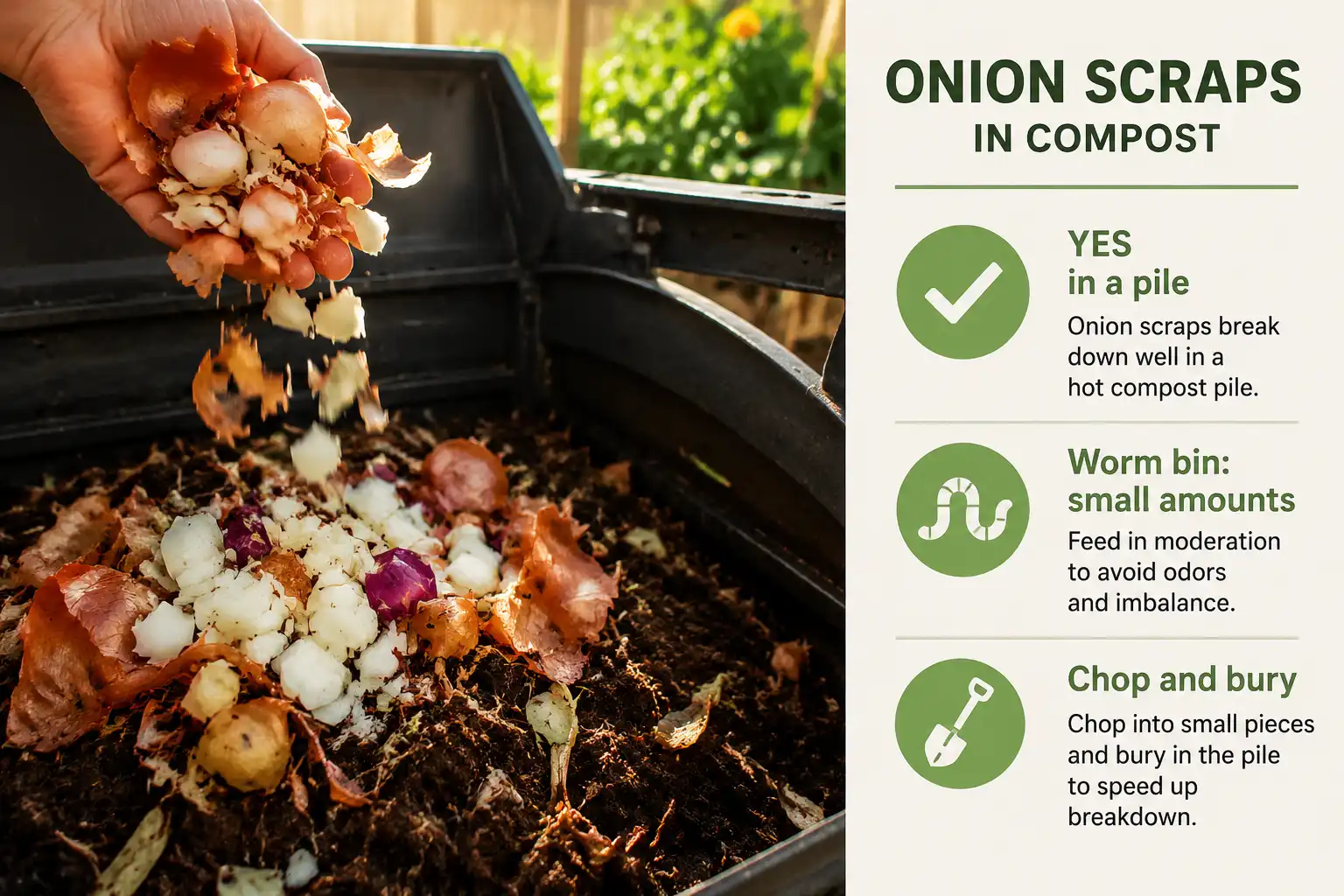
Yes, onions can go in compost. Every part breaks down in a standard pile, including peels, skins, flesh, cooked bits, and sprouting bulbs. Chop them, bury them, and balance with browns. Worm bins are the one exception.
Can Onions Go in Compost Without Ruining the Pile?
Yes, onions can go in compost, and they break down like any other kitchen scrap. Onion flesh is a nitrogen-rich green material, so it feeds the pile. Peels and dry skins add lighter carbon material too. Both rot down cleanly once the pile stays active. So the short answer is simple: onions are compost-safe. The compost you build for your beds only gets richer with them. The catch is not whether onions compost, but how you add them. That is where most gardeners trip up.
Does Composting Onions Kill the Good Microbes?
No, onions do not kill the microbes in your compost. This is the biggest myth commonly heard. The idea is that onion acidity and sulfur compounds sterilize the pile. In a normal backyard bin, that does not happen. The volume of onion scraps is tiny next to everything else. Microbes keep working, and the onions rot right along with your other scraps. So do not let this myth stop you. The only place acidity matters is a worm bin, and cover that below.
Which Parts of the Onion Can You Compost?
All of them. Every part of an onion composts, so you can toss the whole thing.
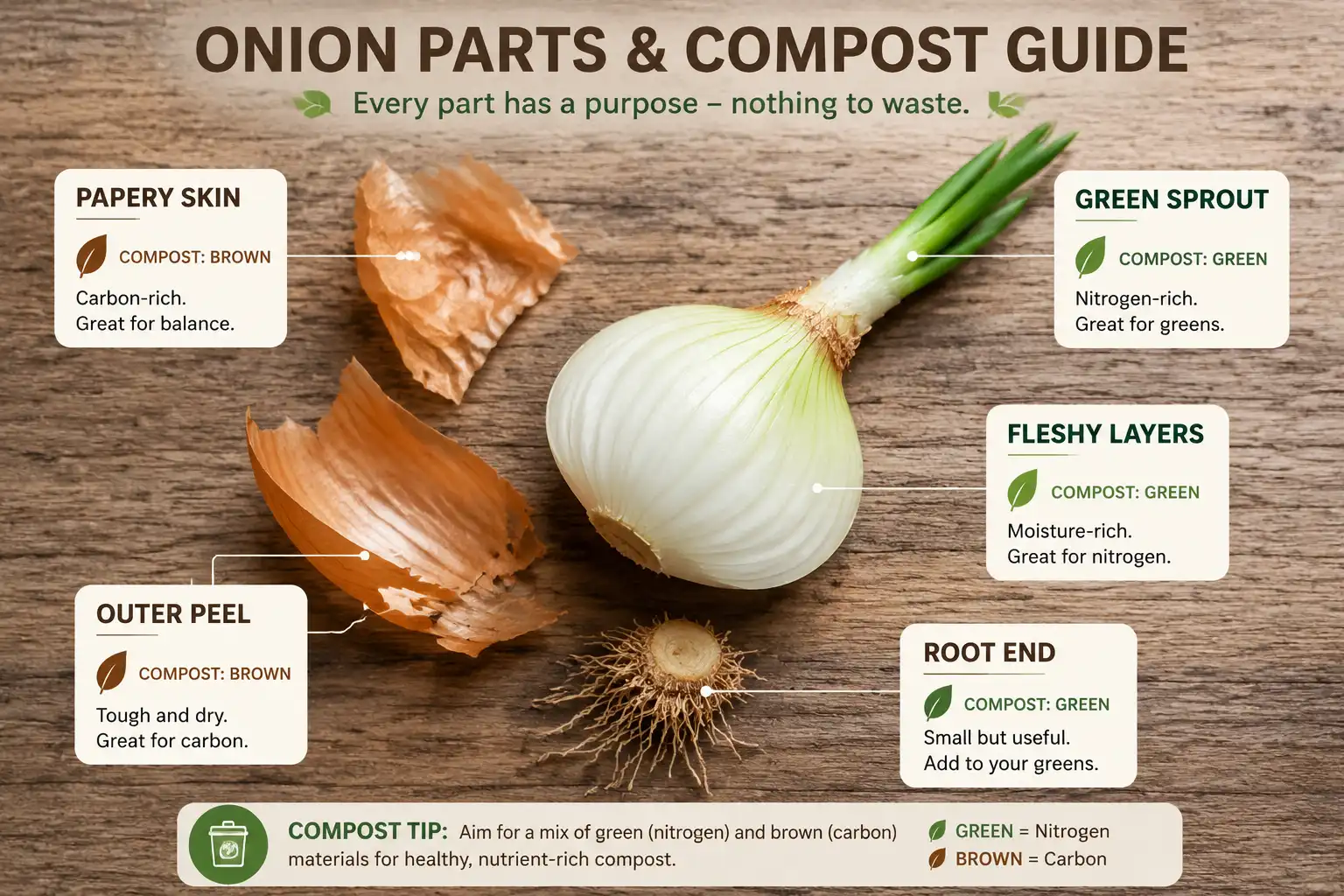
Here is how each part behaves in the pile:
- Peels and papery skins: These are light and dry. They break down fast and add carbon.
- Onion flesh and layers: Wet and nitrogen-rich. This is your green material.
- Root ends and tops: Fine to compost. Just chop the woody root plate small.
- Cooked onions: Safe to compost, unless they are soaked in oil, butter, or mixed with meat or dairy. Keep those out.
- Sprouting or moldy onions: Still compostable. Sprouting bulbs will try to grow, so cut them up first.
Should You Put Onions in a Worm Bin?
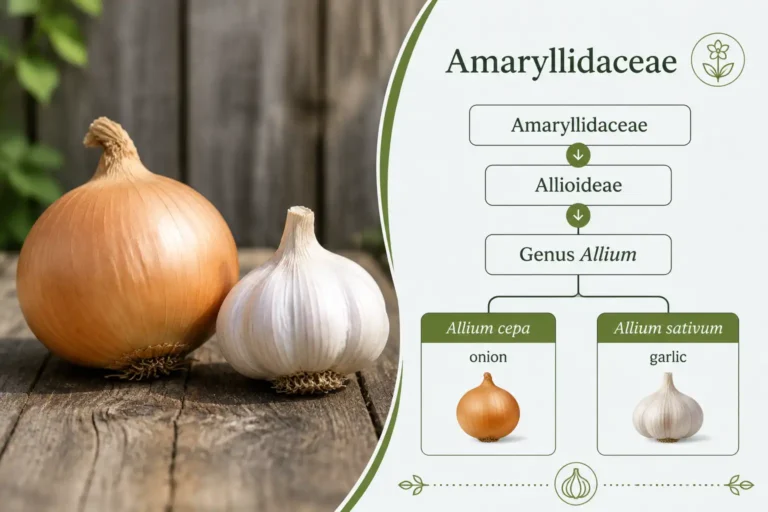
Only in small amounts, and chop them fine first. Worm bins are the real exception with onions. Worms dislike the strong sulfur smell of the Allium family, so they often avoid onion scraps until the bits start to rot. Large amounts also raise acidity, which can stress or harm your worm population.
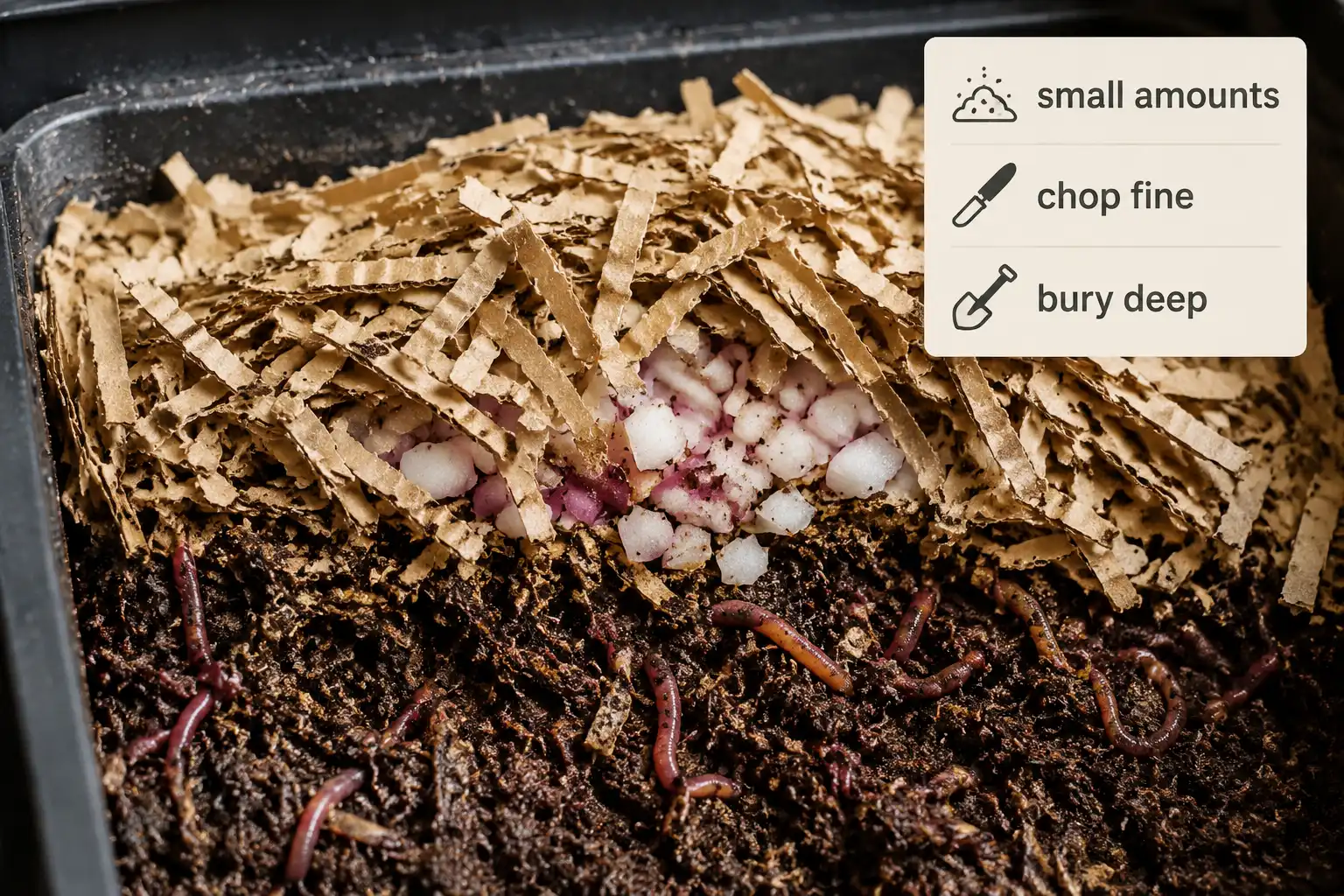
So treat vermicomposting differently. Add just a few onion snippets at a time. Mix them with plenty of other scraps and dry bedding like shredded cardboard or paper. Then bury the mix deep and watch the bin. If the worms avoid that corner for days, pull the onion out and send it to your outdoor pile instead. When in doubt, keep alliums out of the worm bin and let your open compost handle them.
How Do You Compost Onions the Right Way?
Chop the onions, bury them deep, and balance them with brown material. That routine handles smell, sprouting, and slow breakdown all at once. Here is the method.
Chop Before You Toss
Cut onions into quarters or smaller. Smaller pieces break down faster, and chopping stops whole bulbs from sprouting in the pile. A dense whole onion turns into a slimy blob and takes weeks longer, so the knife saves you time.
Bury Onions in the Pile
Push onion scraps at least 10 inches down into the pile. Burying them keeps the smell contained. It also keeps raccoons, dogs, and other wildlife from digging, so your pile stays put. Good natural pest control starts with not advertising a free meal.
Balance With Browns
Layer dry material over onion scraps right after you add them. Shredded cardboard, newspaper, or dry leaves work well. Browns soak up moisture and cut the odor fast. This green-to-brown balance, roughly one part green to three or four parts brown, keeps the whole pile healthy. That same balance helps build soil fertility once the finished compost hits your rows.
Turn the Pile
Turn your compost every two to four weeks. Turning adds air, and air speeds decomposition. When you turn, push any stubborn onion chunks back toward the hot center so the heat and microbes finish them off.
When Should You Keep Onions Out of the Compost?
Keep diseased garden onions out of a cold pile. That is the one time onions should be held back. Onion diseases like white rot, caused by Sclerotium cepivorum, form tough survival structures that live in soil for years. A cool backyard pile will not kill them, so composting infected bulbs can spread the problem straight to next season’s beds. Only a hot pile that holds thermophilic temperatures near 130 to 150°F can be trusted with diseased material. Most home piles never get that hot or stay there. So when to pull a rotten, disease-marked onion from the field, it goes to the burn pile or the trash, not the compost. Moldy kitchen onions are different and compost fine. If you save your own growing onions from seed, protecting your soil from white rot is worth this extra care.
What Onions Add Back to Your Soil
Composted onions give back real value. They carry nitrogen, potassium, and trace minerals that finished compost delivers to your crops. So every peel and end you compost is fertility you are not buying in a bag. Run onion and garlic scraps through the same pile all season, and the alliums in the same family behave alike. If you plant them yourself, our notes on planting garlic and onions pair well with a steady compost habit. The scraps you grow feed the crop you grow next.