What Is Bamboo Rice? The Rare Forest Grain From Flowering Bamboo
Bamboo rice sounds like a contradiction. It looks like rice, but nobody plants it in a paddy or schedules a harvest for it. Run row crops, not bamboo, but the agronomy behind bamboo rice is one of the strangest stories in the grain world.
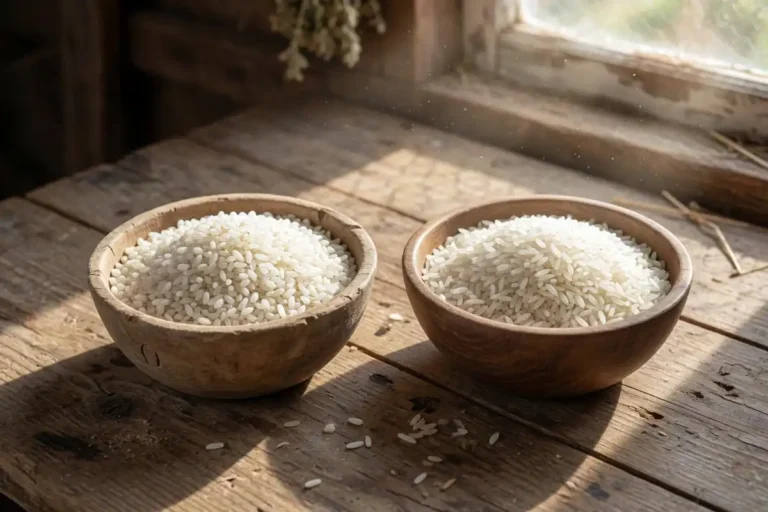
Bamboo rice is the seed of a flowering bamboo plant, harvested when the bamboo blooms once at the end of its life and dies. Most bamboo rice comes from the Western Ghats of India, where tribal communities gather it from the forest.
What Bamboo Rice Actually Is
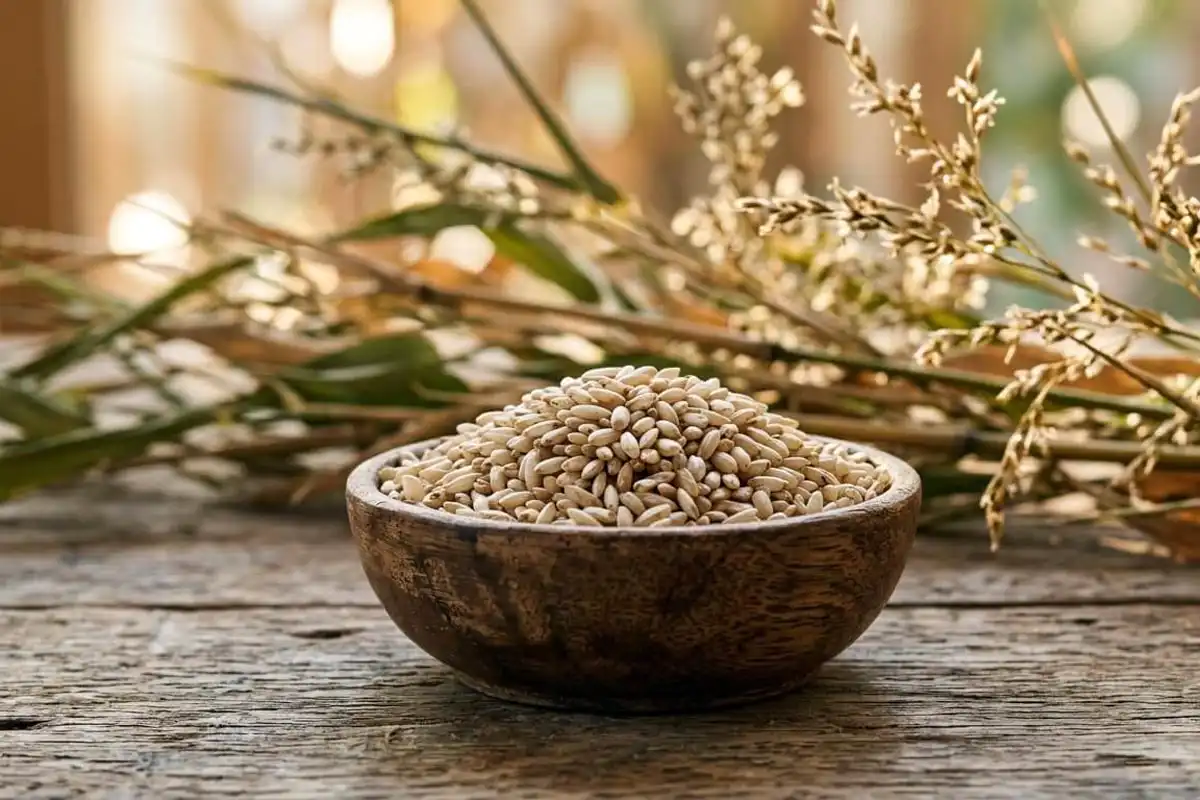
Bamboo rice is the seed produced when a bamboo plant flowers at the end of its life cycle. Bamboo is technically a giant grass, so its seeds resemble small grains of rice. Once the plant flowers and drops seed, the entire stand dies off, and that seed is what gets gathered, cleaned, and sold as bamboo rice.
In South India, the grain is called Moongil Arisi in Tamil and Mulayari in Malayalam. Most commercial supply comes from species in the Bambusa genus, though Moso bamboo seeds also produce edible grain in parts of China.
Why Bamboo Rice Is So Rare
Bamboo rice is rare because bamboo only flowers once every 30 to 60 years, and some species wait up to 100 years. When a stand finally blooms, it drops a massive amount of seed in a short window, then the entire stand collapses and dies. There is no planting cycle, no annual harvest, no scheduled production.
It works like a 60-year wheat crop with one harvest at the end. That is not a working business model for a row-crop farmer, but it makes bamboo rice one of the most unusual grains on earth.
Two Different Products Sold as “Bamboo Rice”
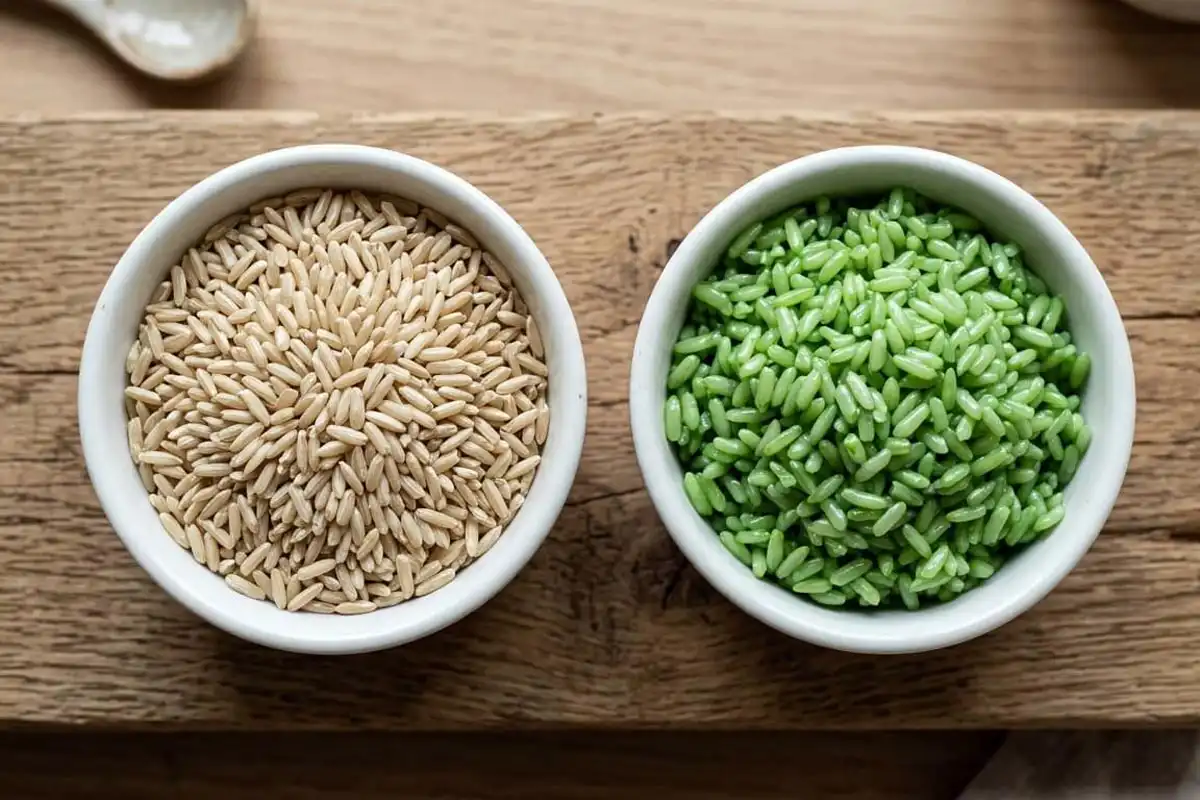
Two very different products get sold under the name bamboo rice, and they are not the same thing.
Real bamboo rice (moongil arisi) is the actual seed from a flowering bamboo plant. It is wild-harvested, rare, and naturally tan or pale brown. The grains look close to short-grain paddy rice. After cooking, the texture is chewy and slightly sticky, similar to unpolished brown rice, with a nutty, mild wheat-like flavor.
Bamboo-infused rice is regular short-grain white rice that has been soaked in bamboo leaf juice or chlorophyll. That treatment gives it a bright jade green color. It is a flavored product, not a wild grain. You will see this version in some Asian restaurants and packaged retail.
Both products carry the bamboo rice name on the label, so reading the ingredient list matters.
Where Bamboo Rice Comes From
Most bamboo rice on the world market is harvested from the Western Ghats of India, especially the forests of Wayanad in Kerala. Tribal communities like the Kani and Kurichia hold traditional rights to collect it, and bamboo rice is one of their most important non-timber forest products.
Smaller amounts come from bamboo forests in Tamil Nadu, Karnataka, and parts of Northeast India. Some Moso bamboo seed harvest also happens in China when those forests flower.
The grain is wild-harvested, not field-grown. The same way folks grow wild rice in lake beds rather than in row-crop fields, bamboo rice comes from a natural ecosystem and not a planted plot. Because it grows without pesticides or applied fertilizer, the grain is naturally organic by default, which is a meaningful difference from most commercial grain, even where organic rice production has become the standard.
Nutritional Profile of Bamboo Rice
Bamboo rice has a stronger nutrition profile than most white rice. A peer-reviewed study published through the National Institutes of Health found that bamboo seeds carry higher fiber, protein, and trace minerals than common rice and wheat, with flavonoid content 5 to 10 times higher than rice or wheat seeds.
Key features of the grain include:
- Protein: Higher than white rice, often around 13 to 18 percent depending on species
- Fiber: Higher than polished rice
- Glycemic index: Lower than most white rice, which is why it gets marketed for blood-sugar management
- Minerals: Calcium, iron, phosphorus, magnesium, potassium
- Vitamins: Strong B-vitamin profile, including B6
Like any wild-harvested seed, the exact numbers shift with species and growing conditions.
Bamboo Rice vs Regular Rice
| Trait | Bamboo Rice | White Rice |
|---|---|---|
| Source | Seeds of flowering bamboo | Cultivated paddy or upland rice |
| Harvest cycle | Once every 30 to 60 years | Annual, sometimes twice a year |
| Protein content | About 13 to 18 percent | About 6 to 8 percent |
| Glycemic index | Low (around 50) | High (around 73 for white) |
| Flavonoid content | 5 to 10 times higher | Baseline |
| Texture cooked | Chewy, sticky, firm bite | Soft, varies by variety |
| Availability | Rare, seasonal | Worldwide commodity |
How to Cook Bamboo Rice
Bamboo rice cooks like brown rice. The standard ratio is about 2 cups of water for every cup of grain, simmered for 30 to 45 minutes until tender. The grain absorbs water slowly and keeps a firm bite even after full cooking.
Traditional South Indian cooking uses it for puttu, payasam, dosa, and biryani-style preparations. It pairs well with dals, curries, and rich gravies because the chewy texture holds up against strong sauces.
Can You Grow Bamboo Rice in the United States?
You can grow bamboo in much of the US, but harvesting bamboo rice on purpose is not practical. The plant only flowers at the end of its life cycle, and that cycle runs decades. Bamboo grows well across USDA hardiness zones 6 through 10, with some hardy clumping species surviving farther north, but no US farmers are known to plant bamboo for grain.
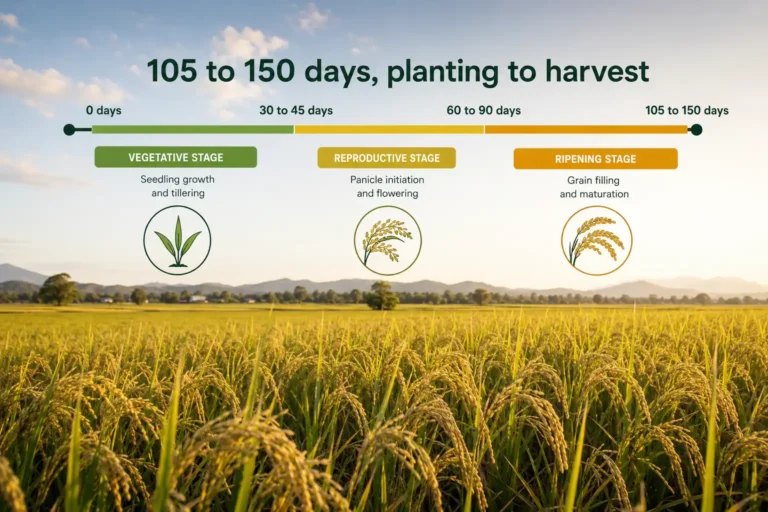
The wait alone rules it out as a working crop. If a US bamboo stand does flower, the seed is collected as a one-time event, not a planned harvest. That is the opposite of how to plan winter wheat planting or sorghum rotation, where the calendar drives every decision.
Where to Buy Real Bamboo Rice
Real bamboo rice is sold by Indian grocers, specialty importers, and a handful of online retailers. Look for packaging that lists moongil arisi or mulayari, and check that the grain is naturally tan or pale, not bright green. Price runs higher than common rice varieties like Calrose or basmati, because supply depends on rare natural flowering events.
A single decent flowering can supply markets for a year or two, then availability tightens until the next cycle.
What Growers Should Know About Bamboo Rice
Bamboo rice breaks every rule that applies to a typical Kansas row crop. There is no planting calendar, no annual harvest, and no way to manage it like a row crop. It is a forest product that depends entirely on a bamboo plant’s once-in-a-lifetime flowering event. That makes it rare, nutritious, and worth knowing about. If you ever see real moongil arisi on a shelf, pick it up and try it. You may not see it again for years.