What Is Bomba Rice? Origin, Traits, and Why It Stands Apart
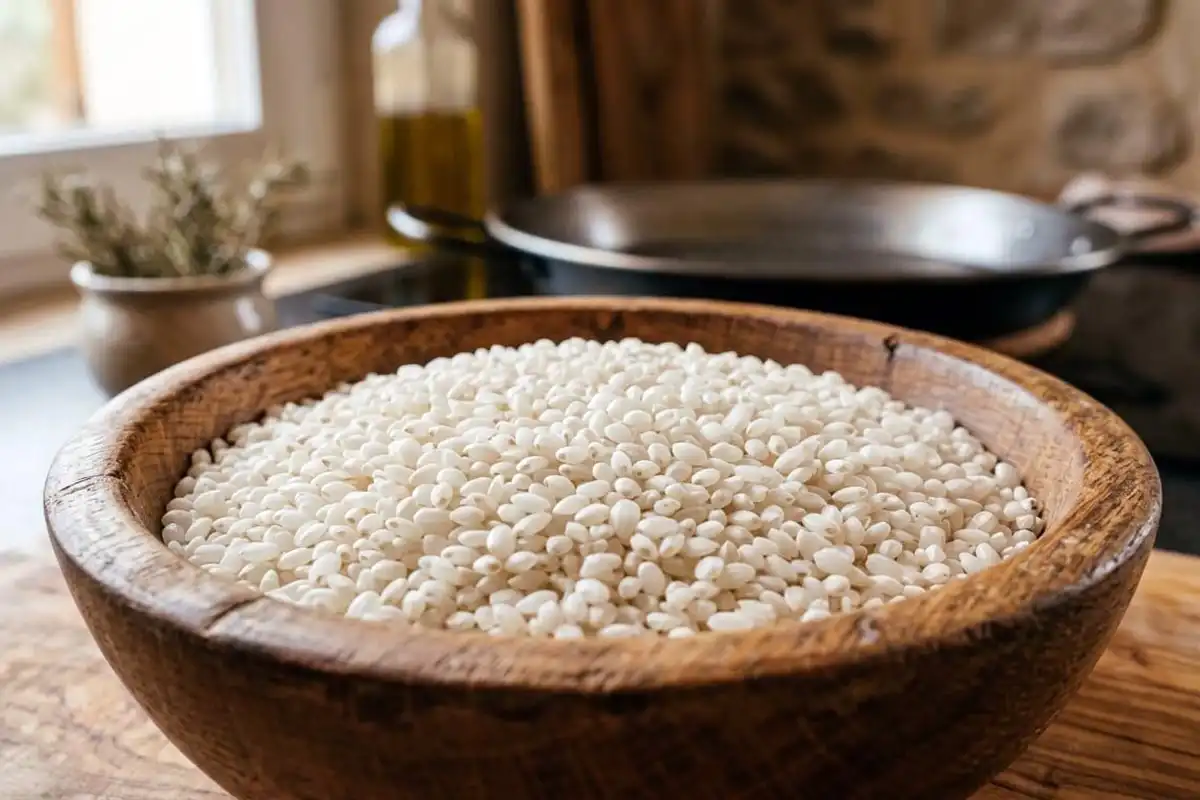
Bomba rice is called the king of paella rice for good reason. It absorbs two to three times its volume in liquid without bursting and holds its shape on the plate. What is bomba rice, and why does it cost so much? Here is what farmers should know.
Bomba rice is a short-grain Spanish heirloom variety of Oryza sativa, grown mostly in Valencia and Murcia. It absorbs three times its volume in liquid, stays firm and separate when cooked, and is prized for paella.
Where Bomba Rice Comes From
Bomba traces back to an old Indian rice line that was carried to the Iberian Peninsula through the Middle East centuries ago. Today most of it grows in eastern Spain, mainly in Valencia and the Murcia region. The Calasparra area, the Ebro Delta, and Valencia all hold protected Denominación de Origen (DO) status for rice production. Smaller production also comes from Silla, Pego, and Pals. Spanish growers keep this old variety alive because no modern hybrid replaces it well. The same Indian rice heritage that shaped basmati also fed early Spanish rice culture.
What Makes Bomba Rice Different
Short grain with a pearly look
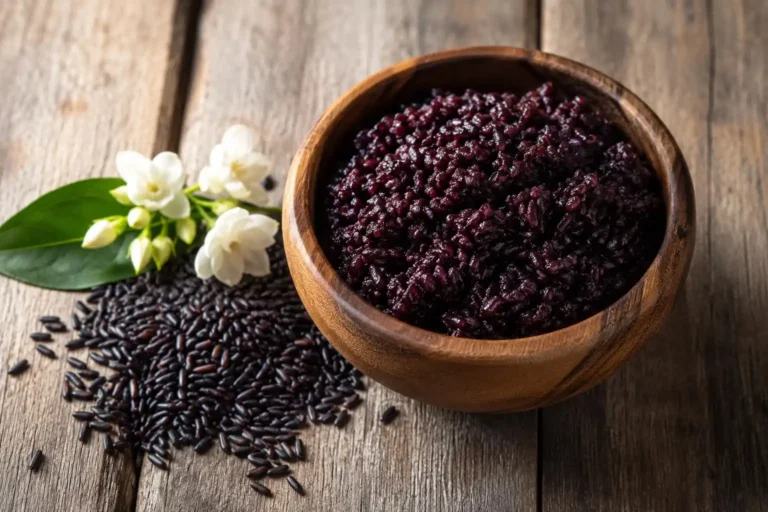
Bomba grains are short, plump, and pearly white. The color stays uniform across the bag. Each grain holds its own when cooked, with very few broken pieces.
High amylose, low stickiness
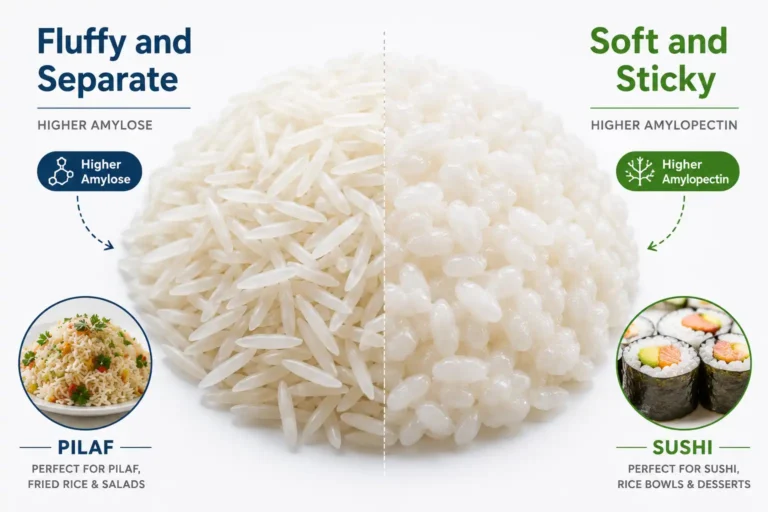
Bomba carries a high amylose content. That starch profile is the reason it does not turn sticky or thicken the broth the way Arborio does. It also pulls in a lot of liquid without falling apart, which is what every paella cook wants in the pan.
Accordion-style expansion
The name bomba means bomb in Spanish. The grain swells widthwise like a tiny accordion when it hits hot broth. That sideways expansion is what gives bomba its punch of flavor, since every grain pulls in two to three times its volume in stock without splitting open.
How Bomba Rice Is Grown
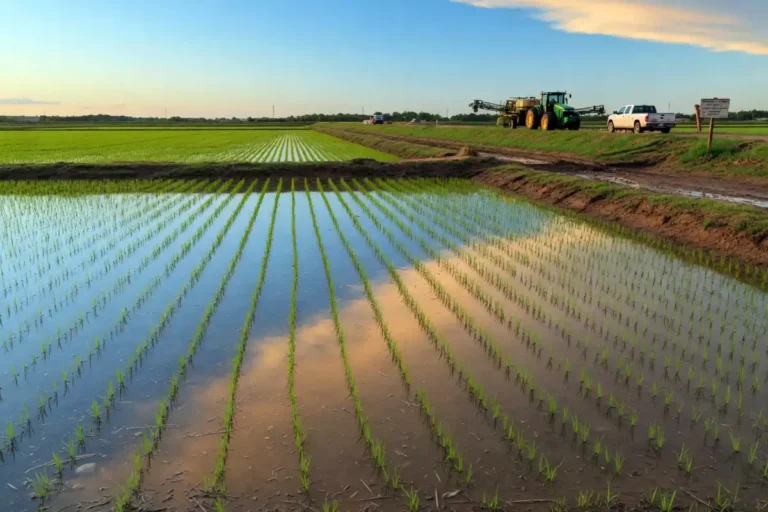
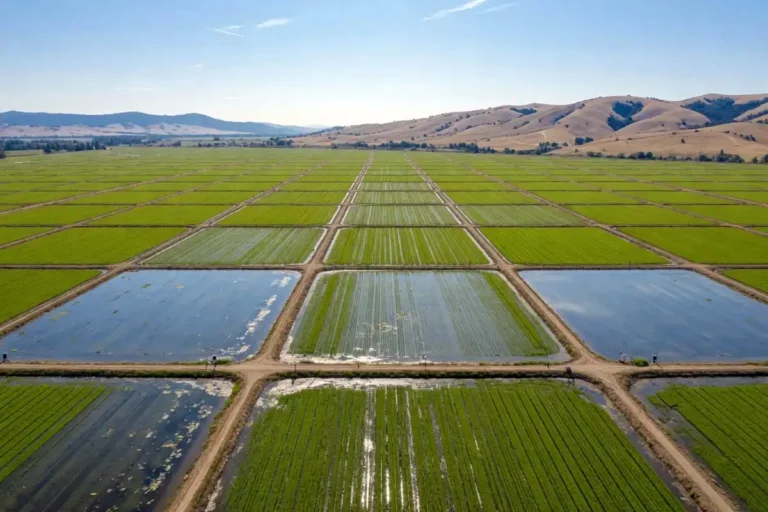
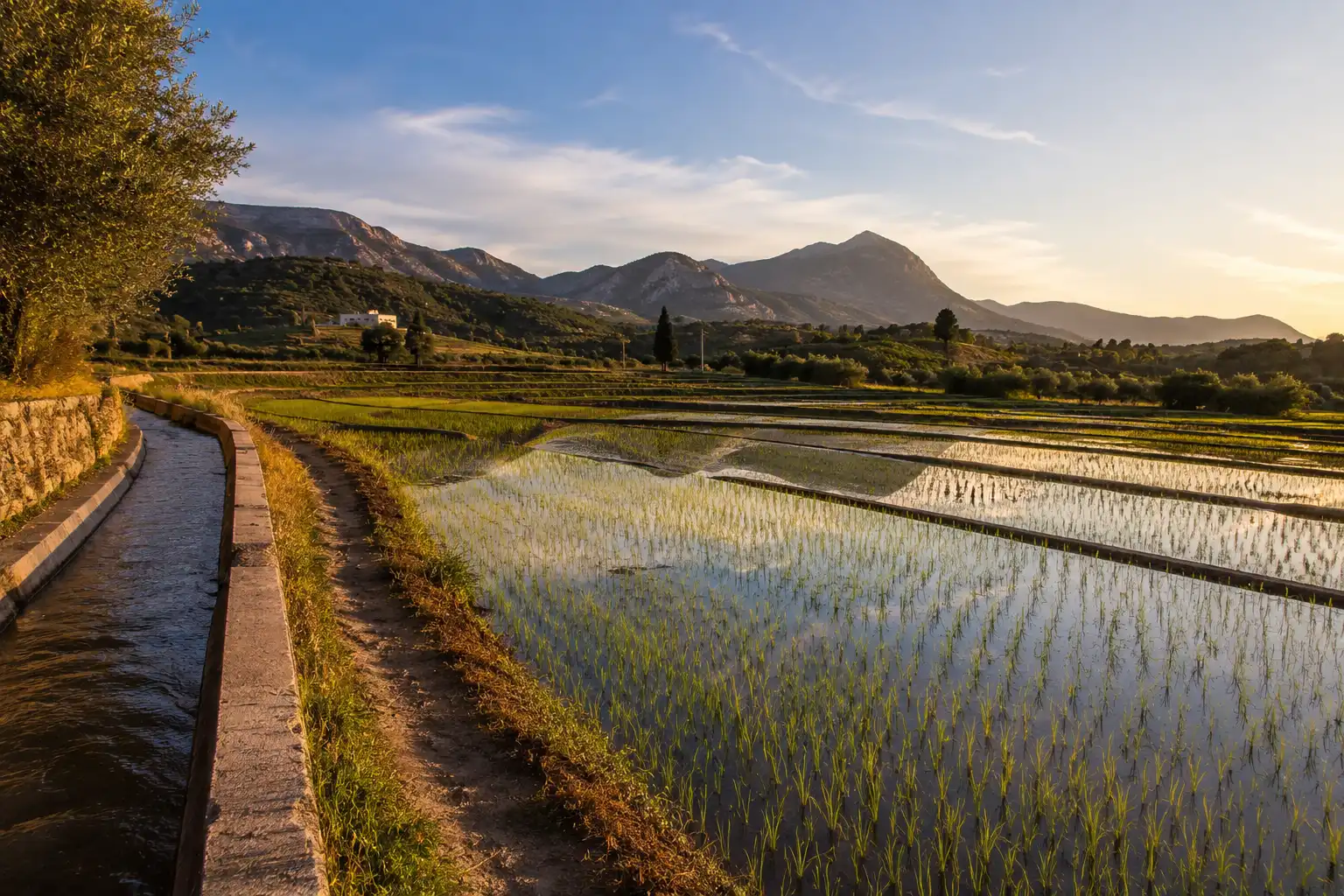
Bomba is a slow-maturing heirloom variety. It takes longer in the field than most modern rice cultivars and yields less per acre, which is a big part of why it costs more. Growers plant it in flooded paddies, the same approach used across commercial rice country. In Murcia, many fields still draw fresh mountain water through aqueducts first built by the Romans, which keeps the water cool and clean. That long, slow growing window is what produces the dehydrated grain structure that soaks up so much broth at the table.
Bomba Rice Versus Other Short Grains
This variety stands out for growers working wheat, corn, and sorghum, since the trade-offs are so different from a Corn Belt crop. Bomba sits in the short to medium grain class of Oryza sativa, japonica subspecies. It cooks dry and separate, unlike Italian Arborio, which releases starch and turns creamy for risotto. Japanese sushi rice, also japonica, is sticky by design. American short-grain options like Calrose handle differently in the pot too. The closest cousins to bomba are Calasparra and Senia, both Spanish, both used in paella.
Why Bomba Rice Costs So Much
Bomba is one of the most expensive rice varieties in the world. The price tag reflects real agronomy.
First, yield per acre is low. A slow-maturing heirloom always produces less than a modern high-yield cultivar. Second, the growing window is long, so the land and water stay tied up for more of the year. Third, the DO certification in Calasparra and Valencia requires verified origin, regulated milling, and a proper aging period before bagging. Fourth, growers handle the harvest carefully to keep grains whole. Retail prices in the US often run $10 to $15 per pound for DO-certified bomba.
What Bomba Rice Is Used For
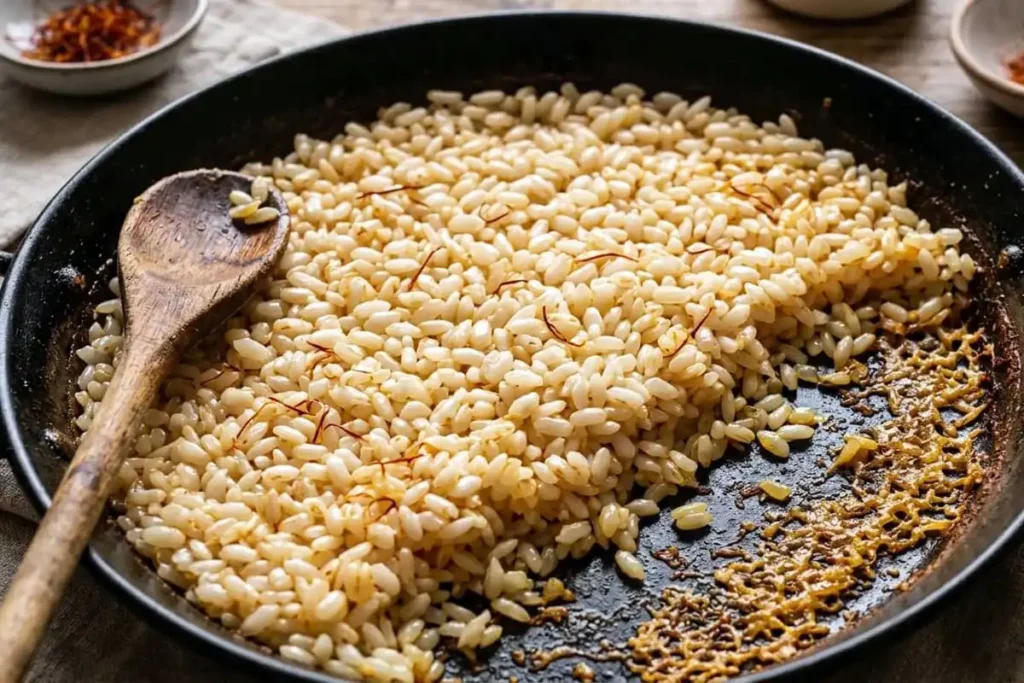
Bomba is the rice of choice for paella, the most famous dish in Valencian cuisine. It also shows up in arroz a banda, arroz al horno, and arroz caldoso. Cooks reach for bomba when they need the rice to soak up a flavored broth and still finish dry, separate, and a little firm. The crispy bottom layer in paella, called socarrat, depends on bomba’s behavior in the pan. Sushi, risotto, and pilaf each ask for different starch profiles, so bomba does not really fit those plates.
Can Bomba Rice Be Grown in the US
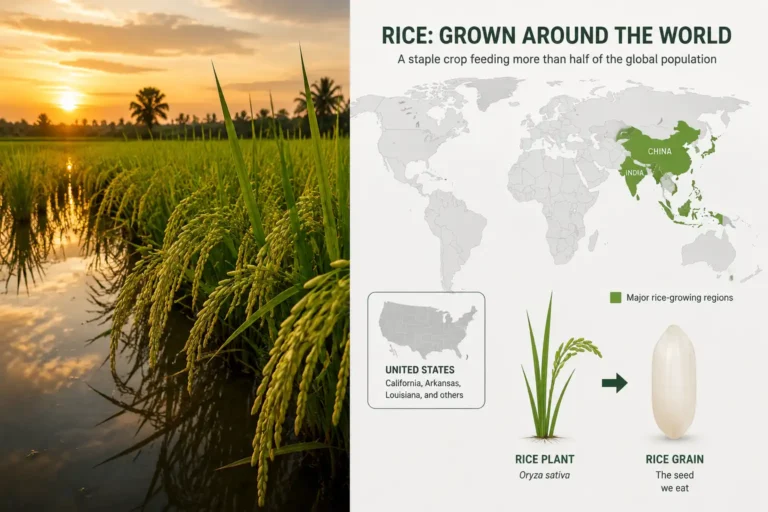
Bomba is not grown commercially in the US right now. American rice country covers Arkansas, Louisiana, Texas, Mississippi, Missouri, and California, with California producing most of the country’s medium and short-grain crop. The Sacramento Valley could in theory support a variety like bomba, but the economics do not pencil out against high-yield cultivars already in production. For now, every bag of true bomba on a US shelf comes from Spain. The USDA-ARS Dale Bumpers National Rice Research Center in Stuttgart, Arkansas studies amylose content and grain quality across hundreds of rice samples, which is the same trait that makes bomba behave the way it does.
How to Tell Real Bomba From Imitators
Look for the DO Calasparra or DO Valencia seal on the bag. That stamp ties the rice to a regulated region, a verified variety, and an aging period that develops the starch fully. Plain “Spanish-style” or “paella” rice on a US shelf is often a cheaper short-grain blend without the same agronomy or controls behind it. Genuine bomba grains are short, opaque, and uniformly sized. A bag without origin certification is usually a sign you are paying for marketing instead of for the heirloom variety.
Bottom Line for the Curious Grower
Bomba rice is a slow, fussy, heritage crop that pays off on the plate. The grain absorbs more liquid than nearly any other rice, holds its shape through hard cooking, and stays separate enough to build a real socarrat crust. The price reflects real agronomy. Low yields, a long season, and tight DO controls all show up on the bag. If you cook paella at home, the difference is worth tasting at least once.