When to Plant Sugar Beets for Deer (2026 Timing by Zone)
A sugar beet plot pulls deer in hard once cold weather sets in. But the timing has to be right. When to plant sugar beets for deer depends on your first frost date and a 90 to 100 day root. Plant too late and the roots stay small.
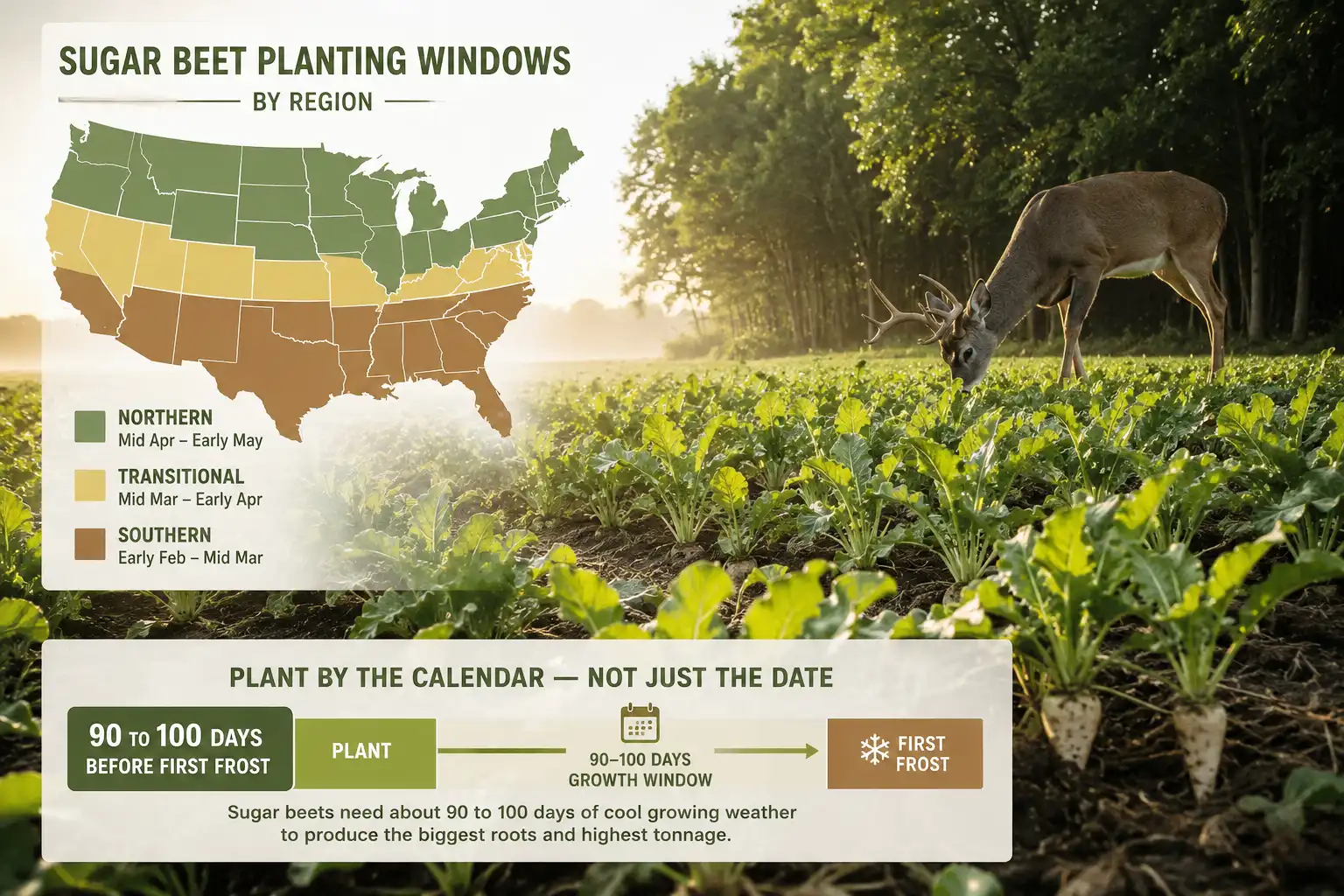
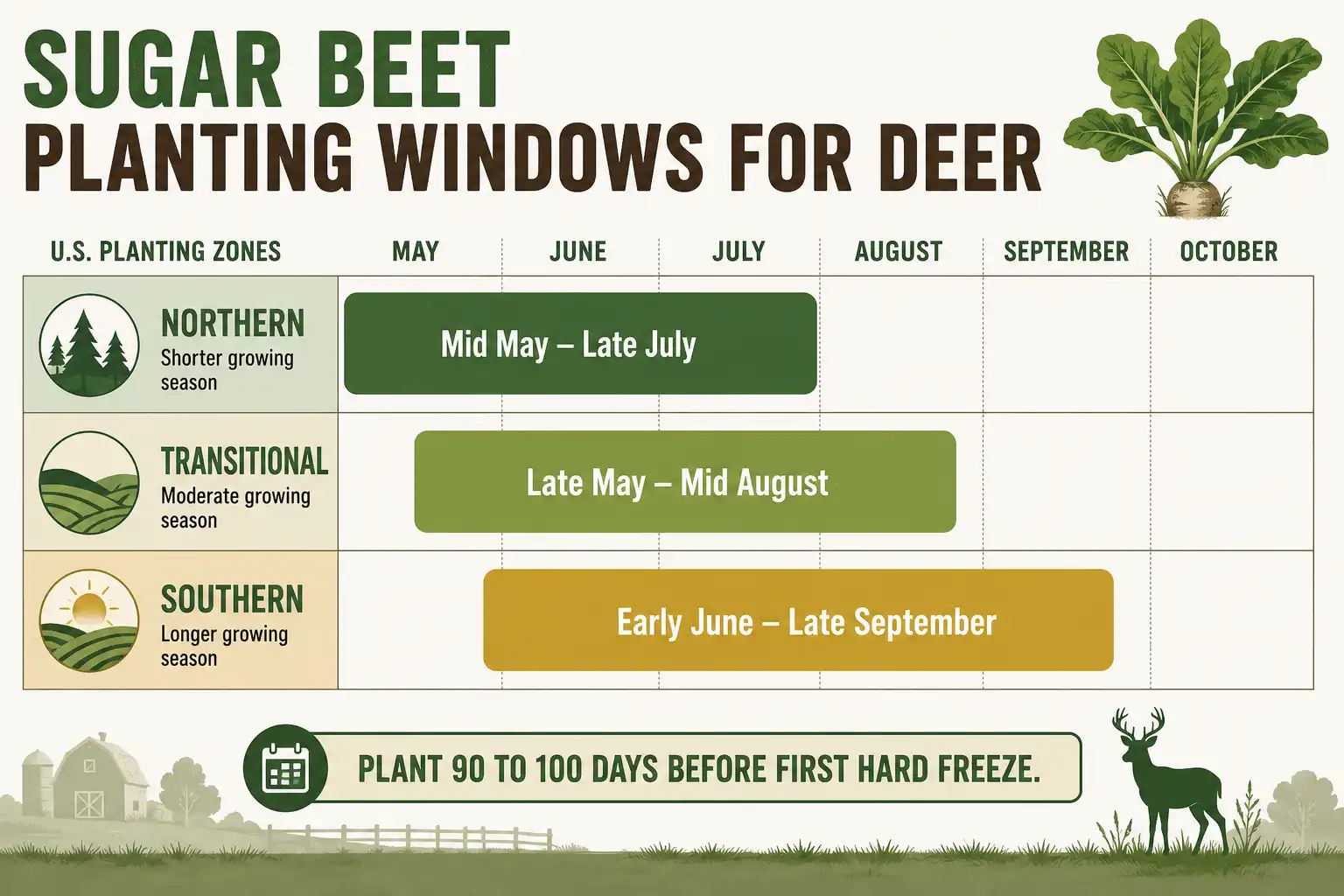
Plant sugar beets for deer in summer, about 90 to 100 days before your first hard freeze. Northern plots go in by late June, transition-zone plots in July, and southern plots in August or September.
What Decides When to Plant Sugar Beets for Deer?
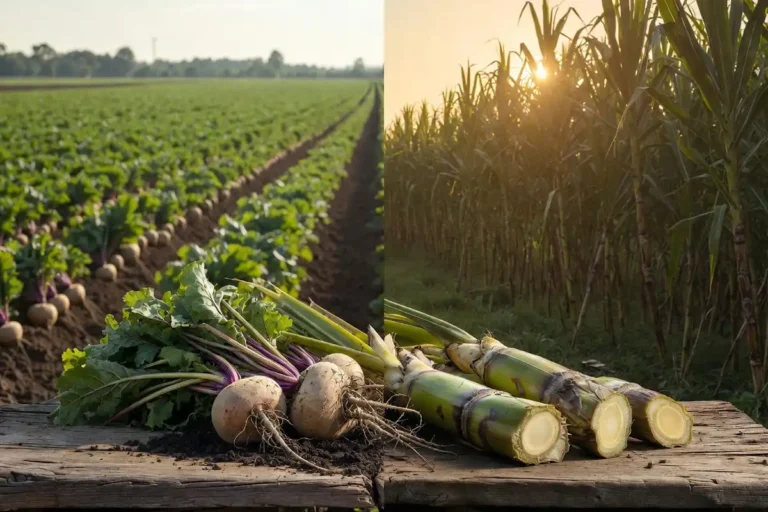
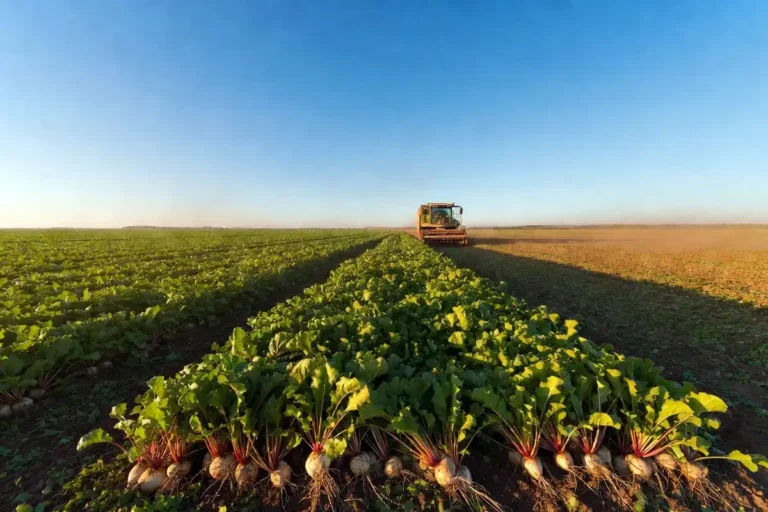
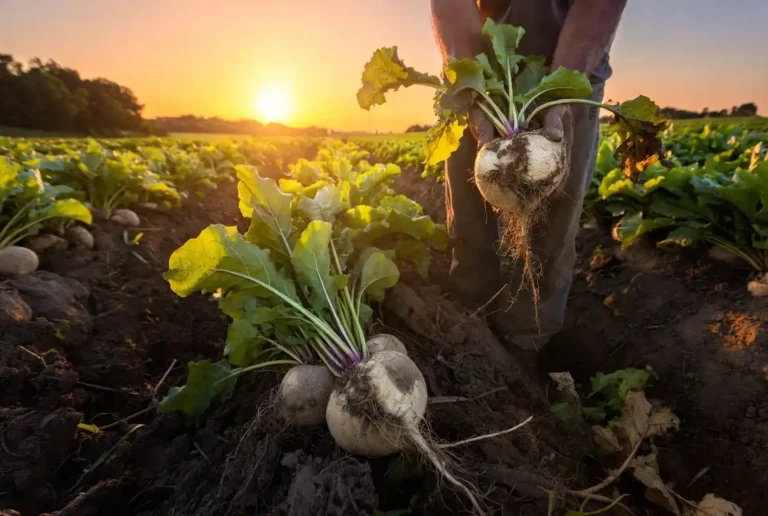
Two things decide it: your first hard freeze and the 90 to 100 days a beet root needs to grow. Sugar beets (Beta vulgaris) are the same plant grown for table sugar, and deer treat them as a two-part meal. First they browse the leafy tops through the growing season. Then they dig and eat the roots after frost.
So you plant in summer with one goal. You want big roots in the ground before cold stops growth, and you want them sweet by the time deer season heats up. That single idea drives every date below.
Learn more: Guide to Plant Sugar Beets
When Is the Best Time to Plant Sugar Beets for Deer?
Plant in summer, about 90 to 100 days before your first hard freeze. That count-back is your plant-by date. Beets need that full stretch of warm days to build a 2 to 4 pound root. Plant too late and the roots stay thin, so deer get tops but little else.
Here is the simple math. Find your average first hard freeze. Then back up 13 to 14 weeks. That is your latest safe planting date. Earlier is fine in the North, since it just means more top growth before fall.
Your USDA hardiness zone sets the window, so match your date to your region below.
Northern Zone Planting Window
Northern growers plant from late May through June. Zones 3 to 5 cover the Upper Midwest, the Northeast, and the northern Great Plains. Frost arrives early there, often by late September or early October. So an early-summer planting gives roots the full 90 to 100 days before a hard freeze.
June is the sweet spot in the coldest ground. Deer browse the tops all summer, and the roots finish before winter locks in. If you wait past early July up north, frost can hit before the roots bulk up. Do not push it that late.
Transitional Zone Planting Window
Transition-zone growers plant in July. Zones 5 to 7 run through the Corn Belt, the Ohio Valley, the mid Plains, and the Mid-Atlantic. Ground in northeast Kansas sits right here. The first hard freeze usually lands in late October, so count back and plant the first half of July.
That timing works well for the rut. Roots reach full size by mid-October. Then the first frosts sweeten them right as bucks move in daylight. The same summer window applies as with planting soybeans for deer earlier in the season, just shifted to fit the beet clock.
Southern Zone Planting Window
Southern growers plant in late August through September. Zone 8 and warmer covers the Deep South. Beets struggle in heat, so you wait for the back half of summer when nights start to cool. Cooler weather is what builds sugar and pulls deer.
Sugar beets do best in the upper South. Farther down, warm falls and short cold spells make them marginal. So try a small plot first before you commit acres.
Should You Plant Sugar Beets in Spring or Summer for Deer?
For a hunting plot, summer planting beats spring. Spring beets grow tops all summer and finish roots by fall, which sounds fine. But the long season means heavy weed pressure, and beets fight weeds poorly. Plus the plot peaks before the season, so deer graze it down early.
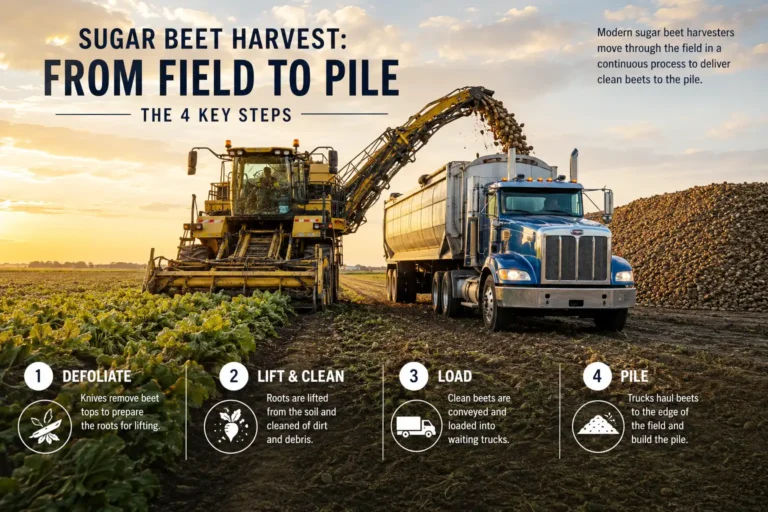
A summer planting times the crop to the hunt. Roots size up in early fall. Frost sweetens them for the late season. That is why most food-plot growers set beets in summer, not spring. If growing beets for the sugar factory instead, the timing shifts, covered in this guide on planting sugar beets for a strong stand.
How Does Frost Make Sugar Beets Attract Deer?
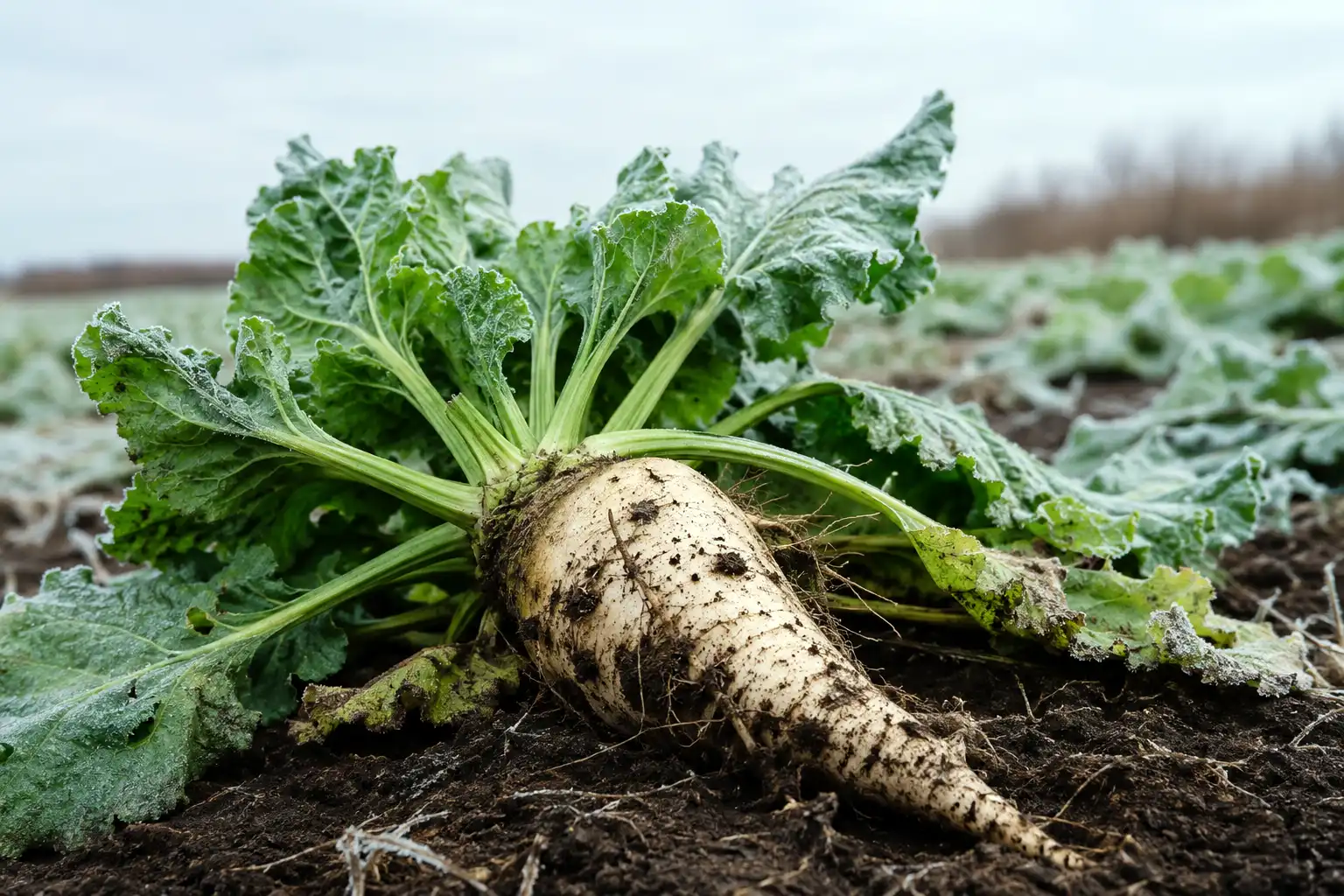
Frost turns stored starch in the root into sugar, and deer key on that sweetness. Cold triggers the plant to protect itself, so it converts starch to sugar as a natural antifreeze. The roots already run 13 to 22 percent sucrose. A few frosts push that higher, and deer notice fast.
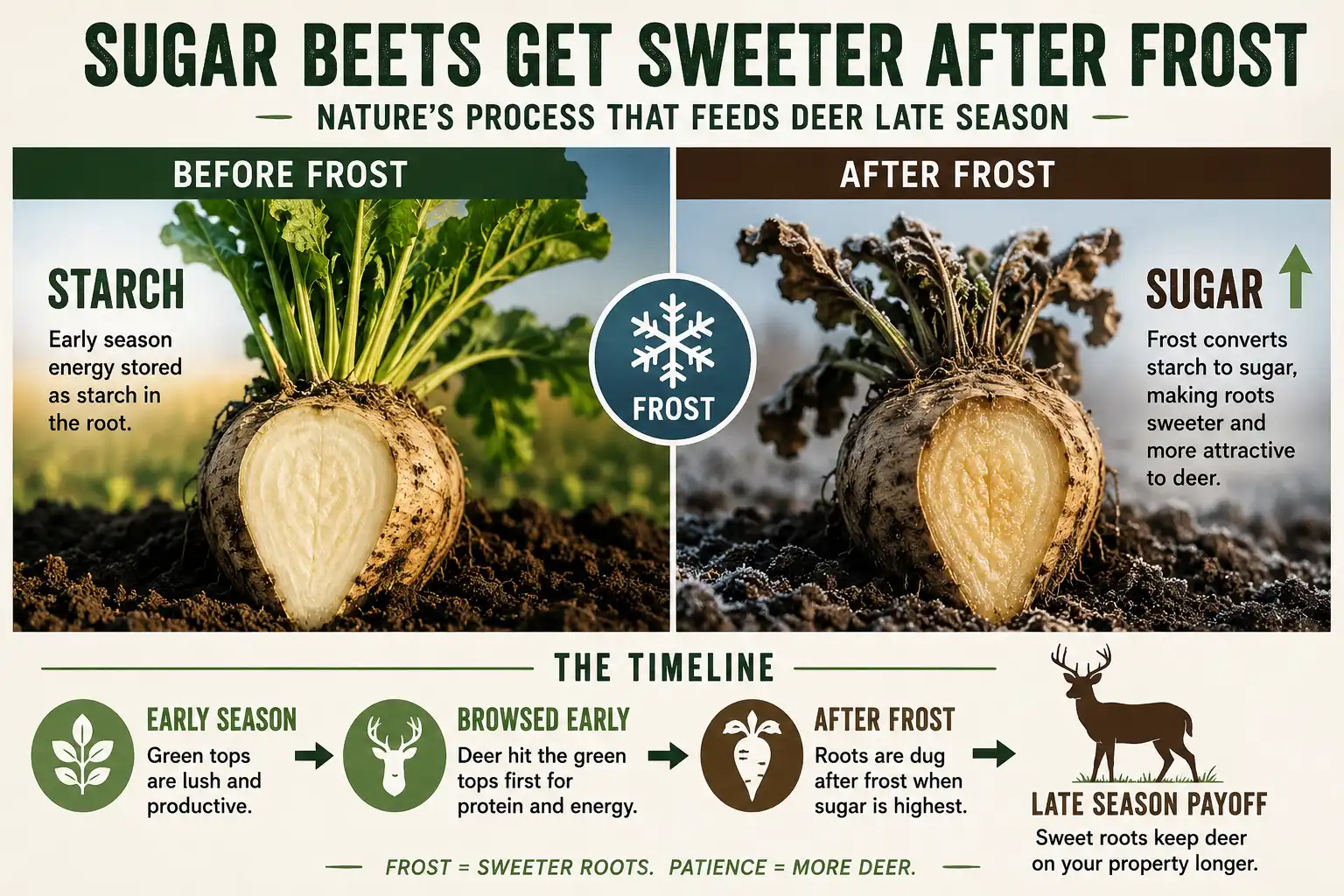
The plot feeds deer in two phases. Early on, deer browse the frost-tolerant tops, which stay green well into fall. Later, they dig the swollen taproot of the sugar beet plant once the ground cools. Deer sometimes take a week or two to figure out the roots. After that, they hammer them through winter.
What Soil and Temperature Do Sugar Beets Need at Planting?
Beets germinate once soil hits about 50°F, and they want loose, well-drained ground in full sun. Warm summer soil in the 60s and 70s speeds up emergence. The seed zone should be checked with a soil thermometer before dropping seed, since cold soil leaves gaps in the stand.
Moisture matters as much as heat. Time your planting so a soaking rain is likely within 10 days. Beet seed needs steady moisture to come up even.
Soil pH should sit between 6.0 and 7.0. Acidic ground below 5.5 stunts them, so lime early if you run low. A cheap soil test kit tells you your pH and what to add before you plant. Beets also need loose soil for the taproot, so skip heavy clay and pure sand where you can.
How to Plant a Sugar Beet Plot for Deer, Step by Step
Follow these steps for a full, even stand that carries into winter.
- Test and lime the soil. Pull a soil sample first. Adjust pH toward 6.5. Lime takes time, so add it as early as you can.
- Kill the weeds. Clear the plot with tillage or a labeled herbicide. Beets lose to weeds, so start clean.
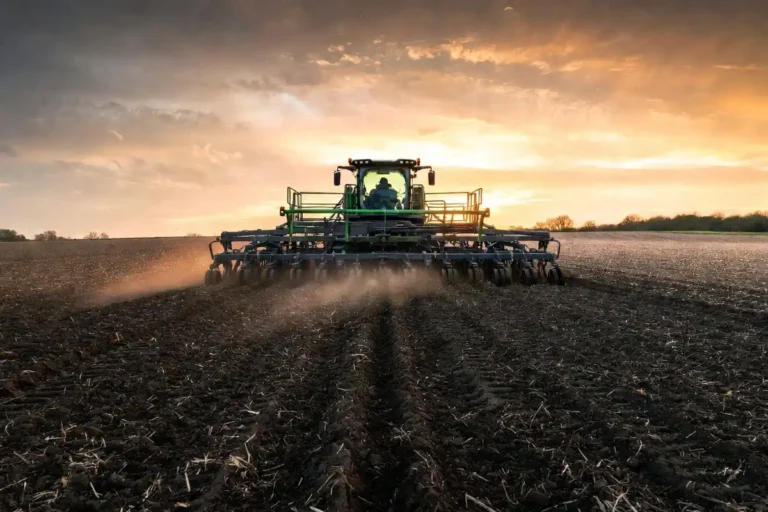
- Build a firm seedbed. Disc or till, then smooth the surface. A firm bed holds moisture and sets seed depth.
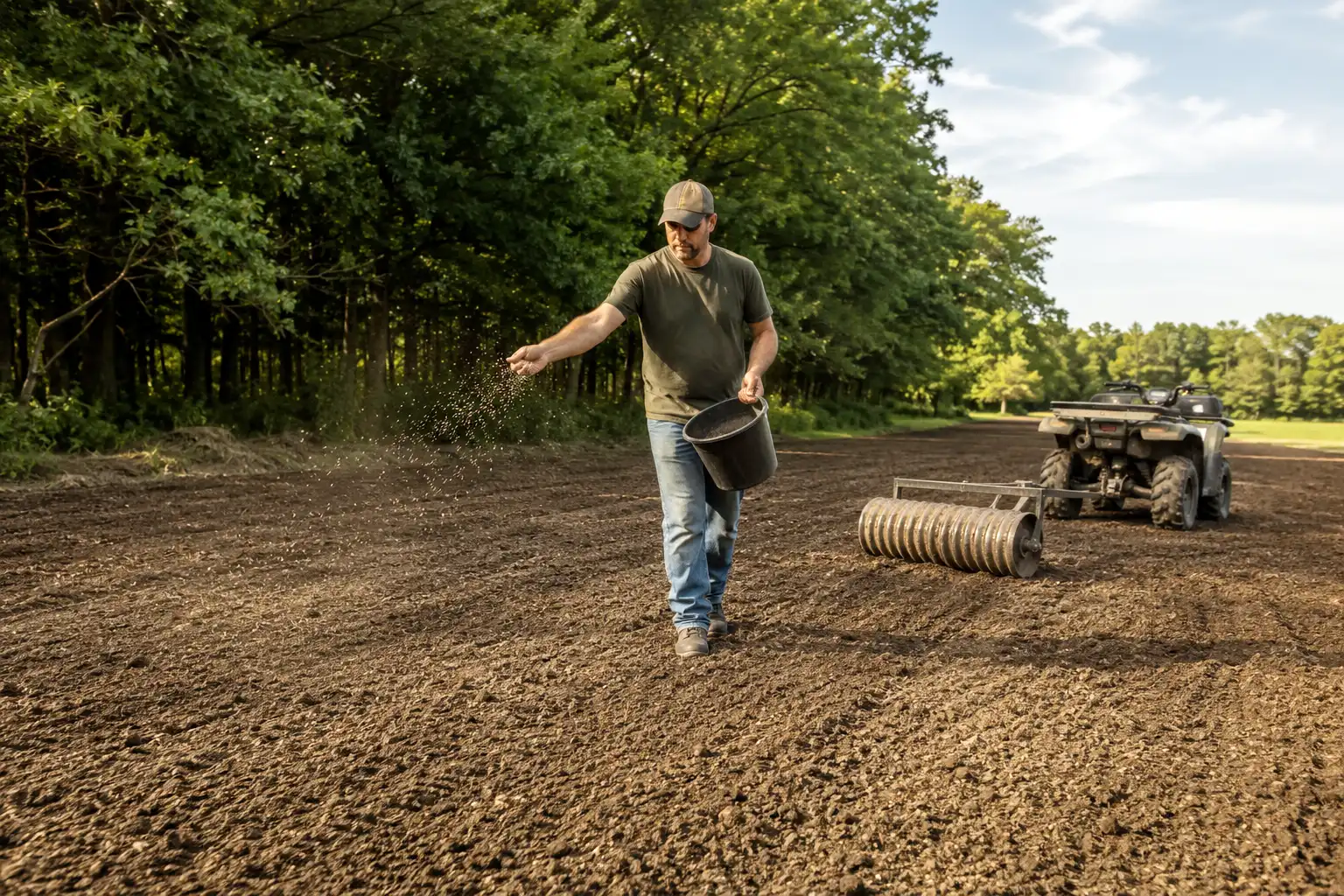
- Broadcast the seed. Spread about 8 to 10 pounds per acre in a pure stand. Cut that in half if you blend beets with brassicas like turnips or radishes.
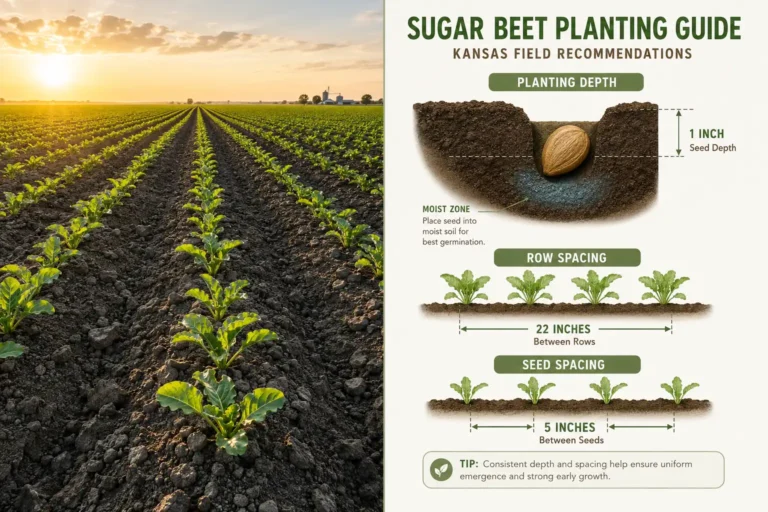
- Set depth shallow. Cover seed 1/4 to 1/2 inch deep, never past 3/4 inch. Deep seed comes up weak.
- Cultipack for contact. Roll the plot with a cultipacker or drive an ATV over it. Good seed-to-soil contact drives germination.
- Fertilize by the test. Apply what your soil sample calls for. With no test, many growers broadcast around 300 to 400 pounds of 13-13-13 per acre at planting.
- Top-dress nitrogen. A few weeks in, add urea (46-0-0) when leaves are dry and rain is coming. That boosts leaf and root growth.
For the full agronomy from seedbed to storage, see this guide on growing sugar beets. It goes deeper on stand counts, spacing, and moisture than a food plot needs.
Mistakes That Cost You Deer on a Beet Plot
Avoid these common errors, since each one shrinks the plot or the draw:
- Planting too late. Beets that miss the 90 to 100 day window grow small roots. So respect your frost countback.
- Seeding too deep. Beet seed is small and weak from depth. Keep it under 3/4 inch.
- Skipping the soil test. Low pH stunts beets fast. Test and lime before you plant.
- Letting weeds win. Beets are poor competitors. A weedy plot fails, so clean the ground first.
- Wrong soil. Heavy clay and pure sand both hurt roots. Pick loose, well-drained dirt.
- Plots too small. A tiny plot gets grazed to dirt before season. Go bigger, or fence part of it to hold beets for the rut.
- No rain timing. Dry planting leaves patchy stands. Plant ahead of a rain.
Bottom Lines
Here is what to do. Beet plots should be planted the first half of July in northeast growing regions. That puts full roots in the ground by mid-October, right before first frosts sweeten them. Deer graze the tops through early fall, then dig the roots hard once the cold hits. Match your own date to your first hard freeze, keep the seed shallow, and get your pH right. Do that, and beets will hold deer on your ground into winter.