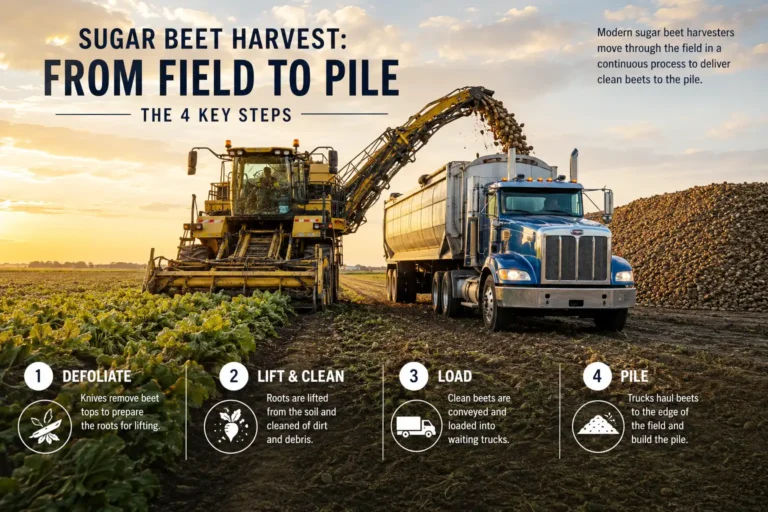
How to Grow Sugar Beets: 7 Simple Secrets for High Sugar Yields
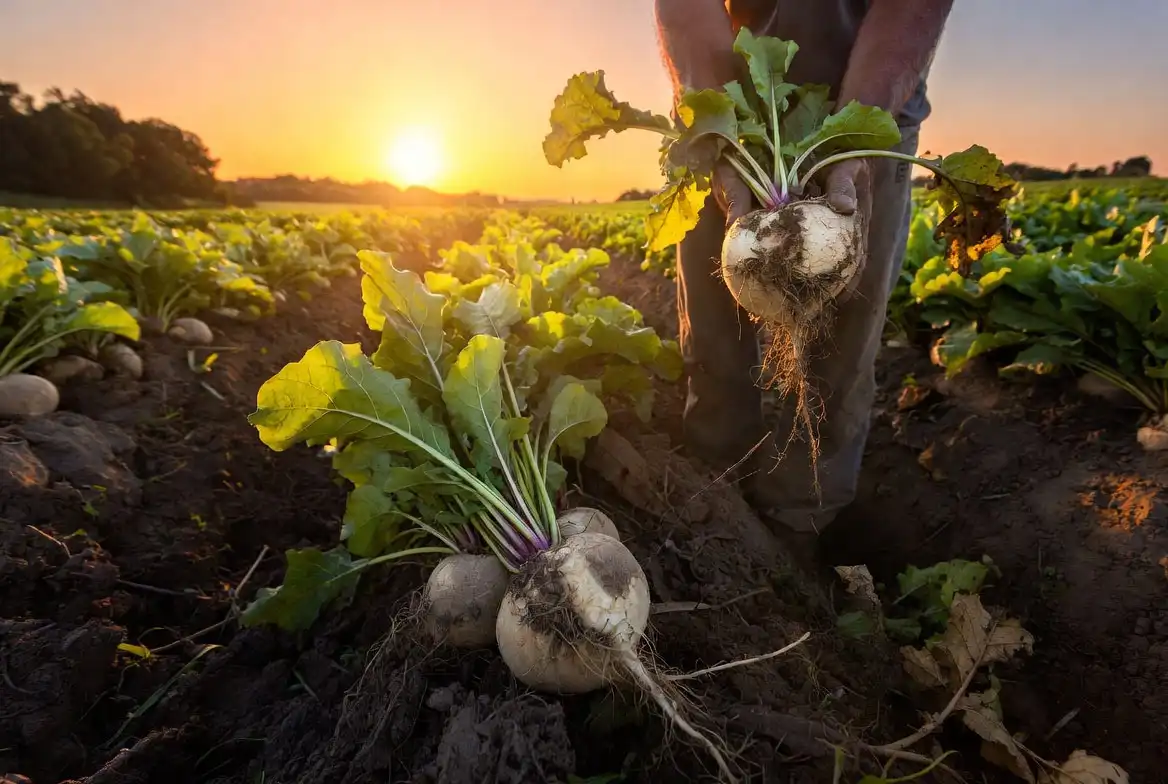
Sugar beets grow best when you plant into a firm, moist seedbed, build an even stand, and protect the crop from weed pressure and early moisture stress. This guide covers the full job from choosing a field or garden bed and setting pH, through planting depth and spacing, to irrigation, fertility, scouting, harvest, and storage. Use it to plan a home patch or a larger block, then fine-tune timing with your local soil temperature and frost pattern.
Plant sugar beet seed 0.75 to 1.5 inches deep in a firm, moist seedbed once soils support steady germination. Keep moisture even through emergence, then stay ahead of weeds until canopy closes. Manage nitrogen with a soil test so roots build sugar instead of excess tops. Harvest before hard freezes and handle roots gently to limit sugar loss.
What are sugar beets?
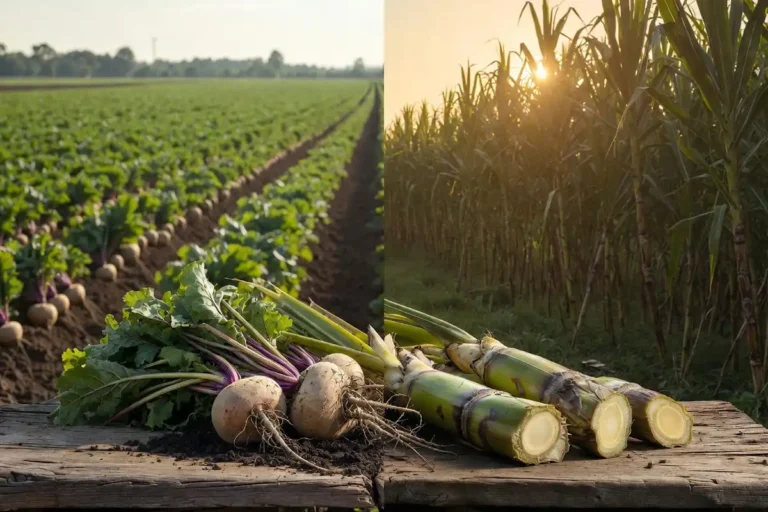
Sugar beet is a root crop (Beta vulgaris) that stores sucrose in the swollen root during its first season. Growers harvest roots in year one and avoid flowering, since the plant behaves as a biennial.
If you want the basics on the crop itself, see our complete overview of sugar beet 101.
When do you plant sugar beets?
Sugar beet seed starts germination around 5 to 6°C, and warmer soils around 10 to 12°C support faster, more uniform emergence.
For practical scheduling, plant when the soil is workable, the seed zone holds moisture, and the forecast avoids a hard freeze right after emergence. If you want timing by season and region, use this guide on understanding when to plant sugar beets.
Where do sugar beets grow best?
Sugar beets prefer medium to slightly heavy, well-drained soils that let the taproot go deep without restriction. Soil compaction early in the season pushes forked or “sprangled” roots that cut yield and quality.
Stone-free ground reduces planting and harvest damage, which also protects storability and sugar recovery. Want to know more? Know where are sugar beets grown exactly.
What soil pH and soil test targets support sugar beets?
Sugar beets perform poorly on acidic soil, and low pH below about 5.5 limits growth.
Several extension and production references place productive sugar beet soils in a roughly neutral to mildly alkaline band, often noted around pH 6.0 to 8.0.
Start with a soil test so you correct pH, phosphorus, potassium, and nitrate-nitrogen before planting. This walkthrough on soil testing for farming fits sugar beets well.
A complete guide to learn how to you grow sugar beets
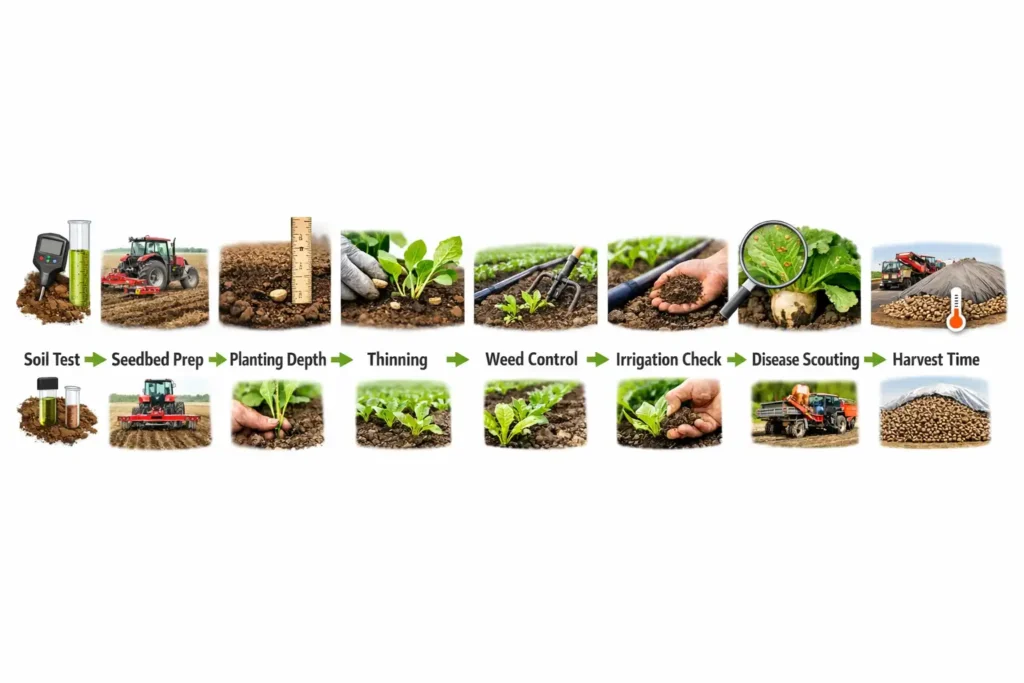
Step 1: Choose a clean field and plan rotation
Pick ground with good drainage, low stones, and low compaction risk.
Rotate away from beet relatives and manage beet-host weeds to reduce carryover disease inoculum. Cercospora survives on infected residue and can also move from related weeds and crops like chard, spinach, and table beets.
Step 2: Build a firm, level seedbed
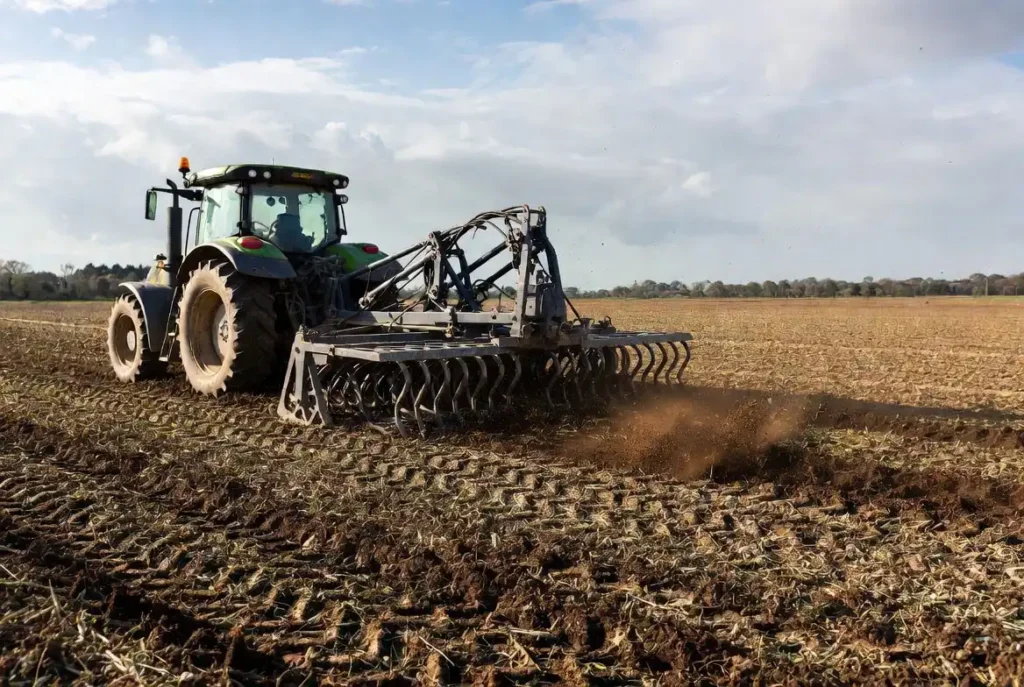
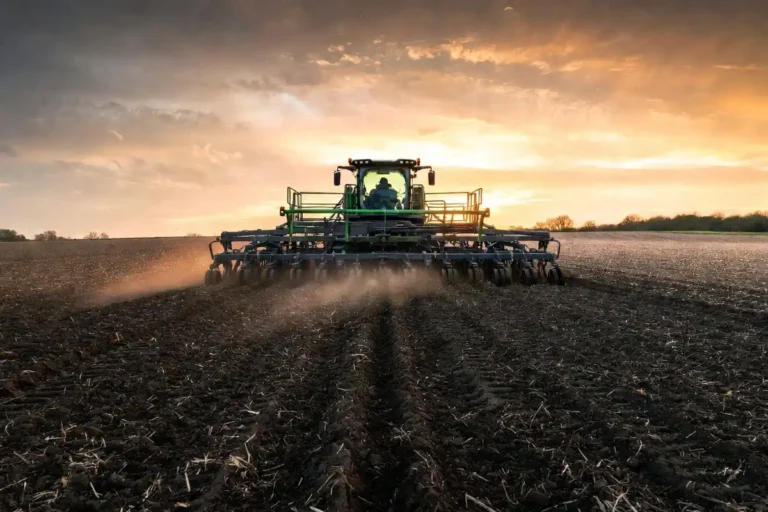
Sugar beets start best on a level, firm seedbed that holds moisture and supports seed-to-soil contact.
Extension guidance stresses shallow spring tillage (about 1 to 2 inches) and fast planting after tillage to prevent seedbed drying.
Field check: Walk the seed zone. If the top crust powders and the layer below feels dry, wait for moisture or irrigate preplant if you have that option.
Step 3: Plant at the right depth
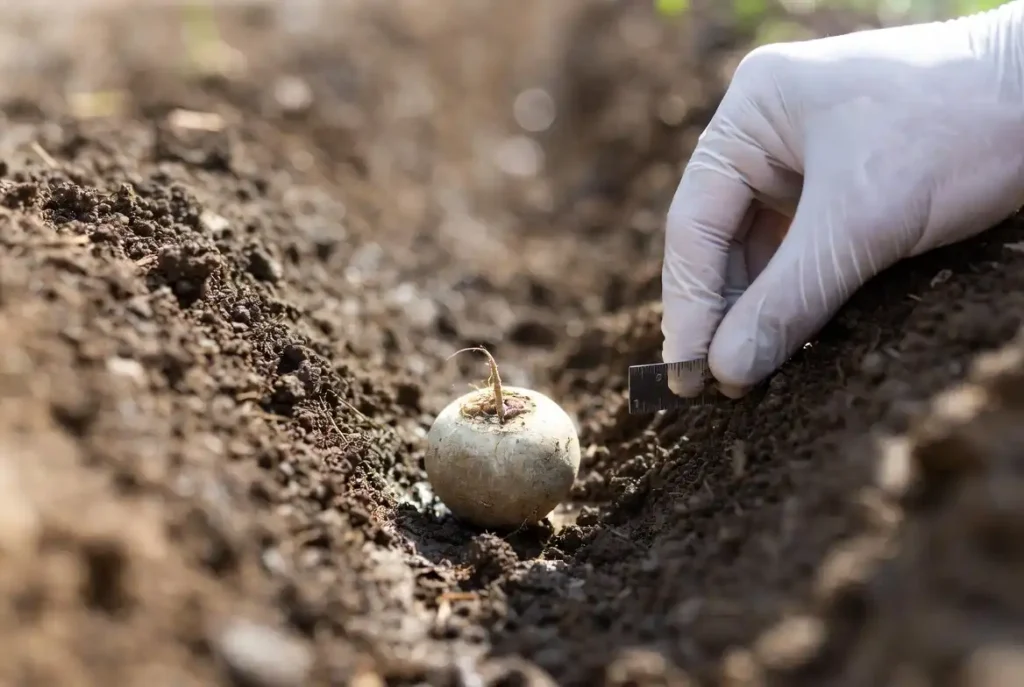
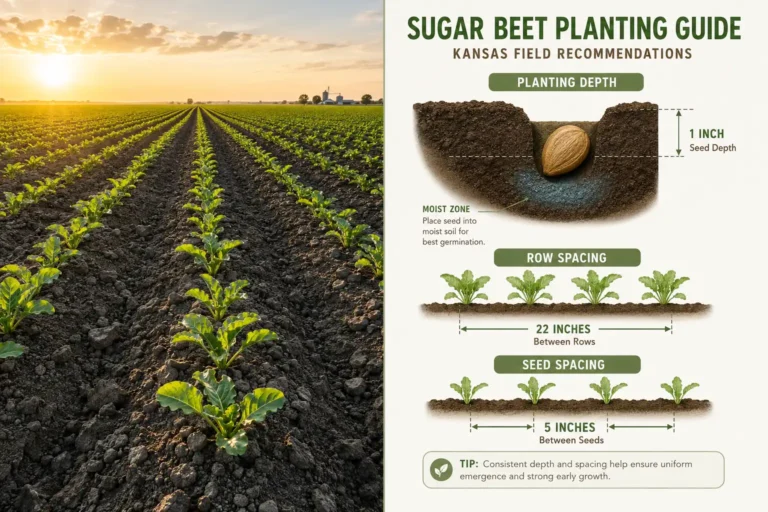
Place seed 0.75 to 1.5 inches deep.
Planting deeper than 1.5 inches increases uneven emergence risk and weakens early stands.
Step 4: Set spacing to build a uniform stand
Uniform spacing drives uniform roots, easier harvest, and steadier sugar. Narrower row spacing often improves yield and weed competition compared with wide rows.
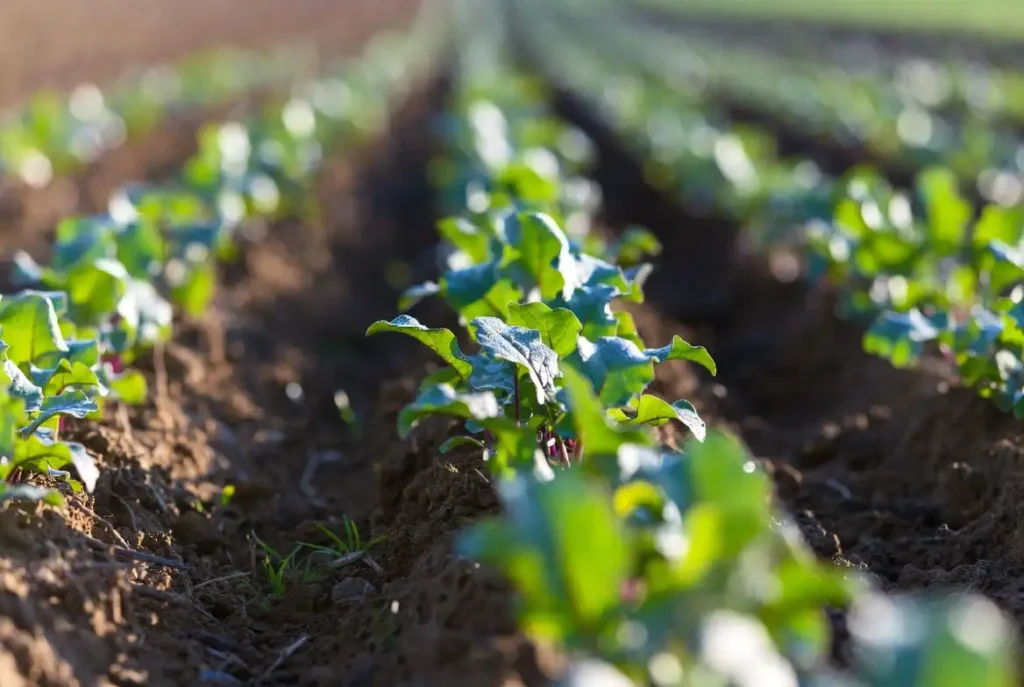
A common field-scale target is an even plant population at harvest. One extension reference lists 30,000 to 40,000 uniformly spaced plants per acre as a productive range.
For garden beds, thin plants to a steady in-row spacing near 20 to 25 cm (about 8 to 10 inches) to let roots size without crowding.
For more spacing help across crops, use this guide on plant spacing.
Step 5: Fertilize for sugar, not just tops
Sugar beet quality depends on both root tonnage and sucrose concentration. Nitrogen drives canopy growth, but excess nitrogen lowers sucrose content and raises impurities that reduce recoverable sugar.
Use a soil test nitrate value to set nitrogen rate, and avoid “insurance” nitrogen without data.
Starter placement safety: Sugar beet seed and seedlings react to fertilizer salts. Keep high-rate nitrogen or potassium away from direct seed contact.
Step 6: Irrigate to protect emergence and early growth
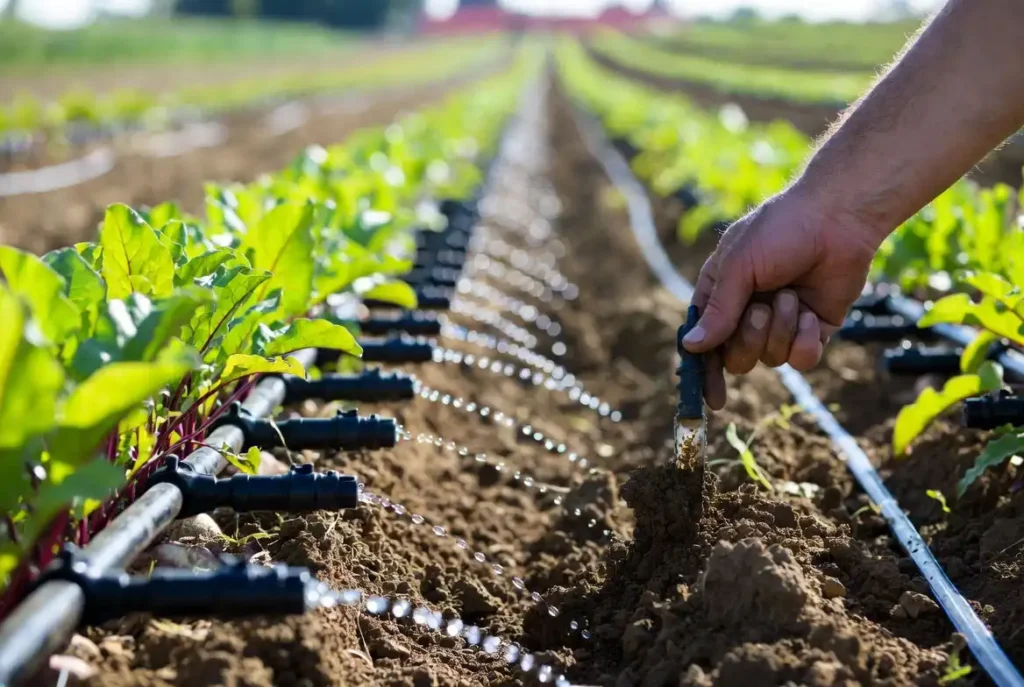
Sugar beets show high sensitivity to water deficits at emergence and for about a month after emergence.
During that early window, frequent light irrigation helps maintain moisture, reduce crusting, and protect stand establishment.
Later in the season, avoid both drought stress and over-irrigation. Research and grower guidance note that excessive irrigation can raise yield while reducing quality and sugar ratio.
Field check: Dig 2 to 4 inches deep after irrigation. Moist soil should crumble, not smear, and it should not smell sour.
Step 7: Control weeds early and consistently
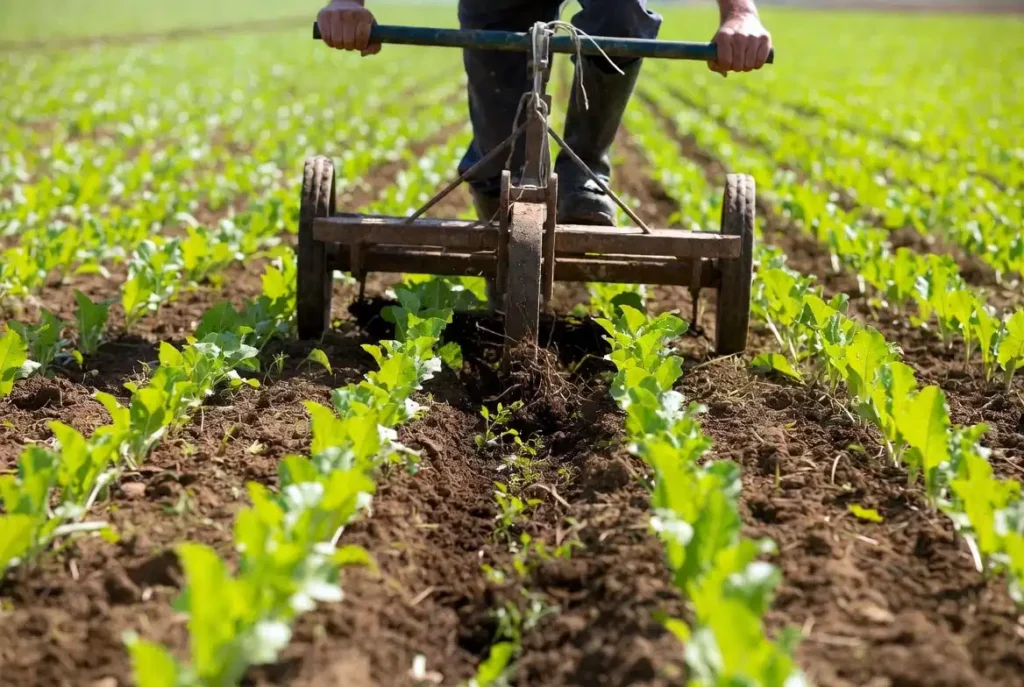
Sugar beet competes poorly with weeds until the canopy closes, so early weed control protects yield and sugar.
Treat weed work as a schedule, not a reaction:
- Start clean at planting.
- Knock back flushes early, before weeds shade small beets.
- Keep the row zone open until canopy closure.
For broader tactics, see this guide on weed control in farming.
Step 8: Scout for pests and diseases and respond fast
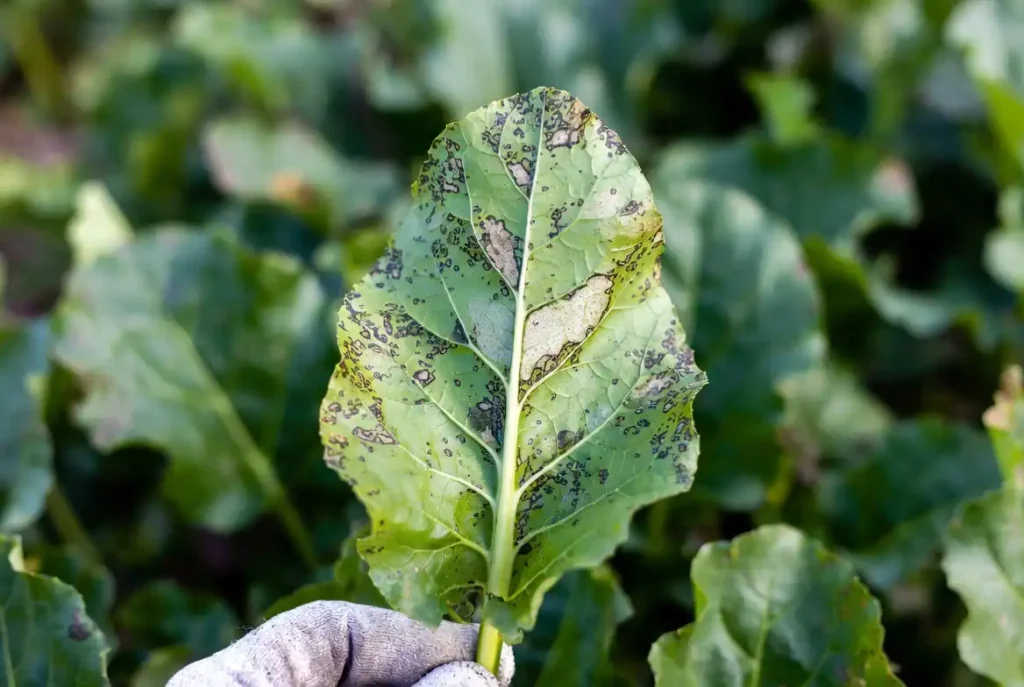
Cercospora leaf spot ranks as a major foliar disease, and documented losses can approach 40% in susceptible situations.
Conditions that favor Cercospora include long leaf wetness periods (over 11 hours) and high humidity, with warm nights above 60°F.
Practical management centers on:
- Resistant varieties when available.
- Scouting older leaves first.
- Fungicide programs that rotate modes of action when labels and local recommendations call for sprays.
Solutions that raise stand, root size, and sugar
Poor emergence and skips
A firm seedbed, correct depth, and steady moisture solve most emergence problems. Planting too deep and seed-zone drying create the most avoidable gaps.
Forked or misshapen roots
Deep compaction, clods, and restricted rooting drive forked roots. Reduce compaction risk, keep traffic controlled, and prepare a uniform seed zone.
Big tops but low sugar
Excess nitrogen pushes leaf growth and reduces sucrose concentration and extraction quality. Use soil nitrate testing and match nitrogen to yield goals and field history.
Troubleshooting guide
Why do seedlings stall at the cotyledon stage?
Seedlings stall when the surface crust seals moisture and oxygen. Light irrigation to soften crust and careful mechanical crust breaking helps, especially on fine-textured soils.
What causes leaf spots that spread fast in mid-season?
Cercospora leaf spot creates small circular lesions with ash centers and dark borders, and it accelerates under high humidity and long leaf wetness.
Why do beets rot in storage?
Storage rot rises after bruising, broken tips, and freezing injury. Keep piles cool but above freezing and reduce harvest damage so wounds do not invite pathogens.
Mistakes that cut sugar beet yield and quality
Planting too deep causes weak emergence and uneven stands.
Skipping the soil test leads to pH drift and fertilizer imbalance, which shows up as poor stands or excess canopy.
Letting weeds get ahead early costs yield because young beets lose the light battle before canopy closure.
Overapplying nitrogen reduces sucrose content and raises impurities that cut recoverable sugar.
Running equipment on wet soil builds compaction that forks roots and reduces marketable yield.
How long do sugar beets take to grow?
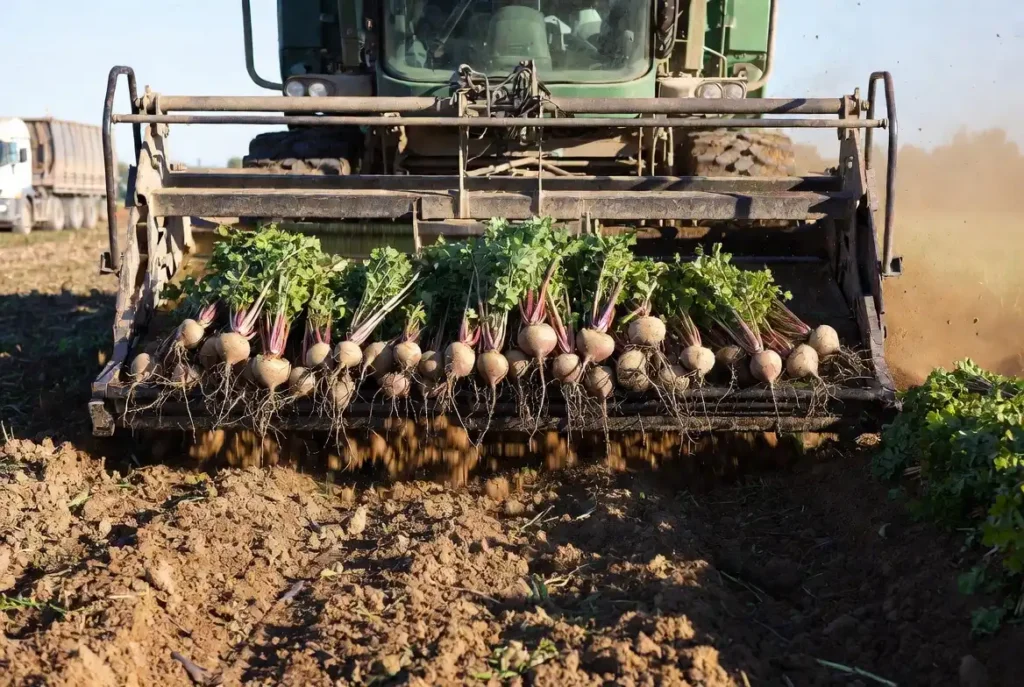
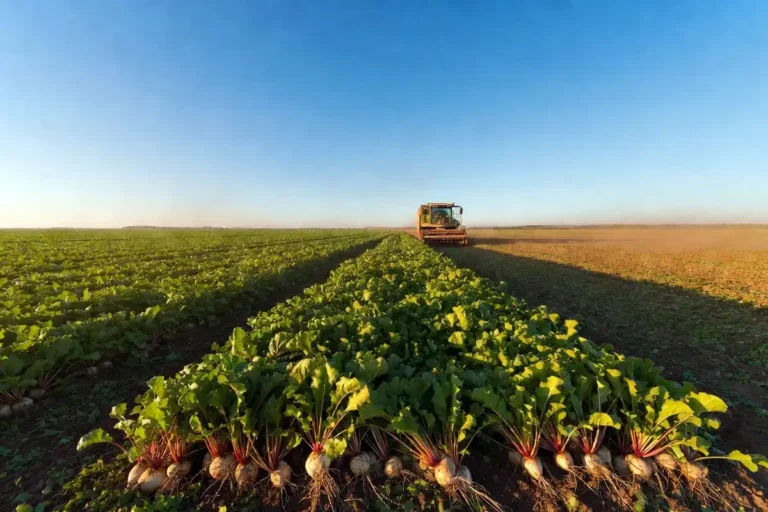
Sugar beets need a long season, often around 140 to 160 days and sometimes up to 200 days depending on climate and variety.
Harvest timing balances three realities:
- Roots keep gaining when conditions stay favorable.
- A hard freeze stops growth and increases damage risk.
- Rough harvest handling increases storage loss and sugar loss.
For harvest decision checks you can use across crops, see know when to harvest crops.
How do you store sugar beets after harvest?
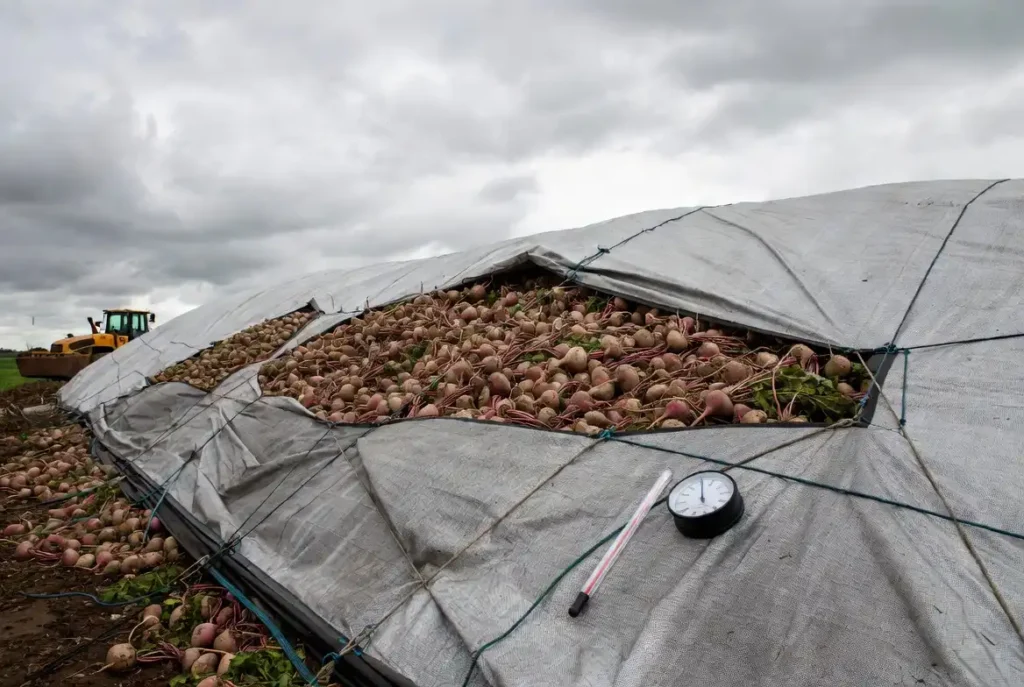
Handle roots like eggs, not rocks. Bruises and broken tips raise decay and sugar loss.
Keep beets as cool as practical while staying above freezing, and avoid frost exposure in the pile.
If you store roots at small scale, keep them cool, dark, and humid enough to limit shrivel. Remove damaged roots first so rot does not spread.
Safety notes for planting, spraying, and harvest
Wear eye protection and gloves around seed treatments, fertilizers, and dust.
Use guards and lockout procedures when you service planters, cultivators, and harvest equipment.
If you use pesticides, follow the label, wear the PPE listed on the label, and keep people and animals out of treated areas until re-entry intervals pass.
Lift and stack roots with safe posture and mechanical help. Beet piles create pinch points fast.
Final Words
Sugar beets reward steady fundamentals: a firm seedbed, correct planting depth, early weed control, balanced nitrogen, and consistent moisture through emergence. Start with soil pH and drainage, build a uniform stand, scout leaves in mid-season, and harvest before hard freezes. When you protect roots from bruising and freezing, you protect the sugar you worked all season to grow.