What Is Jasberry Rice? The Purple Grain Out of Thailand
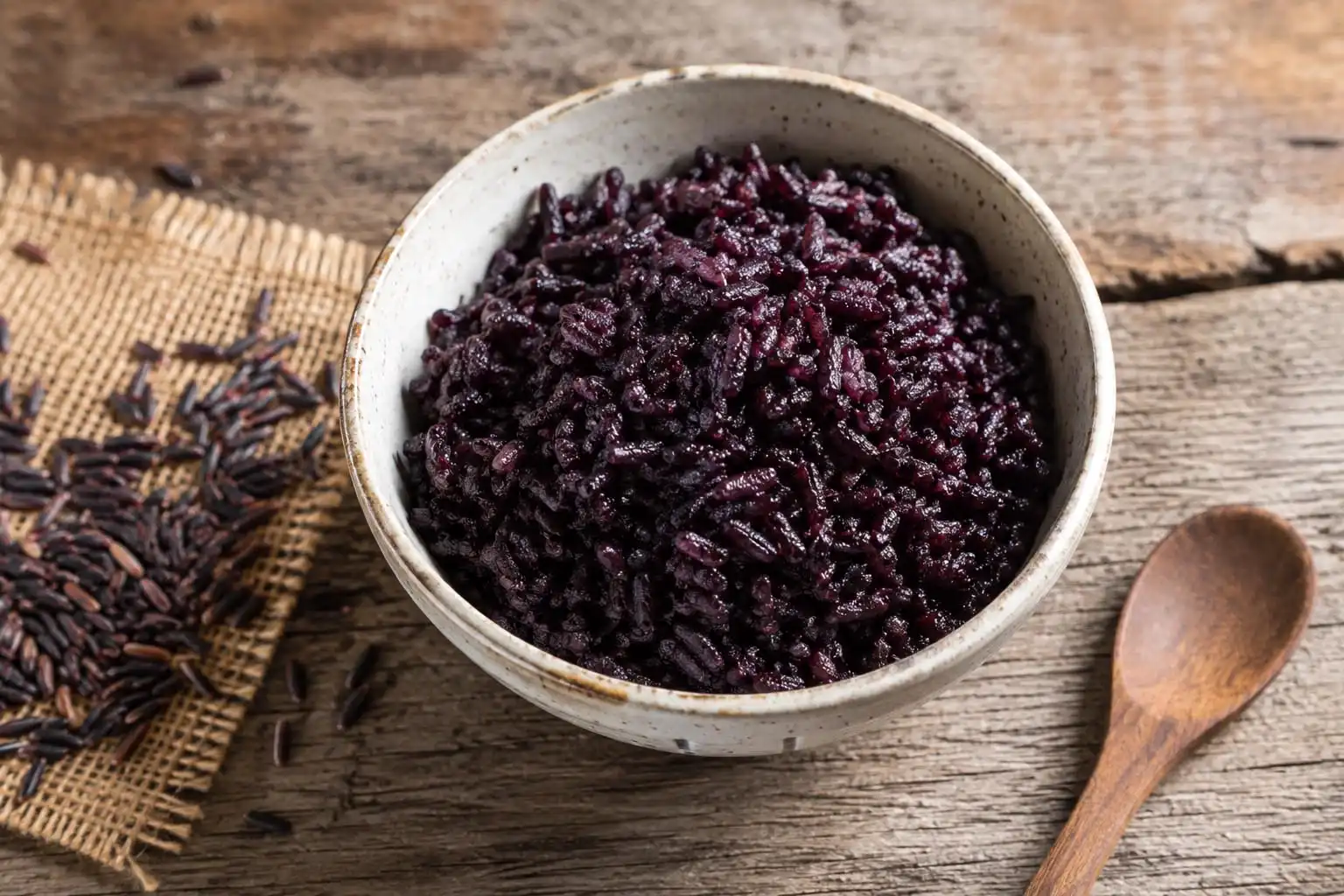
Jasberry rice is the dark purple grain that keeps showing up in health food aisles and superfood lists. Most folks see the color first and ask what is Jasberry rice, where it comes from, and whether the nutrition claims actually hold up. Here is the straight answer.
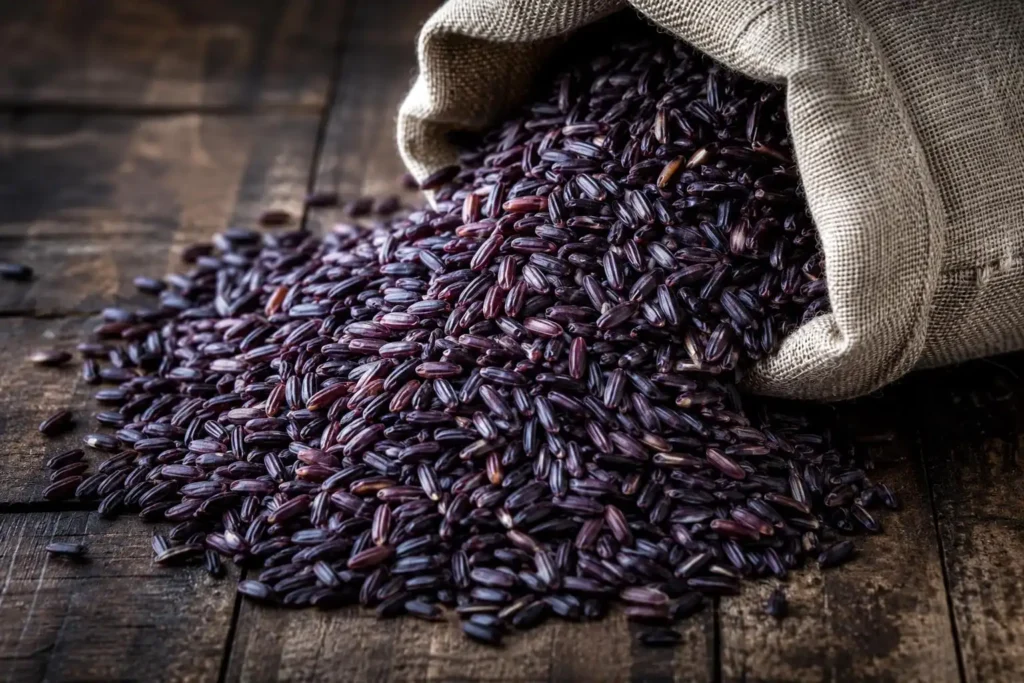
Jasberry rice is a trademarked dark purple rice variety from Thailand, developed by natural cross-breeding over more than a decade. It is organic, non-GMO, whole grain, and rich in anthocyanin antioxidants that give it its deep berry color.
Where Jasberry Rice Comes From
Jasberry rice comes from Thailand, where a social enterprise called Siam Organic developed it through natural cross-breeding over more than ten years. The “Jas” in the name pulls from Thai Jasmine rice, and the “Berry” points to the antioxidant content found in dark berries.
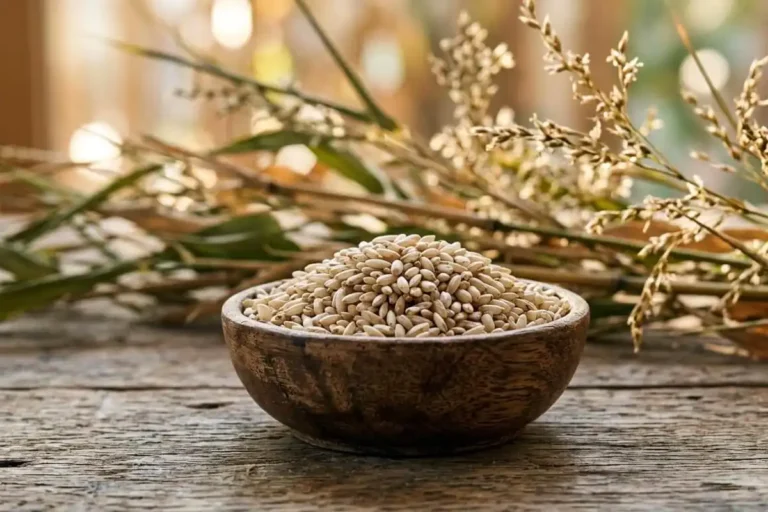
It is not a wild rice and not a landrace. Breeders crossed pigmented rice lines with aromatic jasmine varieties to land on a grain that carries deep purple color along with the soft, fragrant eating quality jasmine is known for. That breeding work is what separates Jasberry from older Asian purple rice types, like the ones used to grow wild rice in ponds and lakes.
What Makes Jasberry Rice Different
Jasberry rice stands apart because of three traits: color, antioxidant load, and breeding origin. The deep purple comes from anthocyanin, the same plant pigment that colors blueberries, blackberries, and red cabbage. Most rice on the market is white or light brown. Jasberry holds its purple even after cooking.
It is also certified organic by both USDA and EU standards, and the company markets it as non-GMO. Farmers grow the crop without synthetic pesticides or fertilizer, which lines up with how a lot of consumers want their grains produced today. If you want a deeper read on organic rice certification, check this out in a separate article.
Siam Organic trademarks the variety. That means Jasberry-branded rice comes from a specific supply chain tied to the company and its contracted Thai smallholder farmers. Other purple or black rice varieties exist, including Chinese forbidden rice and Indonesian black rice, but those are not Jasberry.
How Jasberry Rice Is Grown
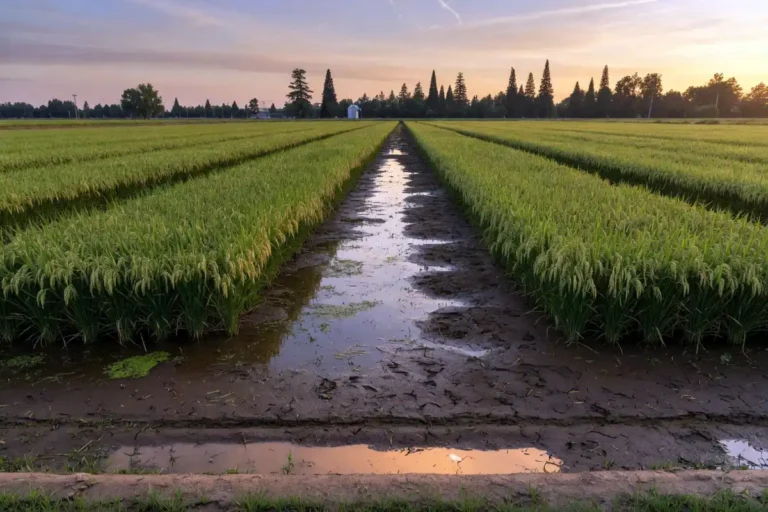
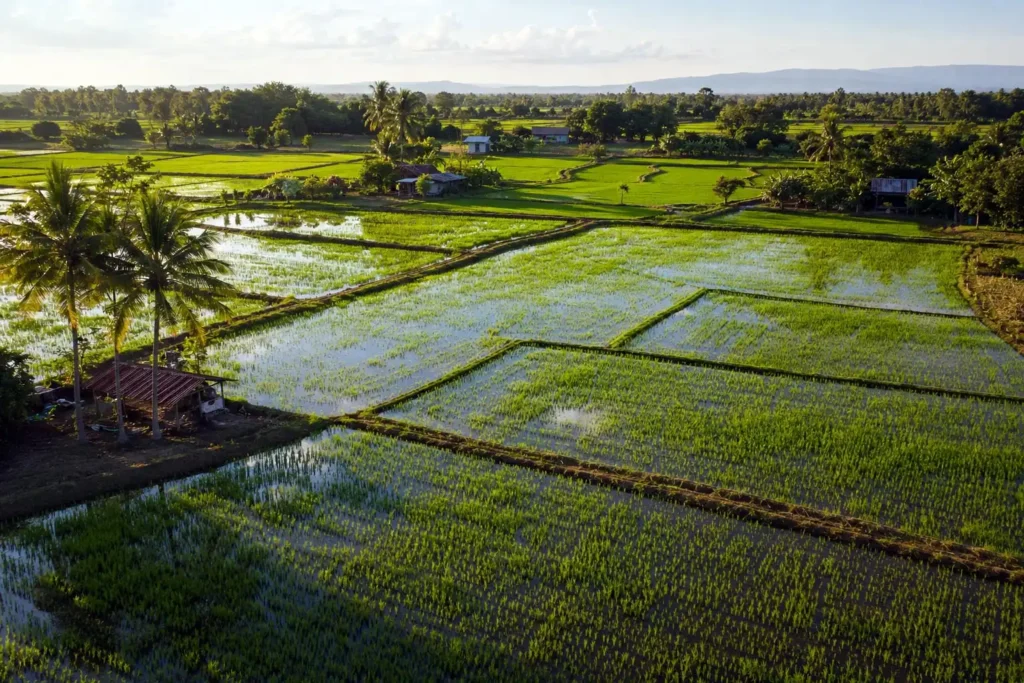
Farmers grow Jasberry rice in flooded paddies across northeast Thailand, mostly in the Isaan region. The farms are small, often under 10 acres, and the rice runs on a single annual cycle keyed to monsoon rains. Farmers transplant seedlings into flooded fields by hand and harvest with small combines or by hand.
The paddy method matters here. If you have ever wondered why rice paddies are flooded, it ties directly to weed suppression and water management, both critical for organic Jasberry production. Siam Organic contracts directly with the farmers and pays a premium well above the local commodity price. That direct-trade model is part of the brand’s pitch and one of the few rice supply chains where the grower-to-shelf path is fully transparent.
From a farming standpoint, the practices are traditional Asian paddy methods, not the kind of large-scale grain operation.
Nutritional Profile of Jasberry Rice
A quarter-cup dry serving of Jasberry rice runs roughly 170 to 184 calories. The macros sit around 81 percent carbohydrates, 9 to 10 percent protein, and 9 to 11 percent fat. It is gluten-free and a source of manganese, magnesium, phosphorus, and zinc.
The headline nutrient is anthocyanin. The brand reports an ORAC value of 13,370 µmol TE per 100 grams, well above standard brown rice. It also carries Vitamin E and beta-carotene. Peer-reviewed research on pigmented whole-grain rice supports the general antioxidant story, even if the specific brand multipliers (“40 times more than brown rice”) are company-published figures.
Organic certification adds another layer of confidence. The USDA National Organic Program sets the standards Jasberry products meet for imported organic grain.
How to Cook Jasberry Rice
You cook Jasberry rice like jasmine rice. Use a 1:2 ratio of rice to water. Bring it to a boil, drop to a simmer, and cook covered for about 25 minutes. Then rest covered for 10 minutes off the heat.
Do not rinse it before cooking. The anthocyanins are water-soluble, so rinsing washes the purple color and most of the antioxidants down the drain. Soaking is not necessary either. The grain cooks soft and aromatic without any pre-treatment.
It works in any dish where you would use brown jasmine: stir-fry, grain bowls, salads, congee, even sushi-style preparations. It holds its texture when cold, so it does well in meal prep.
How Jasberry Rice Compares to Other Specialty Rices
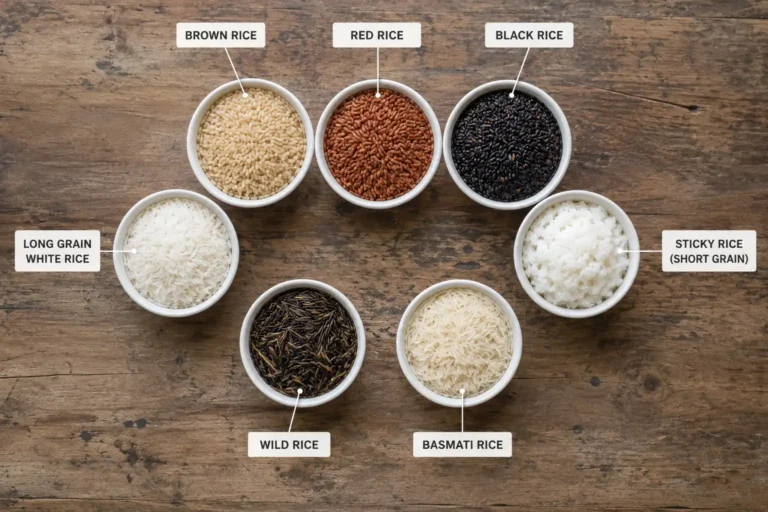
Jasberry sits in the pigmented whole-grain rice category alongside black rice, red rice, and other purple varieties. Against Chinese black rice (forbidden rice), Jasberry is softer and more aromatic. Against brown jasmine, Jasberry carries more antioxidants and roughly the same cooked texture.
It is also different from medium-grain types like Calrose. If you want context on where Calrose rice grows and how it is used, our guide covers that separately. Jasberry is closer in concept to the emerging market for regenerative rice and specialty pigmented grains than to commodity rice.
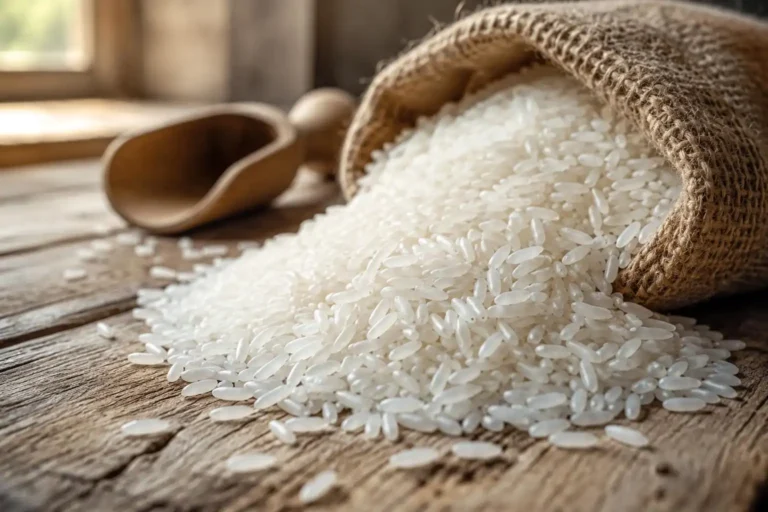
It is also distinct from basmati. For background on basmati rice origins, that is a separate post worth reading if you cook a lot of long-grain rice.
Is Jasberry Rice Worth Buying
Jasberry rice is worth buying if you want a whole-grain rice with proven antioxidant content, real organic certification, and a transparent supply chain. It costs more than commodity brown rice. For daily use as a staple grain, that price gap matters. For a couple of meals a week as a nutrition upgrade, it pencils out for most households.
If you eat rice every day and your budget is tight, mixing Jasberry with brown jasmine (or buying the Jasberry blend the company already sells) gives you most of the benefit at a lower per-serving cost.
FAQs
Is Jasberry rice GMO?
Where can I buy Jasberry rice?
Does Jasberry rice need to be rinsed?
Is Jasberry rice the same as black rice?
Last Notes
Jasberry rice is a traceable, organically grown grain with a real nutritional edge over standard rice. The marketing leans hard on superfood language, but the underlying product holds up. From a farmer’s seat, the Jasberry model is a useful case study in how a branded, premium-priced variety paired with a tight supply chain can carve out shelf space at full margin. From a cook’s seat, it is just good rice with extra color and antioxidants. Both angles work.