Where Is Calrose Rice Grown? 7 Facts Most Buyers Don’t Know
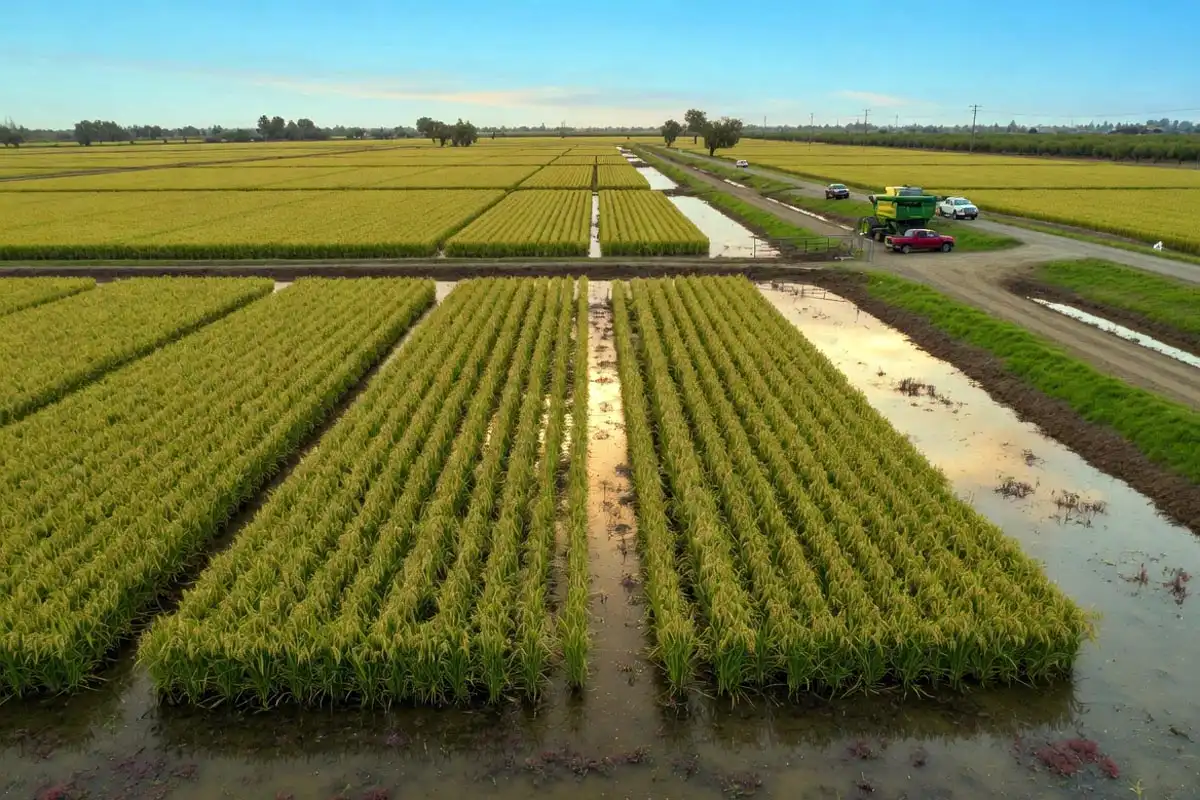
People ask me about Calrose rice all the time, usually after spotting it on a bag at the grocery store. Where is Calrose rice grown? The short answer is California. The longer answer explains why it works there and almost nowhere else in the country.
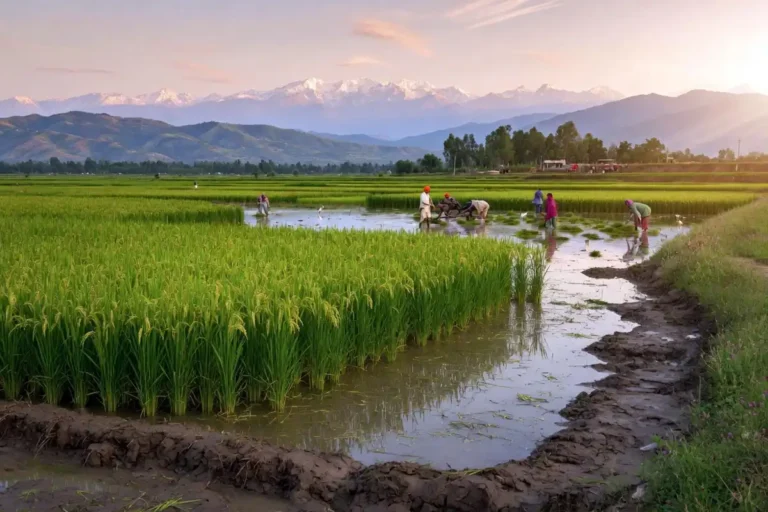
Calrose rice is grown almost entirely in California’s Sacramento Valley, where about 95% of state rice acreage is planted to medium-grain varieties like Calrose. Smaller plantings exist in Australia’s Riverina region, Egypt, and Turkey.
What Calrose Rice Actually Is
Calrose is a medium-grain japonica rice developed at the Rice Experiment Station in Biggs, California, and released in 1948. The name combines “California” and “rose.” It cooks soft, slightly sticky, and holds together well, which is why it shows up in sushi, risotto-style dishes, and standard table rice across the western US.
That cooking quality is tied to a specific climate. You cannot plant Calrose in Arkansas or Louisiana and get the same crop. That is why the geography is so narrow.
Where Is Calrose Rice Grown in the United States?
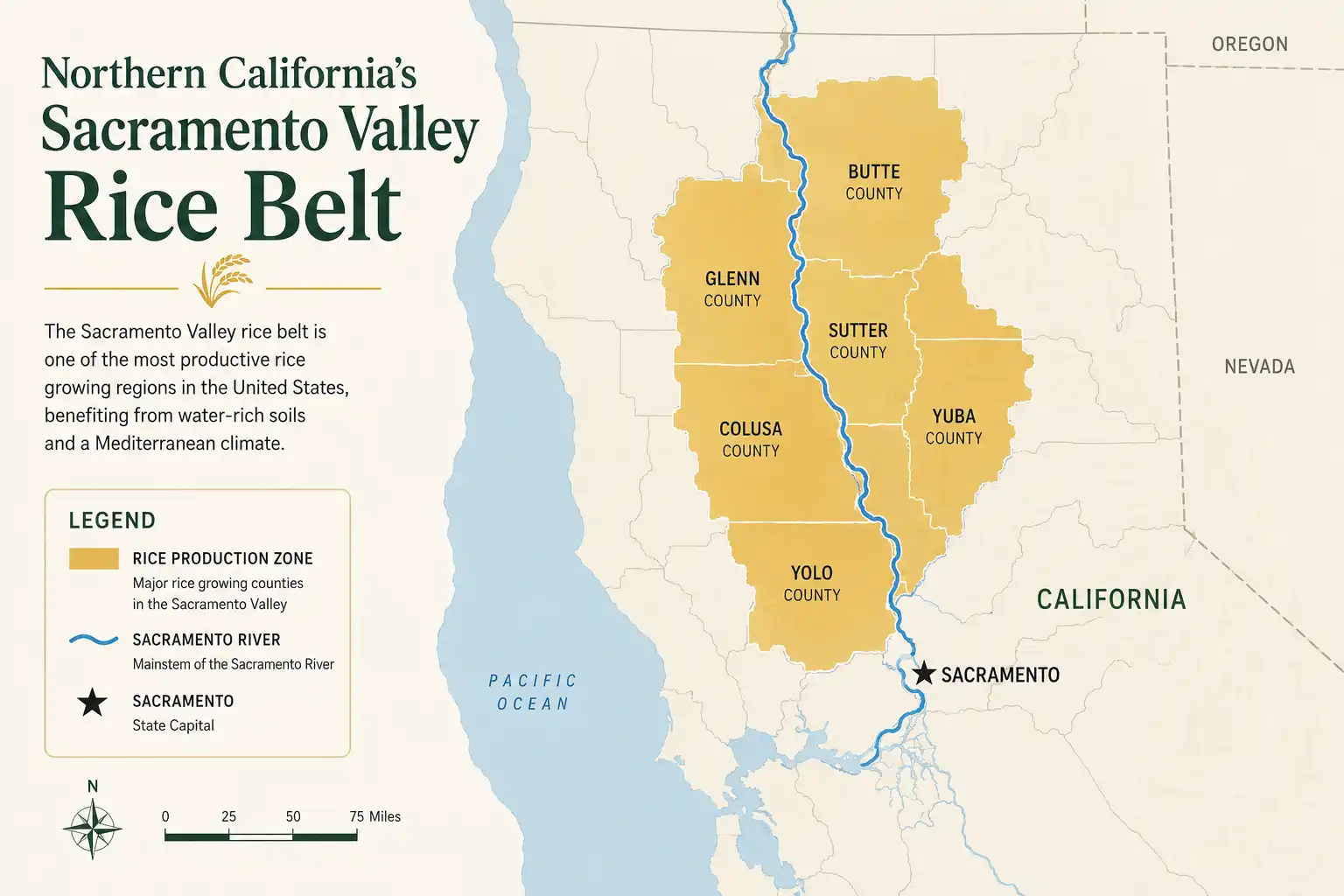
Calrose rice is grown almost exclusively in California, with the Sacramento Valley producing nearly the entire crop. California accounts for roughly 20% of total US rice production, and around 95% of that acreage is medium-grain, with Calrose and Calrose-type varieties leading the planting.
Sacramento Valley Is the Heart of It
The Sacramento Valley runs north of Sacramento through Sutter, Butte, Colusa, Glenn, Yuba, and Yolo counties. These six counties produce nearly all of California’s rice. Sutter, Butte, and Colusa alone account for the bulk of state acreage in most years.
The valley sits in a Mediterranean climate with hot, dry summers and a long frost-free season. Daytime highs from June through August often run 90 to 100°F, which Calrose loves. Nights stay warm enough to push grain fill without the cool snaps that hurt rice in cooler regions.
Why You Don’t See It in the South
Southern rice states (Arkansas, Louisiana, Mississippi, Missouri, and Texas) grow long-grain varieties suited to their warmer, more humid climates. Long-grain rice handles humidity and warm nights better. Medium-grain japonicas like Calrose struggle with the disease pressure and grain quality issues that come with southern summers. The Mid-South also lacks the heavy clay soils and water delivery system California built around its rice industry.
Where Else in the World Is Calrose Rice Grown?
Calrose is grown outside the US in Australia, with smaller plantings in Egypt, Turkey, and a few other Mediterranean-climate countries. The variety travels well to regions that mirror California’s conditions.
Australia’s Riverina Region
Australia’s Riverina region in southern New South Wales produces most of the country’s Calrose rice. Farmers there grow it under irrigation drawn from the Murray and Murrumbidgee rivers. SunRice, the main Australian rice cooperative, has been marketing Calrose since the 1950s, and Australian Calrose now competes with California Calrose in Pacific Rim export markets including Japan, South Korea, and the Middle East.
The Riverina works for the same reasons the Sacramento Valley does: hot summers, cool nights at the right time, flat land, and reliable irrigation.
Smaller Plantings Elsewhere
Egypt grows Calrose-type medium-grain rice in the Nile Delta, mostly for domestic use and regional export. Turkey produces some near the Black Sea coast. Spain and Italy grow related japonica varieties but typically use their own bred lines rather than true Calrose. The broader Latin American picture is covered in a piece on whether Mexico grows rice, which has had its own experiments with medium-grain production.
Climate and Soil Conditions Calrose Needs
Calrose needs four things: a long warm growing season, reliable irrigation water, heavy clay soil, and a flat field that can be flooded. Take any one of those away and the crop falls apart.
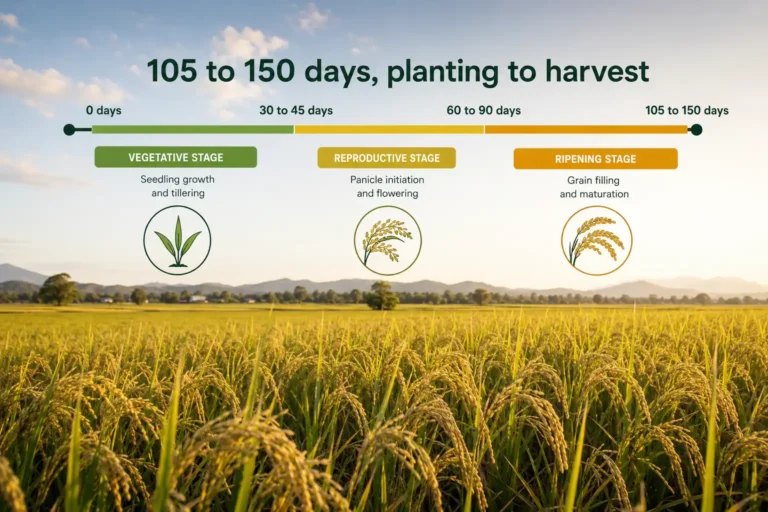
The Sacramento Valley delivers on all four. Snowmelt from the Sierra Nevada feeds reservoirs that release water through canals managed by irrigation districts. The valley floor is naturally heavy clay, which holds water in shallow paddies without endless seepage losses. The growing season runs roughly mid-April planting to early October harvest.
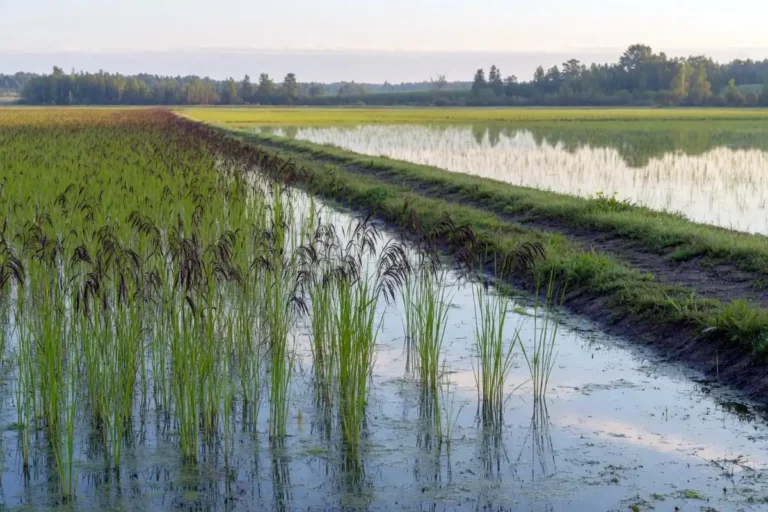
Rice fields staying flooded all season is a common question. It is not just tradition. Flooding controls weeds, regulates soil temperature, and gives the plant the anaerobic root conditions it prefers. The reasons in detail is covered in a piece on flooded rice paddies.
How California’s Rice Belt Operates
California’s rice industry is concentrated, organized, and tightly tied to water policy. The California Rice Commission represents growers, and most acreage moves through cooperatives or major millers. Planting is done almost entirely by air, with seed pre-soaked and dropped from low-flying planes into flooded fields. Harvest runs September into October using specialized combines that handle wet stubble and soft ground.
Yields average around 8,500 to 9,000 pounds of rough rice per acre, which is among the highest in the world. That number reflects improved cultivars like M-206 and M-209, careful nitrogen management, and a climate working in the farmer’s favor. The University of California rice research program publishes detailed cultivar trials and management guides each year.
Water remains the limiting factor. In drought years, rice acreage drops sharply as growers fallow fields or shift to less water-intensive crops. In wet years, California plants close to 500,000 acres of rice. And in bad drought years, that number can fall below 300,000. A growing share of California acreage is also enrolled in sustainability programs, and some of that production hits retail shelves as regenerative rice.
FAQs About Where Calrose Grows
Is Calrose rice grown anywhere outside California in the US?
Is all California rice Calrose?
Can I grow Calrose rice in my backyard?
Where does Calrose rice come from originally?
Is Calrose the same as sushi rice?
What This Looks Like in Practice
If you are shopping for Calrose, you are buying a California crop with rare exception. If you are thinking about growing it, you need California conditions or something very close to them. The variety is locked to its climate, and that is the whole story.