What Is Regenerative Rice? Soil, Yield, and Profit Breakdown
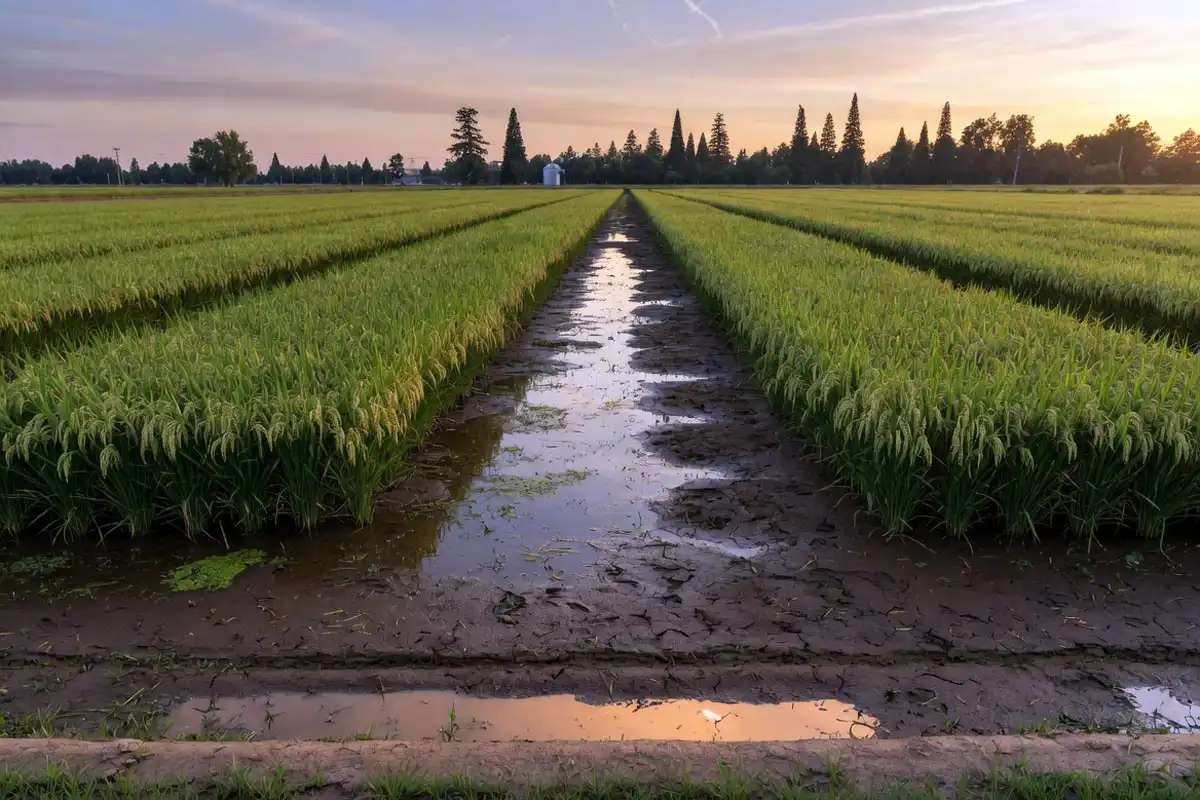
Rice farming carries a heavy footprint. Flooded paddies release methane, fields lose organic matter, and input bills keep climbing. So what is regenerative rice, and how does it shift that picture? It’s a soil-first system that’s quietly gaining ground across US rice country.
Regenerative rice is a farming system that rebuilds soil health while producing rice. It relies on cover crops, reduced tillage, alternate wetting and drying, and lower synthetic inputs to cut methane, restore soil biology, and protect long-term yield.
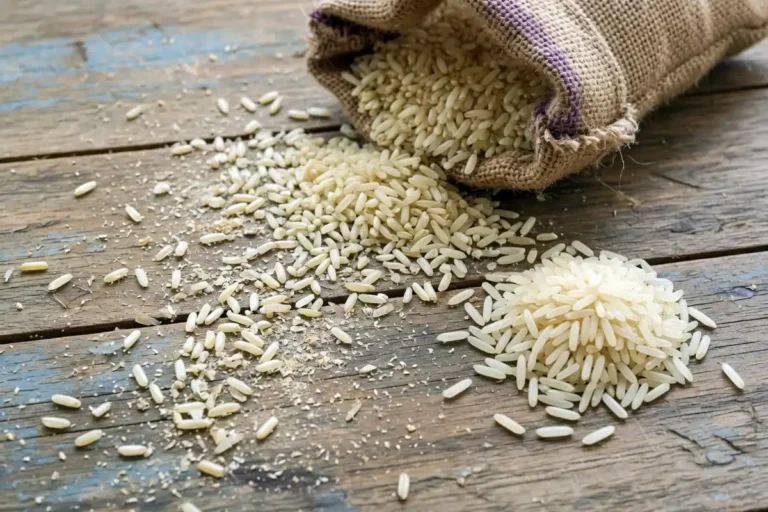
Also know about three rice: Broken Rice, Brewers Rice, and Bamboo Rice
What Is Regenerative Rice in Practical Terms?
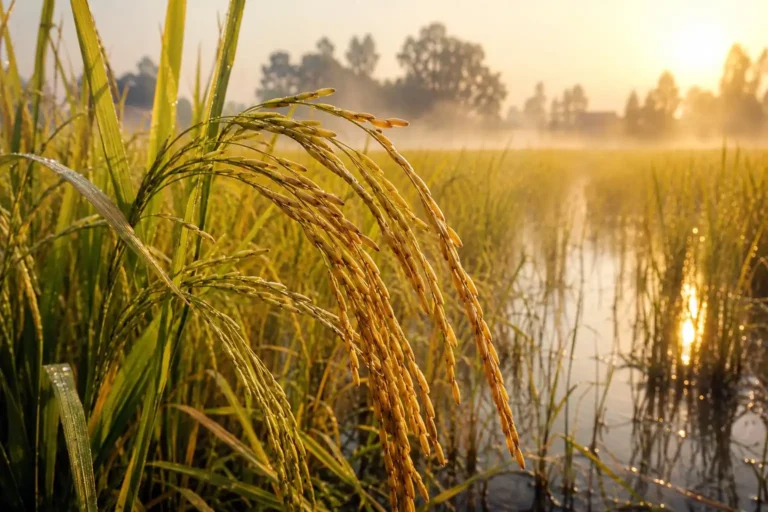
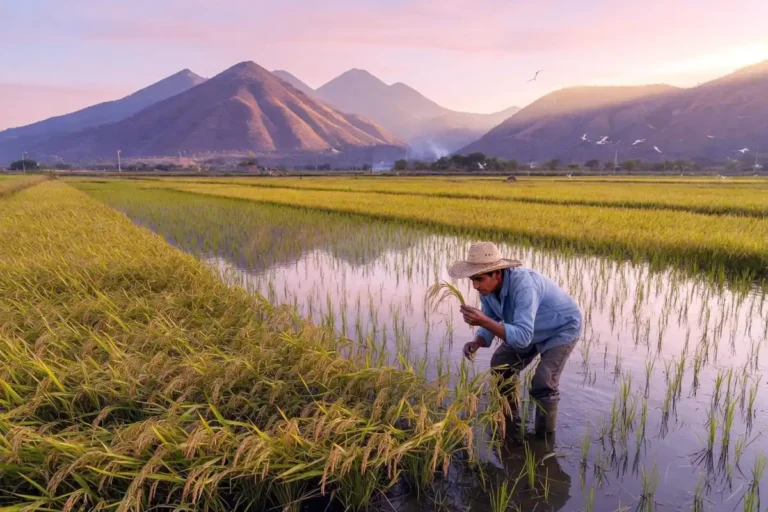
Regenerative rice is rice grown using practices that leave the soil and watershed in better condition each season. The goal isn’t just a clean harvest. It’s measurable gains in soil organic matter, water-holding capacity, and on-farm biodiversity over a five to ten year window.
It draws from regenerative agriculture’s core principles: minimize disturbance, keep living roots in the ground, cover the soil, increase plant diversity, and bring biology back into the system. Rice fits that framework less naturally than corn or soybeans because of the flooded paddy. So regenerative rice growers adapt those principles to wet-field conditions.
How Regenerative Rice Differs From Conventional Rice
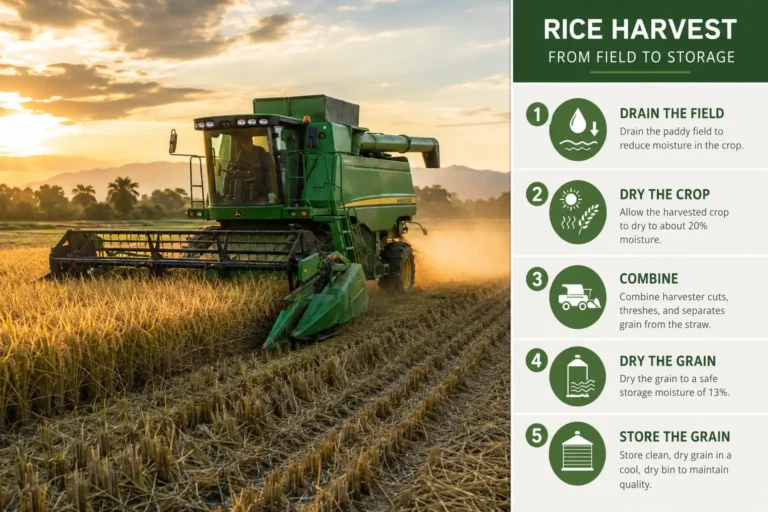
Conventional US rice runs on continuous flood irrigation, heavy synthetic nitrogen, repeated tillage, and a fallow winter. It produces well, but it burns through soil carbon and pumps out methane.
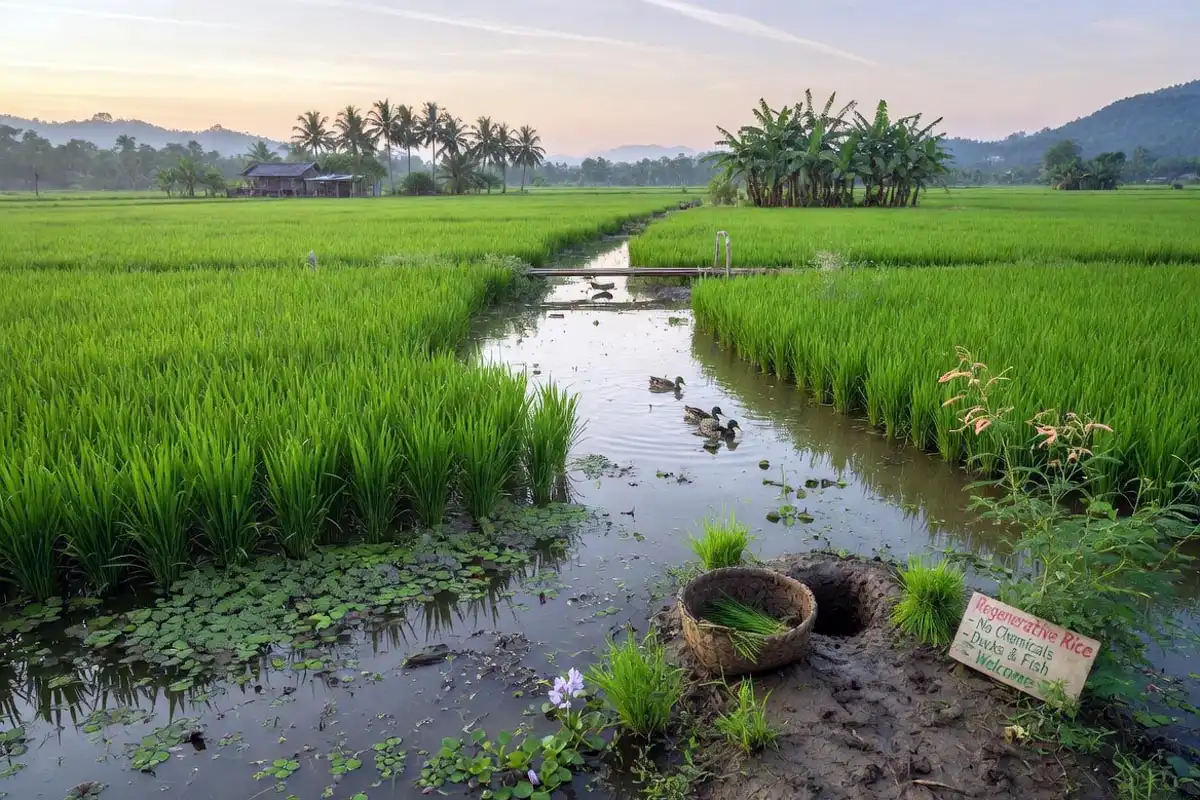
Regenerative rice flips those defaults. Flooding is shortened or pulsed. Nitrogen comes partly from legume cover crops. Tillage is cut back or skipped. The winter fallow is replaced with a living crop. Yields stay competitive once the system matures, and input costs usually drop after the first two seasons.
Core Practices That Define Regenerative Rice
Alternate Wetting and Drying (AWD)
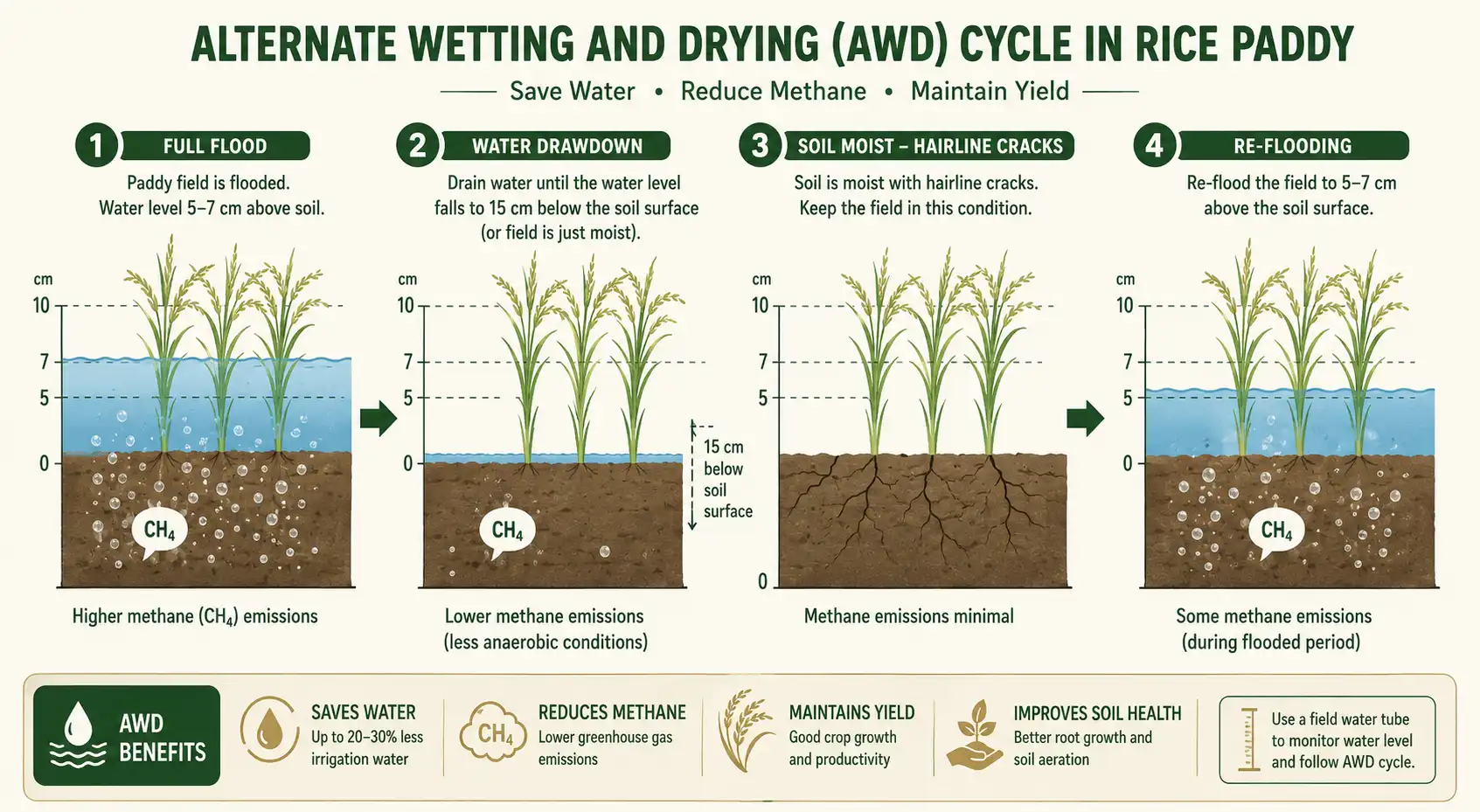
AWD is the single biggest lever. Instead of holding a full flood all season, you let the water level drop until the soil is just moist, then re-flood. This cycle cuts methane emissions by 30 to 70 percent depending on soil type and timing. It also saves a meaningful share of irrigation water, which matters for farmers pumping from the Mississippi alluvial aquifer.
Cover Crops Between Rice Seasons
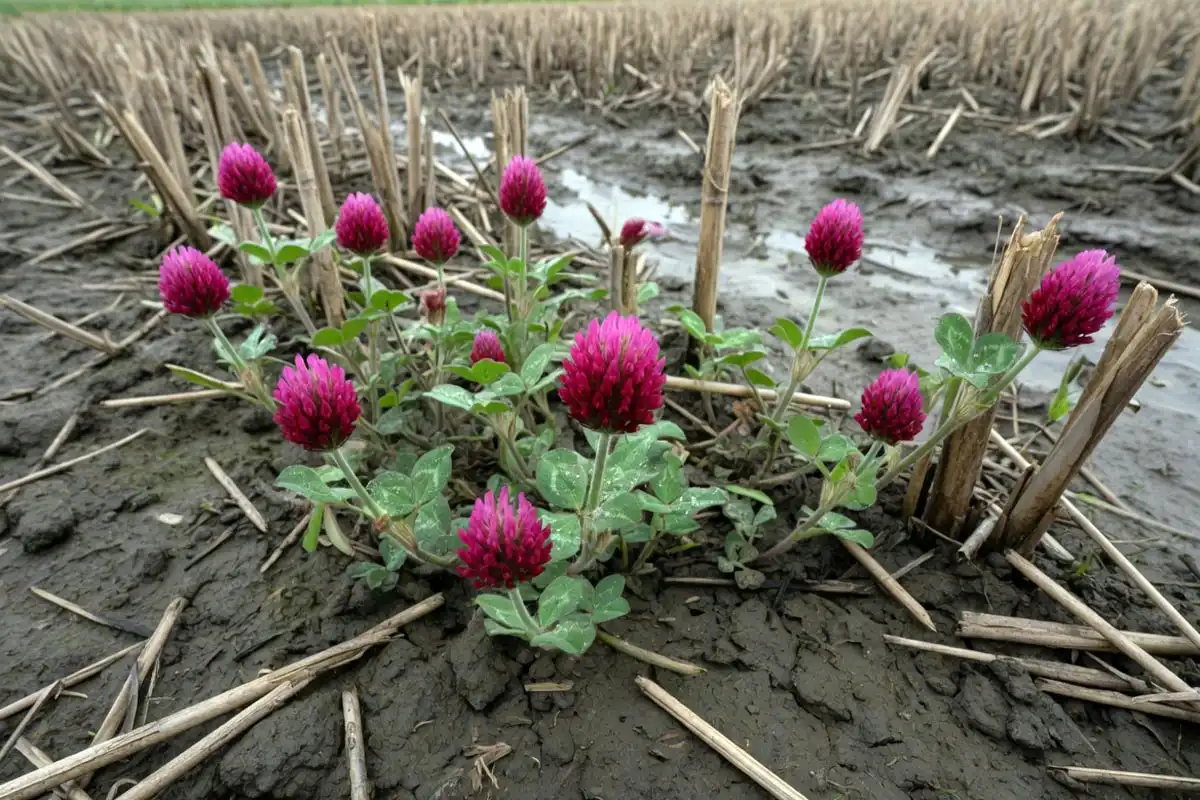
Cover crops keep living roots in the field through winter. Crimson clover, hairy vetch, cereal rye, and Austrian winter peas all work in rice rotations across Arkansas, Louisiana, and Mississippi. Legumes fix nitrogen, grasses build biomass, and mixes do both. The basics covered in thi cover crops guide apply directly to rice ground once adjusted for paddy conditions.
Reduced or No-Till Seedbeds
Tillage destroys soil structure and burns through organic matter fast in rice ground. Regenerative growers move to stale seedbed systems, strip-till, or full no-till drilling. It takes a couple of seasons to get the soil biology working for you, but the payoff in moisture retention and aggregate stability is real. Our breakdown on no-till covers the tradeoffs in more detail.
Integrated Nutrient Management
Regenerative rice cuts synthetic nitrogen by stacking sources. You credit the nitrogen from your legume cover crop, apply composted manure where it pencils out, and use precision applications of urea or anhydrous to top off. Annual soil tests tell you what the field actually needs, not what the rate book guesses. The principles covered on soil fertility carry straight over to rice paddies.
Where Regenerative Rice Is Being Grown in the US
Most US regenerative rice is grown in Arkansas, Louisiana, Mississippi, Missouri, Texas, and the Sacramento Valley in California. Arkansas leads in acreage. The USDA NRCS funds many of these transitions through the Environmental Quality Incentives Program and the Regional Conservation Partnership Program.
Several mills and brands now source identity-preserved regenerative rice through verified supply chains. Growers usually earn a price premium of 5 to 15 percent, plus carbon and methane-reduction payments when they enroll in ecosystem service programs.
Benefits for Soil, Climate, and Yield
Regenerative rice pays off in three measurable ways. Methane emissions drop sharply with AWD. Soil organic matter climbs by 0.1 to 0.3 percent per year once cover crops and reduced tillage are stacked together. Input costs fall after the second or third season as biological nitrogen and improved soil structure carry more of the load.
Yields are the question most farmers ask first. In well-managed regenerative systems, rice yields match conventional or come within 5 percent after the transition period. The first one or two seasons can dip while soil biology rebuilds. The K-State Research and Extension work on cover crop transitions tracks the same pattern in other grain systems, and the USDA NRCS guidance on conservation rice production walks through the practices in detail.
Challenges Farmers Run Into
Regenerative rice is not plug-and-play. AWD requires careful water monitoring or you risk yield loss from drying too far. Cover crops need to be terminated on time or they tie up nitrogen at planting. Stale seedbed planting demands clean termination and good residue management. Weed pressure shifts when you stop tilling, so you need a sharper plan than just leaning on glyphosate. The thinking laid out on IPM helps in the first transition years.
The first two years are the steepest part of the curve. Most growers who push through that point don’t go back.
Bottom Line for Your Field
Regenerative rice is rice farming rebuilt around soil health. AWD cuts methane. Cover crops fix nitrogen and protect the surface. Reduced tillage holds organic matter in place. Smarter nutrient stacking trims input costs. For rice ground in 2026, a phased approach works well: AWD first, a legume cover crop the next winter, and a move toward stale seedbed planting by year three. The system rewards patience, and the soil tells the truth after a few seasons.