Why Are Rice Paddies Flooded? The Real Reasons Behind the Water
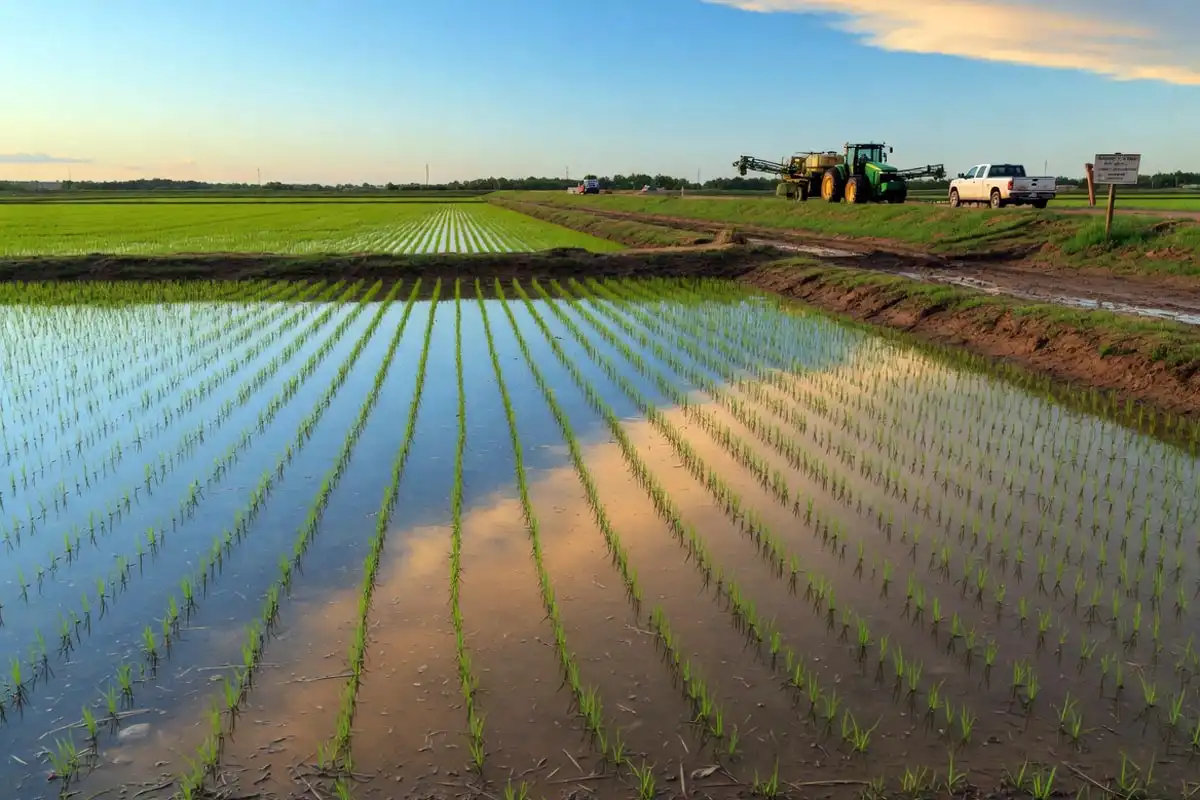
Rice fields look strange to a Kansas farmer like me. Wheat and milo are common on dry ground. Seeing whole fields under water feels foreign. Once you know why rice paddies are flooded, the system makes sense.
Rice paddies are flooded mainly to control weeds, since most weeds cannot survive submerged conditions. Flooding also stabilizes soil temperature, suppresses pests, releases nutrients, and protects rice plants, which tolerate standing water better than other crops.
Know more: Sona Masoori Rice
How Rice Survives Standing Water
Rice handles flooding because it has aerenchyma tissue that carries oxygen to submerged roots. That trait separates rice from almost every other grain crop.
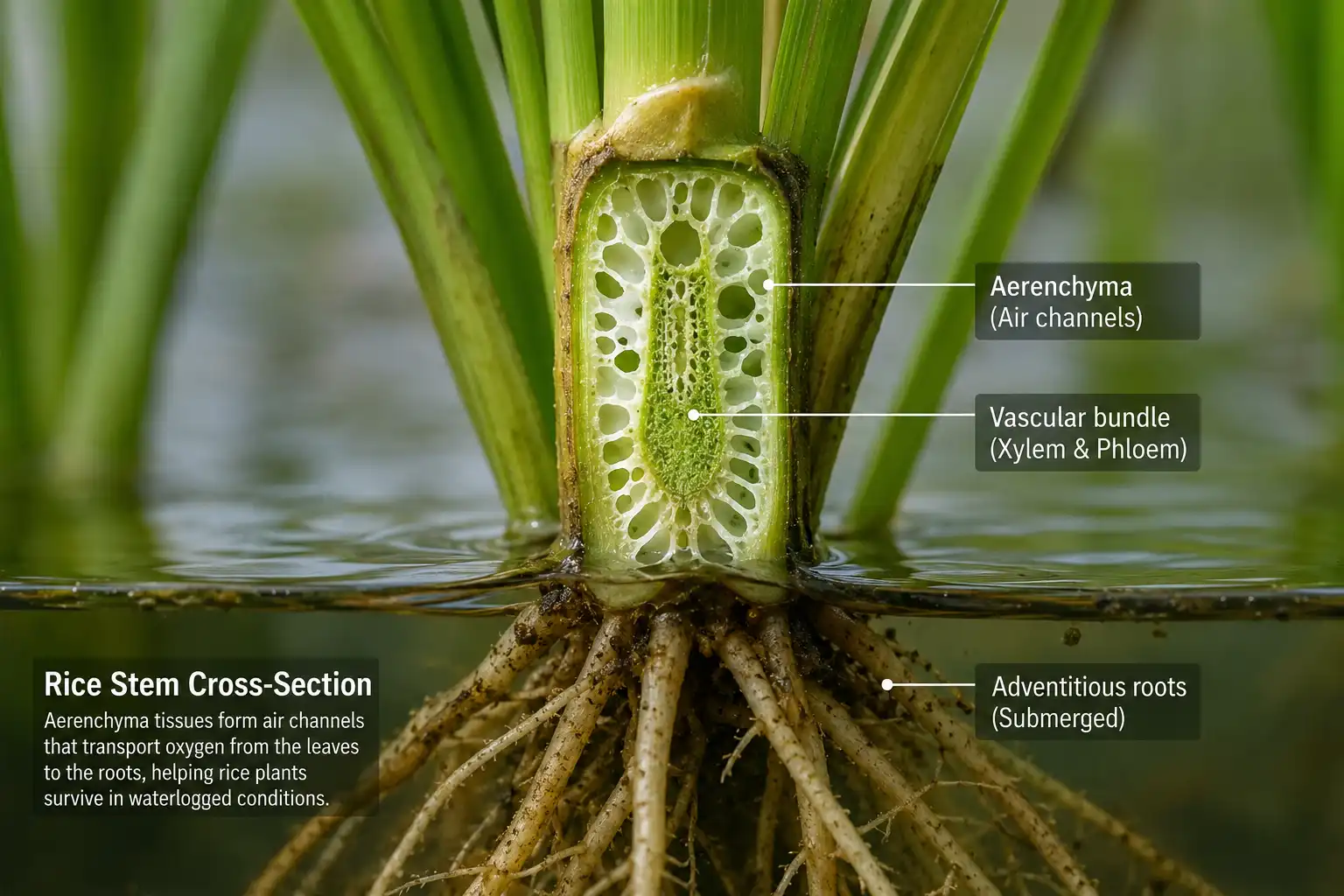
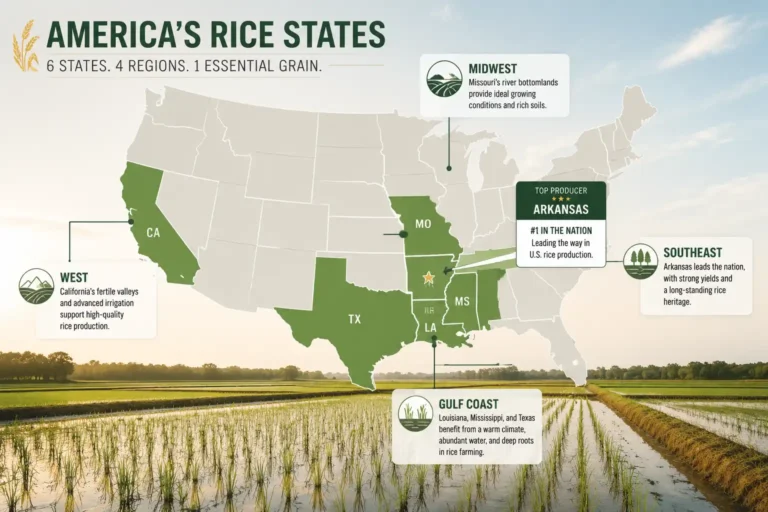
Wheat, corn, and soybeans suffocate in standing water within days. Rice keeps photosynthesizing and growing. Modern rice cultivars in Arkansas, Louisiana, and California thrive in 2 to 6 inches of water. Decades of breeding made that possible.
That biological edge is the whole reason flooding works. It’s not just irrigation. It’s a tool rice can use that no weed can match. Read more about Jasberry Rice.
Why Are Rice Paddies Flooded for Weed Control
Flooding is the cheapest and most reliable weed control method in rice farming. Most grass and broadleaf weeds drown within days of submergence. That’s the single biggest reason paddies stay wet.
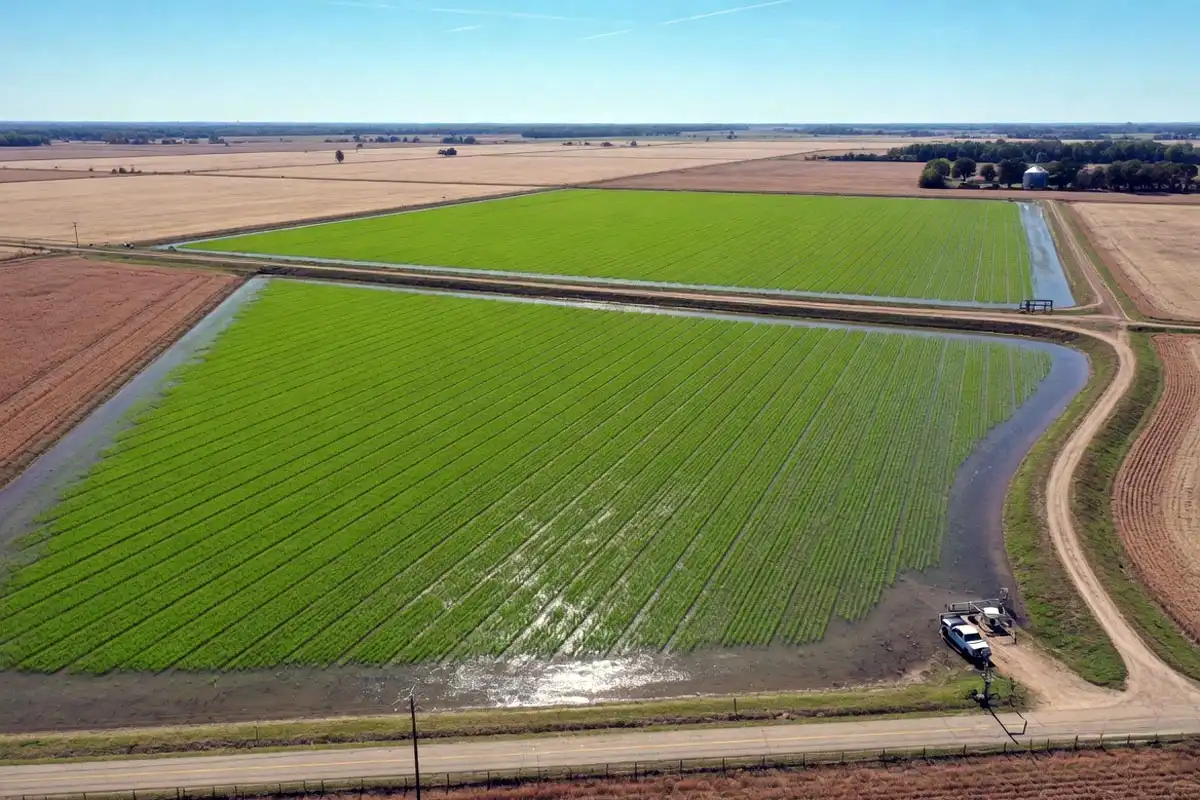
Barnyardgrass, sprangletop, and red rice are the main enemies in southern rice country. Without a flood, growers burn through more herbicide and still lose yield. A permanent flood goes on at the 4 to 5 leaf stage. It shuts down weed germination across the whole field. The same timing logic shows up when you calculate water needs for crops on any tight schedule.
The flood does what a herbicide pass can’t. It works on every weed seed, not just the ones already up.
How Flooding Changes Soil Chemistry
Standing water shifts paddy soil from aerobic to anaerobic. That release frees up phosphorus, iron, and several micronutrients tied up in dry conditions. The shift feeds the crop in ways dryland soil never can.
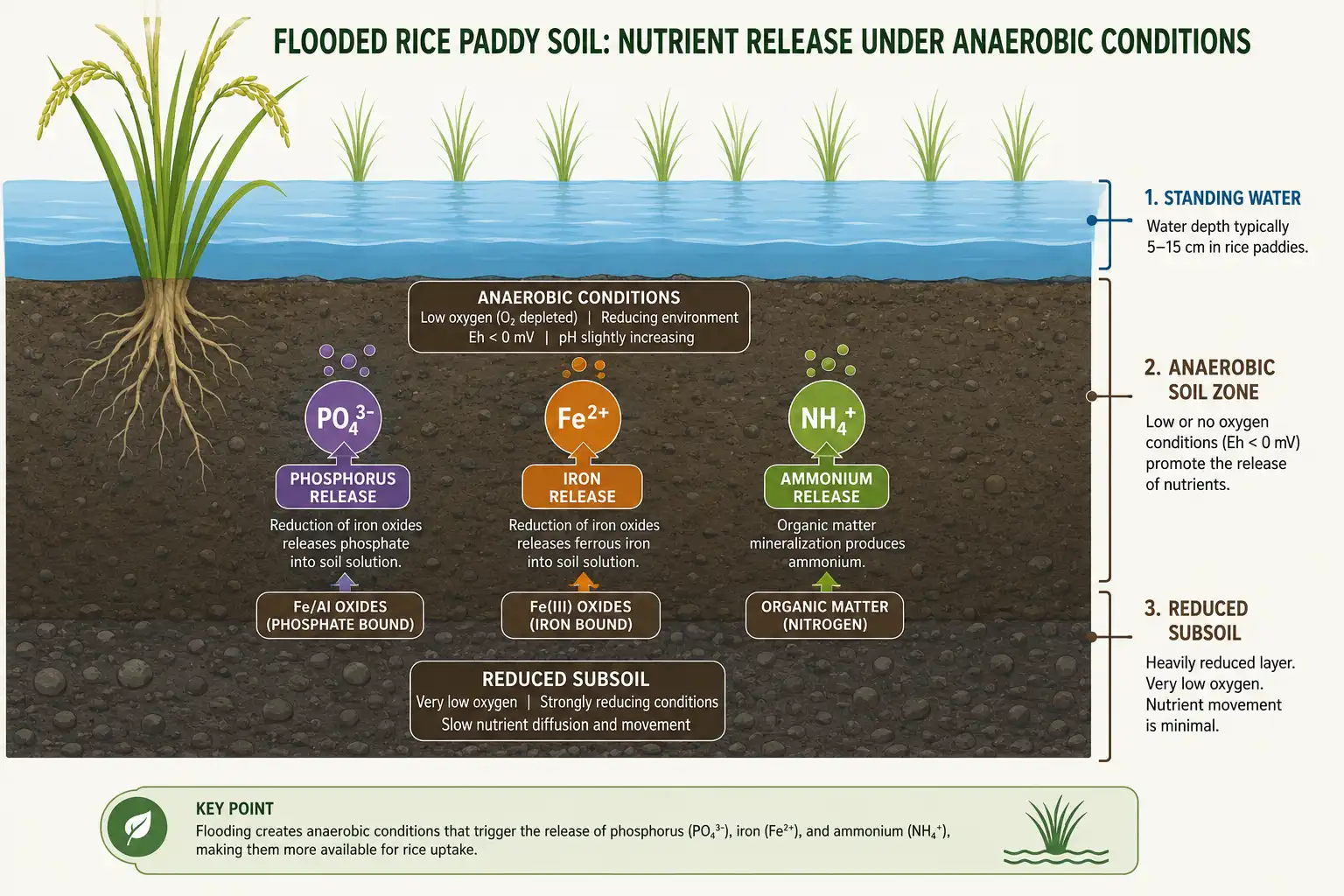
Soil microbes switch to anaerobic respiration under flood. Iron and manganese become more available. Phosphorus locked in dry alkaline soils frees up for plant uptake. Nitrogen behaves differently too. Ammonium becomes the stable form. Growers apply urea or anhydrous before the flood. That keeps nitrogen in the root zone instead of leaching off.
This is why pre-flood soil testing for farming matters so much in rice. The numbers guide how much nitrogen goes down before the water comes on. Topdressing into a flood gets expensive fast.
Pest and Disease Suppression
Flooding drowns most soil-dwelling insects and breaks the life cycle of several rice diseases. Cutworms, certain nematodes, and many soil pathogens cannot survive long submergence.
It’s not a clean sweep. Rice water weevil actually thrives in flooded fields. Growers still scout for sheath blight and blast disease in humid canopies. But the overall pest load drops compared to dry-soil rice. That’s a big win in rotation systems where rice follows soybeans. The same ecosystem-pressure idea drives natural pest control for crops in other systems too.
Temperature Buffering and Yield Protection
Water holds heat better than soil. A flooded paddy buffers rice against cold snaps and heat spikes. That stability matters most during the reproductive stage. Even one cold night can blast panicles and cut yield.
In California’s Sacramento Valley, growers run deeper floods. The depth insulates against cool spring and fall nights. In the Mid-South, the flood moderates summer heat at the soil surface. Either way, the water turns the paddy into a thermal cushion. The plants would never get that protection on dry ground.
When Rice Farmers Drain the Paddy
Rice paddies get drained 2 to 3 weeks before harvest. The ground needs to firm up for combines and grain carts. Draining too early hurts yield. Draining too late traps machinery in mud.
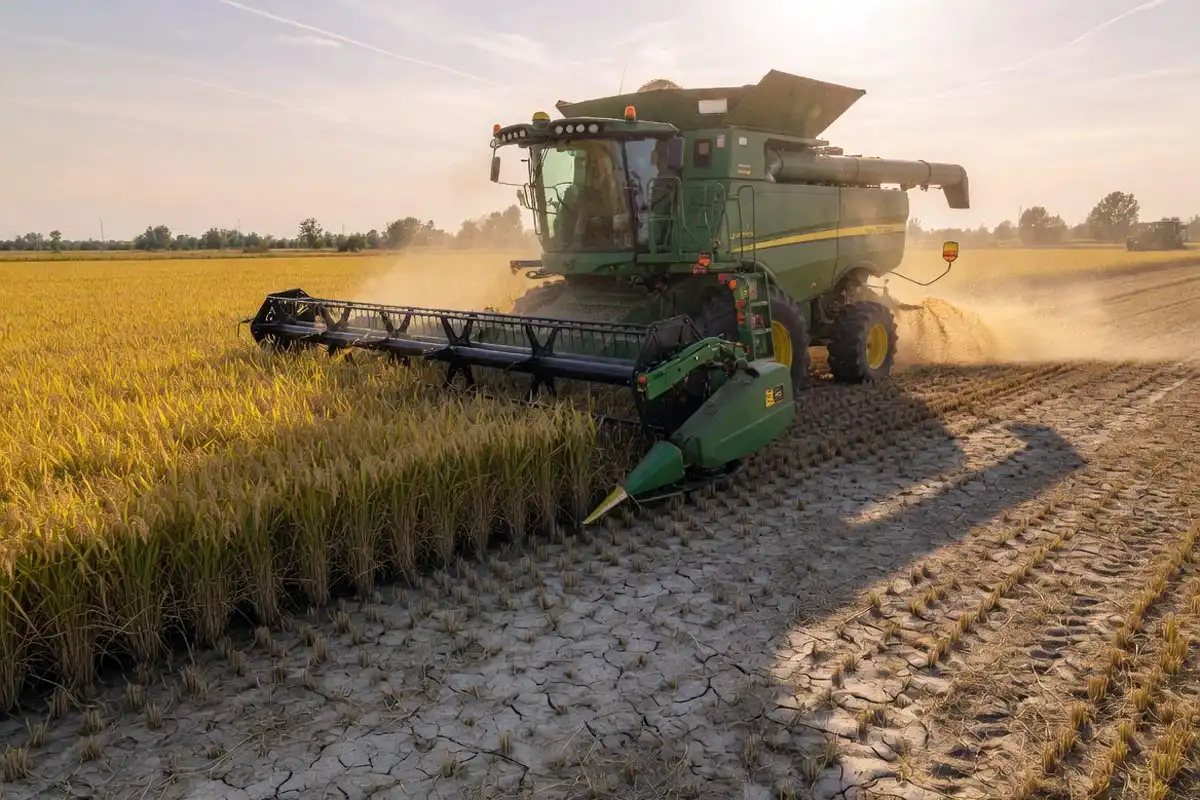
The drain-down window is a high-stakes decision of the year. Growers watch grain moisture, weather forecasts, and field conditions closely. The University of Arkansas publishes drain timing guides through its Arkansas Rice Production Handbook. That handbook is the standard reference for southern US rice growers.
Alternate Wetting and Drying for Water Savings
AWD lets the paddy dry to a set threshold before re-flooding. The practice cuts total water use by 20 to 30 percent. Yield stays steady when it’s managed right.
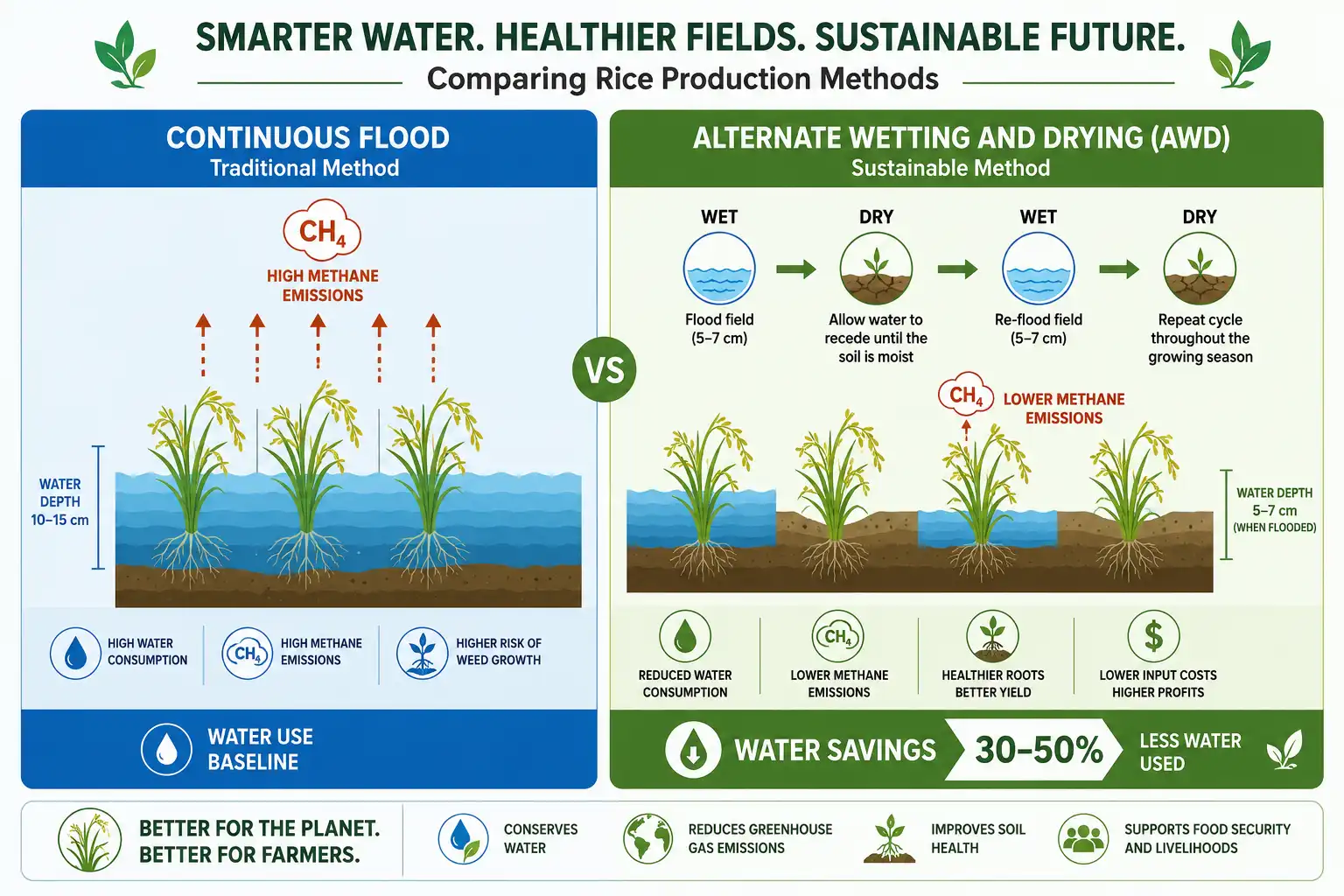
USDA and NRCS programs offer cost-share support for AWD adoption. The practice also reduces methane emissions from flooded paddies. Methane comes from anaerobic microbes. Breaking the flood cycle lets oxygen back into the soil. That shuts the methane process down.
For growers in the Mid-South, falling aquifer levels make AWD a necessity. It’s becoming standard practice, not an experiment.
AWD shifts disease pressure compared to continuous flood. Growers watch common crop diseases more closely under AWD than under traditional management.
Take After Talking to Rice Farmers
Flooding a rice paddy isn’t waste. It’s the most efficient weed, pest, and nutrient tool a rice grower has. All of it sits inside one practice. Take the water off and the whole system falls apart.
Rice isn’t a practical fit for the Kansas plains, but water management practices from southern rice production offer useful lessons for irrigation planning in other regions. Water is a tool, not just an input.