Does Mexico Grow Rice? What US Growers Should Know
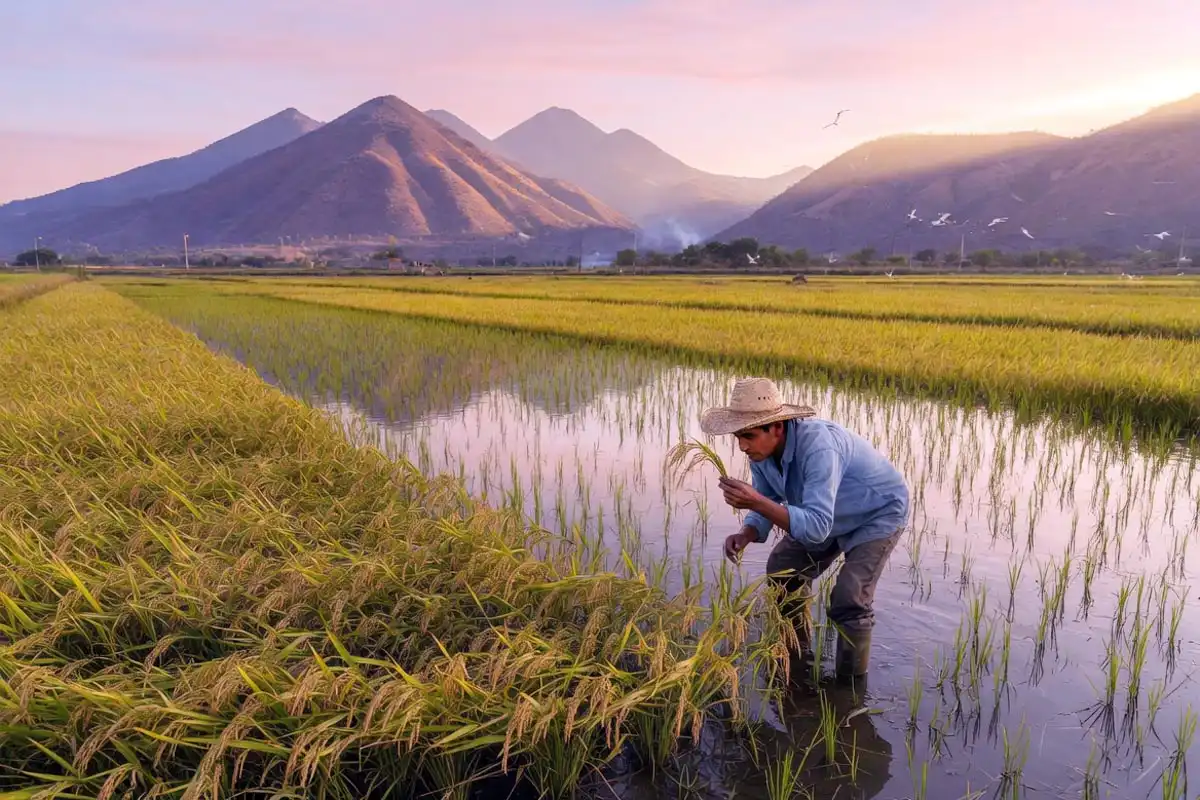
Mexico does grow rice, just not nearly enough to feed itself, and the gap shapes the rough rice market every year.
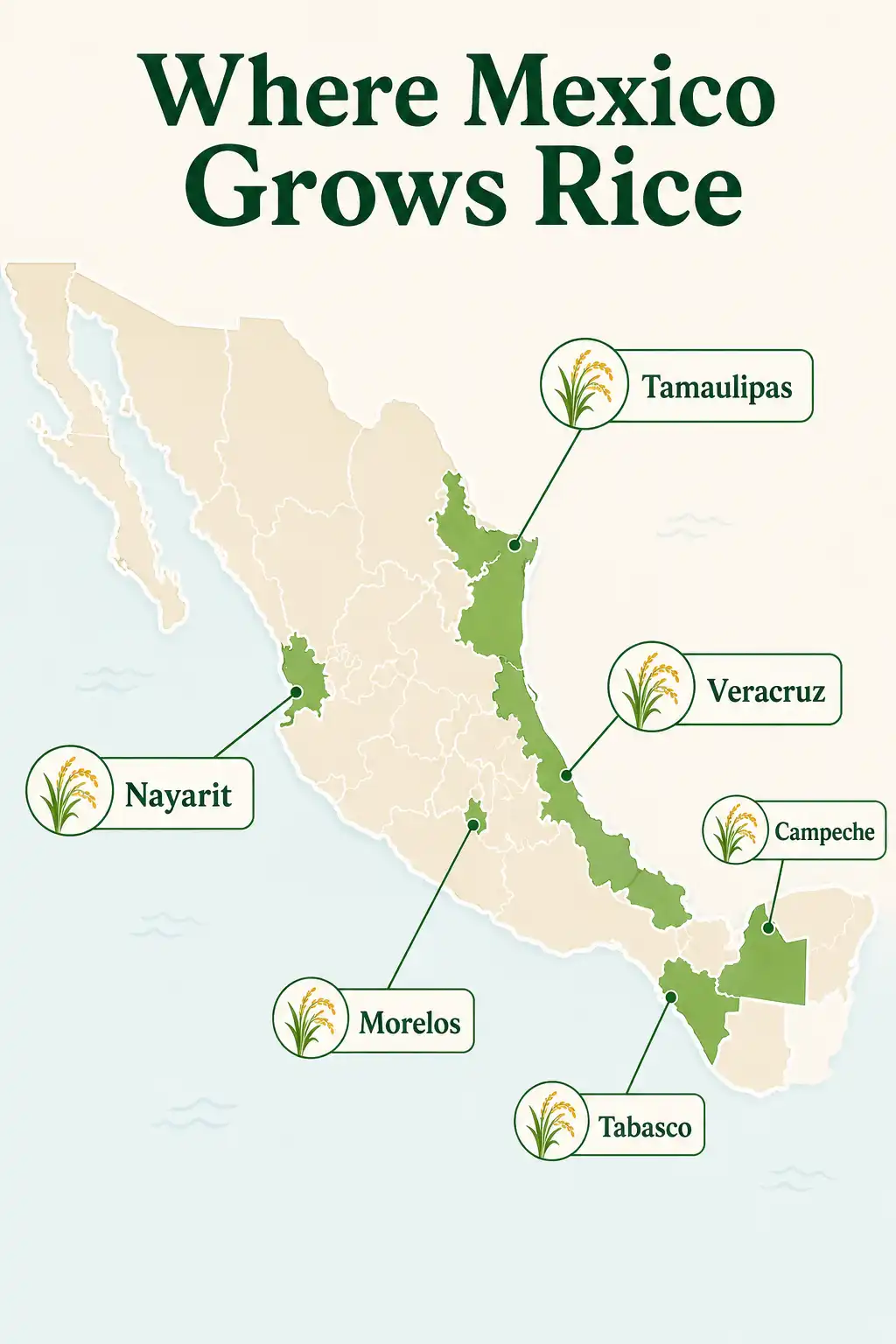
Yes, Mexico grows rice, mostly in Campeche, Nayarit, Veracruz, Morelos, and Tamaulipas. Total output sits near 290,000 metric tons a year, well below domestic demand, so Mexico imports the rest, mainly from US growers.
Also know: Rice Berry Nutrition, Origin, and How It’s Grown
Where Mexico Grows Rice
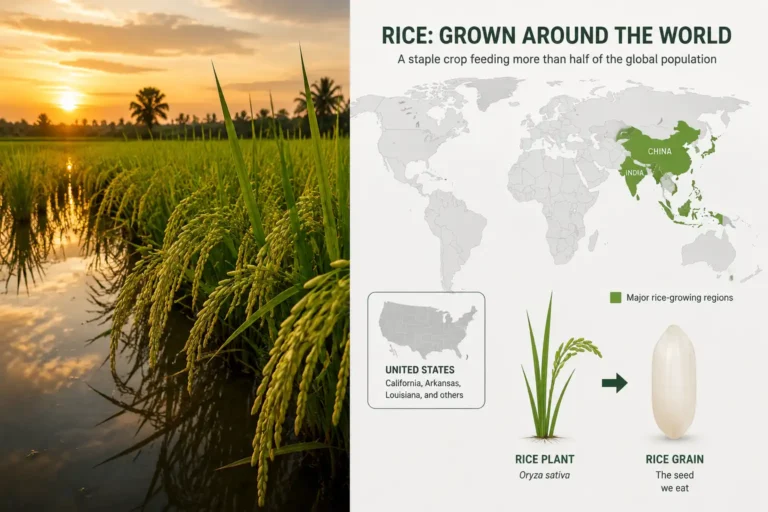
Mexico grows rice across a handful of warm, water-rich states in the south and along the coasts. The biggest producers right now are Campeche, Nayarit, Veracruz, Morelos, Tabasco, and Tamaulipas. Each region has its own planting cycle, irrigation setup, and varietal mix.
Campeche has been the big mover. SIAP, Mexico’s farm statistics agency, reported Campeche’s fall/winter rice production climbing 47 percent in the most recent cycle, driven by better seed and credit access. Tamaulipas planted rice again after sitting out a season due to low water, helped by new water permits and diesel subsidies. Nayarit, the traditional leader, slipped about 11 percent on weaker yields.
Morelos sits in the central highlands and grows a specialty medium-grain rice with Denomination of Origin status. It is the only rice in North America with that legal protection.
Know more: Popcorn Rice Della Variety, Flavor, and Growing Basics
How Much Rice Mexico Actually Produces
Mexican rice production runs roughly 250,000 to 300,000 metric tons of paddy rice a year. That covers about 20 percent of national consumption in milled equivalent. The other 80 percent comes in as imports. For MY 2025/2026, USDA forecasts Mexico will import about 895,000 metric tons of rice, up 2 percent from the prior year.
The 2025/26 yield estimate from USDA’s Foreign Agricultural Service is 7.1 metric tons per hectare, a small improvement over the long-term average. But planted area keeps drifting lower. The 10-year trend in harvested rice area sits at negative 4.5 percent.
Water access is the limiting factor more than anything else. Dam levels in Sinaloa and Sonora, plus rainfall in the southeast, drive year-to-year swings. Anyone planning rice acreage in those regions has to know exactly how to calculate water needs for crops before they put a drill in the ground.
Why Mexico Imports Most of Its Rice
Mexico imports most of its rice because cheaper, high-volume US production undercuts what Mexican farmers can produce on the ground. After NAFTA opened the market in the 1990s, Mexican rice acreage collapsed. Tariffs came off, US long-grain rice flowed south, and a lot of small Mexican operations could not compete.
That trade pattern has held under USMCA. Mexico is now the largest single-country market for US rough rice. Most of those exports come out of Arkansas, Louisiana, Texas, Mississippi, and Missouri. Mexican mills prefer rough rice over milled because milling at home keeps jobs and adds value inside the country.
What Kinds of Rice Mexico Grows
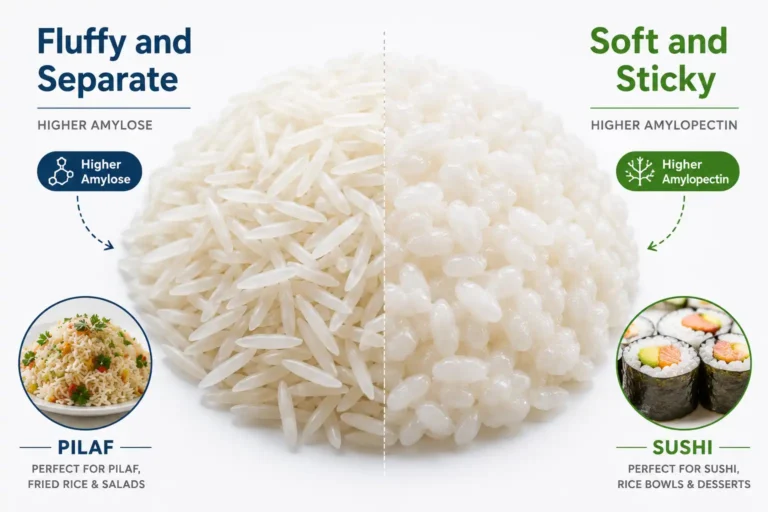
Mexican farmers grow two main types: long-grain rice and Morelos-type medium-grain rice. Long-grain dominates by volume, planted across Campeche, Veracruz, Tamaulipas, and Tabasco. It goes into table rice and food service.
Morelos rice is a different animal. Big, plump, opaque kernels. It absorbs flavor without going mushy and holds up in traditional dishes like arroz a la mexicana. Because of its Denomination of Origin, only rice grown in specific Morelos municipalities can be labeled and sold under that name. That gives Morelos growers a premium and shields them from straight commodity competition.
How Mexican Rice Farmers Grow It
Mexican rice farming relies heavily on irrigation. Most fields are flooded paddies pulling water from dams, rivers, or wells. The fall/winter cycle uses stored irrigation water, while spring/summer planting catches more natural rainfall. For the agronomic logic behind it, why rice paddies are flooded is covered in a separate article.
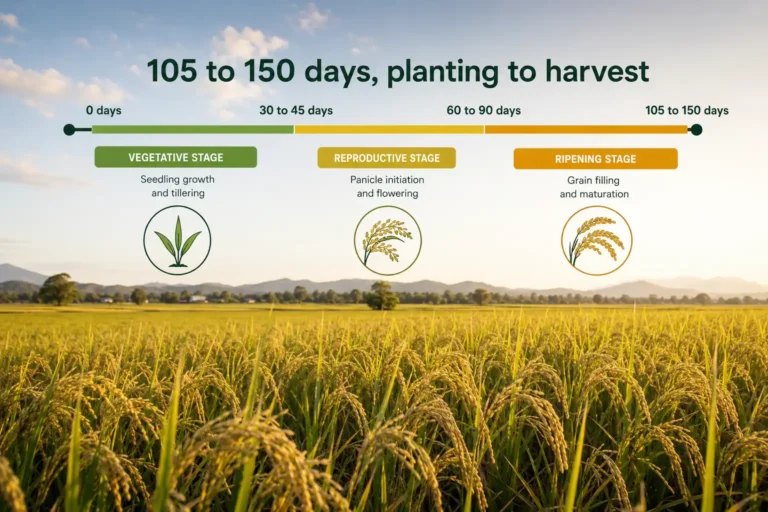
Planting is usually direct seeded, either by drill or broadcast. Yields have improved with better certified seed access, precision seed drills, and state-level support programs in Tamaulipas and Campeche. Harvest runs in two main windows: fall/winter rice cut March through May, and spring/summer rice cut later in the year.
The Role of the US in Mexico’s Rice Supply
US growers supply the bulk of Mexico’s rice imports. According to USDA’s Foreign Agricultural Service Mexico rice data, Mexico imports rough rice (HS code 1006.10) primarily from American exporters. The 2025/26 outlook puts Mexican rice imports at a record 895,000 metric tons.
Two recent changes are worth watching. On December 31, 2025, the Government of Mexico removed long-grain paddy rice from its basic-basket tariff exemption program. Then in January 2026, the Secretariat of Economy set a 200,000 MT duty-free quota for Brazil and other non-FTA suppliers. That opens the door wider for Brazilian rice in Mexican mills.
The US still holds the dominant position because of proximity, freight cost, and quality consistency. But the gap with South American competitors is tightening.
Where Mexican Rice Goes From Here
Mexico’s rice future depends on water, policy, and varietal choices. Producers in Morelos are pushing into specialty markets where they can charge for quality instead of competing on volume. A few operations in Campeche and Veracruz are testing lower-water systems and cover crop integration, similar to what’s behind the idea of regenerative rice farming in the US.
Organic certification is another small but growing piece, mostly for export and high-end domestic buyers. If you’re curious about the trade-offs there, Our piece on whether covers when it actually pays to go organic with ricerice needs to be organic.
For most Mexican rice farmers, though, the day-to-day pressure is still the same: stretch water, hit yield, manage costs against imported rice that lands cheap.
What This Means If You Grow Rice in the US
If you grow rice in the US, Mexico is your biggest single export customer, period. Mexican dam levels, consumer demand, and trade policy all move your basis. A short crop in Nayarit or Campeche usually means stronger pull from US mills. A wet year in Mexico softens demand a little, but never enough to close the import gap.
The market is also shifting toward more value-added milling inside Mexico. Mexican mills want rough rice, not finished product. That keeps long-grain rough exports out of Arkansas and Louisiana steady, even as global rice trade fluctuates.
Bottom Line for Your Field
Mexico grows rice, but not enough to matter to its own dinner table. Domestic output covers about a fifth of demand, and the other four-fifths gets imported. For US growers, that gap is steady business. For Mexican farmers, it is a long-running structural problem that water access, trade policy, and competition from Brazil keep shaping. If you watch rice markets, you watch Mexico.