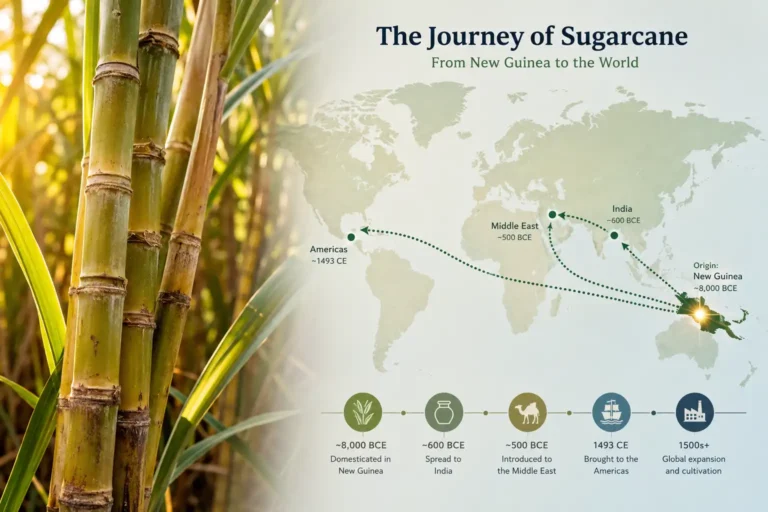
Is Sugarcane Sugar Better Than Regular Sugar for Health or Baking?
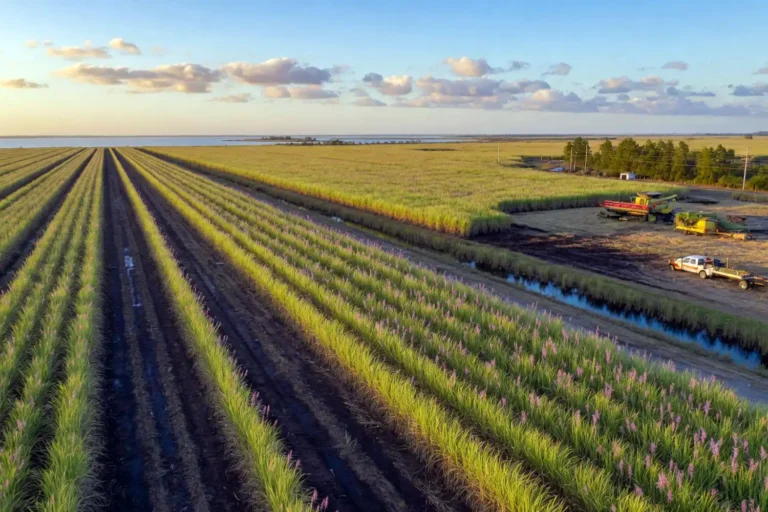
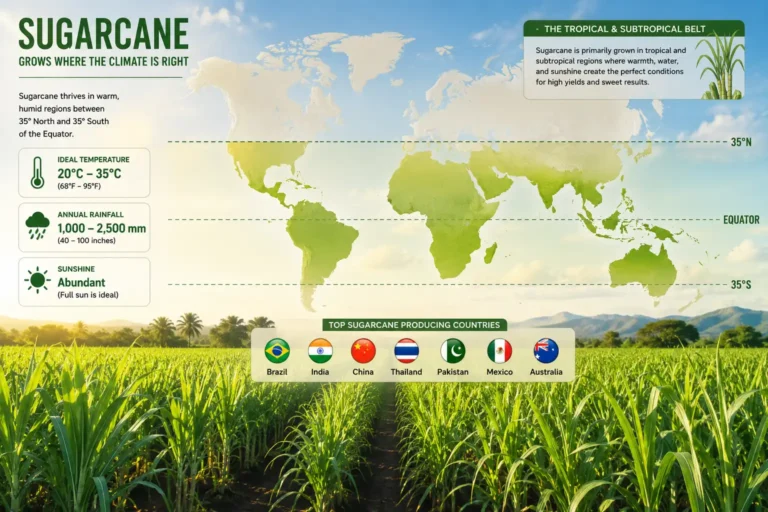
Sugar on store shelves comes from two places: cane fields in Louisiana and Florida, or sugar beet fields in the northern Plains. Asking whether sugarcane sugar is better than regular sugar sounds simple. The honest answer depends on what “sugarcane sugar” means on the label.
Sugarcane sugar is not nutritionally better than regular sugar when both are fully refined white sugar. Less-refined cane sugars like turbinado, muscovado, and panela hold trace minerals and molasses flavor, but the calorie load stays nearly identical.
What Counts as Sugarcane Sugar vs Regular Sugar
Regular sugar in the United States is plain refined white sugar. About 55% comes from sugar beets and 45% from sugarcane, based on USDA Economic Research Service figures. The crystals look identical, and chemically they are identical pure sucrose.
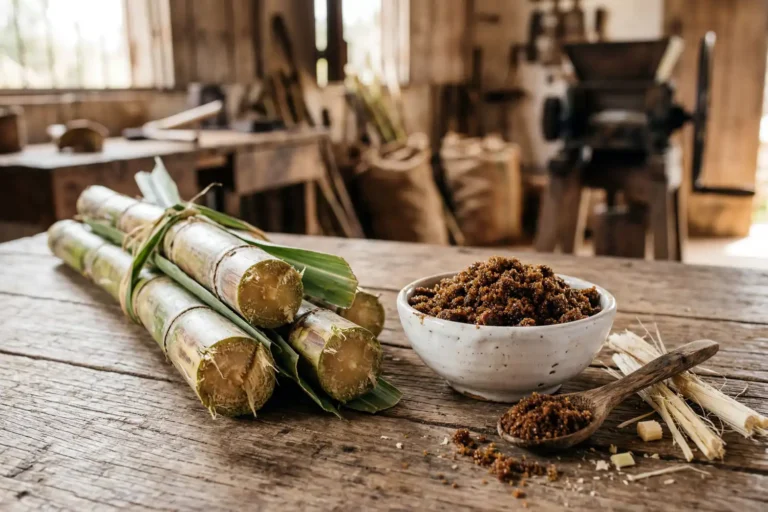
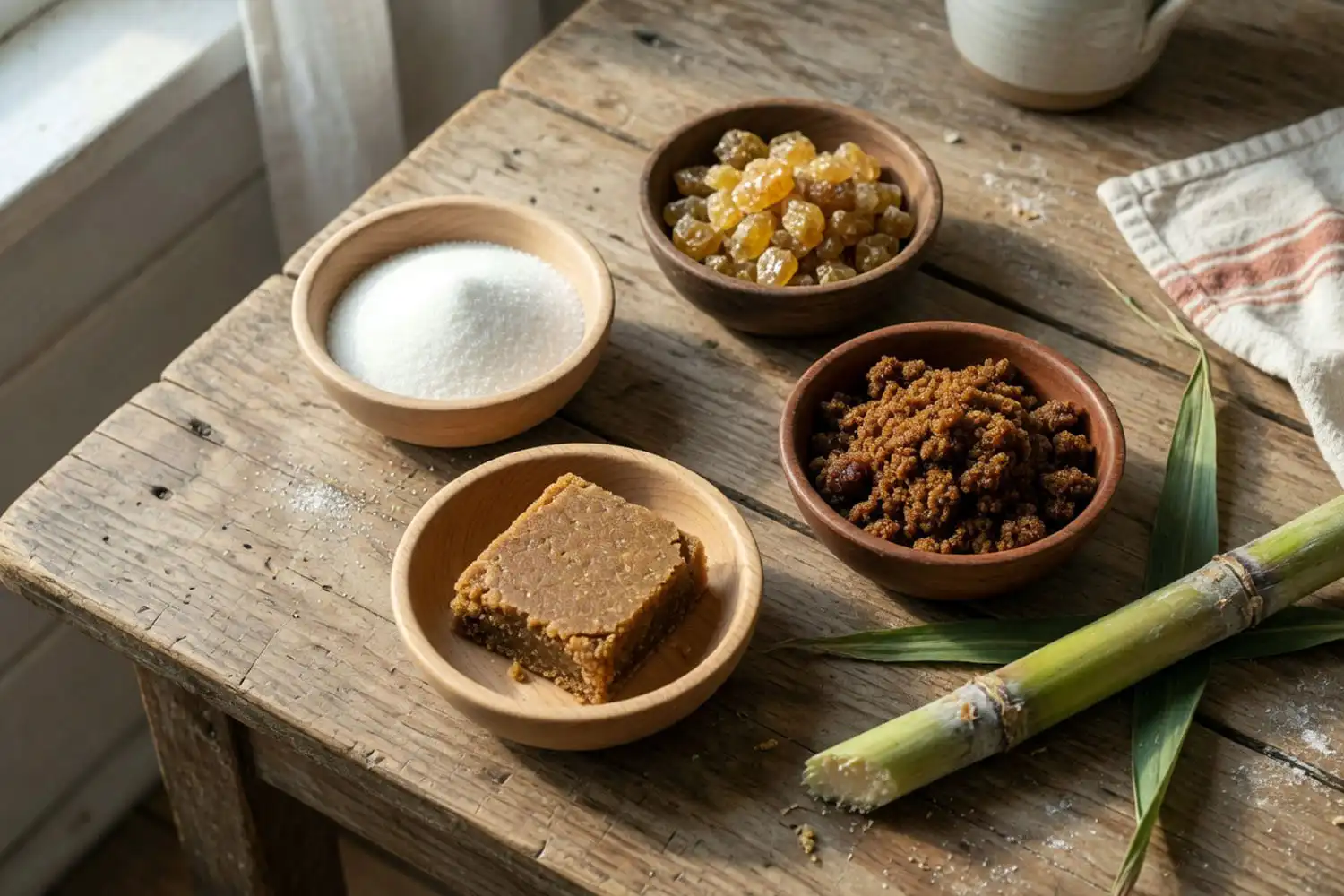
Sugarcane sugar usually points to one of two things. The first is white cane sugar, which is still 99.9% sucrose and matches beet sugar on every meaningful measure. The second group covers less-refined cane sugars: turbinado, demerara, muscovado, panela, jaggery, and evaporated cane juice. That second group is where any real difference shows up, because those products keep some of the natural molasses from the sugarcane crop.
Learn more: Details of Brown Sugar Made From Sugarcane
Is Sugarcane Sugar Better Than Regular Sugar Nutritionally?
No, the nutrition difference is small enough to ignore. One tablespoon of white sugar carries 49 calories and zero meaningful nutrients. One tablespoon of muscovado carries about 48 calories plus tiny amounts of potassium, calcium, iron, and magnesium. Those trace minerals do not move the needle on daily intake.
Eating an extra serving of beans or leafy greens beats any nutritional gain from switching sugars. The marketing on less-refined cane sugars often suggests a health upgrade. The numbers do not back that up.
How Sugarcane Sugar and Regular White Sugar Are Processed
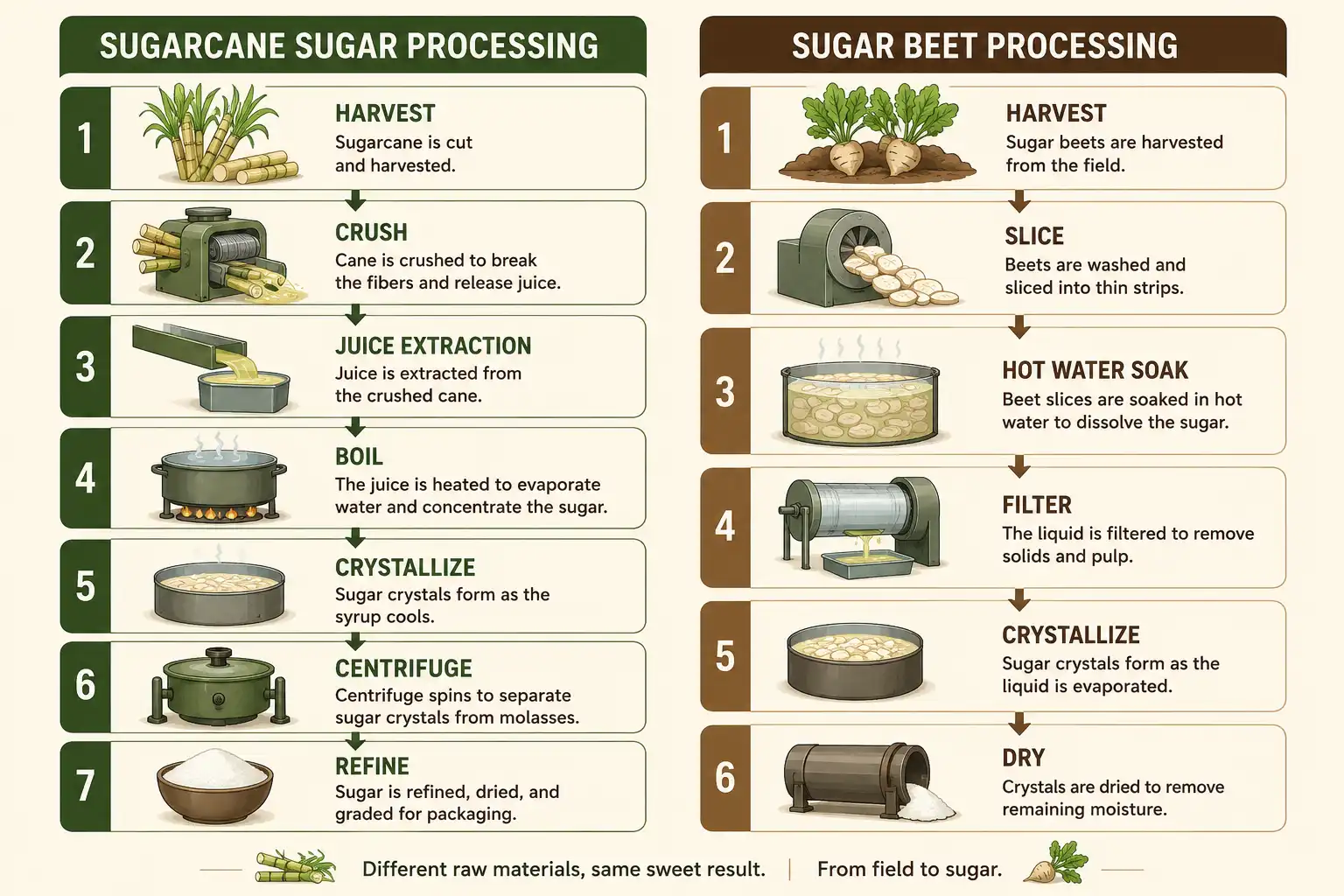
Sugarcane goes through a mill that crushes the stalks and pulls out the juice. Workers boil that juice into syrup, then crystallize it. The first crystals come out brown because molasses coats them. Centrifuges spin off the molasses to make raw sugar, then carbon filters and further processing turn the product pure white.
Each less-refined cane sugar stops at a different point in that flow:
- Turbinado stops after the first centrifuge step
- Demerara stops earlier with larger crystals
- Muscovado keeps most of the molasses
- Panela and jaggery are unrefined cane juice cooked down and pressed into blocks
Sugar beets follow a different path. Sliced beets soak in hot water to release sucrose, then the liquid is filtered, crystallized, and dried. No molasses step exists in beet processing. The final product is white sucrose, identical to refined cane. For deeper context on this split, the piece on cane and beet sugar comparison lays out the full breakdown.
Taste, Color, and Cooking Differences
Less-refined cane sugars taste noticeably different from white sugar. Turbinado carries a light caramel note. Muscovado tastes deep, with a smoky molasses edge. Panela hits strongest, almost like brown sugar mixed with maple.
White sugar tastes like sweet and nothing else. That neutral profile is exactly why bakers reach for it in cakes, meringues, and most cookies. The structure of a sponge cake depends on consistent crystals dissolving evenly.
For sweetening coffee, glazing pork, or finishing oatmeal, reach for turbinado or muscovado in the place. The flavor earns its spot. For an angel food cake, only fine white sugar works.
Health Impact: Glycemic Index and Calories
Glycemic index numbers for cane sugar and beet sugar sit very close together. White sugar lands around 65. Muscovado measures near 65 as well. The body processes both into glucose and fructose almost identically.
Calories per gram run at 4 across every sugar in this group. Switching from white sugar to turbinado will not cut calories or improve blood sugar response in any meaningful way. Cutting total grams does the actual work. The USDA’s Economic Research Service sugar data tracks consumption trends and reports the average American eats far more added sugar than dietary guidelines recommend, regardless of source.
Is Organic Sugarcane Sugar Better?
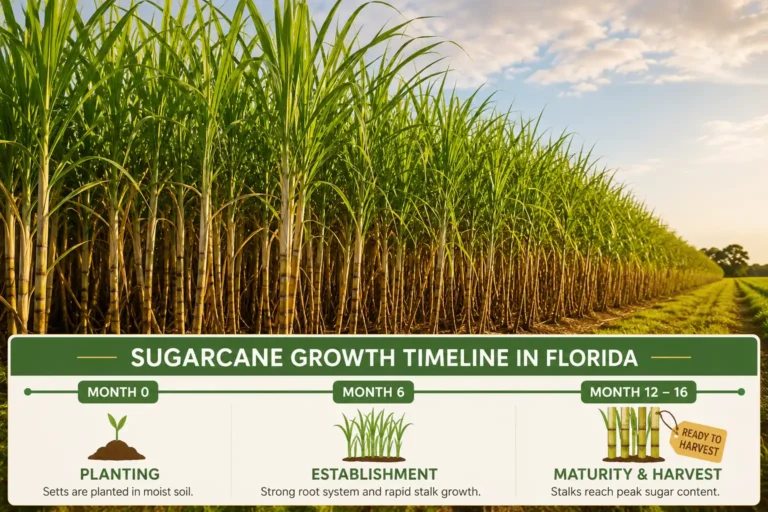
Organic sugarcane sugar avoids synthetic herbicides used during cane growing, which matters at the field level. Certified organic cane skips glyphosate, atrazine, and synthetic ripeners. By the time the finished crystals hit your bag, the chemistry is still sucrose.
If pesticide residue on the raw crop concerns you, organic is worth the price. If the goal is better nutrition or fewer calories, organic does not deliver that. The growing sugarcane practices behind organic and conventional bags are different, but the sugar molecule at the end is the same.
When to Reach for Each One
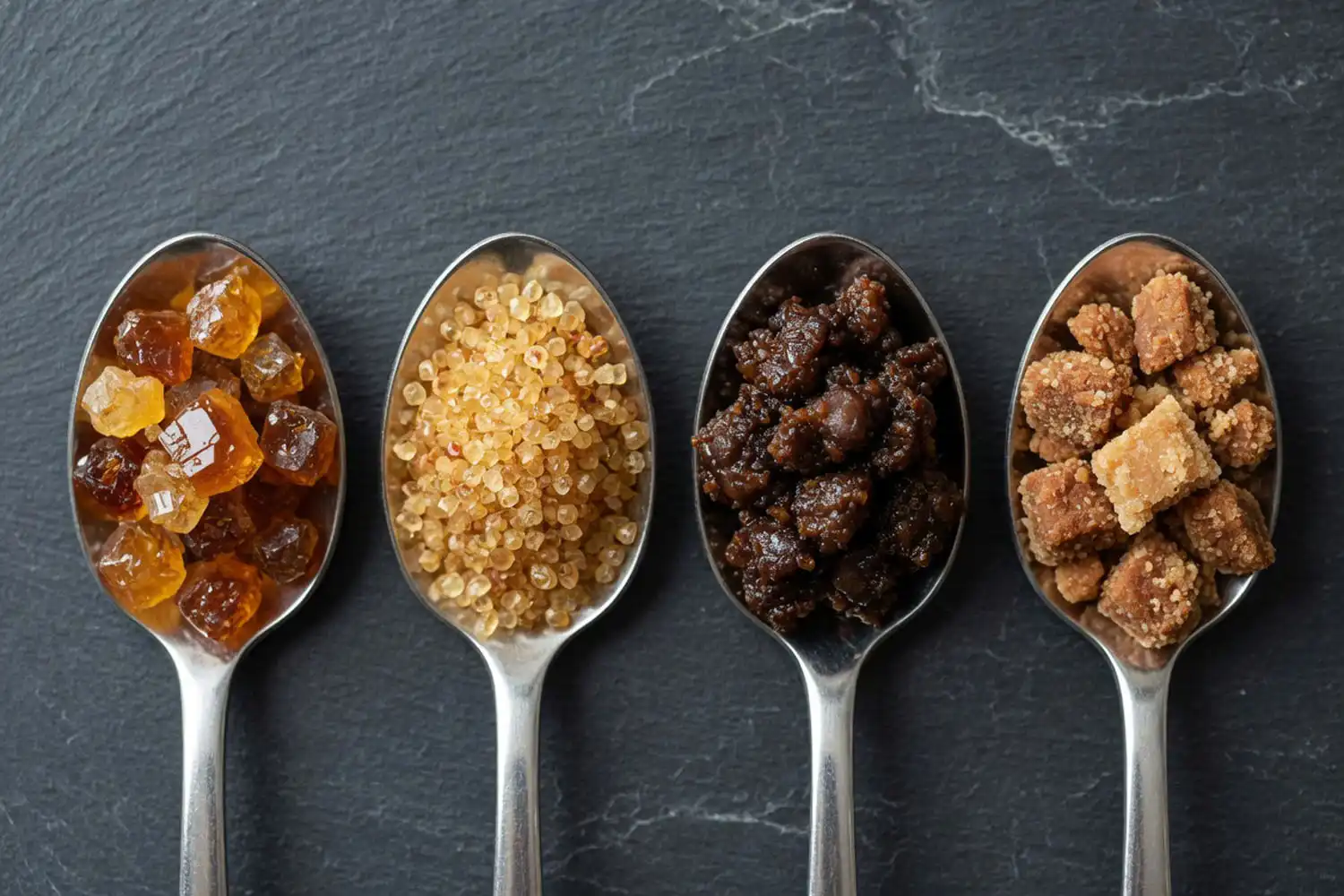
Plain white sugar belongs in baking that needs structure: cakes, cookies, meringues, candied work. Turbinado goes into coffee, iced tea, crunchy muffin tops, and a sprinkle on shortbread. Muscovado earns a place in barbecue rubs, gingerbread, and sticky toffee pudding. Panela handles marinades, Latin-style braises, and old-fashioned cooked-down syrups.
Whichever, the amount goes in lighter than the recipe calls for. That single habit moves the health needle more than any sugar swap on the sugar beet farms or cane fields could.
FAQs
Does sugarcane sugar raise blood sugar slower than regular sugar?
Is brown sugar the same as sugarcane sugar?
Can sugarcane sugar replace regular sugar in any recipe?
Bottom Line for Your Pantry
Sugarcane sugar is not magically better than regular sugar. If your bag reads “granulated white sugar,” cane and beet sources arrive at the same product on your shelf. The honest upgrade is choosing less-refined cane sugars when you want genuine flavor, and cutting total amount when you want the actual health win. Both choices respect what these crops produce.