How Oats Are Made: From Field Grain to Your Breakfast Bowl
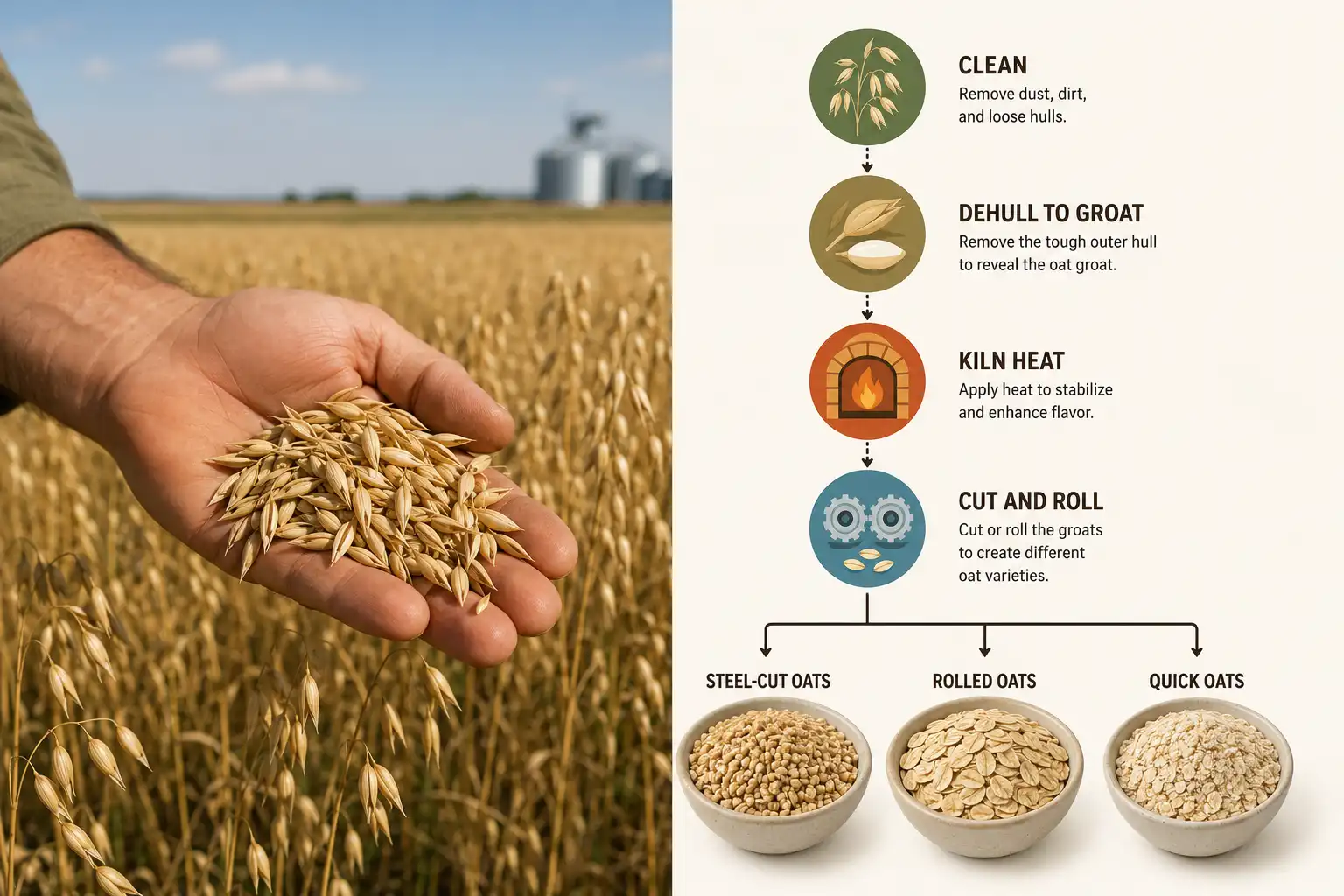
Raw oats off the field cannot go straight into your bowl. They carry a tough, inedible hull that has to come off first. How oats are made is really the story of milling: cleaning the grain, stripping the hull, stabilizing the kernel, then cutting or rolling it.
Oats are made by milling harvested grain. Mills clean the oats, remove the inedible hull to expose the groat, heat the groat to stop it going rancid, then cut or roll it into steel-cut, rolled, quick, or instant oats.
What Does “Made” Mean for Oats?
For oats, “made” means milling. Milling turns the harvested grain into food you can cook.
Raw oats leave the field inside a tough hull. That hull is not edible, so you cannot eat oats straight off the plant. The mill does the real work. It cleans the grain, strips the hull, stabilizes the kernel, and shapes it into the oats you buy.
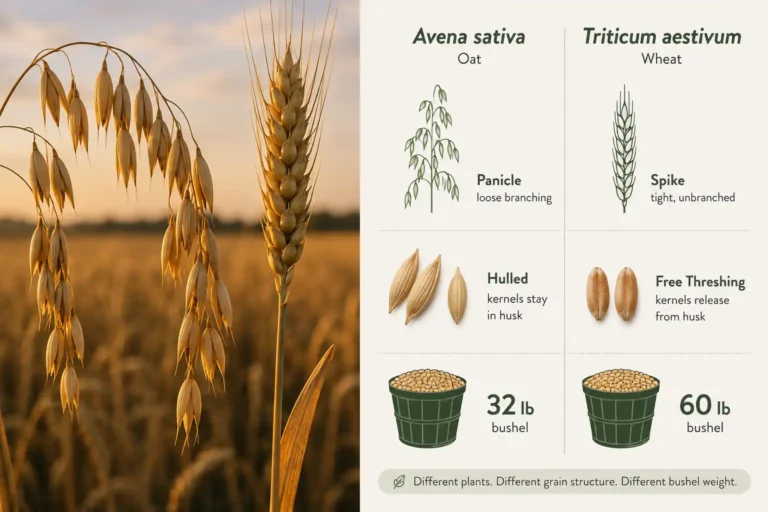
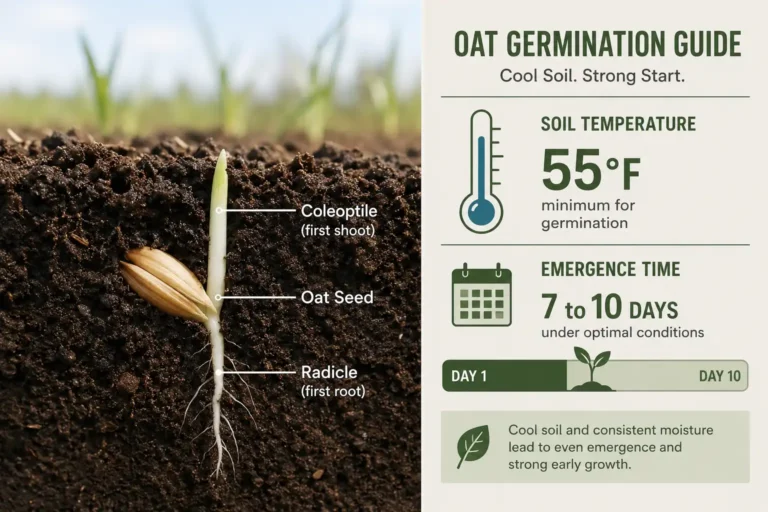
The crop itself is an annual cereal grass, Avena sativa. It grows across the Upper Midwest and Great Plains, and South Dakota and Minnesota rank among the top states. Most farmers finish planting oats in early spring, then move to harvesting oats in mid to late summer. After that, the grain heads to a mill.
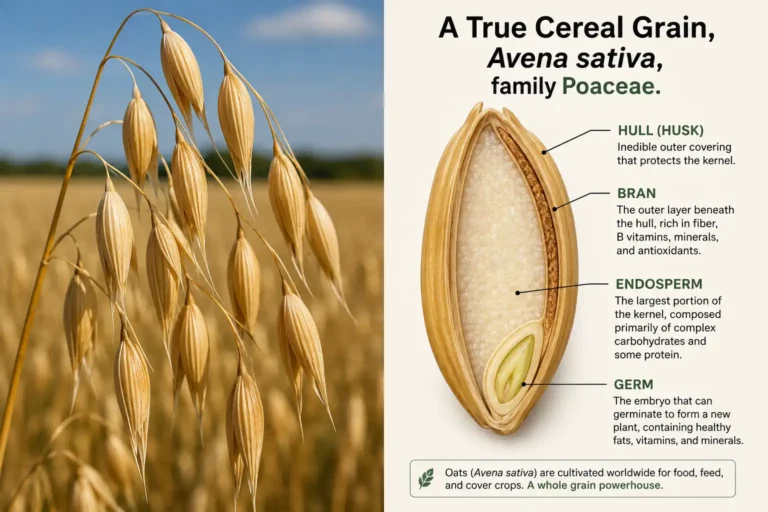
Know more: Oats Look Like
How Oats Are Made at the Mill
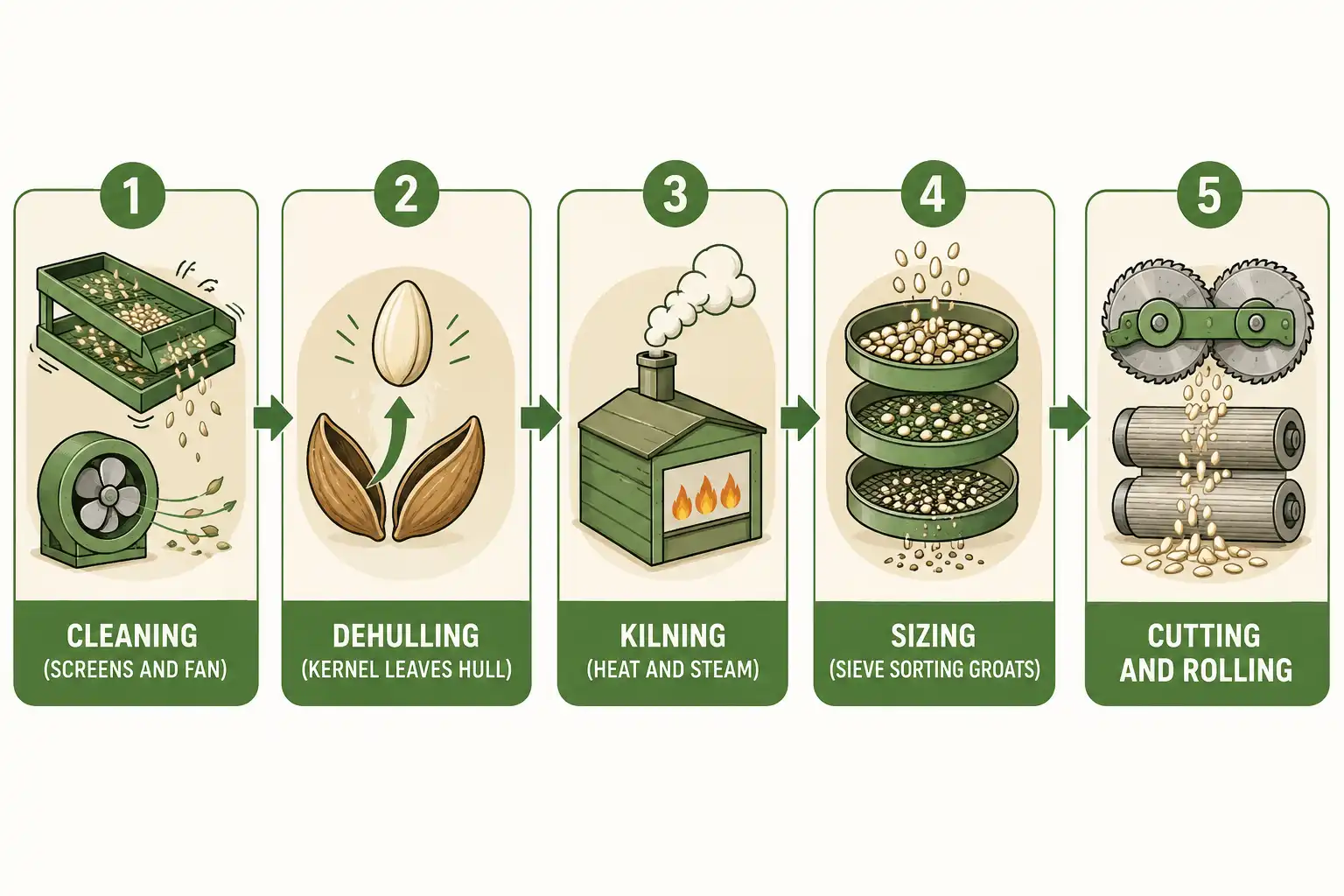
Oats are made at the mill in five clear steps. Each step has one job. Together they turn raw grain into a shelf-stable food.
Step 1: Cleaning and Grading
First, the mill cleans the raw oats. Incoming grain carries chaff, straw, weed seeds, dust, stones, and stray grains like wheat or barley. Air aspirators, vibrating screens, and magnets pull all of it out. Up to 8% of the intake leaves as waste at this stage. The mill then grades the cleaned oats by size, because size decides how they dehull later.
Step 2: Dehulling (Removing the Hull)
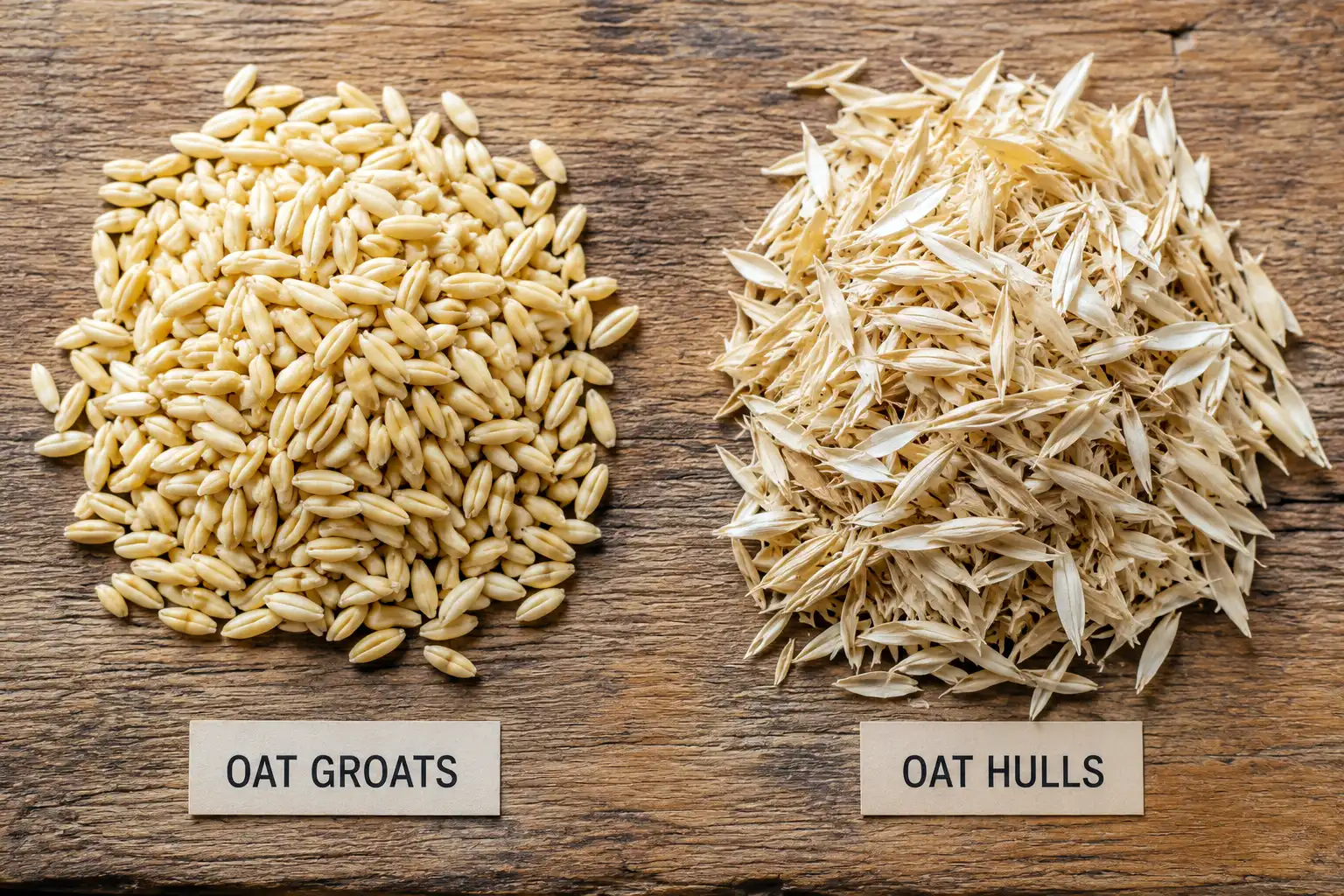
Next, the mill removes the hull to expose the groat. The groat is the edible oat kernel inside. Impact hullers spin the oats fast, then fling them against a hard ring. The shell cracks off on impact. After that, aspiration lifts the light, papery hulls away from the heavier groats. Tilting tables rock the mix, so any still-hulled oats go back for another pass. Nothing goes to waste here. Mills sell the hulls for animal bedding, boiler fuel, and industrial use.
Step 3: Kilning (Heat Treatment)
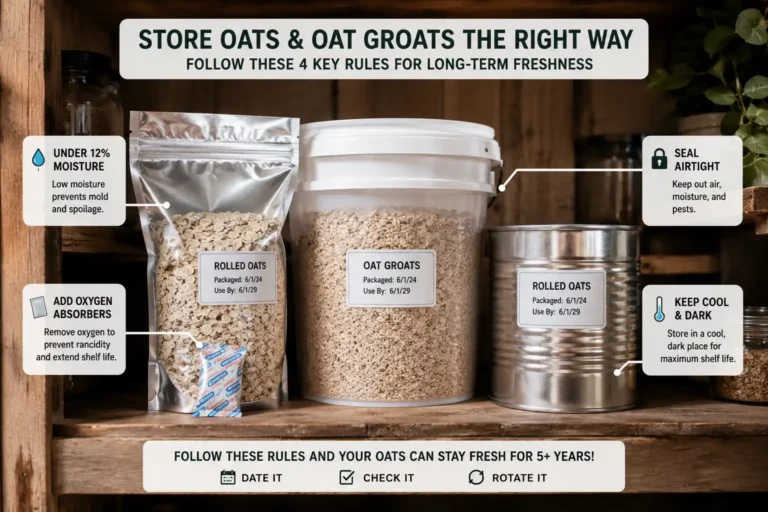
After hulling, the mill heats the groats. Millers call this step kilning. Steam-heated kilns run the groats to around 190 to 210°F. Heat does two things here. First, it kills the natural lipase enzyme. Oats hold more oil than most grains, and lipase would turn that oil rancid within weeks. Kilning stops that, so oats keep for a long time. Second, the heat builds the warm, nutty, toasted flavor people expect. Good habits for storing oats long term still help at home, but kilning is why milled oats last on the shelf at all.
Step 4: Sizing the Groats
Then the mill sorts the groats by size again. Dehulling breaks some groats, so the mill gets a mix of whole groats, broken pieces, and fine powder. Screens and sieves separate them. The mill can package whole groats as is. Broken and cut groats move on for further shaping. The smallest fines go into oat flour or animal feed.
Step 5: Cutting, Rolling, or Grinding
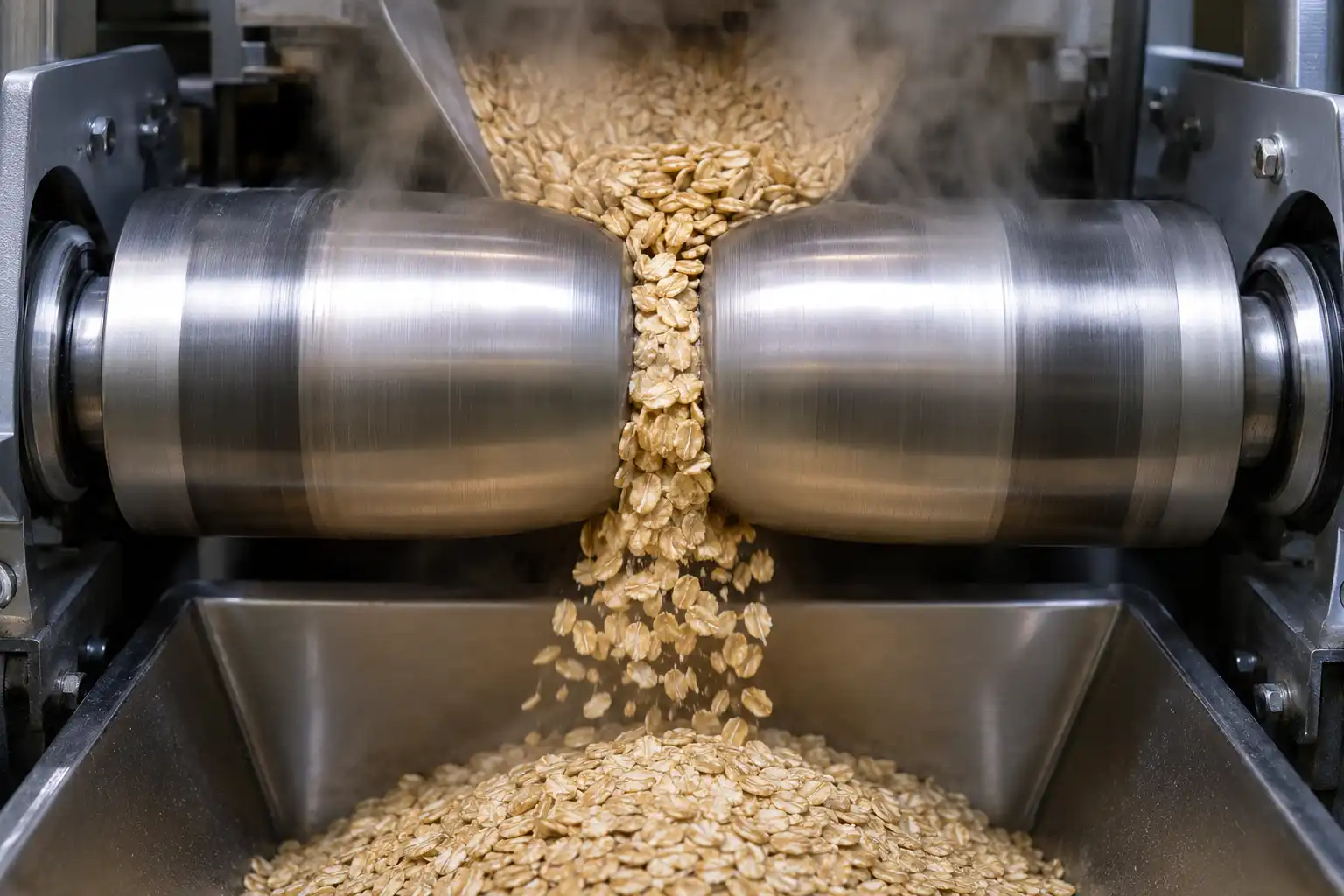
Finally, the mill shapes the groats into the product you recognize. This last step decides whether you get steel-cut, rolled, quick, or instant oats. Steel blades chop groats for steel-cut. Rollers flatten them into flakes. A grinder mills them into flour. Before rolling, the mill steams the groats and adds 3 to 5% moisture, or the dry groats would shatter into dust under the rollers.
The Main Types of Oats and How Each Is Made
Every oat product starts from the same groat. The difference sits only in that final shaping step. Here is how each common type is made.
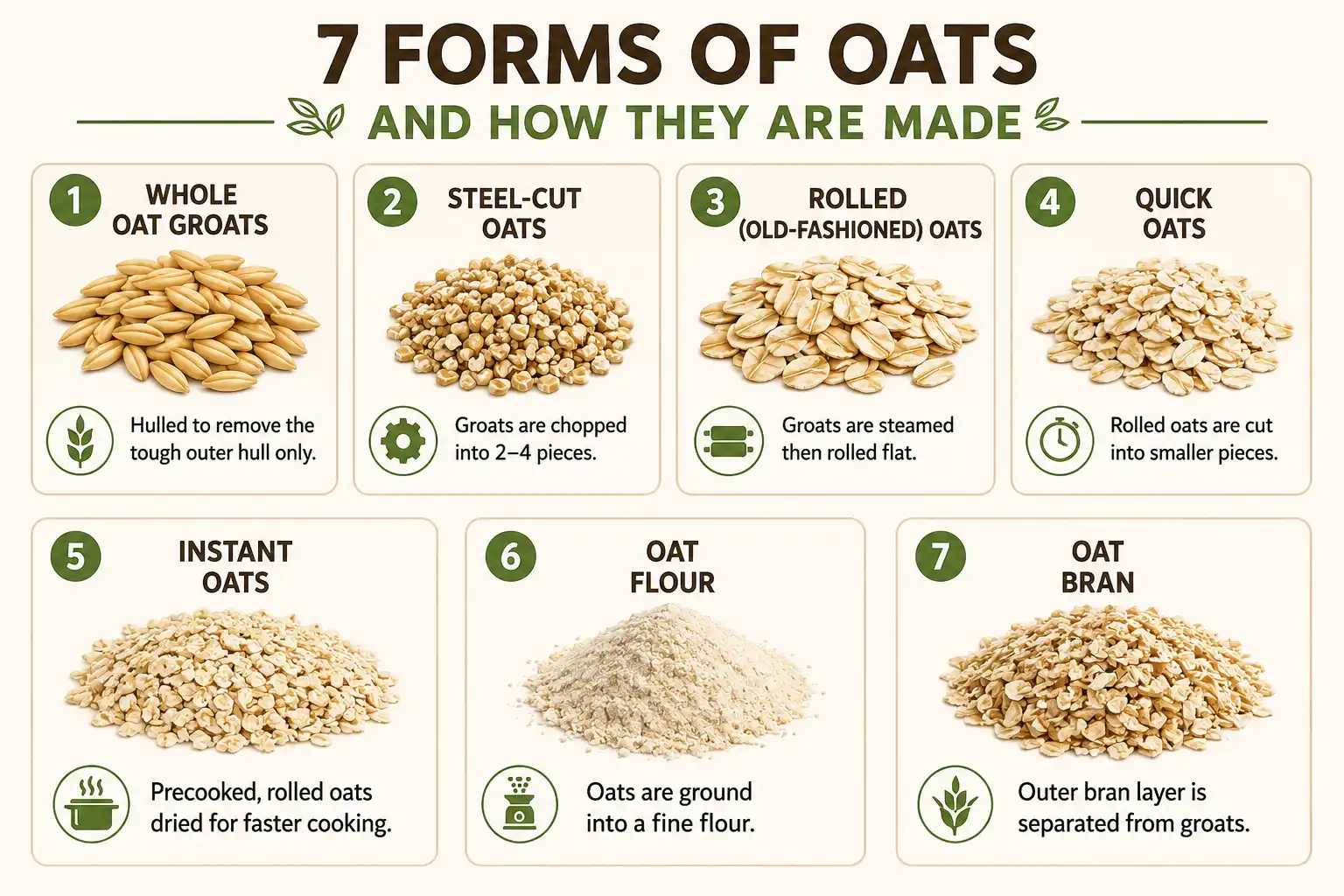
| Oat type | How it is made | Texture and cook time |
|---|---|---|
| Oat groats | Whole dehulled kernel, only cleaned and kilned | Chewy, longest cook, about 45 to 60 min |
| Steel-cut (Irish, pinhead) | Groats cut into 2 to 3 pieces with steel blades | Firm and chewy, about 20 to 30 min |
| Rolled (old-fashioned) | Whole groats steamed, then flattened into flakes | Soft but holds shape, about 5 min |
| Quick oats | Groats cut smaller, then steamed and rolled thin | Softer, faster, about 1 to 3 min |
| Instant oats | Rolled very thin and pre-cooked, then dried | Very soft, just add hot water |
| Oat flour | Groats ground into fine, medium, or coarse flour | Powder, used for baking |
| Oat bran | Outer bran layer sifted off the groat | High fiber, cooks like hot cereal |
What Makes Steel-Cut Oats Different?
Steel-cut oats are groats chopped into small pieces and never rolled. The blades leave a coarse, pinhead texture. That is why they cook slower and stay chewy. The mill adds nothing and removes nothing, so steel-cut oats keep the full groat.
How Are Instant Oats Made So Fast to Cook?
Instant oats cook in seconds because the mill pre-cooks them first. Operators roll the groats very thin, cook them, then dry them back down. The thin flake soaks up hot water fast. The mill also mixes sugar, salt, and flavoring into many instant packs after cutting. Plain instant oats stay whole grain, but flavored ones often carry extra sugar.
How Is Oat Bran Made?
Oat bran is the outer layer of the groat, sifted off during milling. It packs more fiber, protein, and minerals than the inner kernel. Under FDA rules, a product labeled oat bran must hold at least 16% total dietary fiber. That is why oat bran cooks into such a thick, hearty cereal.
How Is Oat Milk Made?
Oat milk is made by blending oats with water, then straining out the solids. Processors soak or blend oat groats or oat flour with water. Next, they add enzymes that break the starch into simple sugars, which gives oat milk its natural sweetness. Then they filter the liquid and strain out the leftover pulp. Finally, they fortify the milk with calcium and vitamins. This is a wet process, unlike the dry milling that makes flakes and groats.
Are Oats Treated With Chemicals When They Are Made?
No, oat milling itself uses no chemicals. Cleaning, hulling, kilning, and rolling are all physical steps. No solvents or additives touch plain oats at the mill. The chemical worry really points to the field, not the mill. Some conventional growers dry the crop before harvest with a glyphosate spray. Whether oats get sprayed with glyphosate before harvest is a fair concern, and it happens on the farm, not during milling. Certified organic oats skip that step entirely.
Do Oats Stay Whole Grain After They Are Made?
Yes, oats stay whole grain through milling. Cutting and rolling change the shape, not the grain. The bran, germ, and endosperm all stay in the flake. That is why the Whole Grains Council counts rolled and steel-cut oats as whole grain. It also keeps the beta-glucan intact. Beta-glucan is the soluble fiber that makes oats good for the heart. In 1997 the FDA gave oats the first food-specific health claim in the country. It says 3 grams of beta-glucan a day, as part of a low-fat diet, may lower the risk of heart disease. Oats run about 6 to 8% beta-glucan, so a solid bowl gets you close. This is one reason oats hold up well when you weigh oats against wheat for a daily grain.
Are Made Oats Gluten-Free?
Plain oats are naturally gluten-free, but most are not safe for celiac diets. Oats share fields, harvesters, trucks, and mills with wheat, barley, and rye. That cross-contact adds gluten along the way. Testing shows a large share of regular oats carry gluten above safe limits. So for celiac disease, only oats labeled certified gluten-free are safe. Those come from dedicated fields and dedicated milling lines that keep other grains out.
From Field to Cereal Aisle
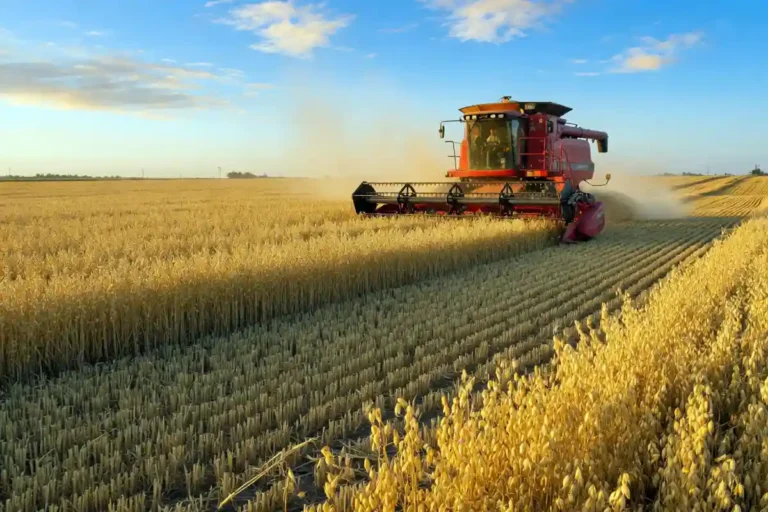
Once the combine clears the oat field, the grain leaves the farm and the mill takes over. The making is simple in idea. Clean it, pull the hull, heat it, then cut or roll it. Every oat product you buy comes from that same groat and those same few steps. If you want the most texture and the least processing, reach for groats or steel-cut. If you want speed, rolled and quick oats do the job. All of them start as a hulled kernel off a field like this one.