Which Is Better Wheat or Oats? 7 Key Differences
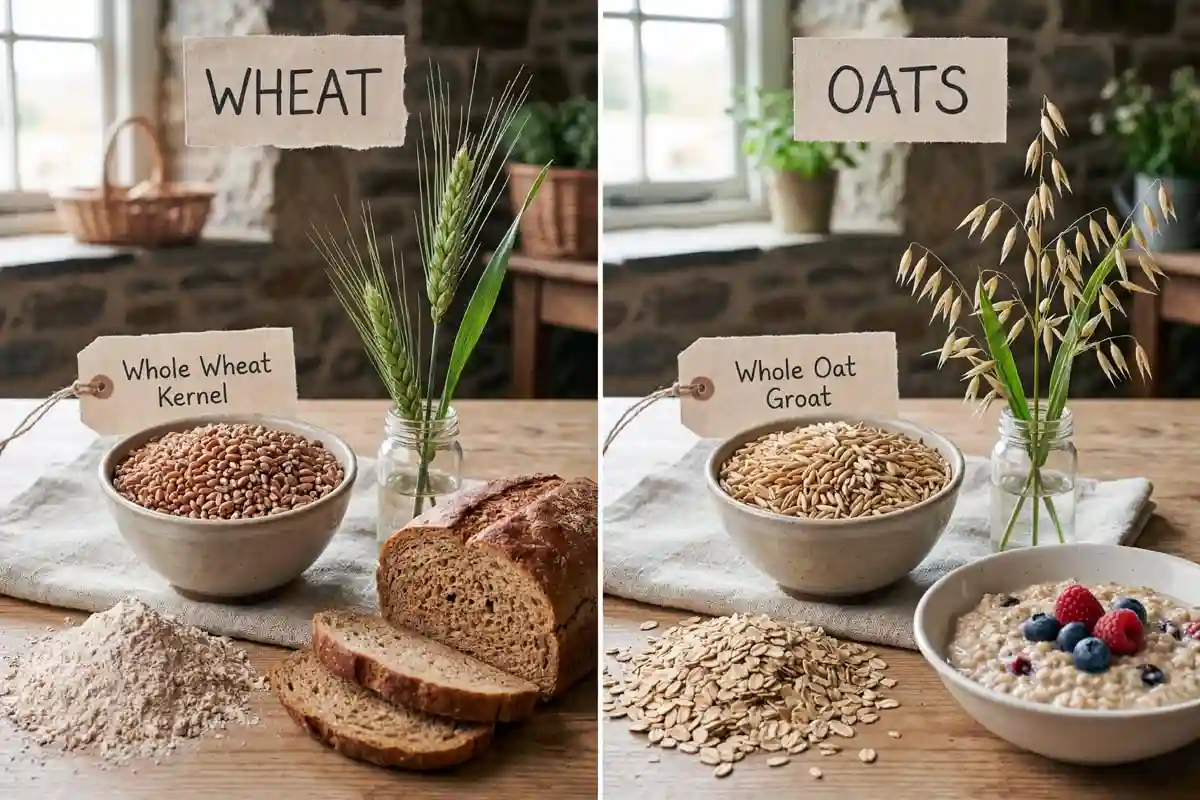
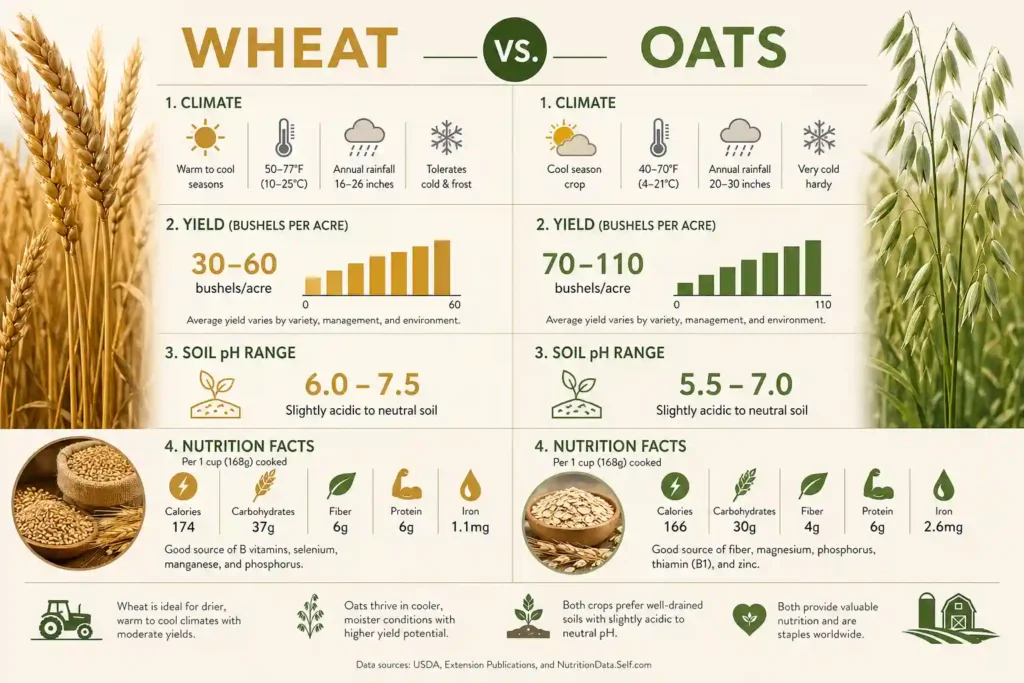
Wheat is generally better for high yields, bread flour, and warm climates, while oats are better for cooler regions, livestock feed, and human nutrition. This guide compares wheat and oats by yield, climate, soil needs, profit, nutrition, and practical fit so you can pick the right crop for your farm.
Wheat outproduces oats in pounds per acre and earns more on commodity markets. Oats germinate faster, tolerate cool wet soils, and provide more fiber and beta-glucan per serving. Pick wheat for grain sales and milling. Pick oats for forage, cover crop rotations, or oatmeal demand.
What is wheat?
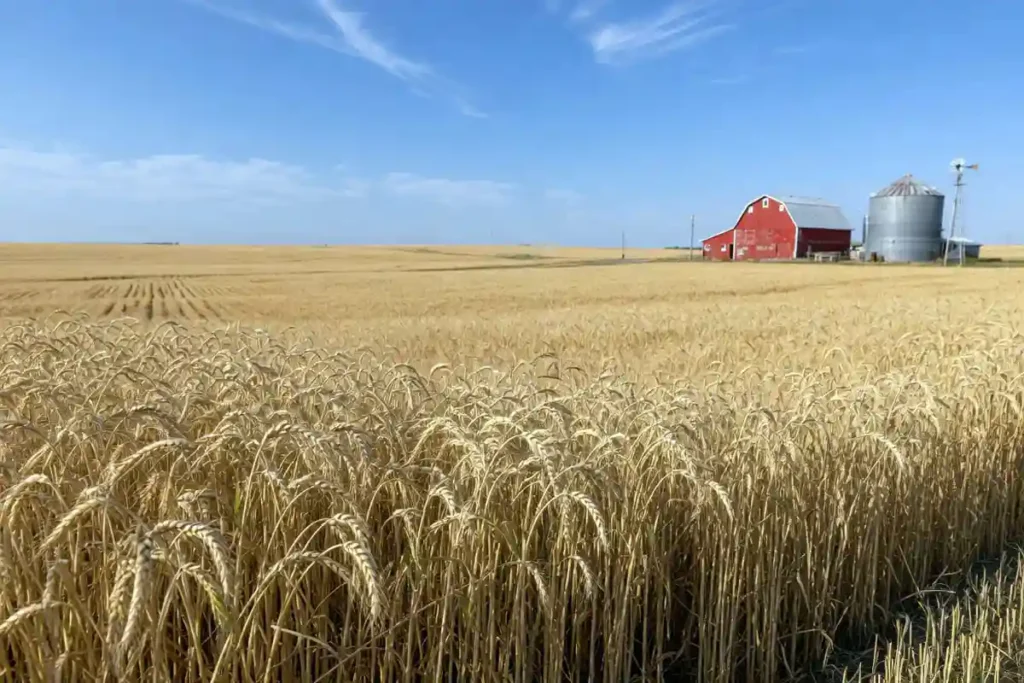
Wheat is a cereal grass in the Triticum genus grown for its starchy grain. Farmers harvest hard red, soft red, hard white, and durum classes for bread, pasta, crackers, and pastry flour. Winter wheat is sown in fall and harvested early summer. Spring wheat is sown after frost and harvested late summer. Knowing the right wheat planting window sets the entire season.
What are oats?
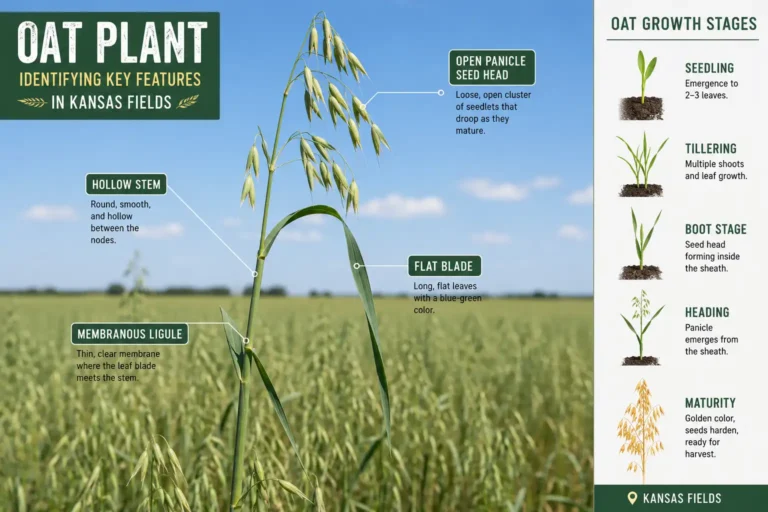
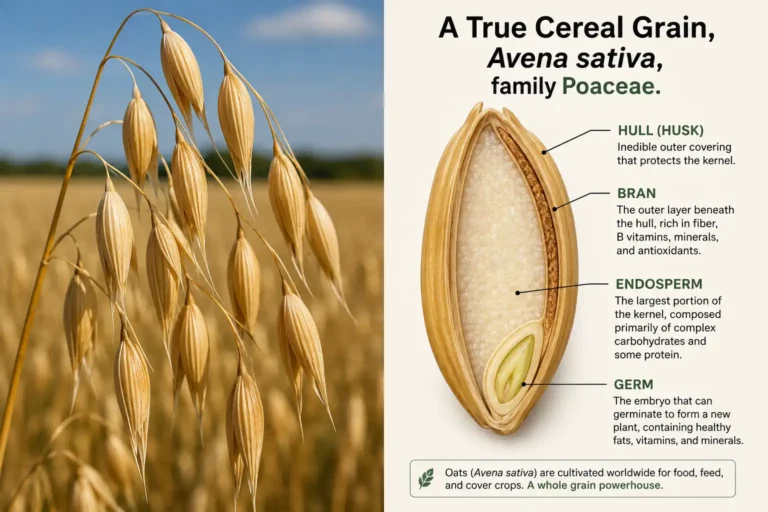
Oats are a cool-season cereal in the Avena sativa species grown for grain, hay, and silage. The grain processes into rolled oats, steel-cut oats, oat groats, and oat flour. Oats also work as a nurse crop for legumes and as a fall cover crop. Oat seed germination begins within 7 to 10 days at 50°F to 77°F soil temperature.

Wheat vs oats: side-by-side comparison
| Factor | Wheat | Oats |
|---|---|---|
| Best climate | Warm temperate, semi-arid | Cool, moist temperate |
| Average U.S. yield | 45–55 bu/acre | 60–70 bu/acre |
| Test weight | 60 lb/bu | 32 lb/bu |
| Main use | Bread flour, pasta | Oatmeal, livestock feed |
| Drought tolerance | Higher | Lower |
| Frost tolerance | High (winter wheat) | Moderate |
| Soil pH | 6.0–7.5 | 5.5–7.0 |
| Gluten | Yes | Naturally gluten-free |
Wheat trades higher per bushel because of milling demand. Oats fit cooler, wetter ground where wheat suffers from rust and head scab.
Which crop yields more per acre?
Oats yield more bushels per acre, but wheat yields more pounds per acre. USDA NASS data places U.S. oat yields near 65 bushels per acre at 32 pounds per bushel, totaling about 2,080 pounds. Wheat yields near 50 bushels at 60 pounds each, totaling 3,000 pounds. So wheat produces about 44% more grain weight per acre.
Which crop is more nutritious?
Oats win on nutrition for human eaters. One cup of cooked oatmeal provides 4 grams of fiber and 2 grams of beta-glucan, a soluble fiber linked to lower LDL cholesterol per USDA FoodData Central. Whole wheat delivers more protein per cup at 16 grams compared to 11 grams in oats, plus more iron and selenium. Oats are naturally gluten-free when processed in a clean facility, while wheat contains gluten and triggers celiac disease in sensitive eaters.
Which crop is easier to grow?
Oats are easier for new growers. Oats germinate fast, tolerate acidic soils down to pH 5.5, and resist most root diseases. Wheat needs cleaner seedbeds, balanced nitrogen, and tighter planting timing. According to Penn State Extension, wheat fields use 80 to 120 pounds of nitrogen per acre, while oats need only 50 to 80 pounds. Use a crop selection guide before committing acres.
Which crop is more profitable?
Wheat earns more per acre in most markets. Hard red winter wheat trades around $5 to $7 per bushel on the Chicago Board of Trade, while oats trade around $3 to $4 per bushel. At 50 bushels of wheat per acre, gross income reaches $250 to $350. At 65 bushels of oats per acre, gross income reaches $195 to $260. Yield-boosting practices widen that gap further on managed acres.
Wheat or oats for cooler climates?
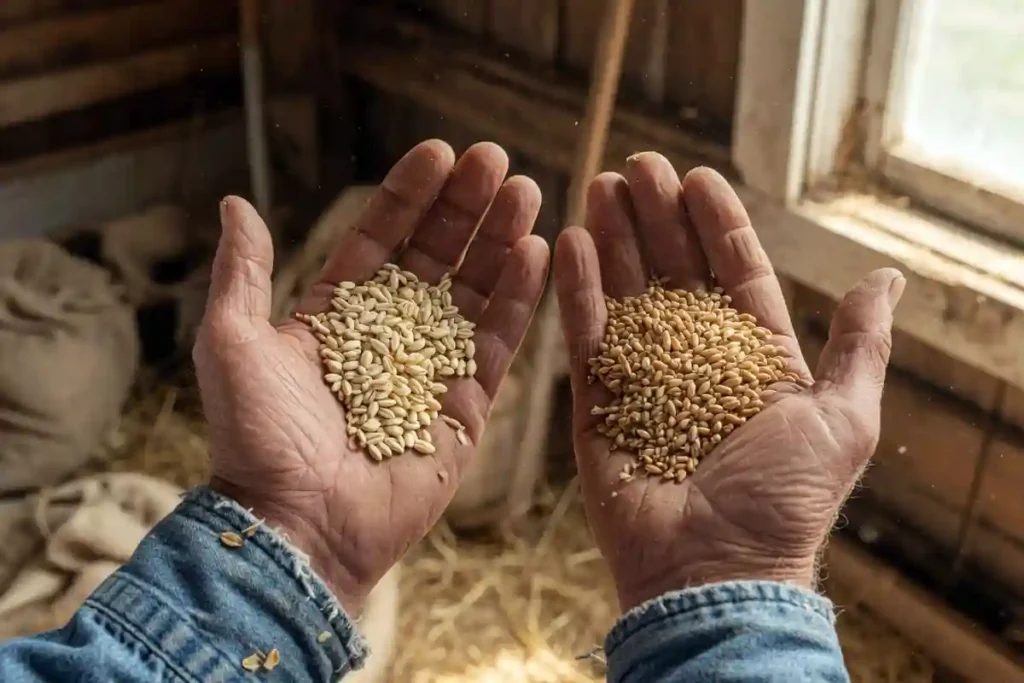
Oats win in cool, short-season regions. Spring oats handle light frosts at germination and ripen in 90 to 110 days. Winter wheat survives down to -10°F under snow cover, but spring wheat needs 110 to 130 frost-free days. North Dakota, Minnesota, and Wisconsin grow more oats. Kansas, Oklahoma, and Texas grow more wheat. Check winter wheat planting windows for your zone before ordering seed.
Common mistakes when picking between wheat and oats
Most growers pick the wrong crop because of three errors:
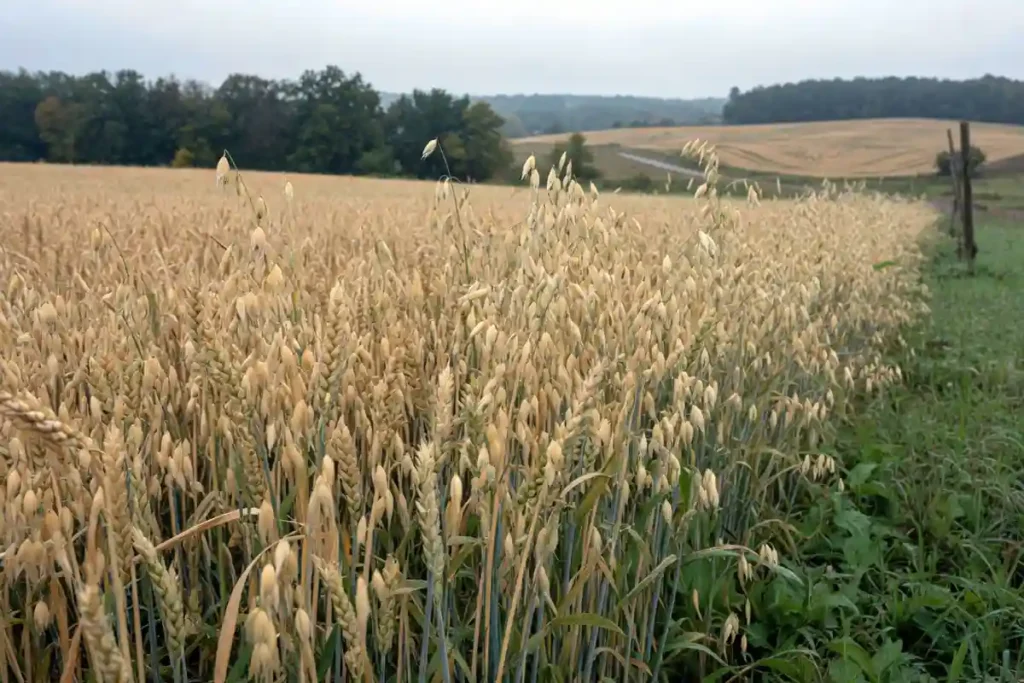
- Ignoring soil drainage. Wheat rots in waterlogged ground. Oats handle wet feet better.
- Underestimating disease pressure. Humid summers favor wheat scab, leaf rust, and stripe rust.
- Skipping market checks. Selling oats far from a feed mill cuts profit fast.
Walk the field, pull a soil test, and call two local buyers before ordering seed.
FAQs on Wheat Vs Oats
Can I grow wheat and oats together?
Which feeds livestock better?
Which is healthier for daily meals?
Which uses less water?
Final verdict
Wheat fits farms with warm seasons, well-drained soils, and milling buyers nearby. Oats fit farms with cool springs, wet ground, livestock on site, or cover crop goals. Run the numbers for your county yields, nearest elevators, and equipment match. The best crop is the one your land, climate, and market reward most.